
Which Valve Fits Your Pipeline Better:Industrial Ball Valve vs Butterfly Valve? | pressure resistance, installation space, operating torque
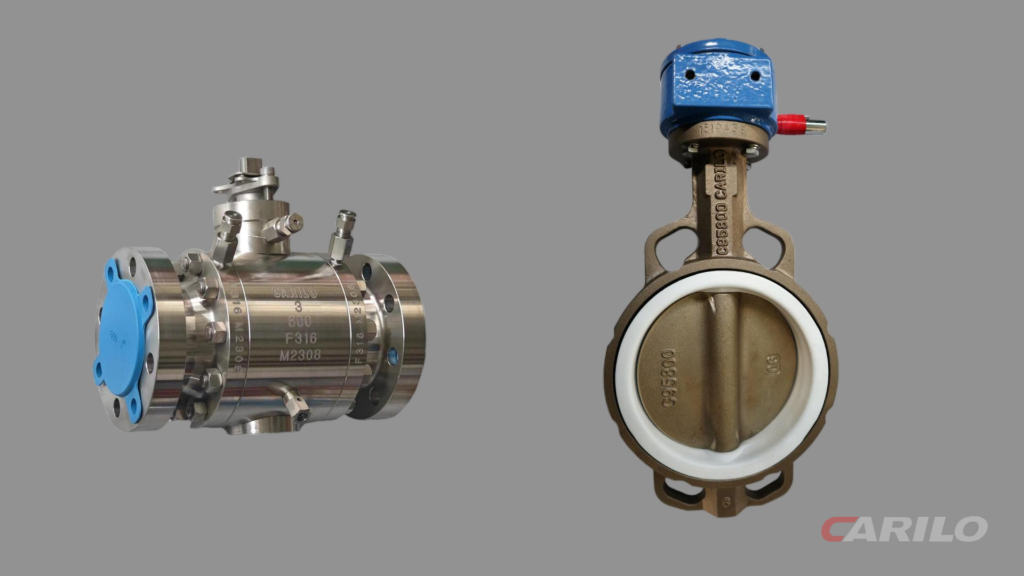
Industrial ball valves can handle pressures of up to 1,000 bar, but they require high operating torque and take up more space. Butterfly valves save a great deal of installation space, and their operating torque is only about one-third that of ball valves, but their pressure rating is usually limited to within 25 bar. For […]
Industrial Ball Valve Applications in Oil and Gas Pipelines | high pressure, fire safe design, operational safety
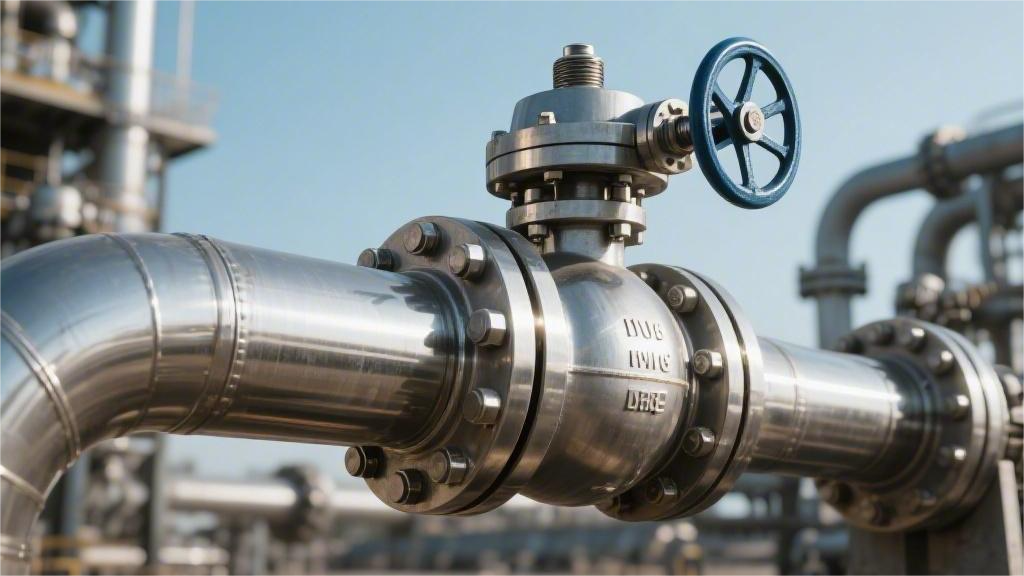
Industrial ball valves for oil and gas pipelines can withstand pressures of up to 10,000 PSI. The handle must be turned smoothly through 90 degrees to prevent water hammer in the pipeline system. For operational safety, the valve uses an anti-blowout stem design and complies with API 607 fire-safe standards. If a fire destroys the […]
Key Factors to Consider Before Buying an Industrial Ball Valve | connection type, operating pressure, application media
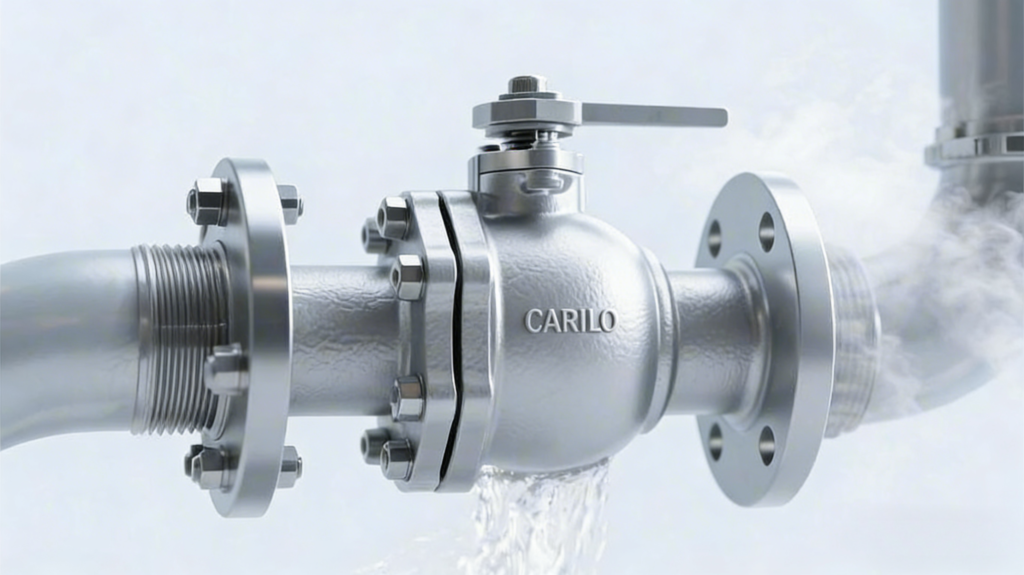
For highly corrosive media, 316L is recommended with a PTFE seat rated to 200°C. Check the operating pressure carefully. If system pressure exceeds 10 MPa, threaded connections must be avoided and replaced with flanged connections to prevent leakage. In actual operation, the handle must be turned a full 90 degrees in one motion to either […]
Common Industrial Ball Valve Failures and How to Prevent Them | leakage issues, seat wear, improper operation
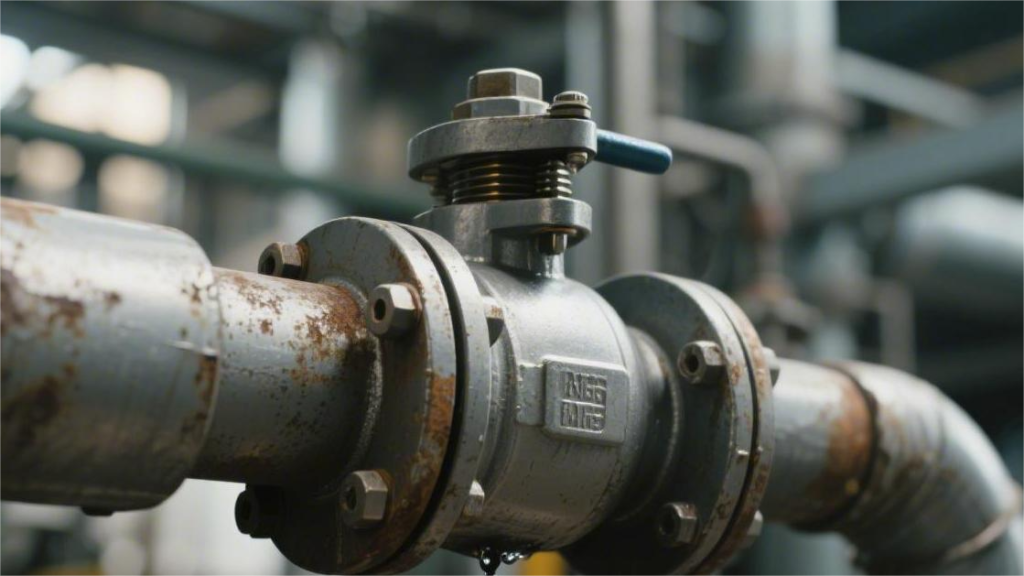
Internal leakage in ball valves and seat wear are often caused by improper operation. To prevent this, the valve must always be rotated the full 90 degrees to the fully open or fully closed position. It must never be left partially open for throttling, as high-velocity flow can erode and damage the valve body. For […]
How to Choose an Industrial Ball Valve for High-Pressure Applications | pressure rating, valve material, sealing performance
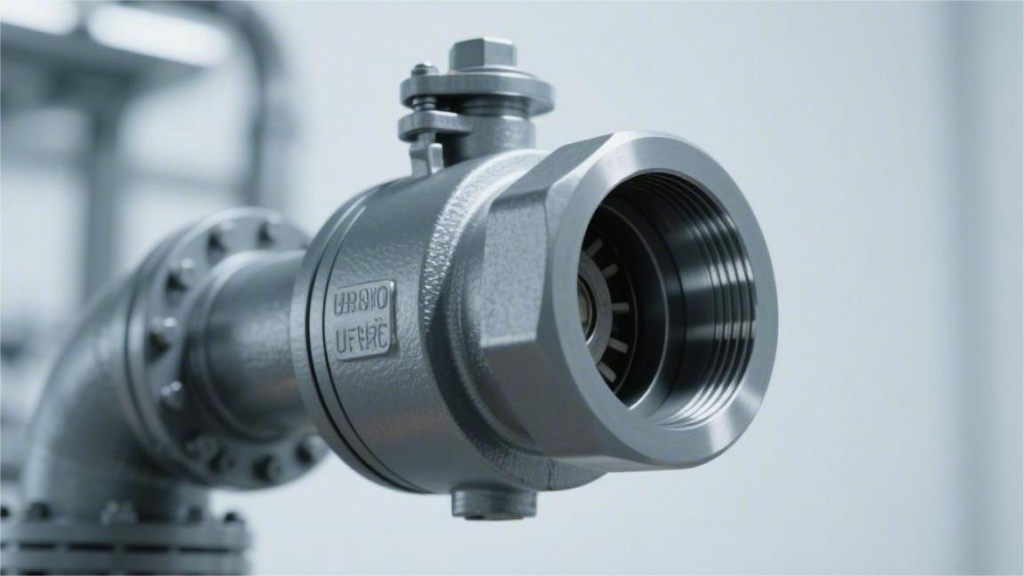
When selecting a high-pressure ball valve, prioritize Class 1500 to Class 2500 pressure ratings. The body material should be forged F316L steel to withstand extreme mechanical stress, and the sealing system must use high-pressure-resistant PEEK or a metal hard seal with a tungsten carbide-coated surface to ensure zero leakage. Before installation, a hydrostatic pressure test […]
Flanged Ball Valve vs Threaded Ball Valve: Which One Is Better for Your Project? | installation method, sealing performance, application range
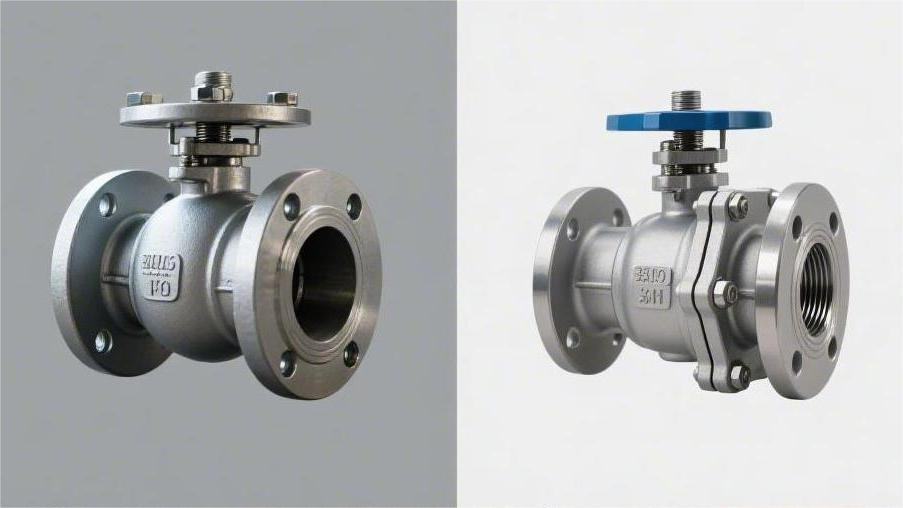
Threaded ball valves are suitable for pipelines up to DN50. Installation is straightforward: wrap the threads with PTFE tape and tighten. Their pressure rating is about 68 bar. Flanged ball valves are designed for high-pressure systems above DN50. They require a gasket and diagonal cross-tightening of the bolts. With pressure resistance up to 420 bar, […]
How to Maintain a Flanged Ball Valve in Crude Oil Service | routine inspection, seal protection, operating practice
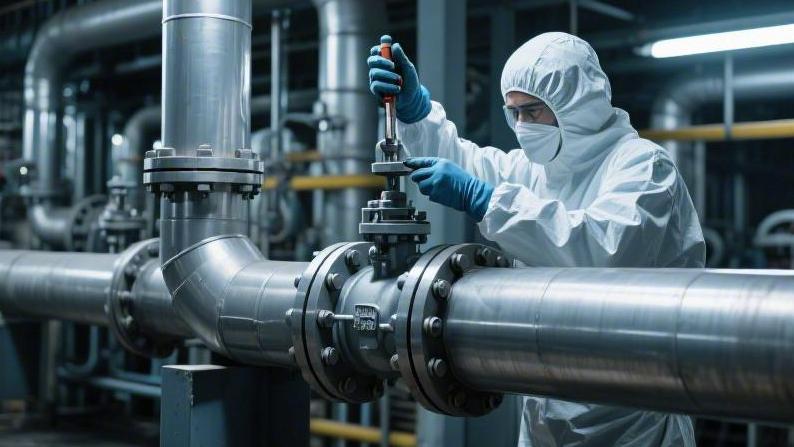
Flanged ball valves in crude oil pipelines must be kept either fully open or fully closed. Throttling at a 45-degree half-open position is strictly prohibited, as it allows impurities to scour and damage internal components. Routine inspections should be carried out every 3 to 6 months. Cleaning fluid and grease should be injected through the […]
Flanged Ball Valve vs Butterfly Valve in Chemical Pipelines | corrosion resistance, flow control, installation space
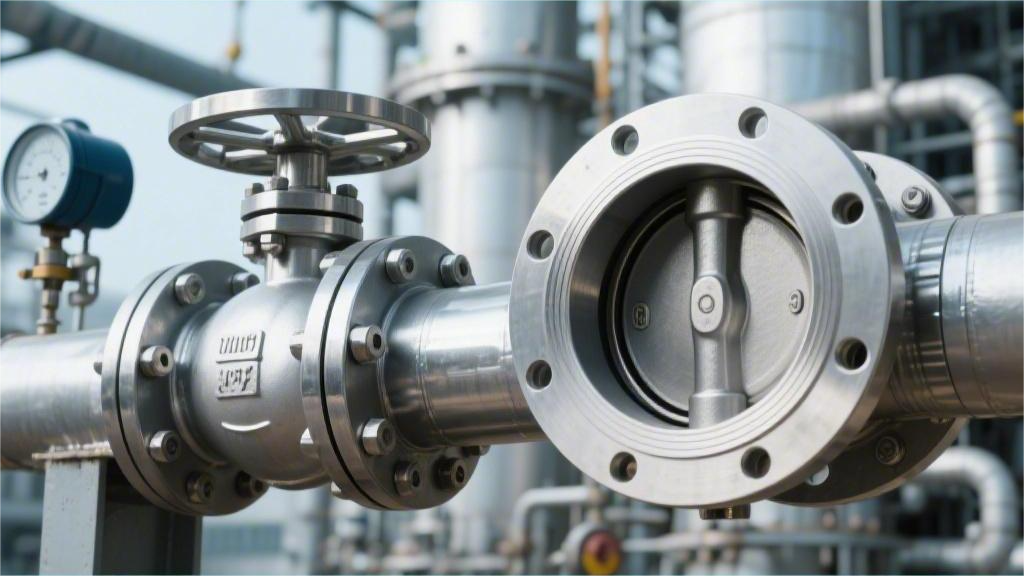
In chemical service, flanged ball valves can handle pressures up to 16 MPa, use PFA lining for strong corrosion resistance, and create virtually zero flow resistance. Butterfly valves are only about one-third the face-to-face length of ball valves, making them far more space-efficient. Both operate with a 90-degree turn, but ball valves excel at tight […]