
Why Engineers Use Two Single Ball Valves for Isolation Instead of a Double Ball Valve | practical reasons in plant maintenance and replacement
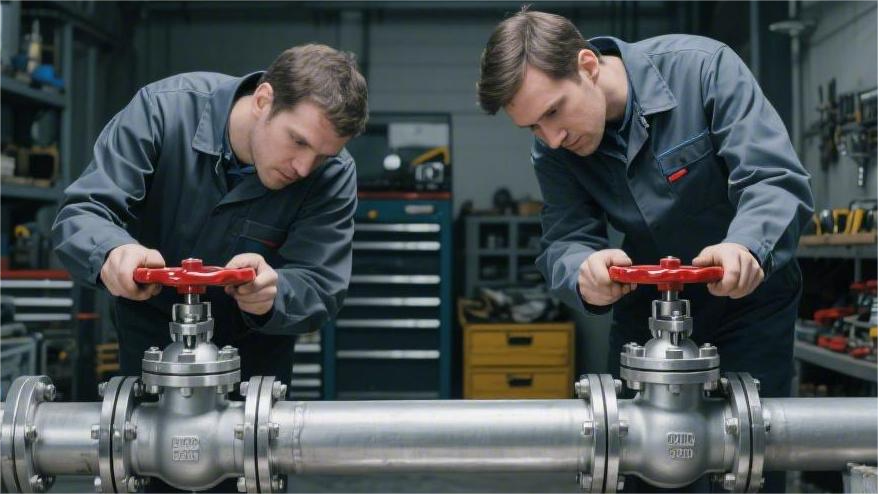
Engineering inside often uses two single ball valves replace double ball valve is because maintenance more flexible, single valve failure can alone replace, stopping machine time can reduce about 30%, and standard valve inventory common use rate ≥80%, installation time two valves spacing suggests ≥1 times pipe diameter and add blind plate position, ensure isolation […]
When Should You Use a Double Ball Valve in a Pipeline System | Common applications in oil, gas, and chemical lines
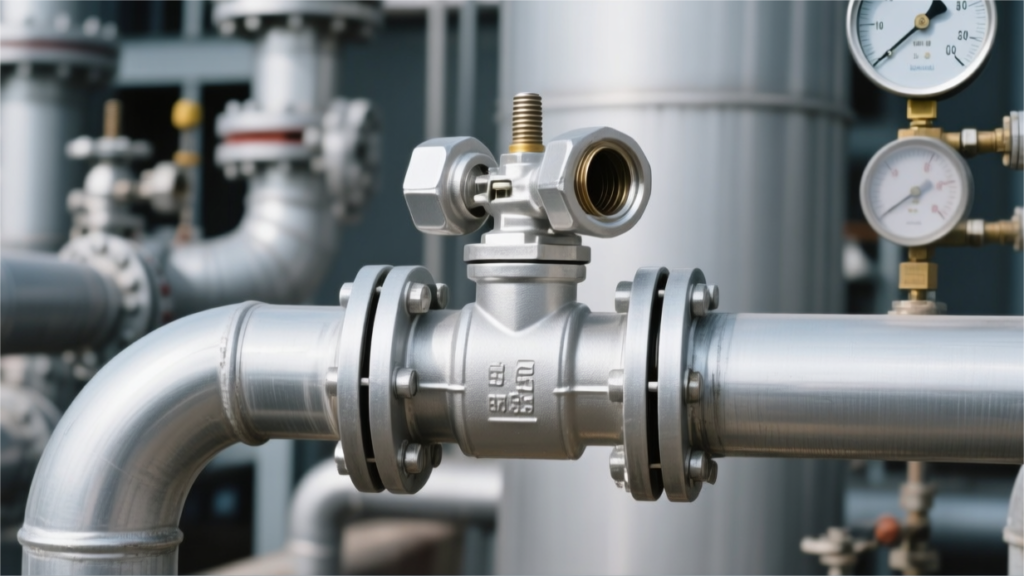
Double ball valve suitable for needs double isolation’s working conditions, like oil gas conveying pressure ≥4MPa or toxic medium pipeline, often used for maintenance venting and anti-leakage scenes, suggest middle cavity sets discharge port and regularly detects leakage rate ≤0.01%, installation time ensures two valves spacing ≥1.5 times pipe diameter in order to maintenance. oil […]
From Factory Test Passed to On-Site Leakage | Why Ball Valves Can Fail After Actuator Assembly
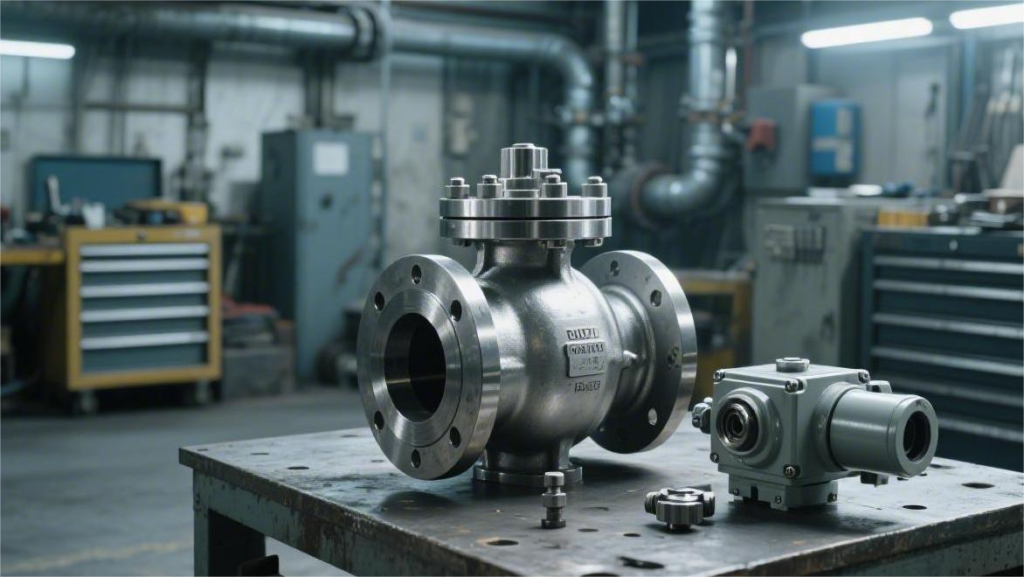
Ball valve leaving factory qualified but on-site leakage often due to installation stress leads to valve body deformation >0.3mm, actuator torque amplified 20% damages seal or medium contains particles >50μm scratches sealing face, suggest re-check coaxiality ≤0.5mm, re-set torque and flush pipeline after then put into use. misalignment Geometric deviation A unit DN100’s carbon steel […]
Installed the Actuator, Then the Ball Valve Started Leaking | 3 Mistakes Customers Often Don’t Notice
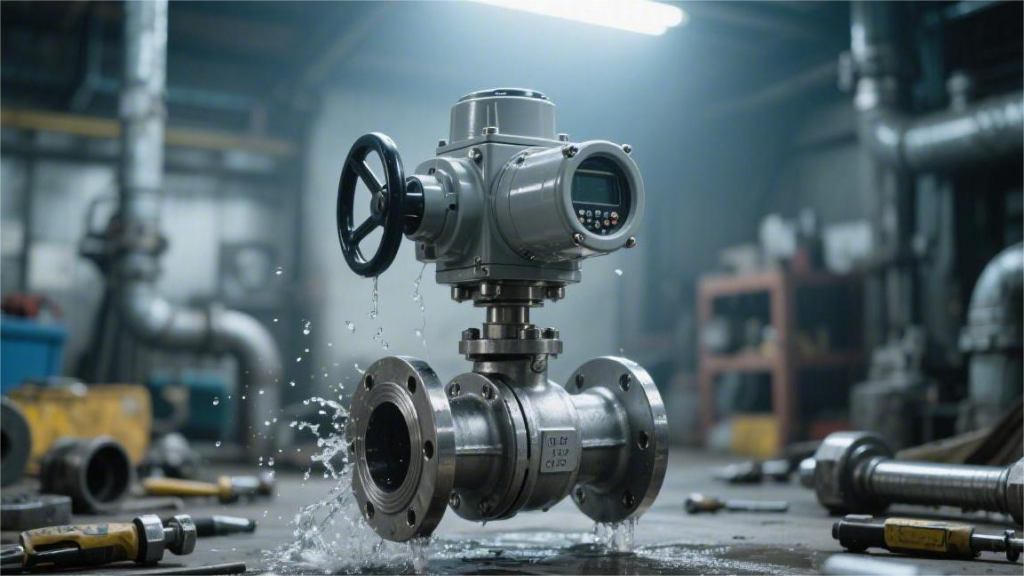
Installation actuator after valve leakage mostly due to torque setting error (deviation >10%), valve stem coaxiality offset >0.5mm or not reset stroke limit, suggest re-calibrate actuator switch position, detect connection bracket parallelism ≤0.2mm, and at 0.6MPa under do sealing test confirm leakage point. mounting errors Valve stem packing leakage Workshop’s tap water pipe pressure stops […]
How to Avoid Common Problems When Installing a Ball Valve in the Field | Installation Alignment and Seal Protection
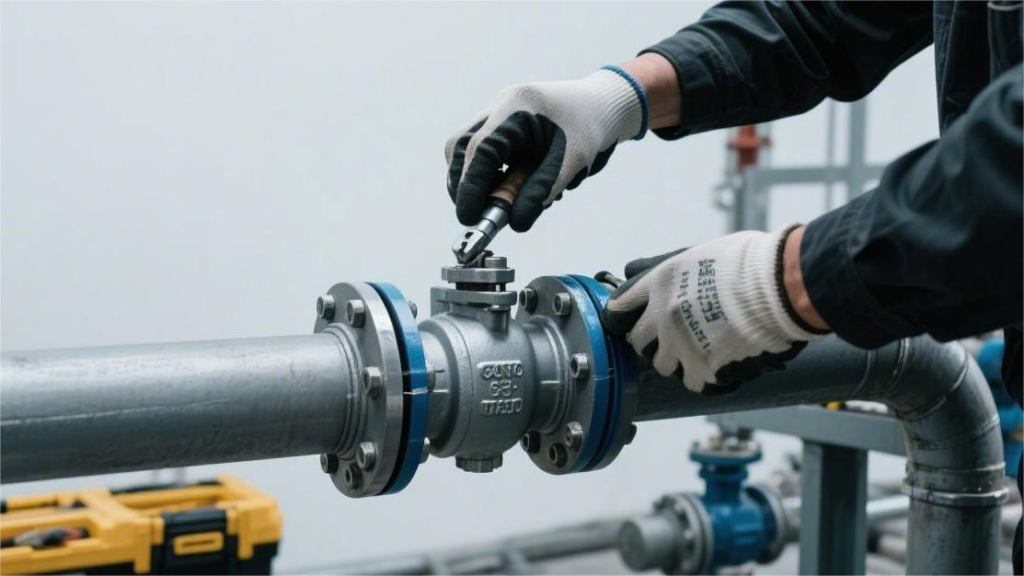
Installing ball valve when need guarantee pipeline coaxiality deviation ≤ 1mm, flange parallelism error ≤ 0.2°, avoid forced alignment produce stress; Sealing face installation before use non-woven fabric dip alcohol clean, prohibit scratching, bolts according to diagonal sequence divided 3 times tighten to rated torque 100%, test pressure controlled within 1.5 times working pressure inside, […]
What to Do Before and After Ball Valve Installation on Site | Pre-Installation Preparation and Post-Installation Testing
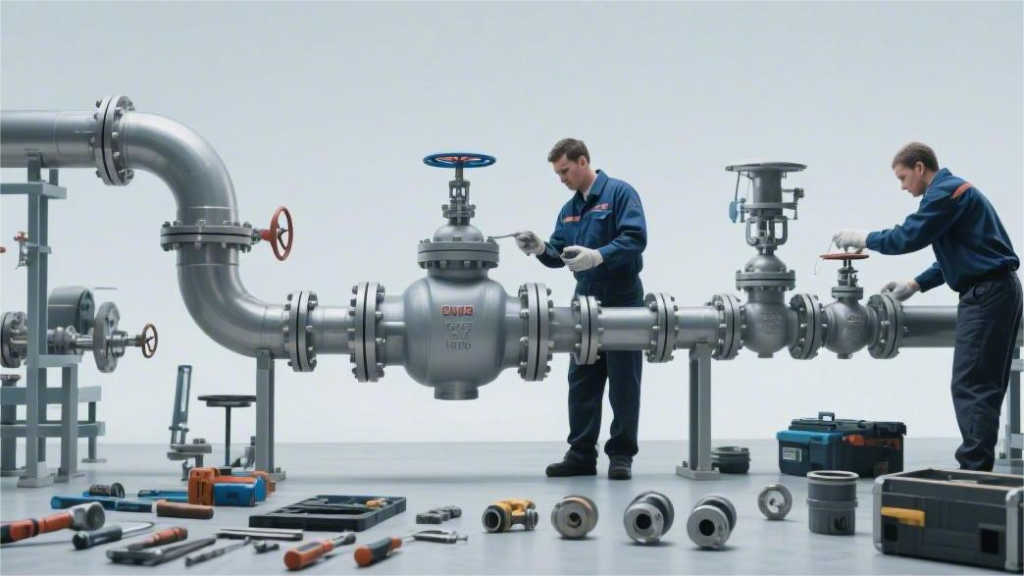
Ball valve before installation should check specification and pressure grade, perform appearance and sealing face inspection and use 0.5MPa air pressure pre-test no leakage, clean pipeline impurities; after installation according to 1.25 times working pressure perform water pressure test 10 minutes, allow trace leakage ≤ standard value, at the same time check opening/closing torque change […]
Ball Valve On-Site Installation: Key Points for Trouble-Free Use | Installation Positioning and Post-Installation Inspection
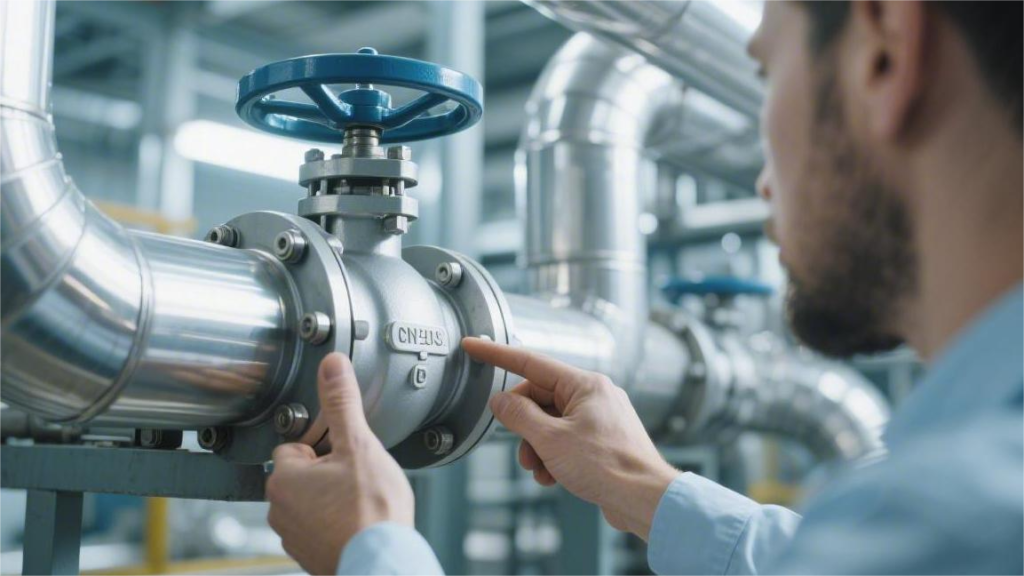
Ball valve field installation needs to ensure horizontal or vertical direction deviation is less than 1°, flange bolts according to diagonal divided into 3 times evenly tightened to 100% of design torque, before installation clean pipeline impurities, pigging test ensures unobstructed, after installation with 1.1 times working pressure perform sealing test, leakage rate must be […]
How Manufacturers Conduct API 607 Fire Tests for API 6D Ball Valves | Testing Procedures, Quality Assurance, and Fire-Safe Validation
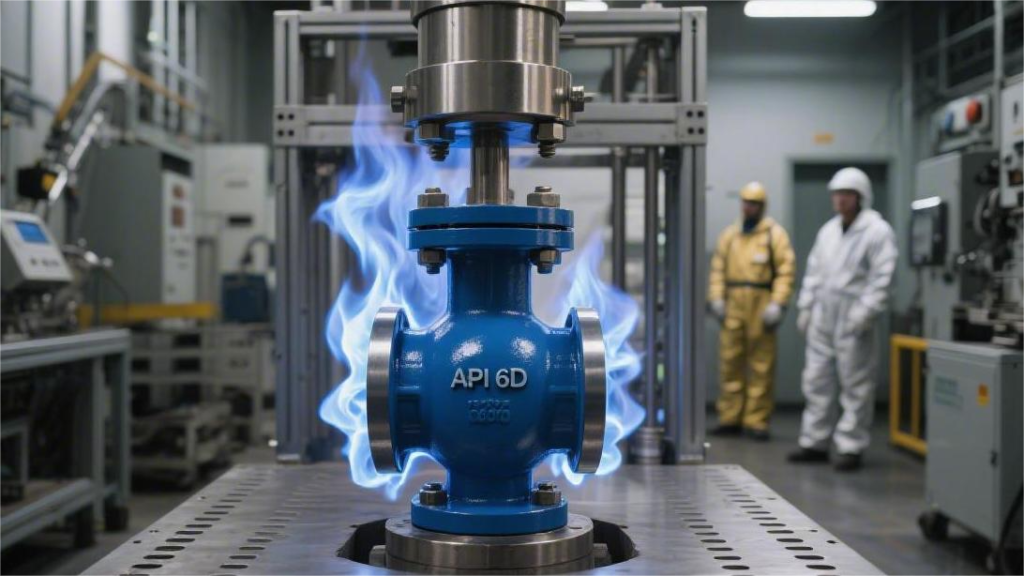
The manufacturer conducts a fire test on API 6D ball valves according to API 607, pressurizing the valve to 75% of the rated pressure, burning it in a 750–1000°C flame for 30 minutes, during which the leakage is continuously monitored not to exceed the specified value, and after cooling, seal and operating torque tests are […]