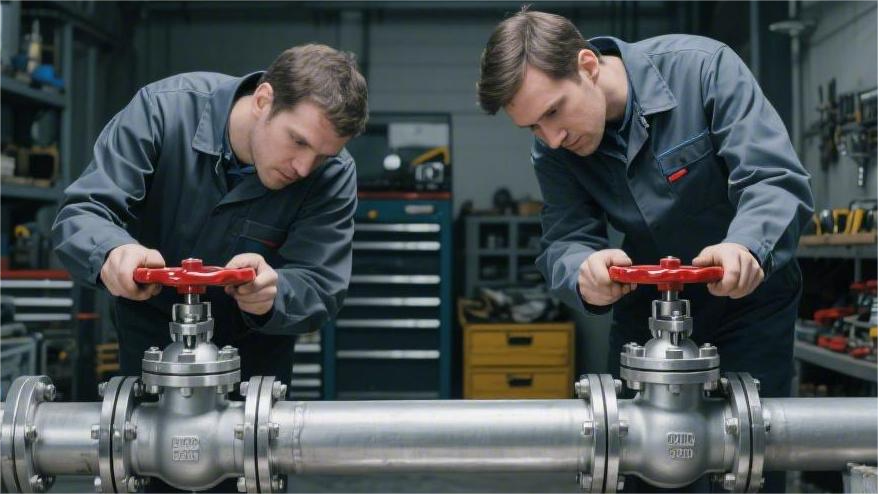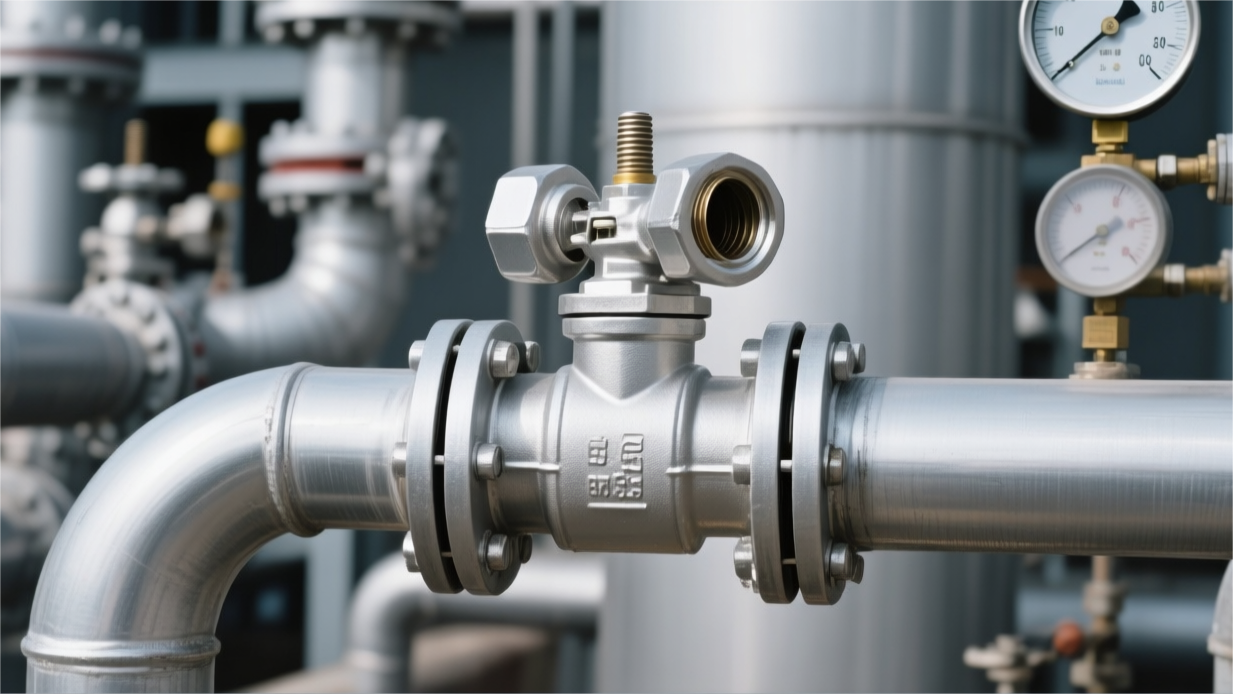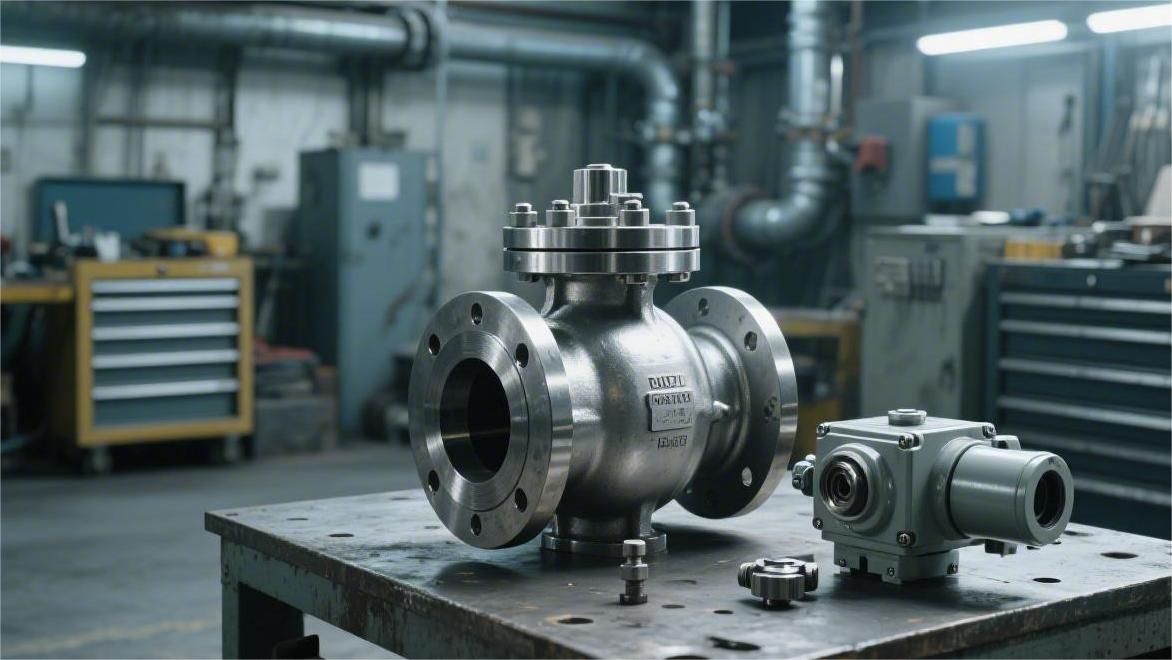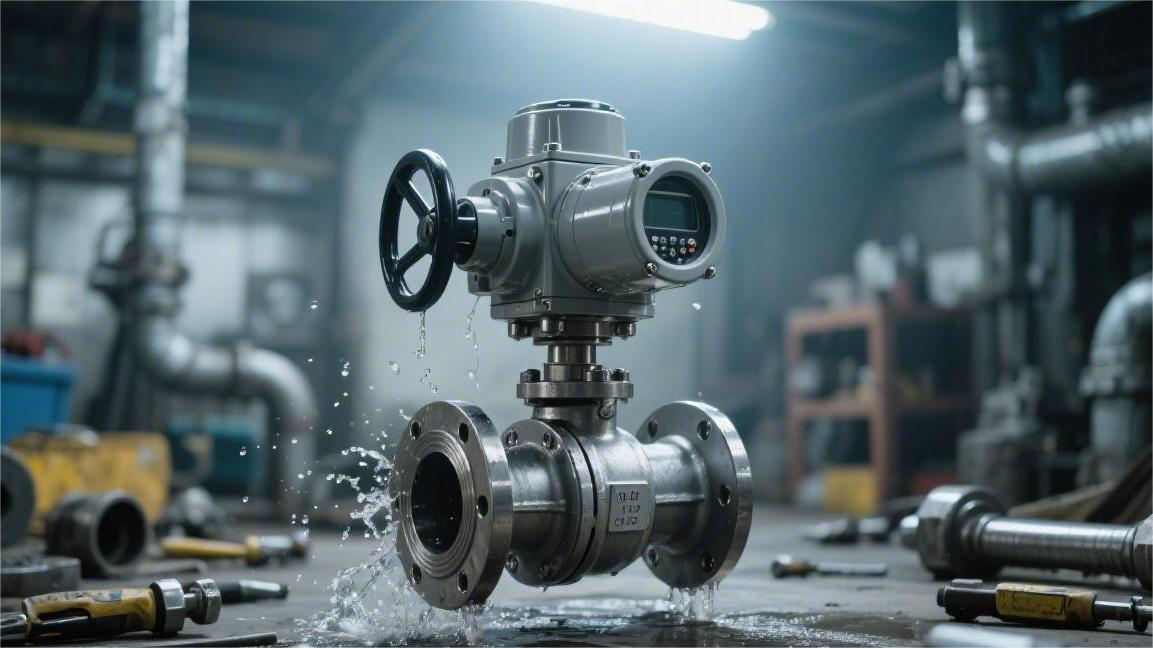
First, determine the pressure rating, selecting from Class 150 to 2500 based on the operating conditions;
Second, determine the material, conventionally using WCB carbon steel, and CF8M stainless steel for corrosive media;
ly, select the end connection, utilizing RF flanges for low pressure, and BW butt-welding for high pressure to prevent leakage.
Pressure Rating
According to the ASME B16.34 standard, common ratings are classified from Class 150 to Class 2500.
Taking a Class 300 WCB carbon steel valve as an example, the maximum allowable working pressure at 38°C is 740 psi. When the temperature rises to 427°C, the pressure-bearing capacity drops to 410 psi.
We need to combine and compare the dual P-T (Pressure-Temperature) ratings of the metal valve body and the internal soft sealing materials (such as PTFE, PEEK), and reserve a 10% physical safety margin to select the specific Class value.
Pressure-Temperature Derating
In the ASME B16.34 specification, the yield strength of metal materials exhibits a non-linear decline as the operating temperature rises. When we review an engineering specification for a side-entry ball valve, the marked Class 600 or Class 900 represents the physical load-bearing extreme at a baseline temperature (typically 38°C or 100°F). Once the pipeline medium introduces high-temperature steam or pyrolysis fluids, the Maximum Allowable Working Pressure (MAWP) of the valve body attenuates significantly.
Taking A216 WCB carbon steel, commonly used in refineries, as an example: in a 38°C environment, a Class 300 side-entry ball valve can withstand a working pressure of 740 psi. When the internal temperature of the pipeline climbs to 204°C (400°F), the lattice spacing of the material enlarges, and its physical pressure-bearing capacity drops to 635 psi. As the temperature continues to soar near the critical point of 427°C (800°F), the same valve can only withstand an internal pressure of 410 psi.
The decline in pressure capacity is as high as 44.5%. If sizing and selection only reference room-temperature data, the pipe network is highly susceptible to flange face leakage or even ductile rupture of the valve body when running at full load under high temperatures. The slopes of the pressure-temperature curves vary significantly among metals with different metallurgical formulas. The strength degradation of austenitic stainless steel (such as A351 CF8M) in high-temperature zones is more drastic than that of carbon steel.
We compare the physical limits of the aforementioned common materials under the same temperature coordinates. At 38°C, Class 150 WCB carbon steel bears 285 psi, while CF8M stainless steel bears 275 psi, showing little difference. When the temperature reaches 538°C (1000°F), WCB carbon steel has exceeded its physical allowable range. At this point, CF8M stainless steel, relying on its contained molybdenum and nickel elements, can still maintain a pressure-bearing baseline of 20 psi.
To facilitate engineers in accurately benchmarking on drawings, we have organized the pressure-bearing values of common pipeline materials at specific temperature nodes as follows (based on the ASME B16.34 Class 600 standard system):
- A216 WCB (Cast Carbon Steel): Bears 1480 psi at 38°C, 1265 psi at 204°C, and 825 psi at 427°C.
- A352 LCC (Low-Temperature Carbon Steel): Bears 1500 psi at 38°C, 1250 psi at 204°C, and 1075 psi at 315°C.
- A351 CF8M (316 Stainless Steel): Bears 1440 psi at 38°C, 1120 psi at 204°C, and 935 psi at 427°C.
- A890 4A (Duplex Stainless Steel): Bears 1500 psi at 38°C, 1200 psi at 204°C, and 1090 psi at 315°C.
Suppose a process pipeline with a set temperature of 260°C uses a Class 300 WCB ball valve. The engineering manual gives a pressure capacity of 635 psi at 204°C and 570 psi at 315°C. We need to use linear interpolation to calculate the exact value.
According to linear proportional conversion, 260°C is roughly in the middle of the two temperature nodes, and the calculated exact allowable pressure is about 602 psi. In oil and gas wellhead equipment, when encountering ultra-high pressure conditions up to Class 2500, the absolute value of temperature derating becomes extremely massive. A load capacity of 6170 psi at room temperature will instantly lose thousands of psi at 200°C.
Pressure attenuation occurs not only in high-temperature environments; extreme cold conditions also alter the physical form of materials. In Liquefied Natural Gas (LNG) pipelines, the operating temperature is typically as low as -196°C. Although the yield strength of metal materials does not significantly decrease in sub-zero environments, the internal structure of carbon steel undergoes a brittle transition.
ASME specifications mandate Charpy V-Notch Tests for low-temperature side-entry valves. A352 LCC material must absorb at least 20 Joules of impact energy at -46°C to ensure the material will not shatter like glass under pressure. For a -196°C cryogenic environment, it must be replaced with austenitic stainless steel featuring a face-centered cubic lattice structure.
A side-entry ball valve is assembled from multiple valve body components, and the connecting bolts between components also follow the physical laws of pressure-temperature derating. ASTM A193 B7 alloy steel bolts experience significant high-temperature creep above 400°C, leading to a loss of preload at the flange connection. If the pipeline medium is high-temperature, high-pressure hydrogen, the microscopic gaps caused by bolt elongation will lead to medium leakage.
To counter the pressure drop caused by high-temperature stress relaxation of bolts, we need to upgrade B7 fasteners to B16 alloy steel or use Belleville Washers to compensate for the differential thermal expansion. The coefficient of thermal expansion of the valve body material and the bolt material must be strictly matched. A carbon steel valve body paired with austenitic stainless steel bolts will destroy the physical pressure on the flange sealing surface at high temperatures due to unsynchronized expansion rates.
In sour oil and gas pipelines containing hydrogen sulfide (H2S), the NACE MR0175 standard imposes strict limits on material hardness. To prevent Sulfide Stress Cracking (SSC), the hardness of carbon steel is strictly limited to below 22 HRC. After annealing and softening treatments, the initial yield strength of the metal itself is lower; compounded with the aforementioned high-temperature derating effects, the actual usable pressure window is drastically compressed.
Procurement selection cannot rely solely on theoretical data from drawings, as transient pressure peaks frequently occur in piping systems. The water hammer effect generated when closing a pump station valve can cause transient shock waves inside the pipeline up to 5 to 10 times the normal working pressure. After consulting the P-T derating table and calculating the allowable working pressure of 602 psi, we must leave an additional physical buffer space of at least 15%.
Valve Seat Pressure Limits
ASME specifications define the physical pressure boundaries of the metal shell, while the internal polymer seals of the side-entry ball valve establish the actual operational upper limit of the pipe network. A carbon steel shell marked Class 900 on the manufacturing drawing can withstand 2220 psi at 38°C. However, pure PTFE plastic components housed inside the cavity will suffer severe physical creep at 150°C.
The molecular chains of pure PTFE lose their original geometric form under the high-pressure squeezing of 2000 psi. The material is forcibly extruded into the mechanical gap of only 0.15 millimeters between the ball and the metal support ring. The specific physical limit data of polymers constitute the first line of defense in engineering selection:
- Pure PTFE: Upper temperature limit 200°C, room temperature tensile strength approximately 25 MPa.
- RPTFE (15% Glass Fiber Reinforced): Temperature resistance 220°C, cold flow deformation rate reduced by 30%.
- PCTFE (Kel-F): Applicable for -196°C cryogenic environments, room temperature yield strength 30 MPa.
- Devlon V-API: Maximum water absorption 8%, matches Class 1500 pipeline standards.
- PEEK: Temperature resistance 260°C, tensile strength up to 100 MPa.
In API 6D long-distance natural gas pipeline projects, Devlon V-API high-molecular nylon enjoys a very high appearance rate. It can stably intercept high-pressure natural gas at 2220 psi in an 80°C environment. If the ambient temperature climbs past the physical critical point of 120°C, Devlon’s crystal structure will quickly soften and lose its supporting force.
Engineers can only switch the material to Polyetheretherketone (PEEK), which possesses extremely strong mechanical properties. PEEK’s hardness is close to that of soft metals, and it can maintain its form without physical collapse in a 260°C superheated steam network. It lacks the deformation compensation ability of elastic rubber, so machining tolerances must be strictly controlled within 0.02 millimeters.
Working in conjunction with soft polymers are rubber O-rings hidden behind metal retaining rings. FKM fluoroelastomer (Viton A) undergoes irreversible thermal degradation inside a 200°C pipeline. Encountering sour conditions containing H2S gas, engineering drawings will mandate replacement with HNBR (Hydrogenated Nitrile Butadiene Rubber).
The physical degradation point of HNBR rubber is capped at 150°C. The dual physical limits of polymers and rubbers require procurement personnel to overlay the two attenuation curves of the metal shell and the non-metal internals on the drawing. The overlapping area beneath the two curves forms the sole safe operating range for the pipeline.
High-pressure gas permeation behavior can also breach the physical defenses of polymers. High-pressure methane gas at 1500 psi bores into the molecular gaps of PTFE. When the pipeline undergoes emergency blowdown to atmospheric pressure within 10 seconds, the gas volume inside the polymer expands hundreds of times instantly.
To combat Rapid Gas Decompression (RGD), the Norsok M-710 test standard requires non-metallic materials to undergo multiple cycles of testing at 150 bar pressure. Gap size strictly dictates the specific pressure values for high-pressure extrusion failure:
- 0.1 mm gap: Pure PTFE experiences physical extrusion damage at 800 psi.
- 0.1 mm gap: PEEK material resists 3500 psi without deformation.
- 0.2 mm gap: Nylon material requires the installation of anti-extrusion rings to withstand 1500 psi.
- 0.05 mm gap: The mandatory machining baseline for Class 1500 high-pressure gas wells.
Springs made of Inconel X-750 provide a constant axial thrust of 30 to 50 psi inwards. Once the internal pipeline pressure crosses the 250 psi threshold, the fluid’s own thrust takes over the primary physical sealing task.
The nominal diameter alters the total physical thrust applied to the polymer surface. An NPS 2 ball valve under 1000 psi pressure has a relatively small stressed area acting on the PTFE from the ball. When the pipeline size is scaled up to NPS 12, the same 1000 psi pressure generates hundreds of times the axial load.
The large-diameter pressure limit chart features multiple steep downward parabolas. The NPS 12 size PTFE chart shows a cliff-like drop in pressure capacity at 100°C. Large-diameter high-pressure pipelines must use high-strength PEEK or embed a stainless steel skeleton via machining to distribute physical pressure.
If the pressure exceeds the curve’s allowable value by 50 psi and persists for 10 minutes, permanent plastic indentations will form on the surface of RPTFE materials. When the subsequent pipeline pressure drops back to a low-pressure condition of 10 psi, the microscopic scratch channels will trigger continuous pipe network leakage. Faced with fluids containing solid particles or abrasive media, pure polymers cannot resist the impact and require the introduction of physical structural designs:
- Single Piston Effect (SPE): Fluid automatically relieves when the inner cavity pressure reaches 1.33 times the design value.
- Double Piston Effect (DPE): Fluid thrust from both sides jointly establishes a dual physical seal.
- Metal-to-Metal Hard Sealing: The contact surface is sprayed with a 0.2 mm thick tungsten carbide hardening coating.
- Auxiliary Sealant Injection: High-viscosity synthetic lubricating oil is pumped through a check valve to plug leakage channels.
Confirming the upper pressure limit without considering temperature parameters violates the laws of thermodynamics. When consulting the supplier’s pressure-temperature curve charts, one must strictly verify the allowable pressure values on the y-axis corresponding to the temperatures on the x-axis. The reserved 15% physical safety buffer margin must be established on the lowest pressure-bearing value at the innermost side of the curve.

Matching Flange Ratings
The ASME B16.5 specification strictly defines the dimensional and tolerance baselines for steel flanges in the NPS 1/2 to NPS 24 size range. Large-diameter pipelines exceeding NPS 24 must switch to the Series A or Series B dimensional systems of the ASME B16.47 specification.
The numerical climb in nominal pressure ratings leads to a dramatic expansion in flange outer diameter, thickness, and bolt hole geometric parameters. When we upgrade an NPS 4 side-entry ball valve from Class 150 to Class 600 on a drawing, the flange outer diameter expands from 9.0 inches (228.6 mm) to 10.75 inches (273.0 mm). The flange thickness also surges from 0.94 inches to 1.50 inches.
The jumps in physical dimensions make cross-rating flange mating geometrically impossible. An NPS 4 flange for Class 150 is equipped with 8 bolt holes of 0.75 inches in diameter. The same size Class 600 flange also has 8 holes, but the hole diameter is enlarged to 1.0 inch, and the Bolt Circle Diameter (BCD) expands outward from 7.5 inches to 8.5 inches.
Under the same pipe diameter, physical hardware differences across different ratings are specifically manifested in fastener distribution and steel consumption:
- NPS 2 Class 150: Flange thickness 0.75 inches, requires four 5/8-inch bolts for securing.
- NPS 2 Class 300: Flange thickness 0.88 inches, requires eight 5/8-inch bolts for securing.
- NPS 2 Class 600: Flange thickness 1.00 inch, requires eight 5/8-inch bolts for securing.
- NPS 2 Class 1500: Flange thickness 1.50 inches, requires eight 7/8-inch large-diameter bolts.
ASME B16.5 stipulates that for all Class 150 and Class 300 steel flanges utilizing a Raised Face (RF) design, the height of the raised step is uniformly set to 0.06 inches (1.6 mm).
The physical profile of the flange sealing surface is strictly controlled by the pressure rating. In low-pressure pipe networks of Class 300 and below, Raised Face (RF) flanges paired with spiral wound gaskets undertake a large amount of sealing surface design. Once the system pressure crosses the Class 600 threshold, drawings typically mandate Ring Type Joint (RTJ) configurations.
RTJ flanges machine a deep groove into the metal surface to accommodate octagonal metal ring gaskets made of soft iron or low-carbon steel. When a ball valve marked Class 900 adopts RTJ ends, a standard V-shaped groove with a depth of 0.25 inches to 0.50 inches will be carved into its flange face. The R-type metal ring undergoes plastic crushing under the 30,000 psi preload applied by the bolts to fill the bottom of the groove.
In high-pressure shale gas gathering stations in Texas, pipelines of Class 1500 and above mandate the use of RTJ flanges to prevent high-pressure fluids from laterally blowing out the gasket. At this point, the 0.06-inch raised face height originally permitted in Class 300 is completely discarded. For all Raised Face flanges from Class 400 to Class 2500, the step height is standardized to 0.25 inches (6.4 mm).
The API 6D specification points out that for flange ends with a Ring Type Joint (RTJ), the machining tolerance for the fillet radius at the groove bottom must be controlled within ±0.03 inches (0.8 mm) to avoid stress concentration on the metal ring gasket.
As the flange rating system climbs upward, the tensile load applied to the bolts amplifies exponentially. Standard ASTM A193 B7 bolts matching Class 150 flanges only need to withstand about 40,000 psi of tensile stress. Switching to Class 1500 flanges, the bolt diameter exceeds 1.5 inches, requiring a hydraulic torque wrench to apply 2,500 ft-lbs of physical fastening torque.
Physical size matching is only the foundation of flange mating; the elastic modulus of the materials on both sides also alters the stress distribution across the 360-degree circumference. If the pipeline-side flange is A105 carbon steel with a yield strength of 35,000 psi, while the valve-side is duplex steel with a yield strength of 75,000 psi, the softer A105 flange will produce a microscopic warpage of 0.1 mm under 1,000 psi internal pressure.
The asymmetrical physical deformation of the flanges on both sides will result in uneven stress on the spiral wound gasket. The optimal compression rate for a 304 stainless steel spiral wound gasket is between 20% and 30%. Even a parallelism deviation of 0.05 mm on the flange faces will cause localized gasket areas to stray outside the minimum sealing specific pressure of 10,000 psi, leading to methane gas leaking along the metal corrugation gaps.
The serrated finish roughness left on the flange face by machining is also physically tied to the flange rating and gasket type:
- Smooth Finish: Surface roughness 63-125 µin Ra, used for enveloped PTFE gaskets.
- Standard Waterline Finish: Roughness 125-250 µin Ra, suitable for non-asbestos rubber sheets and graphite spiral wound gaskets.
- Custom Corrugation: Pitch 0.8 mm, depth 0.15 mm, designed for Class 600 high-temperature displacement conditions.
- RTJ Groove Bottom Roughness: Mandated not to exceed 63 µin Ra, preventing micro-burrs from scratching the metal ring gasket.
Body Material
The allowable temperature for conventional carbon steels (such as ASTM A105 or WCB) halts between -29°C and 425°C; for -196°C LNG cryogenic storage and transportation, austenitic stainless steel (CF8M) or low-temperature carbon steel (LCC) that has passed the Charpy V-Notch impact test must be specified.
When processing sour gas, according to the NACE MR0175 specification, duplex stainless steel (UNS S31803) or Inconel 625 alloy with a Pitting Resistance Equivalent Number (PREN) greater than 35 must be used to prevent sulfide stress cracking.
Manufacturing Processes
The forging process utilizes heavy presses to apply extremely high-pressure mechanical deformation to metal ingots heated to 1100°C to 1200°C. Through dozens of continuous heavy hammer strikes, the internal shrinkage porosity and micro-pores in ASTM A105 carbon steel are completely compacted by gravity.
The internal grains of the metal will form a continuous fibrous structure along the external contour of the valve body workpiece. Under the same cross-sectional area, the mechanical yield strength of forged steel valve bodies is 15% to 20% higher than that of conventional cast products, and the ultimate tensile strength is elevated by about 10%.
Ultra-high pressure pipelines from Class 900 to Class 2500, as well as ball valves of 2 inches (DN50) and below, universally adopt two-piece or three-piece fully forged shells to withstand the pipeline’s extremely high tensile stresses.
In high-pressure injection lines on offshore drilling platforms, hydrostatic pressures up to 42.5 MPa require the shell to possess absolute metal density. When Ultrasonic Testing (UT) is executed according to ASME BPVC Section V specifications, the probability of forgings meeting Level 1 acceptance criteria is as high as 98%.
The requirements for mold strength and equipment tonnage in the large-scale forging process rise exponentially. Manufacturing side-entry ball valves above 8 inches (DN200) capable of withstanding Class 1500 pressures requires mobilizing ten-thousand-ton hydraulic presses.
The API 6D specification has clear limits on the wall thickness of end flanges. When processed using lathe forging, the parallelism tolerance of the flange face can be controlled within 0.25 mm, and when paired with spiral wound gaskets, it can withstand a 5000 psi hydrostatic test.
Inbound and outbound inspection items for forged steel valve bodies:
- Tensile Test: Verifies that the minimum tensile strength of ASTM A105 reaches 485 MPa.
- Ultrasonic Testing: Screens for internal cracks and delamination defects deeper than 2 mm.
- Magnetic Particle Testing: Detects micro-cracks on the surface and within 0.5 mm near the surface.
- Grain Size Rating: Requires grain size to reach grade 5 or finer per the ASTM E112 standard.
- Hardness Test: HRC surface hardness values conform to the upper limit standard of NACE MR0175.
- Impact Test: Low-temperature LF2 forgings must absorb at least 27 Joules of impact energy at -46°C.
The valve forming process for large-diameter and medium/low-pressure pipelines mostly shifts to mold casting of liquid metal. Sand casting or investment casting can form complex side-entry internal flow passages at a machining cost of approximately $1500 per ton.
Molten steel heated to 1500°C to 1600°C is injected into a pre-prepared mold cavity to cool and solidify. ASTM A216 WCB cast steel broadly covers flanged large-diameter ball valves from 4 inches (DN100) to 48 inches (DN1200).
Within the pressure range of Class 150 to Class 600, the casting process occupies more than 75% of the industry’s production capacity share. The forming process is not physically constrained by press tonnage, allowing pipeline engineers to optimize wall thickness while ensuring pressure-bearing calculations.
As the molten steel cools and shrinks within the mold, the volumetric shrinkage rate at wall thickness intersections can reach 2% to 3%, making it highly susceptible to sand inclusion, blowholes, or micro-shrinkage. ASME B16.34 Appendix D prescribes strict quality levels based on radiographic testing.
For mainline block valves in natural gas transmission and distribution networks, the sampling rate for radiographic testing is frequently set to 100% by engineering parties. Film evaluation must strictly meet the Level 2 acceptance criteria in the ASTM E446 standard, and defects exceeding standards require deep grinding.
The repair of internal defects in castings follows a set of standard industrial operating procedures. According to the AWS D1.1 welding code, the area of each weld repair must not exceed 20% of the shell’s total surface area, and the depth must not exceed 20% of the wall thickness.
Cast steel valve body defect repair specifications:
- Defect Excavation: Uses carbon arc gouging to remove dense porosity deeper than 10% of the wall thickness.
- Magnetic Particle Re-inspection: Confirms that there are no residual linear defects on the ground base metal groove.
- Welding Consumable Matching: Selects AWS E7018 low-hydrogen electrodes with chemical compositions similar to the base metal.
- Post-Weld Heat Treatment: Heats to 600°C to 650°C and holds to relieve residual stresses in the weld zone.
- Panoramic Radiographic Re-shooting: The weld-repaired metal area must undergo 100% RT film inspection again.
- Liquid Penetrant Testing: Uses colored penetrants to verify that the surface of the repaired area is free of open micro-cracks.
The valve procurement plans for large engineering project pipelines are constrained by the capacity allocation of the casting forming cycle. The 3D machining and development cycle for wooden or aluminum molds in standard sand casting takes 3 to 5 work weeks.
The overall production turnaround cycle from molten steel pouring, sand cleaning, and grinding to the completion of solution heat treatment remains at 8 to 12 weeks. When encountering pipe network expansion projects with batches reaching hundreds of units, the casting process can provide a stable daily average supply.
The material preparation (round steel blanking) and heating/forging for open-die forging or closed-die forging workpieces can be completed in 2 to 3 weeks. Forged steel ball valves under 2 inches are often deployed to sites as short-lead-time materials during unplanned shutdown emergency repairs at refineries.
Duplex stainless steel (e.g., UNS S31803) has extremely poor liquid fluidity and a high shrinkage rate, making large-diameter cast valve bodies prone to micro-hot cracking. Offshore platform pipelines often replace duplex steel ball valves under 6 inches with fully forged shells.
The procurement unit price of special corrosion-resistant materials like titanium alloys or Inconel 625 exceeds $80 per kilogram, and the cutting scrap recovery rate is extremely low. Adopting near-net-shape precision casting processes can significantly reduce scrap generation.
The investment precision casting process can compress the single-side machining allowance for lathes from 15 mm in sand casting down to 3 mm. The number of cutting passes for CNC machine tools is reduced from an average of 12 passes to about 3 passes.
Distribution weight of engineering costs for forming processes:
- Material Loss Rate: Metal loss from forging and machining cutting is about 30%; casting pouring riser loss is about 15%.
- Mold Amortization Fee: Wooden mold costs for small-batch pipeline valves account for 5% to 10% of the total price of a single finished unit.
- Non-Destructive Testing Fee: The labor and film costs for 100% panoramic RT inspection account for 12% of the single unit total price of a casting.
- Machining Hours: The CNC machine running hours for turning complex internal flow passages in forgings is about 40% higher than for castings.
- Heat Treatment Energy Consumption: The natural gas furnace energy consumption for annealing large cast steel parts accounts for 8% of manufacturing costs.
Material Classification
ASTM A216 WCB cast steel and ASTM A105 forged steel cover 80% of the usage in conventional crude oil and natural gas mainlines. During the smelting process, the carbon element mass fraction is strictly limited to between 0.25% and 0.30% to ensure the physical strength during butt-welding operations at pipeline ends.
Gathering pipelines from 2 inches to 24 inches generally select A105 forged materials. At a normal temperature of 38°C, the maximum allowable working pressure of a Class 150 flanged WCB valve body is measured at 285 psi.
- Metal Yield Limit: The minimum yield strength of A105 forgings at room temperature must reach the 250 MPa baseline.
- Thermodynamic Upper Temperature Limit: When continuous operating conditions exceed 425°C, graphitization phase transformation occurs inside the carbon steel.
- Pipe Wall Metal Consumption Rate: In natural gas without desulfurization treatment, the pipe wall thinning exceeds 3 mm per year.
- Surface Hardness Scale: HRC surface hardness test values are typically maintained within the range of 137 to 187 HB.
- Room Temperature Impact Toughness: Conducting the Charpy V-notch test at room temperature requires absorbed energy to be maintained above 20 Joules.
The temperature of pipelines transporting Liquefied Petroleum Gas (LPG) can drop sharply to -46°C. The physical elongation of ordinary carbon steel in this low-temperature environment will fall below 10%, triggering brittle fracture of the pipe network material.
Engineers utilize LCB or LCC low-temperature carbon steels in accordance with ASTM A352 standards. Adding 0.5% nickel element proportionally during the steel smelting phase alters the cold brittleness transition point of the metal’s internal lattice.
| Material Code | Forming Method | Minimum Allowable Temperature | Charpy Impact Test Parameters (V-Notch) | Yield Strength (Room Temp Minimum) |
|---|---|---|---|---|
| LCB | Sand Casting | -46°C | Absorbs 18 Joules at -46°C | 240 MPa |
| LCC | Sand Casting | -46°C | Absorbs 20 Joules at -46°C | 275 MPa |
| LF2 (Class 1) | Mechanical Forging | -46°C | Absorbs 20 Joules at -46°C | 250 MPa |
| LF3 | Mechanical Forging | -101°C | Absorbs 20 Joules at -101°C | 260 MPa |
Chemical solvents or media containing acidic gases will quickly penetrate the oxide film on the surface of carbon steel. Austenitic stainless steels containing high proportions of chromium and nickel elements provide a foundational protective layer against chemical corrosion.
ASTM A351 CF8M (equivalent to 316 stainless steel) melts 16% chromium and 10% nickel into the iron matrix. The additionally added 2% to 3% molybdenum element drastically enhances the pitting corrosion resistance of the metal surface.
In -196°C Liquefied Natural Gas (LNG) receiving terminals, the austenitic face-centered cubic lattice structure of CF8M material can still maintain a 35% elongation after fracture under cryogenic environments.
- Metal Tensile Limit: The minimum tensile strength standard limit for CF8M is strictly set to 485 MPa.
- Carbon Element Proportion Compression: The ultra-low carbon version CF3M compresses the carbon content boundary to below 0.03% to prevent intergranular corrosion.
- High-Temperature Load Range: In high-temperature media conditions without corrosiveness, the short-term maximum allowable working temperature reaches 537°C.
- Solution Treatment Hardness: The upper limit of Brinell hardness after solution heat treatment is controlled at 200 HB.
- Magnetic Permeability Physical Parameter: Pure austenitic structure exhibits non-magnetic characteristics at room temperature, with a magnetic permeability value less than 1.02.
Offshore drilling platform pipelines containing high concentrations of chlorides pose more stringent physical requirements for metal materials. Single-phase austenitic steel is highly prone to Stress Corrosion Cracking (SCC) in this environment.
Duplex stainless steel (ASTM A890 4A / UNS S31803) is physically composed of a mixture of 50% ferrite and 50% austenite. The micro-grain structure where two phases coexist boosts its room-temperature yield strength to 450 MPa.
Facing highly saline marine areas, super duplex steel UNS S32750 incorporates 25% chromium and 7% nickel during smelting. According to the ISO 15156 international specification, its Pitting Resistance Equivalent Number (PREN) value must be greater than 40.
| Material Category | Typical Grade | Nickel (Ni) Content Percentage | PREN Index Limit | Extreme Condition Application Scenarios |
|---|---|---|---|---|
| Duplex Steel | 2205 (S31803) | 4.5% – 6.5% | ≥ 32 | Desalination equipment, refinery units containing hydrogen chloride |
| Super Duplex Steel | 2507 (S32750) | 6.0% – 8.0% | ≥ 40 | Marine engineering, high-concentration sour brine injection systems |
| Nickel-Based Alloy | Inconel 625 | ≥ 58.0% | N/A | 815°C high temperature, ultra-high concentration H2S sour gas separation |
| Copper-Nickel Alloy | Monel 400 | ≥ 63.0% | N/A | High-concentration Hydrofluoric Acid (HF) alkylation units |
When the concentration of H2S sour gas in the pipeline exceeds 25%, sulfide stress cracking will rapidly occur on the surface of duplex steel. Nickel-based special alloys subsequently filled the material void for extreme acidic high-pressure operational blocks.
The molybdenum and niobium elements inside Inconel 625 forgings (ASTM B564 UNS N06625) form a solid solution strengthened matrix at high temperatures. Even under continuous exposure to extreme high temperatures of 815°C, the material’s tensile strength remains at 827 MPa.
In mixed acid pipelines containing sulfuric acid and hydrochloric acid, Hastelloy C-276 (UNS N10276) can block the micro-grain boundary penetration of free chloride ions. The maximum allowable Rockwell hardness of the material is limited to 35 HRC by the NACE specification.
- Monel 400 Copper-Nickel Ratio: Copper content reaches 28% to 34%; the corrosion rate in room-temperature hydrofluoric acid environments is below 0.025 mm/year.
- Incoloy 825 Element Ratio: Adds 3% molybdenum and 2.5% copper; its resistance to sulfuric acid reducing corrosion is superior to that of 316L steel.
- Industrial Pure Titanium Physical Density: The density of Grade 2 titanium alloy is only 4.51 g/cm³, which is more than 40% lighter than conventional WCB carbon steel.
- Nickel Alloy Repair Welding Temperature Control: Alloy repair welding operations require preheating to above 100°C, and the interpass temperature must be strictly controlled not to exceed 150°C.
- Super Steel Factory Testing Ratio: Super austenitic stainless steel (such as 254 SMO) castings mandatorily require 100% full-coverage Penetrant Testing (PT) before leaving the factory.
The chemical composition and lattice structure of the shell metal demarcate the physical pressure-bearing boundaries of industrial fluid networks. The internal intercepting ball and valve seat assemblies, on the other hand, require extremely high surface hardness to cut off pressure differential flows of 1500 psi.
End Connection
Flange connections must comply with the ASME B16.5 standard, covering Class 150 to 2500, among which RF (Raised Face) is used for conventional fluids, and RTJ (Ring Type Joint) matches high-pressure systems of Class 600 and above.
Butt Weld (BW, conforming to ASME B16.25) employs a full-penetration structure, eliminating media leakage at flange mating faces, and is predominantly used in API 6D long-distance natural gas pipelines.
Socket Weld (SW) and NPT threads (ASME B1.20.1) are primarily used in small-diameter pipelines of 2 inches and below, within Class 300. Selection must perfectly match the outer diameter (OD) and wall thickness (Schedule) of the site pipeline.
Flanged Connections
The ASME B16.5 specification defines the physical dimensions of flanges in the NPS 1/2 to NPS 24 size range. When the pipeline outer diameter reaches 26 inches and above, manufacturing standards seamlessly switch to ASME B16.47. Refineries in Texas, North America, typically procure Series A flanges, which have a larger flange thickness than Series B.
The outer perimeter of the flange disk is evenly distributed with circular holes for bolts to pass through, and the number is strictly set to multiples of 4. Under the Class 150 pressure rating, a 2-inch flange is equipped with four 5/8-inch diameter bolt holes. Moving to Class 1500, the number of bolt holes for the same 2-inch flange increases to 8, and the hole diameter expands to 7/8 inches.
The distance between the two flange faces is called the Face-to-Face length. ASME B16.10 provides specific length data for ball valves from 1/2 inch to 36 inches. A Class 300 4-inch flanged ball valve has a standard face-to-face distance of 12 inches (305 mm).
Raised Face (RF) flanges have a raised circular step on the contact surface. In Class 150 and Class 300 specifications, the raised step height is 0.06 inches (1.6 mm). When system pressure rises to Class 600 and above, the raised height increases to 0.25 inches (6.4 mm).
When machining the raised face, a lathe cuts concentric circular or spiral continuous fine grooves. The MSS SP-6 specification requires the surface roughness (Ra) of the flange face to be controlled between 125 and 250 microinches. The moderate roughness can increase friction, biting into non-metallic gaskets to prevent fluid from sliding and overflowing radially.
Gaskets used in conjunction with RF flanges are mainly divided into three forms:
- PTFE pure polytetrafluoroethylene flat gaskets, enduring an upper temperature limit of 260°C.
- Graphite composite Spiral Wound Gaskets (SWG), with a conventional thickness of 4.5 mm.
- Corrugated composite gaskets, with a 3 mm metal skeleton covered by 0.5 mm flexible graphite.
- Non-asbestos fiber rubber gaskets, mostly used for 150-pound room-temperature auxiliary water lines.
Ring Type Joint (RTJ) flanges have a deep groove with a trapezoidal cross-section machined into their end faces. The standard tilt angle of the groove side wall is set at 23°. During installation, field workers will place a solid metal ring gasket into the groove and cause it to undergo plastic deformation through bolt preload.
The hardness index of the metal ring gasket is strictly restricted. The API 6A specification gives quantifiable limits: the Brinell hardness (HB) of the ring gasket must be 15 to 20 units lower than the surface hardness of the flange groove. The contact face width of the R-type elliptical metal ring will increase by about 0.5 mm after being pressurized, filling the microscopic machining errors of the flange groove.
Fastener material selection runs parallel to the system operating temperature. Medium/low-carbon alloy steel ASTM A193 B7 studs and A194 2H nuts are widely applied in the -29°C to 427°C range. When encountering -196°C cryogenic pipelines, the site will universally switch to ASTM A320 L7 low-temperature impact-tough bolts.
Bolt tightening operations follow a crisscross symmetrical torque loading procedure. The first round of preload is set to 30% of the target torque value, subsequently increasing to 60% and 100%. The tightening sequence for an 8-hole flange is 1-5-3-7-2-6-4-8, preventing the gasket from yielding due to unilateral squeezing.
Flat Face (FF) flanges remove the raised structure, allowing the two flange faces to fully contact after the bolts are tightened. The flat face design eliminates the cantilever bending stress on the outer ring of the flange disk. When connecting to cast iron pipelines or fiberglass pipes with a tensile strength below 200 MPa, the flat face construction prevents flange embrittlement cracking.
Taking the NPS 6 (6-inch) size as an example, fastener data differs across ratings:
- Class 150: 8 pieces of 3/4-inch bolts, length 3.5 inches.
- Class 300: 12 pieces of 3/4-inch bolts, length 4.25 inches.
- Class 600: 12 pieces of 1-inch bolts, length 5.5 inches.
- Class 900: 12 pieces of 1-1/8-inch bolts, length 6.5 inches.
- Class 1500: 12 pieces of 1-3/8-inch bolts, length 8.5 inches.
Two mating flanges must ensure parallel relative positioning. The ASME PCC-1 prescribed flange assembly alignment tolerance limit is 1.5 mm. For every 0.1 mm increase in parallelism deviation, the additional tensile load on a single-side bolt rises by approximately 450 Newtons, leading to localized fatigue fracture over long-term operation.
Assembly workers use hydraulic wrenches to apply precise gasket compression stress. The required initial compression stress (y value) for a spiral wound gasket is 68.9 MPa. After fluid injection, the residual stress factor (m value) needed to maintain sealing is set to 3.0. For every 1 MPa increase in system pressure, the compression stress on the gasket must simultaneously increase by 3 MPa.
Fugitive emissions from flange interfaces are bubble-tested according to the ISO 15848-1 standard. Under an ambient temperature of 20°C and system operating pressure, helium is used as a tracer gas for mass spectrometry detection. Class A sealing standards require the helium leakage rate to be below 0.000001 mg/m per second, achieving extremely low emissions.
If mechanical scratches appear on the flange sealing surface, the basis for repair judgments is as follows:
- Radial scratches on the RF face exceeding 0.25 mm in depth require re-machining.
- Scratches at the bottom of the RTJ groove wider than 0.1 mm must be repaired by welding and machining.
- Mechanical defect area on the sealing surface edge cannot exceed 5% of the total area.
- If inner wall threads of a bolt hole wear beyond two threads, the flange must be scrapped and replaced.
When the pipeline operating temperature rises to 300°C, the linear expansion coefficient of the flange material comes into play. A carbon steel flange will elongate by 3.6 mm per meter of length. To absorb thermal expansion and maintain preload, Belleville washers with a thickness of 2.5 mm are installed on the flange bolts of high-pressure systems.
In cross-state long-distance underground pipe networks, some flanges need to block stray currents. Field engineers will insert a 3 mm thick epoxy glass fiber (G10) insulating gasket between the two flange faces. The accompanying bolts will be sheathed in a 1 mm thick PTFE sleeve, and electrical insulation resistance is typically required to be greater than 10 megaohms.
The Class number marked on the flange is not completely equivalent to the actual working pressure. In the ASME B16.34 material pressure-temperature rating table, the maximum allowable working pressure of an A105 carbon steel flange under Class 300 at room temperature is 51.1 bar. When the temperature rises to 400°C, the allowable working pressure rapidly drops to 34.3 bar.
Threaded Connections
The ASME B1.20.1 standard specifies the geometric dimensions of North American standard pipe threads in detail. The matching valve body ends will be machined with inwardly tapering internal threads to bite into the tapered external threads of the pipe.
The taper of the NPT (National Pipe Taper) thread is strictly set at 1:16. There is a fixed included angle of 1°47’24” between the thread centerline on the pipe wall and the pipe axis. Under the rotational torque applied by a pipe wrench, the thread flanks of the inner and outer threads will gradually mate, generating radial compressive stress exceeding 150 MPa.
The specification demands that machining tools must precisely control pitch data during cutting to ensure cross-regional interchangeability of fittings:
- 1/4-inch and 3/8-inch pipe diameters: 18 TPI, pitch 1.411 mm.
- 1/2-inch and 3/4-inch pipe diameters: 14 TPI, pitch 1.814 mm.
- 1-inch to 2-inch pipe diameters: 11.5 TPI, pitch 2.209 mm.
- 2.5-inch to 4-inch pipe diameters: 8 TPI, pitch 3.175 mm.
The standard NPT thread profile angle is 60°, and the crests and roots are machined flat by cutting. After the internal and external metal threads are fully tightened, a helical physical gap of approximately 0.05 mm will still remain between the crest and the adjacent root. Fluid under a pressure of 10 bar could continuously leak along this micro-gap.
Field operators must wrap PTFE (Teflon) sealing tape around the metal external threads to fill the structural gap. The single-layer thickness of industrial-grade PTFE tape is usually controlled between 0.076 mm and 0.1 mm. Standard operating procedures require applying 15 Newtons of pulling force along the thread screwing direction and wrapping overlapping layers 3 to 5 times.
High-pressure piping facilities often use anaerobic liquid sealants containing PTFE microparticles. In an enclosed space lacking oxygen and catalyzed by metal ions, the liquid colloid will cure into a thermosetting film after 24 hours. The fully cured polymer seal layer can withstand hydraulic hydrostatic tests up to 68.9 MPa.
Dryseal pipe threads NPTF follow the ASME B1.20.3 standard, with thread crests machined to be sharper. In the late stages of assembly tightening, the sharp crests undergo forced plastic deformation and completely seal off the helical gap. NPTF requires the yield strength of the pipe material to be below 275 MPa, thereby ensuring that deformation occurs smoothly without bursting the valve seat matrix.
The assembly mechanical process for threaded connections is divided into two quantified stages: hand-tightening and tool-tightening. The standard engagement length for NPS 1 threads in the hand-tightening stage is 10.16 mm, usually encompassing 4.5 threads. Subsequently, assemblers use an 18-inch pipe wrench to continue threading 2.5 more turns, reaching the final theoretical assembly length of 17.32 mm.
When connecting an austenitic stainless steel valve with a 316 stainless steel pipe of the same material via threads, metal galling is highly likely to occur. Intense physical friction causes localized surface temperatures to jump above 400°C within 0.5 seconds. Having lost its chromium oxide passivation film, the metal matrix quickly undergoes micro-cold welding and locks completely.
Installation specifications mandate the application of a high-temperature anti-seize lubricating paste containing over 20% nickel on stainless steel thread surfaces. Nickel-based grease can maintain a 0.02 mm physical isolation layer within a wide thermodynamic range from -183°C to 1426°C. The micron-level metal powder suspended in the paste can bear a surface mechanical contact stress of 200 MPa.
The V-shaped notches left on the pipe wall by thread machining cause significant stress concentration effects, resulting in an approximate 25% loss in tensile strength of that cross-section. Under continuous mechanical vibration environments with frequencies exceeding 100 Hz and unilateral amplitudes greater than 0.5 mm, microscopic fatigue cracks are highly prone to initiate at the thread roots after 500 hours of operation.
In European industrial zones, atmospheric water network fluid control equipment heavily utilizes BSPT (British Standard Pipe Taper) threads. The thread profile angle of BSPT is set at 55°, differing from the 60° North American standard. Forcibly assembling a 1/2-inch BSPT external thread into an NPT internal thread of the same size will result in damage to 30% of the metal contact surfaces.
The physical extremes of pressure bearing for threaded ports are negatively correlated with the valve body forging material and the internal fluid operating temperature. The ASME B16.34 material attenuation curves establish strict safe operational boundaries for industrial pipe networks. The following table provides the maximum allowable operating pressures for two common steel types under different operating temperatures:
| Operating Temperature (°C) | A105 Carbon Steel Pressure Limit (bar) | F316 Stainless Steel Pressure Limit (bar) | Physical Degradation State of Seal Layer |
|---|---|---|---|
| 38 | 137.9 | 132.4 | No change in form |
| 93 | 127.5 | 115.8 | No change in form |
| 149 | 120.6 | 104.8 | PTFE polymer begins to soften |
| 204 | 112.7 | 96.5 | Anaerobic adhesive fails extensively |
| 260 | 100.3 | 89.6 | PTFE melts and volatilizes |
Maintenance engineers use portable ultrasonic leak detectors every 6 months to scan threaded interfaces exposed to air. When the detection probe captures abnormally high characteristic sound wave amplitudes in the 40 kHz band exceeding 20 dB, it indicates that the internal sealing material has suffered microscopic through-wall damage reaching a depth of 0.1 mm.
Disassembly operations require two heavy-duty 24-inch pipe wrenches applying opposite shear torques to remove the valve counterclockwise. Maintenance procedures dictate using a brass wire brush with a hardness below 150 HB to clean residual PTFE debris. If a micrometer measures that the wear thickness of the external thread crest exceeds 0.1 mm, the pipe end must be cut off and re-threaded using a pipe threader.
Welded Connections
The ASME B16.25 standard provides quantitative criteria for the machining dimensions of butt-weld ends for nominal diameters from 15 mm to 1500 mm. The inner diameter of the valve’s butt-weld ends must perfectly match the site pipe wall thickness schedule specified in the purchase order.
For carbon steel pipelines with a wall thickness ranging from 3 mm to 22 mm, the bevel machining angle is uniformly set at 37.5°±2.5°. A root face height of 1.6 mm is retained at the very bottom of the bevel to prevent the electric arc from instantly burning through the metal matrix. Assembly workers leave a root gap of 2.4 mm to 3.2 mm between the two mating end faces to ensure the root pass achieves a 100% penetration rate.
When the pressure rating escalates to Class 1500, the metal wall thickness at the valve body ends is usually more than 30% thicker than the connecting pipe. Machining tools turn a transition cone section with a 1:3 taper on the inner side of the valve ends. The misalignment (offset) of the two pipes is strictly limited to within 1.5 mm; exceeding the tolerance will cause the local stress concentration factor to jump to more than 2.5 times.
Root pass welding widely employs the GTAW (Gas Tungsten Arc Welding) process. The nozzle outputs industrial argon gas with a purity up to 99.99%, displacing surrounding air at a flow rate of 12 to 15 liters per minute. The ER70S-6 filler wire melts under 120 amps of direct current, forming a smooth inner layer weld bead approximately 4 mm wide.
Fill and cap passes switch to SMAW (Shielded Metal Arc Welding) to boost the metal deposition rate. E7018 low-hydrogen electrodes are baked in a 350°C holding oven for 2 hours before welding to remove free moisture in the flux coating. Heat input is locked within an upper limit of 2.5 kilojoules per millimeter to prevent the base metal grains from becoming coarse and brittle due to overheating.
The 5 mm to 10 mm areas on both sides of the weld form the Heat Affected Zone (HAZ). The coarse-grained zone 2 mm away from the fusion line hits peak temperatures breaking 1100°C at the instant of welding. After rapid cooling, carbon steel containing trace amounts of sulfur and phosphorus impurities will see its Rockwell hardness surge from the base metal’s 15 to 35, highly prone to initiating microscopic hydrogen-induced cracks.
Post-Weld Heat Treatment (PWHT) to relieve residual stresses is mandatory for ASME B31.3 pipelines with a wall thickness exceeding 19 mm. Ceramic heating pads raise the weld temperature to 620°C, with holding time calculated at 1 hour per 25 mm of wall thickness. The cooling rate is controlled below 200°C per hour, and once it drops to 300°C, the insulation blanket is removed for air cooling.
The NACE MR0175 specification sets quantitative indicators for 100% radiographic testing of butt-weld joints on pipelines containing hydrogen sulfide gas:
- The diameter of a single pore shown on the X-ray film cannot exceed 20% of the plate thickness.
- The maximum physical diameter limit for an isolated pore is 3 mm.
- Elongated slag inclusions longer than 6 mm must be removed using carbon arc gouging, clearing out up to 10 mm of defective metal for re-welding.
- The distance between two adjacent defects must be greater than 6 times the size of the longer defect.
Pipe networks under NPS 2 size predominantly deploy Socket Weld connections. A 2-inch pipe with an outer diameter of 60.3 mm is pushed into the socket end of the valve to a depth of 16 mm. The theoretical fillet weld leg size is specified as 1.09 times the nominal wall thickness of the pipe. The ASME B16.11 specification divides socket ends into three pressure ratings matched with pipelines:
- Class 3000 Socket: Corresponds to Schedule 40 to Schedule 80 wall thickness pipelines.
- Class 6000 Socket: Corresponds to Schedule 160 wall thickness high-pressure pipelines.
- Class 9000 Socket: Corresponds to XXS ultra-thick wall ultra-high-pressure process pipe networks.
Socket weld construction specifications require that after the pipe bottoms out in the socket, it must be pulled out by 1.6 mm (1/16 inch) before making the first tack weld.
The expansion gap absorbs the 1500°C high-temperature thermal expansion caused by the welding arc. Lacking this operational step, the cooling and shrinking pipe will generate tensile stresses up to 300 MPa at the root of the fillet weld, causing the metal to exhibit microscopic tearing within 48 hours. The weld surface presents a smooth 45° transition angle to reduce stress concentration caused by geometric abrupt changes.
The residual 1.6 mm gap inside the socket structure creates a fluid stagnation zone. When conveying liquids with chloride ion concentrations exceeding 50 ppm, localized crevice corrosion is highly likely to be induced. The acidic environment destroys the chromium-rich passivation film on the surface of 316 stainless steel, with corrosion rates reaching 0.5 mm per year, penetrating the pressure-bearing pipe wall in 3 to 5 years.
High-vibration piping network equipment drawings mandate replacing socket ends with full-penetration butt-weld structures. Joints relying solely on external fillet welds are highly sensitive to high-frequency mechanical vibrations. In a centrifugal pump discharge line subjected to a frequency of 80 Hz and an amplitude of 1.2 mm, the fatigue life of a fillet weld is less than 10^7 physical cycles.
High-temperature thermal conduction can cause irreversible physical damage to the high-molecular polymer valve seats inside the ball valve. Conventional PTFE material undergoes plastic softening at 260°C. In-plant thermal damage prevention specifications issue mandatory on-site operational guidelines for internal valve components:
- Operators must place the ball valve in the fully open position to shield the nickel-plated ball with Ra 0.4 smoothness.
- The mid-section of the valve body is wrapped in wet cotton cloths soaked in 2 liters of ice water for forced physical cooling.
- A 150°C melting temperature-indicating crayon mark is applied to the valve body surface; welding must cease immediately upon liquefaction.
- The 120-amp welding current can only be restarted after the metal matrix temperature drops below 80°C.
Heavy industrial equipment manufacturers pre-assemble a transition pup piece with a length of 100 mm to 200 mm to both ends of a welded ball valve within a cleanroom environment.
The pre-welded pup piece process shifts the ultra-high temperature zone outward from the main body by more than 150 mm. When field welders connect the pipe network, they only need to perform butt-welding against the end of the pup piece. The physical isolation method eliminates tedious field cooling steps, compressing the installation man-hours per valve from 2 hours to 45 minutes, and guarantees 100% thermal safety for the internal soft sealing components.