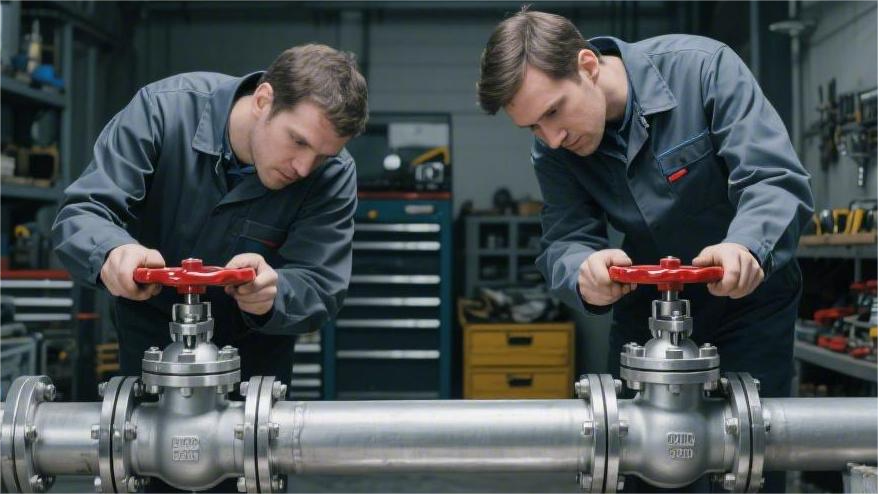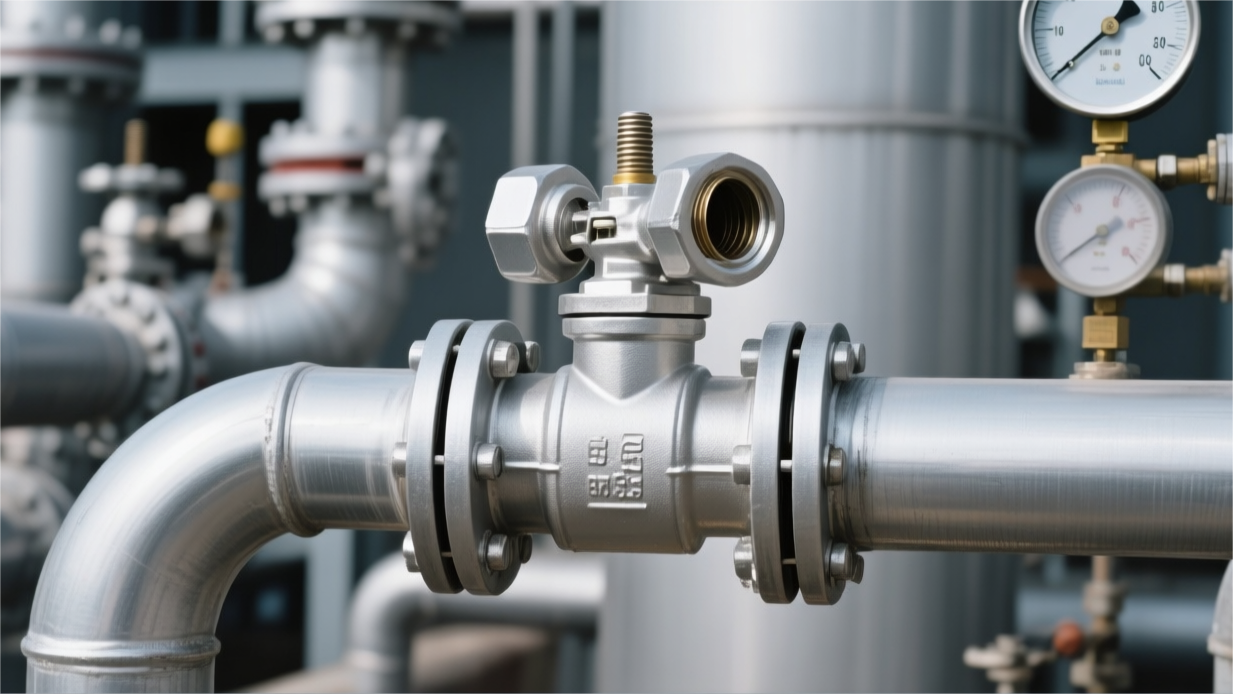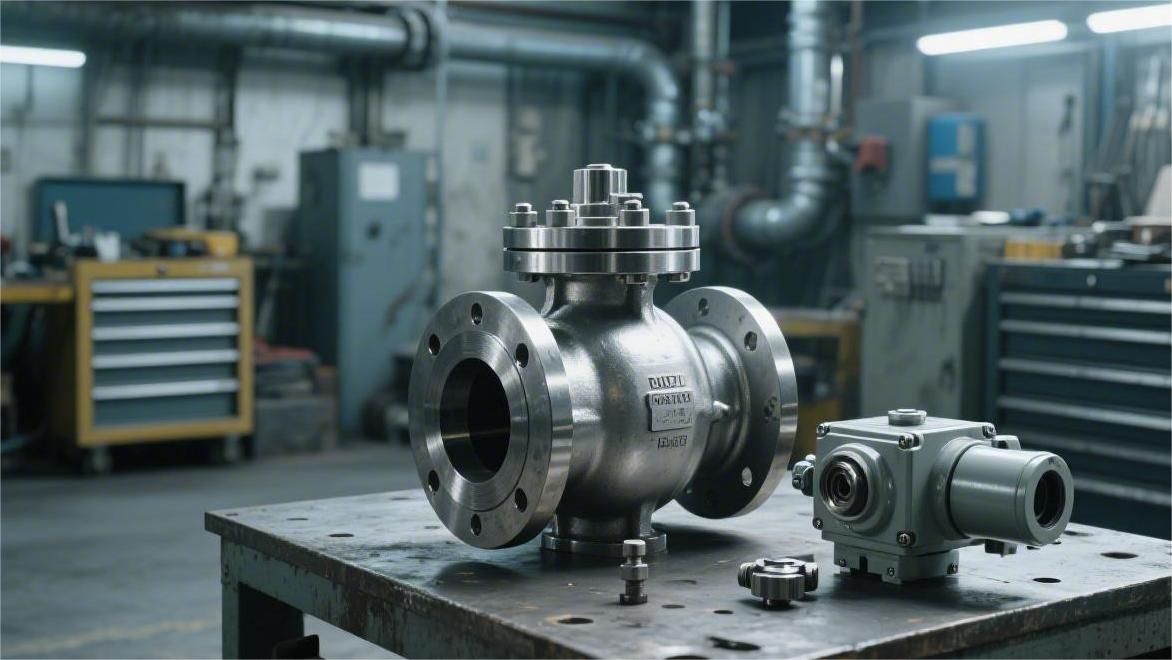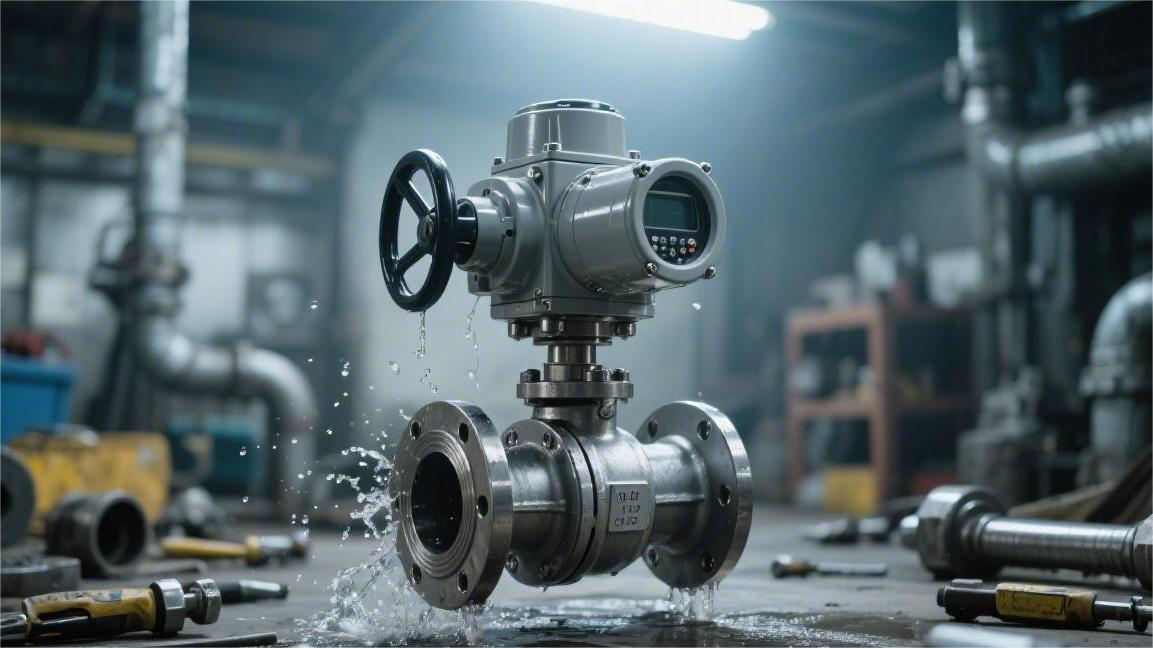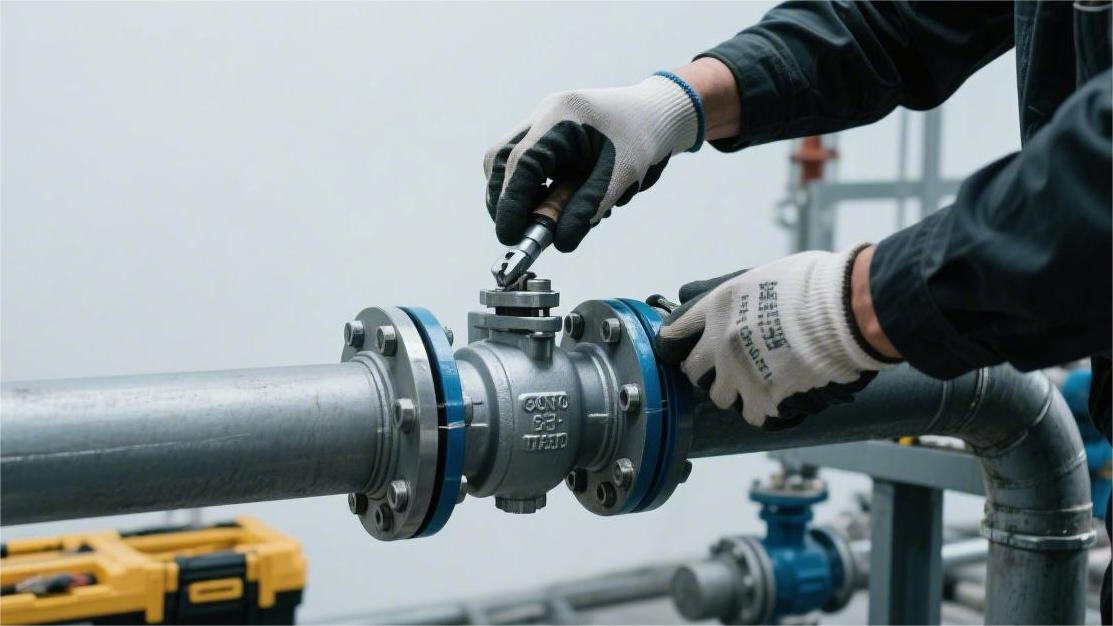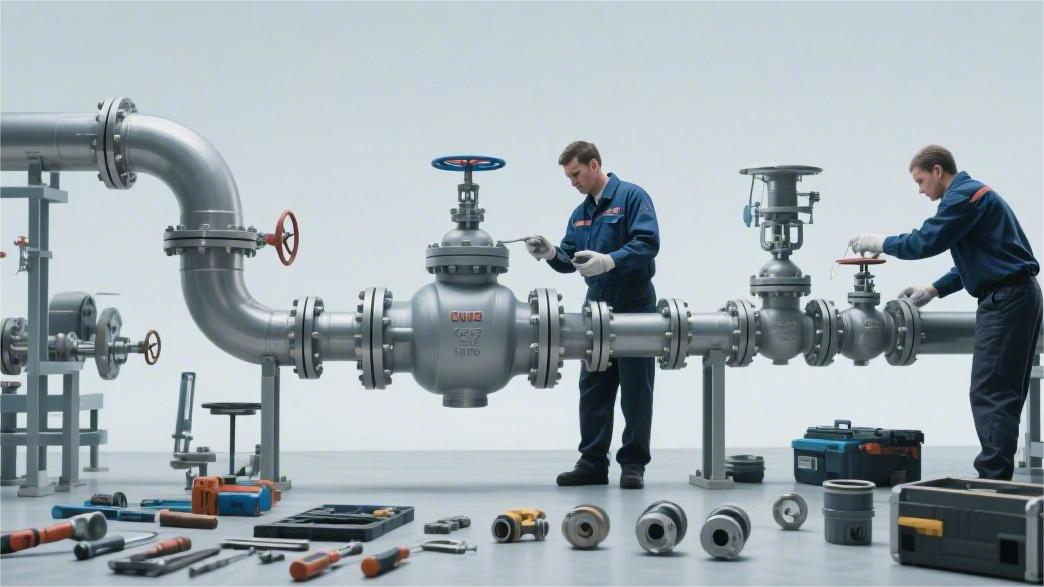
In harsh gas environments, the lifespan of spherical float valves is collectively influenced by material corrosion resistance, particle erosion, and pressure fluctuations.
Selecting 316L stainless steel or Hastelloy can extend service life by 2 to 3 times compared to standard materials.
If the hydrogen sulfide H2S content in natural gas exceeds 10%, metal surfaces are prone to stress cracking, requiring hardening treatments to increase durability.
A 50-micron filter should be installed to reduce particle wear, and pressure fluctuations should be controlled within 15% of the rated value. Periodically testing the sealing specific pressure of the closure members ensures the system maintains zero leakage even after 10,000 continuous cycles.
Material Quality
In environments where H2S partial pressure exceeds 0.05 psi, compliance with NACE MR0175/ISO 15156 standards is mandatory.
Selecting 316L stainless steel or 2205 duplex steel resists chloride-induced cracking; metal hardness must be kept below 22 HRC to prevent hydrogen embrittlement.
Non-metallic seals like FFKM retain elasticity even at 320°C, with a volume swell rate below 5%, effectively preventing high-pressure leakage.
Metal Alloys
In harsh gas processing, the selection of metal alloys is directly governed by ISO 15156 or NACE MR0175 standards. For operating conditions with H2S partial pressure above 0.05 psi, carbon steel must undergo hardness-limited treatment for pressure vessels, with hardness not exceeding 22 HRC. When selecting 316L stainless steel, its molybdenum content must be > 2.0% to maintain a PREN value above 24. In environments exceeding 150°C with chloride levels reaching 50,000 ppm, switching to 2507 super duplex steel or Inconel 625 can keep the annual corrosion rate below 0.01 mm.
For float valves in high-pressure gas pipelines, the yield strength of the metal material is the primary consideration. ASTM A182 F316L, an austenitic stainless steel, typically has a yield strength around 205 MPa, suitable for standard natural gas conditions in Class 150 to Class 600 pressure ratings.
When operating pressure rises above Class 1500 (approx. 25 MPa), the wall thickness requirement for 316L increases sharply, making the float too heavy. Switching to 2205 duplex steel (UNS S31803) at this point provides a yield strength of 450 MPa, maintaining structural integrity while reducing weight by 40%.
Pitting on metal surfaces is primarily induced by chloride ions, with the evaluation metric being PREN (Pitting Resistance Equivalent Number). The calculation involves percentages of chromium, molybdenum, and nitrogen. Standard 304 stainless steel has a PREN of only 18; in wet gas environments containing condensate, micron-scale pitting can be observed within 72 hours.
The table below shows a comparison of pitting resistance performance for four mainstream alloys under different media concentrations:
| Alloy Grade | Main Composition (Cr/Ni/Mo) | PREN Value | Max Chloride Concentration (ppm) |
|---|---|---|---|
| 316L | 17 / 12 / 2.5 | 24-26 | < 5,000 |
| 904L | 20 / 25 / 4.5 | 34-36 | < 20,000 |
| 2205 | 22 / 5 / 3.2 | 35 | < 30,000 |
| 2507 | 25 / 7 / 4.0 | 42 | < 100,000 |
In Sour Gas environments, Hydrogen-Induced Cracking (HIC) is the primary form of metal failure. Free hydrogen atoms permeate the metal lattice and accumulate at inclusions to form internal pressure. Selecting steel treated with the Electroslag Remelting (ESR) process can keep sulfur content below 0.002%, reducing hydrogen accumulation sites.
Monel K-500 (UNS N05500), a nickel-copper alloy, performs excellently when handling hydrofluoric acid or high-velocity sandy gas. It possesses not only high hardness but also excellent thermal conductivity, allowing it to quickly dissipate local heat generated by high-frequency vibrations and prevent thermal fatigue cracks on the sealing surface.
For high-temperature steam valves exposed to 200°C or higher for long periods, Incoloy 825 is more stable than ordinary stainless steel. Its nickel content of up to 40% and added titanium stabilizing elements prevent intergranular corrosion in the weld heat-affected zone.
A potential difference between the seat bracket and the ball can trigger galvanic corrosion. For example, if aluminum bronze parts are in contact with stainless steel in the presence of an electrolyte (such as salt water), the aluminum bronze, acting as the anode, will erode at a rate of 2 mm per year, causing the float bracket to detach.
The table below details the potential differences for various alloy combinations in a standard marine atmosphere:
| Material Combination | Potential Difference (mV) | Corrosion Risk Level | Recommended Measure |
|---|---|---|---|
| 316L / Monel 400 | 50 – 100 | Low | No special treatment needed |
| 316L / Carbon Steel | 400 – 600 | High | Add insulation coating |
| Duplex Steel / Nickel Alloy | 20 – 50 | Extremely Low | Best compatible combination |
Hastelloy C276 is the preferred material for extreme reducing environments, such as high-concentration hydrochloric acid gas. Its molybdenum content is as high as 16%, with a tungsten content of 4%. This composition forms a dense, chromium-rich oxide film on the metal surface that repairs itself 10 times faster than ordinary stainless steel.
The manufacturing process of the float also impacts material quality. When using ASTM A351 CF8M castings, internal porosity often ranges from 1% to 3%. Under high-pressure conditions, these tiny pores become stress concentration points. In contrast, ASTM A182 forgings undergo three-dimensional forging, where grain flow lines follow the direction of stress, improving impact resistance by 50%.
In cryogenic conditions (such as LNG flash gas at -196°C), metals undergo ductile-to-brittle transition. Carbon steel becomes as brittle as glass below -29°C. 300 series austenitic stainless steel must be selected, as its face-centered cubic structure ensures it maintains impact toughness exceeding 50 J even near absolute zero.
The ferrite content in the alloy requires precise control. For welded stainless steel floats, the Ferrite Number (FN) should be between 3 and 8. Content that is too low is prone to hot cracking, while content that is too high (over 10%) leads to rapid deterioration in the 475°C embrittlement zone or corrosive environments.
In pipelines with severe sand-washing wear, simply increasing hardness results in decreased toughness. By performing ion nitriding on a 410 stainless steel base, hardness can be increased to 60 HRC within a 0.2 mm surface depth. This gradient material design blocks erosion from sand particles over 200 microns without causing the component to shatter under sudden pressure surges.
High-pressure-drop environments generate Cavitation. The metal surface withstands impact pressures up to 1000 MPa at the moment of bubble collapse. Using Stellite 6 cobalt-based alloy hardfacing on the sealing surface allows the carbides in its microstructure to effectively absorb mechanical impact energy, extending life by 3 times compared to standard hardening treatments.
17-4 PH precipitation hardening stainless steel is commonly used for float valve stems. In the H1150M heat treatment state, its tensile strength can reach 860 MPa. This material maintains high strength while resisting low-temperature impact at -46°C, making it suitable for gas stations in extreme cold climates like North America or Northern Europe.
The spring material of the float valve must also match the valve body alloy. Inconel X-750 springs maintain an elasticity recovery rate of over 90% at 540°C. If ordinary spring steel is mistakenly chosen, it will break due to hydrogen embrittlement within 48 hours in sour gas, causing the valve to lose its reset capability.
Non-Metals
Non-metallic seals in float valves carry the heavy responsibility of preventing gas leakage; they typically account for less than 5% of valve costs but cause over 80% of unplanned downtime. In gas pipelines with pressures reaching 20 MPa, gas molecules permeate into the polymer lattice. If system pressure drops rapidly within 10 minutes, the accumulated internal gas expands and tears the seal, a phenomenon known as Rapid Gas Decompression (RGD).
To prevent RGD failure, seal hardness is usually set between 90 and 95 Shore A. According to the NORSOK M-710 standard, qualified elastomers should not show cracks exceeding 1 mm after 20 consecutive pressure cycles. Standard FKM (Fluoroelastomer) will see its volume swell by over 25% when encountering sour gas with 15% hydrogen sulfide, increasing valve torque by more than 3 times.
Selecting FFKM (Perfluoroelastomer) can solve chemical compatibility issues, as the stability of its carbon-fluorine bonds allows it to withstand high temperatures of 315°C. Although its unit price is 50 to 100 times that of ordinary rubber, its service life in highly corrosive amine desulfurization environments can be extended from 3 months to over 36 months. This material has a compression set rate below 20% at 200°C, effectively maintaining the sealing specific pressure.
| Material Name | Common Grade | Temperature Range (°C) | RGD Resistance | Typical Application |
|---|---|---|---|---|
| FKM | Viton GLT | -40 to 200 | Moderate | Standard natural gas lines |
| FFKM | Kalrez 6375 | -20 to 320 | Extremely High | Very sour gas / High temp |
| HNBR | 90 Shore A | -30 to 150 | High | Sandy & multiphase fluids |
| EPDM | Peroxide cured | -50 to 150 | Poor | Phosphate ester fire fluids |
In low-temperature environments, such as gas stations near the Arctic Circle where temperatures remain below -46°C, ordinary elastomers enter a glassy state, becoming as brittle as ceramic and losing their ability to compensate for seal wear. In these cases, low-temperature flexible FKM or spring-energized seals (Lip Seals) must be used; the latter utilizes an embedded Inconel 718 spring to provide initial sealing force, independent of the material’s elastic modulus.
PTFE (Polytetrafluoroethylene) is very common in float valve seats because its friction coefficient is as low as 0.04. However, pure PTFE undergoes Cold Flow deformation at pressures above Class 600, causing the sealing surface to thin under pressure. By adding 15% glass fiber or 25% carbon fiber reinforcement, its compressive strength can be increased by 2 to 3 times, maintaining geometric stability at a 10 MPa pressure differential.
PEEK (Polyetheretherketone), a high-performance thermoplastic, is often used for seat inserts in high-pressure float valves. Its tensile strength reaches 100 MPa, and it maintains rigidity at 250°C. Due to its high hardness, PEEK seats require extremely high machining precision for the ball surface, typically requiring roundness errors of less than 0.01 mm; otherwise, a faint whistling leak will occur at high pressures.
- Glass Transition Temperature (Tg): Determines whether the material will fail at low temperatures; it typically needs to be 10 degrees lower than the minimum operating temperature.
- Compression Set: A lower value after a 70-hour pressure test represents a longer seal life.
- Tensile Strength: Must be greater than 15 MPa to resist the stripping force of high-velocity gas.
- Permeability Coefficient: For helium or hydrogen, this value must be controlled at the 10^-10 magnitude.
- Water Absorption: Should be below 0.1% in moist gas to prevent jamming due to dimensional changes.
- Amine Resistance: Hardness change should not exceed ±5 Shore A when in contact with corrosion inhibitors.
In continuous operating pressure-reducing valve groups, the Joule-Thomson effect causes local temperatures to plummet below -50°C. If the selected polymer has a shrinkage rate that is too high at this temperature, the seal gap will expand instantly, causing internal leakage. PCTFE (Polychlorotrifluoroethylene) performs better than PTFE in these cryogenic conditions, as its linear expansion coefficient is closer to that of stainless steel, maintaining better dimensional fit.
For transporting dirty gas containing solid particles over 100 microns, hard non-metallic materials like Nylon 12 show excellent erosion resistance. While Nylon’s moisture absorption is higher than PEEK, its wear rate in hydrocarbon media below 60°C is only one-fifth that of PTFE. Its self-lubricating properties can significantly reduce the opening torque of large-diameter float valves.
| Material Property Comparison | Pure PTFE | Carbon-filled PTFE | Modified Nylon | PEEK |
|---|---|---|---|---|
| Compressive Strength (MPa) | 10 – 15 | 25 – 35 | 60 – 80 | 110 – 140 |
| Max Service Temp (°C) | 200 | 250 | 120 | 260 |
| Friction Coefficient | 0.05 | 0.12 | 0.25 | 0.35 |
| Chemical Resistance | Excellent | Excellent | Fair | Outstanding |
The Explosive Decompression (ED) test report is the only technical basis for evaluating the suitability of non-metallic materials in harsh conditions. In the test, samples are soaked in a 5 MPa CO2 environment for 72 hours, then the pressure is reduced to atmospheric within 60 seconds. Cross-sections are observed under a high-power microscope; if internal delamination or bubble diameters exceeding 0.1 mm are found, the batch cannot be used for high-pressure natural gas processing.
In high-sulfur (sour) gas wells, elastomers undergo cross-linking or degradation reactions. Hydrogen sulfide attacks the FKM backbone, causing the material to harden and develop micro-cracks. This chemical damage is irreversible; once it occurs, the valve’s leakage rate increases exponentially. Experimental data shows that when H2S content reaches 10%, the tensile strength of ordinary fluoroelastomer can drop by 60% within 168 hours.
To extend the life of non-metallic parts, the choice of lubricant during installation is equally important. Using a Perfluoropolyether (PFPE) based grease ensures it is not washed away by gas under extremely high pressure and does not react with FFKM or PTFE. This grease has an evaporation loss of less than 1% at 200°C, effectively reducing mechanical friction during valve operation.
- API 6A / ISO 10423: Specifies performance levels for non-metallic materials used in oil and gas field equipment.
- ED Rating (0-5): 0 represents no damage, 1-2 is acceptable, and 3 or above is strictly prohibited.
- Limiting Oxygen Index (LOI): For oxygen-rich gas conditions, the LOI of the non-metallic material must be greater than 95.
- Shore Hardness: Measurement error must be controlled within ±3 degrees to ensure batch consistency.
When float valves are used in LNG (Liquefied Natural Gas) receiving stations, non-metallic seals must undergo cryogenic treatment. After production, the material is placed in a liquid nitrogen environment for 24 hours to release residual internal stress, preventing it from cracking due to rapid temperature changes in actual service. Modified PTFE seats treated this way can control sealing leakage below 10 cm³/min/inch at -162°C, far superior to conventional standards.
Contaminants
In shale gas and high hydrogen sulfide (H2 concentration > 15%) processing, solid particles with diameters of 10-500 microns impact the valve seat at gas velocities exceeding 25 m/s.
This erosion causes the sealing surface roughness (Ra) to degrade from 0.4 microns to over 1.6 microns, resulting in a 200% increase in leakage rate.
Additionally, condensate containing chloride ions (> 50,000 ppm) induces pitting on 316 stainless steel surfaces, with pit depth growth rates reaching 1.2 mm per year, directly reducing the valve’s planned service life by more than 50%.
Solid Particles
In shale gas extraction and high-pressure gathering networks, the particle size of solid impurities carried by the fluid typically ranges from 15 to 800 microns. These impurities primarily consist of high-hardness quartz sand, formation debris, and metal weld slag left over from pipeline installation. When natural gas velocity accelerates through the valve throat from 15 m/s to over 45 m/s, particle kinetic energy increases squarely with velocity, causing continuous erosion of internal valve components.
Quartz particles with a Mohs hardness of 7 impact the 316 stainless steel seat at angles of 30 to 60 degrees. This physical impact causes the surface roughness (Ra) of the sealing surface to degrade from 0.2 microns to over 1.8 microns after 72 hours of continuous operation. The increased roughness creates micron-scale gaps between the metal sealing surfaces, providing physical channels for high-pressure gas penetration.
According to pressure test records from API 598 standards, once the scratch depth on the sealing surface exceeds 5 microns, bubble-level leakage will climb to 50 ml per minute in a 10 MPa pressure differential environment. The cutting action generated by particles driven by high-speed gas flow gradually wears the seat edges into rounded corners, leading to uneven sealing contact pressure distribution.
- Quartz Sand Particles: Hardness up to 1100 HV, polygonal geometry; extremely likely to cut low-hardness metal surfaces at 20 m/s flow rates.
- Iron Oxide Scale: Particle size usually 30-100 microns; tends to accumulate at the sealing junction, interfering with the complete closing of the float valve.
- Metal Weld Slag: Extremely irregular shape and high hardness; easily causes permanent deformation or jamming of the float linkage mechanism.
- Formation Silt: Particle size less than 40 microns; can penetrate into the float bracket bearing clearance, raising friction torque from 5 N·m to 25 N·m.
The accumulation of solid impurities at the float valve linkage pivot point alters the mechanical balance. Typically, a DN50 float valve is designed with a drive torque of around 10 N·m. When particles larger than the design clearance (usually 0.15 mm) enter the rotating pair, friction resistance causes the float to lag by more than 15 seconds in response to level changes.
This slow response can cause the liquid level in the drainage vessel to exceed safety thresholds. At the moment of valve closure, particles are pressed between the ball and the seat, where local pressure can instantly exceed 400 MPa, surpassing the yield strength of ordinary austenitic stainless steel. Permanent pits on the material surface become trigger points for subsequent pitting and high-speed erosion.
Field operation data from North American shale gas well sites shows that the Mean Time Between Repairs (MTBR) for unhardened float valves in high sand content (over 0.5% volume fraction) conditions is only 110 days. Continuous particle impact also destroys the passivation film on the metal surface, accelerating chemical corrosion rates in hydrogen sulfide environments.
- Surface Plowing: Linear scratches formed by sand on the sealing surface, with lengths typically between 2 mm and 15 mm, which are the main cause of internal leakage.
- Fatigue Spalling: Repeated particle impact causes micro-cracks in the metal surface layer, followed by honeycomb pits with diameters of 0.2 mm to 0.8 mm.
- Linkage Bending: Impurity jamming causes the buoyancy force on the float to convert into shear force, resulting in a geometric deflection of more than 3 degrees in the linkage.
- Drain Port Clogging: If the depth of sand accumulation at the bottom of the valve body exceeds 50 mm, it limits the downward stroke of the float, preventing the valve from opening.
- Coating Spalling: High-mass particles impacting brittle coatings at high speeds can lead to large-area delamination of the hard alloy layer.
To combat wear, High-Velocity Oxy-Fuel (HVOF) spraying is used to cover the ball surface with a 0.3 mm thick tungsten carbide coating. This process can raise surface hardness to over HRC 68. Comparative experiments prove that this hardness level provides more than 18 times the wear resistance in sandy fluids compared to conventional 316 stainless steel.
In a comparative test at a processing plant in Texas, hardened valves operating for 600 days under the same conditions still met ANSI Class VI sealing standards. Using HV 1200 grade materials increased initial procurement costs, but reduced the annual comprehensive maintenance expenditure for a single device by 65%.
- HVOF Tungsten Carbide Coating: Bond strength exceeds 75 MPa, effectively resisting high-speed erosion from 100-micron particles.
- Stellite 6 Alloy Hardfacing: Hardness HRC 40-45; primarily used to enhance the impact toughness of the seat edges.
- Ceramic Linings: Made of silicon nitride; extremely hard and chemically stable, completely eliminating electrochemical corrosion paths.
- Self-cleaning Seats: Designed to create a scraping effect during opening and closing to remove adhering particles larger than 50 microns.
Increasing the internal volume of the valve body and providing an independent sediment chamber can reduce flow velocity to below 5 m/s. Lower velocities allow most particles over 200 microns in diameter to settle at the bottom of the valve body due to gravity before contacting the sealing surface. This flow path optimization can reduce the erosion rate of sensitive components by approximately 40%.
Liquid Impurities
In natural gas extraction, when pressure drops from 10 MPa to 3 MPa, gas temperature decreases by approximately 0.5°C per bar due to the Joule-Thomson effect. This cooling leads to the heavy hydrocarbon (C6+) and moisture precipitation, forming condensate flows exceeding 5 liters per hour in the valve cavity.
Condensate density ranges from 0.65 g/cm³ to 1.1 g/cm³, whereas floats are usually designed for a single medium density. When fluid density increases from the design 0.8 g/cm³ to 1.05 g/cm³, the buoyancy force on a 200 mm diameter float increases by about 30 Newtons.
Changes in buoyancy parameters cause the valve opening point to shift early, with the level control range shifting upward by 15% to 25%. If the condensate is mixed with ethylene glycol desiccant at concentrations exceeding 15%, the kinematic viscosity of the fluid can jump from 1 cSt to over 50 cSt, increasing the damping of the float movement.
- Light Hydrocarbon Condensates: Density 0.6-0.7 g/cm³; easily leads to insufficient opening pressure for the float.
- Formation Brine: Contains chloride ion concentrations exceeding 80,000 ppm, accelerating electrochemical reactions on metal surfaces.
- Chemical Agents: Residual corrosion inhibitors or methanol can cause swelling reactions with seal rubber, resulting in volume expansion exceeding 15%.
- Crude Oil Emulsions: High viscosity characteristics create friction resistance at the float linkage shaft, increasing torque by 5-10 N·m.
- Sour Water: Low pH environments below 4.5 destroy the oxide protective film on stainless steel surfaces within 24 hours.
In field tests in North Sea oil and gas fields, when the crude oil content in the liquid phase reaches 5% by volume, the adhesion of the float surface captures fine sand dust from the gas stream. This sludge, formed by a mixture of liquid and solid phases, can reach a density of 1.5 g/cm³, increasing float weight by about 400 grams and severely interfering with drainage logic.
High-viscosity liquids form a film thickness of about 10 to 50 microns on the valve seat sealing surface. When the valve attempts to close, the incompressibility of the liquid creates hydraulic resistance. If the dynamic viscosity of the liquid exceeds 1000 cP, valve closing time will extend from the normal 0.5 seconds to 3 seconds.
The liquid bridge force between the seat and the ball creates an adhesive effect. When the float needs to open again, it must overcome an additional surface tension of about 20 Newtons. This phenomenon requires the liquid level to rise an additional 40 mm to 60 mm to generate enough buoyancy to pull the valve open, leading to large oscillations in the liquid level.
- Emulsion Accumulation: Viscous matter from oil-water emulsification adheres to the top of the float, causing a shift in the center of gravity and altering the float’s posture in the fluid.
- Sealing Adhesion: High-viscosity hydrocarbons cause galling on metal sealing surfaces at the moment of opening, severely degrading the Ra value.
- Uneven Linkage Stress: Asymmetric resistance from liquid impurities at the pivot point results in a micro-deflection of 2 mm per meter in the linkage.
- Sensor Interference: If equipped with a level transmitter, the adhering liquid film generates false signals, with errors typically ranging from 5% to 12%.
In accumulations of liquid containing high chloride concentrations, the crevice corrosion rate for 316L stainless steel floats is approximately 0.5 mm per year. Long-term deposition of liquid impurities at the bottom of the float creates a localized anaerobic environment, leading to the proliferation of Sulfate-Reducing Bacteria (SRB). Microbiological corrosion forms deep pits with diameters of 2-5 mm on the metal surface.
These deep pits generate stress concentration effects under a pressure differential of 5 MPa. When pit depth reaches 40% of the wall thickness, the float is highly susceptible to collapse/implosion under external high pressure. Once collapsed, the float’s volume shrinks by more than 60%, completely losing drainage function and leading to overflow accidents in downstream separators.
To address liquid phase chemical corrosion, a gas station in Texas replaced float materials from 316L to Hastelloy C276. Experimental data showed that at chloride concentrations of 10%, C276’s corrosion rate dropped below 0.01 mm per year, extending expected equipment life from 18 months to over 120 months.
When moisture-laden natural gas undergoes a significant pressure drop across the valve port, if the fluid temperature falls below 12°C, hydrate crystals are highly likely to form at the valve seat. These ice-like solid mixtures, though not very hard, quickly fill the seat gaps. Hydrate formation rates increase 3-fold when pressure exceeds 7 MPa.
Formed solid hydrates firmly wrap around the float linkage, preventing it from moving up and down with the liquid level. In winter operations in cold regions, without trace heating, the valve will completely lock up due to internal icing within 40 minutes of startup. Forced operation in this state results in linkage fracture under a thrust of 300 Newtons.
- Ethylene Glycol Injection: Injecting a 60% mass fraction ethylene glycol solution upstream can lower the hydrate formation temperature by 15°C.
- Teflon Coating: Spraying a 25-micron PTFE layer on the float surface reduces liquid surface adhesion and prevents sludge buildup.
- Self-draining Structure: Designing the valve body interior with a 15-degree slope ensures condensate does not linger around seals.
- Heating Jackets: Maintaining valve body temperature above 25°C prevents heavy hydrocarbon precipitation and condensate icing, ensuring operational sensitivity.
At high pressures of 15 MPa, liquid hydrocarbons permeate into the micropores of graphite or PTFE seals. When the system rapidly depressurizes, the permeated liquid quickly vaporizes, expanding over 200 times in volume and causing popcorn-like structural damage to the sealing material.
By selecting elastic materials certified for anti-rapid depressurization (AED), they can withstand pressure change rates of 5 MPa per minute. In high-liquid well sites, AED-treated seals have a failure rate approximately 85% lower than ordinary seals.
Chemical Contaminants
In gas processing involving hydrogen sulfide (H2S), when the partial pressure of H2S exceeds 0.00035 MPa (0.05 psia), standard alloy steel triggers Sulfide Stress Cracking (SSC). This chemical corrosion can cause high-strength bolts to undergo brittle fracture in less than 48 hours; the structural integrity of the valve depends entirely on the material’s sulfur resistance.
For metal materials with hardness exceeding 22 HRC, hydrogen atoms permeate into the crystal lattice, generating massive internal pressure. This microscopic chemical attack can cause the yield strength of stainless steels like 17-4PH to drop by more than 30% in 25% concentration H2S environments. In this state, the float valve linkage can suffer unannounced transverse fracture under liquid buoyancy.
- Hydrogen Sulfide Content: As concentration increases from 1% to 15%, corrosion crack propagation speed increases by about 5 times.
- Hardness Threshold: Materials complying with NACE MR0175 must have hardness strictly controlled below 22 HRC to prevent brittle fracture.
- Hydrogen-Induced Cracking: Hydrogen atoms recombine into hydrogen molecules inside the metal, generating expansion forces that often cause blisters with diameters of 3-8 mm on the float surface.
- Temperature Correlation: Between 20°C and 60°C, sulfide activity increases with temperature, with reaction rates roughly doubling for every 10-degree increase.
In addition to gas-phase hydrogen sulfide, carbon dioxide accumulated in the liquid phase also erodes the valve body wall. CO2 combines with condensate to form carbonic acid; at temperatures of 80°C and pressures above 5 MPa, the annual wall thinning of carbon steel valve bodies is typically between 1.2 mm and 2.5 mm.
This process, known as “sweet corrosion,” forms a loose iron carbonate scale on the inner valve cavity wall. Once this scale reaches a thickness of 0.5 mm, it easily flakes off, and debris enters the seat sealing surface, causing the sealing specific pressure to drop. For long-running equipment, metal loss in seat support areas leads to a loss of support for the seals.
| Chemical Contaminant | Influence Parameter | Common Resistant Material | Expected Life Change |
|---|---|---|---|
| H2S (Hydrogen Sulfide) | Partial Pressure > 0.05 psia | Hastelloy C276 | Extended from 3 to 60 months |
| CO2 (Carbon Dioxide) | Partial Pressure > 7 psi | 13Cr Stainless Steel | Wall loss rate reduced by 90% |
| Cl- (Chloride Ion) | Conc. > 50,000 ppm | Duplex Steel 2205 | Eliminates pitting risk |
| H2SO4 (Dilute Sulfuric Acid) | pH < 4.0 | Monel 400 | Maintains strength for 10+ yrs |
In a high-sulfur well site in Texas, floats made of 316L stainless steel sank due to pitting perforation after 180 days of operation. Comparative experiments found that when chloride concentration reaches 100,000 ppm, the pit growth rate of 316L is 8 times that of duplex steel 2205.
In stress-concentrated areas like float welds, chloride ions destroy the chromium protective layer, forming pinholes with diameters under 1 mm but depths of several millimeters. These pinholes cause the float interior to fill with liquid, losing buoyancy and remaining at the bottom position.
The metric for evaluating pitting resistance is the PREN value. 316 stainless steel has a PREN of approximately 24, while super duplex steel 2507 can reach 42. In highly saline formation water environments, choosing materials with a PREN greater than 40 is necessary to maintain a 10-year service life.
- PREN Calculation Basis: Determined by the percentage content of chromium, molybdenum, and nitrogen; the primary reference for selecting float materials.
- Pitting Depth: In a 5% NaCl solution, pit depth growth in 304 stainless steel can reach 15 microns per day.
- Crevice Corrosion: Occurs in the 0.1 mm gaps between the seat and gaskets, where chloride concentrations can be several times higher than the main fluid.
- Stress Corrosion: Metal breaks under loads far below its yield strength due to the combined effect of tensile stress and chloride ions.
When natural gas contains aromatic hydrocarbons or methanol, the volume swell of Nitrile Rubber (NBR) seals will exceed 20%. Swelling leads to a 300% increase in stem rotation resistance, preventing the float from driving the linkage to complete drainage.
In such environments, Fluoroelastomer (FKM) performs better than standard synthetic rubbers, but in fluids containing amine corrosion inhibitors, ordinary FKM undergoes chemical degradation, leading to a decrease in elastic modulus. If system pressure is released rapidly from 15 MPa, the chemical molecules permeated into the rubber will instantly expand, causing explosive structural damage.
- Volume Change Rate: Excellent chemical sealing materials should have a volume change controlled within ±5% after 168 hours of media immersion.
- Hardness Degradation: Exposure to strong solvents may cause seal Shore hardness to drop from 85A to 60A, losing anti-extrusion capability.
- Anti-Rapid Depressurization (AED): Chemically permeated rubber is highly prone to internal tearing when depressurization speed exceeds 1 MPa/min.
- Amine Resistance: In pipelines where chemicals are injected, high-fluorine content seals with special vulcanization treatment must be chosen.
A 50-micron PFA (Perfluoroalkoxy) lining can completely isolate acidic fluids from metal contact. This coating has extremely high chemical stability below 120°C, effectively preventing various inorganic acids from attacking the valve body substrate.
In dehydration units of sour gas fields, float valves often come into contact with chemical absorbents like Triethylene Glycol (TEG). Acidic substances produced by the decomposition of TEG at high temperatures have a strong erosive effect on materials like aluminum bronze. Data monitoring shows that after switching to chemical-resistant coated components, the valve leakage test pass rate rose from 65% to over 98%.
Pressure Fluctuations
In gas processing systems, if pressure frequently jumps within 10% to 20% of the rated value, it subjects the float to over 120 cyclic stress loads per hour.
Data shows that 316L stainless steel floats with wall thicknesses below 1.5 mm typically suffer structural integrity damage in less than 3000 cycles under instantaneous 50 psi differential pressure impacts.
This continuous mechanical load is the primary cause of indentations over 0.05 mm on the sealing surface, shortening the expected service cycle by more than 50%.
Structural Damage
In sour gas treatment lines, the physical structure of the ball float valve constantly withstands differential pressure shocks exceeding 300 psi. 17-4 PH precipitation hardening stainless steel is often used to manufacture linkages for these high-load environments. If the tensile strength of the linkage is below 1100 MPa, microscopic stress corrosion cracking will appear after 180 days of service in high-temperature gas containing 20% H2S.
As a hollow pressure-bearing component, the float’s pressure limit is affected by its wall-thickness-to-diameter ratio. A 4-inch 316L float with a 1.5 mm wall thickness is highly susceptible to localized instability in a 2000 psi environment. When external pressure exceeds 60% of the material’s yield limit, tiny indentations nearly invisible to the naked eye appear on the float surface, leading to a shift in the center of buoyancy and disrupting drainage frequency.
- Linkage mechanisms use 8 mm thick reinforcement ribs to prevent lateral swaying of over 15 times per second under high-velocity gas flow.
- Pin diameters are increased from a standard 5 mm to 9 mm; after increasing the contact area, unit area shear stress is reduced by more than 45%.
- Float weld points use full-penetration TIG processes and undergo 1050°C solution treatment after welding to eliminate residual stress in the heat-affected zone.
- In conditions with sand content over 50 mg/L, rotating linkage parts must be lined with PTFE or ceramic sleeves to reduce solid particles entering the fit clearance.
- Floats are filled with high-temperature resistant closed-cell foam, allowing them to maintain 90% of their rated buoyancy even if the shell suffers a 0.1 mm perforation.
In API 6A standard wellhead equipment, the geometric precision of valve internals is directly related to operational sensitivity; deviations exceeding 0.02 mm lead to mechanical jamming. Long-term exposure to 12% concentration condensate can cause low-density graphite stem packing to lose 15% of its volume after 5000 opening cycles.
High-concentration CO2 environments trigger severe chemical erosion, especially in localized high-temperature zones caused by pressure surges, where the passivation film on the metal surface thins at a rate of 0.01 mm every 24 hours. Once the effective load-bearing area of structural members decreases by 20% due to corrosion, the material’s impact toughness decays rapidly, increasing the risk of brittle fracture.
- Float surface hardness must reach HRC 40 or higher to effectively resist pits caused by sand particles impacting at initial velocities of 30 m/s.
- Linkage length is shortened by 15% to increase torque rigidity and lower the resonance frequency in turbulent flow, extending bearing life.
- Sealing seats use Tungsten Carbide hardfacing at a thickness of no less than 2.5 mm to handle high-velocity gas erosion.
- The fit clearance between pins and sleeves is controlled at 0.03 mm to 0.05 mm to prevent fine deposits from filling the mechanical dead zone.
When sulfur-containing compounds are present in the system, 304 stainless steel will exhibit pitting pits with depths of 0.5 mm in less than 1000 hours due to electrochemical reactions at grain boundaries. These pits act as stress concentration points and, under the influence of Vortex-Induced Vibration (VIV), can trigger fatigue fracture at the float connection neck, leading to float detachment.
Valve body shell thickness is typically designed according to ASME B16.34, but in corrosive gas environments, a corrosion allowance of at least 3 mm must be reserved to ensure a 10-year service life. If the valve is installed within 5 meters of a compressor outlet, the pulsating stress on structural members increases 3-fold, requiring extremely high anti-loosening performance from fasteners.
- Select Monel K-500 alloy for critical pins, as this material offers extremely high fatigue strength and corrosion resistance in sour environments.
- Add flexible compensation structures at float connections to absorb micro-vibrations above 50 Hz, protecting weld seams from tearing.
- Seat seal pairs use a spherical compensation design, allowing the float to have asymmetric swaying within a 0.5-degree range without affecting the seal.
- Actuator bracket thickness is increased to 12 mm or more to prevent elastic deformation exceeding 0.1 mm during frequent opening cycles.
In deepwater natural gas projects, ball float valves must withstand the alternating effects of external water pressure and internal gas pressure up to 5000 psi, requiring extremely high float sphericity. If the float’s ovality deviation exceeds 0.5% of the diameter, the material’s brittle transition temperature will be reached early in deepwater cold environments (approx. 4°C).
Valve Chatter
In pipelines handling high-pressure saturated gas, if the opening of the ball float valve is maintained in a tiny range of 10% to 15% for long periods, fluid velocity will soar to over 45 meters per second. This high velocity generates a localized low-pressure zone at the seat sealing surface, causing the float to oscillate back and forth at frequencies of 25 to 50 times per second, a phenomenon defined as unstable mechanical chatter in API standards.
When this high-frequency oscillation occurs, every impact of the 50 mm diameter alloy ball against the seat generates instantaneous contact stresses exceeding 180 MPa. For a 316 stainless steel seat with hardness below HRC 30, just 72 hours of continuous operation will cause annular indentations with depths of 0.08 mm, resulting in internal leakage in the closed state that exceeds ANSI Class IV standards.
- The float linkage pins withstand high-cycle loads reaching 108,000 times per hour at a 30 Hz vibration frequency.
- The 0.05 mm fit clearance between pins and holes can trigger non-linear resonance once wear reaches 0.15 mm.
- The molecular chains of PTFE seal rings in the stem stuffing box undergo thermal degradation after 4000 vibrations due to high-frequency shear forces.
- Connecting bolt preload decays by more than 30% within 240 hours under continuous 5G vibration acceleration.
- Weak welds inside the float develop fatigue cracks up to 2 mm long after 5 million alternating stress cycles.
| Chatter Frequency (Hz) | Impact Force (N) | Seat Expected Life (Months) | Seal Surface Material Suggestion |
|---|---|---|---|
| 5 – 15 | 80 – 120 | 18 – 24 | Reinforced PTFE / PEEK |
| 20 – 40 | 250 – 400 | 6 – 10 | Stellite 6 Hardfacing |
| > 50 | > 600 | 1 – 3 | Tungsten Carbide |
In sour gas streams with 5% H₂S concentrations, chatter strips away the iron sulfide protective film on the metal surface, causing corrosion rates to jump from 0.2 mm per year to 1.5 mm per month. This process of alternating mechanical impact and chemical reaction causes the ball surface to become covered in pitting pits with diameters of 0.5 mm to 1.2 mm within 500 hours, destroying the sphere’s roundness.
If the pressure drop across a narrow opening exceeds 50% of the inlet pressure, the collapse of cavitation bubbles on the seat surface generates instantaneous pressures up to 1000 psi. These shockwaves overlap with the float’s own physical vibration, forming severe Fluid-Induced Vibration (FIV) that causes the entire valve actuator to generate piercing noise exceeding 90 decibels.
- Install hydraulic dampers in the valve actuator to dissipate over 75% of vibration energy through viscous fluid resistance.
- Choose float systems with non-balanced trim structures to reduce the driving effect of unbalanced forces on stem movement.
- Reduce the valve size by one grade to keep the opening during normal drainage within a safe load range of 40% to 60%.
- Install multi-stage pressure-reducing orifice plates downstream of the seat to control single-stage pressure drops below critical values, suppressing cavitation.
Linkage mechanisms in long-term chatter will see their fastening nuts loosen within 15 days if they do not use self-locking devices compliant with NAS 3350. Loosened floats impact the valve body wall irregularly; cases have shown that carbon steel valve bodies as thick as 12 mm suffered an astounding 3 mm of wall thinning after two weeks of impact.
For space-constrained offshore platforms, if the ball float valve is installed less than 5 pipe diameters from an elbow, random excitation forces from turbulence will further amplify chatter. At 10 MPa working pressure, this random excitation causes the bending modulus of the float bracket to drop, resulting in component failure in less than 14 months for parts originally designed for a 10-year life.
Gas-Liquid Phase Change
If local pressure drops below the saturated vapor pressure of the condensate or liquid hydrocarbons, the media will instantly transition from liquid to gas. This physical process, with a volume expansion rate of over 50 times, causes gas flow velocity in the channel to soar from 20 m/s to 120 m/s, creating intense erosion effects.
For 316L stainless steel at room temperature, flashing-induced surface thinning can reach 0.3 mm per 1000 hours in conditions with 5% condensate. Once micron-scale grooves appear on the sealing surface, high-pressure gas flows through the gaps at supersonic speeds, causing severe wire-drawing.
- When outlet pressure is below 58% of inlet pressure, the fluid enters a critical flow state, and flashing intensity reaches its peak.
- A standard 100 mm diameter float subjected to flashing impact will see radial forces on its surface increase by 240%.
- Liquid droplets hitting valve internals at 80 m/s generate microscopic pressures sufficient to cause plastic deformation in materials with hardness below HB 200.
- When handling light hydrocarbon media like C3 and C4, a 10 psi pressure drop can trigger large-scale phase change reactions.
- Endothermic reactions accompanying flashing cause local temperatures to drop by 15 to 30°C, increasing the probability of ice plugs or hydrate formation.
In high-pressure-drop drainage conditions, if the proportion of liquid turning to gas upon leaving the seat exceeds 15%, the mechanical impact energy of the fluid on the valve body will increase 4-fold. This energy release not only destroys sealing surface flatness but also triggers irregular high-frequency vibrations in the linkage at over 30 times per second.
If downstream system pressure subsequently rises, gas bubbles will collapse rapidly back into liquid droplets within microseconds. This phenomenon, known as cavitation, generates micro-jets with pressures up to 1500 MPa on the metal surface—pressures far exceeding the yield strength of most alloy steels. Experimental records show that in continuous cavitation environments, unhardened 410 stainless steel develops honeycomb-like deep pitting within 48 hours.
Because the shockwaves from bubble collapse are highly directional, tungsten carbide coatings on seat sealing surfaces thinner than 1.5 mm are prone to interlayer delamination. In sour media with 100 ppm H2S, this physical destruction works synergistically with chemical/electrochemical reactions. Exposed metal losing its protective layer will see pitting depths exceed 0.5 mm in less than a week, leading to total seal failure.
- Choose trims with multi-stage pressure reduction to control single-stage pressure ratios within 1.5, thereby avoiding the critical point for phase change.
- Use Stellite 6 alloy hardfacing for seats, as its hardness remains above HRC 40 even at 500°C, effectively resisting micro-jet impacts.
- Increase drainage pipe diameter from 2 inches to 3 inches to reduce the impact of outlet backpressure fluctuations on phase change zones.
- Install long-radius butt-weld elbows at the valve outlet to reduce secondary erosion of pipe walls by high-speed two-phase flow.
- For cryogenic conditions below -20°C, choose tougher LCB or LCC cast steel as the primary valve body material.
Ball float valve designs for saturated gas typically require a reserved erosion allowance of 4 mm or more to handle non-expected flashing during the operational cycle. According to simulation data, when velocity at the throttle increases from 40 m/s to 90 m/s, the mass loss rate of the material grows exponentially, typically by a factor of 2.8.
Phase changes cause not only material loss but also severe cold-effect risks, which are common in natural gas dehydration units. Temperature drops caused by the Joule-Thomson effect cause free water in the fluid to freeze rapidly, forming solid barriers in float linkage clearances. When ice thickness reaches 2 mm, the 50 N buoyancy provided by the float will be insufficient to overcome friction, causing the drainage action to jam.
In high-pressure separators on offshore platforms, float valve selection must consider dryness changes in two-phase flow. If gas content fluctuations exceed 30%, internal flow field distribution becomes extremely chaotic, forming local vortices. The low pressure at the center of these vortices continuously triggers micro-cavitation bubbles, applying an additional lateral thrust of 15 kg/cm² to the stem packing, leading to premature stuffing box leakage.
- Use internals with ceramic linings; their cavitation resistance is over 20 times that of ordinary stainless steel, making them suitable for extreme pressure drop conditions.
- Spray a PTFE coating on the float surface to reduce the adhesion of ice crystals and hydrates to the metal.
- Adjust pin tolerance classes from H7/f7 to a looser H8/e8 to tolerate small amounts of solid deposits or ice crystals.
- Install flow-limiting orifice plates downstream of the drainage outlet to maintain a certain backpressure and suppress the flashing ratio of liquid at the seat.
- Periodically spray oleophobic/hydrophobic films on valve internals; a thickness of just 5 microns can reduce erosion wear by approximately 12%.
Energy conversion during the gas-liquid phase change also releases high-frequency ultrasonic noise, typically distributed between 20 kHz and 50 kHz. This high-frequency energy triggers wall resonance in the float shell; if the float diameter creates a harmonic relationship with the wavelength, wall amplitude can be magnified 5-fold. Floats in such environments often have an average service life less than 40% of their rated design life, necessitating structural damping optimization.