
What Inspection Items Matter Most When Buying an Industrial Ball Valve | pressure testing, surface finish, dimensional accuracy
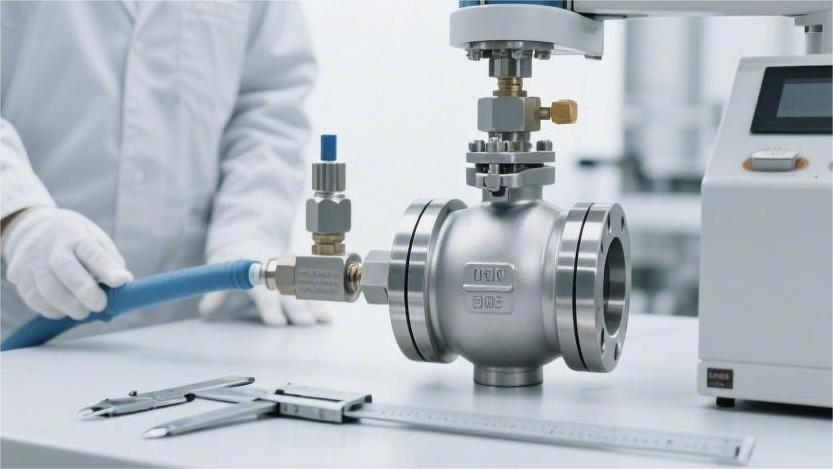
When purchasing industrial ball valves, focus on verifying that the hydrostatic test reaches 1.5 times the design pressure, the pneumatic sealing test shows zero leakage, the sealing surface finish is controlled to ≤ Ra 0.8 μm, and critical dimensional tolerances are held within ±0.05 mm. The opening and closing torque and concentricity should also be […]
What Causes Industrial Ball Valve Failure in Harsh Working Conditions | seal wear, pressure fluctuation, material mismatch
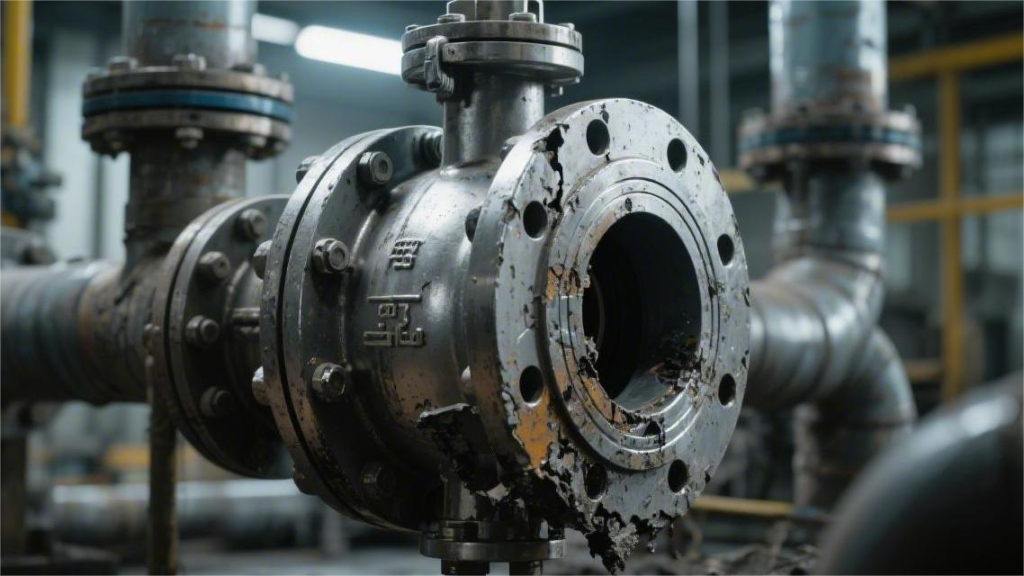
Industrial ball valves in severe service most often fail because seal wear exceeds 0.2 mm/year, pressure fluctuations go beyond ±20% of the design value, or materials are mismatched. In H₂S-containing service, for example, failing to use duplex stainless steel can sharply accelerate corrosion. During operation, torque variation should be monitored regularly; if it rises by […]
How Buyers Shortlist Ball Valve Manufacturers for New Projects | project fit, sample quality, certification readiness

When evaluating ball valve manufacturers, buyers first match the supplier’s offering to the project requirements, such as Class 300–1500 pressure ratings and service temperatures from -29°C to 425°C. They then assess sample performance against criteria including leakage within API 598 limits and opening/closing torque deviation within ±10%, while also confirming API 6D certification, ISO 9001 […]
What Makes Ball Valve Manufacturers Competitive in Global Markets | product quality, pricing strategy, delivery reliability
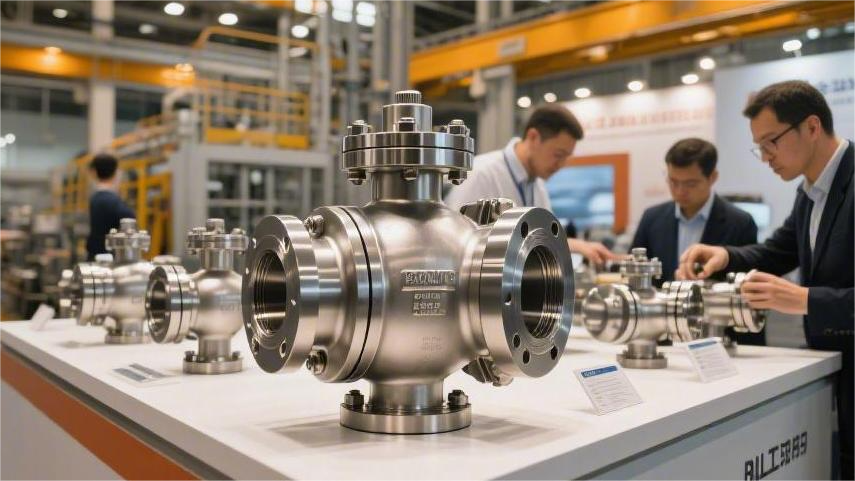
A ball valve manufacturer’s global competitiveness depends on maintaining a pass rate of at least 99%, pricing 5%–10% below comparable competitors, and keeping lead times within 30–45 days. It also requires API 6D certification, well-managed supply chain inventory with turnover within 60 days, and the use of CNC machining plus 100% air tightness testing to […]
Best Ball Valve Manufacturers for Oil and Gas Applications | API standards, pressure class, material options
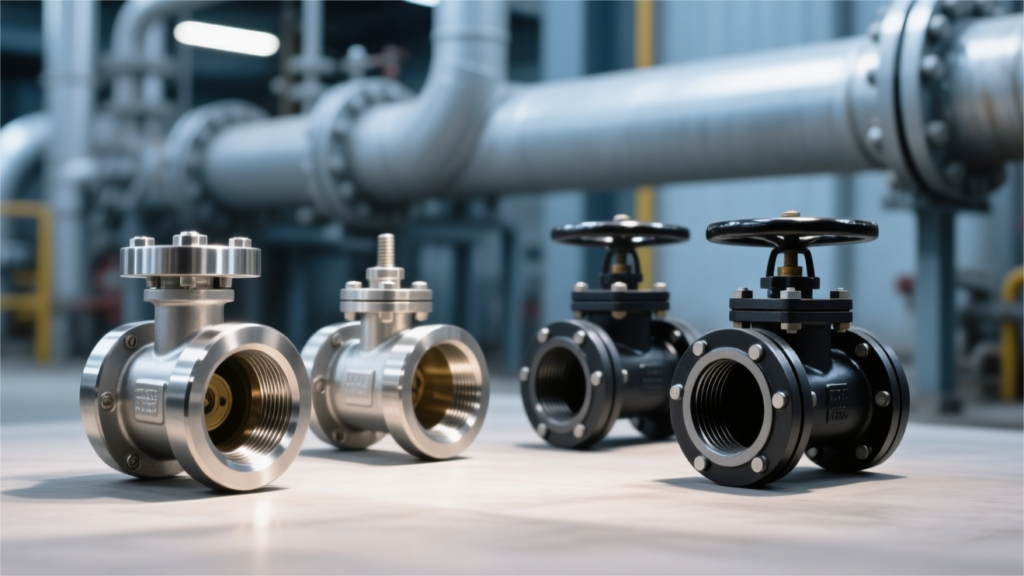
Ball valve manufacturers for oil and gas applications, such as Emerson and Flowserve, typically design to standards such as API 6D and API 608. Common pressure classes range from Class 150 to Class 2500, with upper limits approaching 1000 bar. Typical body materials include A105 carbon steel, 316L stainless steel, and duplex stainless steel. Material […]