
What’s the Difference Between Soft Seat and Metal Seat Side Entry Ball Valves | Temperature Range, Sealing Performance, Wear Resistance
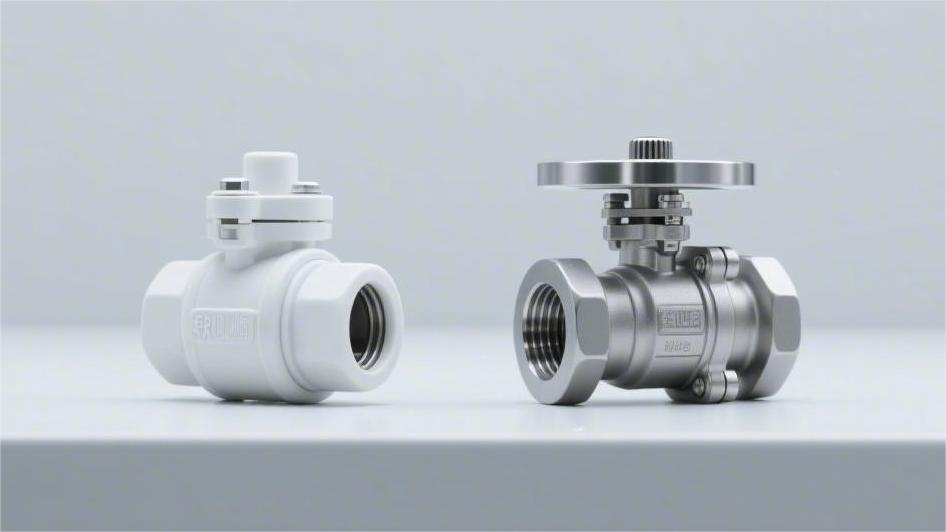
Soft-seated side-entry ball valves (such as PTFE) are suitable for temperatures below 200°C and can achieve Class VI zero leakage, but they have poor wear resistance. The pipeline must be purged before operation to prevent particles from scratching the valve seat. Metal-seated valves (such as those with tungsten carbide coatings) can withstand high temperatures up […]
How to Select Materials for Custom Side Entry Ball Valves | Carbon Steel, Stainless Steel, Duplex Steel
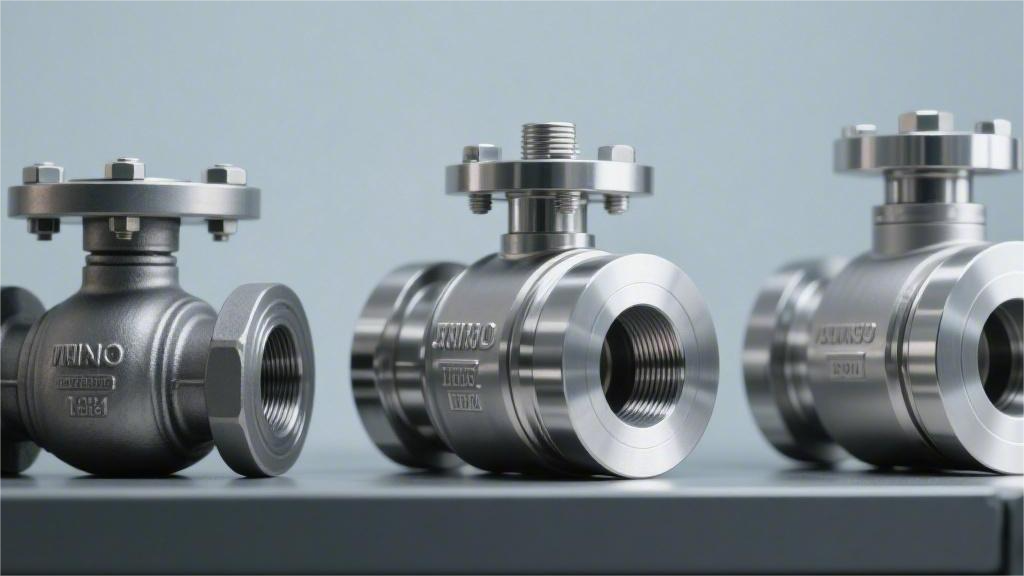
Carbon steel (WCB) is suitable for water and oil at temperatures from -29 to 425°C; Stainless steel (316) resists strong acids and withstands high temperatures up to 600°C; Duplex steel (2205) features a Pitting Resistance Equivalent Number (PREN) > 32, specializing in high-chloride environments. Carbon Steel WCB cast steel and A105 forged steel provide a […]
How to Improve Side Entry Ball Valve Reliability in Pipelines | Sealing System, Stem Design, Corrosion Protection
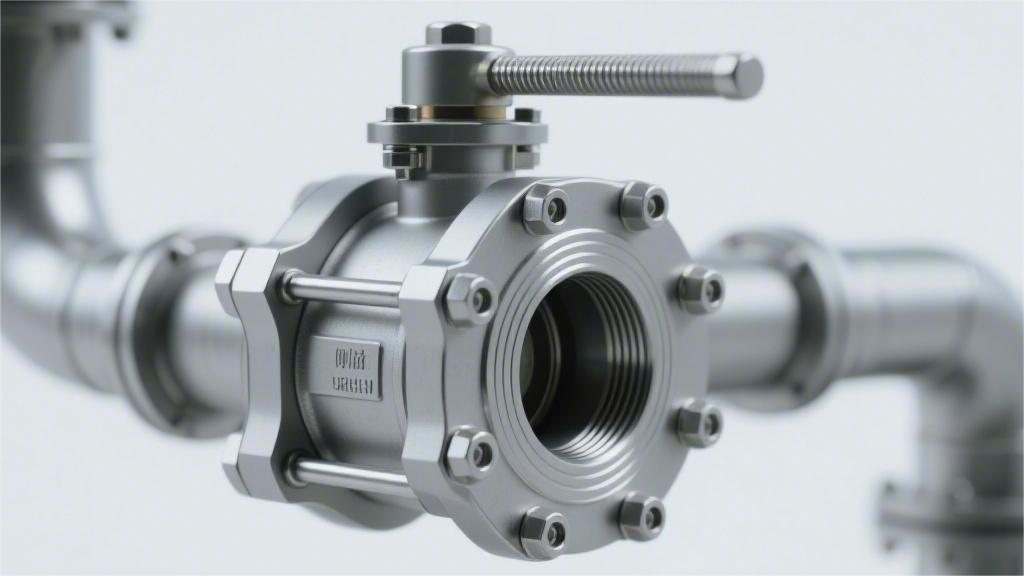
The seal utilizes a PEEK bi-directional valve seat resistant to high temperatures up to 260°C to ensure zero leakage; The stem features an anti-blowout stepped design and is equipped with multi-stage O-rings to prevent leakage; The surfaces of core components undergo 50-micron-thick Electroless Nickel Plating (ENP) or Inconel alloy weld overlay for corrosion resistance, which, […]
What’s the Difference Between Forged and Cast Side Entry Ball Valves | Strength, Pressure Capacity, Durability
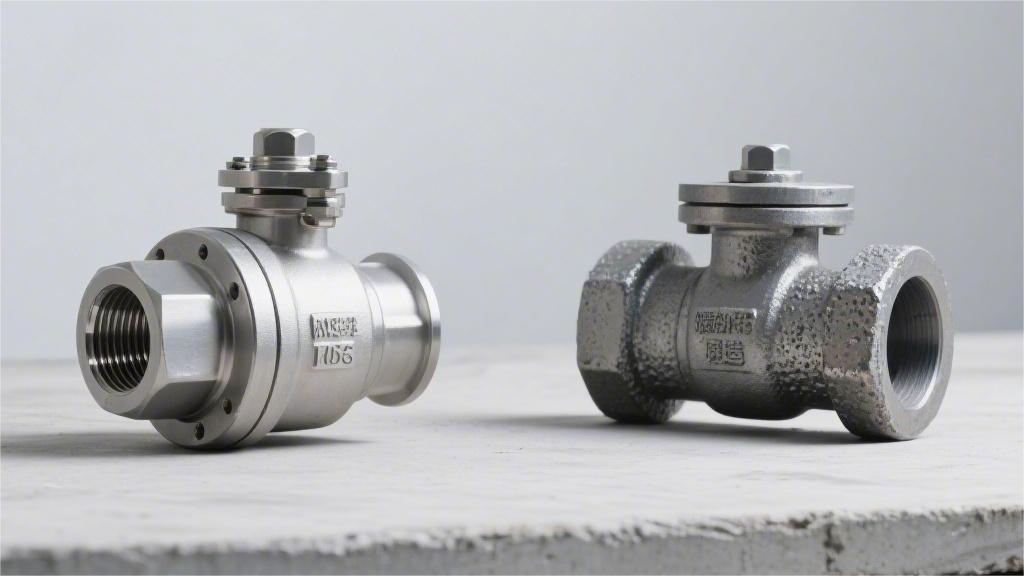
Forged steel side-entry ball valves are forged under high pressure, resulting in a dense internal structure without porosity, extremely high strength, the ability to withstand high pressures of Class 2500 (approximately 42 MPa) and above, and exceptional durability. Cast steel ball valves are formed by pouring molten steel. They are prone to internal shrinkage cavities […]
How to Choose a Side Entry Ball Valve for Industrial Pipelines | Pressure Rating, Body Material, End Connection
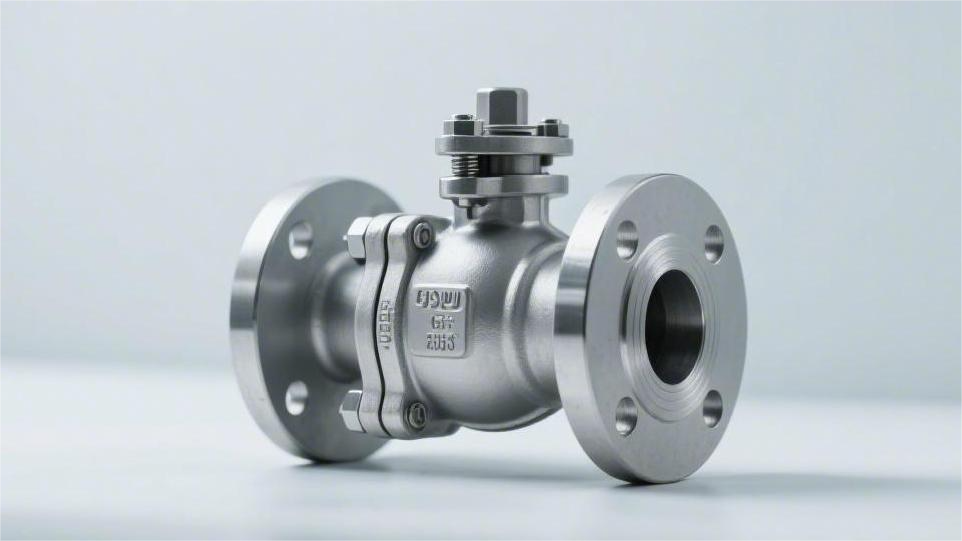
First, determine the pressure rating, selecting from Class 150 to 2500 based on the operating conditions; Second, determine the material, conventionally using WCB carbon steel, and CF8M stainless steel for corrosive media; ly, select the end connection, utilizing RF flanges for low pressure, and BW butt-welding for high pressure to prevent leakage. Pressure Rating According […]