
What’s the Difference Between Trunnion Mounted Ball Valves and Floating Ball Valves | Pressure Handling, Torque Requirements, Sealing Stability
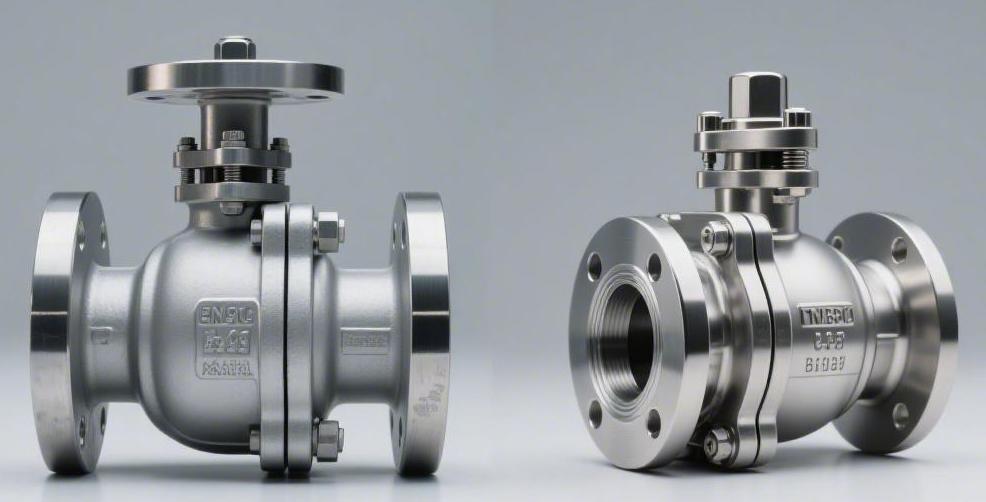
Floating ball valves rely on fluid pressure to push the ball and compress the downstream seal, making them suitable for low-pressure applications below Class 300. Trunnion mounted ball valves have the ball secured by upper and lower shafts, relying on springs to actively push the seats for sealing, capable of withstanding high pressures above Class […]
Best Materials for Custom Trunnion Mounted Ball Valves in Corrosive Environments | Duplex Stainless Steel, Inconel Alloys, and Hastelloy
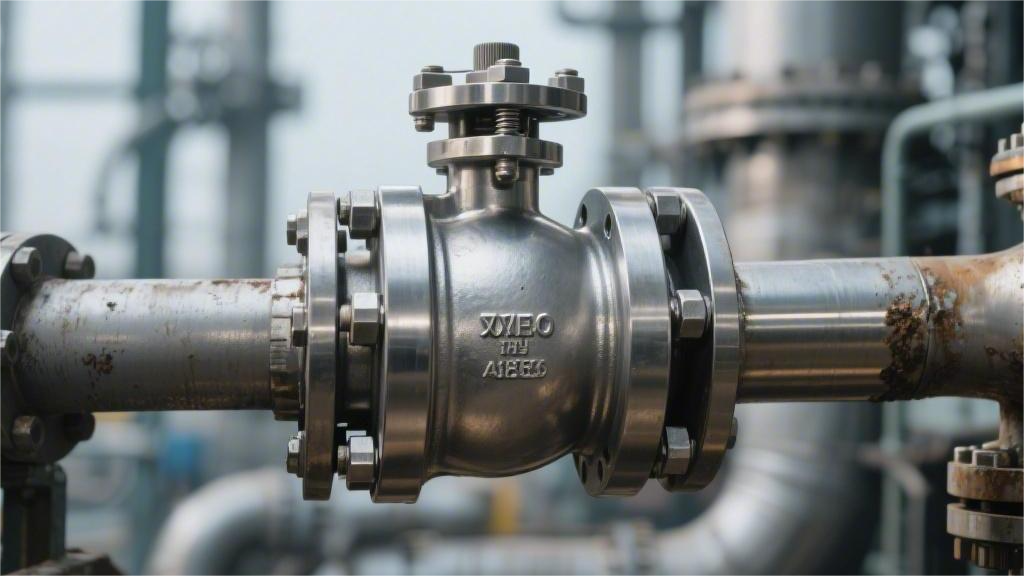
For chlorine-containing environments, choose 2205 duplex stainless steel with a PREN over 35; for high-temperature sulfur-containing environments, use Inconel 625 with over 58% nickel; for strong acids, pair with Hastelloy C-276. During manufacturing, the interpass temperature of the weld must be controlled below 150°C to prevent intergranular corrosion. Duplex Stainless Steel Mainly comprising UNS S32205 […]
How to Choose the Right Custom Trunnion Mounted Ball Valve | Size, Pressure Class, Application
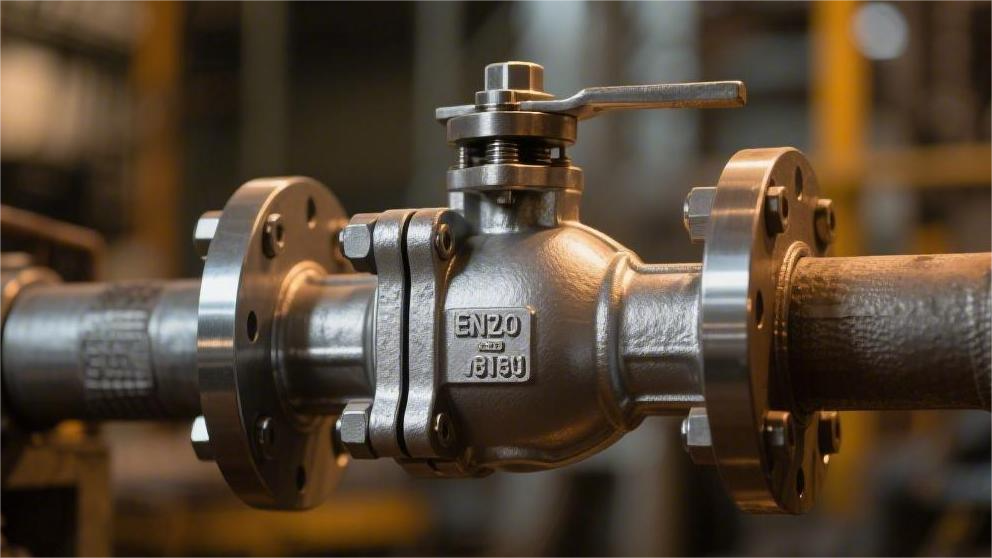
Sizes are customized from NPS 2 to 48; full port structure is mandatory if pigging operations are required; Pressure ratings strictly adapt from Class 150 to 2500; Applications with sour media must specify sulfur-resistant materials compliant with the NACE MR0175 standard. During factory acceptance, a hydrostatic test at 1.5 times the design pressure must be […]
How to Improve Trunnion Mounted Ball Valve Durability | Surface Treatment, Sealing Technology, Alloy Materials
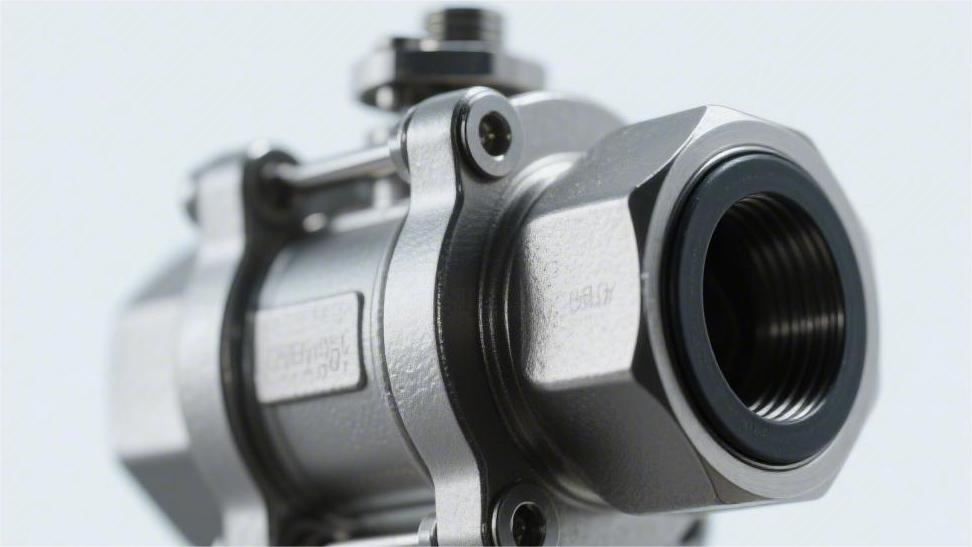
The sphere surface needs to be sprayed with tungsten carbide to a thickness of 0.05 mm, achieving a hardness exceeding 68 HRC to resist wear; The seal adopts a dual PEEK and metal structure, requiring regular maintenance by injecting grease through the injection valve; Under highly corrosive conditions, core internal components should be directly replaced […]
How to Choose a Trunnion Mounted Ball Valve for Industrial Pipelines | Pressure Rating, Body Material, End Connection
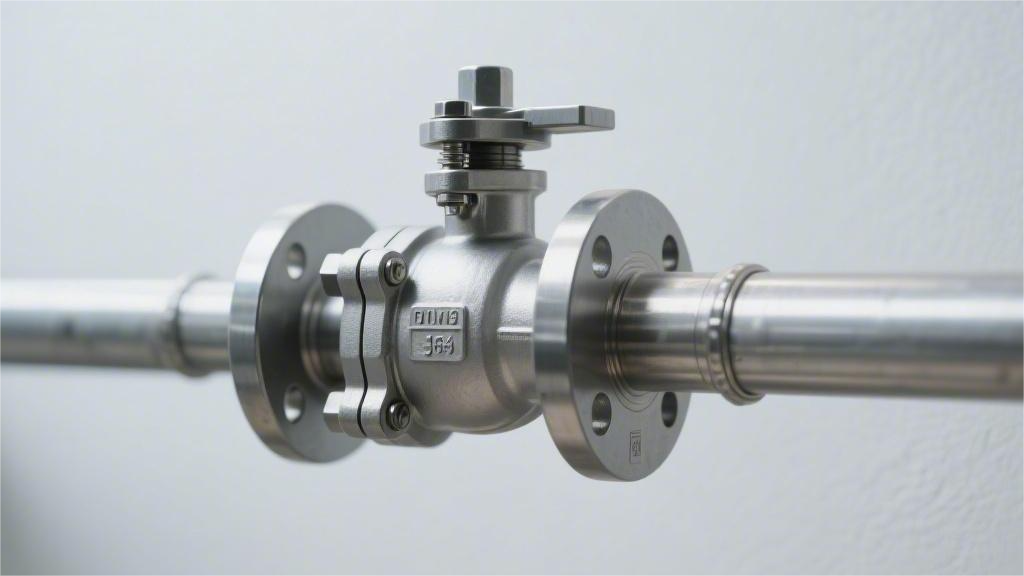
Pressure ratings are typically selected between Class 150 and 2500; Conventional body material is WCB carbon steel, while CF8M stainless steel is specified for corrosive media; BW (Butt Weld) ends are recommended for high pressure, and RF (Raised Face) flanges for low pressure. During installation and mating, flange bolts must be tightened in a diagonal […]