
What to Look for When Buying an Industrial Ball Valve | sealing performance, material options, low maintenance
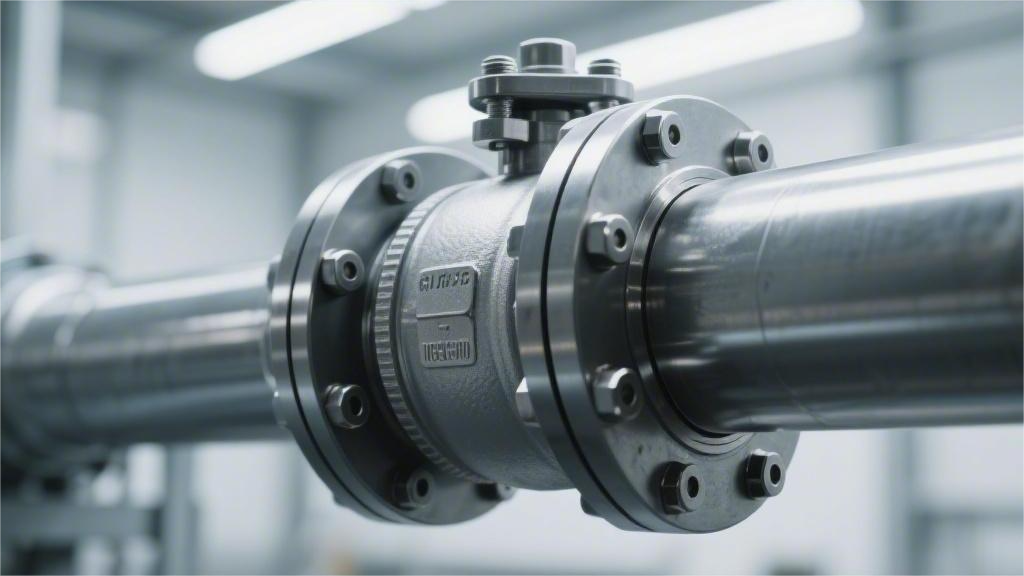
Industrial ball valve selection should target ANSI Class VI shutoff performance, with CF8M stainless steel as the preferred body material for PN64 high-pressure service. To reduce maintenance costs, specify an ISO 5211 direct-mount pad together with live-loaded self-compensating stem packing. Leaving a 15% torque margin during installation helps ensure smooth long-term operation and significantly extends […]
Which Industrial Ball Valve Material Is Best for Harsh Environments | stainless steel, carbon steel, chemical resistance
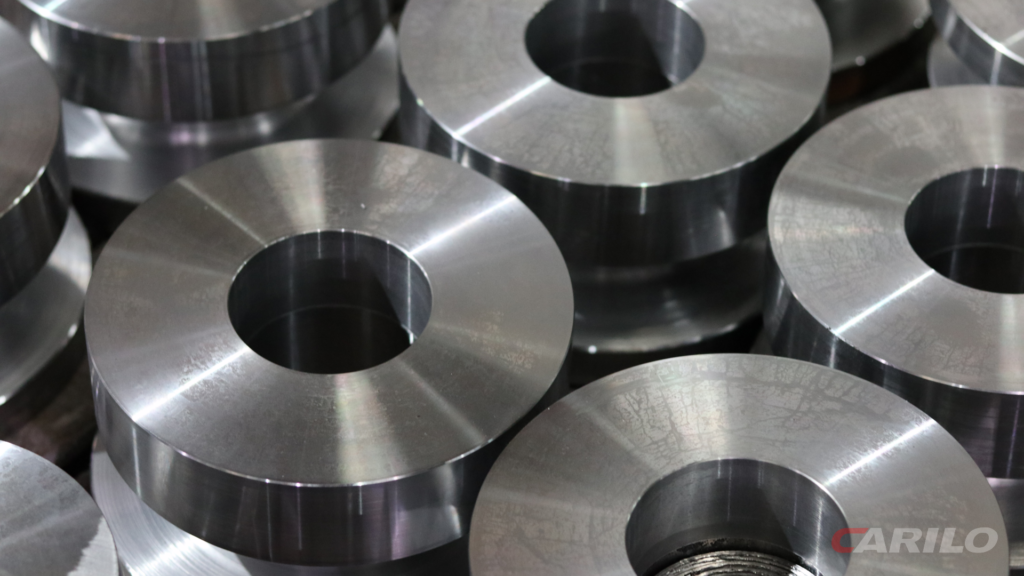
316 stainless steel ball valves outperform carbon steel in harsh environments. With 2%–3% molybdenum, they can withstand strong acid and alkali corrosion as well as temperatures up to 450°C. When selecting a valve, if the process fluid has a pH below 6, switch directly from carbon steel to a 316L flanged ball valve to prevent […]
What Is the Difference Between Full Port and Reduced Port Industrial Ball Valves | flow capacity, pressure loss, application fit
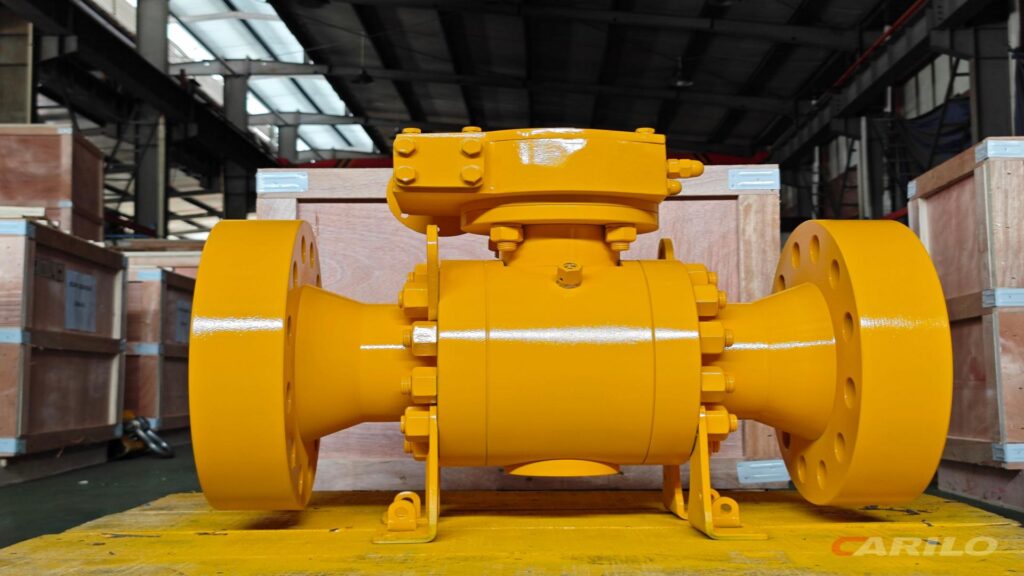
Full-port ball valves have a bore equal to the pipe I.D., delivering 100% flow capacity with extremely low pressure loss. They are ideal for applications that require pigging or the transfer of high-viscosity fluids. Reduced-port ball valves usually have a bore one size smaller than the pipe connection size—for example, a 2-inch valve with a […]
Best Industrial Ball Valve Options for High-Pressure Applications | sealing performance, body strength, service life
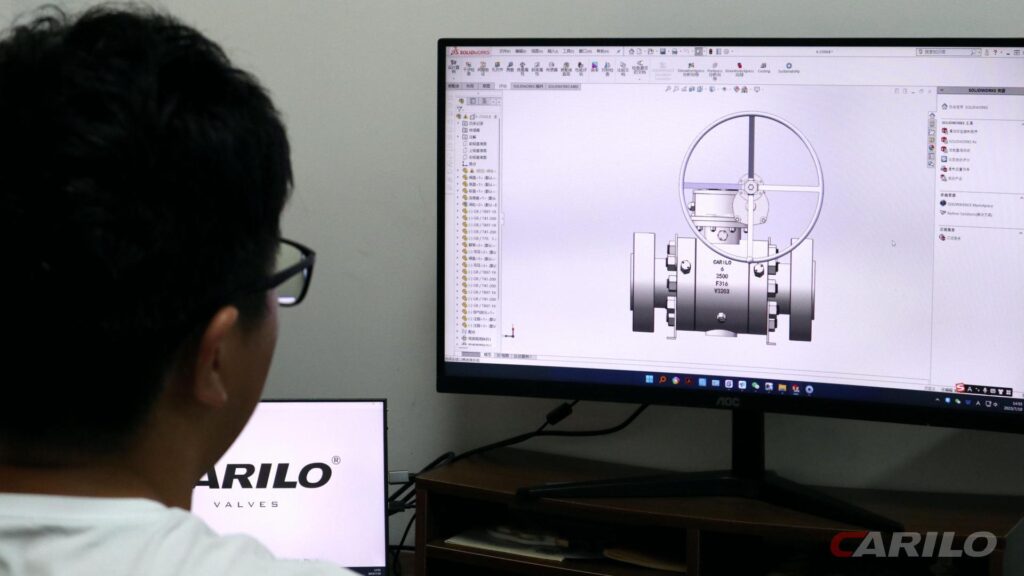
For extreme high-pressure service, a forged steel F316L trunnion-mounted ball valve is the preferred choice to withstand ultimate pressures up to 10,000 PSI. The sealing system should use a PEEK seat paired with a tungsten carbide coating to ensure zero leakage under a 400 bar differential pressure. A gear operator must be used for slow […]
How to Select an Industrial Ball Valve for Corrosive Media | corrosion resistance, seat material, long-term reliability
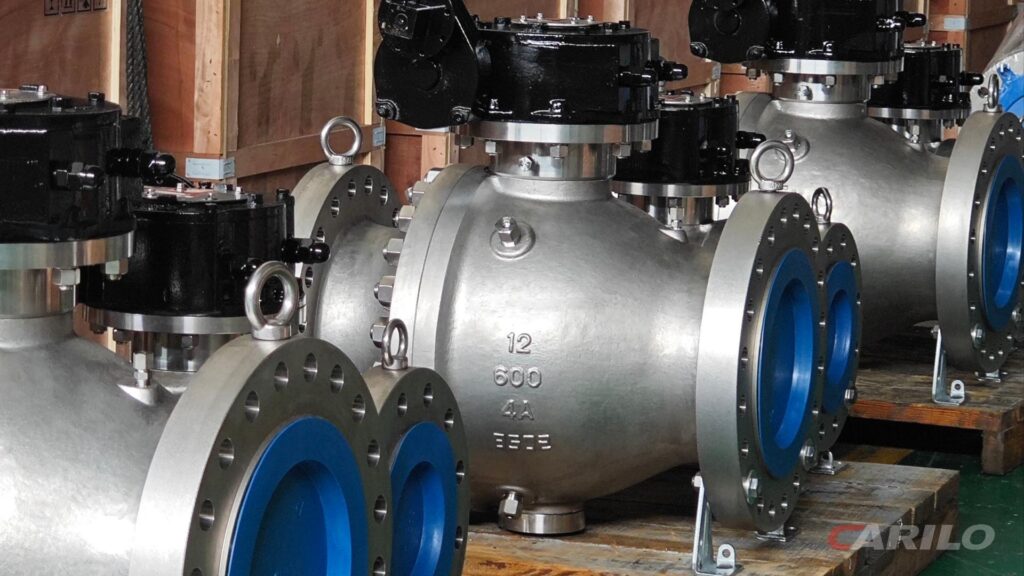
When selecting a ball valve for corrosive media, the valve body should use Hastelloy C-276 to withstand strong acids above 50% concentration, while the seat should be made of PFA-lined material rated to 260°C to ensure zero leakage. It is also recommended to test stem torque once every 5,000 open-close cycles to maintain long-term reliability. […]