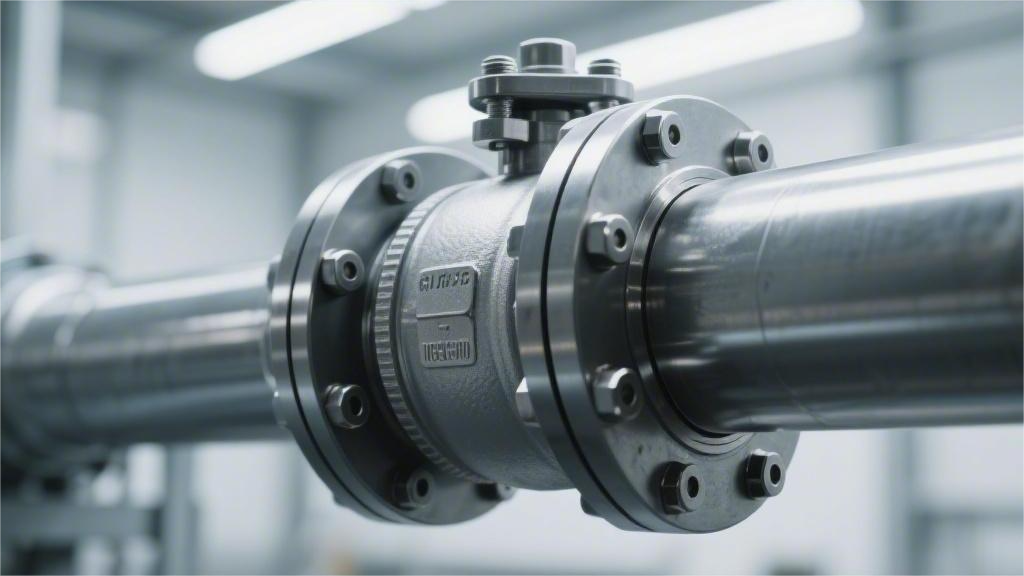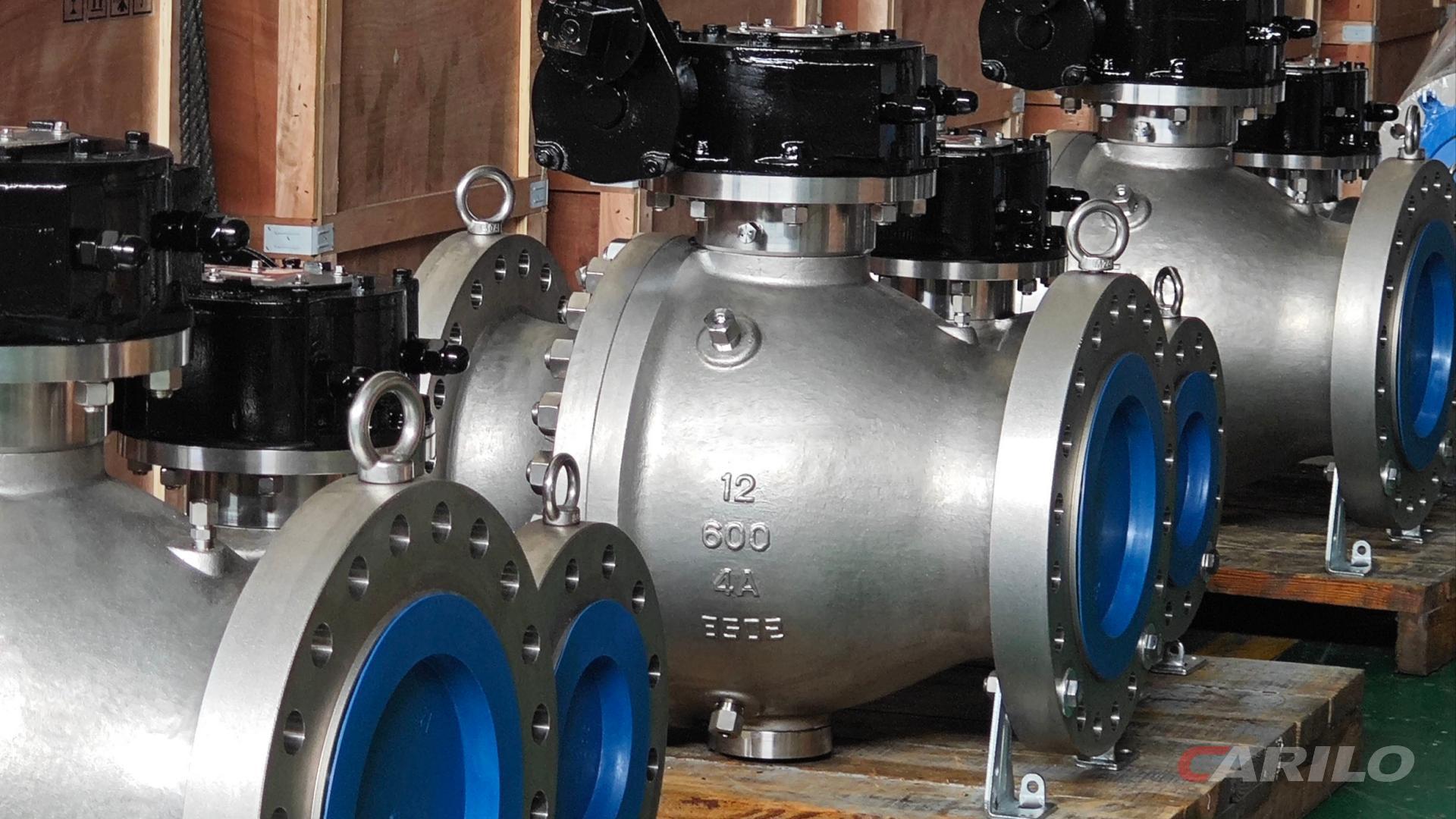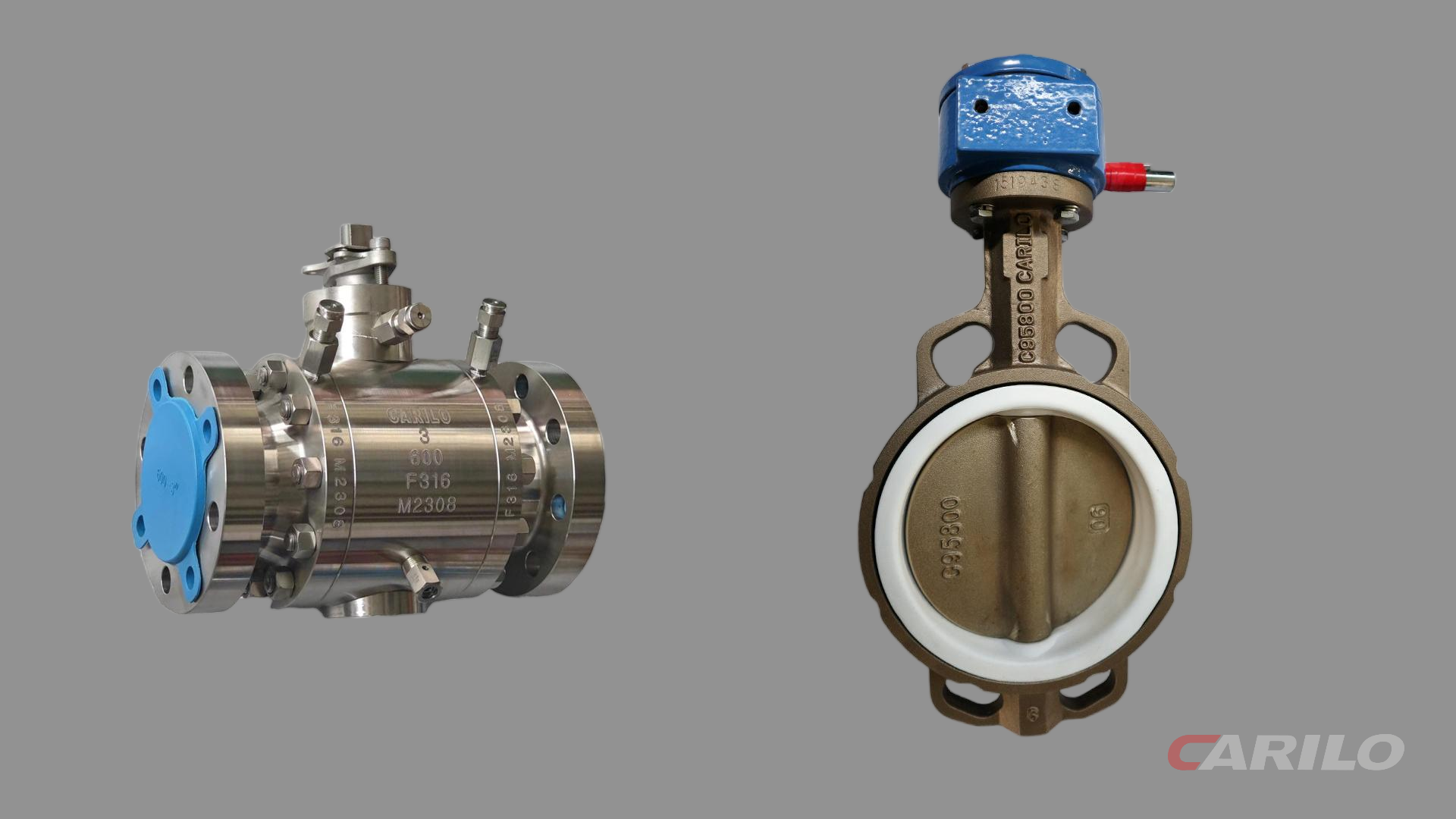
Industrial ball valve selection should target ANSI Class VI shutoff performance, with CF8M stainless steel as the preferred body material for PN64 high-pressure service.
To reduce maintenance costs, specify an ISO 5211 direct-mount pad together with live-loaded self-compensating stem packing.
Leaving a 15% torque margin during installation helps ensure smooth long-term operation and significantly extends sealing life.
Sealing Performance
Seat Materials
PTFE seats typically have a hardness of Shore D 50 to 60 and a density of 2.14 g/cm³. Under service temperatures around 150°C, this material is prone to cold flow, behaving almost like soft putty. Once pressure exceeds 5 MPa, the sealing surface can thin under compression, leading to internal leakage.
RPTFE, reinforced with 15% glass fiber, increases hardness to around Shore D 65. At 14 MPa, its resistance to extrusion is roughly 30% higher than that of virgin PTFE. A 25% carbon-fiber-filled grade can reach a thermal conductivity of 0.6 W/(m·K), dissipating heat at more than twice the rate of standard PTFE.
- TFM 1600, a modified PTFE, has a lower internal void ratio than standard grades.
- Its permeability is only about half that of conventional PTFE, providing stronger gas barrier performance.
- After 5,000 cycles at 20 MPa, seal wear remains below 0.05 mm.
- Even at -100°C, it still retains 5% elongation and does not fail in a brittle, glass-like manner.
PEEK offers a tensile strength of 100 MPa and a melting point of 343°C. In 250°C steam service, dimensional deviation can be held within 0.02 mm. Devlon V-API reaches Shore D 82 with water absorption below 0.1%, solving the swelling and sticking issues common in wet gas field conditions.
Nylon 6 provides compressive strength above 80 MPa. With its low coefficient of friction and good impact resistance, it is often used in crude oil pipelines carrying sand or grit. In Class 2500 high-pressure valves, the back of the seat is typically fitted with a Viton GLT O-ring to maintain sealing elasticity at -40°C.
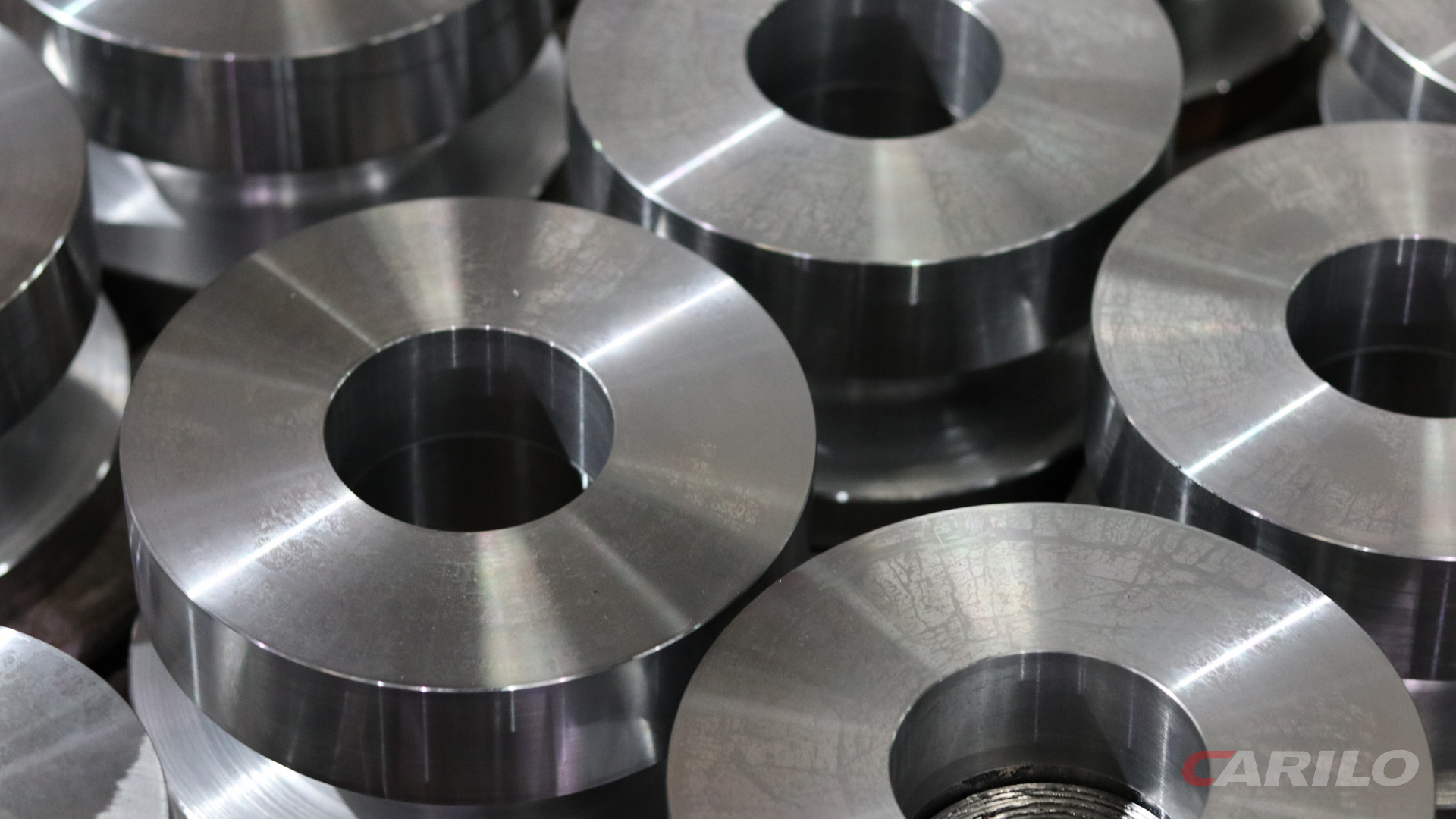
Metal-seated valves generally use seat thicknesses ranging from 5 mm to 12 mm. Their surfaces are often coated by HVOF spraying with an alloy of 88% tungsten carbide and 12% cobalt. The coating hardness exceeds HV 1100, equivalent to over HRC 70, allowing it to withstand welding slag and hard mineral debris in the pipeline.
- Stellite overlay thickness should be at least 1.5 mm.
- After coating, ball roundness deviation must remain within 0.01 mm.
- The sealing surface should achieve a roughness of Ra 0.1 μm, with a true mirror finish.
- An Inconel 718 wave spring behind the seat provides initial preload.
- Chromium carbide coatings can remain stable up to 815°C, resisting oxidation and spalling at high temperature.
For every additional 0.01 mm of roundness error on the ball surface, closing torque rises by about 15%. Under frequent cycling, poor roundness can cause localized seat wear of up to 0.2 mm. The flat engagement tolerance between the stem and the ball should be limited to within 0.05 mm.
The stem packing box should contain 5 to 8 rings of high-purity flexible graphite. Standard graphite purity is 98%, minimizing chemical pitting on the stem. Stem surface finish should reach Ra 0.4 μm; once roughness exceeds Ra 0.8 μm, graphite packing may be ground into powder within 100 operating cycles.
- ISO 15848-1 AH class requires a helium leakage rate below 10^-6 mg/(s·m).
- API 622 requires the packing to withstand 1,510 thermal cycles at 260°C.
- Live-loading should use three sets of 17-7PH disc springs.
- The spring stack must provide sustained compression above 20 MPa to offset packing wear.
API 607 fire testing simulates flame exposure at around 900°C. Once the soft seat is burned away, process pressure forces the ball against the metal shoulder inside the valve body. This metal-to-metal secondary seal must limit external leakage to only a few dozen milliliters per minute per inch of valve size.
Rising cavity pressure is a major risk factor in valve failure. When trapped liquid inside the cavity expands under heat and pressure exceeds 1.5 times the line pressure, an SPE single-piston seat can lift like a relief valve to discharge pressure. DPE double-piston seats provide bidirectional sealing, but in liquid service above Class 600 they require an external relief valve.
When chloride concentration exceeds 50 ppm, 316 stainless steel balls can suffer pitting corrosion. Duplex 2205 has a yield strength of 450 MPa, roughly twice that of 316. This higher strength helps prevent even microscopic seat support deformation above 0.02 mm under pressure fluctuation.
- PCTFE is specifically used for liquid nitrogen service at -196°C.
- Its coefficient of thermal expansion is tightly controlled at 0.000045/°C to prevent shrinkage issues at low temperature.
- A 24-hour cryogenic treatment is required before machining to eliminate residual internal stress.
- The sealing contact width is typically controlled between 2 mm and 4 mm to balance shutoff performance and service life.
Sealing contact pressure is generally set at 1.2 to 2 times the process pressure. Excessive preload can drive operating torque from 50 Nm up to 120 Nm, accelerating wear of the actuator gears. By adjusting the R-angle profile of the seat seal ring, shutoff tightness and operating smoothness can be balanced more effectively.
When purchasing, the EN 10204 3.1 certificate should include full chemical composition data. Pressure test reports should clearly state the hold times for both high-pressure hydrostatic and low-pressure pneumatic testing. For a DN200 valve, the high-pressure test must hold for at least 60 seconds with no visible pressure drop to be considered acceptable.
International Leakage Testing
API 598 specifies that low-pressure pneumatic seat tests must be conducted between 0.4 and 0.7 MPa. For a soft-seated DN50 ball valve, the test must last at least 15 seconds with no visible bubbles. If the size increases to DN200, the required duration rises to 60 seconds.
For the high-pressure hydrostatic strength test, the test pressure must be 1.1 times the rated working pressure. If water is used as the test medium, chloride content must not exceed 50 ppm to prevent pitting of stainless steel balls. For valves above DN150, the high-pressure hydrostatic seat test must hold for 120 seconds.
Under API 598, metal-seated ball valves are allowed a small amount of leakage. For example, a DN25 valve may allow up to 10 drops of liquid per minute. This allowable rate increases linearly with valve size, reflecting the fact that metal seating under extreme pressure cannot achieve perfect physical shutoff.
ISO 5208 classifies leakage from Rate A through Rate G. Rate A means no visible leakage at the specified test pressure and is typically applied to soft-seated ball valves. For metal-seated valves, achieving Rate B requires liquid leakage to remain within 0.01 × DN mm³/s.
| Leakage Rate | Liquid Leakage (mm³/s × DN) | Gas Leakage (mm³/s × DN) | Typical Application |
|---|---|---|---|
| Rate A | 0 (no visible leakage) | 0 (no visible leakage) | Critical shutoff / soft seat |
| Rate B | 0.01 | 0.3 | Severe service / metal seat |
| Rate C | 0.03 | 3.0 | Standard metal seat |
| Rate D | 0.1 | 30 | Control valves / large diameters |
For control ball valves, ANSI/FCI 70-2 Class VI is a frequently cited standard. It quantifies leakage by bubble count per minute, with a test pressure of 0.35 MPa or the maximum operating differential pressure. A 1-inch seat is allowed only 1 bubble per minute.
A 6-inch seat is allowed up to 27 bubbles per minute, equivalent to 6.75 ml/min of air loss. This leakage level is acceptable in throttling service, where absolute shutoff is not the objective and stable control accuracy matters more.
For fugitive emissions, ISO 15848-1 defines AH, BH, and CH classes. AH is the highest sealing class, requiring helium leakage below 10^-6 mg/(s·m). After 2,500 mechanical cycles, total leakage from the stem packing is so low that it would not even extinguish a match.
The test covers temperature cycling from -29°C to above 200°C. API 622 focuses specifically on packing performance and requires 1,510 reciprocating cycles at 260°C. Methane leakage must remain below 100 ppm throughout the test.
Over the entire sequence of five thermal cycles, the manufacturer is not allowed to retighten the packing gland. If disc spring compensation is used, the loss of spring force after testing must not exceed 10% of the original preload. This dynamic testing simulates several years of valve operation in a chemical plant.
API 607 fire testing recreates catastrophic field conditions. The valve must be exposed to flames between 761°C and 980°C for 30 minutes while in the closed position and under 75% of rated working pressure.
After the soft seat is destroyed, external leakage must remain below 100 ml/min per inch of nominal valve size. The valve must then cool to below 100°C within 5 minutes and undergo another open-close pressure verification. This confirms that the valve retains a limited shutoff and operating function even after fire exposure.
For oil and gas transmission pipelines, API 6D adds special DBB and DIB testing. DBB requires both sides of the valve to be pressurized simultaneously to 1.1 times rated pressure, with zero equilibrium leakage observed through the cavity drain.
| Valve Size (Inch) | Class VI Allowable Leakage (ml/min) | Class VI Allowable Bubble Count (per min) |
|---|---|---|
| 1 | 0.15 | 1 |
| 2 | 0.30 | 2 |
| 3 | 0.90 | 6 |
| 4 | 1.70 | 11 |
| 8 | 11.50 | 45 |
DIB-1 testing is more stringent, verifying that a single seat can isolate pressure from both directions. By filling and venting the middle cavity with water, the sealing performance of each seat can be measured independently with an error margin below 1 ml.
For cryogenic testing, BS 6364 defines performance in liquid nitrogen service at -196°C. The maximum allowable helium leakage is 100 × DN mm³/s. To meet this requirement, the valve body must first remain in a cold chamber for 4 to 6 hours until fully cooled through.
Test pressure is then gradually increased to the maximum working pressure, and operating torque is typically 2 to 3 times higher than at ambient temperature. If frost appears at the stem seal, the extended bonnet design is considered inadequate and the packing is likely to fail.
Vacuum tightness is checked with a helium mass spectrometer using external helium spray. Industrial high-vacuum ball valves typically require a leakage rate below 1 × 10^-9 mbar·l/s. This level of sealing depends heavily on seat polishing to Ra 0.2 μm or finer.
For actuated valves with pneumatic or hydraulic cylinders, sealing verification must include full-stroke dynamic sealing tests. At an air supply pressure of 0.6 MPa, the seat is cycled 50 times, with torque remeasured every 10 cycles. Torque fluctuation must remain within ±20% of the initial value.
MSS SP-61 is another common pressure test standard for metal-seated valves, allowing up to 10 ml of water leakage per hour per inch of nominal diameter. For a 10-inch ball valve, that means up to 100 ml per hour.
Fugitive Emissions
Leakage at the stem packing accounts for 60% to 80% of total external valve emissions. Under U.S. EPA monitoring requirements, volatile organic compound leakage must remain below 100 ppm. Chemical plants routinely inspect tens of thousands of valves each year with PID detectors, and any valve exceeding the limit must typically be repaired within 5 to 15 days.
ISO 15848-1 divides sealing tightness into three levels. The highest, AH class, requires helium leakage below 10^-6 mg/(s·m). This value is measured after 2,500 valve cycles and two thermal cycles from ambient temperature to above 200°C.
On toxic service lines such as phosgene or liquid chlorine, AH class is a mandatory threshold. Even after thousands of operating cycles, daily helium leakage from the packing remains below 0.086 g. At that level, ordinary soap solution cannot produce visible bubbles.
BH class allows a leakage rate of 10^-4 mg/(s·m) and is commonly used in refineries. When methane is used instead of helium, the concentration limits are typically set at 50 ppm, 200 ppm, and 500 ppm, respectively. API 622 focuses more specifically on the packing itself, requiring 1,510 reciprocating cycles at 260°C.
The stuffing box is typically packed with 5 to 7 rings. Braided graphite rings with a density of 1.4 to 1.6 g/cm³ are used at the top and bottom, with 3 to 5 rings of flexible graphite in between. The braided rings act like guards, scraping impurities from the stem surface and preventing the softer graphite from extruding.
Stem cylindricity tolerance should be kept within 0.02 mm to prevent eccentric rotation. Surface roughness should be polished to Ra 0.2 to 0.4 μm. If it exceeds Ra 0.8 μm, graphite flakes can be worn away within 50 cycles, causing packing load to drop by 30%.
- Packing box wall roughness should remain between Ra 0.8 and 1.6 μm to provide controlled friction.
- Use low-sulfur flexible graphite with purity above 98% to avoid chloride attack on the stem.
- Clearance at the stem-to-ball connection should be limited to 0.05 mm to reduce wobble.
- Gland bolt tightening torque should be controlled within a 5% deviation.
Below the gland follower, 2 to 4 sets of 17-7PH disc springs should be installed. This live-loading design supplies 15 to 25 MPa of sustained force, compensating for graphite packing shrinkage at high temperature and preventing bolt relaxation and gas leakage.
The disc spring stack must survive over 100,000 fatigue cycles. After one year of continuous service at 300°C, spring force loss must remain below 5%. Once spring force drops too far, stem sealing fails and leakage can quickly exceed 500 ppm.
For temperatures below 200°C, V-ring PTFE packing sets are widely used. Their 45-degree lip geometry causes them to expand laterally under compression. With a friction coefficient of only 0.04 to 0.1, these seals reduce operating force by about 40% compared with graphite packing, making the valve much easier to operate.
- Combination packing sets usually include PEEK anti-extrusion rings above and below the PTFE rings.
- Packing layers are generally limited to 3 to 5; adding more can increase idle torque by 20%.
- The spacer ring between the seat and the packing is typically controlled at 3 to 6 mm in thickness.
API 607 fire testing requires 30 minutes of exposure in a 900°C fire. Even after PTFE is destroyed, the backseat shoulder at the lower end of the stem must still provide shutoff, limiting leakage to only a few dozen milliliters per minute. The lower stem shoulder is machined 2 to 4 mm larger than the packing bore and inserted from inside the body.
Even if the gland bolts fail completely under 10 MPa pressure, the anti-blowout stem cannot be ejected. Internal pressure forces the stem shoulder tightly against the bottom of the bonnet. In extreme accidents, this structure provides a temporary metal seal that helps prevent a massive media release.
For carcinogenic media such as benzene and toluene, a double-packing arrangement with a lantern ring is required. A 10 to 15 mm cavity is left between the two packing sets and connected to a 1/4-inch detection port. Combined with a pressure sensor, it allows 24-hour monitoring of leakage below 10 ppm.
Injecting nitrogen into the lantern ring cavity is an even more reliable solution. Nitrogen pressure should be 0.1 MPa higher than line pressure, creating a barrier against process media. In silane lines in the polysilicon industry, this approach can achieve true zero external leakage and prevent toxic gas migration through the packing.
When purchasing low-emission ball valves, verify that nickel content exceeds 10% to ensure adequate stem tensile strength. Before shipment, gland bolt torque should be rechecked with a torque wrench. Deviation should be kept within 2 Nm so that each bolt carries the load evenly and the packing is compressed uniformly.
- The tolerance between the stem and actuator connection must not exceed 0.05 mm.
- If the fit is too loose, lateral force during cycling will distort the packing.
- Continuous off-axis loading can produce one-sided packing wear up to 0.1 mm.
- Actuator alignment error should be kept within 0.2 mm.
API 624 certification applies to the complete valve and requires methane leakage below 100 ppm after 310 cycles. API 641 is a dedicated qualification for soft-seated ball valves. At acceptance, the packing batch number must match the test report to avoid substitution with lower-grade materials.
Before installing the packing, the stuffing box wall finish should be checked and kept between Ra 0.8 and 1.6 μm. If the surface is too smooth, the packing cannot grip; if too rough, installation becomes difficult. The cut joints of each ring should be staggered by 90 or 120 degrees to avoid creating a straight leakage path.
Low-emission valves generally cost 30% to 50% more than standard valves. But under carbon reduction policies, cutting methane emissions by even 0.1 g per hour can translate into significant long-term carbon tax savings.
Sulfur content in graphite packing must be controlled below 1000 ppm. High-sulfur graphite can form an acidic environment when exposed to condensate in the pipeline. This can trigger electrochemical corrosion on the stem surface, creating pits up to 0.05 mm deep and permanently destroying sealing surface integrity.
Material Options
Body Materials
ASTM A216 WCB carbon steel generally contains less than 0.3% carbon and is alloyed with about 1.0% manganese to improve toughness. It performs reliably between -29°C and 425°C and can handle pressure levels up to Class 900. In dry oil and gas pipelines, wall loss over ten years may remain under 1 mm.
Once chloride concentration exceeds 50 ppm, carbon steel becomes vulnerable to internal corrosion. At that point, CF8M stainless steel—commonly known as cast 316, with 10% to 14% nickel—becomes the better choice. Its 2% to 3% molybdenum content is specifically effective against pitting corrosion. 316L keeps carbon below 0.03%, preventing corrosive attack in the heat-affected zone even after welding temperatures around 850°C.
At pressures up to 20 MPa, especially in the presence of hydrogen sulfide, the 205 MPa yield strength of 316 stainless steel is often insufficient. Duplex 2205, with roughly equal ferrite and austenite content, more than doubles yield strength to over 450 MPa. Its PREN exceeds 35, making it highly suitable for high-salinity seawater service and giving it a service life well beyond that of 316.
In 98% fuming sulfuric acid, however, 2205 can fail within hours. Hastelloy C276, containing about 16% chromium, 16% molybdenum, and 4% tungsten, is designed for such strongly reducing environments. A ball valve made from this alloy can cost more than ten times as much as carbon steel, but it can easily save tens of thousands of dollars per week in avoided shutdowns and repairs.
A few key physical properties largely determine valve body service life:
- WCB: yield strength above 250 MPa, suitable for medium- and low-pressure oil and gas service.
- 316L: chromium content of 16% to 18%, supporting passive film self-repair.
- 2507 super duplex: PREN above 40, suitable for deep-sea high-pressure service.
- Monel 400: around 63% nickel, ideal for hydrofluoric acid conditions.
- Titanium alloy: 40% lighter than steel, yet highly resistant to wet chlorine attack.
For commercial HVAC or water systems, Class 125 gray cast iron is usually adequate below 1.0 MPa. Ductile iron, modified with magnesium to form nodular graphite, raises elongation from nearly zero in gray iron to about 18%.
For liquid nitrogen systems at -196°C, A216 WCB must be abandoned in favor of ASTM A351 CF8 or low-temperature steels such as LCB. LCB can still deliver over 20 J of impact energy at -46°C. A wrong material choice can make the valve body as brittle as glass in cryogenic service, with catastrophic rupture and instant release of hundreds of cubic meters of expanding gas.
Electroless nickel plating on carbon steel ball valves, with a coating thickness of 75 μm, can raise surface hardness beyond 50 HRC. In oil service carrying abrasive mineral particles, this can triple ball life. Without the coating, the sealing surface of a carbon steel seat may be deeply grooved after only 500 cycles, which is a common cause of shutoff failure.
Recommended body material selection for different process media includes:
- Wet chlorine: titanium alloy only; stainless steel is not suitable.
- 200°C concentrated nitric acid: high-silicon 310 stainless steel or fully fluorinated materials.
- Deionized water: PVDF can keep metal ion release below 1 ppb.
- Abrasive slurry: tungsten carbide hard-facing with hardness above HRC 60.
- Concentrated caustic: nickel-based alloys; ordinary steel is vulnerable to caustic embrittlement.
Thermal expansion of the body material can also disrupt sealing geometry. Stainless steel has a coefficient of thermal expansion roughly 30% higher than carbon steel. Above 300°C, if design clearances are insufficient, the ball can seize tightly against the seat. The resulting thermal torque often burns out actuator motors.
Material certificates are revealing—especially phosphorus and sulfur content. Sulfur above 0.035% increases the risk of weld cracking. High-quality A105 forgings limit sulfur to below 0.01% to preserve weld fatigue strength. These small compositional differences can determine whether a pipeline lasts twenty years or only two.
PVDF remains chemically stable up to 140°C, far beyond the 60°C limit typical of PVC. But in high-pressure pipelines, plastic valve bodies are still subject to creep, and long-term bolt loading can distort bolt holes. For a DN100 Class 150 ball valve, API 6D requires a minimum wall thickness of 9.5 mm. Below that, the body can deform under external loading.
The titanium oxide film on titanium alloy surfaces is only a few microns thick, but extremely dense and protective. Monel 400 corrodes in flowing seawater at less than 0.025 mm per year. These high-performance alloys compensate for the limitations of carbon steel in extreme environments.
A valve should never be judged by surface shine alone. Alloy content is what truly matters. Even a 1% change in nickel content can produce a major difference in tensile strength and corrosion resistance. Some suppliers pass off 201 as 304, but a simple reagent test can reveal it. In strong acid service, that kind of substitution is dangerous, and the environmental penalties from leakage can cost more than a truckload of good valves.
Seat and Seal Materials
PTFE remains the leading soft-seat material in ball valve sealing because of its extremely low friction coefficient of 0.05 to 0.1. It performs reliably from -100°C to 180°C and remains stable even in aggressive chemicals such as concentrated hydrochloric acid. It can easily achieve ANSI Class VI shutoff—the level commonly described as bubble-tight zero leakage.
If virgin PTFE is too soft, adding 15% glass fiber creates RPTFE. This raises the temperature limit to 220°C and doubles compressive strength. In high-pressure steam lines, RPTFE seats can withstand an additional 2 MPa of pressure shock without flattening like ordinary soft plastic.
An even harder polymer is PEEK, with a melting point of 343°C. At 260°C, it still retains tensile strength around 100 MPa. This material is designed for ultra-high-pressure service above 30 MPa, and even under frequent cycling it resists scratching on the ball surface.
A comparison of common soft-seat materials:
- PTFE: -100 to 180°C, hardness 55 Shore D, friction coefficient 0.05, resistant to strong acids.
- RPTFE: -100 to 220°C, hardness 65 Shore D, friction coefficient 0.10, resistant to saturated steam.
- PEEK: -70 to 260°C, hardness 85 Shore D, friction coefficient 0.25, suitable for ultra-high pressure.
- Nylon 12: -40 to 100°C, hardness 75 Shore D, anti-extrusion, resistant up to 42 MPa.
Nylon is widely used in Class 600 to Class 2500 high-pressure lines because of its excellent anti-extrusion performance. It remains stable even at 42 MPa. Its drawback is water absorption above 0.2%, which makes it prone to swelling in water service, so it is better suited to dry natural gas or hydraulic oil.
If the line carries crude oil with entrained sand or catalyst fines, soft polymer seats wear out quickly. In that case, metal seating is required. A common solution is to spray a 0.2 mm tungsten carbide layer onto the stainless steel ball, producing hardness above HRC 68—several times harder than a standard knife blade.
Such hard-seated ball valves must be machined to within 0.01 mm accuracy. To make the ball and seat conform perfectly, technicians often lap them manually with abrasive paste. Although they cannot reach true zero leakage and generally achieve only ANSI Class V shutoff, they are often the only viable option in 540°C high-temperature slurry service.
Typical hard-facing options include:
- Tungsten carbide (WC): HVOF sprayed, HRC 68–72, 0.2 mm thick, resistant to 450°C.
- Chromium carbide (Cr₃C₂): plasma sprayed, HRC 55–62, 0.25 mm thick, resistant to 850°C.
- Stellite alloy: hardfaced overlay, around HRC 40, 1.5 mm thick, high-temperature and wear resistant.
- Hard chrome plating: electroplated, above HRC 60, 0.05 mm thick, resistant to 400°C.
Once service temperature exceeds 800°C, the cobalt binder in tungsten carbide begins to soften. Chromium carbide coatings with over 20% chromium are then preferred, as they form a dense oxide film at high temperature. Though only a few microns thick, that film protects the valve from oxidation damage in applications such as power plant ash handling.
The O-ring behind the seat is equally important, acting as the barrier that prevents fluid from bypassing the seat from the rear. Fluoroelastomer (FKM) can withstand temperatures up to 200°C and is resistant to most chemicals. But in high-pressure CO₂ service, it may suffer explosive decompression, where gas diffuses into the elastomer and ruptures it during rapid depressurization.
The solution is to use AED-rated elastomers. These are specially cured so their molecular structure is tighter and less permeable to gas. On 15 MPa natural gas transmission lines, anti-explosive seals of this type are standard. Below -50°C, however, FKM becomes brittle like hard plastic.
O-ring compression is usually controlled between 15% and 25%. Too much compression sharply increases operating torque and can overload the actuator; too little and the valve will not seal under low pressure. In a DN200 valve, every additional 0.5 mm of seal diameter may increase operating torque by several hundred Nm.
Recommended sealing solutions for specific media include:
- Hydrogen service: PCTFE, whose dense molecular structure blocks hydrogen permeation.
- Coal chemical black water: tungsten carbide seat coating increased to 0.3 mm, hardness at least HRC 70.
- Pure oxygen pipelines: oil-contaminated seals are strictly prohibited; degreased PTFE is typically used to eliminate explosion risk.
- Food-grade jam: white PTFE seats with FDA approval only; recycled material is unacceptable.
Seat springs also matter. To keep the ball in contact with the seat even under low pressure, Inconel X-750 springs are often installed behind the seat. This nickel-based alloy retains strong elasticity at 700°C. If ordinary spring steel is used by mistake, it can fail within days in acidic environments, and once preload is lost, internal leakage begins immediately.
When buying a ball valve, always check for API 607 fire-test certification. In services involving flammable oils, soft-seated valves must include a secondary metal sealing design. If fire destroys the plastic seat, process pressure forces the ball against the backup metal seat, preventing a catastrophic release even if a small amount of leakage remains.
Pay attention to the production date of sealing materials on the quality certificate. Rubber components stored for more than three years may develop microcracks from aging. A batch of valves that has sat in inventory for five years may still look fine on the outside, but all internal seals should be replaced before commissioning.
In cryogenic LNG service, sealing rings are typically made from PCTFE. This material remains elastic at -196°C instead of turning brittle like ordinary plastics. To ensure tight shutoff at low temperature, seat designs usually include compensation features to accommodate contraction of the metal body.
Sealing surfaces must be finished to an exceptionally high standard, typically below Ra 0.4. To the naked eye they should look like a mirror. Even a scratch as small as 0.1 mm can become a major leakage path under high-pressure gas, especially with small-molecule media such as helium. In these cases, surface finish directly determines whether the project passes its pressure-holding test.
Adding carbon fiber or molybdenum disulfide to PTFE can improve wear life by more than five times. In pump discharge lines with frequent cycling, standard PTFE may begin leaking after only three months, while modified grades can last a full year. Even if each seat costs a little more, the savings in labor and downtime far outweigh the extra material cost.
Key performance data for high-end sealing materials include:
- Tungsten carbide coating bond strength: above 70 MPa, ensuring resistance to spalling under pressure shock.
- FKM hardness: typically 90 Shore A for high-pressure service.
- PCTFE water absorption: below 0.01%, ensuring dimensional stability in cryogenic conditions.
- Hard-seat lapping accuracy: ball roundness error controlled within 0.005 mm.
Seat sealing reliability also depends on stem concentricity. If the stem is off by 0.5 degrees, the load on the seat becomes uneven—too tight on one side, causing wear, and too loose on the other, causing leakage. That is why high-quality ball valves undergo bidirectional pressure-holding tests after assembly, confirming full sealing performance from both directions at maximum pressure.
Low Maintenance
Stem Seal Compensation
When a ball valve stem rotates 90 degrees, mechanical friction causes physical wear in the packing. After around three months of operation, nut preload often drops by more than 30%. At that point, the process media begins escaping through the microscopic gap between the stem and the stuffing box.
A Belleville disc spring with a thickness of 1.5 mm to 3.0 mm is installed above the packing gland. Its elastic deflection of 0.2 mm to 0.8 mm under load provides continuous axial compensation. It acts like a stored-energy device, releasing travel as the packing wears and maintaining compression on the seal.
- Graphite packing is rated up to 538°C and is suitable for Class 600 high-pressure valves.
- PTFE packing has a friction coefficient below 0.1 and is best for service below 200°C.
- The most stringent ISO 15848-1 class requires leakage below 10^-5 mg/m/s.
- Stem packing sets are typically made up of 3 to 5 vertically stacked rings.
- API 622 qualification requires 1,500 mechanical cycles and 100 thermal cycles.
- Packing density is generally maintained between 1.4 g/cm³ and 1.8 g/cm³.
The stem is commonly made from 17-4PH precipitation-hardening stainless steel, with a hardness difference of at least 50 HBW relative to the 316 stem bushing. Its surface should be ground to Ra 0.4 to 0.8 μm. If roughness exceeds Ra 1.6, the rotating stem behaves like a saw blade and cuts through the molecular structure of the packing.
The fit between stem and bore follows g6/H7 tolerance practice. Concentricity should be held within 0.05 mm. At 10 MPa line pressure, the underside of the stem is subjected to an upward blowout force of several hundred kilograms. The anti-blowout shoulder at the base of the stem should therefore be 3 mm to 5 mm larger in diameter than the stem shank.
The shoulder contacts a chamfer machined in the body, forming a 45-degree or 60-degree metal sealing point. The higher the internal pressure, the tighter this metal-to-metal interface seals. Stuffing box depth is typically machined to 1.5 to 2 times the stem diameter.
- Preload nuts are set with a torque wrench in the 0–100 N·m range.
- Disc spring compression should be maintained at 75% to 85% of flattened height.
- A 2 mm thick 316 spacer ring can be added to provide an external leak-monitoring path.
- Stuffing box wall finish must remain below Ra 3.2.
- Valve body wall thickness is increased by 1.5 mm beyond ASME B16.34 minimums.
- Sealing components should carry API 607 fire certification for 760°C flame exposure.
At factory testing, stem operating torque typically falls between 15 N·m and 45 N·m. If packing density exceeds 1.8, rotational friction can increase by more than 40%, forcing the paired pneumatic actuator size to increase from a 100 mm cylinder to 125 mm.
Gland bolts are typically ASTM A193 B7 with a tensile strength of 685 MPa. Molybdenum disulfide is applied to the threads to stabilize the friction coefficient between 0.12 and 0.15. Only about 10% of tightening torque is ultimately converted into axial clamping force.
A 2-inch Class 150 ball valve usually has a stem diameter of 15.8 mm and uses 3.2 mm square packing. Four disc springs with an outside diameter of 28 mm are arranged in series, providing approximately 2,500 N of constant preload on a 12 mm thick gland plate.
- Disc springs are often treated with Dacromet for 500-hour salt spray resistance.
- A 3 mm anti-static steel ball is installed between the stem and the ball.
- Electrical resistance between stem and body should be measured below 10 ohms.
- A 1.0 mm anti-extrusion ring is fitted beneath the packing set to prevent PTFE creep.
- Clearance between scraper ring inner edge and stem should remain between 0.02 mm and 0.05 mm.
- Operating torque should be recorded every six months; maintenance is required if deviation exceeds 20%.
Load imbalance between the two gland bolts must be kept within 5%. Uneven compression causes one-sided packing wear, sharply increasing leakage after 1,000 cycles. A cross-tightening pattern is required, typically in 4 to 6 steps, with each pass turning the bolts 90 degrees.
Stem rotation speed is usually set so that the 90-degree stroke is completed in 1 to 5 seconds. Excessively fast actuation can cause water hammer and raise instantaneous torque to three times the normal value.
This compensation structure allows minor sealing adjustment without taking the system offline. By loosening the locknut and turning the adjusting nut half a turn, about 10% of the original preload can be restored. After 100,000 accumulated cycles, the packing can be replaced as a complete set using dedicated copper tools.
At 200°C, PTFE undergoes 2% to 5% volumetric shrinkage. The disc spring stack must therefore provide enough travel to absorb the gap created by creep. Stem design safety factors are typically set between 2.5 and 4.0 to prevent fracture under extreme torque.
Stem sealing performance is affected by both dynamic friction and thermal fluctuation. The responsiveness of the compensation system largely determines whether the valve can achieve a maintenance-free cycle of 3 to 5 years. API 608 specifies a minimum stem diameter of 15.5 mm for a 50 mm valve.
Wall thickness should include a corrosion allowance of 1.5 mm to 6.0 mm to support a 30-year service life. At a flow velocity of 5 m/s, lateral fluid force can cause stem deflection of 0.02 mm.
Material Resistance
As a standard material for industrial ball valves, 316 stainless steel typically contains 18% to 21% chromium and 9% to 12% nickel. Its 2% to 3% molybdenum content provides resistance to chloride concentrations up to 1000 mg/L. Once ambient temperature rises above 400°C, carbide precipitation occurs within the steel and corrosion resistance declines rapidly. Under ASME B16.34, the minimum wall thickness for a 4-inch Class 300 body is 10.1 mm.
In service with a uniform corrosion rate of 0.2 mm per year, a 3.0 mm corrosion allowance can support a 15-year service life. Duplex 2205 offers a yield strength of 450 MPa, more than twice that of standard 316L. Its pitting resistance equivalent number, calculated by Cr + 3.3Mo + 16N, must exceed 35 for seawater service. High-pressure seawater desalination systems often use 2507 super duplex, with chromium content raised to 25% and strength reaching 550 MPa.
| Material | Ni (%) | Cr (%) | Mo (%) | Suitable Special Media |
|---|---|---|---|---|
| Monel 400 | 63–70 | — | — | Hydrofluoric acid, high-salinity seawater |
| Hastelloy C276 | balance | 14.5–16.5 | 15–17 | Wet chlorine, strong oxidizing salts |
| Alloy 20 | 32–38 | 19–21 | 2–3 | 30%–98% sulfuric acid |
| Inconel 625 | 58 min | 20–23 | 8–10 | Oxidizing service above 815°C |
Unhardened stainless steel balls typically have a hardness of only around 200 HV and are easily scratched by weld slag or scale inside the pipeline. Hard-seated ball valves usually apply a tungsten carbide coating 0.15 mm to 0.3 mm thick to the ball surface. With HVOF spraying, surface hardness rises to 1200–1400 HV.
For comparison, industrial sand particles typically measure around 800 HV, so tungsten carbide is hard enough to interrupt the wear chain. A Stellite 6 cobalt-base hardfacing layer can still retain hardness above 35 HRC at 540°C. PTA processing ensures bond strength between coating and substrate above 70 MPa. After matched lapping of the ball and seat, surface roughness must be held below Ra 0.2 μm.
If running clearance exceeds 0.05 mm, cavitation from high-velocity fluid can destroy the seat in as little as 500 hours. The selection of soft-seat materials depends on the chemical and physical properties of the medium as well as operating pressure. RPTFE, reinforced with 15% glass fiber, remains dimensionally stable at 2.0 MPa. PEEK has compressive strength up to 118 MPa and is suitable for high differential pressure above Class 600.
- Devlon V-API: water absorption below 0.1%, preventing seal swelling in high-pressure natural gas pipelines.
- PCTFE: remains crack-free at -196°C and is mandatory for liquid nitrogen service.
- POM: highly wear resistant, but limited to 80°C and unsuitable for steam.
- Nylon 12: self-lubricating, reducing startup torque by more than 25% versus conventional PTFE.
- Flexible graphite: withstands 538°C and is commonly used as a secondary fire-safe seal.
For 98% sulfuric acid service, nickel content in the alloy should remain between 32% and 38%. Grade 2 titanium has an annual corrosion rate below 0.025 mm in oxidizing acids. However, in dry chlorine gas, titanium can react exothermically and burn through, so moisture content must remain above 1.5%. A hardness difference of at least 50 HBW must be maintained between internal components to prevent galling at high temperature.
17-4PH is commonly used for stems, and after H1150 heat treatment it can reach a tensile strength of 930 MPa. If the ball hardness is set at 60 HRC, the seat should be matched at around 50 HRC to establish a hardness gradient. For Class VI shutoff, the metal sealing pair must generate a sealing pressure of 15 N/mm². In natural gas gathering systems containing hydrogen sulfide, material selection must comply with NACE MR0175.
Hardness must be limited below 22 HRC to prevent hydrogen embrittlement and sudden brittle failure. Carbon content in valve body castings should remain below 0.03% to avoid intergranular corrosion during welding. Cryogenic valve bodies should undergo -196°C treatment to remove over 95% of residual stress. Austenite content must remain above 90% to preserve low-temperature toughness.
Charpy V-notch impact energy at -196°C must not fall below 27 J. Ceramic valve internals are often made from 99.5% pure alumina, with Mohs hardness of 9, second only to diamond. In abrasive services such as silicon powder or coal slurry, ceramic valves can last more than ten times longer than metal-seated valves. But ceramics are brittle, so temperature rise in the line must be limited to 5°C per minute.
Trunnion-mounted ball valves rely on spring preload for low-pressure sealing, with each spring typically set to 0.5 to 1.0 MPa. Inconel X-750 springs retain 90% of their elastic modulus at 600°C without degradation. Wave springs save 50% of installation height compared with coil springs and are ideal for compact seat designs. Valve body castings should undergo 100% RT or UT inspection to ensure there are no blowholes or shrinkage defects.
By standard, defects in level-2 or higher castings must not exceed 20% of design wall thickness. Hydrostatic test pressure is set at 1.5 times the nominal pressure and held for at least 30 minutes. High-pressure hydrogen service should also include helium mass spectrometer testing, with leakage limited to 1.0 × 10^-7 mbar·l/s. Graphite gaskets should be compressed 20% to 30%, with recovery not less than 15%.
For 316 spiral wound gaskets with graphite filler, a sealing pressure of 70 MPa is required for proper seating. Bolts are typically B7 alloy steel, but their allowable stress at 400°C drops to about 70% of the room-temperature value. Thread surfaces should be lubricated with molybdenum disulfide or copper-based compounds to prevent galling at elevated temperature. Valve wall thickness should include a 1.5 mm to 6.0 mm corrosion allowance for a 30-year design life.
At 5 m/s flow velocity, lateral fluid force on the stem can cause 0.02 mm axial deflection. The sealing elements must therefore have enough elastic recovery to absorb this movement. In chemical cleaning systems, applying these material selection principles has reduced unplanned shutdowns by 60%. Controlling even a 0.1% variation in alloy chemistry during selection can avoid repair costs running into tens of thousands later.
Structure and Maintenance Efficiency
A three-piece ball valve consists of a center body section and two end caps. By removing 4 to 6 connecting bolts, the center section can be rotated 90 degrees and withdrawn as a whole. The welded or flanged line ends remain fixed in place. For a 2-inch valve, replacing the seals typically takes only 15 to 20 minutes. Compared with a one-piece valve that requires cutting the pipeline, downtime can be reduced by 70% to 85%.
Bolt preload determines the pressure integrity of a three-piece design. Body bolts are typically ASTM A193 B7 alloy steel. For a 4-inch Class 150 valve, bolt torque is usually set between 110 N·m and 135 N·m. Cross-tightening is used in 3 to 4 stages until 100% of target torque is reached.
- A 2-inch center section typically weighs about 4.5 kg.
- Side-end bolt hole spacing tolerance should remain within 0.15 mm.
- Seat groove machining error should be less than 0.05 mm.
- Gasket compression should remain between 0.3 mm and 0.5 mm.
- Only two standard open-end wrenches are needed for servicing.
- Seal pair alignment deviation must remain within 0.1 mm.
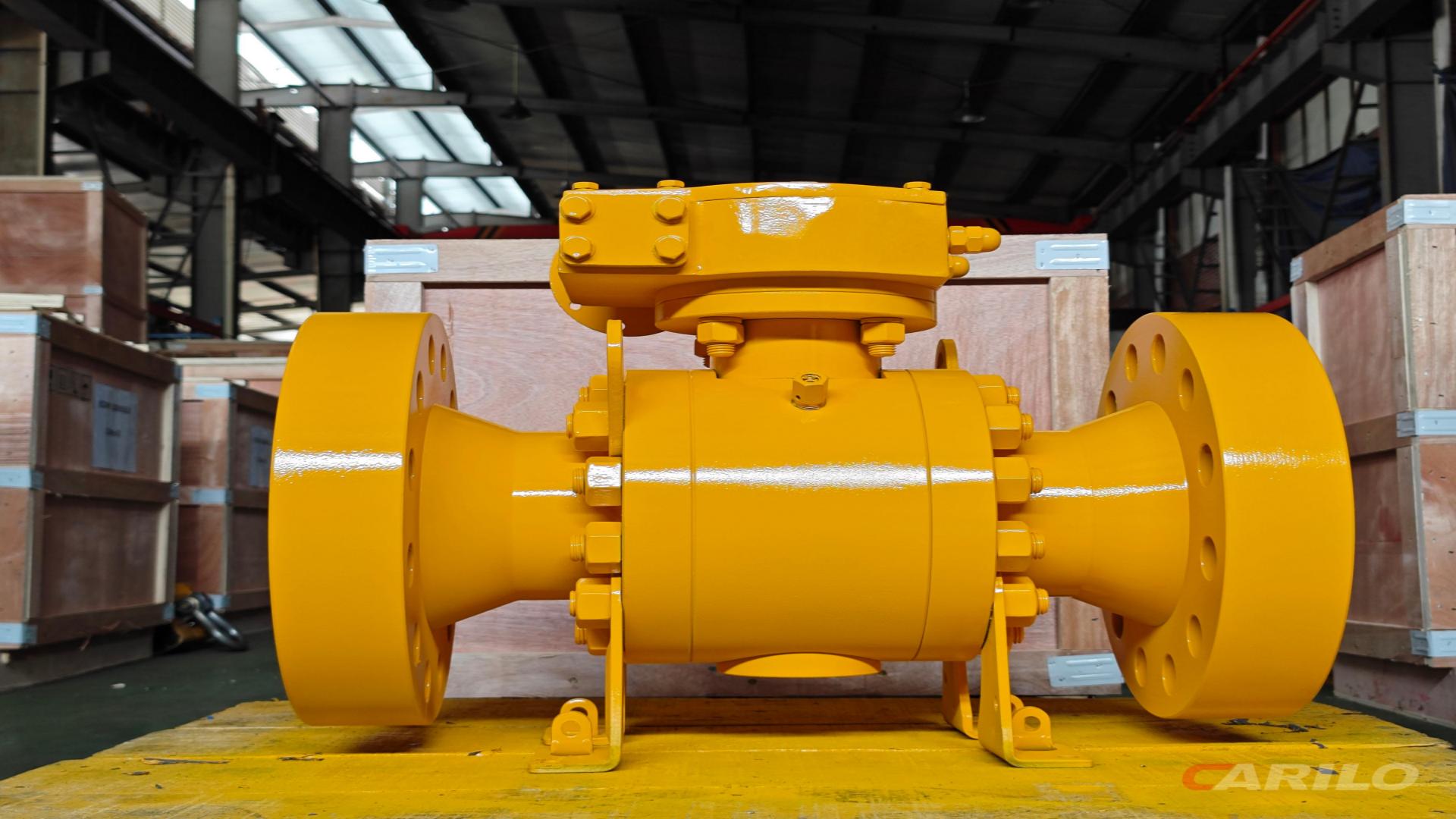
When the pipeline layout does not allow lateral removal space, a top-entry design provides vertical access. In a top-entry ball valve, the bonnet is positioned directly above the body. By loosening the bonnet bolts, the ball and seat assembly can be lifted vertically out of the valve. In an 8-inch Class 600 valve, the bonnet alone can weigh 45 kg. Online maintenance avoids cutting a 180 kg heavy valve body out of the pipeline.
For a 12-inch Class 900 top-entry valve, online replacement of the seat typically takes 4 to 6 hours. A conventional side-entry valve may require 5 to 7 days for return-to-factory repair.
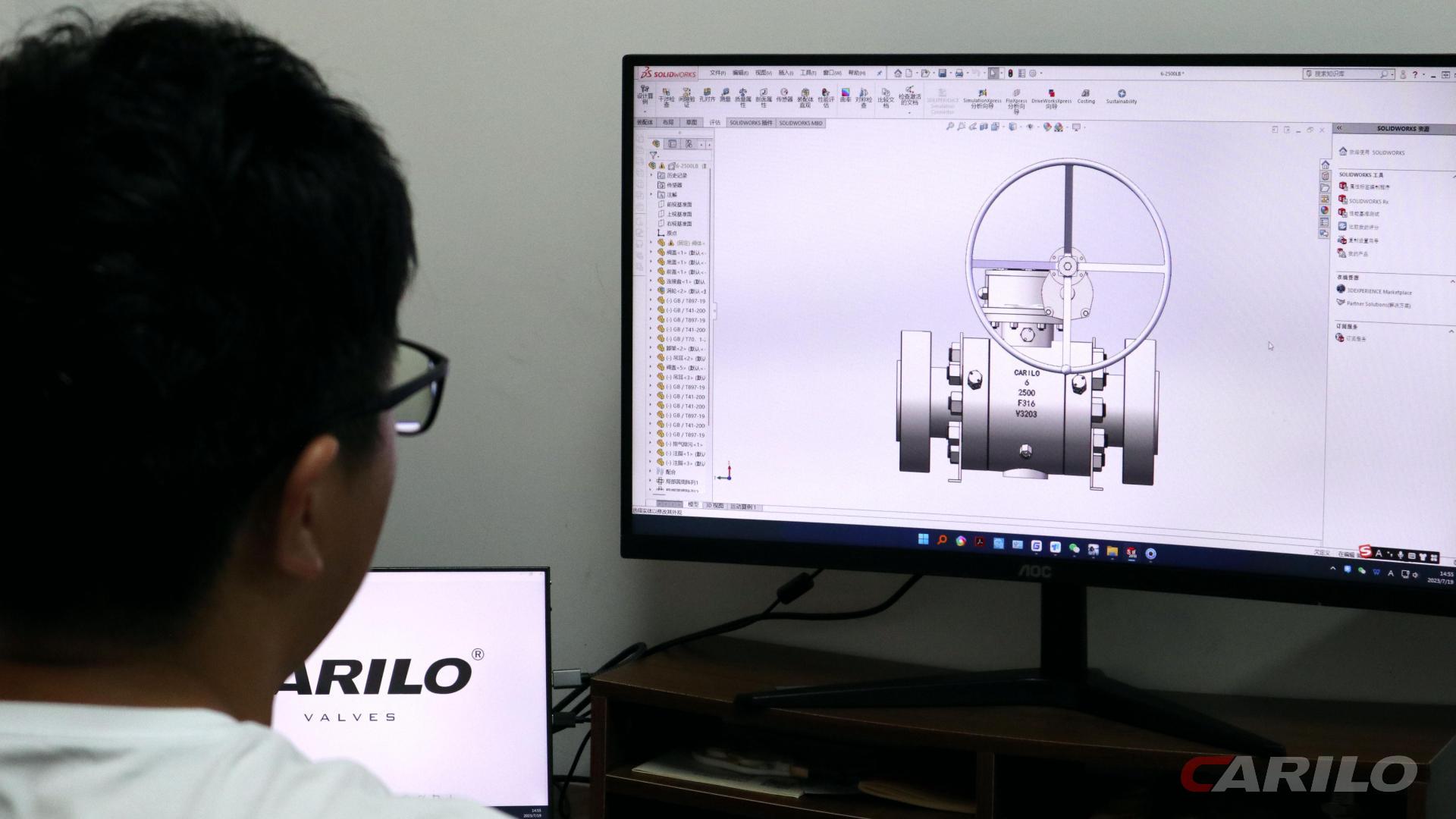
An ISO 5211 top mounting pad includes 4 to 8 threaded locating holes. Clearance in the central drive keyway is controlled within 0.03 mm. Installing a 200 N·m electric actuator can therefore be completed in 15 minutes instead of 2 hours. Because the pressure-containing bonnet does not need to be removed, the risk of media leakage is eliminated.
- Top-entry seats may use 12 to 24 preload springs.
- Bonnet gasket outer diameter can exceed 300 mm.
- Lifting bolts are typically M16 or M20.
- The body drain valve is usually sized at 1/2 inch.
- Ball lifting holes are machined 15 to 20 mm deep.
- Seat support ring hardness is typically set at 35 to 40 HRC.
Standardized dimensions for consumables such as gaskets and O-rings directly affect spare-parts inventory turnover. A typical repair kit includes 2 seats, 1 stem packing set, and 2 body gaskets. FKM O-rings are usually specified at 75 to 85 Shore A. Standard molded cross-sections of 3.53 mm or 5.33 mm can reduce procurement lead time to just 3 to 5 days.
Internal port geometry affects not only flow resistance but also pigging performance. In a full-port ball valve, the flow bore is matched to the pipe inside diameter within 0.5 mm tolerance. A 4-inch valve can reach a Cv of 1800. Pigs can pass through the valve cavity freely at speeds of 1 to 3 m/s, sweeping away dust buildup as fine as 0.1 mm.
On a 4-inch three-piece ball valve, online replacement of the main seal can be completed in 25 minutes using just two wrenches. A one-piece valve may require flame-cutting the line and more than 4 hours of downtime.
In a trunnion-mounted ball valve, fluid thrust is transmitted through the upper and lower stem bearings. These valves use upper and lower self-lubricating composite bearings, often lined with a 0.3 mm PTFE anti-friction layer. Bearing clearance is usually controlled between 0.05 mm and 0.08 mm. For a 6-inch Class 900 valve, operating torque typically remains stable between 450 N·m and 520 N·m.
To reduce failures caused by bearing wear, the body is often equipped with an emergency sealant injection system. The injection port is typically a 1/2-inch NPT thread with a dual check-ball design to prevent backflow. A high-pressure grease gun injects viscous sealant at 20 MPa into the seat groove, where it forms a temporary leak barrier about 5 mm wide in a 0.2 mm annular passage.
During reassembly of a top-entry valve, concentricity between the ball and the seat is mechanically controlled by locating pins. Two 12 mm pins are installed on the body center flange using m6 tolerance fits. The back of the seat support ring is fitted with 16 to 24 Inconel X-750 coil springs. Each spring provides an initial thrust of 150 N to keep the seat against the ball even under zero pressure.
A single-seat bidirectional sealing design allows seat integrity to be checked by cavity relief. Pressure is released through a 1/4-inch needle valve, and pressure drop is observed over 5 minutes. If the pressure drop remains below 0.05 MPa per minute, the seat is considered bubble-tight. The cavity drain passage is generally designed at 15 mm diameter to prevent blockage by particles around 1 mm in size.
In a 10-inch Class 600 top-entry valve, the middle cavity volume is about 35 liters. With a 15 mm drain port, complete cavity drainage takes roughly 45 to 60 seconds.
A seat design certified to API 607 activates an auxiliary metal sealing contact once the soft seat has burned away. After 30 minutes of flame exposure between 750°C and 1000°C, the metal seat is pushed forward by spring force about 2 mm to create a line-contact seal with the ball, limiting leakage to no more than 1 ml/min per inch of valve size.
- Pig interference is typically set at 3% to 5%.
- Valve cavity wall roughness is controlled at about Ra 1.6.
- Guide chamfer axial length is generally 5 to 8 mm.
- Drain outlet screen mesh is usually 40 to 60 mesh.
- Seat lip thickness is typically 2.5 to 3.5 mm.
- Travel stop adjustment bolts are commonly M12.
If eccentricity exceeds 1.0 mm, turbulence develops, local velocity rises by 30%, and erosion accelerates. Travel stop bolts often use fine threads with a 1.25 mm pitch, so one full turn changes axial position by 1.25 mm. After adjustment, the stop is locked with a jam nut and verified with a torque wrench at 20 N·m.
The anti-release drive keyway between stem and actuator may use either a single-key or double-key design, with width tolerance held within 0.03 mm. During a rapid shutoff in 1.5 seconds, the key faces may experience shear forces of 3,000 to 5,000 N. The key is typically made from quenched-and-tempered 40Cr steel with hardness between 260 and 290 HBW. Keyway fillet radius is usually machined to 0.5 mm to prevent stress concentration cracking under cyclic load.
The body center flange gasket is commonly a 316L spiral wound gasket with graphite filler. Gasket thickness is usually 4.5 mm, with initial compression controlled between 1.0 mm and 1.2 mm. Flange bolt tension is generally set to 50% to 60% of bolt yield strength. When hydraulic bolt tensioners are used, tensioning pressure is typically controlled between 70 MPa and 85 MPa.