
How to Select Materials for Custom API 6D Ball Valves | Carbon Steel, Stainless Steel, Duplex Steel
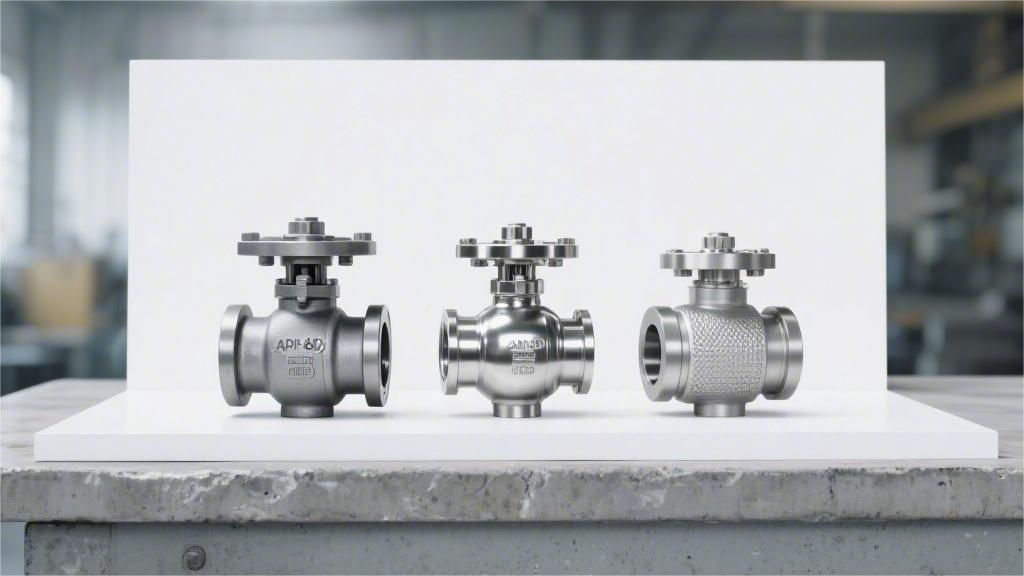
For conventional oil and gas, select carbon steel WCB, suitable for -29 to 425°C; For corrosive media, select stainless steel 316; For high-pressure sour offshore conditions, use duplex steel 2205 with a PREN value over 35 to resist pitting corrosion. Carbon Steel For operating conditions between -29°C and 425°C, ASTM A216 WCB (cast) or A105 […]
Ball Float Valve Selection Mistakes That Can Increase Water Waste | Wrong Sizing, Poor Sealing, Delayed Shutoff
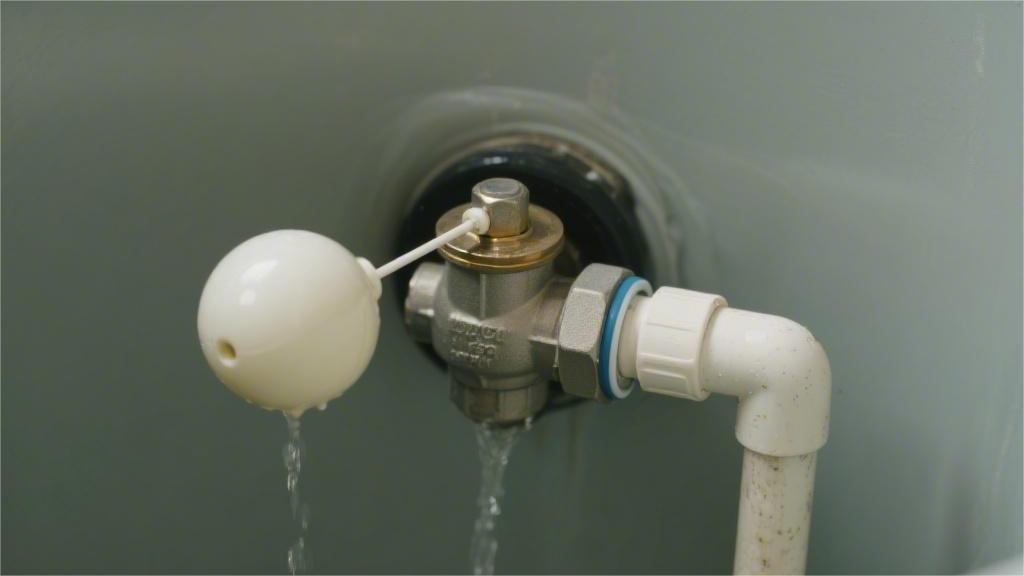
Undersized float valves cause a closing delay of over 10 seconds, resulting in a single overflow of 3 liters; Inferior seals are prone to leakage under 0.5 MPa water pressure. Strict 1:1 sizing matching the pipe diameter is required, paired with a Shore hardness 70 EPDM O-ring, and the static water level must be set […]
Custom Ball Float Valve Materials Explained for Different Environments | Brass, Stainless Steel, Plastic
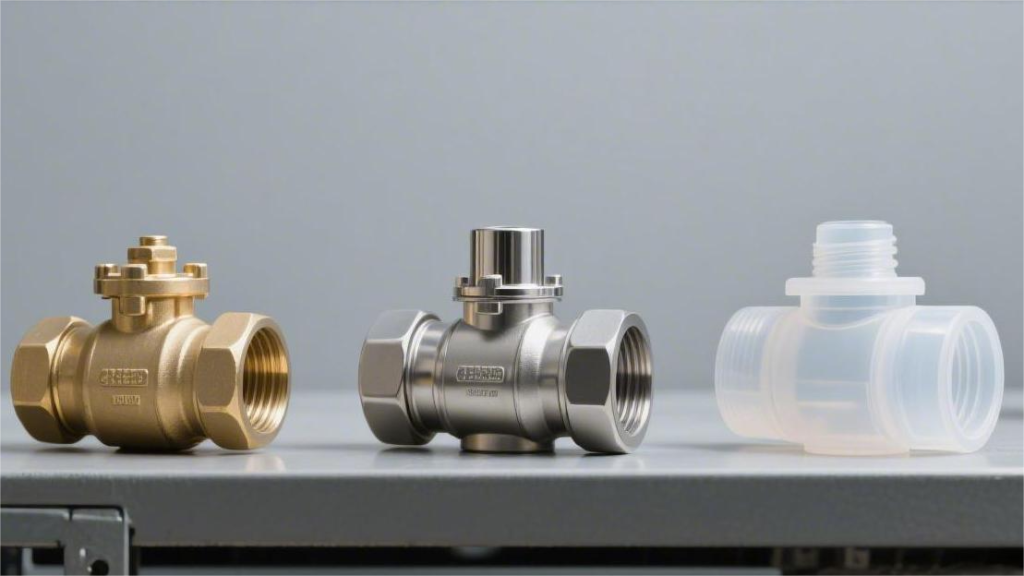
Brass is suitable for civil water systems, bearing pressures of 1.6 MPa and temperatures of 120°C; 316 stainless steel specializes in corrosive chemical environments, with pressure resistance up to 6.4 MPa; Plastics (such as PVC) are ideal choices for electroplating tanks, provided temperature and pressure are strictly limited to within 60°C and 1.0 MPa, respectively. […]
Why Custom Ball Float Valves Matter in Natural Gas Processing | Reliability, Pressure Tolerance, Lifespan
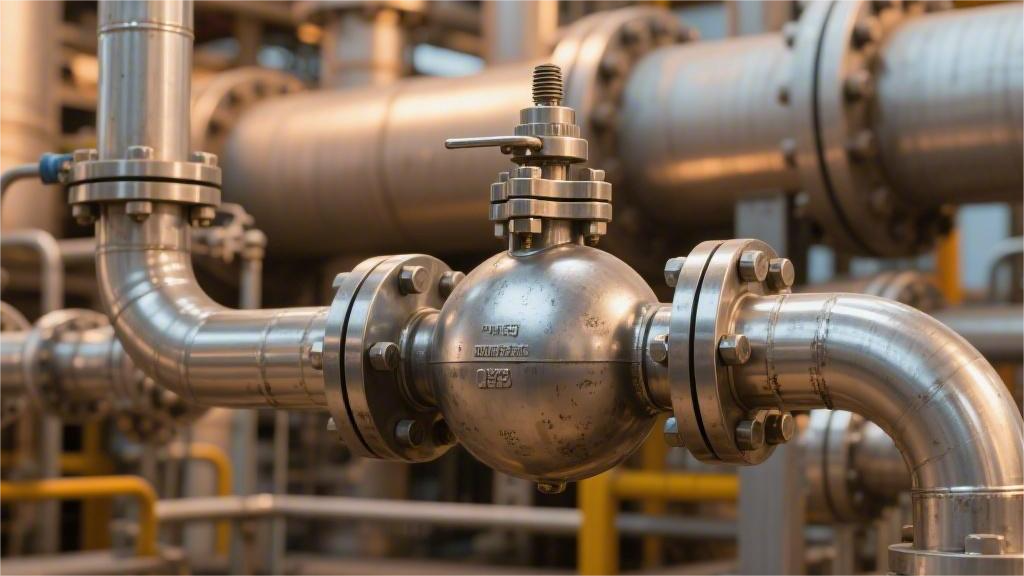
Custom float valves can withstand high pressures up to 25 MPa in natural gas processing. The float counterweight must be precisely calibrated based on a specific gas gravity of 0.65 to prevent malfunction in liquid level control. This ensures extreme reliability at the API 6D level, significantly extending the system’s Mean Time Between Failures (MTBF) […]
How to Choose a Custom Ball Float Valve for Natural Gas Systems | Material, Pressure Rating, Seal Integrity
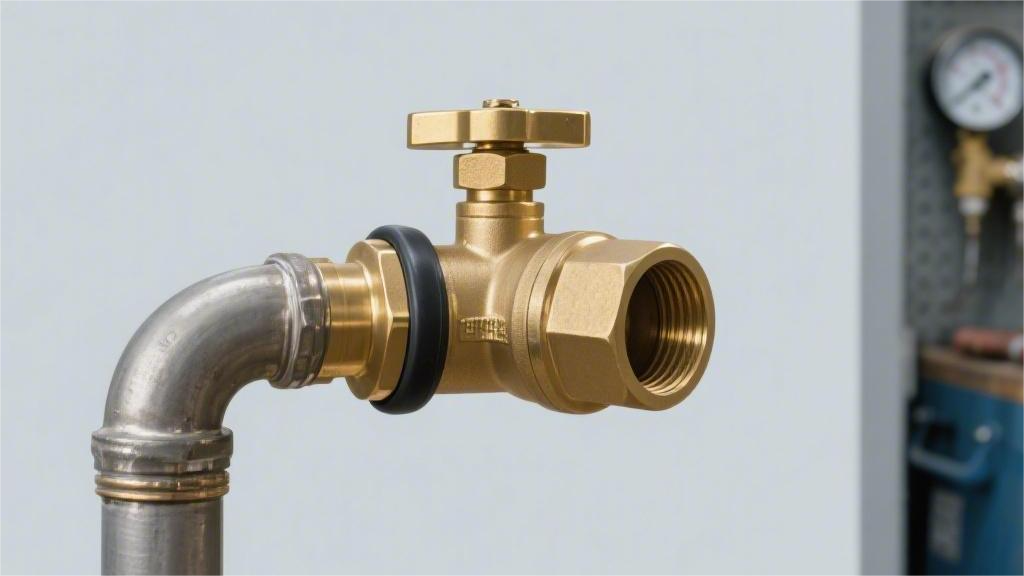
Custom natural gas float valves must prioritize Inconel alloys to prevent sulfur corrosion. The selected pressure rating must exceed the system peak by 20%, and PEEK seals should be used to ensure ANSI Class VI zero leakage across a wide temperature range. A hydrostatic test at 1.5 times the design pressure must be performed for […]
What Causes Ball Float Valve Leaks in Gas Systems? | Pressure, Sealing & Material Issues
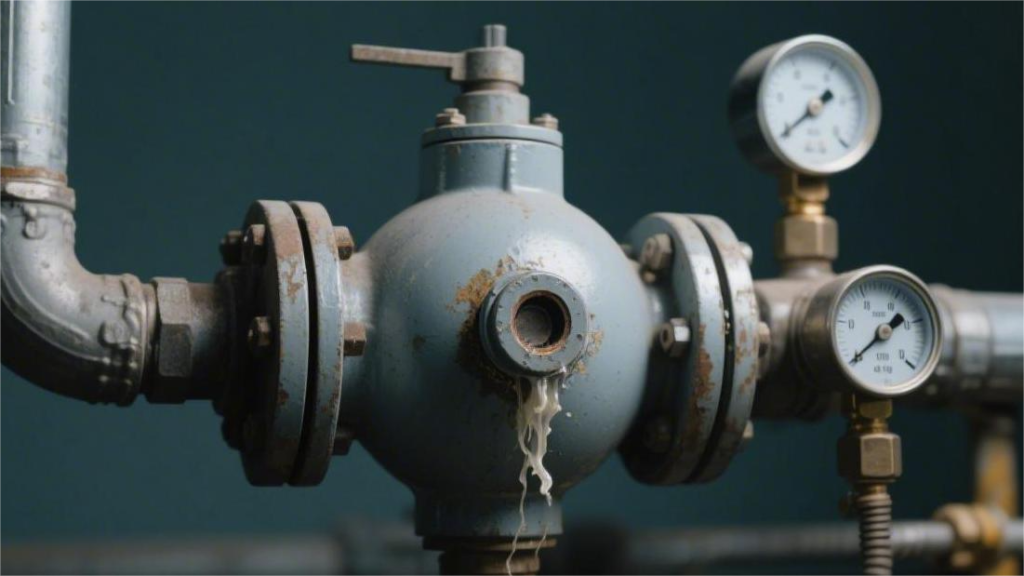
The primary cause of gas leakage is the 15% plastic deformation of the sealing seat triggered by pressure surges. A sealing ring with a hardness of Shore A 85 should be selected to prevent high-pressure permeation, but cold embrittlement failure at -20°C must be guarded against. It is recommended to control the pressure drop within […]
What Affects Ball Float Valve Lifespan in Harsh Gas Environments? | Material Quality, Contaminants, Pressure Fluctuations
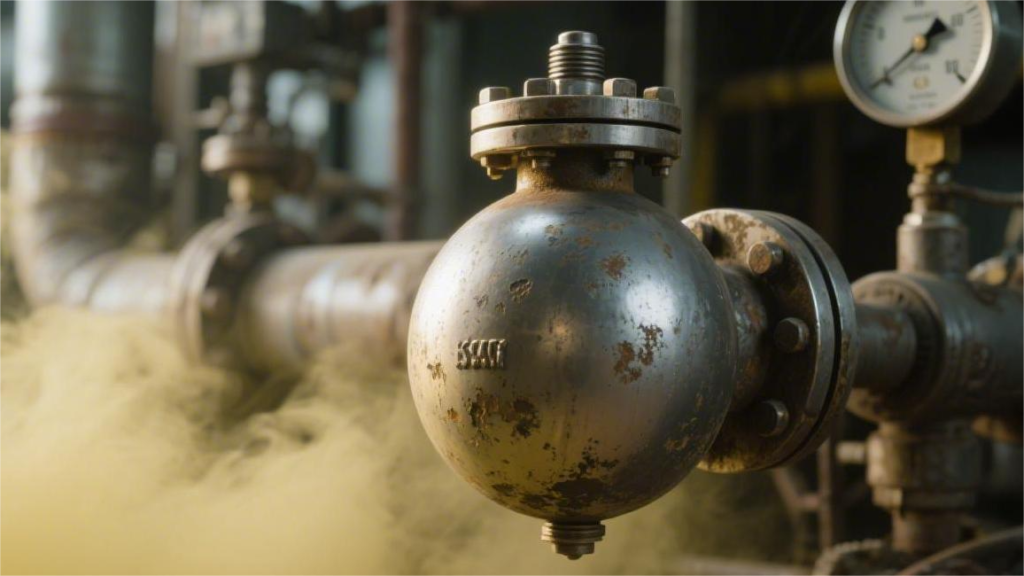
In harsh gas environments, the lifespan of spherical float valves is collectively influenced by material corrosion resistance, particle erosion, and pressure fluctuations. Selecting 316L stainless steel or Hastelloy can extend service life by 2 to 3 times compared to standard materials. If the hydrogen sulfide H2S content in natural gas exceeds 10%, metal surfaces are […]
What’s the Difference Between Trunnion Mounted Ball Valves and Floating Ball Valves | Pressure Handling, Torque Requirements, Sealing Stability
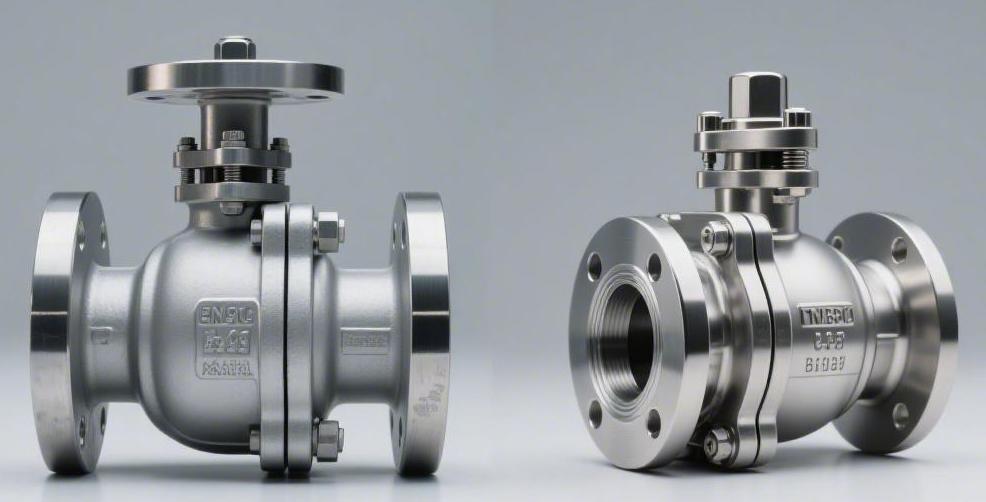
Floating ball valves rely on fluid pressure to push the ball and compress the downstream seal, making them suitable for low-pressure applications below Class 300. Trunnion mounted ball valves have the ball secured by upper and lower shafts, relying on springs to actively push the seats for sealing, capable of withstanding high pressures above Class […]
Best Materials for Custom Trunnion Mounted Ball Valves in Corrosive Environments | Duplex Stainless Steel, Inconel Alloys, and Hastelloy
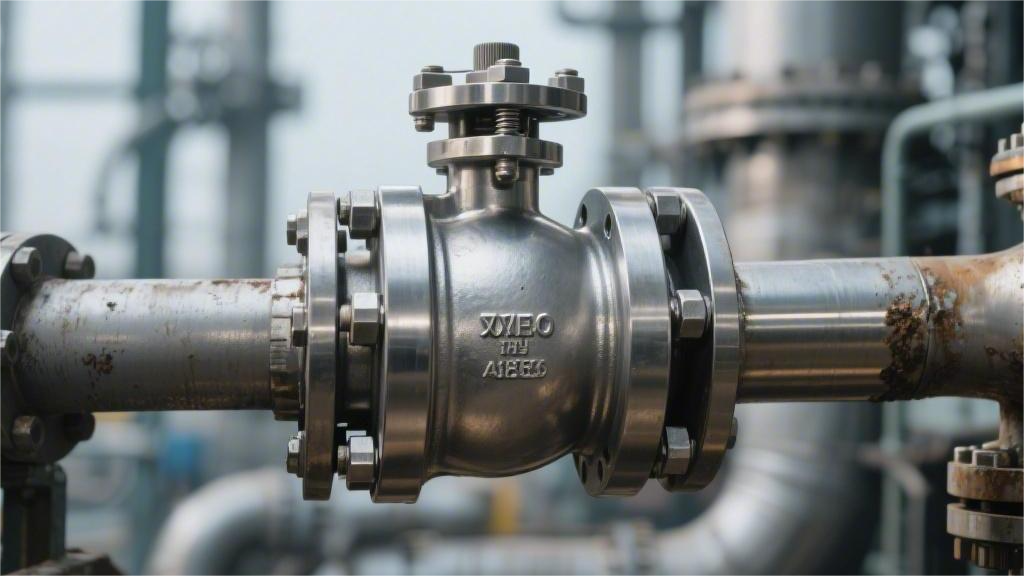
For chlorine-containing environments, choose 2205 duplex stainless steel with a PREN over 35; for high-temperature sulfur-containing environments, use Inconel 625 with over 58% nickel; for strong acids, pair with Hastelloy C-276. During manufacturing, the interpass temperature of the weld must be controlled below 150°C to prevent intergranular corrosion. Duplex Stainless Steel Mainly comprising UNS S32205 […]
How to Choose the Right Custom Trunnion Mounted Ball Valve | Size, Pressure Class, Application
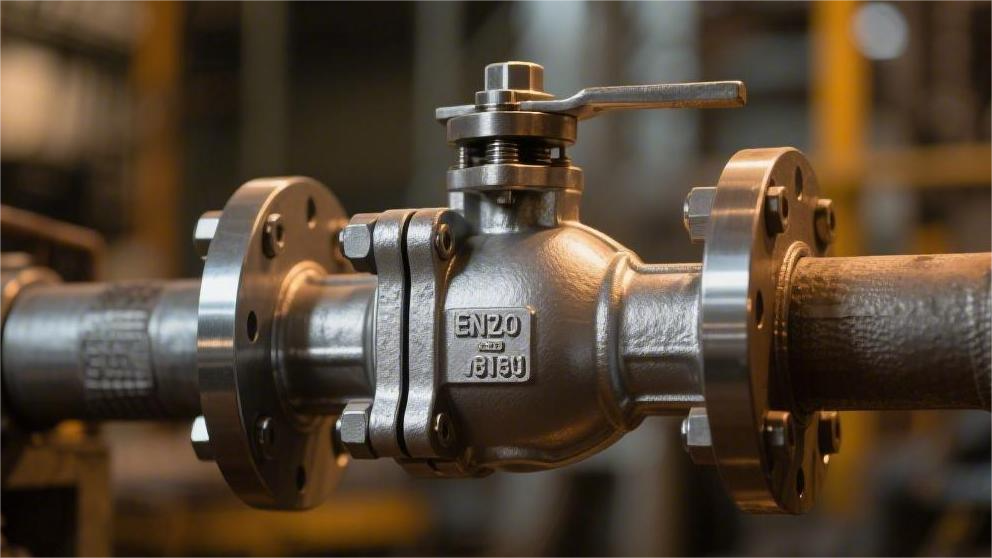
Sizes are customized from NPS 2 to 48; full port structure is mandatory if pigging operations are required; Pressure ratings strictly adapt from Class 150 to 2500; Applications with sour media must specify sulfur-resistant materials compliant with the NACE MR0175 standard. During factory acceptance, a hydrostatic test at 1.5 times the design pressure must be […]