Blog
A procurement manager at an EPC firm once told me he’d been buying forged ball valves for fifteen years and had never seen a forging

A procurement manager at an EPC firm once told me he’d been buying forged ball valves for fifteen years and had never seen a forging
Walk into any refinery, chemical plant, or power station and count the valves. A medium-sized refinery has about 30,000 valves. Roughly 40% of them are
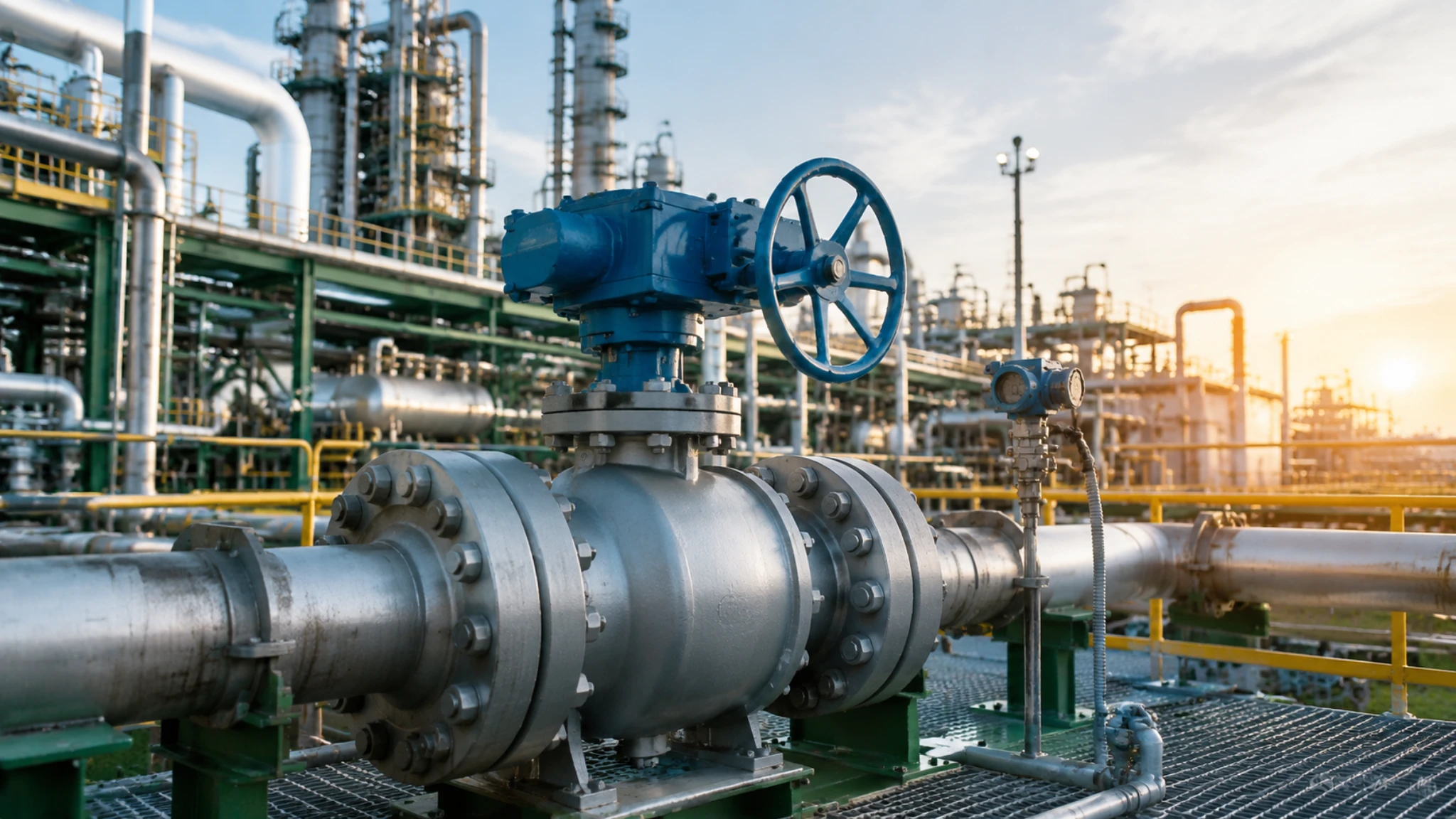
A few years ago, a project engineer at a gas pipeline company in Texas called me about a batch of 16-inch Class 600 ball valves
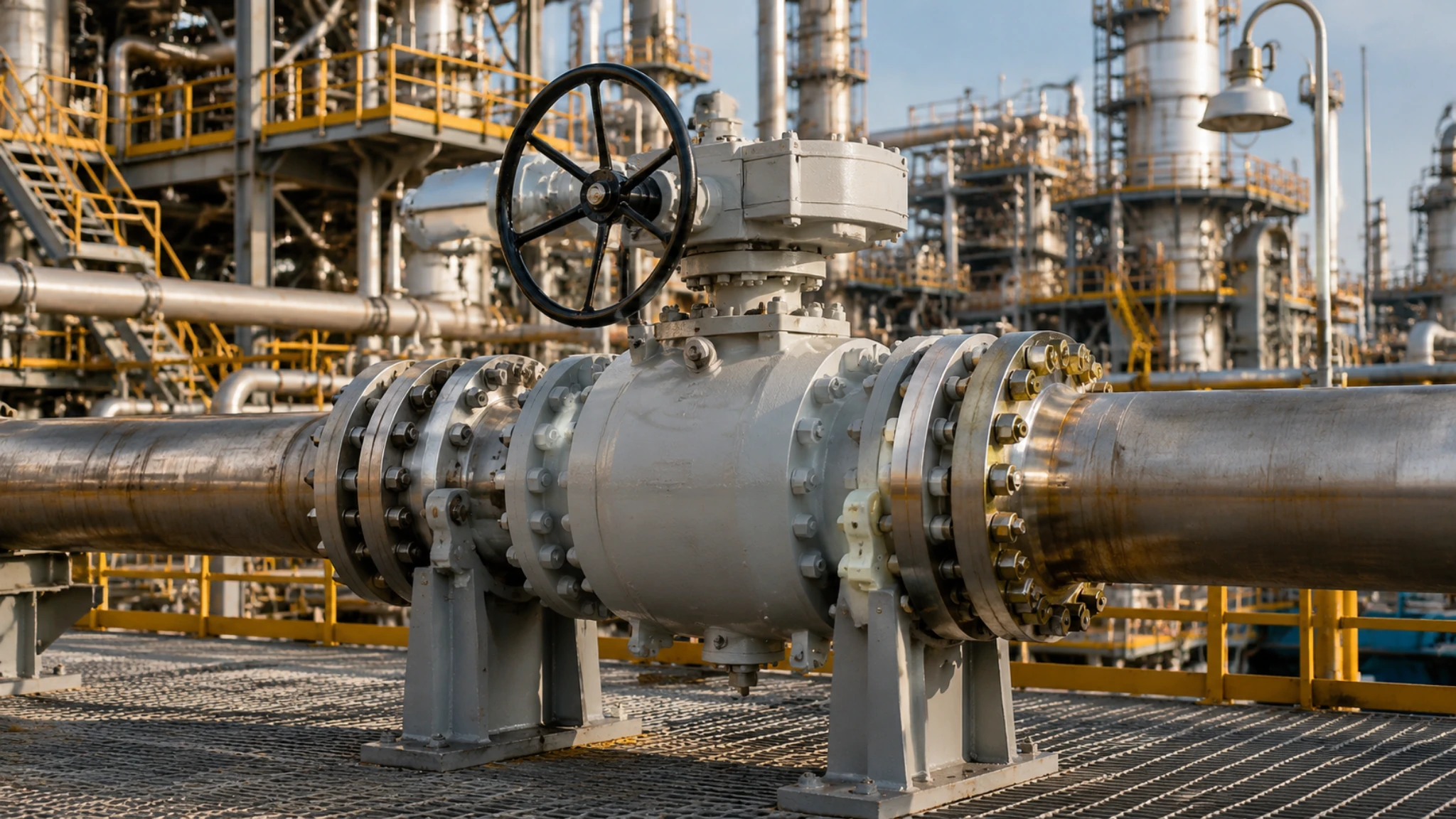
About ten years ago, I watched a crew try to close a 16-inch floating ball valve on a crude oil transfer line at 900 psi.
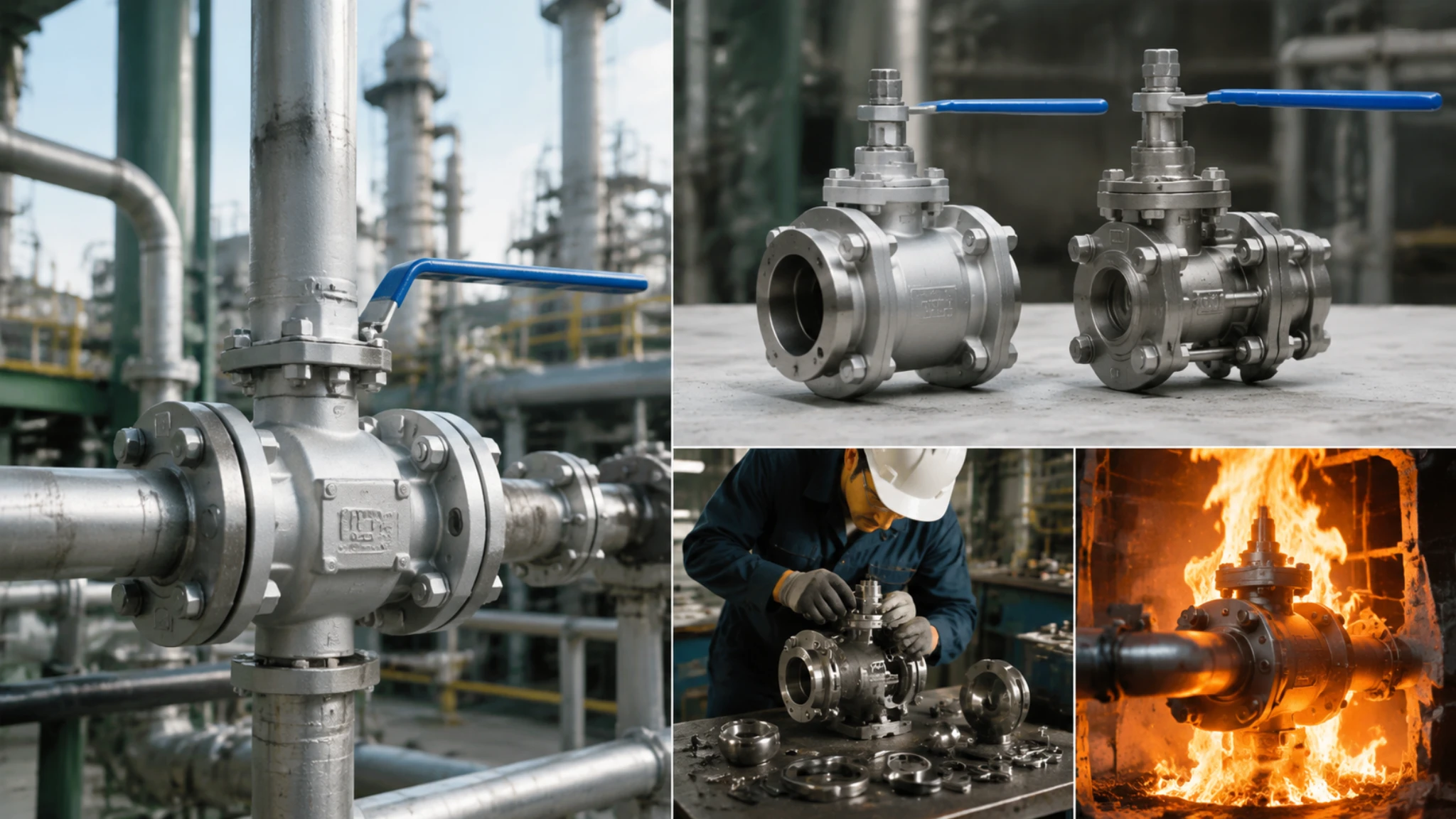
A few years ago, I was on a platform in the North Sea where a 16-inch Class 900 trunnion ball valve had developed a seat
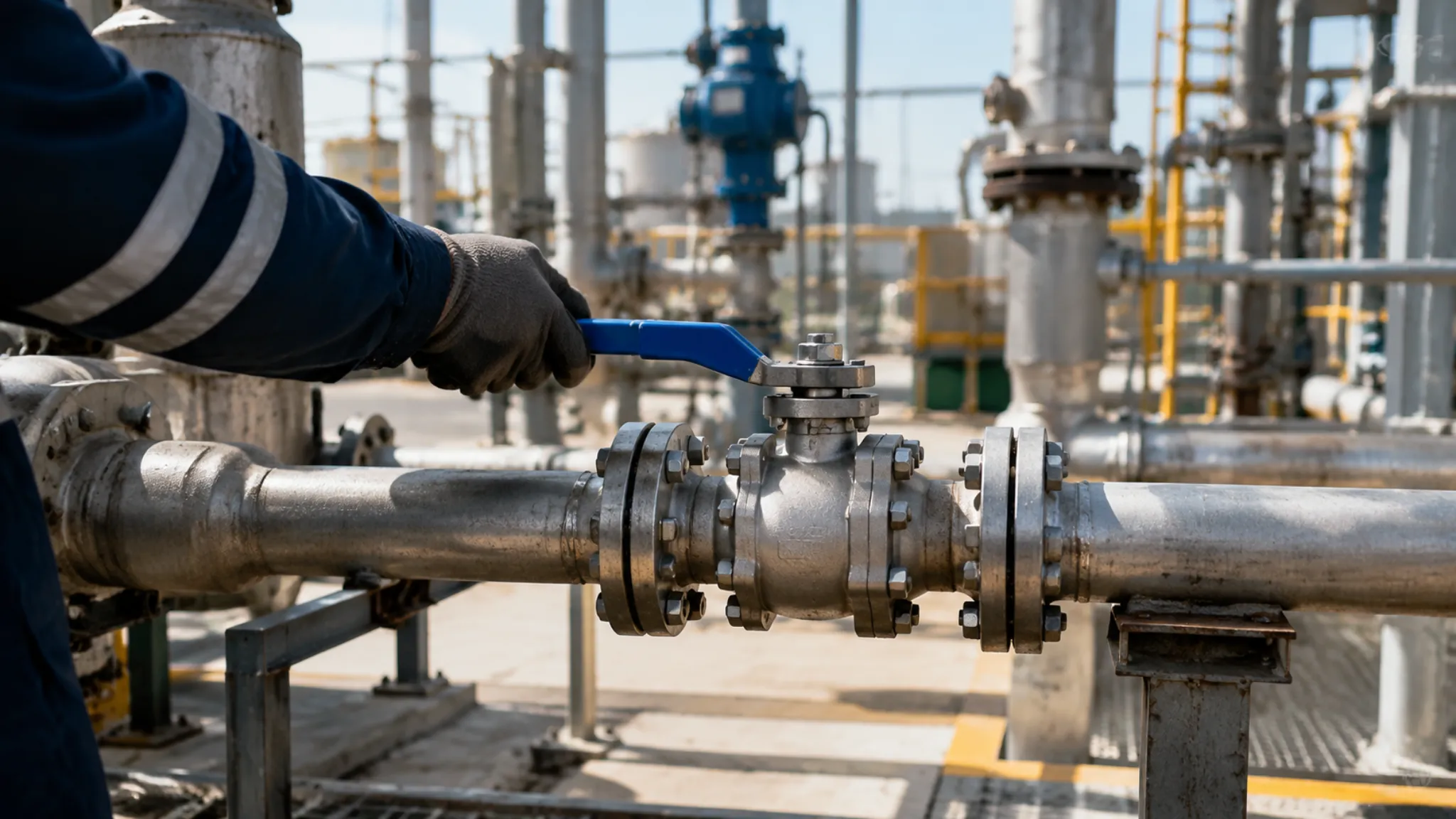
A project engineer at a chemical plant once showed me two quotes for 200 4-inch Class 300 ball valves. The full bore quote was 112,000
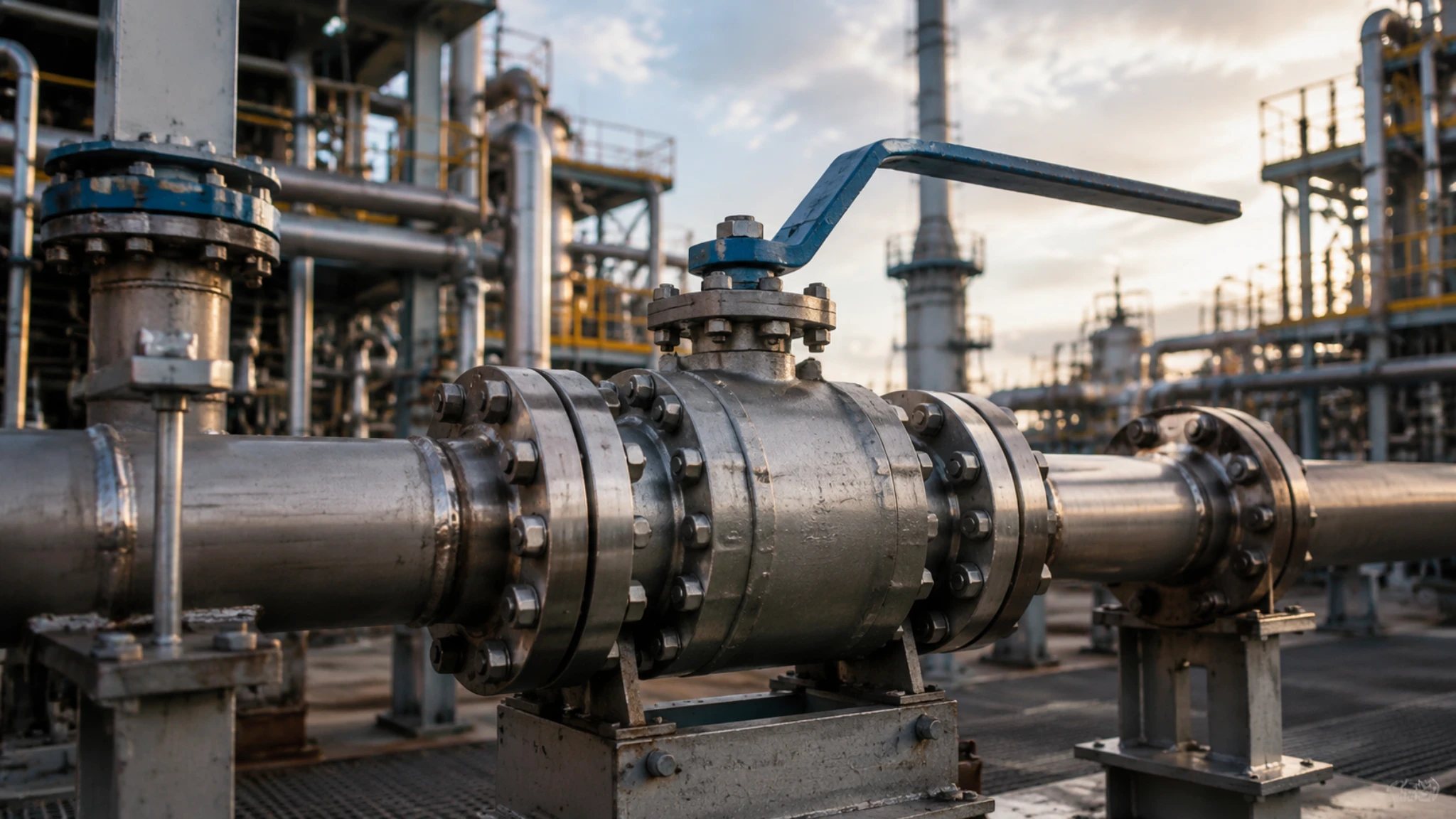
A pipeline operator in West Texas called me a few years ago about a smart pig that had gotten stuck. The pipeline was a 12‑inch
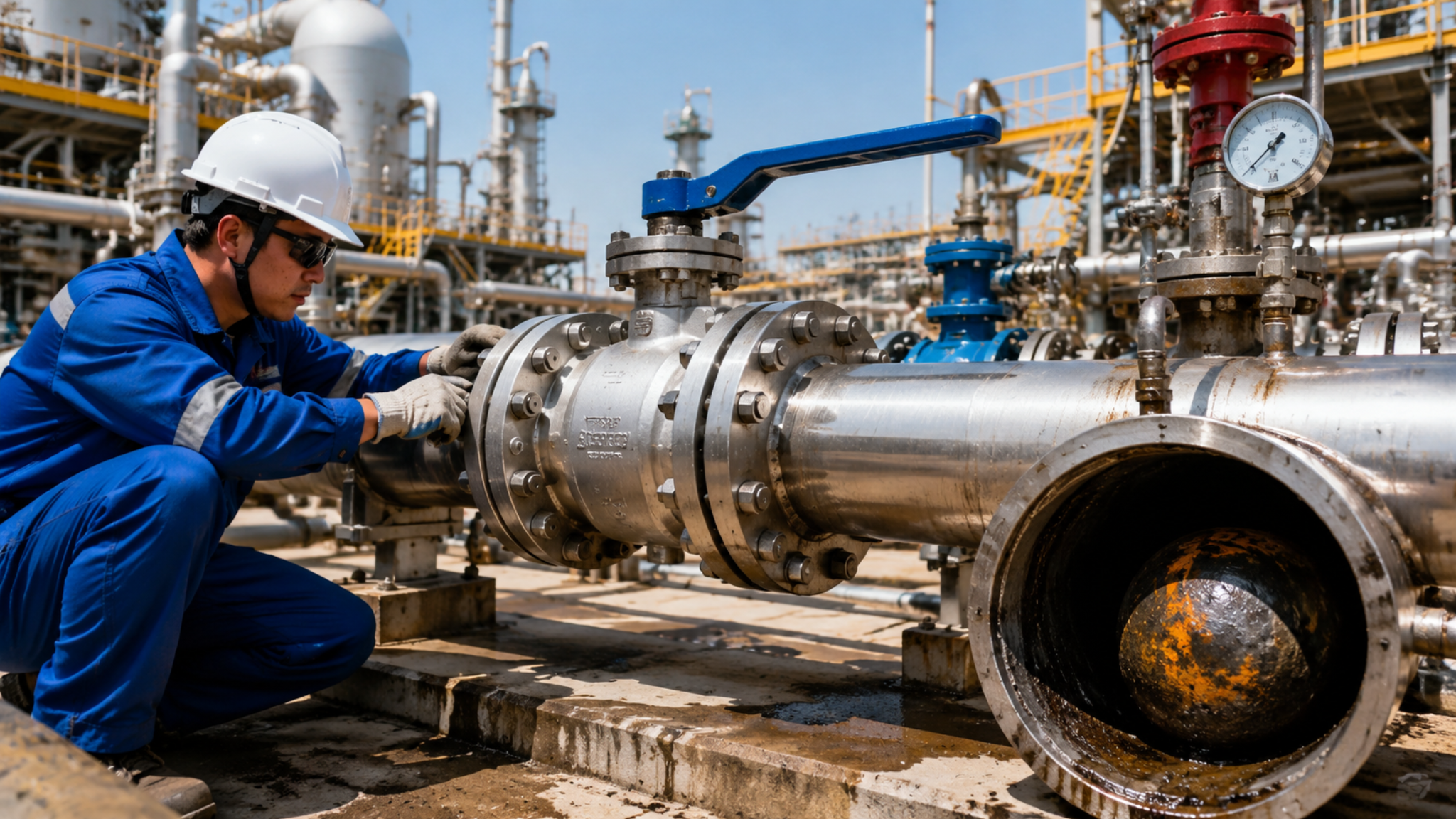
A pipeline operator in West Texas called me a few years ago about a smart pig that had gotten stuck. The pipeline was a 12‑inch
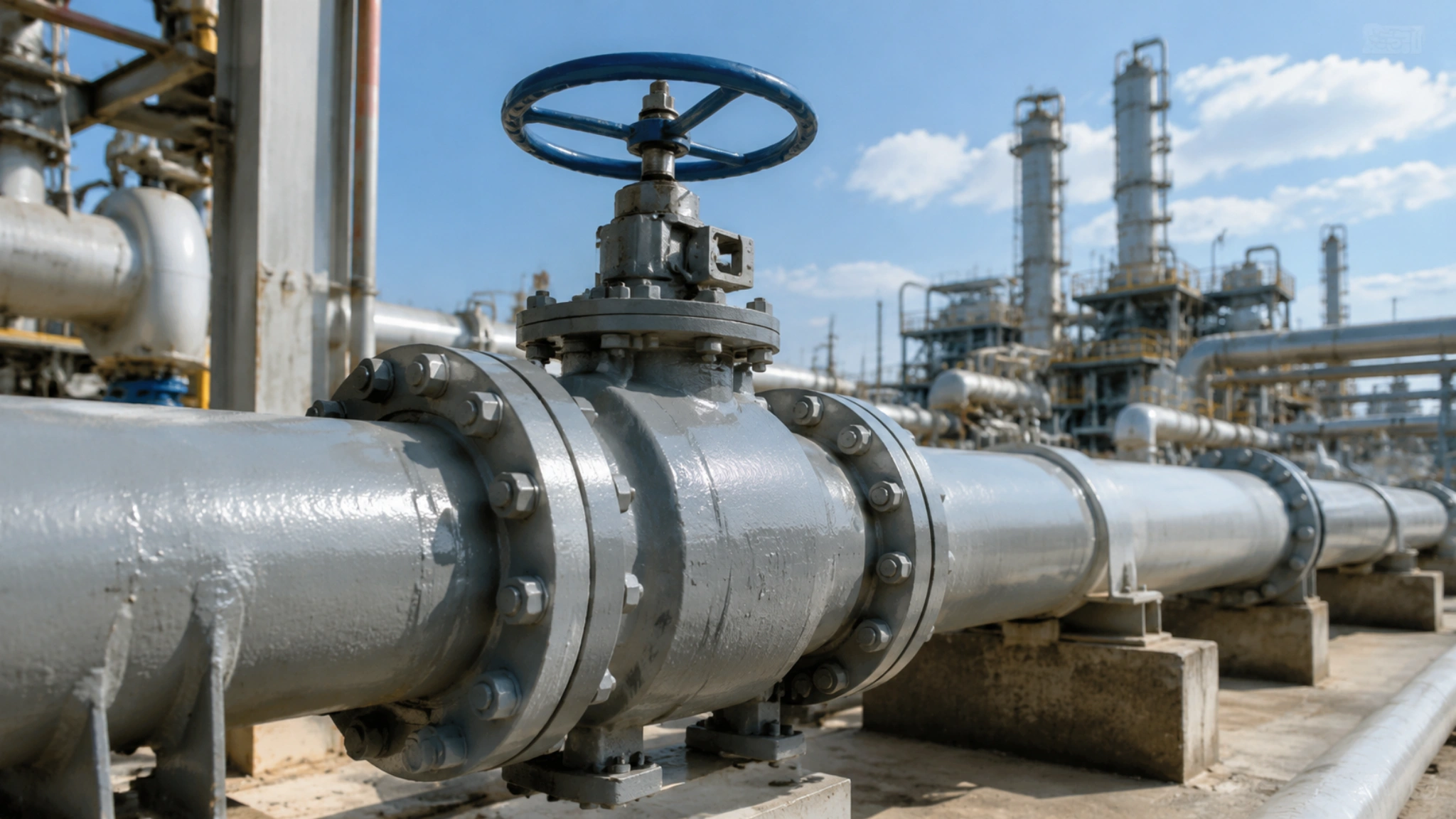
A few years ago I was called in to investigate a Class 900 10-inch ball valve that had cracked at the body during a hydro
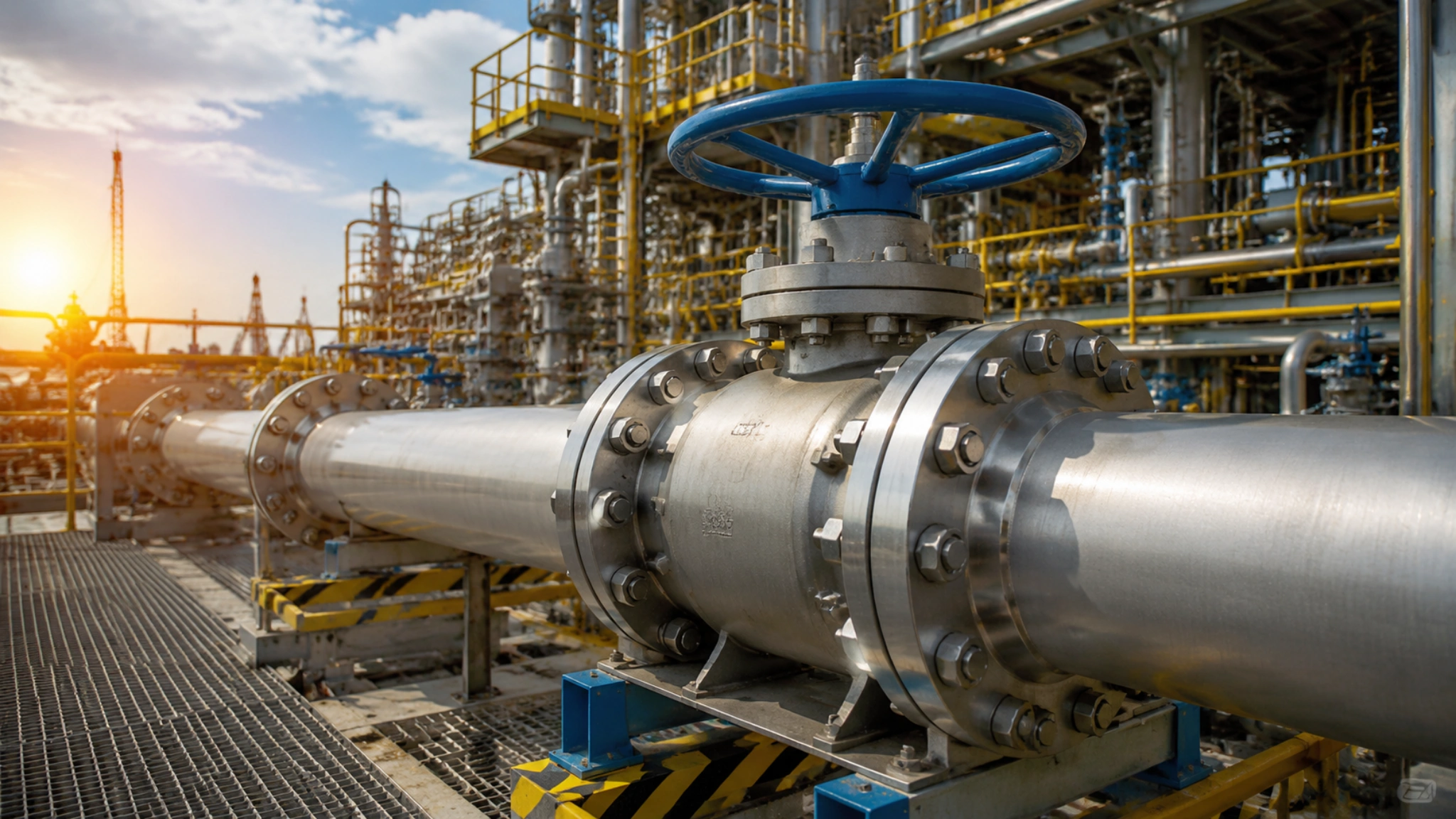
I once had a plant manager call me about a 3-inch floating ball valve on a steam condensate return line. The valve was PTFE-seated, Class