
Carbon Steel vs Stainless Floating Valve | WCB vs CF8M, Media Suitability, Cost
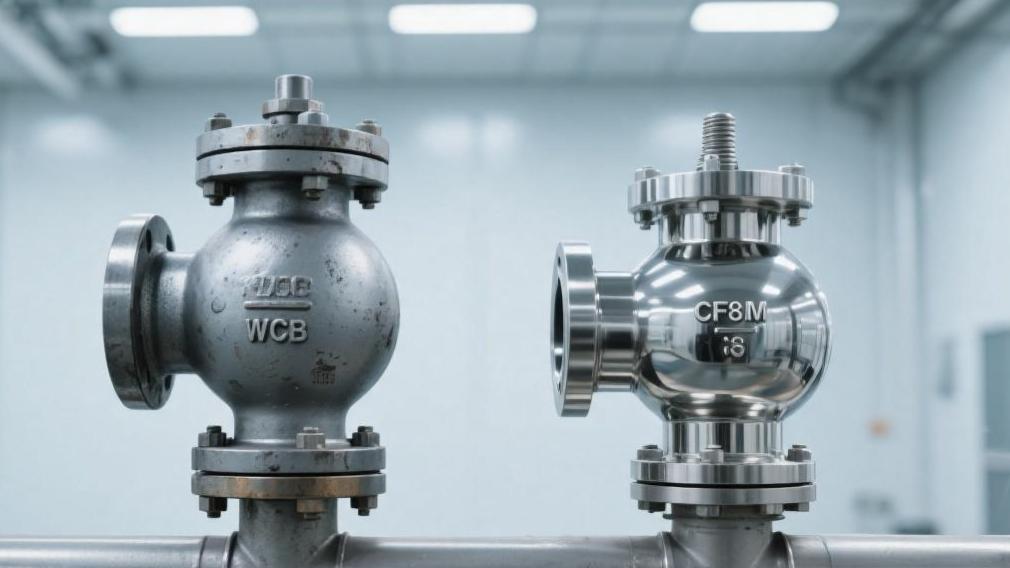
Carbon steel (WCB) floating ball valve high strength, suitable for ≤425℃, non-strong corrosive media (such as water, steam, oil), cost about 20–40% lower than stainless steel. Stainless steel (CF8M, ≈316) contains 2–3% molybdenum, resistant to Cl⁻ corrosion, suitable for seawater, acid and alkali, temperature generally ≤200℃. When selecting: look at media corrosivity (pH, Cl⁻ppm), temperature […]
Fire Safe Floating Ball Valve | API 607, Anti-static, Petrochemical Pipelines
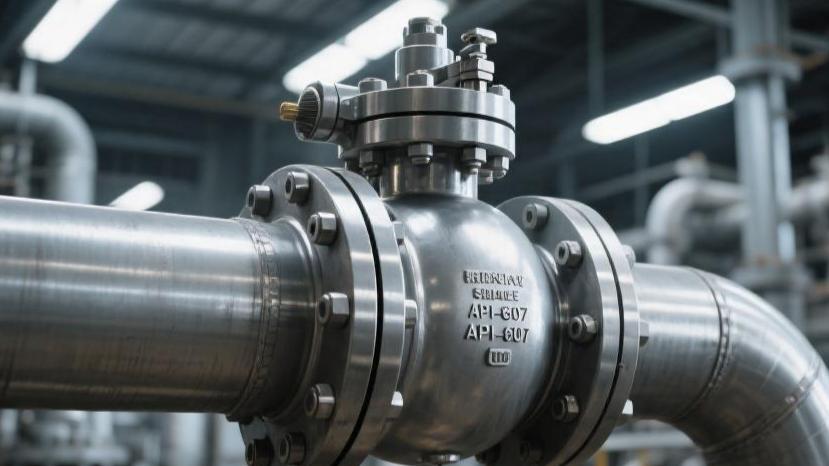
Fire-safe floating ball valve complies with API 607 standard, possesses fire-safe structure design, and after the sealing material is burned out, it can still maintain a leakage rate of ≤0.1% through the metal seal. The valve body is equipped with an anti-static device (resistance ≤10Ω) to avoid static electricity accumulation triggering an explosion. Suitable for […]
Floating vs Trunnion Ball Valve | API 6D, Pressure Limits, Selection Guide
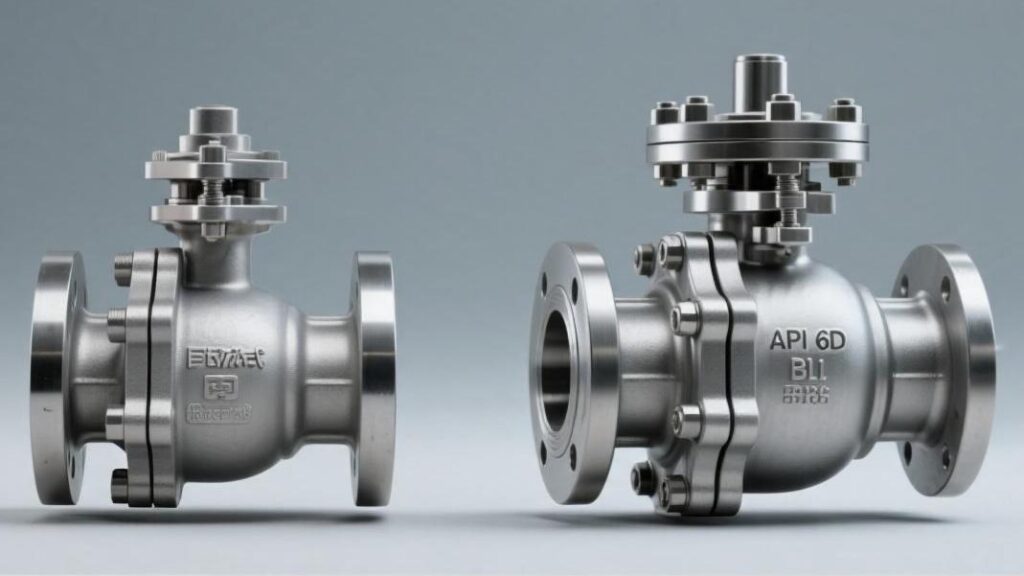
Floating ball valves are suitable for medium and low pressure, relying on medium pressure to press tightly for sealing, structure is simple, cost is low; but torque is large at large diameters. Trunnion ball valves are supported by upper and lower bearings, suitable for high pressure and large diameters, operating torque is reduced by 30%~50%. […]
How Floating Ball Valves Work | Sealing Mechanism, Flow Control, Applications
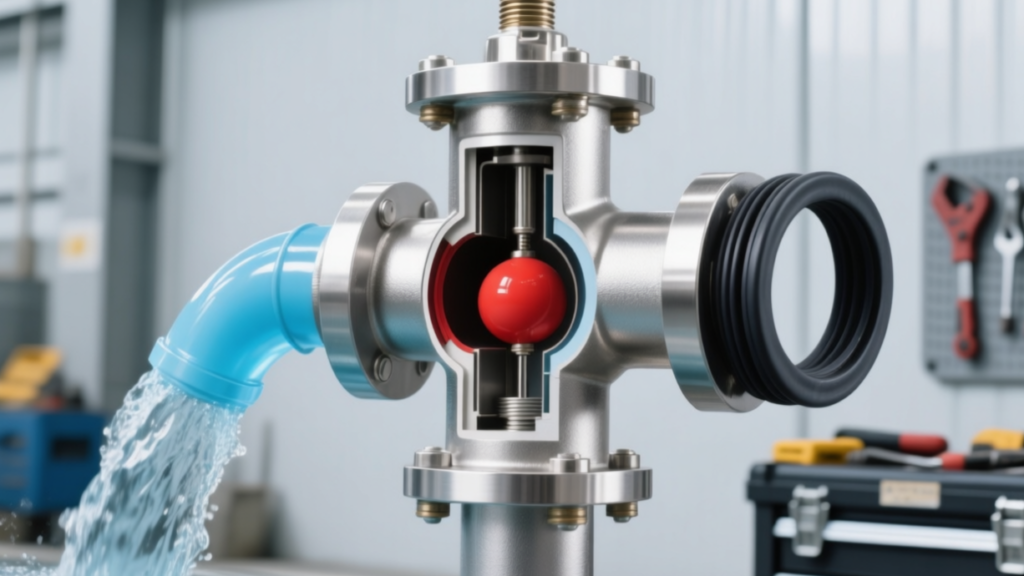
Floating ball valve through sphere between valve seats micro-floating realizes sealing, medium pressure (such as 0.6–4.0 MPa) pushes sphere pressing tightly downstream valve seat, forming self-sealing structure. When opening rotate valve stem 90°, through-hole aligning realizes full bore (flow resistance coefficient Cv high); when closing cuts off flow path. Commonly used PTFE valve seat withstands […]