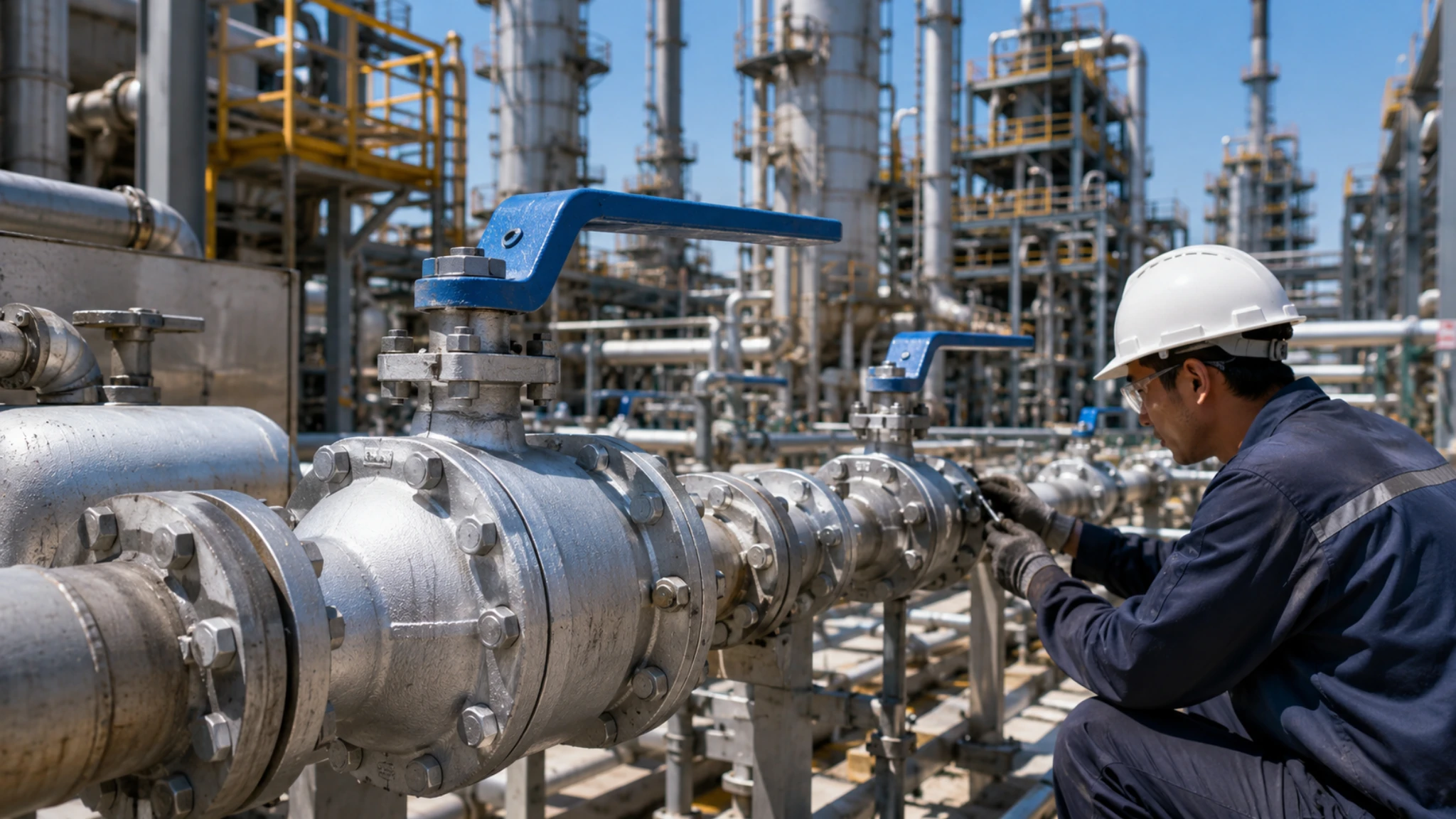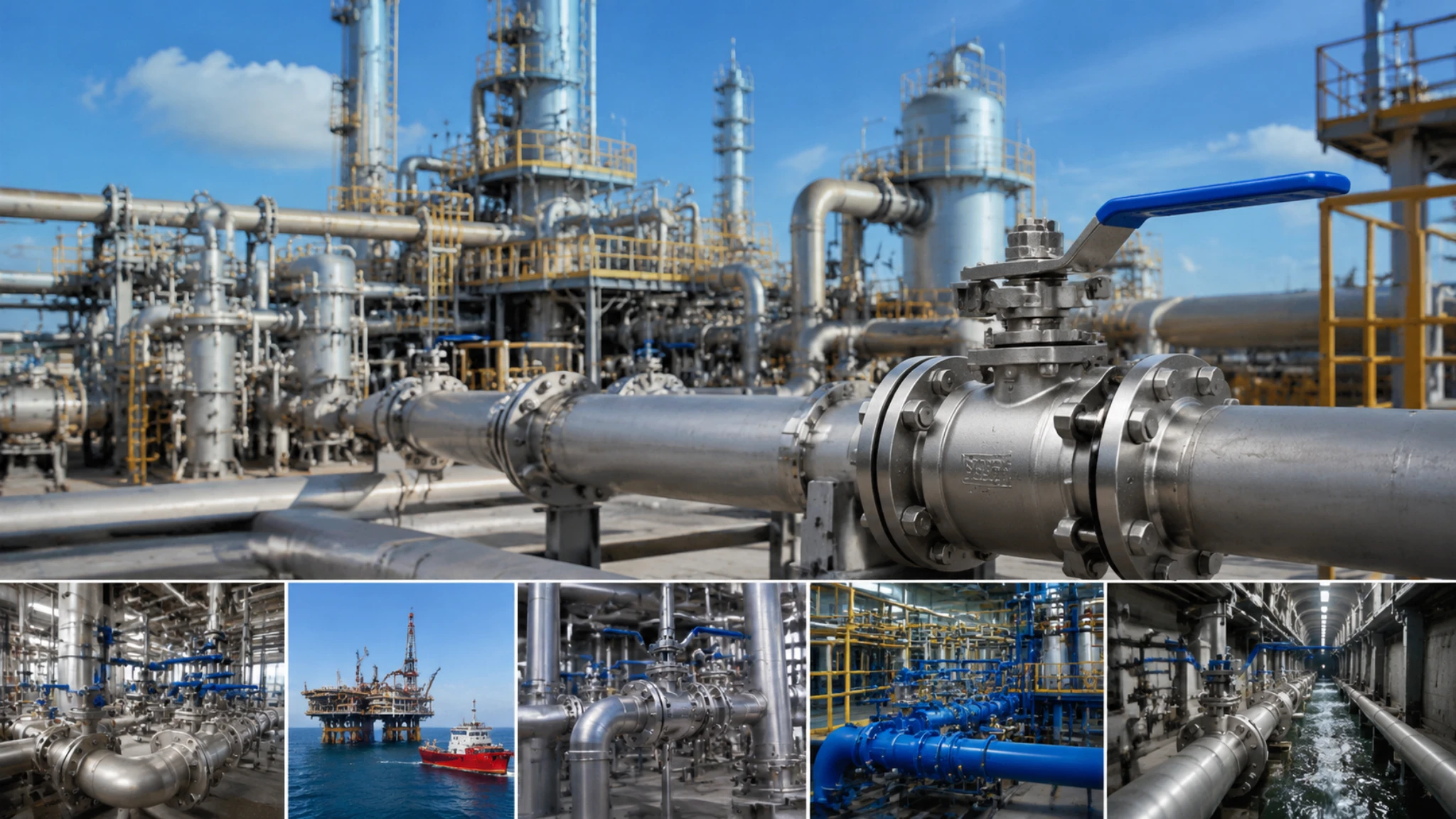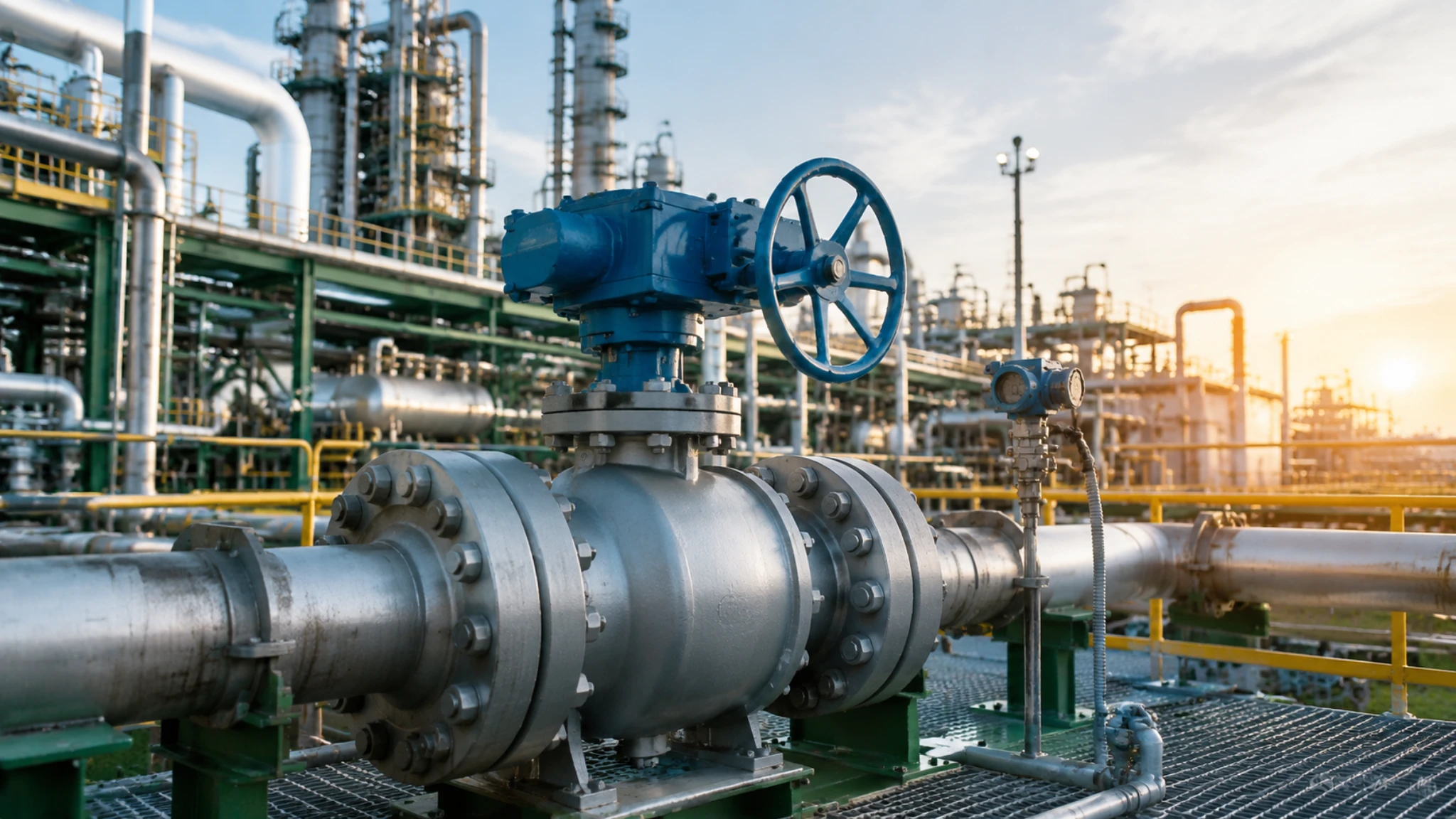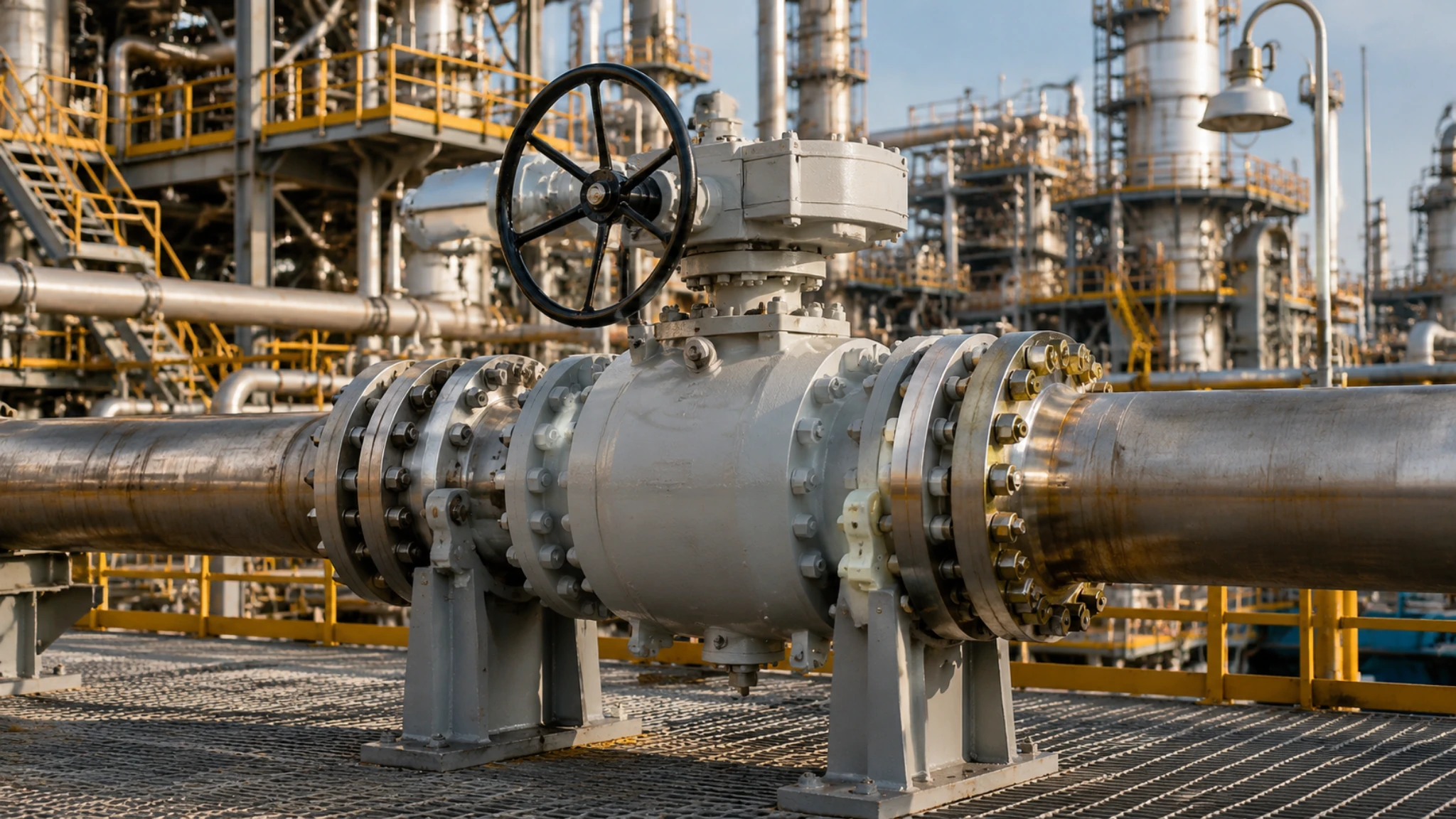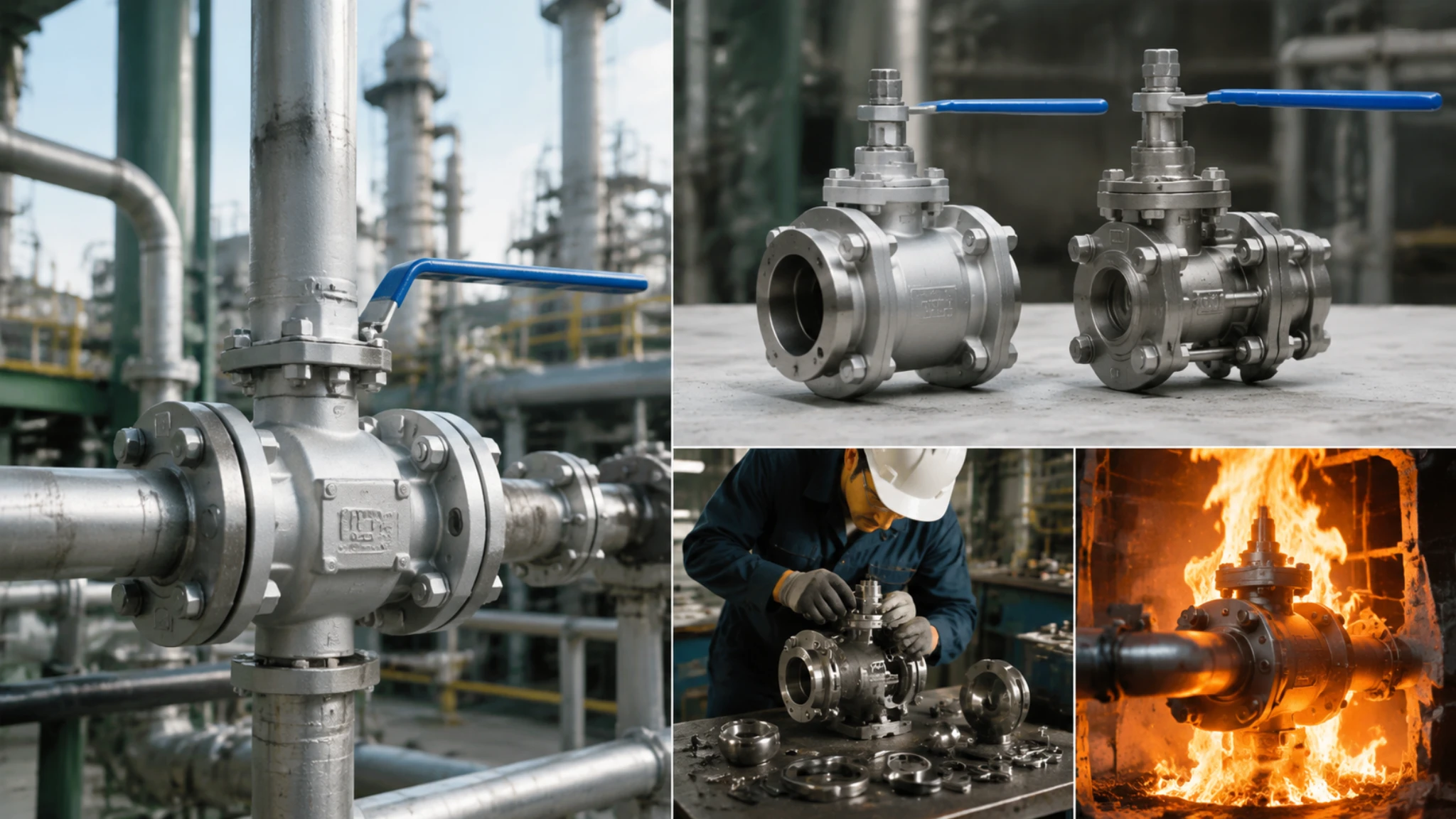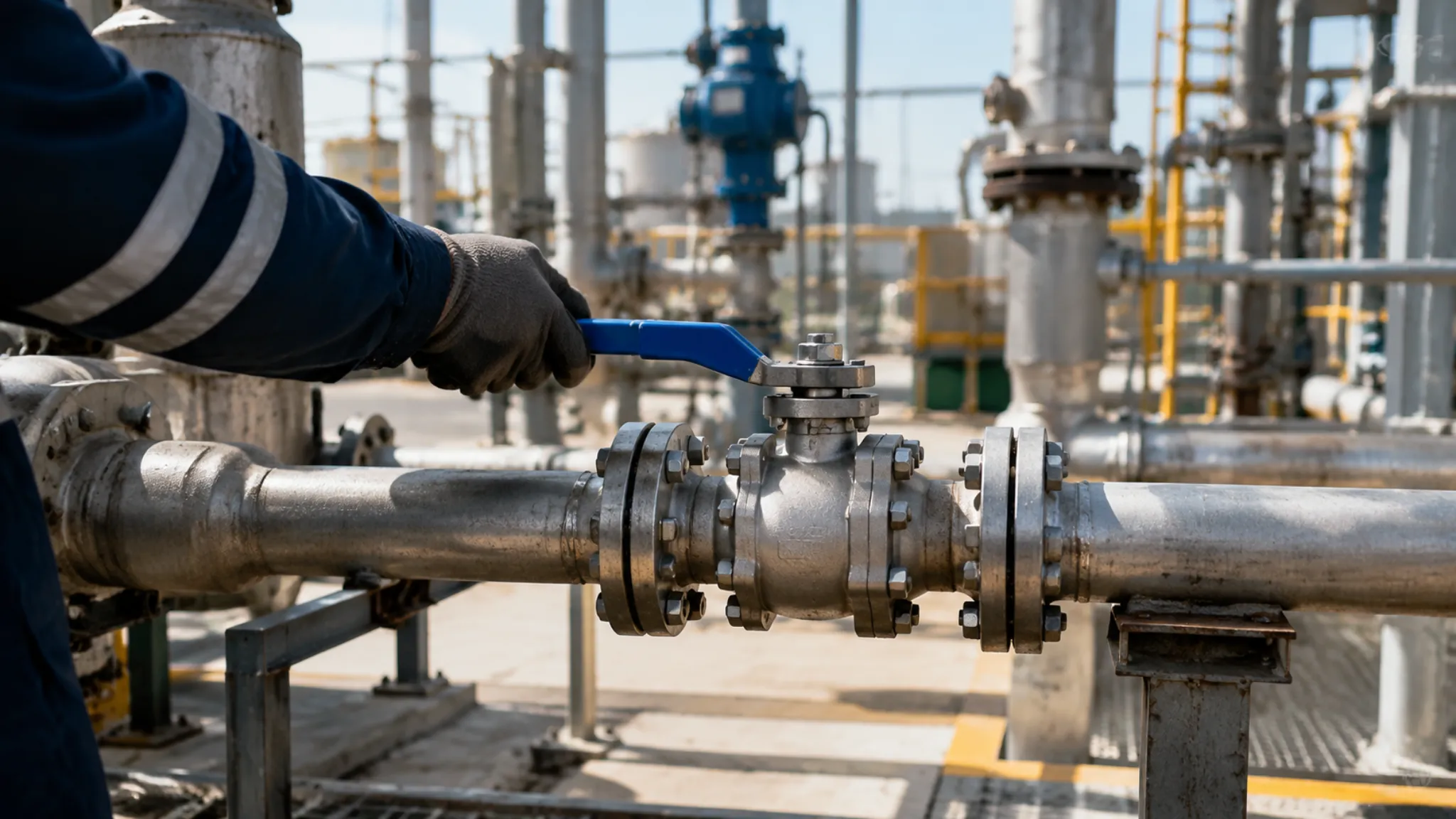
API forged ball valve selection needs to satisfy API 6D standard (covering 150–2500 pressure levels), and provide MTC, pressure test reports and other complete documents;
Preferably select manufacturers with API licenses (such as 6D certification number), ensuring 100% hydrostatic and air-tightness testing.
EPC projects suggest locking delivery time ≤8 weeks, stock rate ≥30%, and adopting DBB structure to improve sealing reliability.
API compliance
API Standard Code
Take out a digital display vernier caliper and compare it with the API 608 standard manual, you will find its wall thickness requirement is about 3 mm more than ASME B16.34. These extra few millimeters of metal are not to add weight, but to allow the valve to withstand more than 10,000 mechanical cycles without generating metal fatigue during the dozens of frequent openings and closings every day in a refinery.
A 12-inch Class 900 ball valve, the flow path inner diameter must solidly reach 305 mm. Some non-standard products, to save material, reduce the ball bore to 280 mm; this 25 mm difference will cause the pipeline pig to instantly get stuck when passing through, causing physical paralysis of the entire pipeline section.
When engineers check API 6D drawings, their eyes will sweep toward the thrust shoulder at the bottom of the valve stem. This thickness is usually stuck between 5 mm to 10 mm; it is the last physical barrier to prevent the valve stem from becoming a “bullet” flying out under 150 bar high pressure. Even if the external gland bolts are all rusted off, this shoulder will deathly hold against the internal pressure.
API 6D has clear hard indicators for physical parameters:
- Ball valves above 8 inches must be equipped with support feet or lifting lugs, with a load-bearing capacity not less than 2 times the total weight of the valve.
- The travel allowance of the seat ring needs to be reserved at 1.5 mm to 3 mm, ensuring automatic compensation after seal wear.
- The resistance value of the valve stem anti-static spring must be stable below 10 ohms, preventing accumulated charges from igniting the medium in the pipe.
- The flow path drop of full-bore valves must not exceed 0.5 mm, ensuring that the fluid will not produce eddy current erosion when passing through.
Flipping through the API 607 fire test records, those are survival data burned out by real fire. The test requires the valve to be continuously burned in a flame of 750 degrees Celsius for 30 minutes. At this temperature, the PTFE sealing ring has already turned to ash.
API 6FA is mainly prepared for those large-diameter valves on long-distance oil and gas pipelines. It requires higher pressure holding, usually reaching more than 75% of the rated working pressure. Under such extreme high temperatures, the thermal expansion of an 18-inch valve body will exceed 5 mm; the valve seat must have enough floating space to digest this deformation.
The data density in the material report determines the survival rate of the valve in a hydrogen sulfide environment. When implementing the NACE MR0175 standard, the hardness of internal parts for API 6D valves is forcibly suppressed:
- The Rockwell hardness (HRC) of the valve stem and ball must not exceed 22 at maximum.
- The nickel content of carbon steel materials is strictly limited to below 1.0%, preventing hydrogen-induced cracking from occurring.
- The forging ratio must reach 4 to 1, ensuring the metal fiber flow direction is completely consistent with the force direction.
- Each batch of forgings must undergo 100% hardness sampling inspection, with the deviation value controlled within HB 10.
Looking at the pressure test bench of API 598, every tick of the pointer jump relates to the safety of on-site workers. For a Class 1500 high-pressure ball valve, the hydrostatic shell test pressure will be directly hit to 38.2 MPa. Maintaining for 5 minutes at this pressure, even if the valve body surface oozes a layer of mist-like sweat, this valve belongs to scrap. The range of the pressure gauge should be selected between 1.5 times to 4 times the test pressure to ensure reading accuracy.
The air-tightness test on the test bench uses 0.6 MPa of clean compressed air. The operator immerses the valve into a transparent water tank and holds breath to observe for 300 seconds. API 598 stipulates that as long as a bubble with a diameter exceeding 1 mm pops up on the water surface, the sealing performance is judged as unqualified.
The pressure-temperature curve chart in ASME B16.34 is a life-and-death map. A WCB carbon steel valve can hold 51.1 bar at 38 degrees Celsius, but when the pipeline temperature rises to 425 degrees Celsius, its pressure-bearing capacity will drop off a cliff to 5.5 bar. If the purchaser only looks at the pressure rating at room temperature and ignores the reduction factor at high temperature, the valve will be stretched and deformed like plasticine at the site.
In coastal high salt spray environments, the dry film thickness (DFT) should be applied in three layers, with a total thickness of not less than 250 microns. The zinc powder content of the first layer of zinc-rich primer must exceed 80%; this is using the primary battery principle to put a layer of chemical protective clothing on the iron lump, and the anti-corrosion life should match the 20-year design cycle of the project.
Cost & Compliance
The ex-factory price of a 2-inch Class 600 A105 forged steel ball valve ranges from 350 yuan to 900 yuan. In this 550 yuan price difference, hides the raw material traceability cost under the API Q1 system. The unit price per ton of round steel purchased by regular large factories is more than 15% more expensive than “low-quality scrap steel” without traceability documents.
If a distributor, to save this 15% cost, goes to purchase unlicensed valves, the goods will hit the first wall upon arriving at the port. The EN 10204 3.1 certificate required by international engineering must be stamped by the factory laboratory and accompanied by a complete chemical composition table.
In EPC general contractor bids, valve procurement costs usually only account for 3% to 5% of the total project investment. Once a valve has an internal leak during the trial operation stage, the resulting downtime loss may exceed 50,000 USD per day. This cost inversion phenomenon forces procurement managers to stare deathly at every data detail of API compliance.
In the financial model of pipeline projects, the premium brought by compliance can be quantified into the following specific dimensions:
- Material Premium: Forgings that meet NACE MR0175 anti-sulfur requirements, due to the addition of HIC (Hydrogen-Induced Cracking) testing, have a unit price 25% higher than ordinary carbon steel.
- Inspection Expenditure: The RT (Radiographic Testing) cost for each API 6D valve is about 200 to 500 yuan, occupying 30% of the gross profit of medium and low-pressure valves.
- Certification Amortization: For a factory to maintain API 6D and API 607 qualifications, the annual expenditure for re-examination, certificate renewal, and internal auditor training is not less than 200,000 RMB.
- Traceability Management: From steel ingot entering the factory to the finished product leaving the warehouse, every process’s paper records and digital archiving require an additional 5% of manual management costs.
- Surface Treatment: Coating solutions that reach C5 level anti-corrosion requirements have paint costs and Sa 2.5 grade sandblasting processing fees that are 3 times that of ordinary painting.
| Risk Category | Compliance Expenditure (USD) | Non-compliance Potential Loss (USD) | Financial Impact Multiple |
|---|---|---|---|
| Raw material verification | $50 / piece (Spectrum + Hardness) | $15,000 (Field fracture replacement) | 300 times |
| Fire test proof | $5,000 / spec (Type test) | $2,000,000 (Fire secondary disaster) | 400 times |
| Third-party inspection (TPI) | $800 / day (Travel + Labor) | $50,000 / day (Project delay penalty) | 62.5 times |
| Pressure test holding | $20 / piece (Power + Labor) | $8,000 (High-pressure internal leak repair) | 400 times |
Late delivery penalties (LD) commonly existing in EPC contracts are usually set at 0.5% per week of the total contract amount. A batch of valves worth 1 million yuan, if rejected due to material certificates leading to a one-month delay, the 50,000 yuan fine will directly wipe out the distributor’s 8% net profit.
The 4:1 forging ratio required by API 6D ensures there are no looseness or pores inside the metal. Small workshops, to save mold fees and electricity fees, use castings to pretend to be forgings, or reduce energy consumption by decreasing the number of heating cycles.
The seat rings of high-pressure forged steel ball valves usually choose Inconel 625 overlay welding. The market price of this special welding material is around 300 yuan per kilogram, while ordinary stainless steel welding material only costs dozens of yuan. Compliance manufacturers require the overlay layer thickness to reach 3 mm, and there should be no pores after processing. Factories that cut corners only weld 0.5 mm and brush a layer of bright paint on the surface to muddle through.
If the goods arrive at the site and find no certificate, or the heat number does not match, that is a purchaser’s nightmare. I personally experienced this in an oil and gas gathering project in the Middle East; 200 forged steel ball valves were required by the supervisor to all leave the construction site because the manganese content on the material report exceeded the limit by 0.05%.
An API-compliant factory will have A105, LF2, and F316 round steels with colored color codes stacked categorically in the warehouse. If the factory workshop is full of rusty steel billets without identification, it indicates their quality management system is only written on paper for auditors to see.
- API Certificate Scope: Check if the Monogram License includes the nominal pressure rating and diameter you want to purchase.
- RT Film Spot Check: Request the factory to randomly retrieve the radiographic test films of the previous batch to see if there is slag inclusion or lack of fusion in the weld.
- Shell Hydrostatic Data: Observe the curve of the automatic pressure recorder; the fluctuation range during the pressure-stabilizing phase must be within plus or minus 0.5%.
- Low-pressure Air Test: The 80 psi air pressure test required by API 598 is a killer move to check if the soft-sealed valve seat has trace internal leakage.
- Hardness Dot Record: The hardness of valve body connection bolts must comply with A193 B7 standard, preventing creep fracture from occurring at high temperatures.
- Coating Pull-off Test: Use an adhesion tester at the site to pull the paint film; any cargo with a reading below 5 MPa will be rejected without exception.
List the special inspection fees required for API compliance, so that customers understand that the 20% higher price has bought real insurance. When the EPC manager realizes that paying an extra 5,000 USD can avoid a 5 million USD systemic risk, the initiative of price negotiation returns to your hands.
The authenticity of API 607 fire certificates can be verified through the official API registration list. Many factories hold ten-year-old expired certificates and change the dates on photocopies. Real compliance is a tight evidence chain, from the smelting heat number of the steel mill to the processing records of the forging plant, and then to the assembly serial number of the valve factory; every number must align perfectly in the MTR report.
Verifying API Qualifications
Open the computer and type the official URL of the API Composite List into the browser address bar. This is the first step to verify the factory identity. Enter the 4-digit or 5-digit certificate number provided by the supplier, and the system will pop up all authorization details of that factory. The validity column must show that the current date is between the Effective Date and Expiration Date.
Some manufacturers only obtained authorization for API 608 but pretend to supply under API 6D in the contract. Under the API 6D certificate, specific valve types are usually marked, such as Ball Valves, Gate Valves. If the factory only applied for manufacturing permission below 10 inches but sells you 24-inch valves, this belongs to illegal use of the monogram and will be directly detained by third-party inspection agencies during project acceptance.
The API Monogram on the nameplate is a commitment at the legal level. That steel stamp with a capital letter A inside a circle must be permanently stamped on, with the position right next to the manufacturer’s certificate number. Looking with a magnifying glass, the regular steel stamp has consistent depth.
After looking at the certificates and nameplates, move your attention to that stack of thick Material Test Reports (MTR).
- In the chemical composition table of A105 carbon steel forgings, the carbon content must be controlled below 0.35%.
- The manganese content should jump between 0.60% to 1.05%.
- For the two impurity elements, sulfur and phosphorus, the readings cannot exceed 0.040% and 0.035%.
- Heat treatment records must mark the 920°C normalizing process and the specific holding minutes.
The heat number is the ID number of the valve. On the edge of the valve body flange, the worker will use a steel punch to strike out a string of 6 to 8 digits. This string of numbers must completely match the Header on the paper report. Take a flashlight to shine on the forging surface; regular API 6D valves are not allowed to have large-area repair welding marks.
The highest data density is in the Non-Destructive Testing (NDT) records.
- The Ultrasonic Testing (UT) probe moves 150 mm per second at the valve neck.
- On the waveform displayed on the screen, any defect signal exceeding 3 mm equivalent diameter will make this steel piece scrap.
- The black magnetic suspension used in Magnetic Particle Testing (MT) can show 0.5 mm long surface cracks under UV light.
- The accuracy class of the hydraulic test instrument is required to reach level 1.0, and the dial diameter is usually not less than 100 mm.
Don’t be scared by those fancy stamps. Flip through the factory’s quality Traveler Card; there must be worker number signatures for every process. From the warehouse entry sheet of the steel ingot entering the factory to the rough machining of the CNC lathe, to the final assembly.
API specifications stipulate that all pressure detection instruments must have been calibrated within the past 12 months. Take a look at the green qualified sticker on the side of the instrument; if the expiration date on it is 2024 but it is still being used in a 2026 project, then the 1500 psi pressure data it measures is legally invalid.
The impact energy test data for low-temperature valves cannot be faked. Take low-temperature steel like ASTM A350 LF2; under the environment of minus 46 degrees Celsius, the average impact energy absorption value of three specimens must be greater than 20 Joules.
Check the factory’s Welding Procedure Qualification (PQR). At the welding parts of API 6D valves, especially the seat overlay layer, the hardness tester readings must be repeatedly confirmed. If the overlay is Stellite alloy, the hardness value is generally between HRC 35 to 45. Take a portable hardness tester to hit dots on the weld layer; if the reading is only HRC 20, it indicates the wear-resistant layer thickness is insufficient or the material is incorrect, and under the erosion of high-pressure fluid, the valve will have internal leakage within three months.
project demand
Process Parameters
If the pressure inside the natural gas main pipeline reaches 15.0 MPa, the procurement list must write the Class 900 rating in black and white. The temperature in the pipe often runs back and forth between minus 46 degrees to 121 degrees, and ordinary carbon steel skeletons will become brittle under alternating hot and cold. For extremely cold climates where the air temperature drops below minus 29 degrees, it must be replaced with LF2 low-temperature steel that has passed impact-knock testing.
If the external temperature is slightly baked to around 200 degrees, common PTFE plastic rings will become soft and deformed. If the hot gas in the pipeline surges to 260 degrees, expensive PEEK special hard plastic material must be bought to make the sealing gasket. When the temperature completely breaks through the 400-degree mark, all plastic parts will be instantly roasted and melted. The surface of the metal ball must be sprayed with a layer of Tungsten Carbide with a thickness exceeding 0.1 mm, and the hardness reaches Rockwell HRC 68 to block high-temperature friction head-on.
If the hydrogen sulfide partial pressure inside the pipeline exceeds 0.05 psia, the pressure resistance strength of ordinary steel will be greatly reduced. Industry rules require that the hardness of metal components in high-sulfur environments must never exceed HRC 22. The factory can only throw the entire batch of steel into a high-temperature furnace to slowly bake and anneal, forcibly bringing down the hardness of the steel surface.
Some oil and gas just pumped out of the wellhead carry a large amount of underground sand and water. The destructive power of muddy water scouring the inner wall of metal in the pipe is 15 times higher than that of clean natural gas. When encountering high-wear impurities, the manufacturing dimensions on the drawing must be changed accordingly:
- If sand content exceeds 50 mg per liter, all are changed to pure metal sealing rings
- Secretly thicken the dead corner pipe walls easily worn by sand and stone by 3 mm
- Enlarge the diameter of the bottom blowdown hole to 1.5 times the conventional size
- Change the metal stem of the control switch to 17-4PH high-strength stainless steel
- Spray a layer of nickel alloy powder on the bottom support shaft to resist wear
Free salt can easily penetrate the protective film on the surface of ordinary 304 stainless steel, biting out deep pits. F53 duplex stainless steel with a corrosion resistance index reaching 33 can also only barely do odd jobs at sea. If the free chloride ion concentration in the pipeline exceeds 100,000 ppm and the air temperature exceeds 60 degrees, high-priced super duplex steel F55 must be replaced, or Inconel 625 nickel alloy must be purchased.
Liquid suddenly squeezes through a narrow passage, the flow rate speeds up instantly, and the pressure drops below the evaporation limit of water. Thousands of tiny bubbles emerge and then instantly get squeezed and explode in the downstream high-pressure zone, producing micro-shock waves as high as 1000 MPa. Suffering from explosion impacts for years, the surface of a 50 mm thick solid steel plate will also be exploded to be as pitted as a beehive.
To prevent bubble explosion, engineers have to lie on the drawings to carefully align the pressure gauge data before and after the pipe. Factory technicians need to get several very specific flow calculation parameters:
- The maximum allowed pressure difference number at both ends
- The saturated vapor pressure record of the liquid bubbling in the pipe
- The curve trend chart corresponding to opening size and water flow
- The noise upper limit requirement emitted by flow vibration should be lower than 85 decibels
Under the high-pressure environment of nominal 25.0 MPa, the huge water pressure will press the ball deathly against the sealing gasket. To twist the switch under high pressure, the required push force is exactly 4 times that of the no-load state. The pneumatic cylinder responsible for the work must be calculated according to the extreme torque data before assembly, with an extra 1.25 to 1.5 times the push force margin left out.
Checking for gas leaks with a mass spectrometer requires filling the pipe with pure helium of 99.9% purity. Under the back-and-forth tossing of room temperature and 200 degrees high temperature, the highest grade leak prevention requirement is to control the helium escaping from the metal stem gap within 1.0×10 to the power of negative 6 milligrams per second per meter. To reach the extremely low leakage standard, the metal surface has to be polished with sandpaper to a mirror finish of Ra 0.1 to be tightly fit.
Metal components running at high frequency are very easy to fatigue and go on strike. After the metal ball and the valve seat rub against each other ten thousand times, there will be a natural wear of 0.05 mm on the surface metal coating. At this time, the disc spring providing elastic force must step up. A stack of Inconel 718 alloy spring pieces with a thickness of 2 mm can provide nearly 300 kg of continuous push force, deathly pressing against the worn gap. The fatigue test cycles of the spring must be clearly marked on the purchase drawing; it cannot be accepted if it is less than 100,000 cycles.
Schedule & Delivery
The schedule of the engineering site is arranged to mesh like gears; arriving one day late will cause heavy losses to the construction party. For a pipeline contract with a total value of twenty million US dollars, the liquidated damages clause is often deducted at 0.05% per day. A batch of goods delayed by 14 days in delivery will immediately have more than ten thousand US dollars in late fees deducted from the account.
The cycles for factories to buy steel and re-forge are extremely disparate. Purchasing the most conventional A105 carbon steel round bars, pulling goods from the steel mill to the forging workshop takes at most 15 days. Encountering super duplex steel F55 with a nickel content as high as 25%, the steel mill has to gather enough for 20 tons to start the furnace for smelting; just waiting for raw materials will take 90 days of dry waiting.
Coarse metal blanks are pulled into the workshop, relying entirely on CNC machine tools to shave down blade by blade. Machining a heavy-duty ball with a diameter of 24 inches, a 5-axis linkage machining center has to run continuously for 72 hours. To ensure the roundness error does not exceed 0.01 mm, the lathe blade must be forcibly replaced every 8 hours of cutting.
The surface spraying operation is an extremely agonizing process. To spray 300 microns thick tungsten carbide powder on the ball surface, the supersonic flame spray gun must sweep back and forth continuously for 48 hours. After spraying, it also has to naturally cool down at room temperature for 12 hours; rushing to pour water on it will cause instant cracking.
| Valve Diameter and Material | Pressure Level | Steel Ingot Forging Period | Machining and Assembly | Total Ex-factory Delivery |
|---|---|---|---|---|
| 2 to 4 inch A105 Carbon Steel | Class 150/300 | 15 days | 20 days | 35 days |
| 6 to 12 inch F316L Stainless Steel | Class 600/900 | 30 days | 25 days | 55 days |
| 14 to 24 inch F51 Duplex Steel | Class 1500 | 60 days | 35 days | 95 days |
| 2 to 8 inch F55 Super Duplex Steel | Class 2500 | 90 days | 40 days | 130 days |
After parts are gathered, they still have to queue for security checks; the non-destructive testing workshop is blocked every day. A technician holding an ASME Level II inspection certificate needs 4 hours to scan a thick-walled forging with an ultrasonic probe. If internal shrinkage cavity defects exceeding 2 mm are found, this piece of material has to be scrapped and remade.
The work on the assembly bench relies entirely on the muscle memory of skilled workers; after assembly, it is immediately pulled to the water pressure test bench to hold pressure. For a device with a nominal working pressure of 10.0 MPa, the test pump has to stiffly hit the water pressure to 15.0 MPa. The pointer must stop steadily at the maximum scale for 15 minutes; dropping one tick (1 psi) on the pressure gauge is considered failing.
The painting workshop has extremely strict requirements for temperature and humidity. Three layers of epoxy zinc-rich primer must be continuously sprayed on the surface, and the dry film total thickness must be checked to 250 microns with a thickness gauge. The workshop temperature is maintained at 25 degrees Celsius, and it takes a full 7 days for the paint surface to completely dry and solidify.
The rules for cross-border sea freight packing are extremely cumbersome. Packaging boxes for going to sea must be nailed shut with 15 mm thick fumigation-free plywood, complying with the ISPM 15 international quarantine standard. Encountering the high temperature and high humidity of the equatorial route, at least 50 kg of mineral desiccant must be stuffed into each wooden box to prevent rust.
Before shipment, a thick stack of ex-factory paper documents must be prepared; customs will not let it pass if one piece of paper is missing:
- Steel chemical composition analysis sheet in 3.1 format
- 15-minute pressure-stabilizing water pressure test curve chart
- Ex-factory inspection report including 8 routine dimensions
- Ultrasonic UT non-destructive testing certificate signed by the inspector
- Painting thickness and adhesion pull-off test records
- Certificate of origin stamped by a third-party agency
Drifting on the sea for 22 days on a fixed route in calm winds and waves; if encountering Suez Canal blockage, an extra 15 days of budget must be added. After arriving at the destination port pier, it still takes 3 to 5 working days to handle customs clearance procedures with a pile of documents.
A medium-scale pipeline material merchant constantly keeps 50 units of 4-inch Class 600 in stock. This inventory alone will tie up 200,000 USD of funds, but when encountering a construction team whose pipe bursts at midnight, they have to be grateful even if the price is increased by 30% for spot goods.
Special & Customized
The extension stem length of buried pipeline forged steel ball valves changes according to the earth covering depth, with common specifications spanning from 1.2 meters to 5.0 meters. A 12-inch valve of Class 1500 rating will have its total machine weight soar from 1.8 tons to over 2.4 tons after installing a 3.5-meter long stem. The internal sleeve-type valve stem needs to have mid-section support bearings added, with one group arranged every 1.5 meters to eliminate torsional oscillation caused by long-distance transmission.
The matching grease injection pipeline and vent pipeline must extend upward synchronously with the extension stem, and the pipe wall thickness is required to be not less than 3.5 mm. The grease injection check valve needs to be installed in the operation box at the top of the extension stem, ensuring that maintenance personnel can complete emergency seal repair on the ground. Aiming at deep-buried working conditions, the outer surface of the valve body needs to be additionally painted with solvent-free liquid epoxy coating with a thickness of 1500 microns to resist the chemical galvanic corrosion of soil acid, alkali, and salt.
For buried valves, the vertical distance between the stuffing box and the ground must be checked during the design stage. Long-distance transmission will cause a 15% to 20% mechanical loss of the switching torque; when selecting a worm gear box or actuator, the rated output torque needs to have a 2.0 times safety margin added on this basis.
- The extension couplings use 40Cr or 17-4PH high-strength materials
- The bottom adds a sewage drain pipe led out to the ground surface and equipped with a Class 600 needle valve
- The top operation box has IP67 protection grade and is equipped with a locking device
- Each segment of the connecting rod joint needs to undergo 360-degree full penetration ultrasonic testing
Ball valves for cryogenic conditions require the valve stem extension to reach 250 mm to 450 mm, ensuring the temperature at the packing seal is maintained above 0 degrees Celsius. The liquid nitrogen medium at minus 196 degrees Celsius will make conventional sealing rings brittle and cracked. The factory needs to embed a lip-type seal ring pressed from 316 stainless steel wire and flexible graphite behind the valve seat.
Single Piston Effect (SPE) valve seats allow automatic pressure relief to the pipeline when the valve cavity pressure is too high. Double Piston Effect (DPE) valve seats deathly press the valve seat against the ball by using the piston area difference design and utilizing pipeline pressure. Designing the upstream as SPE and the downstream as DPE in a bi-directional sealing combination can form two independent pressure barriers within a single valve.
The DBB (Double Block and Bleed) function defined by API 6D needs to open the middle vent valve in the fully closed state. If the residual pressure in the valve cavity does not rise within 10 minutes, it indicates the sealing rate of both valve seats has reached 100%. For high-sulfur-containing media, the valve cavity pressure relief rate must be controlled within 2.0 MPa per minute to prevent rapid fluid expansion from damaging the seals.
Locations such as valve seat bases and packing areas often adopt Inconel 625 nickel-based alloy overlay welding technology. Melting and covering a layer of corrosion-resistant alloy with a thickness of 3 mm to 5 mm on the carbon steel substrate costs only about 35% of an overall alloy valve. The overlay layer needs to undergo dual verification of Magnetic Particle Testing (MT) and Dye Penetrant Testing (PT) to ensure there are no micron-level pores or slag inclusions on the surface, and the surface finish is kept within Ra 0.4.
- Valve seat sealing pairs overlay STL.No6 hard alloy to resist fluid erosion
- Apply a 20-micron thick Electroless Nickel Plating (ENP) layer in the valve body middle cavity
- Full-welded valve body structure eliminates the leakage hazard at the middle flange gasket
- Dual-flow direction pressure balance holes prevent the ball from shifting under high pressure difference
- The pressure relief valve is selected from stainless steel 316L material and comes with API 526 certification
Environmental high-standard projects mandate low-leakage type testing (ISO 15848-1). Under a high-temperature environment of 200 degrees Celsius, after 500 switching cycles of the valve, the helium molecule leakage at the valve stem needs to be lower than 1.0 times 10 to the power of negative 6 mbar·L/s. Ordinary V-type PTFE packing needs to be replaced with composite gaskets of graphite mixed with metal wire, cooperating with a disc spring load device to compensate for the reduction of sealing force caused by thermal expansion and contraction.
supply stability
Special Steel Inventory
When encountering a requirement for a full-bore 24-inch Class 1500 forged steel ball valve, if there isn’t an A105N solid round steel with a diameter of 800 mm and a single weight exceeding 3 tons sitting in the warehouse, the 45-day delivery promise from the salesman is pure empty talk.
Once a large-scale oil and gas pipeline project starts construction, the steel usage of hundreds or thousands of valves will instantly drain the stock of the spot market. For ordinary carbon steel, you can still grab a few truckloads with cash; when encountering F51 or F53 super duplex steel, even with money in the market, you can’t find even a few decent scraps.
Domestic large steel mills’ production plans for this type of high-chromium and high-molybdenum (chromium content ≥22%, molybdenum content ≥3%) special forged materials are usually scheduled for six months later. Experienced EPC procurement specialists entering the factory for inspection do not go to visit the spacious CNC machining centers; they specifically go to check the raw material warehouse ledgers to see if there are at least 200 tons of F51 round bars constantly in stock.
No matter how thick the Material Test Certificates (MTC) are stacked, they are not as good as taking a handheld Positive Material Identification (PMI) analyzer to hit a shot on the forging blank. If the nickel (Ni) content appearing on the machine screen a few seconds later is lower than 8.0%, this batch of stainless steel forgings claimed to be F316 can only be hauled away by truck to be sold as scrap iron. API 6D specifications hold very tightly on metal chemical composition; carbon steel pieces with a carbon equivalent (CE) exceeding 0.43 are very prone to cold cracks when welded to the pipeline; whoever signs for the goods takes the loss.
Stocking enough qualified special steel means the warehouse is full of real gold and silver. Calculating with a material like Inconel 625 nickel-based alloy, the market price per kilogram has soared past 300 RMB. For an 8-inch 900-pound all-alloy forged steel ball valve, a single valve body blank weighs as much as 450 kg, and the material cost approaches 140,000. Without a 50-million-level rolling fund pool, the factory cannot even gather the minimum order quantity of 3 tons per furnace for high-end grades.
- The cross-section is brushed with yellow paint to mark A105 carbon steel material
- The surface is struck with an 11-digit alphanumeric mixed steel stamp
- The ultrasonic testing report is put in a waterproof bag and hung as a tag with the goods
- Special stainless steel and ordinary iron pieces are stored two meters apart
In the southern processing factories during the plum rain season, the workshop air humidity frequently breaks through 85%. For F304L forged flange plates stacked in the open air, chloride ion erosion on the surface takes only 48 hours to form pittings visible to the naked eye. Before applying the anti-corrosion primer, the sandblasting rust removal grade reaches Sa2.5 (near white) standard. The warehouse keeper records the temperature and humidity table at 8 AM and 5 PM every day; consuming manpower to maintain these iron lumps ensures that the PEEK material ball seat will not be scratched by impurities at the pressure test station.
Just buying round steel is considered primary stocking; for manufacturers who control the delivery time within 30 days, what is placed in the warehouse are semi-finished products that have already undergone rough turning. An F347H stainless steel bar is cut, put into a medium-frequency induction furnace to be heated to 1150°C, and taken to a 2000-ton friction press to be upset and formed. Solution treatment requires rapid water cooling above 1050°C, and the metal grain size reaches level 4 or above as specified in ASTM E112, only then is it considered that a piece of pig iron has been boiled into a qualified pressure-bearing shell.
Middle East pipeline projects often temporarily add dozens of underground ball valves with extension stems (extension amount 150 mm). Workers use existing semi-finished rough-machined forgings on the lathe, with the cutting depth controlled within 2 mm for fine turning, and the inner diameter tolerance stuck in the +0.05mm range. The 120-day long forging and heat treatment cycle has already been digested in their own warehouse in advance, using the remaining drawing tolerances to deal with random spot checks by resident inspectors.
API Standard Testing
A 16-inch Class 900 forged steel ball valve weighing 4 tons is deathly fixed on a 2000-ton hydraulic test bench by four thick mechanical steel claws. The test worker pushes the control lever, and the pressure gauge pointer slowly climbs, stopping at the scale of 5625 PSI.
According to the specification, the high-pressure water pump pumps pure water mixed with rust inhibitor into the valve cavity. For F316L stainless steel valves, the chloride ion concentration in the water is strictly controlled below 30 ppm to prevent the test water from triggering intergranular corrosion. The timer is set at 5 minutes; the supervisor shines a strong flashlight, circling and carefully inspecting the bolt connections of the two-piece forged valve body.
Not a single drop of water leaking is a hard indicator; once visible water seepage appears on the valve body surface, this device worth hundreds of thousands will be painted with red paint for disqualification. After completing the shell test, workers drain the accumulated water in the cavity and connect the air pipe to start the low-pressure air sealing test.
The test pressure drops to 80 PSI (about 0.55 MPa), and the operator inserts a section of hose into a transparent acrylic water tank filled with clean water. According to the ISO 5208 Level A pressure holding standard, if half a bubble emerges from the pipe mouth within 3 minutes, the operator will immediately disassemble the valve to replace the internal packing.
- Valve shell hydrostatic test reaches 1.5 times the design pressure
- High-pressure sealing hydrostatic test reaches 1.1 times the design pressure
- Low-pressure air sealing test is constant between 60 to 100 PSI
- Opening and closing torque tests record Newton meter (N.m) peak values
Many pipeline projects require Double Block and Bleed (DBB) function testing. The water pump simultaneously applies pressure to both ends of the valve up to 4125 PSI, with the middle bleed valve in the fully open state. The supervisor puts a graduated measuring cup under the blowdown outlet; during the 2-minute pressure holding period, even if one drop of water falls into the cup, the internal PEEK seat is considered scrapped.
Encountering harsh environmental requirements, the procurement contract will state the addition of API 624 micro-leakage testing. The valve cavity is filled with helium of up to 97% purity, and the inspector holds the suction probe of the mass spectrometer to turn a circle around the valve stem stuffing box. Once the value on the screen jumps past 50 PPMV (50 parts per million by volume), even the quality director will shake his head upon seeing it.
| Pound Class (Class) | Shell Hydrostatic Test (PSI) | Sealing High-pressure Test (PSI) | Air Sealing Test (PSI) |
|---|---|---|---|
| Class 150 | 450 | 315 | 80 |
| Class 300 | 1125 | 825 | 80 |
| Class 900 | 3375 | 2475 | 80 |
| Class 1500 | 5625 | 4125 | 80 |
For Class 1500 full-welded forged steel ball valves used in high-pressure gas pipelines, buyers often require high-pressure nitrogen testing. 3750 PSI high-pressure gas is extremely dangerous; the test explosion-proof wall is welded with 20 mm thick Q345R steel plate, and the observation window is equipped with three layers of bulletproof glass. The operator must retreat to the control desk 5 meters away before pressing the pressure button.
When encountering double-way sealing ball valves marked with DIB-2, the operation process is doubled in complexity. The upstream end is pressurized to 1.1 times the standard pressure, while the downstream end is not pressurized; after measuring one round, turn the valve over and swap the pressurizing direction. The valve stem is turned back and forth 10 times by a hydraulic torque wrench, and each recorded torque value error cannot exceed 5%.
After finishing the pressure test, the Non-Destructive Testing (NDT) phase is like peeling off a layer of skin. The Ultrasonic Testing (UT) master holds a 45-degree angle probe on the A105N forged flange surface coated with couplant, scraping back and forth. If peaks jump out on the instrument screen, it indicates white spots or micro-cracks with a depth exceeding 2 mm are hidden inside the metal, and the entire forging is scrapped on the spot.
For balls with the surface overlayed with Stellite alloy, Dye Penetrant Testing (PT) must be conducted. The worker sprays red penetrant on the bright surface and lets it sit for 15 minutes, then wipes it dry with a cleaning agent before spraying on white developer. If the hard alloy layer has residual 0.01 mm fine network cracks, the red line marks will clearly show on the white background.
There is also the API 607 fire test that makes manufacturers tremble. The tester sends the intact valve into a brick-built combustion furnace and uses six natural gas fire nozzles to fiercely bake the valve body. The thermometer pointer quickly soars between 750°C to 1000°C, baking for a full 30 minutes; the internal fluororubber O-rings have long since turned to ash.
Order Delivery
For an API ball valve purchase order with a total amount of 3.5 million US dollars, the penalty ratio for late delivery is written in black and white in the terms. Being one week late deducts 0.5% of the payment, and the penalty upper limit is rigidly set at 10%. If the factory delivers 40 days late, the book profit of 175,000 US dollars instantly vanishes.
The expediter does not listen to the sales manager patting his chest and making guarantees on the phone; they only stare at the reports jumping in the ERP system. The factory strikes a unique QR code label on the valve body of each flange ball valve, and the worker holds a scanning gun to scan it on the CNC boring machine. The screen pops up the remaining精加工 countdown for the 14-inch Class 900 main valve body.
The boring process consumes 6.5 hours, and the polishing station spends 45 minutes grinding the ball roughness to Ra 0.4 microns. The buyer sits in an office in Houston and clicks on the supplier’s cloud digital dashboard. Among the 120 valves in order No. 85, 75 are queuing to enter the assembly workshop, which is very clear.
The fitter on the assembly line holds a pneumatic wrench with the torque value set and locks the 16 B7M high-strength bolts on the valve body in diagonal order. The fully assembled valve is pushed into the painting room, and the coating worker is dressed like an astronaut. He holds a static spray gun to spray Jotun brand epoxy zinc-rich primer on the hot metal surface.
The thickness gauge probe is tightly pressed against the valve stem neck, and the instrument screen jumps to a Dry Film Thickness (DFT) value of 255 microns, crossing the 250-micron passing line stipulated by Saudi Aramco. The topcoat chooses an eye-catching RAL 1004 golden yellow and is left in the ventilation area to dry for 72 hours. The paint surface hardness reaches the 2H level of ASTM D3363 standard, and no mark is left if pinched hard by a fingernail.
The carpentry master in the packaging workshop swings a pneumatic nail gun, nailing 25 mm thick fumigation-free plywood into a square wooden box 1.5 meters long, wide, and high. The bottom support of the box is made of solid pine square material with a cross-sectional area of 10 cm by 10 cm. The four corners are reinforced with 1.2 mm thick galvanized iron sheets and fixed with four steel nails. The ISPM 15 insect pest prevention standard wheat ear seal is heat-stamped on the outside of the wooden boards.
- Both ends of the flange sealing faces are covered with 8 mm thick plastic protective covers
- 4 bags of 500g industrial silica gel desiccant are stuffed into the cavity
- Exposed carbon steel machined surfaces are brushed with 2 mm thick Mobil anti-rust grease
- The inner four sides of the wooden box are padded with 0.15 mm thick moisture-proof oil felt paper
The workers take polyethylene heat shrink film to wrap the entire 16-inch large ball valve into a large sealed bag. They use a heat gun to blow along the edges for 5 minutes to let the plastic film shrink and pull away the air. The workers fill the plastic bag with dry nitrogen of 99.9% purity to displace the residual oxygen.
Two days before shipment, a representative from a third-party inspection company comes to the workshop for packing verification. Counting the boxes to check the quantity, holding a vernier caliper to re-verify that the external dimensions are consistent with the 15 data indicators on the packing list. After confirming no error, they sign their English name on the inspection record sheet and buckle a metal lead seal with a serial number tightly on the wooden box iron wire.
On the day the resident supervisor signs the Inspection Release Note (IRN), the Manufacturing Data Report (MDR) file package as thick as 650 pages is organized. The PDF file capacity soars to 85 MB, with material sheets for each furnace of molten steel, heat treatment curve charts plus scans of non-destructive testing films clipped inside according to page numbers.
The customs broker sent by the freight forwarder runs to the customs hall with a stack of photocopies. The HS customs code on the commercial invoice is filled as 8481804090, and the certificate of origin is stamped with the red seal of the CCPIT. After this batch of containers with a total price of millions finishes tax refund procedures, the original bill of lading is sent to the customer’s office desk in the UAE via DHL international express.
The logistics fleet catches the closing time point to haul the container into the Shanghai Waigaoqiao Port area. A full-welded pipeline ball valve weighing 3.2 tons is tied to the chassis pull ring of a 40-foot flat rack container with 8 mm thick steel wire ropes and turnbuckles.
After drifting at sea for 22 days, the liner berths at Jebel Ali Port, Dubai. The customs inspector uses a crowbar to pry open the top cover of the No. 3 wooden box, and the strong flashlight shines on the brand-new yellow valve body. The stainless steel nameplate on the nameplate bracket clearly strikes the letter abbreviations of API 6D specification, factory serial number plus maximum working pressure parameters.
The heavy flatbed truck assigned by the purchaser pulls the valve to the desert construction site 200 kilometers away. Four masters holding ASME 9G level welder certificates work around the pipeline interface for a full three days with argon arc welding guns. After the X-ray flaw detector finishes taking films of all circumferential welds, this 500-kilometer-long gas pipeline catches the node before pressure testing and ventilation, and the contractor gets the monthly engineering payment on time.