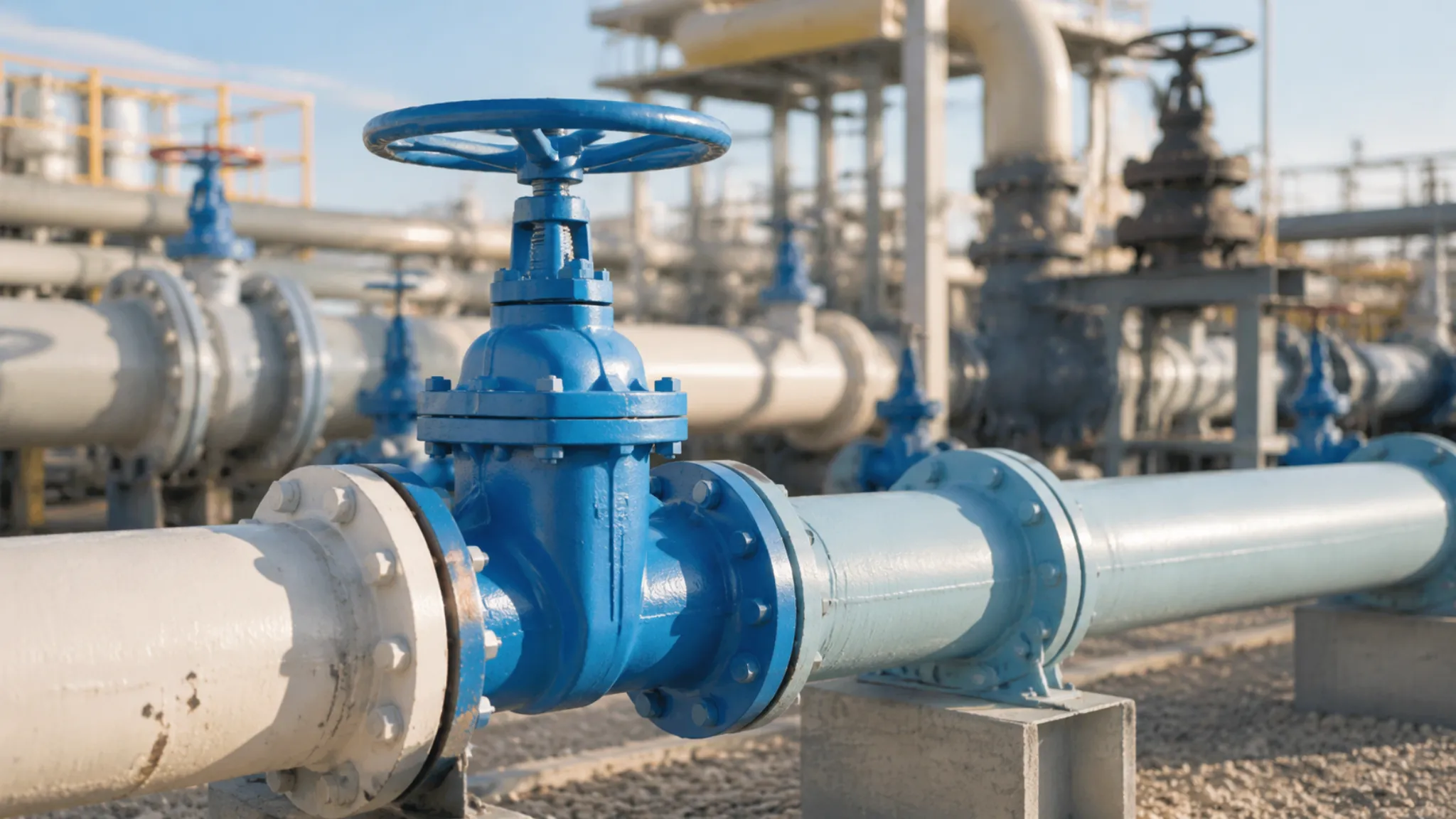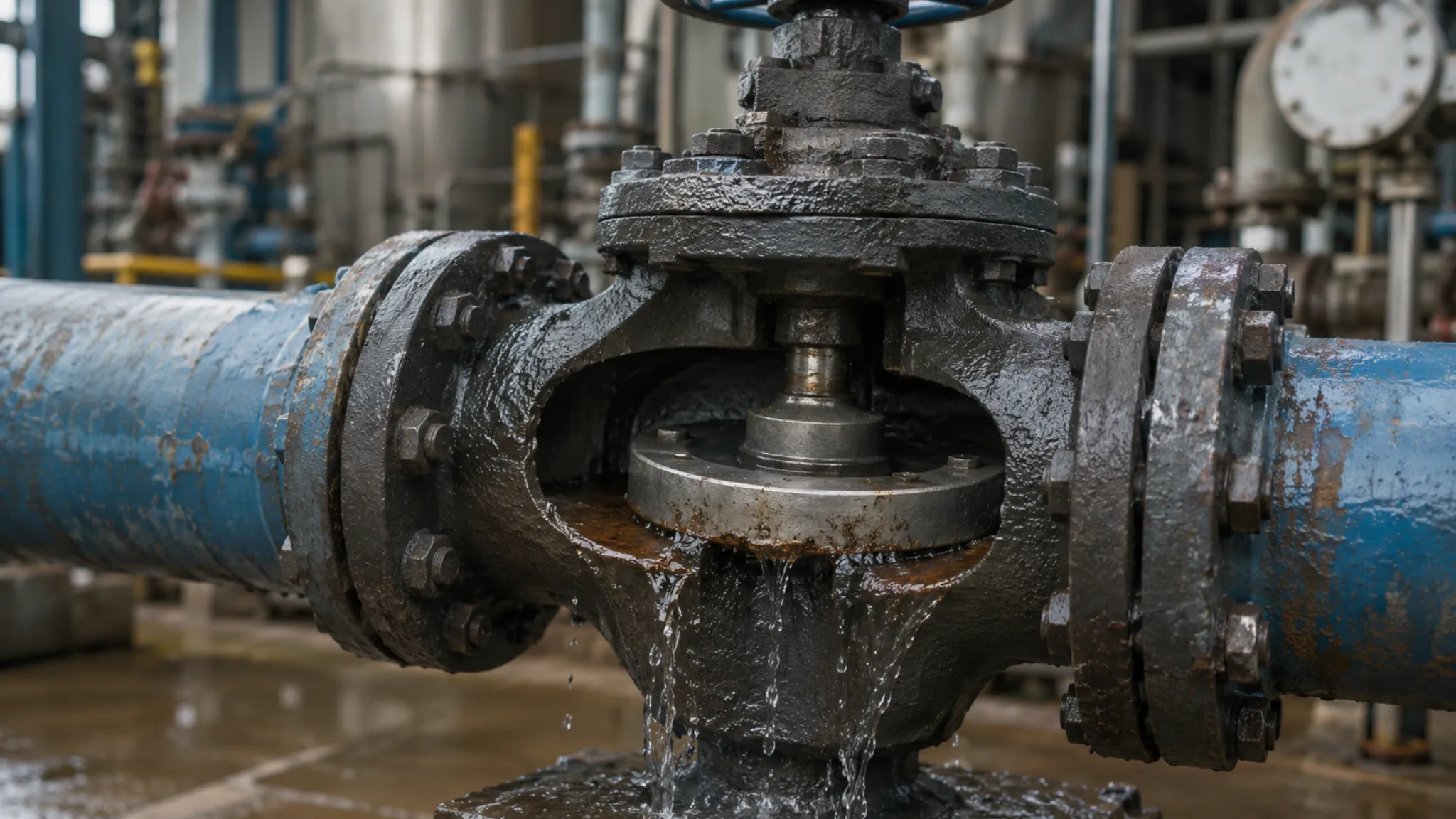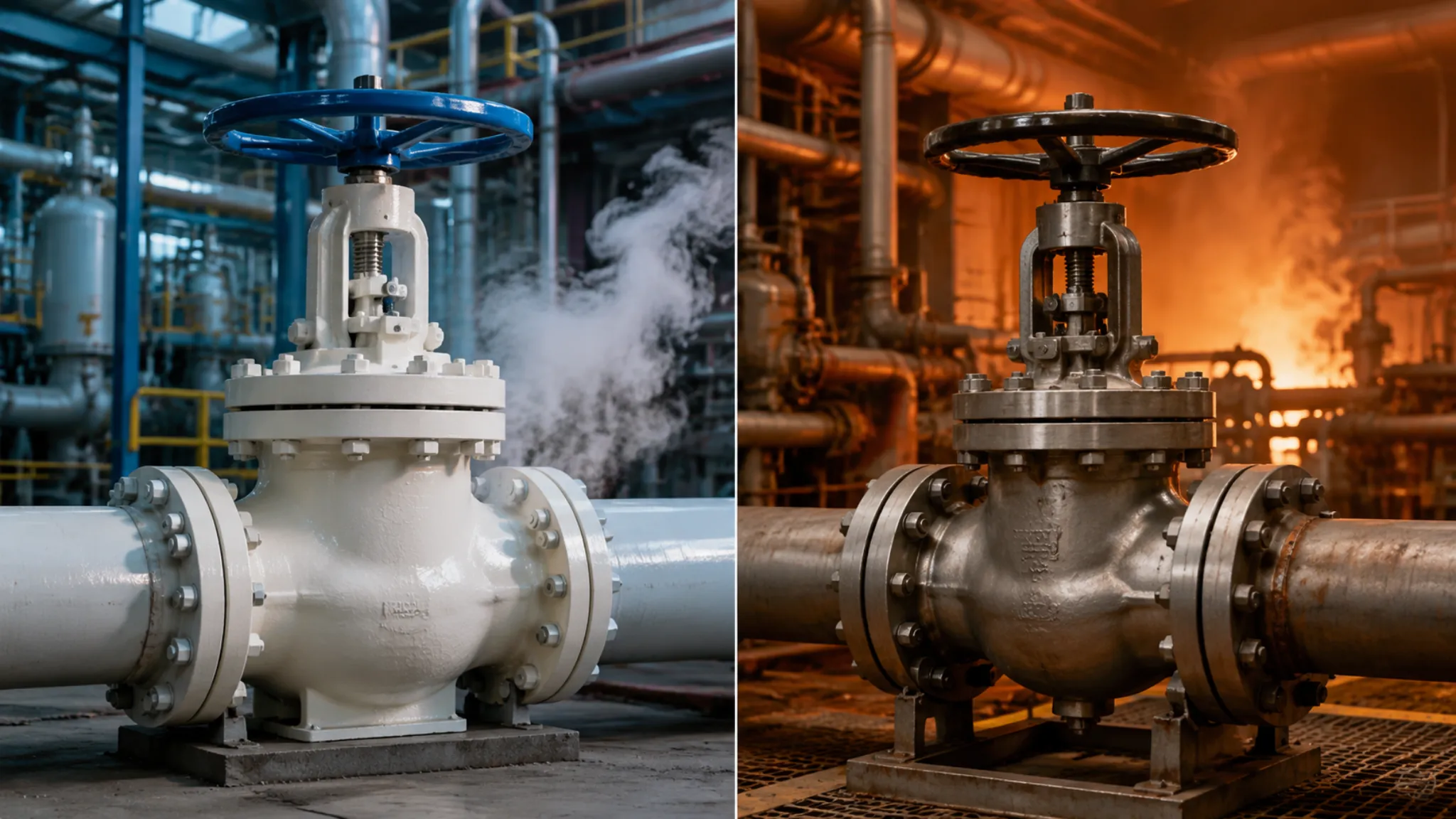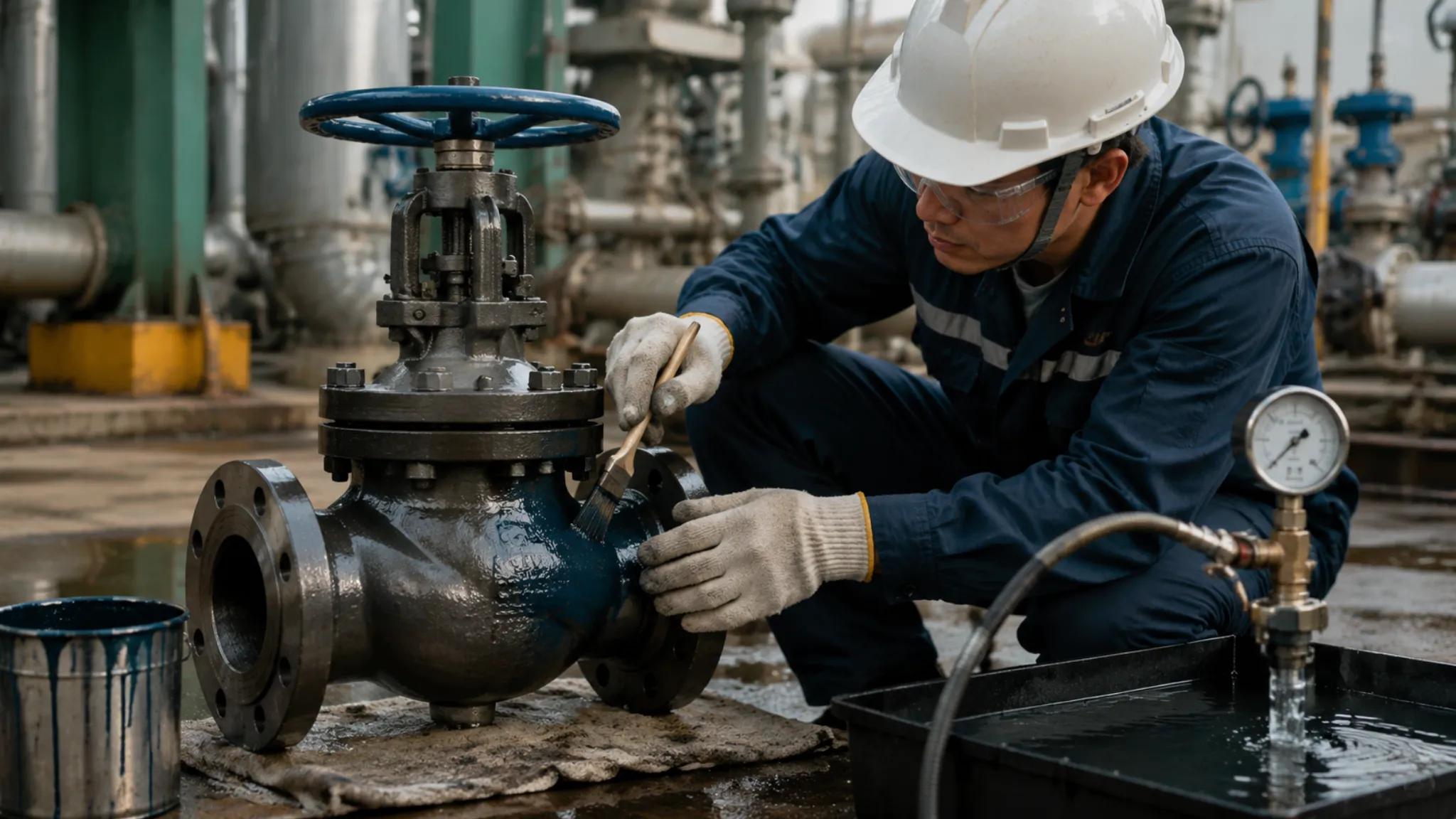
Forged soft-sealed floating ball valves, API 6D certified, available in WCB/LCC/CF8M materials with multi-material options, OEM private labeling supported, suitable for high-pressure applications in oil & gas, petrochemical, and seawater desalination industries.
Quality Build Basics
Forged Body Strength
I have personally disassembled over two hundred floating ball valves during petrochemical plant maintenance overhauls, and the comprehensive mechanical performance of forged valve bodies far exceeds that of castings—this is an undeniable fact. The forging process, through multiple upsetting and piercing operations, causes metal grain structures to align tightly along the flow direction, with grain refinement levels exceeding those of castings by more than two grades. In high-pressure applications above 12 MPa, the forged valve body’s advantage in stress concentration resistance becomes particularly evident—with the same wall thickness, forged components exhibit deformation under pressure impact that is more than 40% lower than castings. In API 608 and API 6D standards, forged valve bodies are specified for Class 300 and above ball valves, while castings are only permitted for Class 150 and below low-pressure applications. I have conducted comparative tests: for the same specification floating ball valve at 1.6 MPa, the forged valve body showed a shell deformation of 0.03 mm under 1.5× hydrostatic testing (2.4 MPa), while the casting showed 0.11 mm—a difference of nearly 4 times. For cryogenic applications such as LNG terminals, SA350 LCC material valve bodies, after -196°C impact toughness verification, demonstrate significantly reduced risk of low-temperature brittle fracture. My experience is that floating ball valves with rated pressure ≥ Class 300 should preferentially select forged valve bodies—this selection principle is also explicitly stated in API 608 standards. During actual procurement, I require suppliers to provide forging process qualification reports and raw material quality inspection reports to confirm they maintain complete forging process records.
Soft Seat Benefits
The soft seal of floating ball valves refers to the sealing pair between PTFE or reinforced PTFE material seat and the ball. The ball floats freely under medium pressure, automatically offsetting toward the low-density side of the seat and compressing to form a reliable seal. PTFE material has a friction coefficient of only 0.04, with opening/closing torque more than 60% lower than metal-sealed valves, which in large pipeline networks means smaller specification actuators can be selected, saving auxiliary costs. At an ethylene project in Zhejiang, I used Class 150 soft-sealed floating ball valves with an operating torque of only 28 N·m, requiring only a DN25 pneumatic actuator, whereas the same size metal-sealed valve would require at least a DN40 actuator. In actual operation, this difference directly reflects in air supply pipeline sizing and compressor selection, saving approximately 18% in overall auxiliary costs. The working temperature range for PTFE soft seals is typically -30°C to 200°C, covering most industrial medium requirements. For media containing aromatics or high-temperature steam, modified materials with PTFE plus glass fiber or carbon fiber filling can be selected, with temperature resistance improved to above 260°C and more stable creep resistance. I personally used PTFE+carbon-filled seats in the chlor-alkali industry, with continuous operation for three years in an 80°C saturated chlorine environment, showing no significant wear or deformation on the sealing surface. During selection, it should be noted that soft seals are not suitable for media containing solid particles—solid particles will embed into the PTFE sealing surface, creating scratching channels leading to leakage; metal-sealed floating ball valves or trunnion-mounted ball valves are recommended for such applications.
API 6D Standards
The API 6D certification held by ball valve manufacturers serves as the fundamental guarantee of product quality. API 6D specifications have clear requirements for floating ball valve body strength, pressure-temperature ratings, material traceability, and welding procedure qualifications. API 6D certified products must pass fire resistance testing, low-temperature impact testing, and fugitive emission testing (ISO 15848-1) during design verification, while API 608 only requires basic pressure and seal testing—the coverage scope difference between the two is significant. When reviewing supplier qualifications, I always check three documents: the API 6D certificate (current valid version, paying attention to whether the product model on the certificate matches the order), consistency between pressure-temperature nameplate and certificate (Class and material on nameplate must match the certificate), and raw material test reports (MTR, including heat numbers, chemical composition, and mechanical properties). I have seen suppliers present API 608 certificates claiming them as API 6D—the core difference is that API 6D covers the full lifecycle testing of pipeline ball valves, including fire resistance and fugitive emission testing, while API 608 is only for single valve basic function testing. For critical applications such as offshore platforms, subsea pipelines, or sour oil and gas fields, API 6D is the entry threshold, and products without API 6D certification are not considered. For ordinary industrial piping, API 608 can meet basic requirements, but specifications should clearly note this.
OEM Service Options
Custom Design Needs
The first step in OEM cooperation is confirming the scope of customization, which I typically evaluate from three dimensions: drawing depth, delivery schedule, and certification requirements. When customers provide detailed 3D models (STEP or IGES format) and material specifications, manufacturers can proceed directly to production according to drawings; if only samples or reference images are available, 3D scanning and redrafting of engineering drawings are required first, typically taking 5-7 working days, plus an additional 7-10 days for engineering confirmation, making the actual cycle 3-4 weeks. When interfacing with manufacturers, I require them to provide a Design Confirmation Report (Dimensional Report, noting tolerances for all critical dimensions) and Material Certificates (MTR)—these two documents are the core basis for incoming inspection. For non-standard sizes or special connection types (such as Socket Weld SW or Butt Weld BW), I recommend having the manufacturer conduct Finite Element Analysis (FEA) first to confirm whether wall thickness and strength meet design pressure requirements, avoiding discovery of sealing surface fit issues after first delivery. Regarding delivery schedules, I generally require manufacturers to provide Gantt charts and include them in the contract, with progress updates every two weeks; for large-volume orders (100+ units), I will dispatch on-site quality inspection or commission third-party inspection agencies for process surveillance to prevent suppliers from sacrificing quality during rush periods. If fire resistance certification (API 607 or API 608) is required by the customer, this must be confirmed with the manufacturer during the design phase, as fire-resistant structure differs fundamentally from standard structure in seat material selection and spring configuration.
Your Brand Label
Brand labeling (Private Label) is the most direct brand exposure element in OEM cooperation, with labeling method, labeling position, and minimum order quantity (MOQ) as the three core elements. Among labeling methods, laser marking is the most reliable solution—permanent, with marks that will not blur from friction, high temperature, or chemical corrosion, making it the preferred solution for industrial valve labeling. Engraved stainless steel plates or stamped steel characters are secondary options, suitable for long-term high-temperature applications (>300°C); ordinary printed labels easily detach in outdoor or chemically corrosive environments and are not recommended for industrial valves. Labeling positions are typically on the valve body flow passage outer wall or handle nameplate. I typically require laser marking on the valve body outer wall of manufacturer name, model, pressure rating, heat batch number, plus customer brand logo and order number. For products exported to Europe and the Americas, it is also necessary to confirm that label content and format comply with EU CE marking specifications and US ANSI/ASME specifications, especially regarding WEEE and RoHS-related markings. I had a customer whose goods were held at German customs for a full two weeks due to missing CE marking on the label. Regarding minimum order quantities (MOQ), most API 6D certified manufacturers have private label order MOQs in the range of 50-200 units, with specific quantities depending on specification complexity. For small-lot orders of special materials (such as duplex steel or Inconel alloys), some factories require MOQs above 20 units to cover material re-preparation and cleaning line costs—these should be confirmed with suppliers before placing orders.
Choice of Metals
| Material | Applicable Temperature | Typical Application | Corrosion Resistance |
|---|---|---|---|
| WCB Carbon Steel | -29°C~425°C | Refining, petrochemical, hydrocarbon | General, requires coating protection. |
| LCC Low‑Temperature Carbon Steel | -46°C~345°C | LNG pipelines, ethylene units | Same as WCB, with low‑temperature impact resistance. |
| CF8M Stainless Steel | -196°C~425°C | Chemical, seawater, chlorine‑containing media | Good, resistant to oxidizing acids. |
| C95500 Bronze | -270°C~260°C | Desalination, brine | Excellent, no stress corrosion. |
| F51/F53 Duplex Steel | -40°C~300°C | H2S/CO₂‑containing oil and gas fields | Excellent, sulfide stress resistant. |
There are three main material categories for floating ball valve bodies: WCB (carbon steel), LCC (low-temperature carbon steel), and CF8M (stainless steel). WCB is the most cost-effective choice, suitable for freshwater, air, and hydrocarbon media, with working temperatures from -29°C to 425°C, serving as the primary material for refineries and petrochemical plants; its chemical composition complies with ASTM A216 standards with reasonable carbon equivalent control and good weldability. LCC is specifically designed for low-temperature applications, verified through -46°C low-temperature impact testing (CVN≥27J), suitable for LNG pipelines and ethylene plants; its carbon content control is more stringent than WCB, requiring clear marking of LCC during ordering and requesting manufacturers to provide low-temperature impact test reports. In a seawater desalination project in Guangdong, I used C95500 bronze alloy valve bodies; bronze offers superior corrosion resistance in seawater media compared to stainless steel, with no risk of stress corrosion cracking, and costs 35% lower than 316 stainless steel, with four years of zero-fault operation to date—this material selection is suitable for experienced owners to proactively propose. During material selection, another key principle is that H₂S content and CO₂ partial pressure in the medium determine whether duplex stainless steel (such as F51/F53) or Inconel alloys are required—when H₂S partial pressure exceeds 0.0034 kPa, API 609 standards require the use of materials resistant to Sulfide Stress Cracking (SSC); such high-alloy materials cost 3-5 times that of CF8M, but their stress corrosion resistance improves by an order of magnitude, requiring careful calculation based on medium composition during selection.
Buying and Shipping
Leak Testing
- Shell test: pressurize with nitrogen or clean water to 1.5 times the rated pressure, hold for 5 minutes, visually inspect for no leakage.
- Secondary seal test: nitrogen bubble detection at rated pressure, leakage rate ≤60 bubbles/min.
- Fugitive emission test (ISO 15848-1): ≤1×10⁴ Pam³/s.
- Oxygen pipeline supplement: oil‑free verification report and grease cleaning certificate.
- Incoming random inspection: randomly sample 10% for a second pressure test verification.
Every ball valve shipped must pass leakage testing per API 598, including two processes: shell testing and seat seal testing. Shell testing uses nitrogen or clean water as the medium, with test pressure at 1.5× rated pressure and holding time of no less than 5 minutes; the entire process involves visual inspection of valve body, bonnet, and connections for visible leakage—this stage checks body strength and connection sealing. Seat seal testing is conducted at rated pressure using nitrogen for bubble detection (allowable leakage rate ≤60 bubbles/minute), or using dedicated leak detectors to measure fugitive emission rate (≤1×10⁴ Pam³/s)—this indicator is particularly important for products with ISO 15848-1 certification. During incoming goods inspection, I additionally require suppliers to provide test report numbers for each valve and randomly inspect 10% with secondary pressure testing. There was once a shipment with complete test reports, but during on-site testing I found three valves with visible bubbles from the seat seal at rated pressure—the traced cause was a quality issue with that batch of PTFE seat material; after the supplier replaced the batch and retested, results were qualified. Since then, I have added incoming random inspection procedures and required suppliers to calibrate testing equipment with third-party verification every six months, with calibration cycle and calibration agency qualifications clearly specified in contracts. Additionally, for ball valves used on oxygen pipelines, suppliers must provide oil-free cleaning certification and oil-free verification reports—these are mandatory documents for safety acceptance.
Secure Export Packing
- Moisture‑proof film thickness ≥0.1 mm, desiccant placed around (≥500 g per cubic meter).
- Foam board isolation between valve bodies, cardboard interlayer to prevent sealing surface from impact damage.
- Apply fragile and “up” labels on the outer box, marking includes order number, product name, specifications, quantity, gross weight.
- Wooden packaging for export to the EU must be IPPC certified and bear the IPPC mark.
- Pre‑shipment photo confirmation (Packaging Photo Approval) to intercept packaging issues.
The core of export packaging for forged ball valves is moisture prevention, impact prevention, and deformation prevention—all three are essential. Plastic moisture-proof film (thickness ≥0.1 mm) must be added inside cartons or wooden crates, with desiccant packets placed in all four corners (no less than 500g per cubic meter)—desiccants should be placed in corners rather than the center, ensuring no condensation forms inside the valve body under high-temperature, humid container conditions. Between valves, foam boards or pearl cotton must be used for isolation, with cardboard separators between each layer, preventing stem deformation or sealing surface damage caused by sea transport vibrations. The most severe delivery damage case I witnessed involved the valve body and bonnet connection surface being dented from impact, causing improper sealing and requiring repairs—the repair cycle lasted a full month, severely affecting project progress. Fragile labels and “This Side Up” labels (Keep Dry, Do Not Invert) must be affixed on the outside of packaging boxes; shipping marks must include order number, product name, specifications, quantity, gross weight, and case number. For shipments exported to the EU, wooden packaging must be IPPC certified with IPPC marking (IPPC Standard ISPM No.15) applied—non-compliant wooden crates may be detained and destroyed at the destination port, incurring additional fumigation fees and demurrage charges. In contracts, I typically require suppliers to provide Packaging Photo Approval, confirming packaging before container loading and shipment—this step adds 2-3 working days but can intercept packaging issues before shipment.
Worldwide Delivery Tips
| Incoterms Clause | Buyer/Seller Responsibility Division | Applicable Scenario |
|---|---|---|
| FOB | Seller loads the goods, buyer pays sea freight and assumes risk | Parties have established cooperation. |
| CIF | Seller pays freight and insurance, delivery at destination port | Buyer prefers price inclusive of freight for convenience. |
| DDP | Seller bears all costs and risks up to buyer’s unloading | One‑stop procurement, buyer assumes zero risk. |
| EXW | Buyer picks up at factory, seller only responsible for delivering at factory | Buyer has own logistics channel. |
For industrial valve exports, the shipping process has three critical control points: freight forwarder selection, container reinforcement, and destination port customs clearance documentation—any mistake among these three can result in container demurrage or substantial penalties. Regarding freight forwarder selection, I recommend choosing forwarders with dangerous goods handling qualifications (DGR handled), as valves may be classified under IMDG Code during transport as non-dangerous goods, but residual sealing grease or hydraulic oil inside valves may violate regulations in some countries; confirming with the forwarder in advance can avoid container detention or even return shipments at ports. Regarding container reinforcement, valves inside containers should be secured with triangular wooden frames and tension straps, with rubber pads placed between wooden frames and valve bodies to prevent scratches; strap tension should be adjusted to avoid deforming valve bodies—I have seen cases where excessive strap tension caused deformation of valve body flange faces. For oversized valves (above DN150), flat rack containers are recommended with wooden sleepers underneath to distribute ground pressure—this is more stable than framework containers. Regarding Incoterms selection, CIF is suitable when buyers and sellers have an established cooperation foundation, with buyers responsible for destination port customs clearance and unloading; DDP is suitable when buyers prefer one-stop procurement without assuming any risks, but prices will be 15-20% higher than FOB. I typically recommend first-time overseas clients use FOB or CIF, transitioning to DDP after establishing trust to reduce buyer workload. Regarding customs clearance documentation, Packing List (PL), Commercial Invoice, and Certificate of Origin (COO) are the three essential documents; for Australia and some Middle Eastern countries, tank inspection certificates (broth testing) are also required—these must be confirmed with customers before signing contracts.