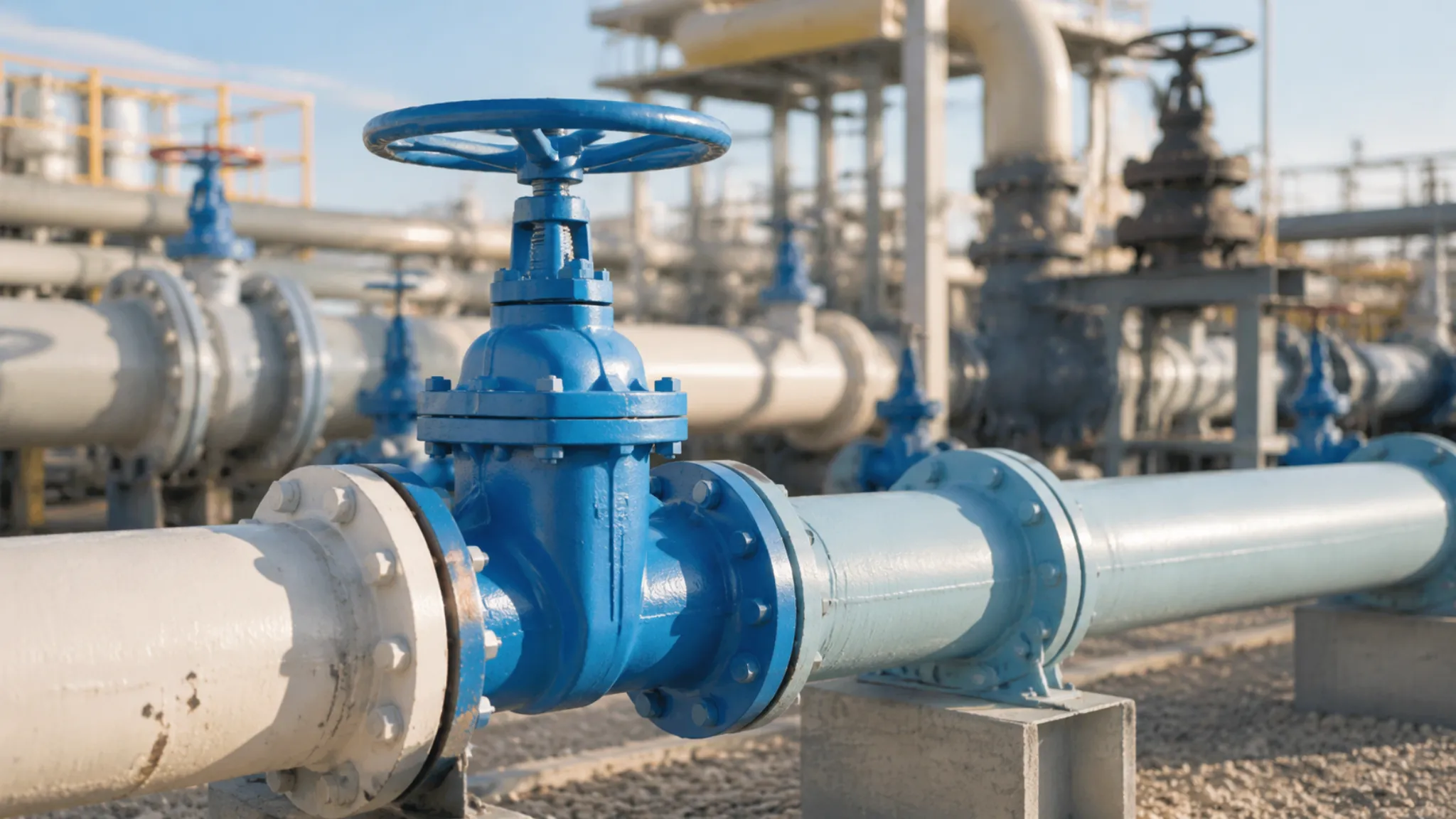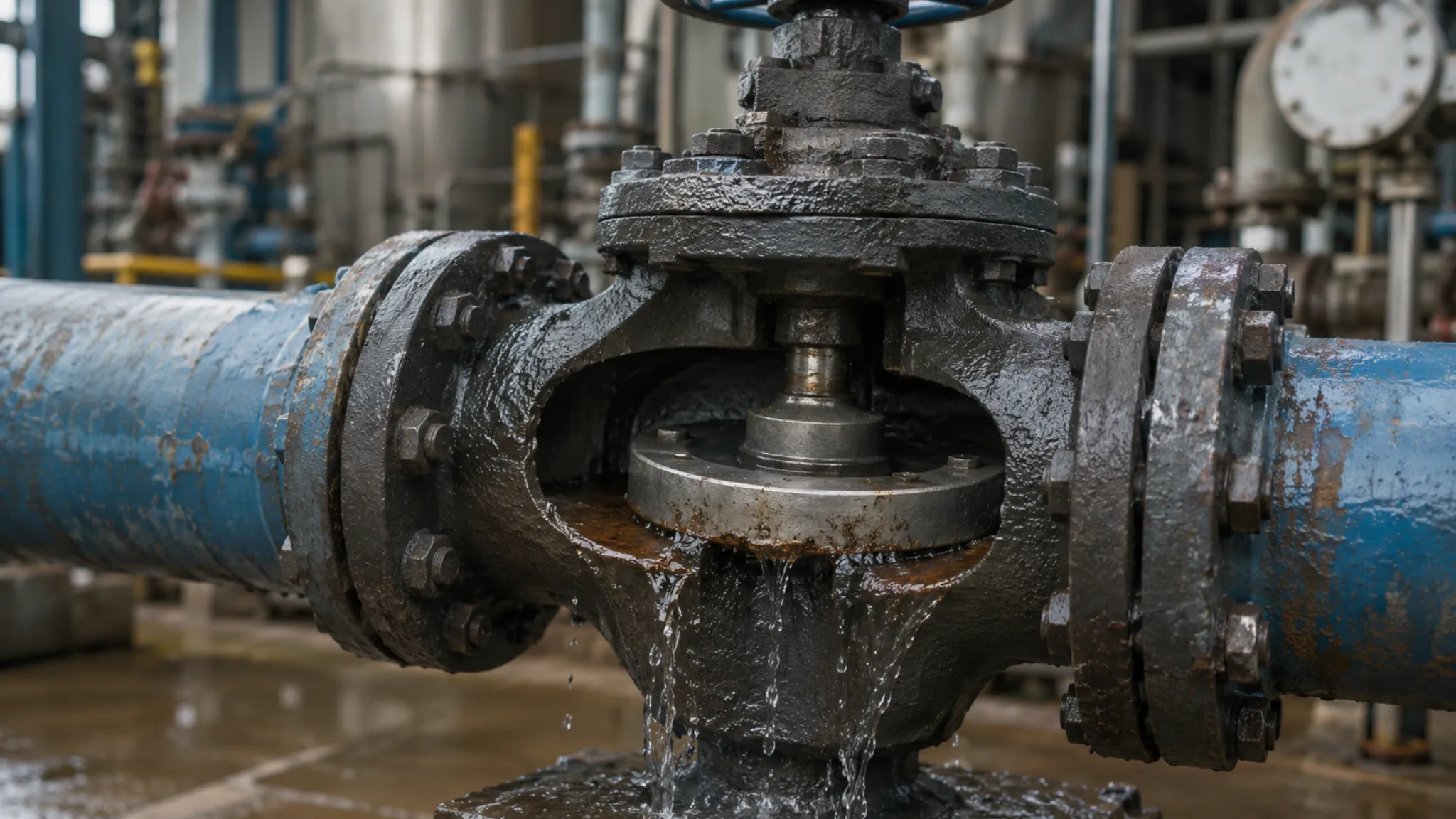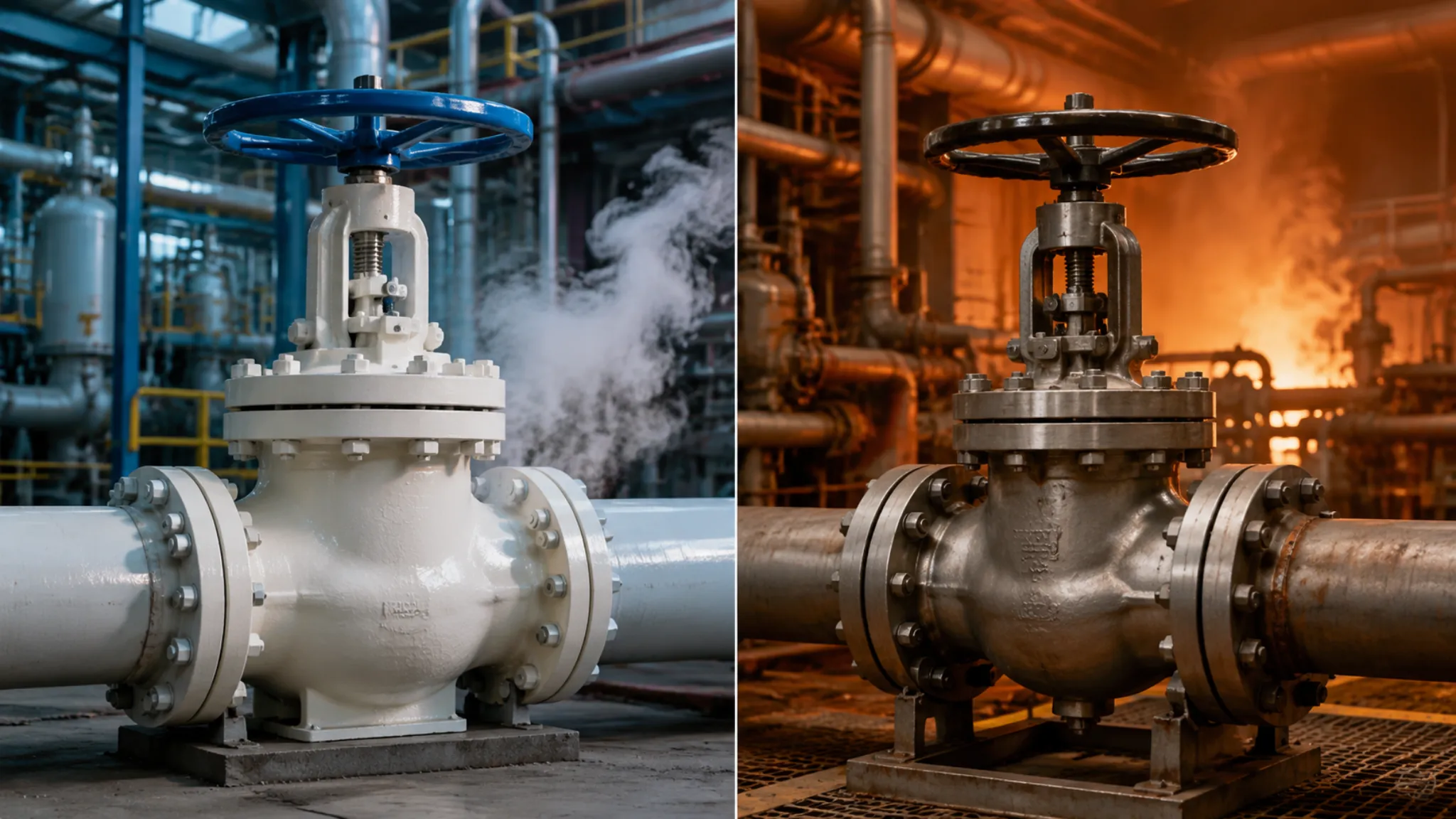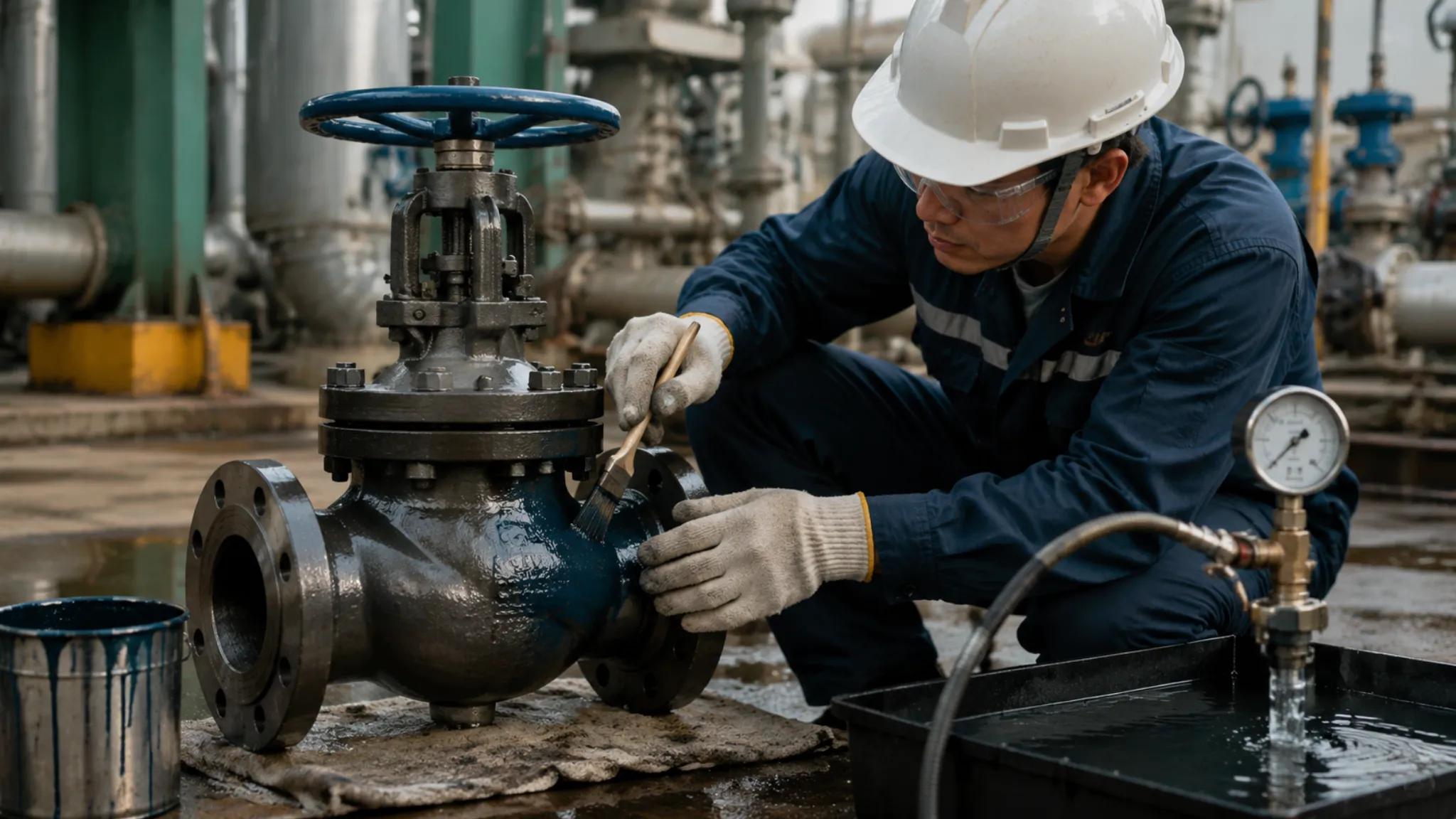
Three criteria for severe service: −196°C to 850°C, blow-off risk zero at Class 1500, 3-5× longer service life under abrasion/heat—forged metal seated ball valves are the only choice for refining, petrochemical, power generation extremes.
Main Valve Benefits
Withstanding High Heat
The elevated-temperature capability of metal seated valves stems from hardfaced seat materials—Stellite 6 (cobalt-chromium-tungsten alloy) is the most widely specified. Cobalt’s crystal structure does not undergo phase transformation at temperatures where iron-based alloys lose strength: iron transitions from ferromagnetic α-phase to paramagnetic γ-phase at 770°C (Curie point), causing approximately 1% volume expansion, whereas cobalt’s hcp-to-fcc transition occurs at 422°C with a volume effect of only about 0.5%. This dimensional stability at elevated temperatures is why Stellite 6 maintains HRC 35+ hardness at 650°C continuous service temperature and begins oxidizing only near 750°C. Inconel 625 (nickel-chromium-molybdenum alloy) extends this envelope to 850°C with approximately 250 MPa tensile strength at temperature, making it the standard choice for hydrogen-bearing and high-temperature corrosive service. Tribaloy T-800 (cobalt-chromium-molybdenum-silicon alloy) achieves HRC 50–55 at room temperature with excellent wear resistance, but its high-temperature steam compatibility is inferior to Inconel 625—material selection requires balancing abrasion resistance against high-temperature strength depending on the actual operating environment.
A refinery startup incident clarified why seat material verification is non-negotiable: a batch of high-temperature ball valves arrived with seat materials mislabeled as standard Stellite 6, and all three units failed by seat face wear within approximately 3 months of startup. After this event, the owner added seat material verification to the mandatory pre-commissioning inspection checklist for all high-temperature valves. This is not an optional quality step—it is the only way to catch counterfeit or mislabeled hardfacing materials before they cause a forced outage.
| Alloy | Max Continuous Service Temp | Typical Hardness (HRC) | Typical Applications |
|---|---|---|---|
| Stellite 6 | 650°C (peak 850°C) | 35–40 | FCC, high-temp oil & gas |
| Stellite 12 | 600°C | 45–50 | Solids-laden, high-abrasion |
| Inconel 625 | 850°C | 25–30 (aged) | Hydrogen, high-temp corrosion |
| Tribaloy T-800 | 700°C | 50–55 | Highly abrasive slurries, gas-solids |
Resisting Heavy Wear
Metal seat wear resistance derives from two mechanisms operating simultaneously. First, the extreme hardness of hardfaced alloys—Stellite 6 at HRC 35–40 is roughly five times harder than PTFE soft seats (Shore D 80–90) on an absolute hardness scale. Second, the metal-to-metal sealing interface between a precision-lapped ball and seat pair: the contact faces achieve Ra 0.1–0.2 µm finish after lapping, creating a direct metal-to-metal seal that becomes more metal-to-metal under pressure rather than degrading. This interface behaves differently from PTFE in solid-laden service: where PTFE seats are cut, extruded, or worn by particle impact, the metal interface actually burnishes smoother under continuous service—the contact surfaces of a worn metal seat examined after 5 years of catalyst slurry service often show lower surface roughness than when the valve was new. The self-sharpening effect of hardfaced alloys—micro-cracking at the surface during particle impact is accompanied by work hardening that increases surface hardness—is the physical basis for metal seats outperforming soft seats in solids-bearing fluids by factors of 10× or more in service life.
- Extreme hardness: Stellite 6 maintains HRC 35+ at 650°C, and solid particles cannot penetrate the seat sealing surface at normal operating temperatures—PTFE seats fail within 3 months in equivalent service
- Metal-to-metal lapped pair sealing: precision-lapped ball and seat pair, Ra 0.1–0.2 µm, direct metal contact without polymer softening, aging, or extrusion under pressure
- Self-sharpening effect: particle impact causes micro-cracking at the hardfaced surface, simultaneously with work hardening that increases surface hardness—metal seats run in, not out, under abrasive service
- Solids concentration tolerance: increasing solids content from 5% to 40% (coal-to-chemicals slurry service) reduces soft seat valve mean time between failures from 18 months to approximately 3 months; metal seat valve degradation under the same conditions is measurable but manageable
Strong Forged Body
Forged valve body fatigue strength is typically 2–3× that of an equivalent cast body—this is a direct consequence of microstructure. During forging, metal grain flow aligns along the part geometry, internal defects (shrinkage voids, porosity, gas pockets) are eliminated or consolidated, and grain size typically reaches ASTM 5–6 (fine grain). Cast microstructure, by contrast, typically shows ASTM 2–3 grain size (coarse grain). Finer grain means greater total grain boundary area, higher crack propagation resistance, and consequently higher fatigue strength. ASTM A182 F91 (9Cr-1Mo-V) exhibits creep rates of approximately 10⁻⁸ mm/(mm·h) at 550°C for 1000 hours—approximately one order of magnitude better than A216 WCB cast steel under identical conditions. I observed a clear demonstration of this difference during an ethylene plant startup: a batch of cast body ball valves developed fatigue cracks after approximately 200 thermal cycles, while forged bodies of identical material and pressure class in equivalent service locations showed no such cracks after 15+ years of operation—the forging versus casting microstructure difference was the sole identifiable cause.
- ASTM A182 F22 (2.25Cr-1Mo) for hydrogen-bearing and high-temperature high-pressure steam: excellent creep strength at 575°C in hydrogen environments
- ASTM A182 F91 (9Cr-1Mo-V) for ultra-supercritical boiler feedwater systems: temperature capability to 610°C, pressure to Class 4500
- ASTM A182 316L for chloride-containing seawater systems: low carbon content (≤0.03%) reduces intergranular corrosion sensitivity; erosion-corrosion rate significantly lower than cast 304
- ASTM A182 F304L for LNG cryogenic service (−196°C): cryogenic impact toughness requirement ≥60J at −196°C; dense forged structure provides impact energy far exceeding cast equivalents
- ASTM A182 F51 duplex stainless for chloride environments: PREN ≥40, stress corrosion cracking resistance significantly superior to 316L
Oil and Gas Uses
Refinery Pipeline Flow
Refinery piping systems present complex operating conditions that exceed most industrial applications—crude and vacuum distillation, fluid catalytic cracking, hydrotreating, hydrocracking, and delayed coking units each have distinct temperature-pressure combinations, and the same pipeline may see large swings in process fluid composition between operating campaigns. The primary value of metal seated ball valves in refineries is not high temperature capability alone, but adaptability to changing conditions: crude preheat pipelines in atmospheric-vacuum distillation units experience temperatures cycling between 250°C and 350°C, with the valve body subjected to 3–5 thermal transients per hour. The low thermal expansion coefficient and homogeneous microstructure of forged ASTM A182 F22 bodies perform reliably under this thermal cycling fatigue, while cast bodies with their inhomogeneous microstructure develop thermal fatigue cracks at the same cycle counts. I documented this difference during a catalytic cracking unit turnaround: cast body valves showed crack rates approximately 4× higher than forged equivalents in the same service by the third year after startup—entirely attributable to the casting versus forging microstructure difference.
API 612 explicitly requires forged valve bodies for refinery critical train equipment above Class 600 with media temperatures exceeding 260°C—this is a physically mandated requirement, not a recommendation. For atmospheric-vacuum distillation, the common practice is forged ASTM A182 F22 bodies with Stellite 6 seats. For catalytic cracking, forged ASTM A182 F91 bodies with Stellite 6 seats handle the 450°C–500°C regenerator environments. For hydrotreating and hydrocracking units, forged ASTM A182 F22 or F91 bodies paired with Inconel 625 seats manage both the elevated temperature and the hydrogen partial pressure challenges. This is not a matter of preference—API 612 compliance is verified during mechanical completion inspections.
| Refinery Unit | Typical Temperature | Typical Pressure | Recommended Body Material | Recommended Seat |
|---|---|---|---|---|
| Atmospheric-Vacuum Distillation (AVU) | 250°C–350°C | Class 150–300 | ASTM A182 F22 | Stellite 6 |
| Catalytic Cracking (FCC) | 450°C–500°C | Class 300 | ASTM A182 F91 | Stellite 6 |
| Hydrotreating/Hydrocracking | 350°C–450°C, hydrogen | Class 600–1500 | ASTM A182 F22/F91 | Inconel 625 |
| Delayed Coking | 450°C–500°C (coke drum cutting) | Class 150–300 | ASTM A182 F91 | Stellite 6 |
| Sulfur Recovery | 250°C–350°C, sulfidic | Class 150–300 | ASTM A182 316L | Alloy 625 |
Handling Harsh Fluids
When refineries process high-acid crude oils, the combination of H₂S, CO₂, and chlorides creates multi-factor synergistic corrosion that attacks valve materials through several mechanisms simultaneously. I reviewed valve specification for a Middle East high-acid crude refinery where the total acid number (TAN) reached 4.5 mg KOH/g, H₂S peaked at 1200 ppm, and chloride content locally reached 300 ppm—in this service, 316 stainless steel body corrosion rate exceeded 0.8 mm/year, requiring upgrade to duplex ASTM A182 F51 (PREN ≥40) or super-austenitic Alloy 254 (PREN ≥42), with Alloy 625 hardfaced seats to address Cl⁻ stress corrosion cracking. This specification case illustrates that high-acid crude processing is not a price-sensitive market: material selection errors result in body perforation leaks and forced shutdowns, both costs that far exceed the valve price premium for upgraded materials.
API 612 explicitly prohibits cast bodies for Class 600 and above with media temperatures exceeding 260°C in refinery critical train service—this is not a recommendation, it is a binding requirement for mechanical completion sign-off. In high-acid crude processing, body materials must comply with NACE MR0175/ISO 15156 H₂S partial pressure limits, and seats must carry identical material compatibility certification. I observed the consequence of non-compliance at a delayed coking unit where a batch of cast body valves failed by thermal fatigue cracking within 18 months of startup, requiring complete replacement at a direct cost exceeding USD 2 million—forge versus cast is not a cost question in severe service, it is a fundamental safety design boundary.
High Pressure Safety
Above Class 600, the defining advantage of metal seated valves over soft seats is immunity to blow-off. Soft seat blow-off occurs when the differential pressure (ΔP) across the valve exceeds the spring preload force maintaining seat contact with the ball—above Class 600, this failure probability increases significantly, and the failure mode is typically without warning. During a offshore oil and gas platform construction review, I evaluated a batch of Class 1500 soft seated ball valves specified for high-pressure natural gas separator outlet isolation. The owner’s engineering team raised concerns about ΔP calculation boundary conditions during the design review, requesting a change to metal seats. The manufacturer subsequently provided a ΔP calculation report with increased spring preload force, but the owner insisted on metal seats for all units—the rationale was explicit: “there is zero tolerance for unplanned shutdowns on an offshore platform.” This judgment was correct. Actual platform operating conditions produce ΔP transient peaks that routinely exceed static design calculations—the margin in soft seat ΔP ratings is compressed to critical values under real transient conditions, while metal seats face no such constraint.
High-pressure natural gas pipeline valve external leak inspection intervals are typically quarterly. The zero-leakage characteristic of metal seated valves means their safety margin between inspection intervals is substantially higher than soft seats—this is not an added cost, it is a fundamental requirement of inherently safer design. Class 600 and above metal seat selection reference: Class 600 (ΔP limit approximately 150 bar), Class 900 (ΔP limit approximately 225 bar), Class 1500 (deep-well gas, subsea pipeline high-pressure letdown stations), Class 2500 (ultra-high pressure, metal seat is the only option).
- Class 600 (PN100): Metal seat ΔP limit approximately 150 bar (soft seats typically ≤30 bar)—high-pressure separator outlets, compressor discharges
- Class 900 (PN150): ΔP limit approximately 225 bar—typical for high-pressure gas field gathering lines
- Class 1500 (PN250): Deep-well natural gas, subsea pipeline high-pressure letdown stations—metal seat is the standard specification
- Class 2500 (PN420): Ultra-high pressure, metal seat is the only viable choice—design pressure exceeds soft seat physical limits
API 6D requires full-differential-pressure seat blow-out calculations for Class 600 and above high-pressure gas pipeline valves. Offshore high-pressure natural gas platform design pressure is typically Class 1500, but actual operating pressures may periodically reach or briefly exceed design pressure—this service compresses soft seat ΔP margin to critical values during transient events, while metal seated valves face no such blow-off constraint. I observed the Beihai (North Sea) oil and gas field surface facility design where the owner explicitly required metal seats on all high-pressure natural gas isolation valves and demanded manufacturer blow-out calculation reports as part of the supply specification—this is not overengineering, it is the basic expression of offshore platform safety culture.
Other Key Applications
Chemical Plant Roles
Chemical plant service conditions are characterized by multiphase fluid mixtures and aggressive chemistry—gas-liquid-solid coexistence, alternating organic/inorganic acids and caustics, and wide temperature cycling ranges are standard rather than exceptional. A fine chemicals manufacturer operating a pharmaceutical active ingredient synthesis unit processed a reaction mixture containing organic chlorides with localized chloride ion concentrations reaching 5000 ppm alongside trace H₂S—in this service, 304 stainless steel valve bodies perforated within 3 months, and 316L stainless showed stress corrosion cracking within 6 months, with the final solution being Alloy C-276 bodies. I reviewed a separate phosgene chemical plant valve specification case where the process medium was a mixed gas containing free chlorine and hydrogen chloride at approximately 180°C—304SS bodies perforated at the valve body sidewall within 8 months, with Alloy 625 forged bodies resolving the issue. These cases demonstrate that chemical plant valve selection must use process fluid composition as the primary input parameter, not temperature-pressure catalog data. Chemical plant processes evolve—feed composition drift and reaction by-product accumulation are rarely fully anticipated at design stage—making metal seat material adaptability substantially superior to soft seats.
- Organic chloride service (Cl⁻ > 1000 ppm): Alloy C-276 or Alloy 625 bodies, Inconel 625 seats
- High-temperature molten salt systems (Heat Transfer Salt: 60% NaNO₃ + 40% KNO₃): 290°C–535°C, API 607 fire-safe mandatory, metal seat is the only option
- Cryogenic LNG service (−196°C): ASTM A182 F304L bodies, Stellite 6 seats (hardness actually increases at cryogenic temperatures)
- Acetic/formic acid environments: Alloy 254 (6% Mo super-austenitic stainless), PREN ≥42
- Concentrated caustic (NaOH > 30%): Stellite 6 seats provide superior caustic resistance compared to most metals, but stress corrosion cracking requires attention—aged Alloy 625 is the preferred choice for concentrated caustic at elevated temperatures
NACE MR0175/ISO 15156 requires valve body and trim materials for H₂S-bearing oil and gas field service to comply with H₂S partial pressure limits—this standard applies equally to chemical plant sulfidic service. A pharmaceutical intermediate plant reactor agitator seal ball valve experienced body perforation within 4 months when feed composition drift increased Cl⁻ from 300 ppm to 2000 ppm—this case demonstrates that chemical process dynamics require material selection with safety margins, not bare selection at design-point conditions.
| Corrosive Environment | Recommended Body Material | Recommended Seat | Key Considerations |
|---|---|---|---|
| Organic chlorides (Cl⁻ > 1000 ppm) | Alloy C-276 / Alloy 625 | Inconel 625 | Chloride stress corrosion cracking is the primary failure mode |
| Molten salt (290°C–535°C) | ASTM A182 F22/F91 | Stellite 6 | API 607 fire-safe is mandatory |
| LNG cryogenic (−196°C) | ASTM A182 F304L | Stellite 6 | Charpy impact ≥60J at −196°C required |
| Acetic/formic acid | Alloy 254 (6% Mo) | Alloy 625 | PREN ≥42 |
Power Plant Systems
Power plant valve service conditions span the widest range of any industrial application—from ultra-supercritical boiler superheated steam at 600°C/25 MPa, to nuclear power plant saturated steam, to seawater circulating cooling systems with sand erosion. Metal seated valves are effectively the only valve type capable of operating across this full temperature-pressure range. Ultra-supercritical (USC) generating units with steam parameters exceeding 580°C/24 MPa require superheated steam temperatures of 600°C and pressures of 28 MPa—metal seated valves in this service use Stellite 6 or Inconel 625 seats, with ASTM A182 F91 or higher-grade heat-resistant steel bodies. Design life for this equipment is typically 60 years for nuclear units or 30 years for USC thermal units, far exceeding general industrial valve requirements.
| Power Plant System | Typical Temperature | Typical Pressure | Body Material | Recommended Seat |
|---|---|---|---|---|
| USC boiler feedwater | 600°C | 25–30 MPa | ASTM A182 F91/P91 | Stellite 6 |
| Superheated steam headers | 540°C–600°C | Class 4500 | ASTM A182 F91 | Inconel 625 |
| Turbine high-pressure extraction | 350°C | Class 900 | ASTM A182 F22 | Stellite 6 |
| Nuclear power secondary circuit | 270°C saturated steam | Class 600 | ASTM A182 316L | Stellite 6 |
| Seawater circulating cooling | ≤50°C (seawater) | Class 150 | ASTM A182 254SMOS | Stellite 12 |
- USC units: steam parameters exceed 580°C/24 MPa; superheated steam valves require ASTM A182 F91 or higher-grade heat-resistant steel bodies, with Inconel 625 seats as the standard specification—domestic USC equipment in China has historically relied on imported valves for this application, with supply lead times of 18 months or more
- Turbine bypass stations (Bypass Station): each unit startup and shutdown subjects valves to thermal transients of 30°C per minute or greater—ASTM A182 F22 bodies provide approximately 3× the thermal shock fatigue life compared to ASTM A304 stainless, making F22 the standard body material for bypass applications
- Nuclear power plant safety-class (Class 1E) valves: must maintain function under LOCA (Loss of Coolant Accident) conditions for 60 minutes per ASME Section III requirements; bodies must carry ASME Section III certification—ASTM A182 316L is the standard nuclear-grade valve body material
Moving Thick Slurry
Mining slurry and tailings handling represent one of the most demanding applications for metal seated valves. Metal mining tailings slurry service typically carries 30%–40% solids content, with particle sizes ranging from a few micrometers to several millimeters, traveling at velocities of 3–8 m/s and impinging on valve bodies and seats—I observed a copper mine tailings pipeline where a batch of A216 WCB cast body ball valves designed for 4.5 m/s slurry velocity showed body wall thickness reduced from the design 12 mm to 4 mm after 12 months of operation, with subsequent body perforation. This case illustrates that slurry valve selection cannot focus on initial cost alone—the life-cycle operating cost including unplanned shutdowns and replacement must be the evaluation basis. The rule of thumb for slurry service: when solids content exceeds 5% and particle hardness is significant, metal seats are not an upgrade—they are the only viable choice.
- High-concentration tailings (solids 30%–40%, particle size 0.1–5 mm): Stellite 12 seats + forged ASTM A182 F316 bodies, design velocity not to exceed 5 m/s
- Acid/alkali slurry (pH 2–13): Alloy C-276 bodies, Inconel 625 seats, corrosion allowance ≥3 mm
- Subsea mining lift systems: water depth 1000–3000 m, high pressure + seawater corrosion + solids particle three-factor combination, ASTM A182 F316L bodies + Stellite 12 seats, PREN ≥40
- Petroleum coke slurry: carbon solid particles + elevated temperature (approximately 200°C), Stellite 6 seats + ASTM A182 F22 bodies, body wall thickness increased by 20% as erosion allowance
- Coal preparation plant slurry water circulation: weak acid (pH 5–6), ASTM A182 304 bodies + Stellite 6 seats, solids content typically ≤20%, optimal cost-performance choice
| Slurry Type | Solids Content | Velocity | Body Material | Seat |
|---|---|---|---|---|
| Copper tailings | 30%–40% | ≤5 m/s | ASTM A182 F316 | Stellite 12 |
| Iron ore tailings | 25%–35% | ≤6 m/s | ASTM A182 F316L | Stellite 12 |
| Bauxite slurry | 20%–30% | ≤4 m/s | ASTM A182 254SMOS | Tribaloy T-800 |
| Petroleum coke slurry | 15%–25% (approx. 200°C) | ≤3 m/s | ASTM A182 F22 | Stellite 6 |
| Subsea lift | 40%–55% | ≤3 m/s | ASTM A182 F316L | Stellite 12 |
Three selection red lines for metal seats: temperature above 300°C or below −50°C, ΔP that cannot be precisely calculated, solids content exceeding 5%—crossing any one means soft seats are not an option.