
Best Ball Valve Manufacturers for Oil and Gas Applications | API standards, pressure class, material options
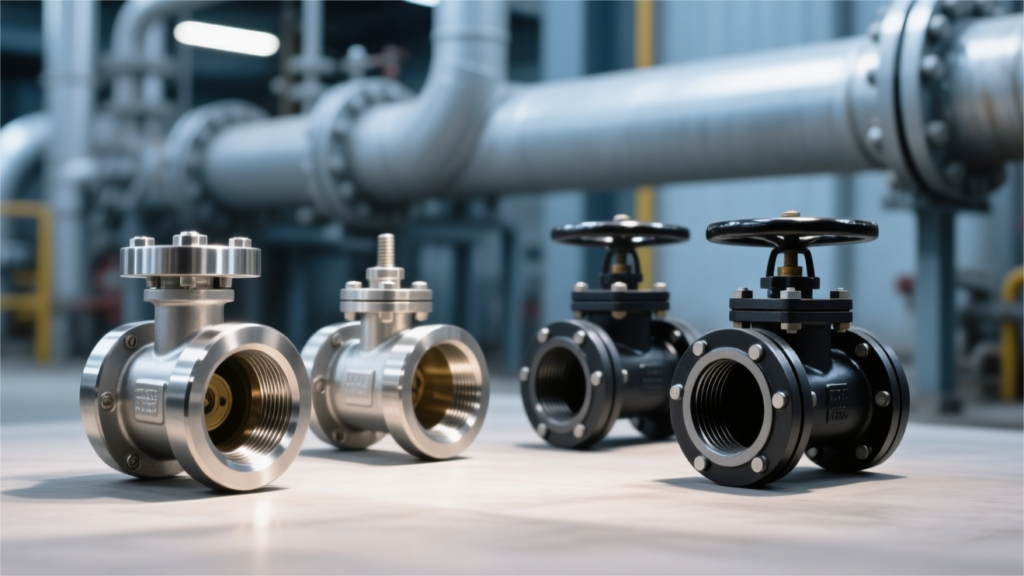
Ball valve manufacturers for oil and gas applications, such as Emerson and Flowserve, typically design to standards such as API 6D and API 608. Common pressure classes range from Class 150 to Class 2500, with upper limits approaching 1000 bar. Typical body materials include A105 carbon steel, 316L stainless steel, and duplex stainless steel. Material […]
What to Look for When Buying an Industrial Ball Valve | sealing performance, material options, low maintenance
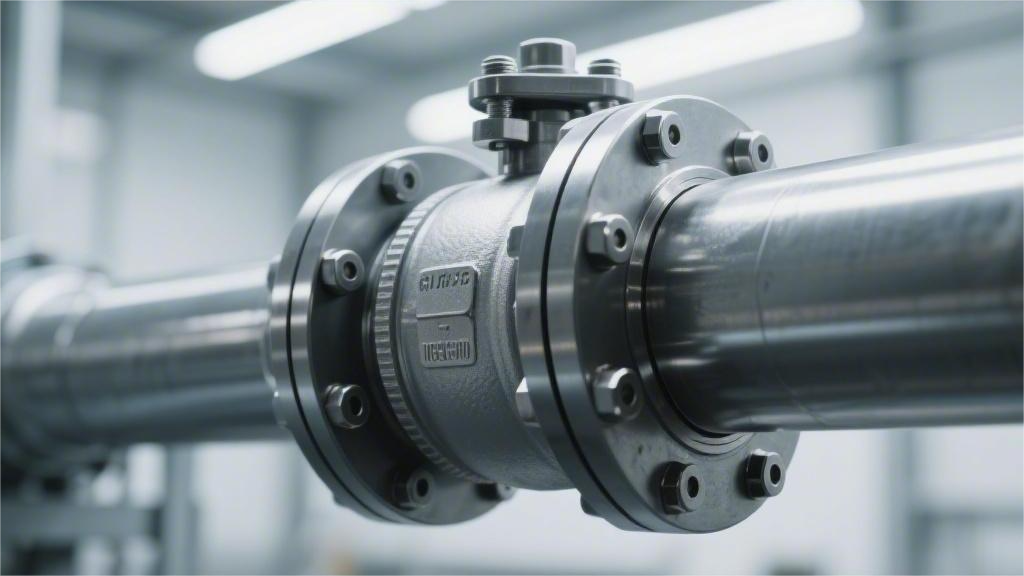
Industrial ball valve selection should target ANSI Class VI shutoff performance, with CF8M stainless steel as the preferred body material for PN64 high-pressure service. To reduce maintenance costs, specify an ISO 5211 direct-mount pad together with live-loaded self-compensating stem packing. Leaving a 15% torque margin during installation helps ensure smooth long-term operation and significantly extends […]
Which Industrial Ball Valve Material Is Best for Harsh Environments | stainless steel, carbon steel, chemical resistance
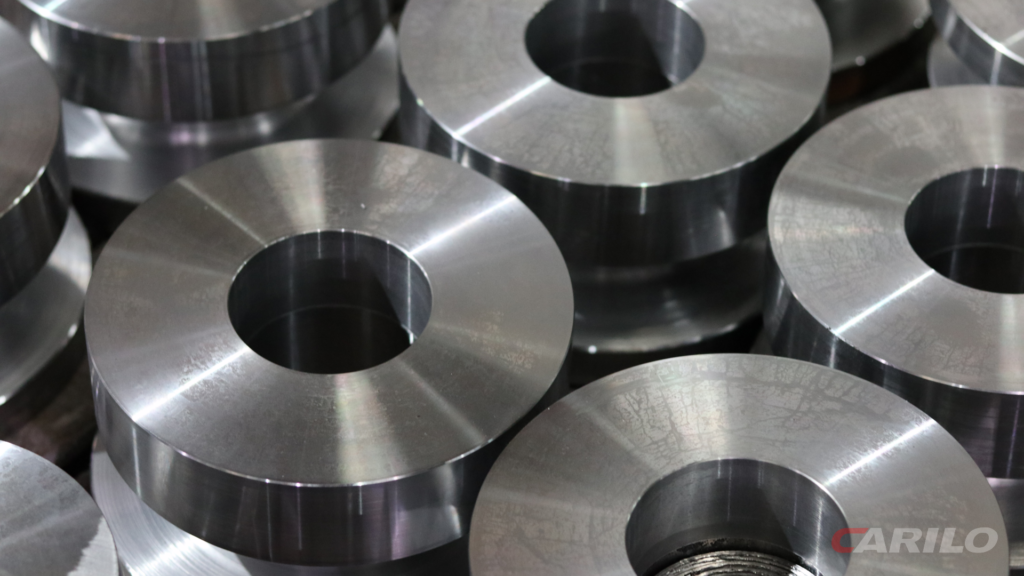
316 stainless steel ball valves outperform carbon steel in harsh environments. With 2%–3% molybdenum, they can withstand strong acid and alkali corrosion as well as temperatures up to 450°C. When selecting a valve, if the process fluid has a pH below 6, switch directly from carbon steel to a 316L flanged ball valve to prevent […]
What Is the Difference Between Full Port and Reduced Port Industrial Ball Valves | flow capacity, pressure loss, application fit
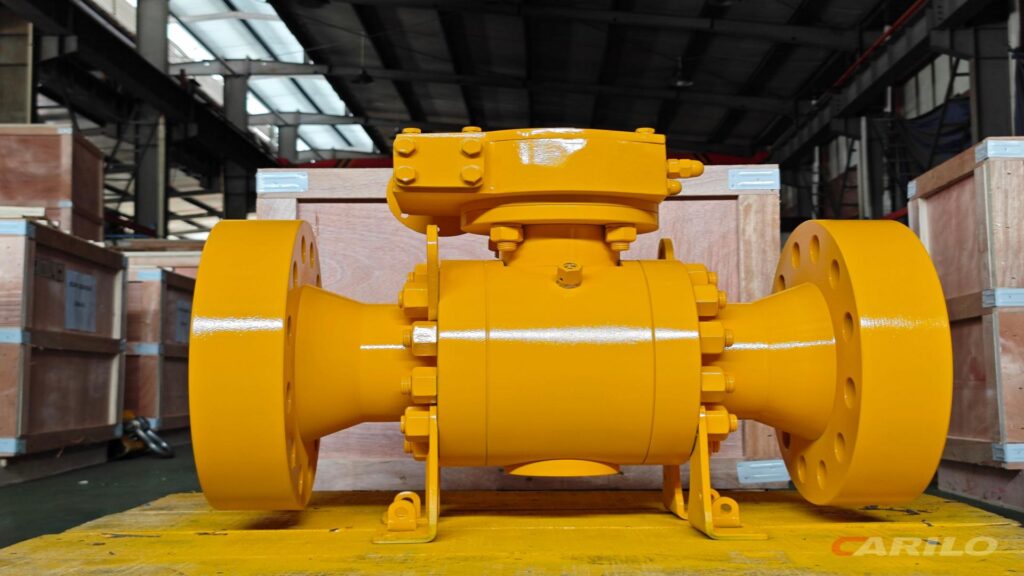
Full-port ball valves have a bore equal to the pipe I.D., delivering 100% flow capacity with extremely low pressure loss. They are ideal for applications that require pigging or the transfer of high-viscosity fluids. Reduced-port ball valves usually have a bore one size smaller than the pipe connection size—for example, a 2-inch valve with a […]
Best Industrial Ball Valve Options for High-Pressure Applications | sealing performance, body strength, service life
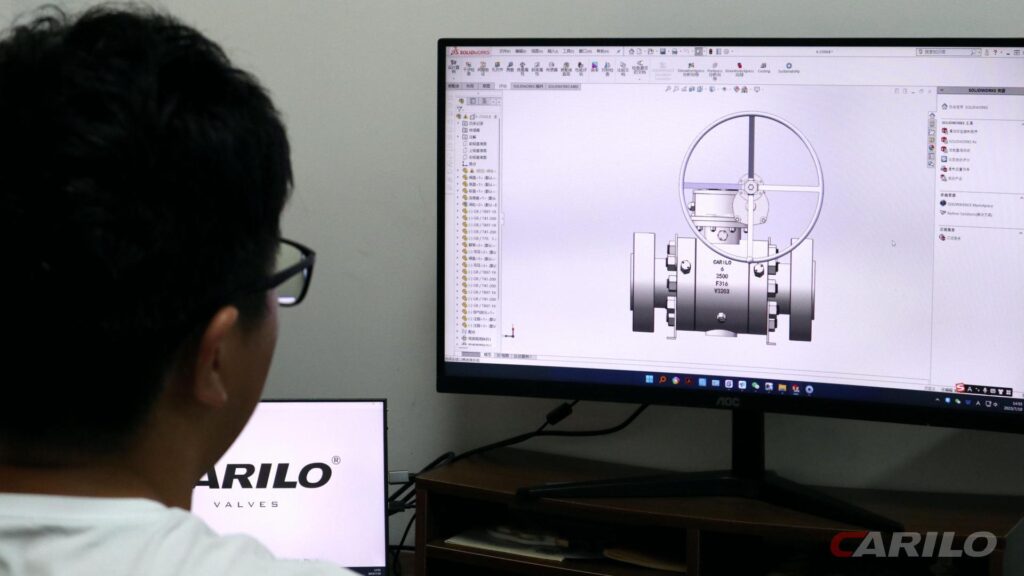
For extreme high-pressure service, a forged steel F316L trunnion-mounted ball valve is the preferred choice to withstand ultimate pressures up to 10,000 PSI. The sealing system should use a PEEK seat paired with a tungsten carbide coating to ensure zero leakage under a 400 bar differential pressure. A gear operator must be used for slow […]
How to Select an Industrial Ball Valve for Corrosive Media | corrosion resistance, seat material, long-term reliability
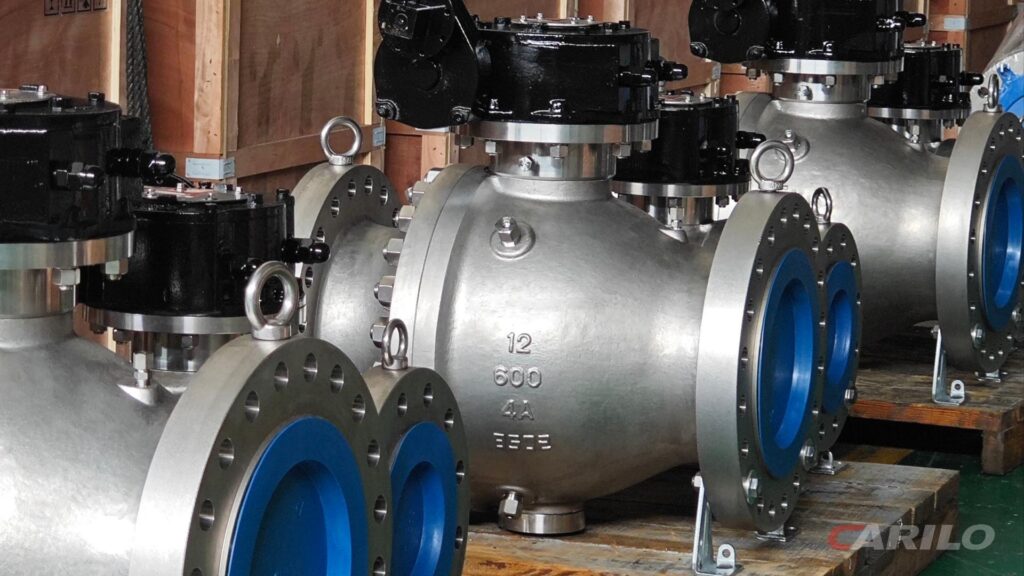
When selecting a ball valve for corrosive media, the valve body should use Hastelloy C-276 to withstand strong acids above 50% concentration, while the seat should be made of PFA-lined material rated to 260°C to ensure zero leakage. It is also recommended to test stem torque once every 5,000 open-close cycles to maintain long-term reliability. […]
Which Valve Fits Your Pipeline Better:Industrial Ball Valve vs Butterfly Valve? | pressure resistance, installation space, operating torque
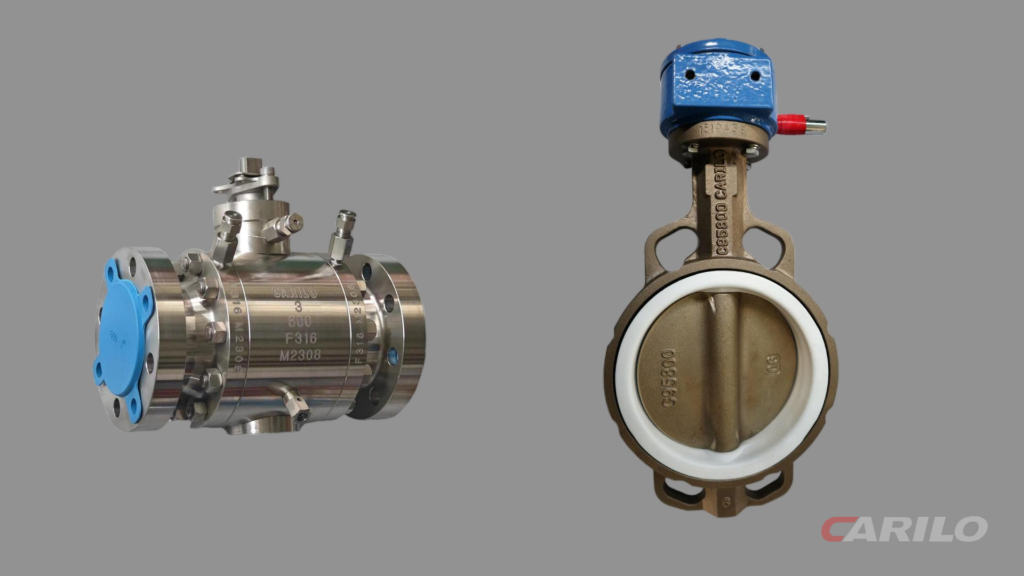
Industrial ball valves can handle pressures of up to 1,000 bar, but they require high operating torque and take up more space. Butterfly valves save a great deal of installation space, and their operating torque is only about one-third that of ball valves, but their pressure rating is usually limited to within 25 bar. For […]
Industrial Ball Valve Applications in Oil and Gas Pipelines | high pressure, fire safe design, operational safety
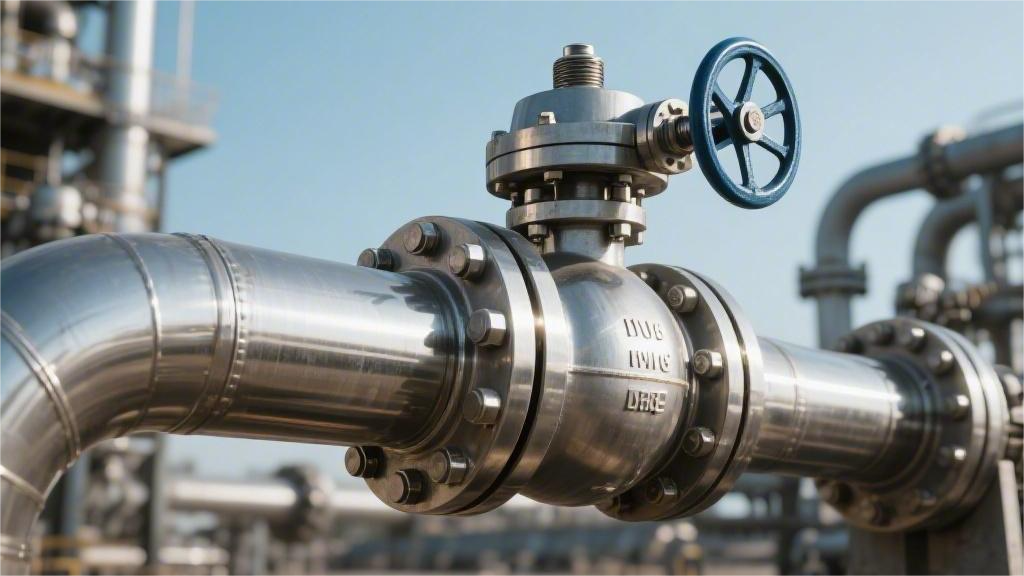
Industrial ball valves for oil and gas pipelines can withstand pressures of up to 10,000 PSI. The handle must be turned smoothly through 90 degrees to prevent water hammer in the pipeline system. For operational safety, the valve uses an anti-blowout stem design and complies with API 607 fire-safe standards. If a fire destroys the […]
Key Factors to Consider Before Buying an Industrial Ball Valve | connection type, operating pressure, application media
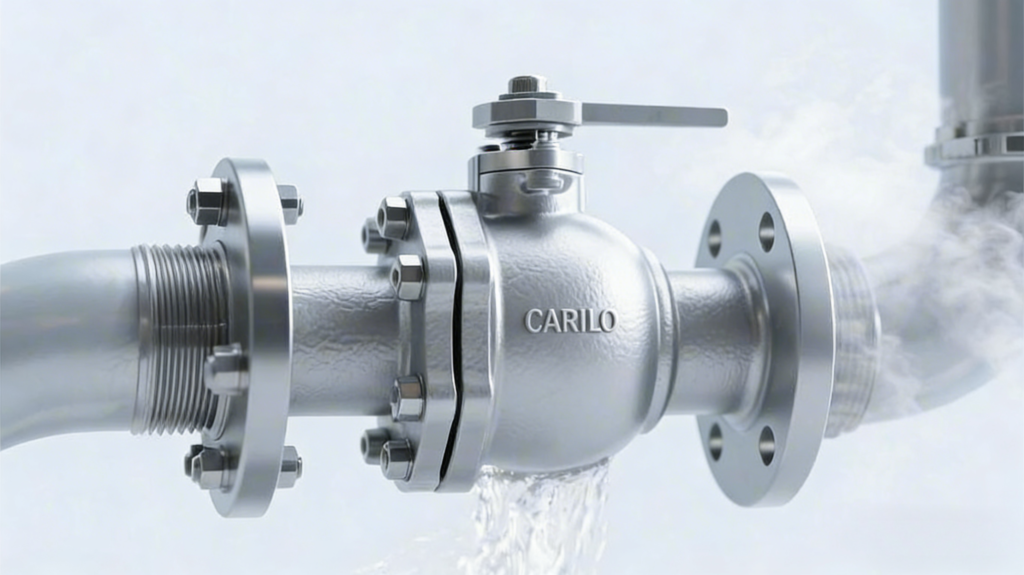
For highly corrosive media, 316L is recommended with a PTFE seat rated to 200°C. Check the operating pressure carefully. If system pressure exceeds 10 MPa, threaded connections must be avoided and replaced with flanged connections to prevent leakage. In actual operation, the handle must be turned a full 90 degrees in one motion to either […]
Common Industrial Ball Valve Failures and How to Prevent Them | leakage issues, seat wear, improper operation
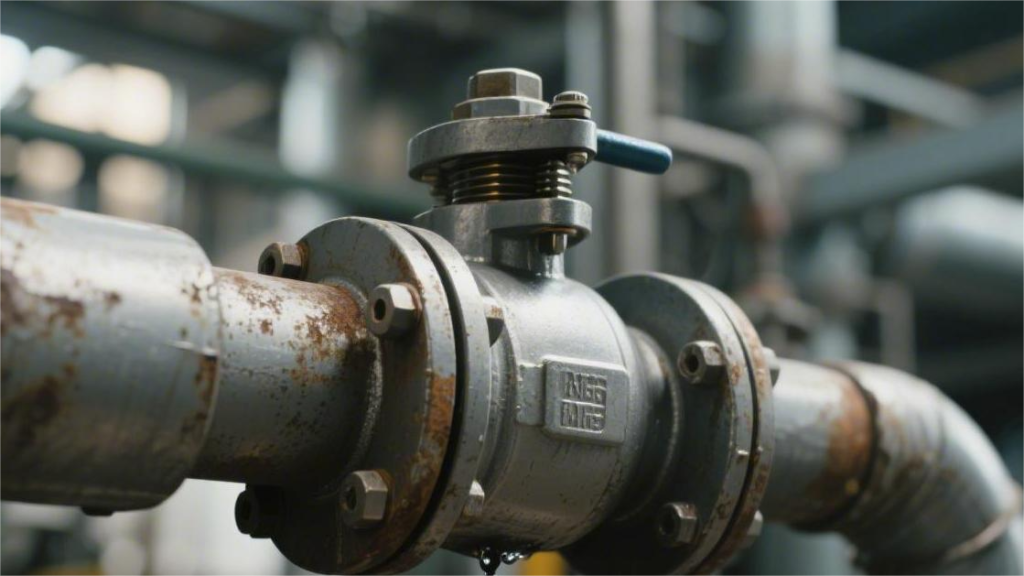
Internal leakage in ball valves and seat wear are often caused by improper operation. To prevent this, the valve must always be rotated the full 90 degrees to the fully open or fully closed position. It must never be left partially open for throttling, as high-velocity flow can erode and damage the valve body. For […]