
How to Avoid Common Problems When Installing a Ball Valve in the Field | Installation Alignment and Seal Protection
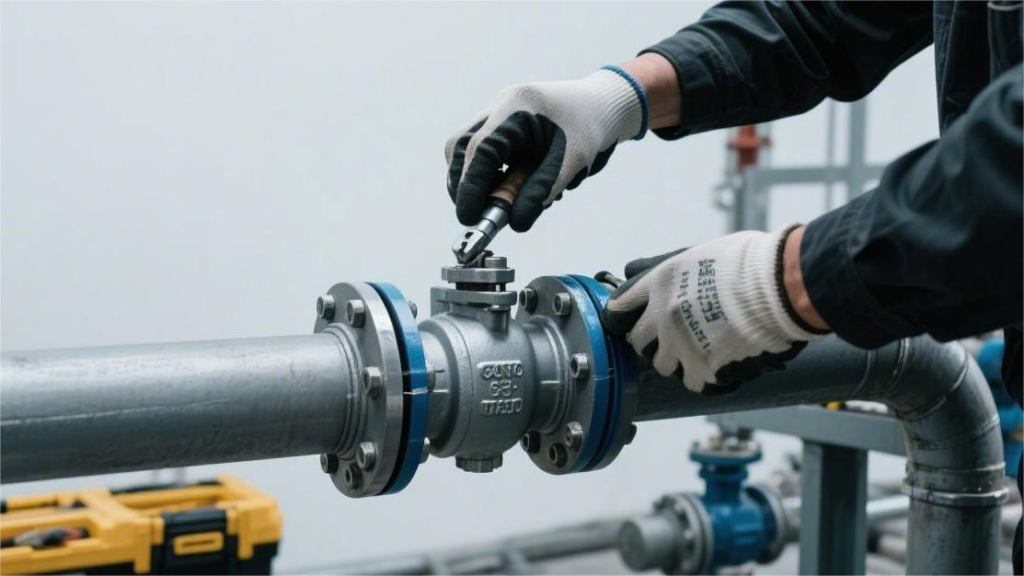
Installing ball valve when need guarantee pipeline coaxiality deviation ≤ 1mm, flange parallelism error ≤ 0.2°, avoid forced alignment produce stress; Sealing face installation before use non-woven fabric dip alcohol clean, prohibit scratching, bolts according to diagonal sequence divided 3 times tighten to rated torque 100%, test pressure controlled within 1.5 times working pressure inside, […]
What to Do Before and After Ball Valve Installation on Site | Pre-Installation Preparation and Post-Installation Testing
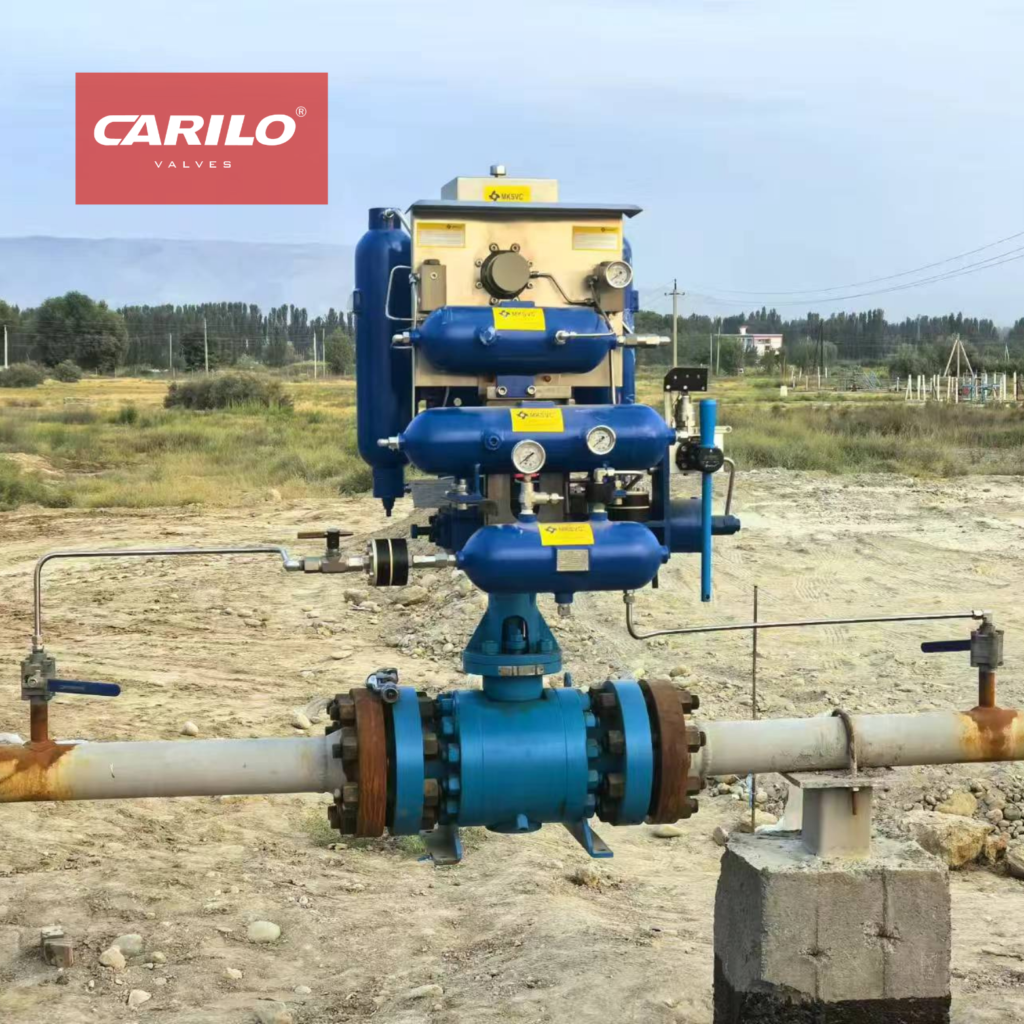
Ball valve before installation should check specification and pressure grade, perform appearance and sealing face inspection and use 0.5MPa air pressure pre-test no leakage, clean pipeline impurities; after installation according to 1.25 times working pressure perform water pressure test 10 minutes, allow trace leakage ≤ standard value, at the same time check opening/closing torque change […]
Ball Valve On-Site Installation: Key Points for Trouble-Free Use | Installation Positioning and Post-Installation Inspection
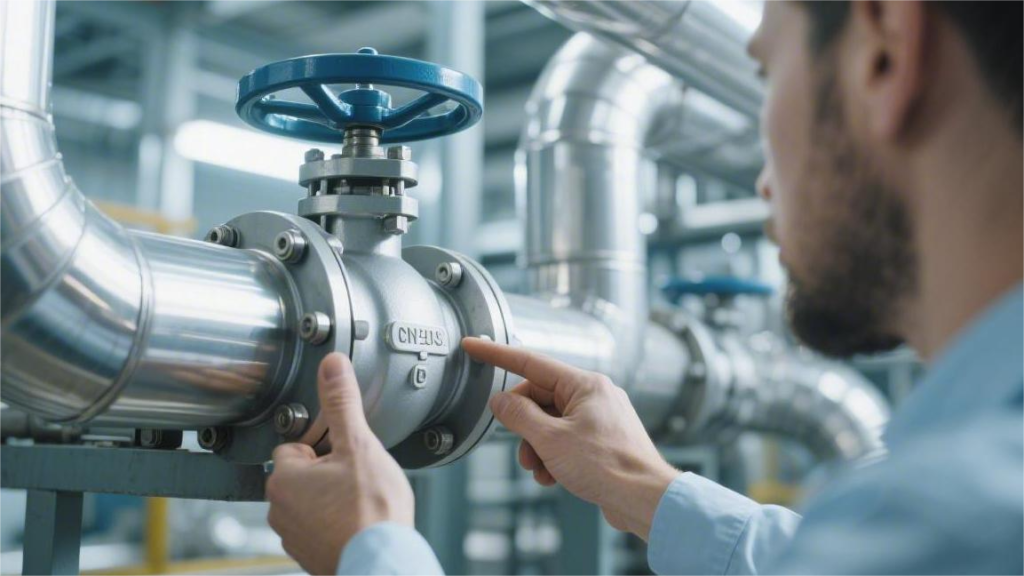
Ball valve field installation needs to ensure horizontal or vertical direction deviation is less than 1°, flange bolts according to diagonal divided into 3 times evenly tightened to 100% of design torque, before installation clean pipeline impurities, pigging test ensures unobstructed, after installation with 1.1 times working pressure perform sealing test, leakage rate must be […]
How Manufacturers Conduct API 607 Fire Tests for API 6D Ball Valves | Testing Procedures, Quality Assurance, and Fire-Safe Validation
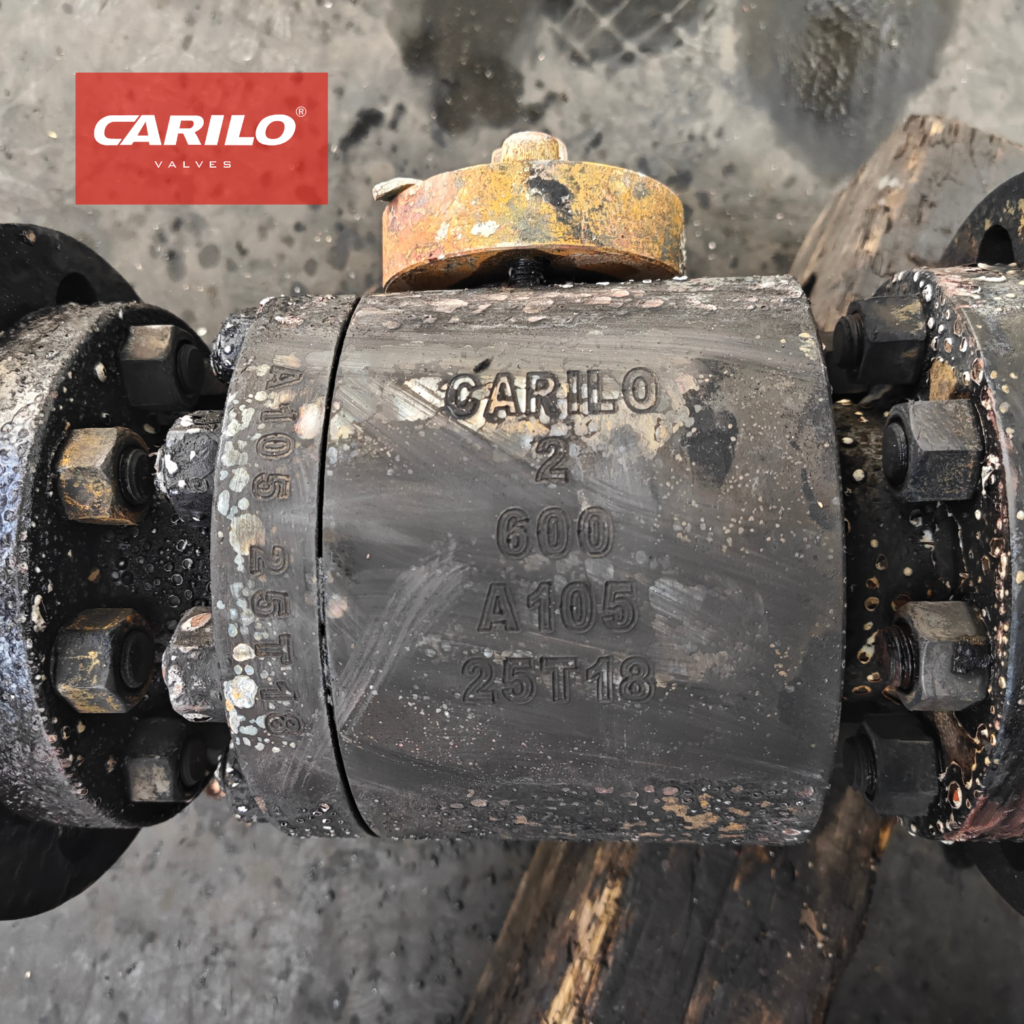
The manufacturer conducts a fire test on API 6D ball valves according to API 607, pressurizing the valve to 75% of the rated pressure, burning it in a 750–1000°C flame for 30 minutes, during which the leakage is continuously monitored not to exceed the specified value, and after cooling, seal and operating torque tests are […]
What Documents Are Needed for API 607 Fire Testing of API 6D Ball Valves | Required Documentation and Certification Requirements
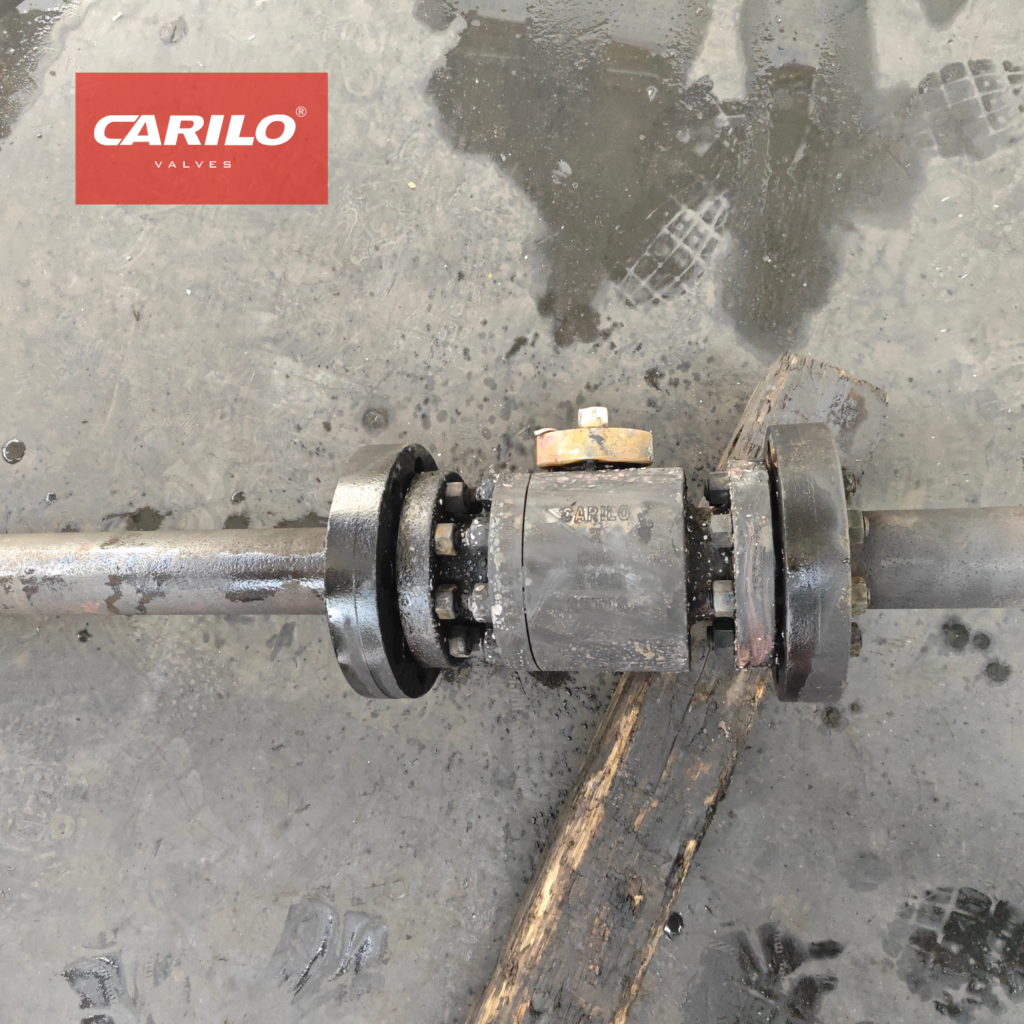
For API 6D ball valves to undergo API 607 fire resistance testing, design drawings, material certificates (EN10204 3.1), pressure rating and dimensional data, test procedures, instrument calibration certificates and type test reports must be provided. The test is usually conducted under a 650°C flame for 30 minutes, and leakage rate and sealing performance are recorded, […]
How to Pass API 607 Fire Testing with an API 6D Ball Valve Design | Fire-Safe Design Optimization and Leakage Control
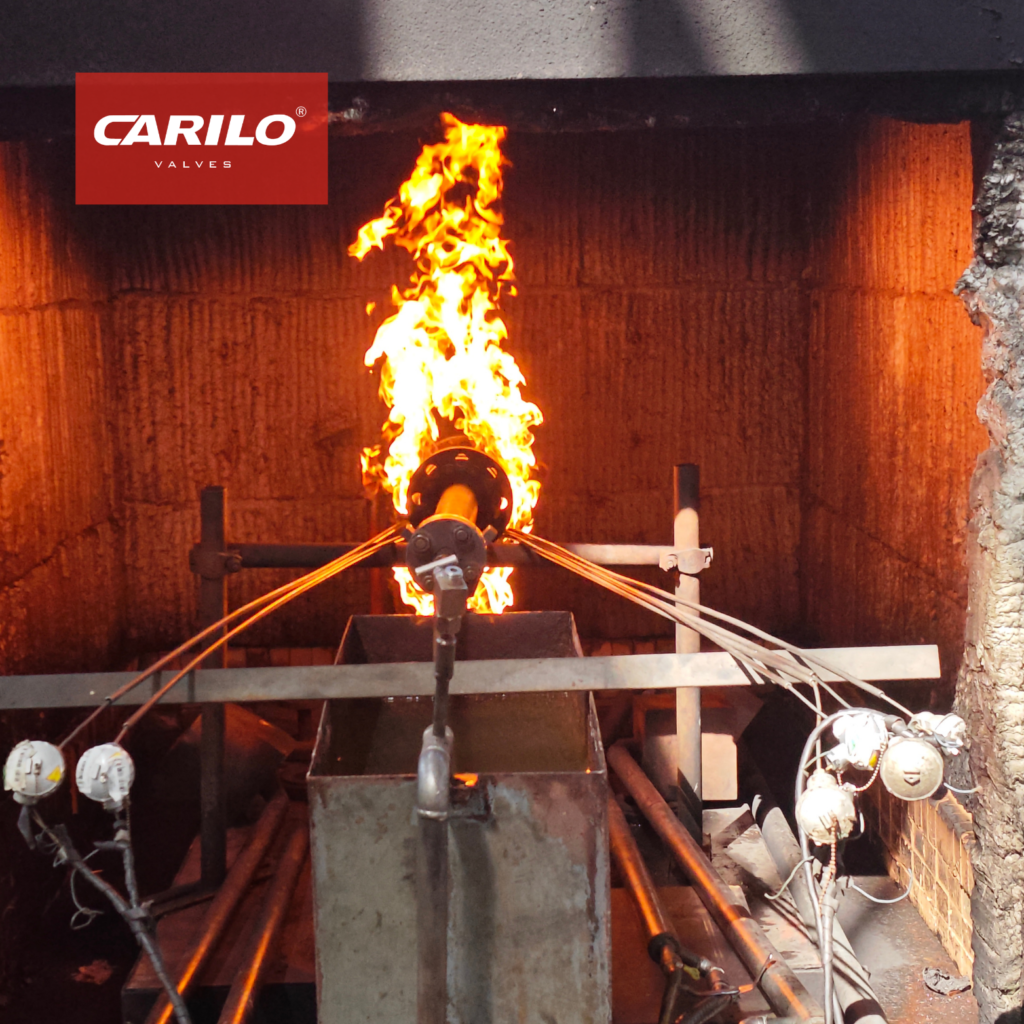
Adopt metal + soft seal dual structure, after fire burn metal seal leakage ≤ 100 ml/min;Packing select graphite withstand temperature ≥ 700℃;Valve seat add spring compensation structure, ensure after thermal deformation still fit;Conduct API 607 full process fire test and cold state re-test verification. design optimization Dual Sealing Mechanism When inside pipe pressure reaches 10 […]
What Inspection Items Matter Most When Buying an Industrial Ball Valve | pressure testing, surface finish, dimensional accuracy
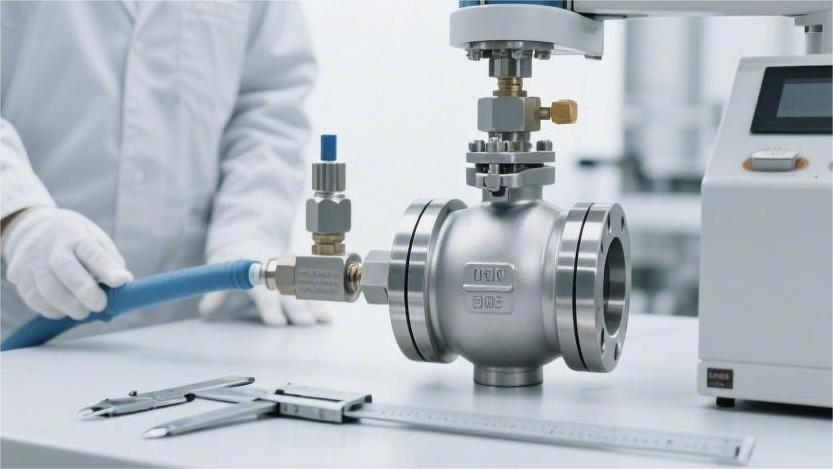
When purchasing industrial ball valves, focus on verifying that the hydrostatic test reaches 1.5 times the design pressure, the pneumatic sealing test shows zero leakage, the sealing surface finish is controlled to ≤ Ra 0.8 μm, and critical dimensional tolerances are held within ±0.05 mm. The opening and closing torque and concentricity should also be […]
What Causes Industrial Ball Valve Failure in Harsh Working Conditions | seal wear, pressure fluctuation, material mismatch
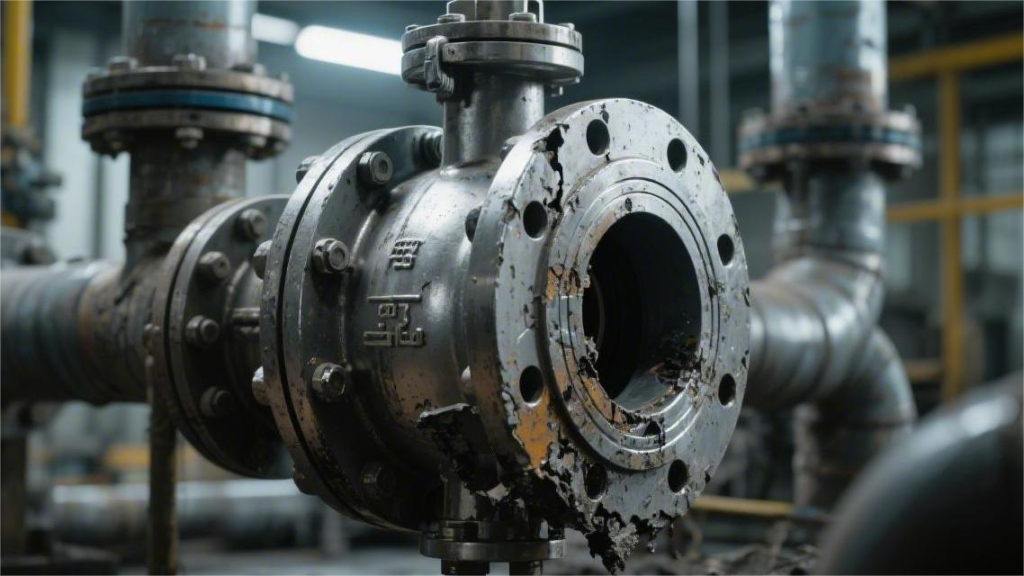
Industrial ball valves in severe service most often fail because seal wear exceeds 0.2 mm/year, pressure fluctuations go beyond ±20% of the design value, or materials are mismatched. In H₂S-containing service, for example, failing to use duplex stainless steel can sharply accelerate corrosion. During operation, torque variation should be monitored regularly; if it rises by […]
How Buyers Shortlist Ball Valve Manufacturers for New Projects | project fit, sample quality, certification readiness

When evaluating ball valve manufacturers, buyers first match the supplier’s offering to the project requirements, such as Class 300–1500 pressure ratings and service temperatures from -29°C to 425°C. They then assess sample performance against criteria including leakage within API 598 limits and opening/closing torque deviation within ±10%, while also confirming API 6D certification, ISO 9001 […]
What Makes Ball Valve Manufacturers Competitive in Global Markets | product quality, pricing strategy, delivery reliability
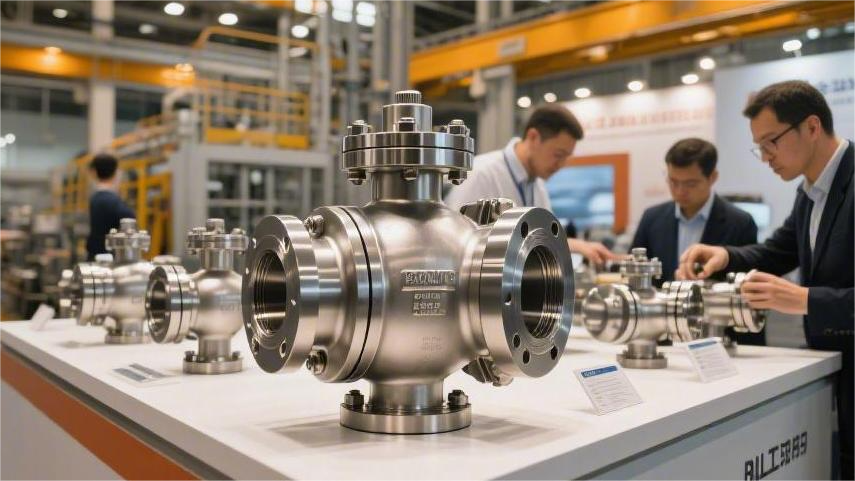
A ball valve manufacturer’s global competitiveness depends on maintaining a pass rate of at least 99%, pricing 5%–10% below comparable competitors, and keeping lead times within 30–45 days. It also requires API 6D certification, well-managed supply chain inventory with turnover within 60 days, and the use of CNC machining plus 100% air tightness testing to […]