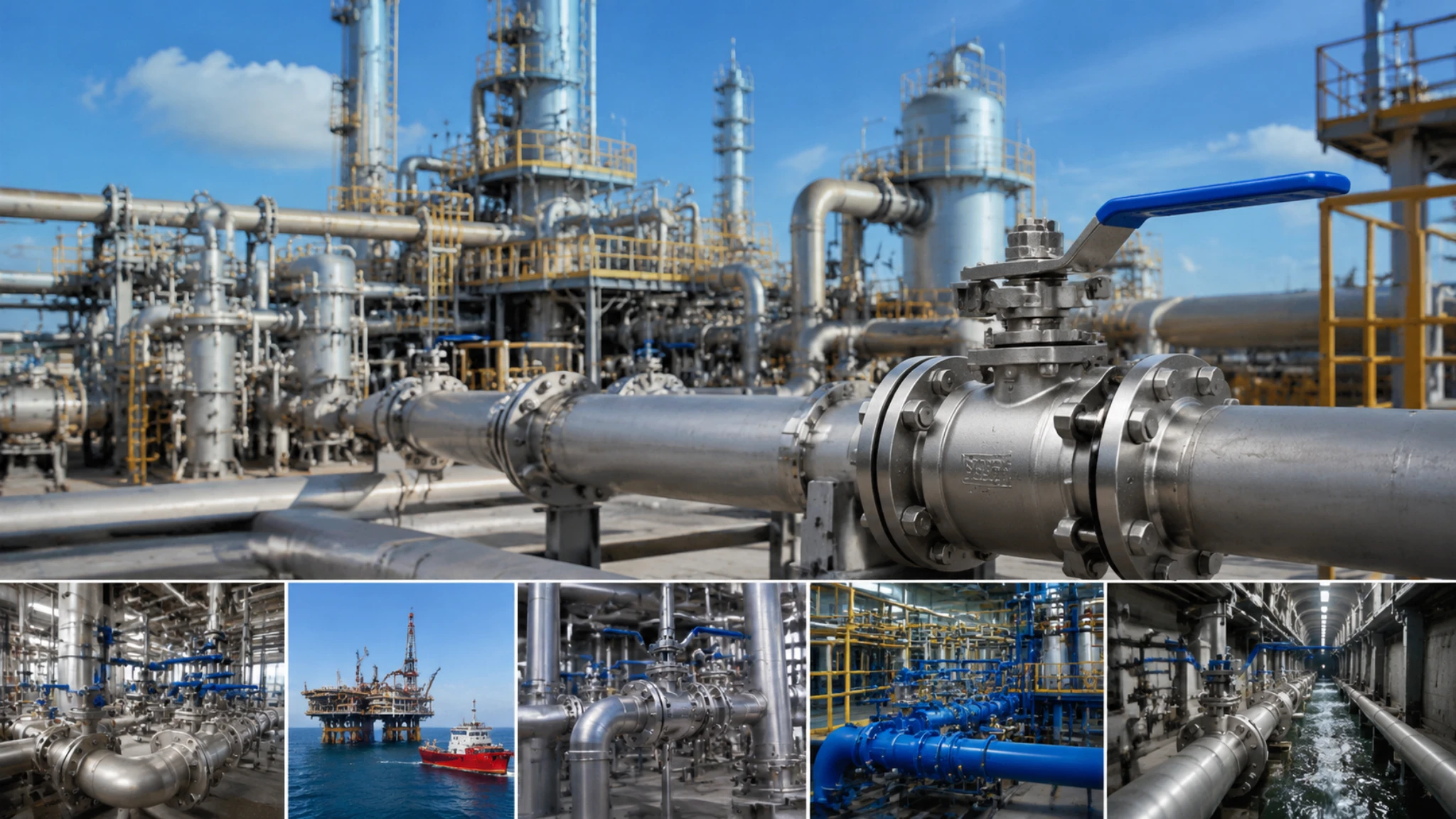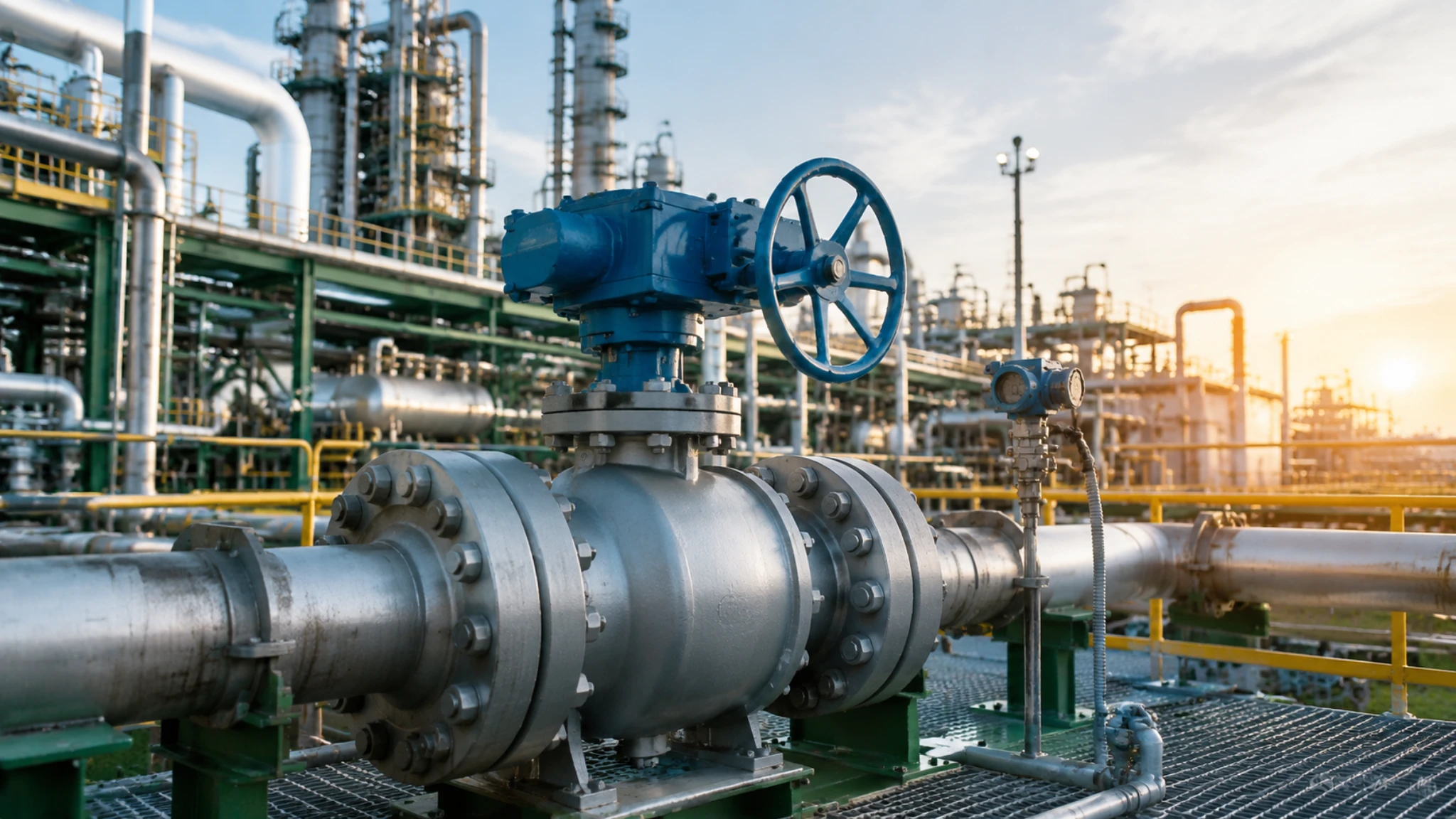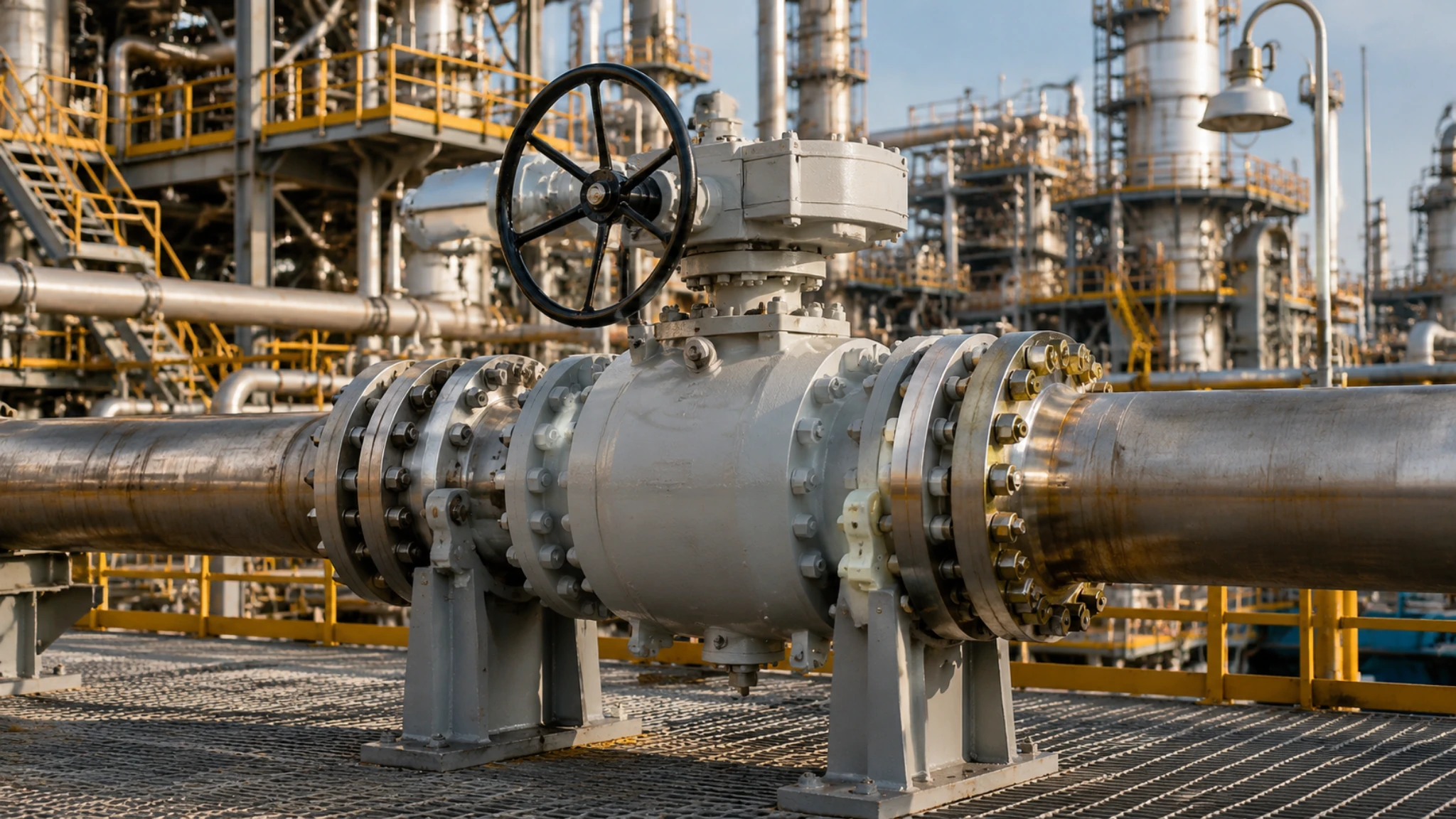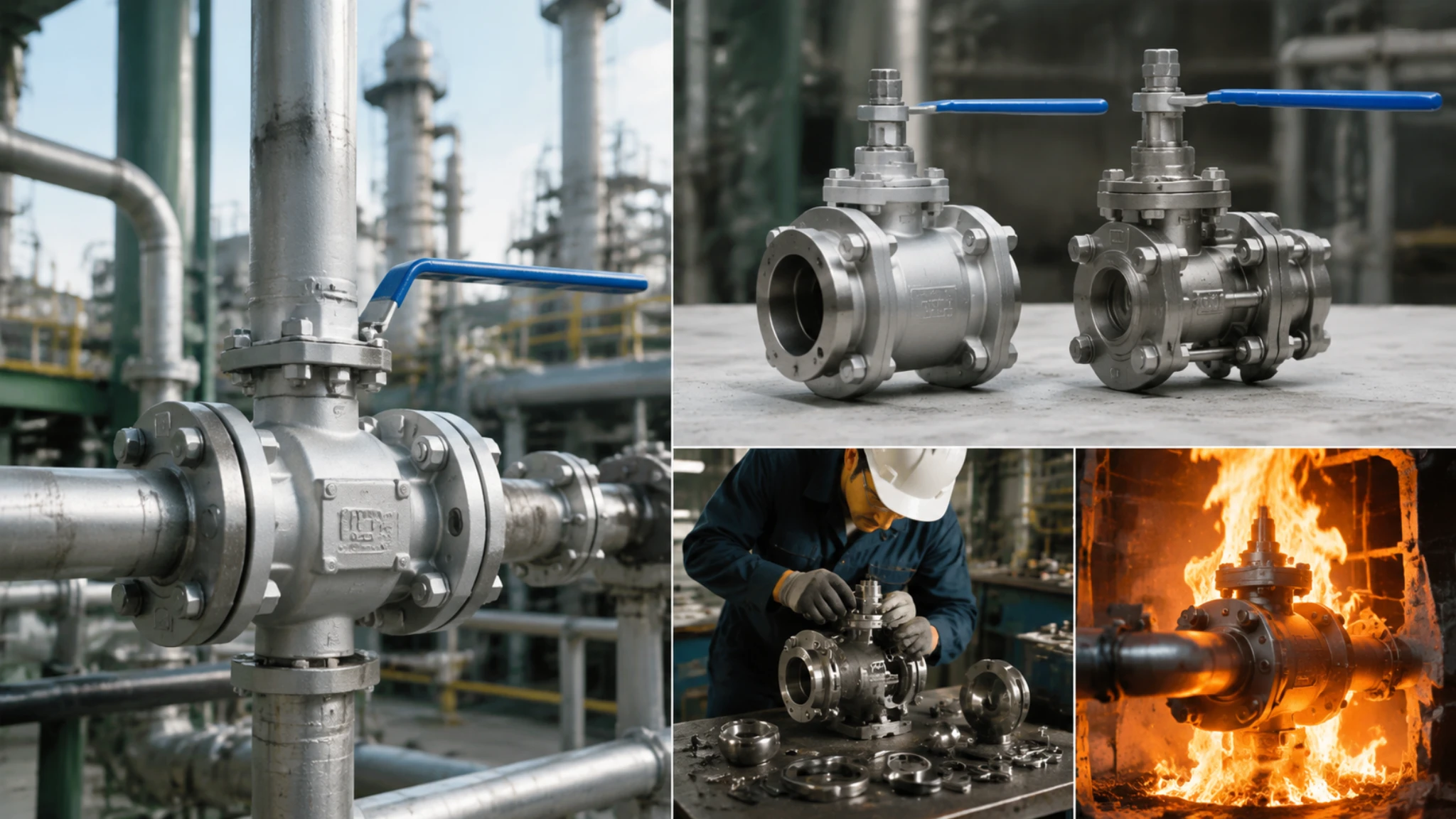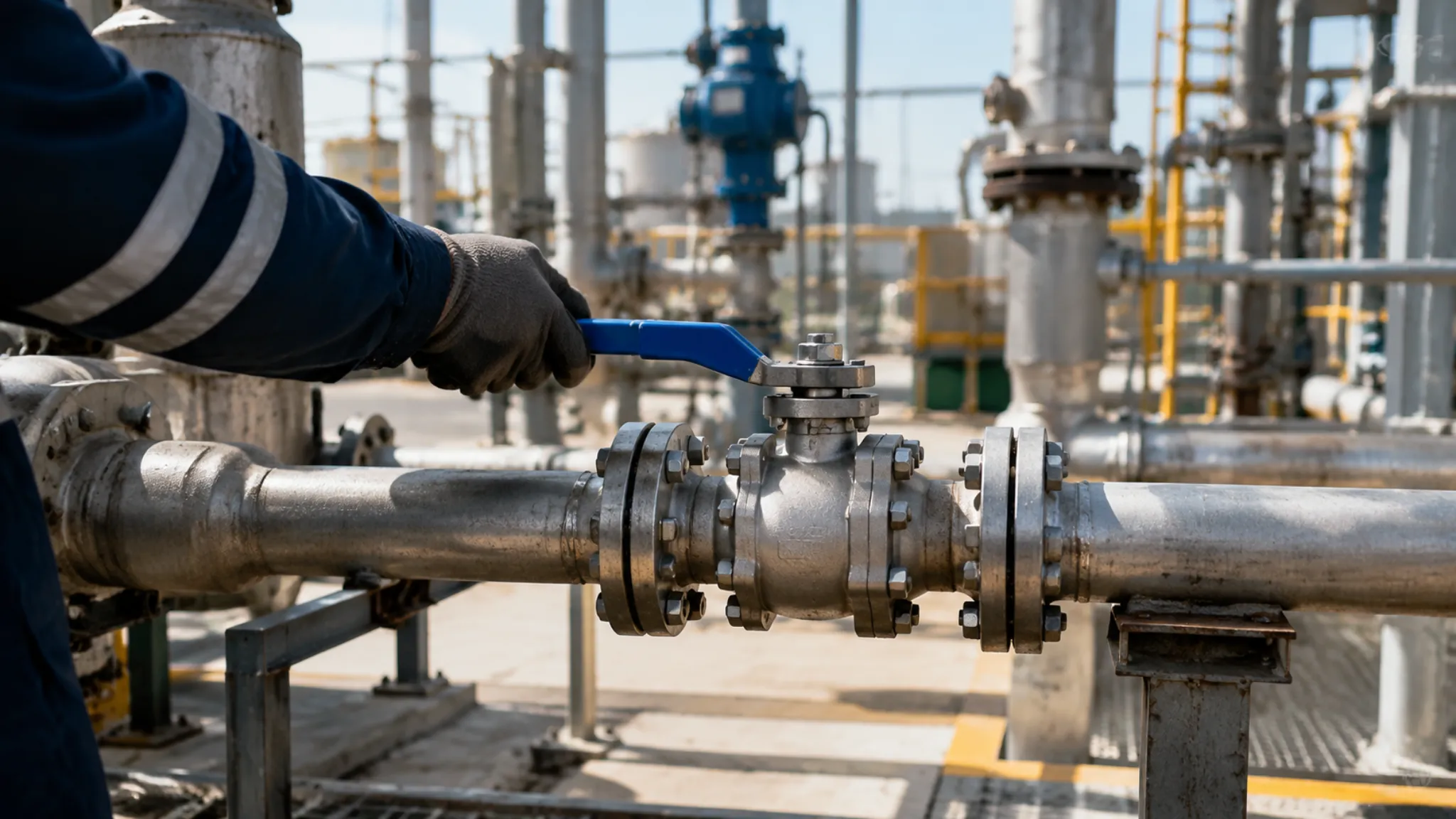
In 2023 the global industrial valve market reached approximately $85 billion, with ball valves accounting for over 30% of that figure — China is the largest export source, with annual exports exceeding $12 billion, and orders for Class 2500+ high-pressure large-diameter valves continue shifting toward Asian suppliers.
Forged and Cast Options
Cast vs Forged
In H4-1 I break down the three core differences between cast and forged valve bodies: internal defect rate, applicable pressure class, and cost structure. During solidification and cooling, castings easily develop micro-porosity that becomes invisible to the naked eye, while forgings eliminate internal voids through hot working — this microstructural distinction translates directly into pressure-bearing performance. ASME B16.34 explicitly states that large-diameter valve bodies at Class 600 and above should preferentially use forgings, because casting porosity becomes a fatigue crack initiation site under cyclic high pressure. I once helped a Middle Eastern client analyze the failure mode of a batch of Class 300 DN200 ball valves — cross-sectioning revealed a roughly 2mm diameter pore in the body sidewall located in the maximum principal stress zone, which after 15 thermal cycles produced a fatigue crack that propagated to leak-before-break within 3 additional cycles.
This case clearly illustrates the danger of casting defects in pressure-containing components. Forged valve bodies cost 30–50% more than castings, but their homogeneous grain structure with no voids significantly improves pressure-bearing capacity and fatigue resistance. At Class 900 and above, forgings are practically the only viable option for DN200 and larger. The cost premium is not arbitrary — forging dies and press equipment represent significant capital investment that smaller foundries cannot justify for low-volume high-spec orders. There is also a critical decision point during material selection: valve body weight and manufacturing cost follow a non-linear relationship. A Class 600 DN400 valve body has a wall thickness of approximately 36mm, while the same bore at Class 900 increases to 48mm — meaning material consumption rises by 33% but the forging cost increase is even larger due to additional hot working passes. Above Class 900, the material cost savings from choosing castings are quickly offset by manufacturing difficulty, making the forging approach more economical overall despite the higher unit price.
Supply chain geography also plays a role: major Chinese forging clusters in Jiangsu and Shandong have acquired advanced press equipment since 2018, enabling them to produce Class 900 DN500 bodies with wall thicknesses up to 60mm that previously only European mills could match. I typically recommend buyers request a forging die drawing and press tonnage report for DN400 and above to confirm the factory has adequate equipment. Castings, by contrast, require sand mold integrity and pouring temperature control — deviations cause cold shuts and shrink cavities that RT or UT can detect only if inspection is specified in the purchase order. If not specified, defective castings can slip through factory gates undetected.
| Comparison Dimension | Cast Body (A216 WCB/WCC) | Forged Body (A105/A182 F316) |
|---|---|---|
| Internal Quality | May contain pores, inclusions, shrink cavities | Homogeneous grain, no internal voids |
| Applicable Pressure Class | Class 150–300 typical | Class 150–2500 |
| Maximum Size at Class 300 | Approx DN300 | DN1200+ |
| Cost Premium vs Casting | Baseline | +30%–50% |
| Typical Application | General water treatment, low-pressure gas | HP natural gas, refining, offshore platforms |
Choosing Right Material
Choosing the wrong valve body material leads to corrosion perforation within 3 months — this is not an exaggeration or worst-case scenario. I reviewed a failure report from a Southeast Asian chemical plant and found that their use of A216 WCB valve bodies in a chloride-ion-containing process media resulted in pitting perforation of the body sidewall after just 18 months of service. The root cause was that WCB carbon steel has essentially zero resistance to chloride ion pitting corrosion, and they should have selected A182 F316 stainless steel with 2–3% molybdenum content instead. The total failure cost — plant shutdown, excavation, replacement material, and labor — exceeded $400,000 for a single DN150 valve body perforation. Material selection is not a commodity decision; it is the single highest-leverage variable in valve total cost of ownership.
The first decision node in material selection is determining whether the service contains H₂S. NACE MR0175 requires that materials in sour acidic service use Brinell hardness ≤235 HB, and WCB carbon steel without NACE heat treatment certification cannot be used in sulfur-containing oil and gas fields. The second node is the temperature threshold — PTFE soft seats have a maximum working temperature of approximately 200°C, above which metal-to-metal seats or RTFE (reinforced PTFE) must be specified. Exceeding the seat temperature rating causes seat deformation and fugitive leakage that is difficult to repair in-service. The third node is chloride concentration — 316 stainless steel (containing 2–3% Mo) pitting resistance is adequate up to approximately 200ppm chloride at 25°C, but above this threshold, or in sour service, 904L or 254SMO super-austenitic stainless steel is required. The market contains counterfeit 316 with molybdenum content as low as 0.05%, whose pitting potential in chloride environments differs by more than 300mV from genuine ASTM A182 F316 — always verify MTR chemistry before acceptance.
Carbon steel grades (A216 WCB/WCC) are suitable from -29°C to 425°C with the best cost-performance ratio for conventional water pipelines and low-pressure gas processes. Low-temperature steel A352 LC3 is specifically formulated for LNG service with guaranteed Charpy impact toughness of ≥27 J at -196°C. Low-alloy steel A182 F11 or F22 is used in high-temperature steam service above 450°C. Among stainless grades, A182 F316 is the standard trunnion ball and stem material across the oil and gas industry. Each material grade upgrade adds approximately 20–40% to procurement cost, but the avoided downtime, environmental remediation, and safety liability from a single corrosion failure far exceed the price differential — I recommend always running a life-cycle cost comparison before defaulting to the lowest-price material.
Pressure and Strength
ASME B16.34 temperature-pressure rating curves show that the same pressure class allows vastly different working pressures at different design temperatures. Class 300 has a rated pressure of 2.0 MPa at 260°C but rises to 5.0 MPa at 454°C — selecting a valve at ambient temperature rating and then using it at elevated temperature is the most common and most dangerous engineering error in valve specification. I once reviewed a project where the purchaser specified Class 300 valves for a 400°C steam header, not realizing that at 400°C the actual allowable working pressure of a Class 300 body drops to approximately 1.2 MPa — halfway through hydrotest, three valve bodies deformed plastically before the test pressure was even reached. Reference the P-T curve at the actual design temperature, not the ambient column.
Larger bore sizes see wall thickness escalate steeply with pressure class. DN400 at Class 150 has a wall thickness of approximately 18mm, which increases to 36mm at Class 600 and 48mm at Class 900 — this is not a linear relationship; the ASME B16.34 pressure area formula means that wall thickness must increase to maintain stress below allowable at the given pressure. Wall thickness increases mean that material cost, forging difficulty, and welding stress all compound simultaneously. This explains why factories capable of producing Class 600 valves above NPS 24 can be counted on one hand worldwide — the equipment capital requirement, the forging die complexity, and the NDE requirements for thick-section welds are all barriers to entry that keep the supplier pool very small.
There is also a frequently overlooked strength threshold for trunnion-mounted ball valves: the upper bearing static load safety factor. For DN800 Class 600 trunnion valves, many manufacturers quote a bearing safety factor of 1.2, but ASME B16.34 actually requires ≥2.0 for trunnion bearings under design load. Designs using insufficient safety factors may experience premature bearing wear and ball offset under high-temperature high-pressure cyclic service, causing seat face damage and proportional leakage. When wall thickness exceeds 45mm, preheating above 150°C before welding is required per ASME Section VIII, and post-weld heat treatment (PWHT) is typically mandatory — temperatures between 595°C and 650°C for 1 hour per 25mm thickness. Some suppliers skip PWHT to meet delivery schedules, causing weld zone hardness to exceed HRC 22 limits in H₂S environments within weeks, resulting in sulfide stress corrosion cracking. This is one of the most common fraudulent cost-cutting practices I have observed in competitive bidding scenarios.
Strict Quality Control
Factory Pressure Tests
API 598 is the minimum test standard that valves must pass before factory delivery, and I have personally witnessed the consequences of skipping this step. Shell test pressure is 1.5× the rated pressure, seat test is 1.1× the rated pressure, with water or compressed air as the test medium — any visible weeping at the bonnet, stem, or flange faces results in failure. I once visited a valve factory in Zhejiang to witness shell testing of a batch of Class 600 DN150 ball valves, during which two valve bodies showed leakage at the bonnet gasket groove when pressure was raised to 18 MPa. Cross-sectioning confirmed undetected casting slag approximately 1.5mm in diameter in the wall thickness — had this batch shipped without testing, the consequence at the plant startup pressure would have been a Bonnet Joint spray leak, which in hydrocarbon service could escalate to a Class I incident. Factory pressure testing is not a formality; it is the last line of defense before the valve enters the pipeline.
High-pressure hydrostatic testing has another easily skipped but critical step: the high-pressure seat test requires the valve body to withstand 1.5× rated pressure for 5 minutes with the back-seat plug removed, verifying structural integrity under worst-case pressure scenarios. The low-pressure seat test uses air at 0.4–0.7 MPa with a soap solution bubble-tight criterion. Passing the standard API 598 test does not guarantee fire-safe performance — API 607 fire test certification is a separate requirement for flammable-media service, which subjects the valve to elevated temperature followed by cold hydrostatic challenge. If the valve is used in upstream oil and gas or refinery hydrocarbon service, API 607 is effectively non-negotiable regardless of what the commercial specification states.
API 598 shell testing requires 1.5× rated pressure held for 30 minutes minimum, seat testing at 1.1× rated pressure with Class B bubble-tight criterion (zero visible leakage over 30-second observation window) — any visible leakage, sweating, or bubble formation results in FAIL, requiring valve disassembly, repair, and full retest.
Checking Material Grade
NACE MR0175 is the hard material threshold for H₂S acidic service, and I have personally encountered the cost of ignoring it. The specification limits Brinell hardness to ≤235 HB for carbon and low-alloy steels in sour service, and using materials that exceed this hardness threshold leads to sulfide stress corrosion cracking (SSCC) — a failure mode that can propagate to rupture within hours under high hoop stress. I reviewed a failure incident report from a Middle Eastern gas field where the purchaser selected WCB valve bodies without NACE MR0175 heat treatment certification for a sour gas gathering line with H₂S content of 80ppm. After 8 months of production, all valve bodies showed longitudinal cracks at the flange heel, and emergency shutdown with platform evacuation was required. The total loss — deferred production, crane barge mobilization, replacement valves, and flare venting — exceeded $2.3 million. This error was entirely preventable: verifying NACE heat treatment certification at procurement would have added approximately 5% to material cost and zeroed the failure probability.
Identifying counterfeit 316 is another key fraud-prevention checkpoint in procurement. Genuine ASTM A182 F316 should contain 2–3% molybdenum by weight; market samples of counterfeit material have shown Mo content as low as 0.05% — this is not a marginal specification deviation, it is a different alloy. The pitting resistance equivalent number (PREN = %Cr + 3.3×%Mo + 16×%N) for genuine F316 is approximately 24, while the counterfeit at 0.05% Mo drops to approximately 18 — this difference translates to a pitting potential gap of more than 300mV in 3.5% NaCl solution at 25°C. Reliable suppliers proactively provide Material Test Reports (MTR) with actual ICP spectrometry chemistry results, third-party SGS inspection reports, and hardness test records, all traceable to a heat number physically stamped on the valve body. The heat number on the MTR must match the body-stamped heat number — if they do not match, reject the delivery or quarantine for independent verification.
There is also a frequently overlooked pitfall: castings and forgings have entirely different material certification formats. A216 WCB certifications list casting-specific properties with separate foundry heat treatment records, while A105 certifications list forging-specific chemistry and mechanical properties with their own mill certification. The carbon equivalent ranges differ significantly between the two material standards, and using the wrong certification format in a hydrogen service application where ASME B16.34 governs can result in a material substitution non-conformance during project QA review. Verify that certifications match the physically stamped body material grade — an increasing number of EPC project QA teams are performing this cross-check as a standard incoming inspection step.
NACE MR0175 / ISO 15156 specifies: materials for H₂S-containing service have Brinell hardness upper limit of HB 235 for carbon and low-alloy steels, and austenitic stainless steels must meet minimum PREN requirements — procurement specifications must explicitly state the applicable NACE/ISO standard, and MTR reports must include Brinell hardness test results as a mandatory deliverable.
Inspection Steps
Many buyers think valve inspection is just checking the appearance and verifying nameplate data — in reality, a complete valve incoming inspection is divided into five distinct steps: visual appearance inspection, dimensional verification, non-destructive testing (NDT), hydrostatic pressure testing, and document review. I assisted a Vietnamese power plant project with third-party incoming re-inspection and found that the factory UT reports for a batch of Class 300 DN200 valves showed qualified results, but on-site retesting by our UT technician revealed 3 instances of lack-of-fusion defects exceeding 2mm in length in the lower Bonnet-to-Body weld — defects that the factory’s own UT operator had either missed or misreported. We quarantined the batch and required the supplier to conduct factory repair and retest at their cost. If this batch had been installed, the cost of in-service weld repair on a pressurized pipeline would have been 10–15× the cost of the valves themselves.
Visual inspection focuses not on aesthetics but on structural integrity markers: casting flow lines that indicate proper mold filling (absent flow lines in thin sections suggest cold shuts), stem protector integrity (a damaged stem protector allows moisture ingress that causes stem corrosion), undamaged flange face serrations (damaged serrations cause gasket leakage from the first startup), and gland follower alignment. Dimensional verification must cover critical functional tolerances: seat face parallelism affects sealing performance — out-of-parallelism exceeding 0.05mm causes localized seat contact stress and premature leakage. Body-to-flange face perpendicularity affects alignment in the pipeline — misalignment exceeding 1mm per DN creates gasket stress asymmetry that leads to flange joint weeping under pressure. Overall face-to-face dimension affects actuator mounting and pipeline fit — deviation exceeding ±1.5mm can prevent correct actuator connection.
UT testing is mandatory for high-pressure valve welds (ASME B16.34 requires UT of pressure-containing welds), with sensitivity to the 1mm notifiable level per ASME V. PT (liquid penetrant testing) is used for surface-opening defects on machined surfaces. Document review is often treated as administrative formality but is actually the most critical quality gate — it includes material certificates with actual measured values (not just “meets spec” statements), hydrostatic test records listing test pressure, hold time, temperature, and medium, heat treatment records with time-temperature charts for PWHT’d components, and welding procedure specifications (WPS) and procedure qualification records (PQR) for all pressure-containing welds. If a supplier cannot provide a complete documentation package that traces to the physical product heat numbers, this is a reliable indicator of systemic QM system deficiencies, and accepting delivery is at the buyer’s operational risk.
Global Export Logistics
Safe Export Packing
We learned the cost of inadequate export packing the hard way — on our first ocean freight order to a Middle Eastern client, we used minimal stretch wrap thinking it would be sufficient for a short transit. At the destination port, after 35 days inside a non-ventilated 40ft container, inspection revealed severe white rust on all exposed carbon steel surfaces, flange faces were contaminated with moisture-induced staining, and two stem surfaces showed corrosion pitting. The customer rejected the entire shipment pending recleaning and repassing, which cost more than the original packing budget would have been for all subsequent orders. After switching to marine plywood cases with interleaved VCI (vapor corrosion inhibitor) paper, silica gel desiccants (minimum 500g per cubic meter of container volume for tropical routes), flange protective plastic covers with gasket seals, and waterproof breathable canvas over the entire crating, rust claims dropped to zero across more than 200 subsequent shipments.
Temperature differentials inside ocean containers expose goods to condensation cycles that can exceed any reasonable dry storage assumption. During a voyage from Shanghai to Rotterdam, container interior temperatures can range from 5°C (at night in tropical latitudes) to 45°C (midday in tropical latitudes) — this 40°C swing creates multiple condensation cycles per day, each depositing moisture on cold metal surfaces. Humidity inside non-ventilated containers regularly reaches 60–80% RH even in non-tropical routes. Without adequate desiccant loading and vapor barriers, damage to uncoated carbon steel and sensitive machined surfaces is essentially guaranteed on voyages exceeding 14 days. ISO 1496-1 specifies the structural requirements for freight containers, but the internal microclimate is the buyer’s responsibility to manage through packing design.
Large-bore heavy valve export packing requires additional structural engineering. Valves at Class 600 and above with DN400 and larger typically weigh over 1.5 tonnes per unit — wooden crates need internal steel angle bracing and load-spreading timber dunnage to prevent crushing of the crate base under the unit’s point load during forklift handling. Flange faces must have both hard plastic flange covers AND felt or rubber gasket protective covers as double protection against impact damage during handling. Stems must be locked in the centered closed position using stem collar bolts to prevent ball offset from transport vibration — a stem not locked can shift in transit, wearing the seat faces and causing leakage that requires factory reseating to remedy. I recommend photographing every crate from four angles before closing and sealing, with photos attached to the shipping file — this documentation is the primary evidence supporting any transit damage claim against the freight forwarder or insurer.
Customs and Paperwork
When exporting industrial valves to European and American markets, the Certificate of Origin (CO) and the Material Traceability Report (MTR) are the two non-negotiable cornerstones of customs clearance — EU customs authorities treat industrial equipment imports as high-risk category requiring material compliance documentation, and valve shipments arriving without MTR face customs hold and documentation review that averages 7–12 working days, with a subset facing reexport orders. In 2022, EU border agencies rejected approximately 8% of industrial valve imports from Asia due to documentation deficiencies — the primary causes were missing MTR heat number traceability, unsigned or unstamped material certificates, and MTR chemical composition values outside ASTM material specification limits.
An MTR is not simply a material test report — it must contain the heat number traceable to the physical valve body, the full chemical composition including carbon, silicon, manganese, phosphorus, sulfur, and all key alloying elements (chromium, nickel, molybdenum, vanadium), the mechanical property results (tensile strength, yield strength, elongation at fracture, reduction of area, Charpy impact energy at the design temperature), the heat treatment condition with time-temperature cycles, and any special process records (NACE compliance heat treatment, PWHT charts). When sour service applies (NACE MR0175 / ISO 15156), the MTR must also include Brinell hardness test results with test location mapping. Some EU and US buyers additionally require API 6D or CE-PED Declaration of Conformity (DoC) signed by the manufacturer’s QA manager. The exporter’s responsibility is to ensure the MTR package is complete and accurate before the goods leave the factory — correcting documentation errors after customs hold is imposed typically costs $500–$2,000 per incident in agent fees and demurrage charges, on top of the delivery delay.
EU customs regulation (EU Regulation 2019/1020 on market surveillance) requires: industrial valve imports must provide MTR to verify that material composition matches the declared specification, and shipments arriving without traceable heat-number-to-product MTR linkage face average customs clearance delays of 7–12 working days, with some lots subject to physical sampling and laboratory analysis before release.
Shipping Around World
Globe-wide, valve factories capable of producing large-bore heavy trunnion valves above NPS 36 (DN900) number no more than 12 — the logistics solution for such valves is itself a specialized engineering discipline. A DN900 Class 300 ball valve has a face-to-face dimension of approximately 1.9m, a body width of approximately 1.4m, and a single unit weight of approximately 12 tonnes. This exceeds the handling limits of standard 20ft and 40ft containers in three ways: the width exceeds standard container internal dimensions, the weight exceeds the 28-tonne maximum gross weight of standard containers when loaded, and the face-to-face dimension exceeds 40ft container length for Class 300+ bodies. The practical solutions are open-top containers (with the valve protruding above the container top rail, requiring securing lashing and a flatrack pad), flat rack containers (with the valve sitting directly on the container floor with timber dunnage and lashing), or breakbulk shipping on a platform trailer.
Ocean freight costs for DN900 Class 600+ valves can be 3–5× higher than standard container rates, and not all destination ports have the crane capacity to handle single units above 12 tonnes — port crane capacity must be verified with the destination port authority before booking, or heavy-lift port surcharges will apply. For standard-size valves at Class 150 and Class 300 (DN50–DN300), 20ft standard containers are the most economical solution — but before loading, verify that stems are locked in the closed position with the stem collar bolt, valve bodies are braced with timber chocks and wedges on all four sides to prevent any movement during transit, flange protective covers are sealed with adhesive tape to prevent dust and moisture ingress, and photographs are taken as loading evidence. I once observed a shipment where the stem collar bolts were not torqued before loading — 15 days of ocean vibration caused the stem to rotate approximately 45 degrees, wearing the seat face in a groove that required factory grinding to repair, at a cost of $8,400 plus freight and downtime — torquing four bolts takes 10 minutes and costs nothing.
For offshore platform valve orders, the mandatory surface treatment standard is ISO 12944 C5-M (high corrosivity marine environment), which requires a minimum paint film thickness of 280μm in the final coat system, verified by magnetic thickness gauge at the factory before shipment. Salt spray resistance per ASTM B117 must exceed 2,000 hours for the complete coating system. Exported valves must be packaged on kiln-dried heat-treated timber (ISPM 15 HT mark) or non-wood alternatives like plywood or OSB — some destination countries, particularly Australia, New Zealand, and the US, have strict biosecurity import controls that reject non-heat-treated wooden packaging, and ISPM 15 compliance is now a baseline export packing requirement for all wood packaging material regardless of destination.
ISO 12944 C5-M corrosion class is the mandatory surface treatment specification for offshore platform valves in marine environments — the supporting anti-corrosion coating system must meet ISO 12944-6 durability requirements of at least 15 years to first maintenance, with factory dry film thickness (DFT) verification using calibrated magnetic thickness gauges and adhesion testing per ASTM D3359 Method A required before shipment.
Chinese valve suppliers’ competitive core has already shifted from price to quality and delivery reliability — selecting the correct forging or casting solution based on pressure class and service conditions, rigorously verifying material reports against physical product stamping, executing API 598 pressure tests without exception, and standardizing export packaging and documentation are the four critical control nodes that ensure overseas projects are not halted by valve problems. Any impulse to cut costs or compress schedules at any step can multiply losses many times over — a single valve non-conformance can halt pipeline commissioning worth millions per day.