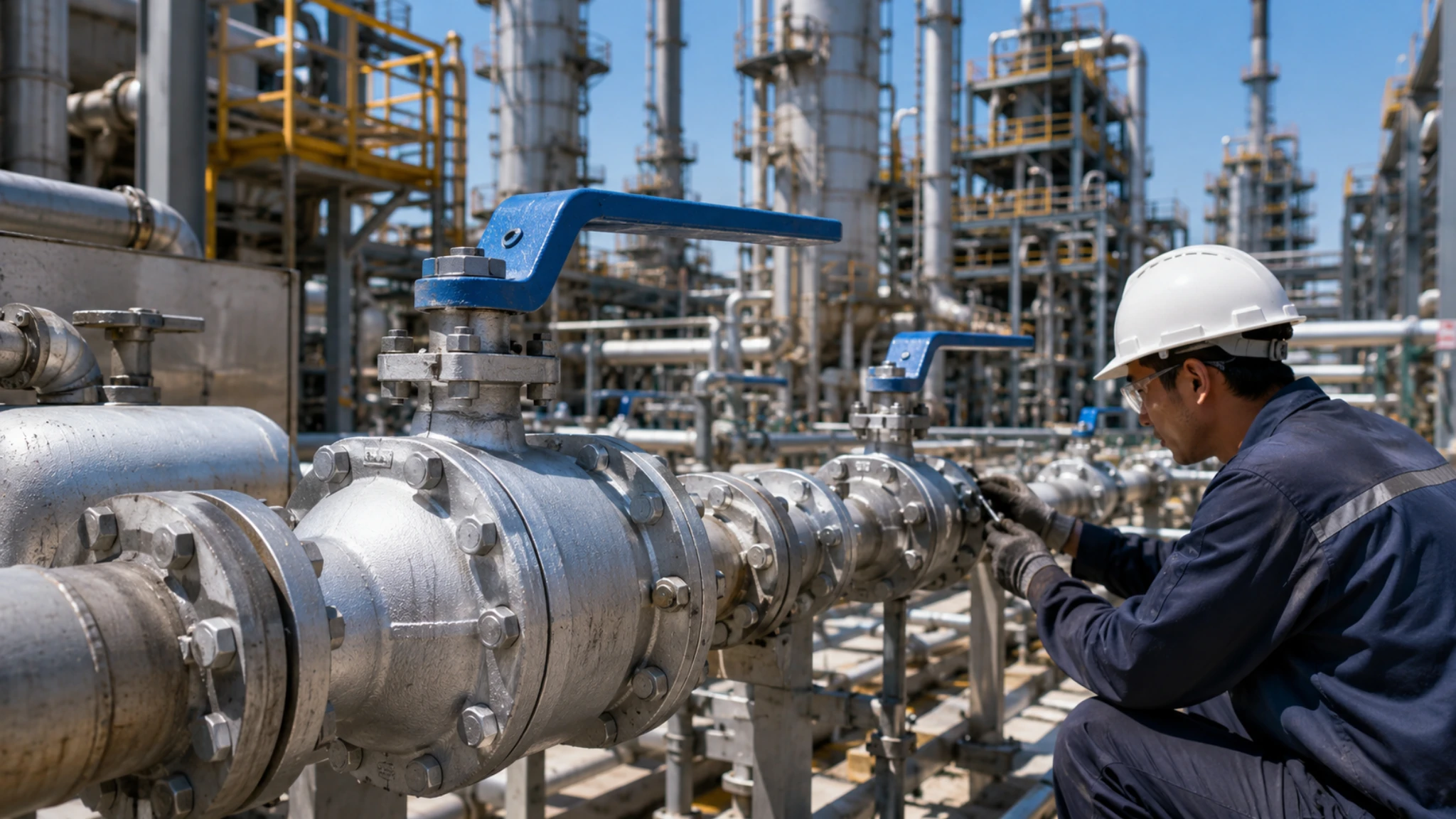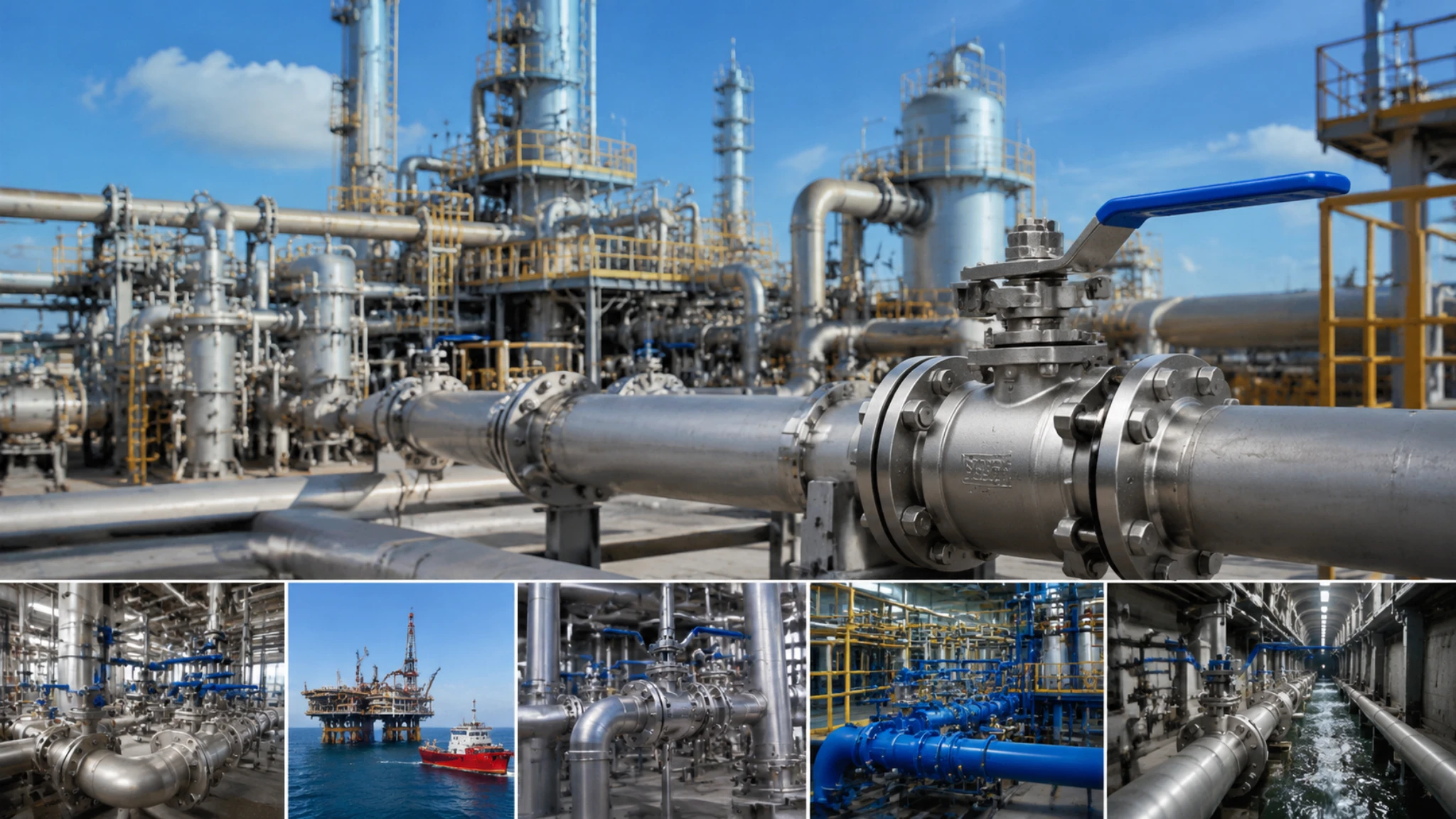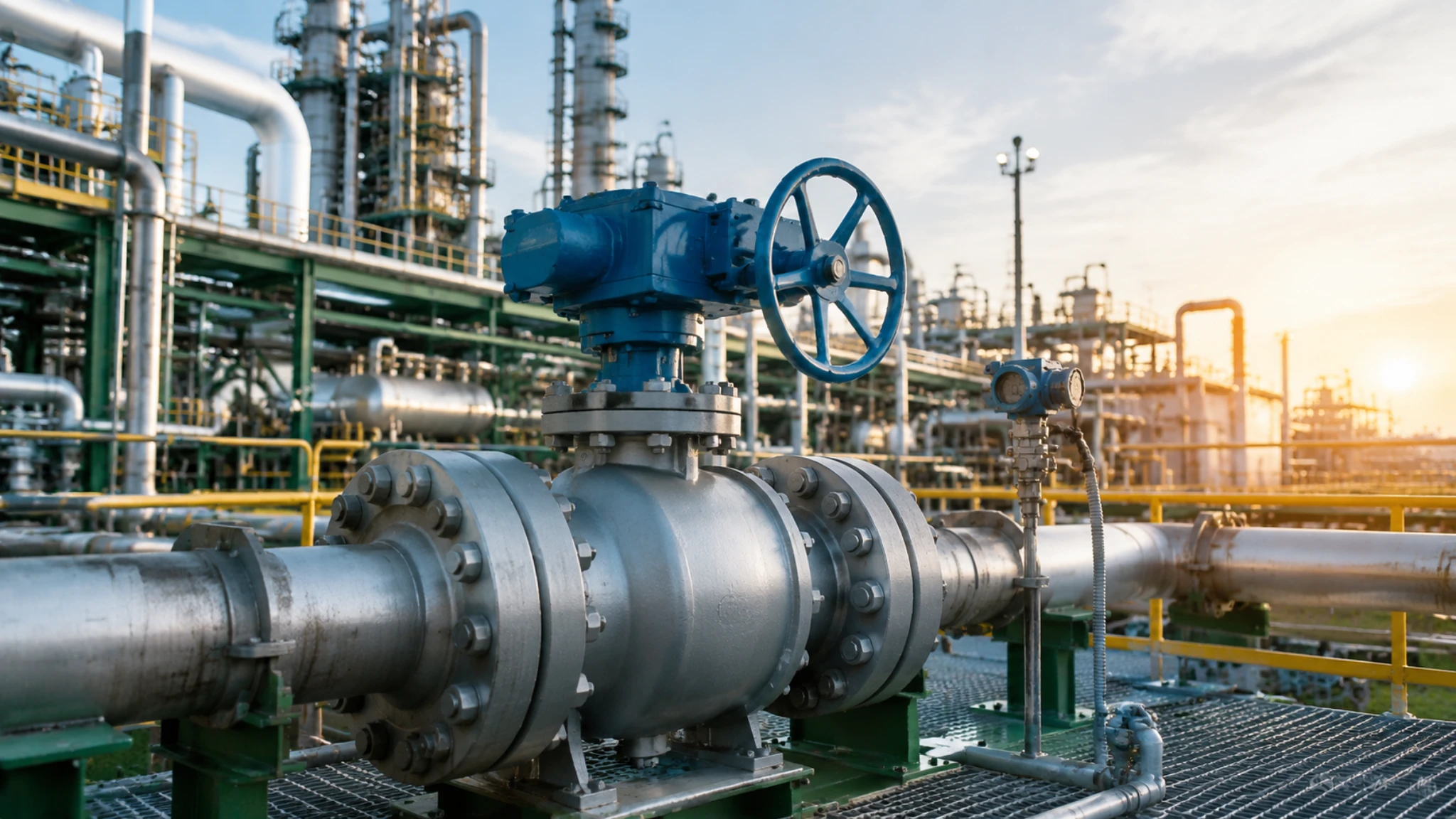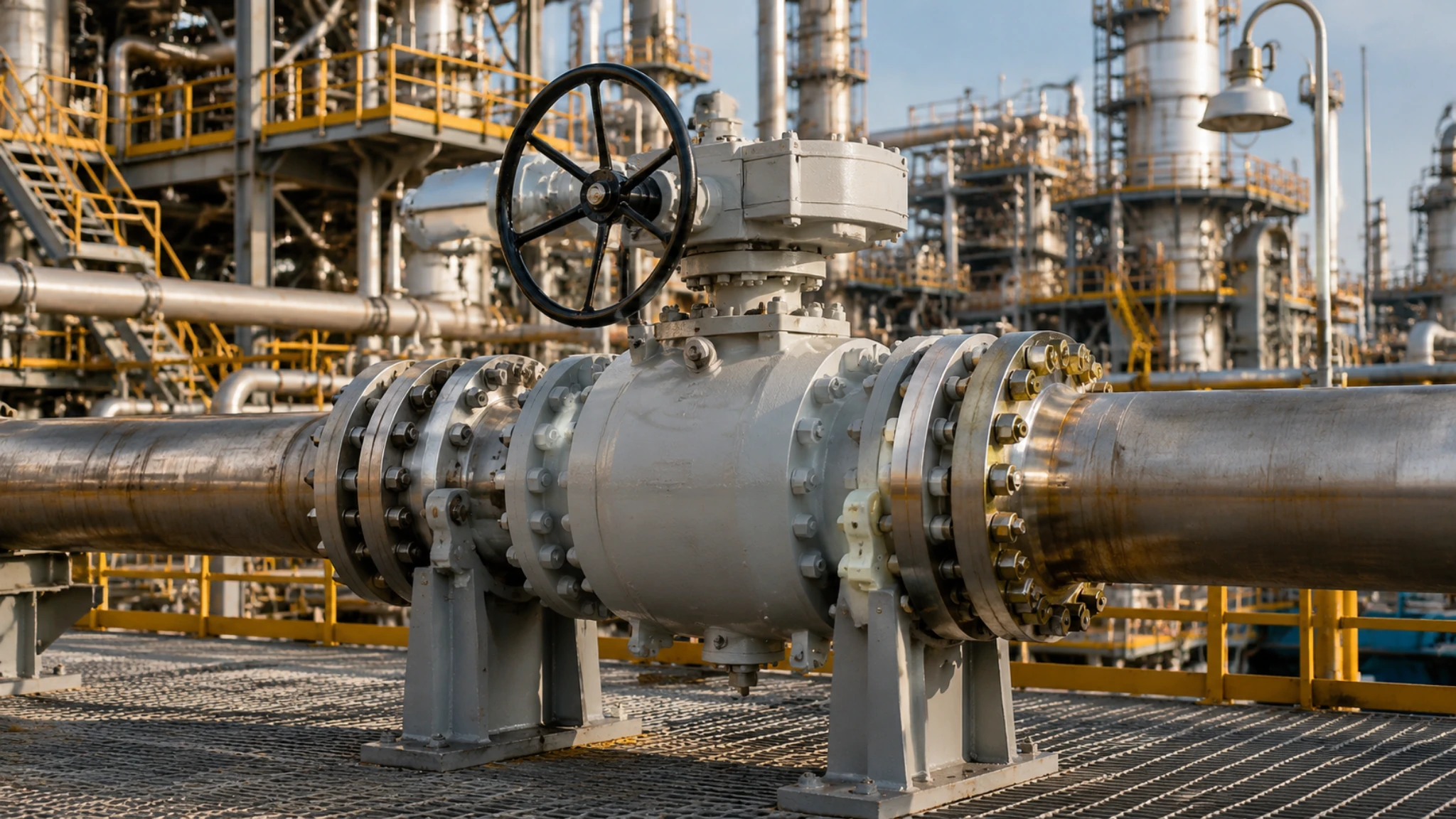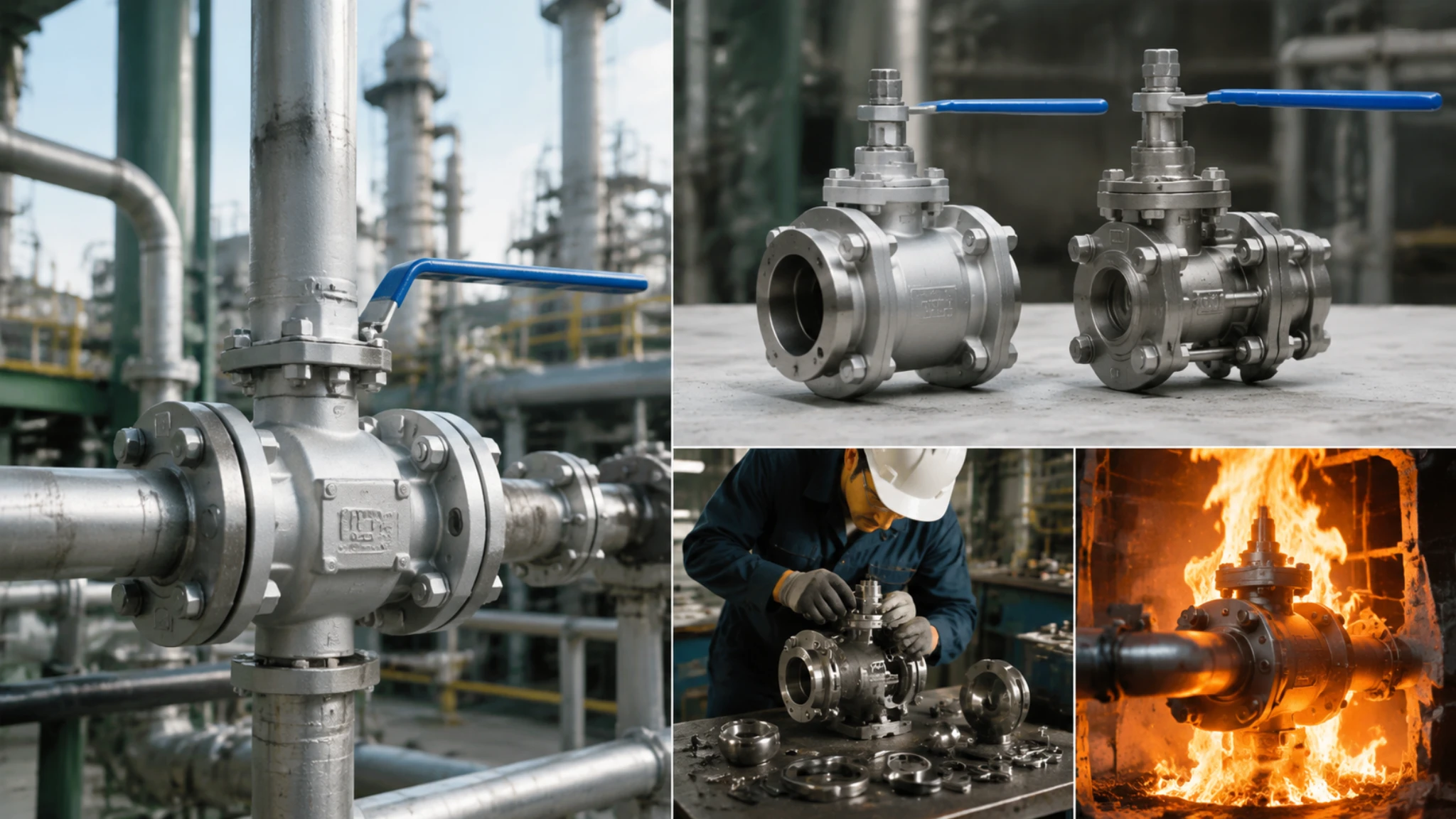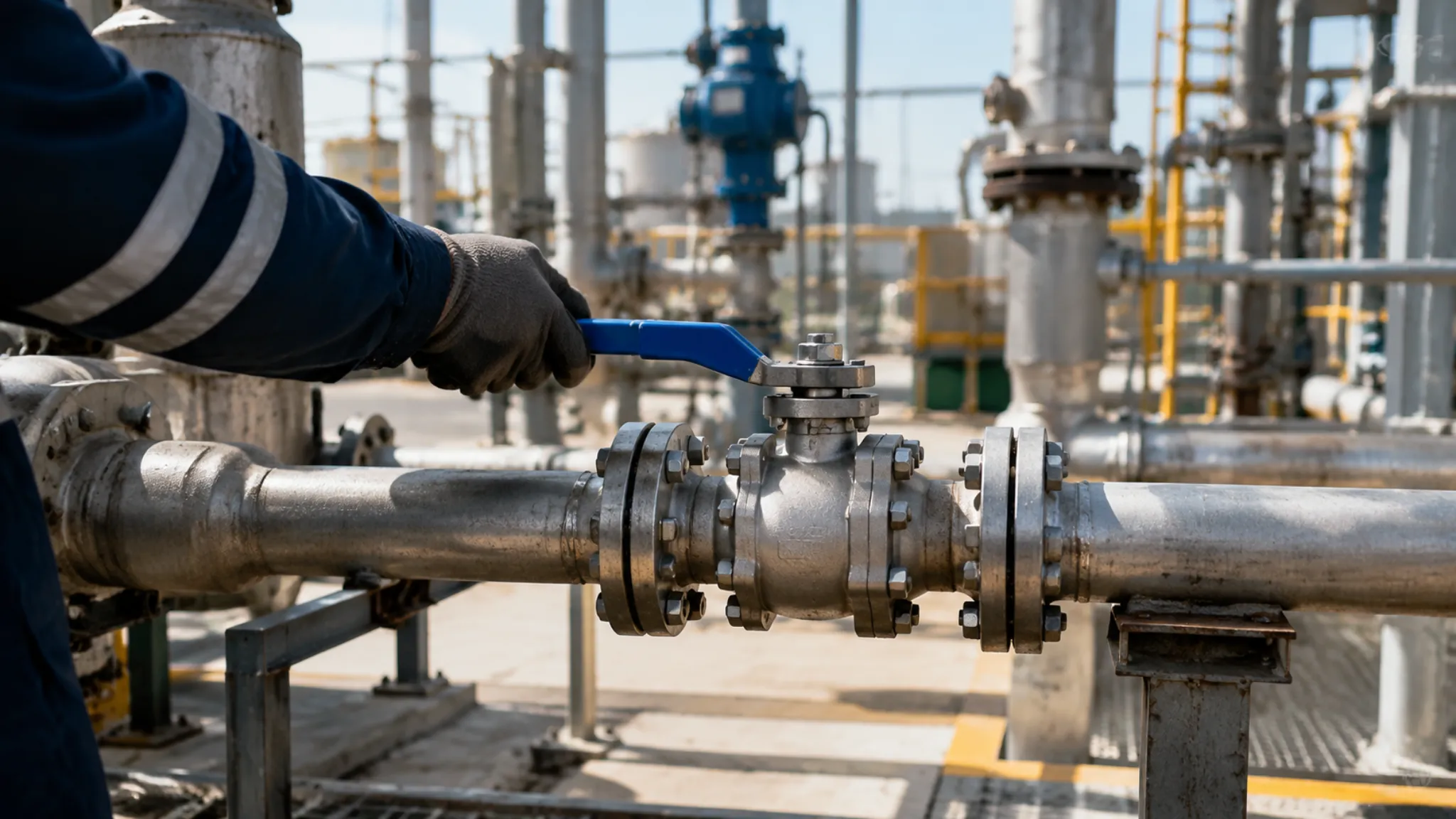
In over 10 years and 500 valve selection projects, I have seen failures caused by confusing soft and metal seats—these two designs use fundamentally different sealing mechanisms and cannot substitute for each other in either direction.
How They Seal
Soft Seat Basics
The sealing core of a soft seated valve relies on the compressible resilience of elastic sealing material. PTFE (polytetrafluoroethylene) is the most common soft seat material, and its molecular structure contains abundant fluorine atoms bonded to carbon via extremely strong C-F covalent bonds. This gives PTFE an exceptionally low coefficient of friction and outstanding chemical inertness—virtually no industrial medium reacts chemically with PTFE at room temperature, and it resists nearly all common chemicals. RPTFE (glass-filled PTFE) adds glass fiber filler to standard PTFE, raising the maximum continuous service temperature from approximately 232°C (450°F) to approximately 260°C (500°F) while also reducing pure PTFE’s high-temperature creep behavior, since glass fibers support the PTFE molecular chains at elevated temperatures and slow the cold-flow deformation rate. PFA (perfluoroalkoxy) pushes the temperature ceiling to approximately 300°C (572°F) and offers better processing characteristics, allowing complex seat shapes to be manufactured by compression molding—making it the preferred choice for semiconductor ultra-pure media piping. Soft seated valve torque requirements are substantially lower than metal seated designs, typically 1/4 to 1/2 of the torque needed for equivalent metal seated valves, which reduces actuator sizing costs and simplifies maintenance.
| Parameter | PTFE | RPTFE | PFA |
|---|---|---|---|
| Max Continuous Service Temp. | ≈232°C (450°F) | ≈260°C (500°F) | ≈300°C (572°F) |
| ASME B16.34 Pressure Rating | Class 150–1500 | Class 150–1500 | Class 150–600 |
| Creep Resistance | Moderate (faster at high temp.) | Good (glass fiber reinforced) | Good |
| Chemical Inertness | Excellent (near-universal) | Good (slightly less for strong bases) | Excellent |
| Required Breakaway Torque | Low | Low | Low |
| Typical Applications | Water / Air / Mild Corrosion | Refining / Chemical / Steam | Semiconductor / Ultra-pure Media |
Metal Seat Basics
The sealing mechanism of a metal seated valve depends on direct metal-to-metal contact between two precision-machined sealing surfaces. Both the ball and seat sealing faces must be precision-lapped to a mirror finish (Ra 0.2–0.4 μm), so that the theoretical gap between the two contact surfaces is less than 1 μm, maintained by material elastic deformation and surface molecular van der Waals forces. Most metal seated designs incorporate spring-loaded or pressure-assisted structures—springs continuously push the seat against the ball to compensate for thermal expansion and contraction, ensuring the sealing surfaces remain in effective contact as temperature changes. This is the fundamental structural difference between metal and soft seated valves: soft seats seal via material elastic deformation, while metal seats use spring force to mechanically compensate for dimensional changes.
- The ball and seat sealing faces must be precision-lapped to mirror finish (Ra 0.2–0.4 μm), or Stellited and then lapped, so that metal-to-metal contact is made across a complete, defect-free sealing interface.
- Spring preload (or pressure-assist) structure continuously pushes the seat against the ball, compensating for thermal expansion and contraction to keep the effective contact area from degrading as temperature cycles.
- Metal seats do not soften or flow at elevated temperatures. Structural integrity is maintained far beyond soft seat limits, enabling reliable service at 540°C (1000°F) and higher—the actual ceiling is set by trim material, body material, and packing temperature rating combined.
- Breakaway torque for metal seated valves is significantly higher than soft seated equivalents—typically 2× to 4×—which requires larger actuator sizing, higher drive train strength, and regular torque monitoring during maintenance.
- Long-term thermal cycling can cause metal seat fretting (microscopic wear between contact surfaces), leading to gradually increasing leakage rates. Periodic seat lapping or replacement is required in high-cycle applications.
Comparing Leak Levels
Leakage rate is the most intuitive performance differentiator between soft and metal seats—and in the same test, their sealing performance can differ by an order of magnitude, directly determining process safety and environmental compliance. API 598 is the authoritative standard for valve seat leakage testing: the test applies hydrostatic pressure at 1.1× rated pressure and observes whether visible leakage occurs over a 60-second hold period, rating seats from Class IV through Class VI. Class VI is the highest certified bubble-tight leakage standard, requiring zero visible bubbles for at least 60 seconds during water hydrostatic testing at 1.1× rated pressure between 15°C and 38°C.
- Soft seats achieve Class VI (helium mass spectrometer leak rate below 1×10⁻⁷ mbar·l/s), which in practice means near-zero leakage in real-world engineering and is a regulatory requirement in Lng tank BOG piping and cryogenic high-pressure service.
- Metal seats typically satisfy Class V (leak rate far exceeds Class VI); only spring-assisted or pressure-assisted metal seat designs approach Class VI in controlled lab conditions.
- Above 300°C (572°F) or at high differential pressure (ΔP > 20 bar / 290 psi), metal seat leakage rates typically increase further because microscopic thermal deformation of the sealing surfaces becomes harder to control.
- At cryogenic temperatures (Lng service at -162°C / -260°F), RPTFE soft seats are the industry standard; metal seats carry real risk of low-temperature brittleness— austenitic stainless steel impact values at -162°C can drop to below 20% of room temperature values.
- Selection rule of thumb: for Lng tank BOG and cryogenic chemical service, choose RPTFE soft seats; for high-temperature steam and chemical processing, choose metal seats.
Limits and Wear
Heat and Temperature
Temperature is the single most critical limiting parameter in soft seat selection, and exceeding the material temperature ceiling causes gradual but irreversible failure. Standard PTFE soft seats are rated for a maximum continuous service temperature of approximately 232°C (450°F); RPTFE extends this to approximately 260°C (500°F); PFA reaches approximately 300°C (572°F)—these limits are physical thresholds set by the material’s molecular thermal stability. Above these temperatures, PTFE molecular chains progressively fracture, the material hardens, surfaces crack, and cold-flow deformation (creep) accelerates until the seal is permanently lost. A minimum temperature safety margin of at least 20°C (36°F) must be applied in selection to account for process fluctuations. In fire scenarios, ambient temperatures can spike above 800°C (1472°F); PTFE begins decomposing above 300°C, melts completely above 400°C, and loses all sealing function—while metal seats must pass the API 607 / ISO 10497 fire-safe test, which requires maintaining basic sealing capability after 5 minutes of direct flame exposure at 800°C (1472°F). This is the fundamental difference between the two designs under thermal stress.
| Seal Material | Max Temperature | Consequence of Overtemperature |
|---|---|---|
| PTFE | ≈232°C (450°F) | Molecular chain scission, permanent seal force decay |
| RPTFE | ≈260°C (500°F) | Glass fibers delay but cannot prevent degradation |
| Metal Seat (Stellite) | ≈540°C (1000°F) | Structurally stable; no softening or flow risk |
| Metal Seat (Inconel) | >650°C (1200°F) | Actual limit set by body material and packing rating |
High Pressure Risks
Blow-off—seat ejection from the ball—is the single most dangerous failure mode for soft seated valves under high pressure. Its mechanism is straightforward: the seat is held against the ball by spring preload force, balanced against the medium’s pushing force. When upstream pressure exceeds the spring preload, the seat is driven off the ball by the high-pressure medium, creating a fully open high-velocity flow channel. This is most dangerous when the seat is in the full-open position, since the ball provides no mechanical barrier at that point. Note that the controlling parameter is differential pressure ΔP, not absolute or rated pressure—many selection errors arise from consulting only the pressure rating in the catalog.
- Blow-off is typically instantaneous with no preceding warning signs—actual process parameter measurement (ΔP verification) is the only effective prevention method; catalog pressure ratings alone cannot serve as a safety basis.
- When ΔP exceeds 30 bar (435 psi), spring preload margin must be specifically verified; insufficient preload at high ΔP creates a structural risk of the seat being extruded from its groove.
- Metal seated valve seats are captured in the valve body groove by mechanical interference—blow-off is theoretically impossible. High-ΔP service is inherently safer with metal seats.
- In high-pressure natural gas pipeline service, blow-off accidents can trigger fires and explosions; PHMSA data shows approximately 12% of major US gas pipeline accidents from 2002 to 2020 involved soft seated ball valve blow-off or internal leakage, with Class 600+ high-pressure sections showing the highest incident concentration. API 607/608 explicitly requires Seat Blow-out Test verification for high-pressure gas service ball valves—a critical compliance requirement that is easily overlooked in non-specialist selection.
- Even if a metal seat fails, the ball-to-body metal contact provides a degree of emergency sealing—metal seated valves offer a final safety barrier in high-ΔP service, whereas a soft seat after blow-off loses sealing capability entirely.
Resisting Fluid Wear
The primary enemy of soft seats is abrasive media containing solid particles. Oil with sand (common in crude production and wellhead service), catalyst fines (at refining and chemical plant reactor outlets), and crystallizing compounds (in coal chemical processes such as cold methanol wash) all embed into the soft PTFE seating surface. These solid particles act as abrasives every time the valve cycles, lightly cutting the ball sealing face in a manner that no amount of torque can restore. Ball surfaces damaged by embedded particles develop microscopic scratches that form permanent leakage pathways—and in wellhead service where produced fluids carry 0.1%–5% by volume of sand (60–200 mesh), soft seat sealing face service life typically does not exceed 6 months. In coal chemical coal water slurry gasifiers, catalyst fines scratch and destroy the soft seat sealing face so severely that soft seat replacement intervals are as short as every 3–4 months, making maintenance costs prohibitive.
Metal seats have far superior hardness compared to soft seats (Mohs 5.5–6.5 versus PTFE at Mohs <1), providing strong resistance to scratching and particle embedding. Even when contaminated with particles, the precision-lapped surface maintains integrity far better than a soft seat. Selection rule: when media solids content exceeds 0.01% by volume or particle hardness exceeds Mohs 2, metal seats should be prioritized—otherwise, soft seat sealing face life typically does not exceed 12 months, and in wellhead service it can be as short as several weeks.
Where to Use
Soft Seat Uses
General water systems and air pipelines represent the largest volume application for soft seated forged floating ball valves. A properly selected soft seated forged ball valve (DN15–DN300, Class 150–1500, -196°C to 260°C) provides reliable sealing in these services with minimal maintenance and cost. Soft seat valves in these applications have decades of proven field performance worldwide, making them the standard choice for industrial piping, utility systems, and building facilities.
- Water systems and air pipelines (DN15–DN300, Class 150–1500, -196°C to 260°C): simple selection, minimal maintenance, lowest total installed cost.
- Low-pressure steam (≤10 bar / 145 psi): PTFE or RPTFE seats, 232°C–260°C, the most economical choice for boiler feedwater and steam distribution headers.
- Most refining and chemical process streams (non-abrasive, mildly corrosive organics such as water, alcohols, esters, benzene): RPTFE/PFA seats can meet API 622 fugitive emission certification.
- Key principle: in non-severe service, choosing metal seats over soft seats is over-engineering—metal seats typically cost 3× to 8× more than soft seats for the same pressure class, require larger actuators, and introduce greater maintenance complexity.
Metal Seat Uses
High-temperature steam service above 260°C (500°F) is the most characteristic application for metal seated valves. When steam temperature exceeds 260°C, all soft seat materials fail rapidly—PTFE softens and begins thermal decomposition above 260°C, with sealing capability degrading to zero within hours. Forged metal seated ball valves with Stellite (cobalt-based alloy) overlaid and lapped seating faces are the industry standard configuration for this service, with typical specs of DN50–DN300, Class 300–Class 1500, and are universally specified for main steam and reheat steam systems in thermal power plants. API 607 fire-safe certification is a mandatory requirement for high-temperature steam ball valves, mandating basic sealing capability after 5 minutes of flame exposure at 800°C (1472°F)—a condition that destroys PTFE immediately but poses no threat to a properly designed metal seat.
| Application | Metal Seat Key Advantage | Typical Spec Range |
|---|---|---|
| High-temp. Steam (>260°C / 500°F) | Stellite overlay, no temperature ceiling, API 607 certified | Class 300–1500, DN15–DN300 |
| High-Pressure Gas Gathering (≥Class 1500) | H₂S resistance, ΔP-safe, no blow-off risk | Class 1500–2500, H₂S <50 ppm |
| Slurry / Coal Tar / Solids-Laden | High hardness; particles do not embed or scratch | DN25–DN200, multiple alloy options |
Quick Selection Guide
Step 1 — Check temperature and pressure together. If process temperature ≤260°C and pressure ≤Class 1500, soft seats are initially viable; beyond these limits, proceed directly to metal seat evaluation. Boundary conditions (250°C–260°C or Class 1200–1500) should not use soft seats without a 20% safety margin—the actual process parameters during transients can momentarily exceed soft seat safe windows. This single check eliminates approximately 70% of mismatched selections in my experience.
- Step 1 — Check temperature and pressure together: if T ≤260°C and P ≤Class 1500, soft seats are initially viable; if either is exceeded, go directly to metal seat evaluation. Apply a 20% safety margin at boundary conditions. This single check eliminates approximately 70% of mismatched selections.
- Step 2 — Assess media properties: if the medium contains solid particles (>0.01% by volume or >50 mesh), has high abrasiveness (Mohs hardness >2), or H₂S >50 ppm, prioritize metal seats directly. For mildly corrosive, non-abrasive media, soft seats offer the best cost-to-performance ratio.
- Step 3 — Verify standards and certifications: if API 607 fire-safe certification is required (high-temperature steam, furnace fuel gas headers in refineries), metal seats (spring-assisted type) are mandatory. If Class VI bubble-tight sealing is required and temperature and pressure allow, RPTFE/PFA soft seats are viable. When both temperature and pressure exceed soft seat limits, spring-assisted metal seats are the only viable option.
Three key dimensions—temperature (≤260°C/Class 1500 for soft seats, otherwise metal), ΔP (>30 bar prioritizing metal), and abrasiveness (directly rules out soft seats)—must all cross-verify before finalizing material grade selection.