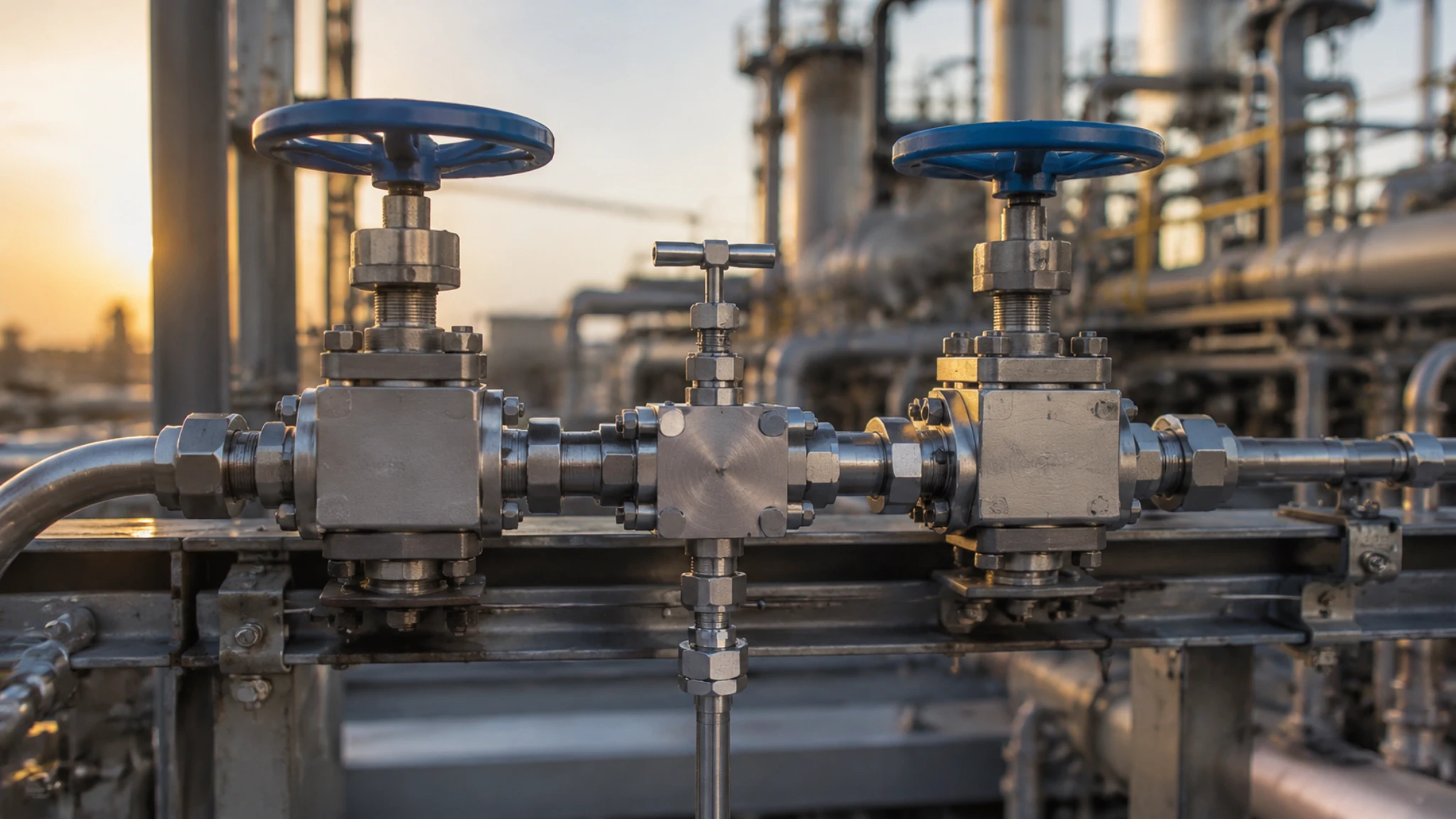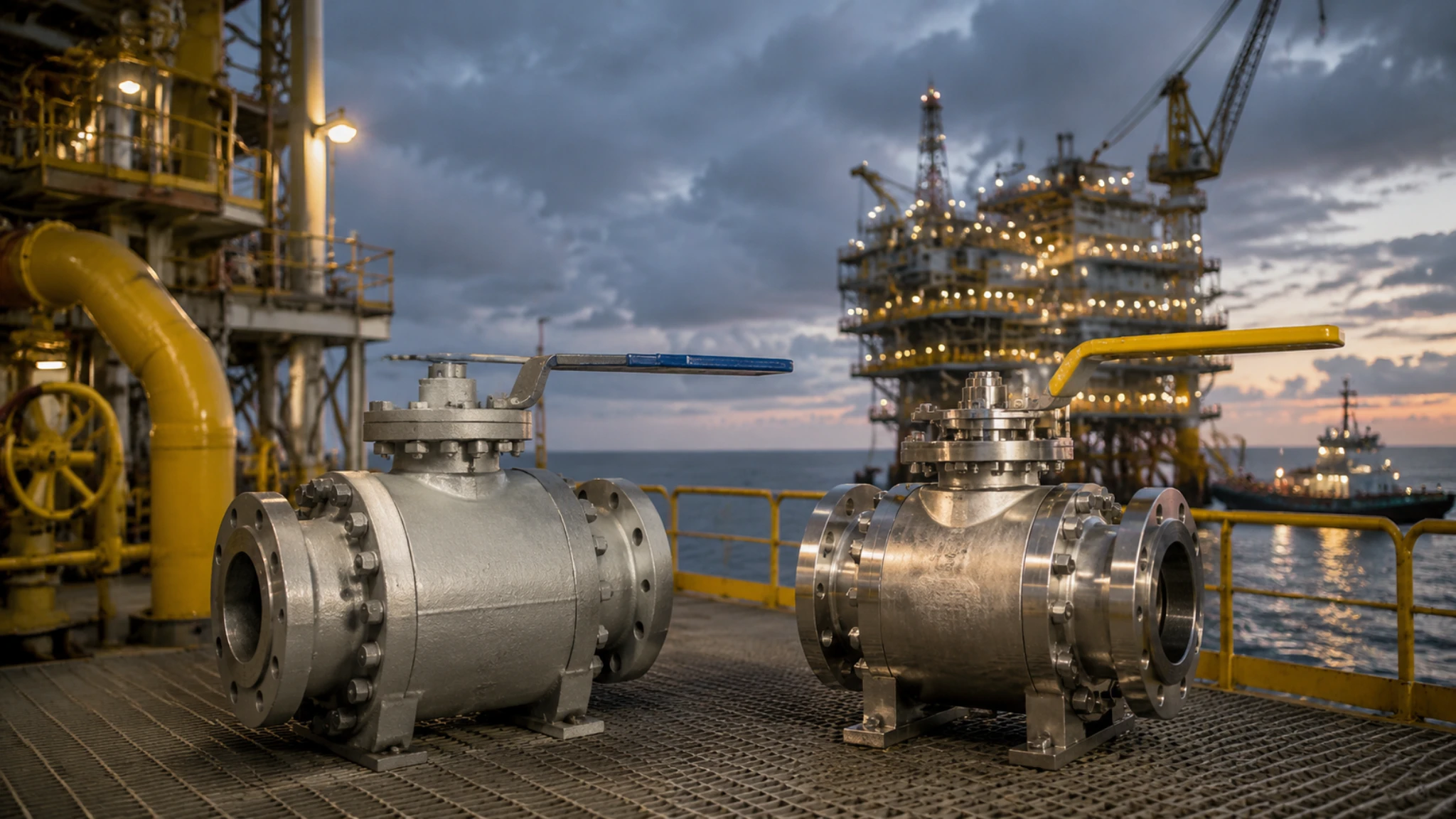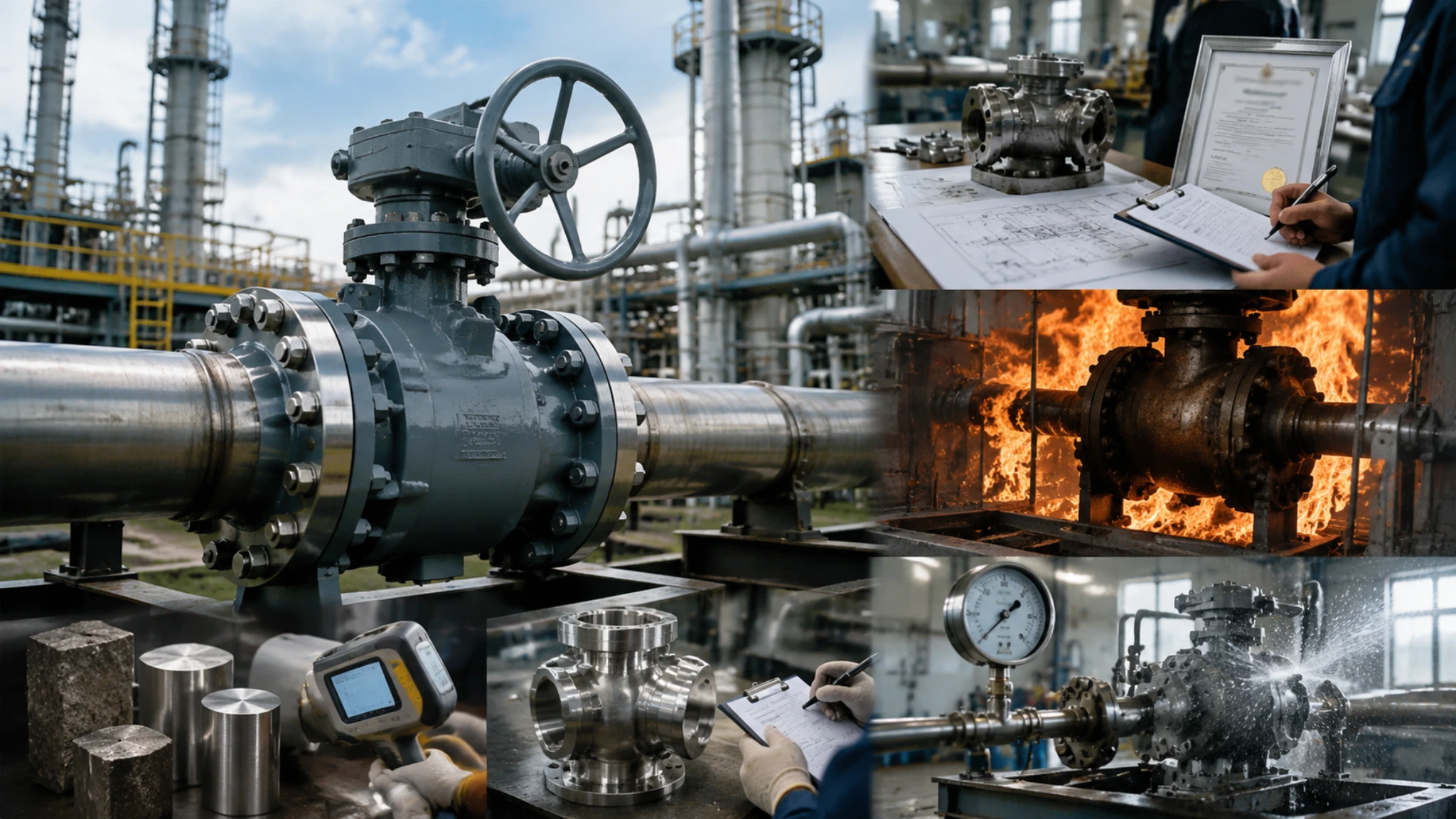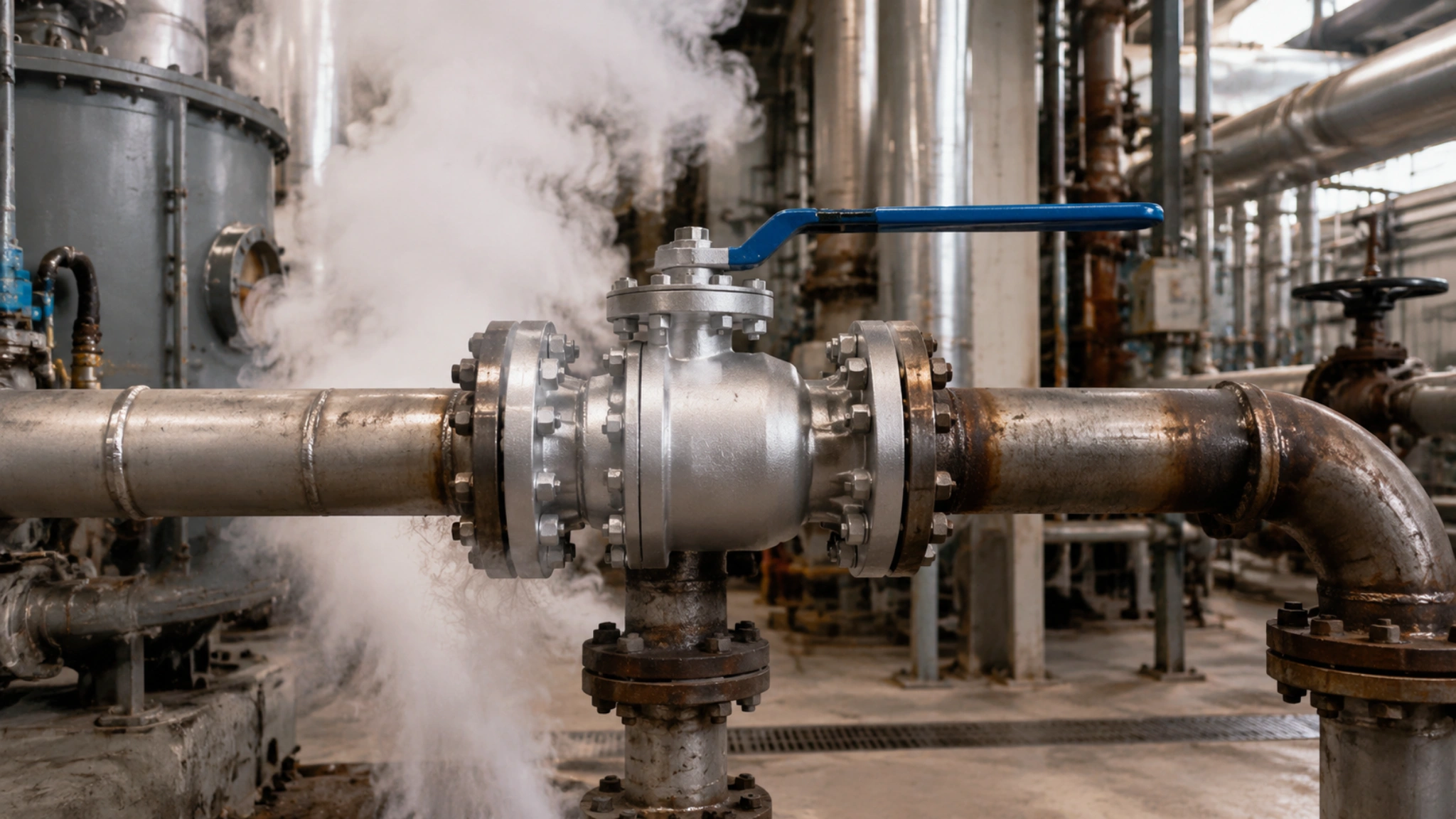
During valve procurement, factory acceptance testing, turnaround inspection, or pre-shipment review, the valve pressure test report is one of the most important quality documents. A report that looks complete at first glance may still contain wrong test pressure, insufficient hold time, unclear test direction, unsuitable test medium, or an incorrect leakage acceptance criterion.
This is especially important for valves used in petrochemical plants, LNG terminals, refineries, natural gas pipelines, chemical units, offshore platforms, and other pressure-containing systems. If the pressure test report is read incorrectly, a valve with an incomplete or invalid test may enter site installation and create later rework, schedule delay, leakage risk, or acceptance dispute.
Reading a valve pressure test report correctly is not only a paperwork task. It directly affects inspection efficiency, schedule control, procurement compliance, and pressure boundary safety.
A reviewable valve pressure test report should clearly identify the applicable standard, standard edition, valve type, pressure class, nominal size, tag number, body material, seat material, shell test, backseat test where applicable, closure test, test medium, test temperature, hold time, leakage result, gauge calibration status, test date, inspector approval, and final acceptance status.[1]
| Report Item | What to Check | Why It Matters |
|---|---|---|
| Standard basis | API 598, API 6D, ASME B16.34, ISO 5208, project specification, purchase order, and edition used | A wrong standard reference can change test pressure, test duration, leakage rate, and acceptance logic. |
| Shell test | Shell test pressure, test medium, test temperature, visible leakage, and pressure boundary condition | The shell test verifies the integrity of the valve body, bonnet, cover, and other pressure-containing parts. |
| Backseat test | Whether the valve has a backseat feature, test pressure, test medium, hold time, and leakage result | Backseat testing applies only to valves with a backseat feature and should not be confused with seat closure testing. |
| Seat / closure test | High-pressure closure test, low-pressure closure test, test direction, seat type, and allowable leakage rate | The closure test verifies whether the closed valve can isolate the flow path according to the applicable acceptance criterion. |
| Hold time | Minimum duration according to valve size and test type | Short hold time can hide slow leakage and make a test record invalid. |
| Test record | Pressure-time record, calibrated gauge or recorder, gas or liquid source, test date, and inspector signature | A complete record makes the result traceable, defensible, and easier to verify during audit or dispute. |

Pressure Test Standards
API 598 vs API 6D Differences
API 598, Valve Inspection and Testing, is a valve inspection and pressure testing standard. It covers inspection, examination, supplementary examination, shell tests, backseat tests, low-pressure closure tests, high-pressure closure tests, double block and bleed high-pressure closure tests, visual examination, and high-pressure pneumatic shell tests for valve types within its scope.[1]
API Specification 6D, currently titled Specification for Valves, is a broader product specification used for valves in petroleum and natural gas applications. It addresses manufacturing-related requirements and should be read together with the purchase specification, inspection and test plan, and any project-specific testing clauses.[2]
The distinction matters because a report may state “tested according to API 6D,” while the actual pressure test parameters may be taken from API 598 or from a project-specific inspection procedure. The report reviewer should not stop at the standard name. The reviewer should check the actual test table, valve type, pressure class, valve size, seat type, test pressure, test direction, hold time, and leakage acceptance basis.
| Standard | Main Purpose | How It Is Used in Valve Reports |
|---|---|---|
| API 598 | Valve inspection and pressure testing | Used for shell tests, backseat tests, closure tests, test pressures, minimum test duration, test medium, and leakage acceptance. |
| API 6D | Valve product specification | Used for valve design, manufacture, assembly, testing, documentation, marking, and quality requirements for valves covered by the specification. |
| ASME B16.34 | Valve design and pressure-temperature rating standard | Used to confirm pressure-temperature ratings, materials, testing, marking, and related design requirements for flanged, threaded, and welding-end valves.[3] |
| ISO 5208 | Pressure testing of metallic industrial valves | Used when the contract or valve product standard cites ISO pressure testing and closure tightness requirements.[4] |
API 598 applies mainly to testing by the valve manufacturer or at a mutually agreed facility. API 6D is broader and should not be treated as a substitute for checking the actual pressure test requirements. The purchase order and approved inspection and test plan should state which standard controls if requirements differ.
API 598 11th Edition was published in 2023. Some older valve reports still cite previous editions. The inspector should confirm the applicable edition because edition differences may affect terminology, optional tests, documentation, and interpretation of acceptance requirements.[1]
Shell Test Pressure
The shell test verifies whether the valve pressure boundary can withstand the required test pressure without visually detectable leakage through the pressure boundary walls or fixed body joints. For API 598, shell test pressure depends on valve material, valve type, pressure class, and applicable rating basis.
For steel and nonferrous alloy flanged or butt-weld valves covered by API 598, the hydrostatic shell test pressure is generally based on 1.5 times the pressure rating at 38°C / 100°F, rounded to the next higher bar or 25 psig according to the applicable requirement. The pressure rating itself is normally checked against ASME B16.34 or the product standard referenced by the purchase specification.[1]
For example, a Class 600 carbon steel ball valve has a pressure rating near 10.2 MPa at 38°C / 100°F depending on the applicable material group and rating table. A hydrostatic shell test pressure around 15.3 MPa to 15.5 MPa is therefore a reasonable order of magnitude. The exact value must still be calculated from the actual material, pressure class, end connection, and standard table used by the project.
- The test pressure should match the applicable pressure-temperature rating, not a copied value from another valve class.
- The valve size, pressure class, body material, end connection, and design standard should be checked before accepting the test pressure.
- For gray iron and ductile iron valves, API 598 gives specific shell test pressure values rather than simply applying the same steel valve calculation logic.
- For butterfly valves or special valve categories, the applicable product standard and project specification should also be checked.
The shell test medium for API 598 high-pressure testing may be air, nitrogen, inert gas, kerosene, water, or a noncorrosive liquid with viscosity not higher than water. Unless otherwise specified in the purchase order, the test fluid temperature should be within 5°C to 38°C. For austenitic stainless steel valves, water with chloride content not exceeding 50 ppm should be used when API 598 requirements apply, and the manufacturer should be able to document the chloride content.[1]
In report review, temperature and water quality are not minor details. A shell test performed with unrecorded water temperature, contaminated water, or unsuitable test liquid may still show “pass,” but the report may not be acceptable for a strict project audit.
The shell test pressure should never be reviewed as an isolated number. It must be checked together with valve material, pressure class, standard edition, test medium, test temperature, and pressure gauge traceability.
Pressure gauge arrangement is also important. For critical valves, large-bore valves, high-pressure valves, or double block and bleed testing, the inspection procedure should clearly state where pressure is monitored, which gauge or transducer is used, and how the pressure-time record is retained.
Hold Time Requirements
Hold time is one of the most commonly overlooked parameters in valve pressure testing. API 598 defines minimum test duration by valve size and test type. The inspector should not use one fixed duration for all valves.[1]
| Valve Size | Shell Test | Backseat Test | Closure Test for Check Valves | Closure Test for Other Valves |
|---|---|---|---|---|
| DN ≤ 50 / NPS ≤ 2 | 15 seconds | 15 seconds | 60 seconds | 15 seconds |
| DN 65 to 150 / NPS 2½ to 6 | 60 seconds | 60 seconds | 60 seconds | 60 seconds |
| DN 200 to 300 / NPS 8 to 12 | 120 seconds | 60 seconds | 120 seconds | 120 seconds |
| DN 350 to 600 / NPS 14 to 24 | 300 seconds | 60 seconds | 120 seconds | 120 seconds |
| DN > 600 / NPS > 24 | 600 seconds | 120 seconds | 240 seconds | 240 seconds |
The test duration is the inspection period after the valve is fully prepared and under full test pressure. Timing should not start during pressure ramp-up. If timing starts before the pressure reaches the required value, the recorded hold time is unreliable and the test should normally be repeated or reviewed under the approved procedure.
A common nonconformance is recording the planned duration rather than the actual duration. For example, a report may show “120 seconds hold,” while the pressure-time graph shows that depressurization began after less than one minute. This is not a small clerical issue; it can invalidate the test evidence.
For DN 200 and larger valves, pressurizing the body to the required level may take additional time because of body volume, trapped cavity volume, and stabilization requirements. The hold period should begin only after pressure has stabilized at the required test pressure.
Hold time should start only after the valve is fully prepared and the required test pressure has been reached.
A pressure-time record should show a clear transition from pressure ramp-up to stable holding. For important high-pressure closure tests and shell tests, an electronic recorder with a calibrated pressure transducer provides stronger evidence than handwritten pressure notes.
Seat Testing
High-Pressure Seat Test
The high-pressure seat test is a closure test. It is conducted with the valve in the closed position and uses the applicable high-pressure closure test pressure from the standard and purchase specification.
For API 598 valves except butterfly valves and check valves, the high-pressure closure and backseat test pressure is generally 110% of the maximum allowable pressure at 38°C / 100°F in accordance with the applicable purchase specification. For butterfly valves, high-pressure closure testing is generally based on 110% of the design differential pressure at 38°C / 100°F in accordance with the applicable purchase specification. Check valves have their own high-pressure closure test pressure requirements depending on valve material and class.[1]
For example, a Class 900 carbon steel valve may have a pressure rating near 15.3 MPa at 38°C / 100°F depending on material group and applicable rating table. A high-pressure closure test around 16.8 MPa to 17.0 MPa is therefore a reasonable order of magnitude. The exact value must be checked against the valve material, pressure-temperature rating, product standard, and project purchase specification.
API 598 leakage acceptance depends on valve type, seat type, valve size, and test medium. The report should not simply say “zero leakage” unless the applicable criterion actually requires no visible leakage and the detection method supports that conclusion.
- Resilient-seated valves require no leakage for the minimum specified test duration.
- For liquid tests, 0 drops means no visible leakage during the minimum specified duration.
- For gas tests, 0 bubbles means less than 1 bubble during the minimum specified duration.
- Metal-seated valves are allowed limited leakage according to the API 598 leakage table.
- Nonmetallic seated valves, such as ceramic-seated valves, should be checked against the applicable API 598 closure leakage requirement for the equivalent metal-seated valve size and type.
The high-pressure seat test must also address valve test direction. For a valve designed to close against pressure from either direction, pressure should be applied successively to each side of the closed valve, with the other side at atmospheric pressure, unless the applicable standard or approved procedure allows another method.[1]
For a valve designed to close against pressure from one direction only and clearly marked as such, pressure is normally applied on the pressure side only. For a check valve, pressure is applied on the downstream side. A report that marks one direction as “exempted” should provide a clear technical or contractual basis.
Test direction is important because seat leakage on one side can lead to failed isolation, cross-contamination between pipeline sections, or unsafe maintenance conditions. For double isolation requirements, DBB or DIB requirements should be checked against API 6D, API 598, the valve datasheet, and the purchase specification.
Low-Pressure Gas Seat Test
The low-pressure gas seat test uses air, nitrogen, or inert gas as the test medium. Under API 598, the low-pressure closure and low-pressure backseat test pressure is 5.5 ± 1.5 bar, or 80 ± 20 psi. In practical terms, this is approximately 0.4 MPa to 0.7 MPa, or 60 psi to 100 psi.[1]
This test checks whether the valve seat can seal under low-stress gas conditions. A valve can sometimes pass a high-pressure hydrostatic closure test but still show visible leakage during a low-pressure gas test, especially when the sealing surface has a scratch, debris, local deformation, or low-contact-pressure defect.
Low-pressure gas testing is usually verified by soap bubble observation, water immersion, a bubble tube, or another leakage detection method accepted by the purchaser and manufacturer. The selected method should be stated clearly in the test procedure and report.
- The gas type should be recorded.
- The test pressure should be recorded.
- The regulator setting should be traceable where relevant.
- The hold time should match the valve size and test type.
- The inspection method should be stated clearly.
- The leakage result should not be recorded only as a vague “OK” when a measurable or observable method is required.
For gas service, toxic service, flammable service, cryogenic-adjacent systems, or other critical services, many projects specify low-pressure gas closure testing even when a high-pressure liquid closure test is also performed. This improves test coverage and helps identify leakage that water testing may not reveal clearly.
For oxygen service, clean service, or high-cleanliness valves, the test gas and test setup require special attention. Plant instrument air containing oil, water, or particulate contamination may be unsuitable. Clean nitrogen or another approved inert gas is often preferred when cleanliness is required by the project specification.
Acceptable Leakage Rates
The leakage rate acceptance criterion is one of the most important numbers in any valve pressure test report. API 598 specifies maximum allowable closure test leakage rates by valve size, valve type, test medium, and seat material.[1]
| Valve / Seat Type | Typical Acceptance Logic | Report Review Point |
|---|---|---|
| Resilient-seated valves | No leakage during the minimum specified test duration | Confirm that “zero” means no visible liquid leakage or no gas leakage by the approved detection method. |
| Metal-seated valves except check valves | Leakage is size-based and listed in API 598 Table 5 | Do not use one fixed leakage value for all sizes. |
| Metal-seated check valves | Leakage is size-based and different from other metal-seated valves | Check whether the report used the correct check valve column. |
| Nonmetallic seated valves such as ceramic-seated valves | API 598 links the allowable closure leakage rate to the equivalent metal-seated valve of the same size and type | Do not automatically treat all nonmetallic seats as resilient seats unless the valve is designed and specified to meet resilient-seat leakage rates. |
For example, API 598 Table 5 allows different leakage rates for different valve sizes. A DN 80 / NPS 3 metal-seated valve except check has a liquid test allowance of 0.38 ml/min, while a DN 100 / NPS 4 valve has a liquid test allowance of 0.50 ml/min. Larger valves have larger allowable leakage values, so the report must match the correct DN / NPS row.
Soft-seat or resilient-seat valves require no leakage during the specified test duration. In practice, the report may record “no visible leakage,” “0 drops,” “0 bubbles,” or “NIL leakage.” These terms should be consistent with the test method used.
The procurement specification should define “zero leakage” clearly. It should also state whether visual inspection, bubble counting, volumetric measurement, displacement measurement, or another approved method will be used.
Different test methods can produce different leakage evidence. Bubble counting, volumetric measurement, and gravimetric measurement should not be compared casually unless the procedure defines the conversion and acceptance basis. API 598 recognizes that displacement measuring devices may be used if the detectable leakage rate is equivalent to the tabulated values and the device has been accepted by agreement between purchaser and manufacturer.[1]
Report Reading
How to Read a Pressure-Time Graph
The pressure-time graph is strong evidence for judging whether a test was performed correctly. A good record should show three phases clearly:
- Pressure ramp-up
- Pressure hold
- Pressure release
If the hold segment shows unexplained pressure fluctuation, the conclusion should not automatically be accepted as “pass.” Pressure fluctuation may indicate incomplete stabilization, temperature-related pressure drift, trapped air, instrument accuracy issues, regulator instability, or possible leakage.
When reading a pressure graph, focus on three indicators:
- Ramp rate: Pressure should rise smoothly and should not create water hammer, sudden pressure shock, or unsafe pressure spikes.
- Hold pressure stability: The pressure should remain within the tolerance stated in the approved procedure.
- Release curve: Pressure release should be controlled and smooth, without abnormal sudden drops before the required hold period is completed.
Graph format also matters for legal and commercial validity. A hand-drawn sketch has much lower evidentiary value than a calibrated electronic recorder output. For large-bore valves, high-pressure valves, critical service valves, or witnessed factory acceptance tests, an automatic electronic recorder with traceable calibration certificates, date and time stamps, and complete data storage provides stronger evidence.
An automatic electronic recorder reduces human reading errors and provides stronger evidence in disputes between manufacturer and purchaser during final acceptance.
Test Medium and Temperature
Test medium and temperature are often overlooked, but they can affect the reliability of pressure test results. Under API 598, shell tests, high-pressure backseat tests, and high-pressure closure tests may use air, nitrogen, inert gas, kerosene, water, or a noncorrosive liquid with viscosity not higher than water. Unless otherwise specified in the purchase order, the test fluid temperature should be within 5°C to 38°C.[1]
For low-pressure closure and low-pressure backseat tests, the test fluid should be air, nitrogen, or inert gas. For austenitic stainless steel valves, water chloride content should not exceed 50 ppm when API 598 applies, and the manufacturer should be able to document the chloride content.[1]
| Medium / Condition | Review Requirement | Risk If Ignored |
|---|---|---|
| Water | Confirm cleanliness, chloride content where required, inhibitor or wetting agent if specified, and temperature range | Corrosion risk, chloride contamination, unstable pressure readings, or invalid test condition |
| Air / nitrogen / inert gas | Confirm pressure, gas source, regulator setting, detection method, and safety precautions | Unsafe pneumatic testing, poor leakage detection, or non-traceable results |
| Kerosene or noncorrosive liquid | Confirm viscosity, compatibility, cleanliness, and project approval | Misleading leakage behavior or contamination of clean-service valves |
| Low-temperature or high-temperature condition | Confirm actual test fluid temperature and stabilization time | Pressure drift may be mistaken for leakage or may hide real leakage |
Water temperature affects results in practical ways. Very low temperature can cause pressure instability during the hold period and may create false concern about leakage. High temperature can also affect pressure stability and test interpretation.
For stainless steel and alloy steel valves, the report should record test fluid temperature and water quality when required by the project specification. For oxygen service, clean service, or special media service, additional cleanliness, drying, degreasing, chloride control, inhibitor control, or oxygen-cleaning requirements may apply.
Large-bore Class 600 and above valves are more sensitive to pressure stability. Several international project specifications require pressure-temperature review or compensation when temperature drift is significant.
Do not judge leakage from pressure drop alone unless temperature, trapped air, stabilization time, test medium, and instrument accuracy have all been checked.
Nonconformance Handling
Nonconformance handling depends on the type and severity of the failure. In practical inspection work, the most common categories are:
- Body leakage or shell test failure
- Stem seal or backseat leakage
- Seat leakage or closure test failure
- Insufficient hold time or procedural nonconformance
- Wrong test pressure, wrong test direction, or wrong leakage criterion
- Incomplete documentation or missing traceability records
Body leakage is the most serious type of quality issue because it involves the pressure boundary of the valve. It may indicate casting defects, body joint problems, weld defects, bonnet leakage, cover leakage, or other pressure-containing part failures.
API 598 does not permit visually detectable leakage through pressure boundary walls or fixed body joints during the shell test. If shell leakage is found, the valve should not be accepted without proper repair, retesting, documentation, and purchaser approval where required.[1]
Seat leakage should be handled based on valve type, seat material, valve size, test medium, and the API 598 leakage table. Leakage within the allowed limit may be technically acceptable for some metal-seated valves. However, if the project specification requires a stricter limit, the project specification controls.
Insufficient hold time is a procedural nonconformance. It can usually be resolved only by retesting under the correct procedure. A shortened hold time should not be accepted merely because the final report says “pass.”
A short hold time may look like a small paperwork issue, but it can hide real sealing defects.
For documentation nonconformance, the reviewer should request the missing evidence before accepting the valve. Missing gauge calibration, missing test date, missing test temperature, missing test direction, or missing leakage method can make an otherwise passing report difficult to defend.
Fire-Safe Test and Pressure Test Are Different
Fire-safe testing should not be confused with routine shell and seat pressure testing. API 598 is a valve inspection and pressure testing standard. It does not replace fire type-test requirements when a fire-safe valve certificate is required by the purchase specification.
API 607 is a fire type-test standard for quarter-turn valves and valves equipped with nonmetallic seats. API 6FA covers fire testing for API 6A and API 6D valves, and API 6FD is used for fire testing of check valves. The correct fire-test standard depends on valve type, product standard, seat construction, service condition, and project specification.[5][6][7]
In many fire-test procedures, the valve is exposed to fire conditions for about 30 minutes, with leakage evaluated during and after fire exposure. The exact temperature profile, pressure condition, leakage limit, operational requirement, and acceptance criterion must be checked against the applicable standard edition and the approved project specification.
A report that says “fire safe design” is not the same as a valid fire-tested certificate. The reviewer should confirm the tested valve type, size range, pressure class, seat material, body material, test laboratory, certificate scope, test standard, standard edition, and whether the supplied valve is covered by the tested design envelope.
Final Report Review Checklist
Reading a valve pressure test report requires attention to five main dimensions:
- Standard basis: API 598, API 6D, ASME B16.34, ISO 5208, project specification, purchase order, and standard edition used.
- Shell test pressure: Check the value against valve material, pressure class, end connection, pressure-temperature rating, and applicable standard table.
- Hold time: Confirm minimum duration by valve size and test type, and ensure timing starts only after the valve is fully prepared and under full pressure.
- Seat leakage: Confirm whether the valve is resilient-seated, metal-seated, nonmetallic seated, or check valve, and apply the correct leakage acceptance criterion.
- Test medium and temperature: Confirm correct medium, documented temperature, chloride control where required, and accepted leakage detection method.
A complete pressure test report should include the applicable standard edition, valve tag number, valve type, valve size, pressure class, body material, seat material, test pressure, test medium, test temperature, hold time, leakage result, test direction, gauge calibration reference, test date, inspector name, and final acceptance status.
| Question | Acceptable Review Logic |
|---|---|
| Does the report cite the correct standard and edition? | Check against the purchase order, datasheet, ITP, and approved project specification. |
| Is the shell test pressure correct? | Confirm valve material, pressure class, pressure-temperature rating, end connection, and standard table. |
| Is the closure test pressure correct? | Check whether the valve is a butterfly valve, check valve, or other valve type, and confirm the applicable high-pressure or low-pressure closure test requirement. |
| Is the hold time sufficient? | Confirm valve size and test type, then verify the pressure-time graph or recorded timing. |
| Is the leakage criterion correct? | Confirm seat type, valve type, valve size, test medium, and whether the correct API 598 leakage table row and column were used. |
| Is the test medium acceptable? | Confirm medium, temperature, cleanliness, chloride content where required, and gas detection method. |
| Is the record traceable? | Check gauge calibration, test date, inspector signature, report number, valve serial number, and pressure-time evidence. |
If all review dimensions are correct, the report is usually suitable for the next acceptance step. If any abnormality appears, the issue should be clarified before the valve is released for shipment or installed into the pipeline.
References
- API Std 598, Valve Inspection and Testing, Eleventh Edition, 2023. https://store.accuristech.com/standards/api-std-598?product_id=2523432
- American Petroleum Institute, API Specification 6D, 25th Edition, Specification for Valves. https://www.api.org/products-and-services/standards/important-standards-announcements/spec6d
- ASME B16.34, Valves — Flanged, Threaded, and Welding End. https://www.asme.org/codes-standards/find-codes-standards/b16-34-valves-flanged-threaded-welding-end
- ISO 5208:2015, Industrial valves — Pressure testing of metallic valves. https://www.iso.org/standard/65111.html
- API Std 607, Fire Test for Quarter-turn Valves and Valves Equipped with Nonmetallic Seats. https://standards.globalspec.com/std/10028252/api-std-607
- API 6FA, Standard for Fire Test for Valves, Fourth Edition. https://www.apiwebstore.org/standards/6FA?edition=4
- API 6FD, Specification for Fire Test for Check Valves. https://standards.globalspec.com/std/1670489/api-spec-6fd