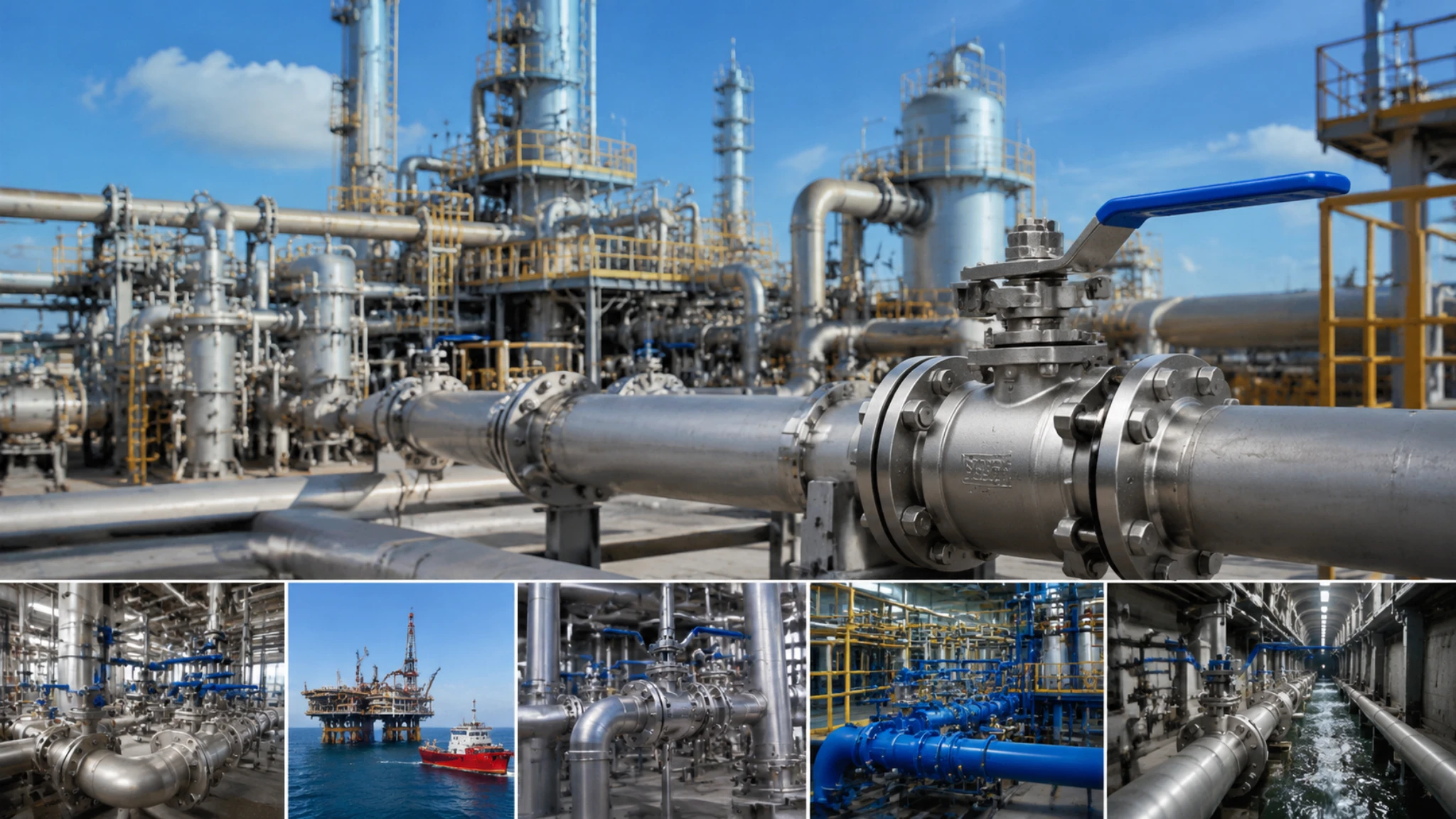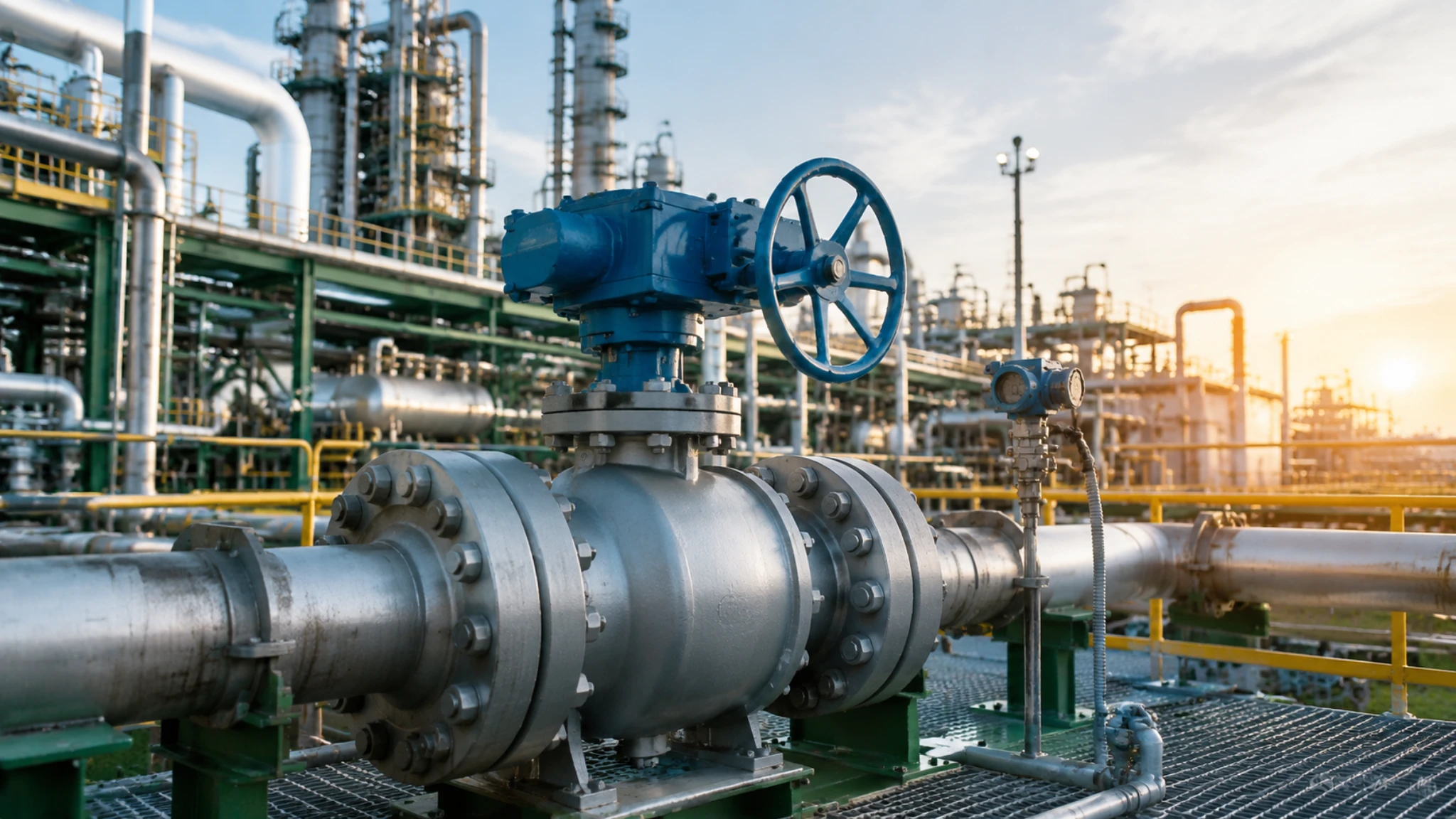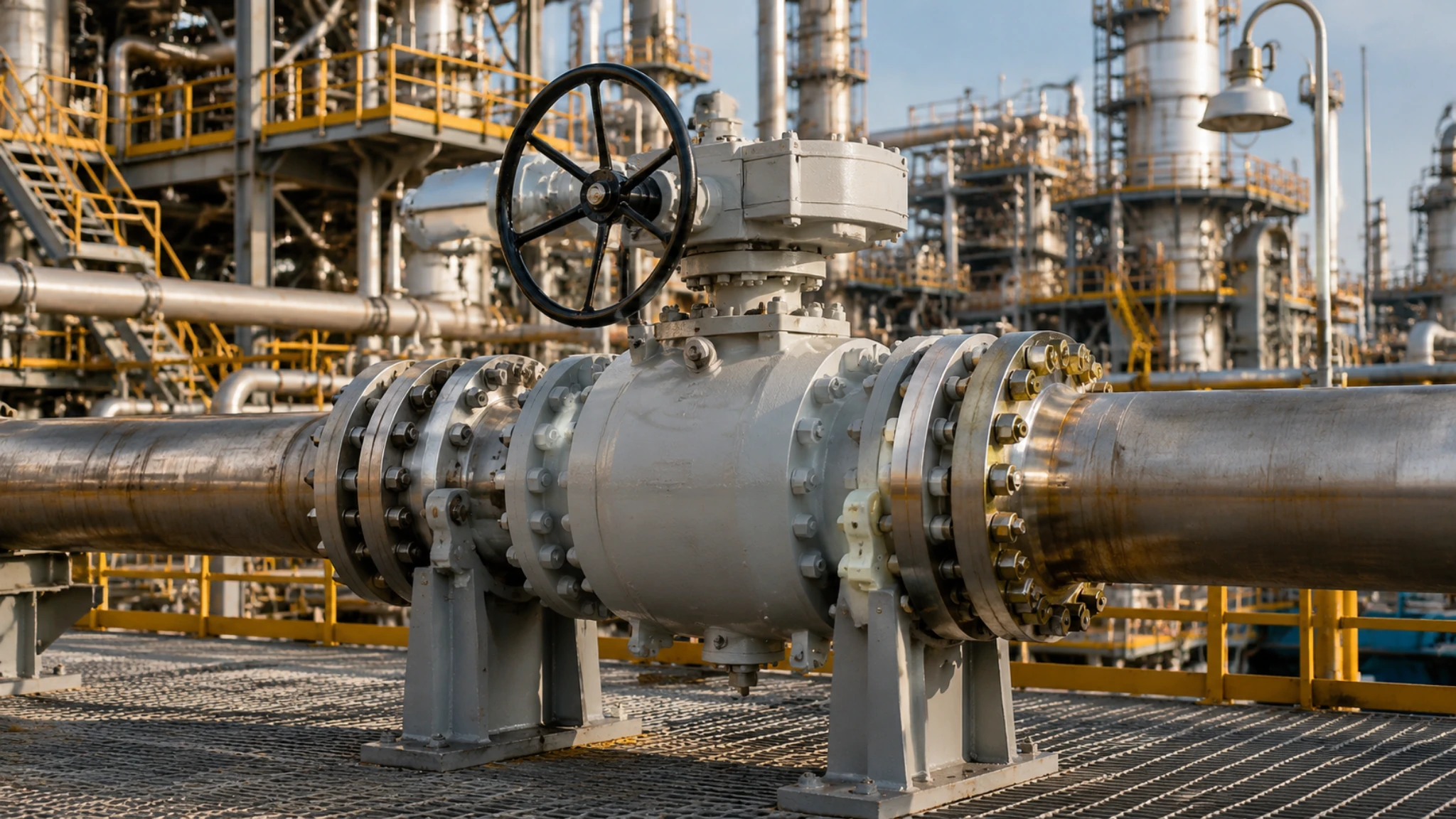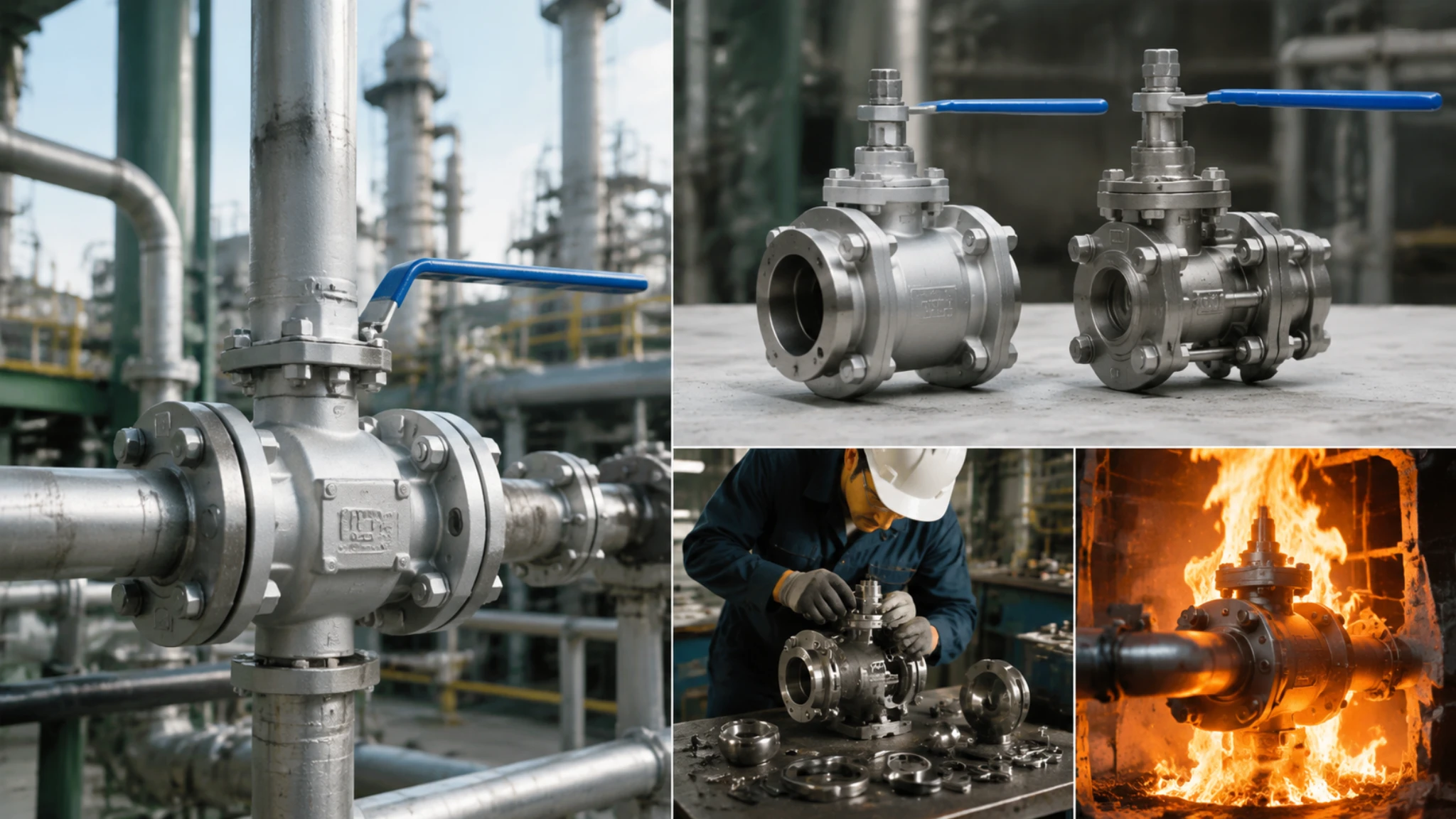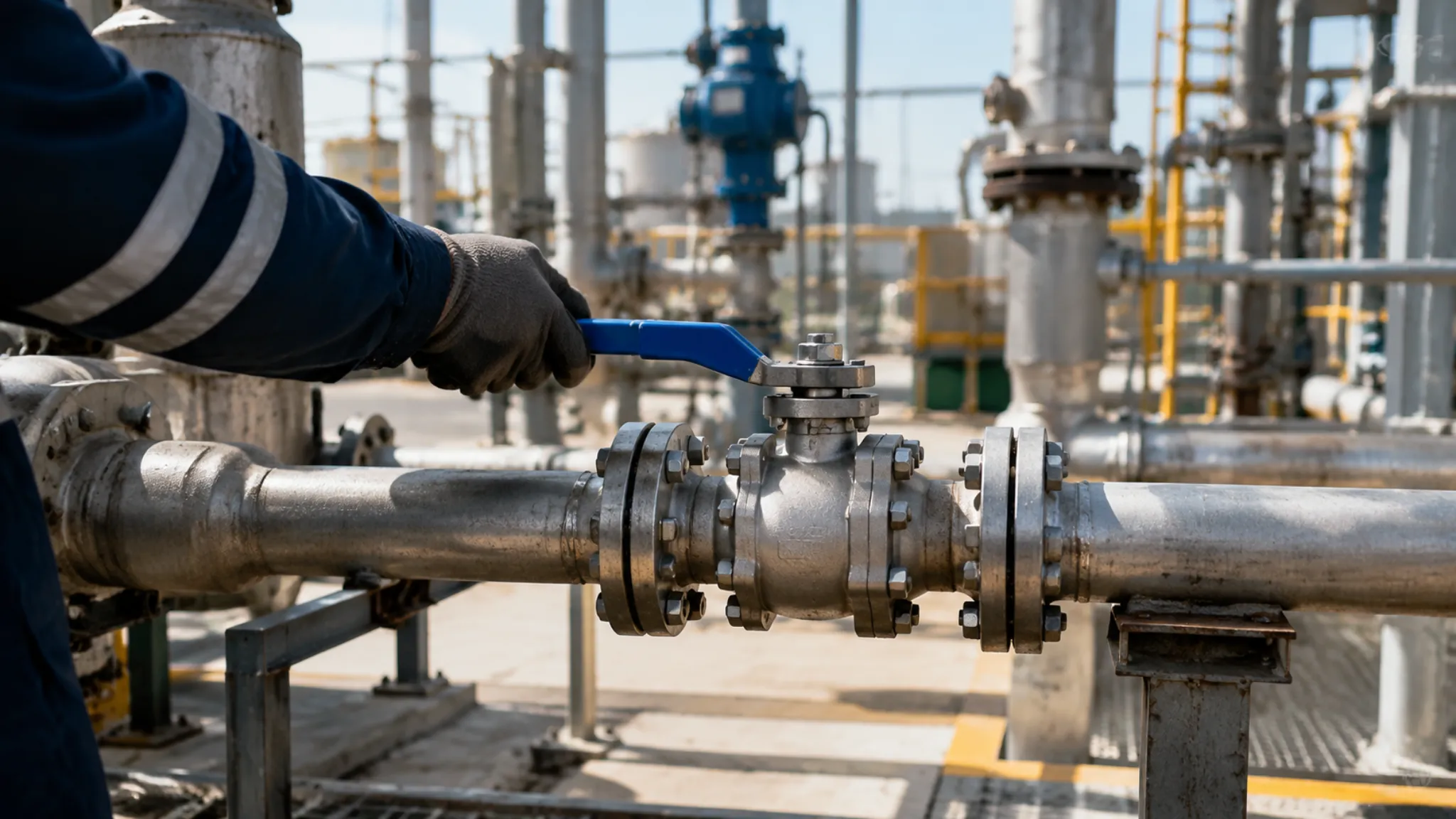
Sourcing floating ball valves from China presents key challenges including identifying genuinely capable manufacturers, maintaining rigorous product quality control, and ensuring safe delivery to global destinations.

Finding China Factories
Verify Factory Skills
When screening Chinese valve factories, the first step is not to review their website or request quotes, but to verify their actual production capabilities and depth of qualifications. Factories with incomplete qualifications often have systematic loopholes in quality control.
Required documents to verify include the business license (confirm registered capital and years of operation—foundries with registered capital below CNY 1,000,000 typically lack large-scale equipment capabilities), Special Equipment Manufacturing License (TS certification, applicable to pressure pipeline components; certificate numbers can be verified online through the State Administration for Market Regulation website), and ISO 9001 Quality Management System certificate (certification body must be CNCA-accredited; non-English certificates present counterfeit risks). If products are exported to the United States or Canada, API 6D or API 608 certification must also be verified through online validation on the API website—certification screenshots can be fabricated, and any certification not found in the official database constitutes false advertising.
Deeper verification should cover R&D capabilities—whether they have an independent valve design team, mastery of CAD/SolidWorks 3D design capabilities, and ability to provide non-standard customization services. A factory that only performs job-shop processing according to provided drawings typically has limited product improvement and quality issue response capabilities. When feasible, request material batch inspection reports from the past three months (including spectral analysis data) as evidence of capability, rather than relying solely on verbal representations.
Compare Price Offers
After receiving quotations from multiple factories, prices more than 20% below market rates almost certainly involve compromised materials or manufacturing shortcuts. Such quotes should be verified by itemized cost structure analysis rather than simply selecting the lowest bid.
A legitimate quotation should include the following cost components: raw material procurement costs (using 304 stainless steel as an example, plate market price is approximately 22–26 CNY/kg, castings approximately 18–22 CNY/kg; WCB carbon steel castings approximately 12–16 CNY/kg), machining labor costs (CNC lathe operations approximately 80–150 CNY/hour, including labor and equipment depreciation), testing fees (API 598 shell and seat testing, approximately 200–400 CNY per unit, including equipment depreciation and labor), and packaging and logistics (approximately 30–50 CNY/unit for domestic sales, approximately 80–150 CNY/unit for export including wooden crating). After comprehensive cost accounting, the factory price for a single DN50 Class 150 304 ball valve typically should not be lower than 280–350 CNY; prices below this range require further inquiry into the reasons.
Quotes below the normal cost line typically cut corners in the following areas: raw material wall thickness (actual wall thickness falls 0.5–1 mm short of drawing specifications, which can be spot-checked on-site with an ultrasonic thickness gauge), seating surface hardfacing layers (using ordinary welding electrodes instead of Stellite hard alloy, which is difficult to distinguish visually but results in significantly different service life), or heat treatment procedures (omitting tempering or normalizing steps, causing non-uniform metallurgical structure). Upon receiving an abnormally low quote, demand that the supplier provide raw material procurement invoices and actual wall thickness measurement data, while also conducting on-site material spot checks with a portable spectrometer, rather than relying solely on verbal assurances.
Visit the Workshop
On-site factory inspection is the most critical step in procurement decision-making. Online video inspection can serve as a complement but cannot replace the depth of on-site observation—photos can be staged, videos can be edited, and only what you witness firsthand regarding on-site management cannot be easily faked.
During factory inspection, focus on the following three major areas: First, enter the casting workshop—check for medium-frequency melting furnaces (typically 1 ton to 5 ton capacity, with furnace body numbers matching production records), real-time molten iron composition analysis equipment (to ensure each heat is controllable), and whether the casting cleaning and finishing area is clean and orderly (reflecting quality management levels). Casting defects (porosity, slag inclusions) are the primary source of ball valve body leaks, and factories with chaotic workshop management cannot stably control casting quality. Randomly select one freshly off-line casting blank and use a magnifying glass to inspect the surface for visible cracks or severe slag inclusions.
Second, inspect the machining workshop—the number of CNC lathes and machining centers (reflecting production capacity limits, typically 10 or more required to meet batch order demands), tool inventory levels (indirectly reflecting production continuity, disorganized or shortages indicating unstable orders), and whether testing equipment such as coordinate measuring machines (CMM) is complete and within valid calibration periods. Finally, inspect the testing workshop—high-pressure test benches meeting API 598 requirements (maximum test pressure should reach Class 1500 or higher to meet high-pressure product testing demands), pressure gauges within valid calibration periods (typically annual calibration, calibration labels must be attached to equipment), and whether test records are archived (blank records or missing documentation are red warning signals). After factory inspection, request the factory to provide an inspection report documenting discovered issues and improvement commitments, to be attached as a contract annex.
Strict Quality Checks
Testing Raw Materials
Raw material quality forms the basis of ball valve finished product performance. Incoming inspection must cover both dimensions of chemical composition and mechanical properties; any single item failure shall result in rejection of warehouse admission.
Chemical composition inspection shall perform spectroscopic analysis on each batch of raw material—key indicators such as carbon content, chromium content, nickel content, and molybdenum content shall comply with the corresponding grade standards. 304 stainless steel standard values: C≤0.08%, Cr 18~20%, Ni 8~10.5%; 316 stainless steel: C≤0.08%, Cr 16~18%, Ni 10~14%, Mo 2~3%. Casting blanks shall be inspected piece by piece; sampling inspection is not acceptable—if composition segregation occurs in castings from the same heat, the minor consequence is impaired mechanical properties, and the severe consequence is cracking during subsequent processing or service. The spectrometer shall be calibrated using standard samples, and calibration records shall be archived for reference.
Mechanical property inspection includes tensile testing (tensile strength ≥515 MPa, yield strength ≥205 MPa, elongation ≥35%) and hardness testing (Brinell hardness HB≤201). Samples shall be randomly drawn from blanks of the same batch, with sample quantity executed per GB/T 228 requirements. For carbon steel raw material, special attention shall also be given to sulfur and phosphorus content—S≤0.04%, P≤0.04% are the usable upper limits; exceeding these values will significantly affect welding performance and low-temperature toughness. If the sulfur content of WCB grade carbon steel exceeds 0.05%, there is a risk of brittle fracture at operating temperatures below -20°C. Outsourced castings shall also undergo UT ultrasonic testing (per ASTM A609 standard) to detect and rate internal defects; non-conforming products shall be returned or downgraded for use and shall never enter the processing procedure. For outsourced castings of unknown origin, it is recommended to add low-temperature impact testing (Charpy impact at -46°C) to ensure low-temperature toughness meets design requirements.
Pressure Leak Tests
Pressure leak testing is the final quality checkpoint for ball valves before shipment. Each valve must pass 100% testing; sampling inspection shall not substitute for full inspection—sampling inspection in batches with low defect rates may overlook escape rates, but a single defective unit represents 100% problem for the customer.
Core tests specified in API 598 include shell test (1.5 times rated pressure, hold for 60 seconds, fully open position, no visible leakage permitted) and high-pressure seat seal test (1.1 times rated pressure, each seat tested separately, leak rate ≤10⁻³ Pa·m³/s). Ball valves also require additional low-pressure seat seal testing—pressurized with 0.4~0.7 MPa air or nitrogen, leak rate ≤10⁻⁴ Pa·m³/s, which is the most stringent leak verification for soft-sealed valves. During testing, valves must be submerged in water or coated with soap solution; bubble emission shall not exceed 1 bubble per second during the hold period.
During testing, personnel must simultaneously monitor leakage on both the upstream and downstream sides of the valve to distinguish between internal leakage (seat sealing surface issues, requiring lapping or seat replacement) and external leakage (valve body flange or stem packing box issues, requiring tightening or packing replacement). Upon completion, real-time pressure-time curves must be recorded and photographs taken for archiving. Test reports must specify test medium, temperature, pressure gauge number, and other relevant information. Rejection criteria: any visible continuous bubbles, pressure drop exceeding 0.02 MPa during the hold period, or leak rate exceeding the standard limit requires rework and retesting until qualified before shipment.
Inspection Steps
The overall inspection process before valve shipment is divided into three stages: appearance inspection, dimensional verification, and functional verification. Each stage has clear inspection criteria, and any nonconformance must be reworked before the valve can be shipped. Appearance inspection stage: the flange sealing surface must be free of dents, scratches, and rust; the external coating must be uniform without sagging, and the color must match the contract specification; a color deviation greater than ΔE ≥ 2.0 shall result in rejection and require repainting. Permanent markings on the valve body (material, pressure rating, nominal diameter, serial number) must be clearly legible; stamping or engraving processes must not produce blurred or uneven characters. All flange faces must be fitted with temporary protective caps (plastic or metal), which must be confirmed intact and not missing before proceeding to packaging. Dimensional verification stage: critical mating dimensions are sampled for inspection (sampling rate not less than 10 % for small orders, not less than 5 % for large orders) – ball bore (deviation from nominal diameter ≤ 0.1 mm), seat groove depth (affecting seal pressure, deviation ≤ 0.05 mm), flange connection dimensions (deviation from ASME B16.5 or GB/T 9113 ≤ 0.5 mm). The clearance between the stem and packing must be checked with a feeler gauge to ensure it is ≤ 0.02 mm, preventing internal leakage along the stem path. Functional verification stage: manually operate the valve through a full open-close cycle twice, confirming that the operating torque is smooth, there is no binding, and the opening angle complies with the design (ball valves typically operate at 90°). Where feasible, the actual operating torque should be measured – for a DN50 Class 150 ball valve the manual torque is typically 15–30 N·m, for DN100 it is about 40–80 N·m; exceeding this range may indicate the seat is too tight or the ball surface is scratched. Pneumatic or electric actuators must be individually tested for action sensitivity and the accuracy of limit switches.
Global Shipping Steps
Safe Valve Packaging
Ball valves are precision mechanical components, and improper packaging is the primary cause of transport damage. The valve’s flange sealing surfaces and the precise clearance around the ball are highly susceptible to damage from transport shock. Once the sealing surface is scratched, leakage will result; therefore, differentiated packaging solutions must be developed for different transport scenarios.
Domestic or short-haul transport (primarily road transport): Apply EVA foam protective pads (thickness ≥15mm, density ≥45kg/m³) on the valve body flange surfaces. Secure the valve stem with stretch wrap to prevent rotation during transit. Use a five-layer corrugated carton (K≥K paper) as the outer packaging, with plastic bubble wrap filling the voids inside. For Class 900 and higher pressure valves, it is recommended to add wooden pallet frame fixation, with the entire unit reinforced using strapping tape (no fewer than two horizontal and two vertical straps). The outer packaging must be marked with “Precision Component, Handle With Care” and “This Side Up/Moisture” labels.
Export sea freight (container transport, higher risk): Fumigated wooden crates (compliant with ISPM 15 standards; wooden packaging must be fumigated and bear IPPC marking in the format XX-000 three-digit certificate number) must be used. Alternatively, composite plywood boxes may be used in place of solid wood to avoid fumidation procedures. Wrap the valve in stretch film, then place it in inner packaging containing moisture-absorbing desiccant (silica gel packets, minimum 500g per box; an increase of 50% is recommended for high-temperature and high-humidity voyages). Cover the valve body flange surfaces with anti-rust paper inside the outer wooden crate. For bulk orders (10 units or more), flexible intermediate bulk containers (FIBC) with inner waterproof fabric lining may be used, costing approximately 60% of wooden crate solutions, but with a slightly lower protection level; this method is only suitable for medium and low pressure class valves.
Choosing Delivery Methods
The choice of valve transportation method primarily depends on three factors: cargo volume, urgency, and cost. Sea freight and air freight each have optimal application scenarios, and an incorrect choice may lead to wasted freight costs or cargo delays.
Sea freight LCL (Less than Container Load) is suitable for small‑quantity or single‑item procurement (total volume < 15 m³) — multiple shipments are consolidated into the same container, with freight charged on a per‑volume basis, costing about 70–80 % of full‑container transport and suitable for project procurement or trial‑order stages. The drawback is a longer port dwell time (combined departure and destination ports approximately 14–28 days), and mixing with other shippers’ cargo creates a crushing risk. It is recommended to reinforce each valve with an independent wooden crate or iron pallet before LCL, and LCL companies typically provide door‑to‑door pickup and destination‑port delivery services.
Sea freight FCL (Full Container Load, 20GP/40GP) is suitable for large‑volume procurement (over 15 m³) — booking an entire container, with per‑container cost about 50–65 % of the LCL average, and better cargo protection (single‑owner container, lower damage risk). FCL shipments require advance confirmation of container type (dry container GP, hanging‑box HT) or temperature‑controlled container RF (used for moisture protection of precision valves). Oversized and overweight pipeline valves (bore ≥ DN500 or single weight > 2 t) may require flat‑rack (FR) or specialized frame containers and must be booked with the shipping line in advance.
Air freight is suitable for urgent spare parts or high‑value valves (unit value exceeding US$5,000), with a transit time of approximately 3–7 days and freight costs about 8–15 times those of sea freight. Air freight requires a detailed packing list and value declaration for airline customs declarations and insurer underwriting. For ultra‑high‑value valves, purchasing full‑route transport insurance (All Risks coverage, premium rate about 0.1–0.3 % of cargo value) is recommended, covering sea, land, and air transport risks.
Handling Customs Papers
Export customs clearance for ball valves involves oversight from multiple government agencies. Incomplete documentation will directly result in clearance delays or even seizure of goods, with delays potentially lasting several weeks and incurring substantial storage fees. All documents must be prepared and ready at least two weeks in advance.
Basic customs documentation includes: Commercial Invoice—must specify the product name, specifications, material, pressure rating, HS code, quantity, unit price, total price, and trade terms (Incoterms 2020, FOB/CIF/DAP, etc.) for each valve, submitted in triplicate with official seal; Packing List—must specify the net weight, gross weight, dimensions, piece count, and case number for each carton, submitted in triplicate with official seal; Bill of Lading—for ocean freight, use Master Bill of Lading (MBL), and for less-than-container-load (LCL) shipments, House Bill of Lading (HBL) is acceptable. Both original and telex release documents must match the invoice information. The general HS code for valves is 8481.80 (other valves; import duty rates may vary depending on specific construction), and must correspond to product names on a one-to-one basis.
For different destination countries, specific entry requirements and certifications must be addressed: exports to the United States require FDA registration (if valves are used in drinking water or food-related piping) or API certification (as a procurement threshold in the oil and gas industry); exports to the European Union require CE marking (PED Directive 2014/68/EU) with the CE marking permanently affixed to the product; exports to the Middle East (Saudi Arabia, UAE, Kuwait) require SASO certification or Certificate of Conformity (CoC); exports to Australia must comply with AS/NZS certification requirements. All documentation must be provided in either bilingual Chinese-English or English-only format, and commercial invoice amounts must match payment documentation to avoid customs valuation risks.
Carilo Valve (Zhejiang Carilo Valve Co., Ltd.) maintains comprehensive ISO 9001 and API 6D certification systems, offering various cooperation models including custom manufacturing based on drawings, processing from samples, and bulk procurement. They support multiple trade terms including FOB, CIF, and DDP, and can assist with export customs documentation and destination country certification procedures, covering compliance requirements for major industrial markets worldwide.
Carilo Valve (Zhejiang Carilo Valve Co., Ltd.) holds a complete ISO 9001 and API 6D certification system, offering multiple cooperation modes such as custom design based on drawings, sample processing, and bulk procurement; supports various trade terms including FOB, CIF, and DDP; and can assist with export customs documentation and destination‑country certification procedures, covering compliance requirements of major industrial markets worldwide.