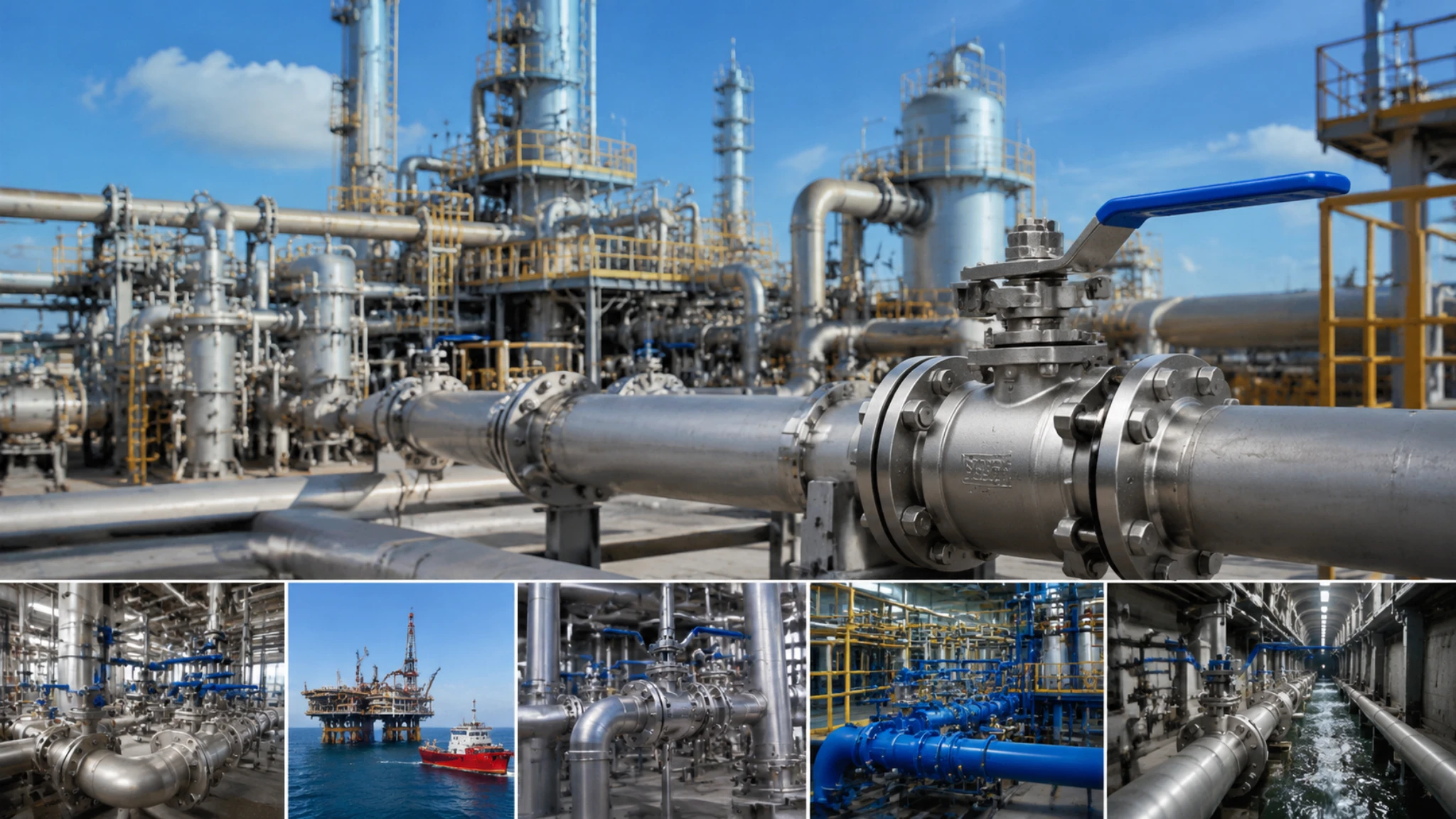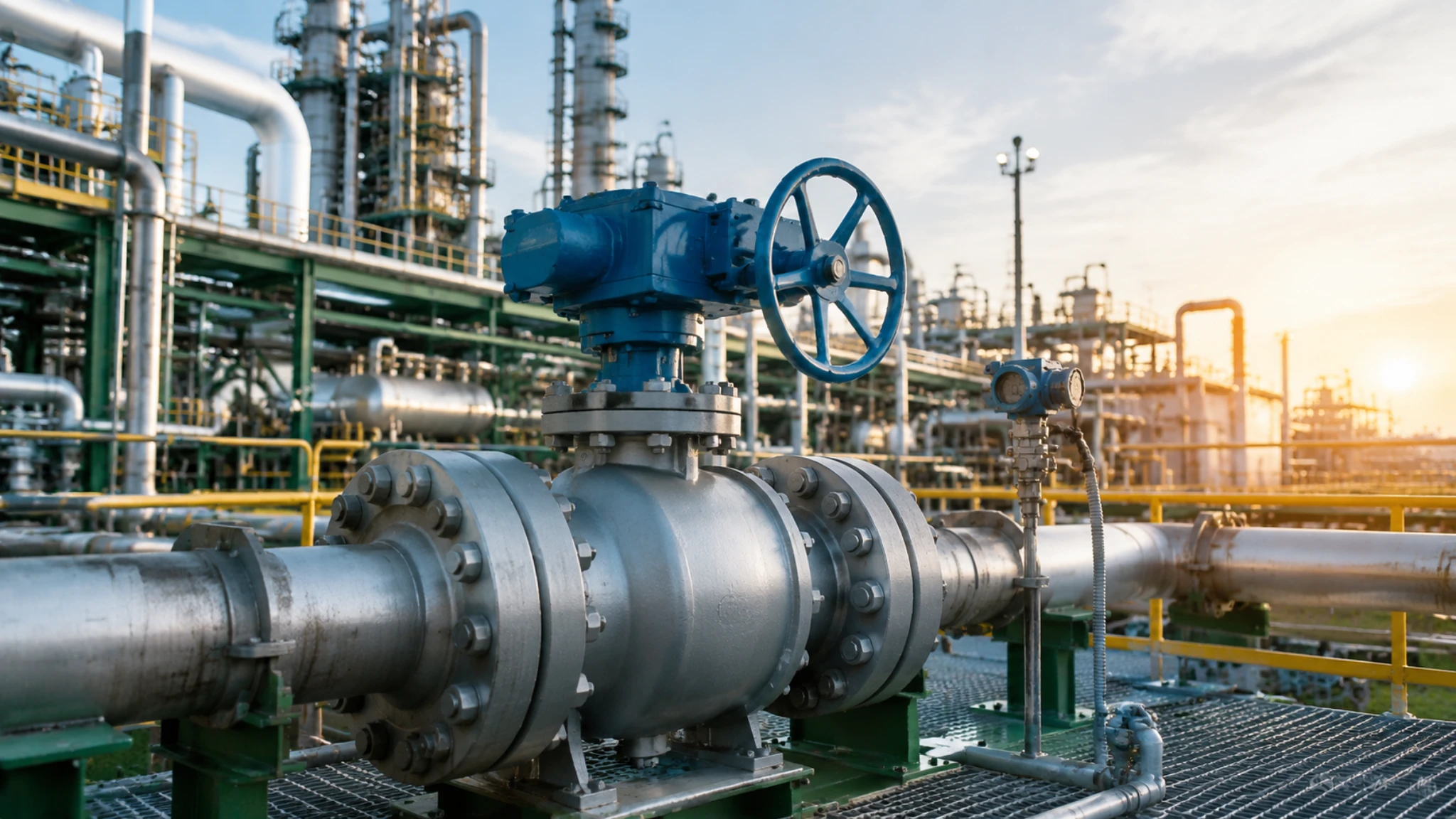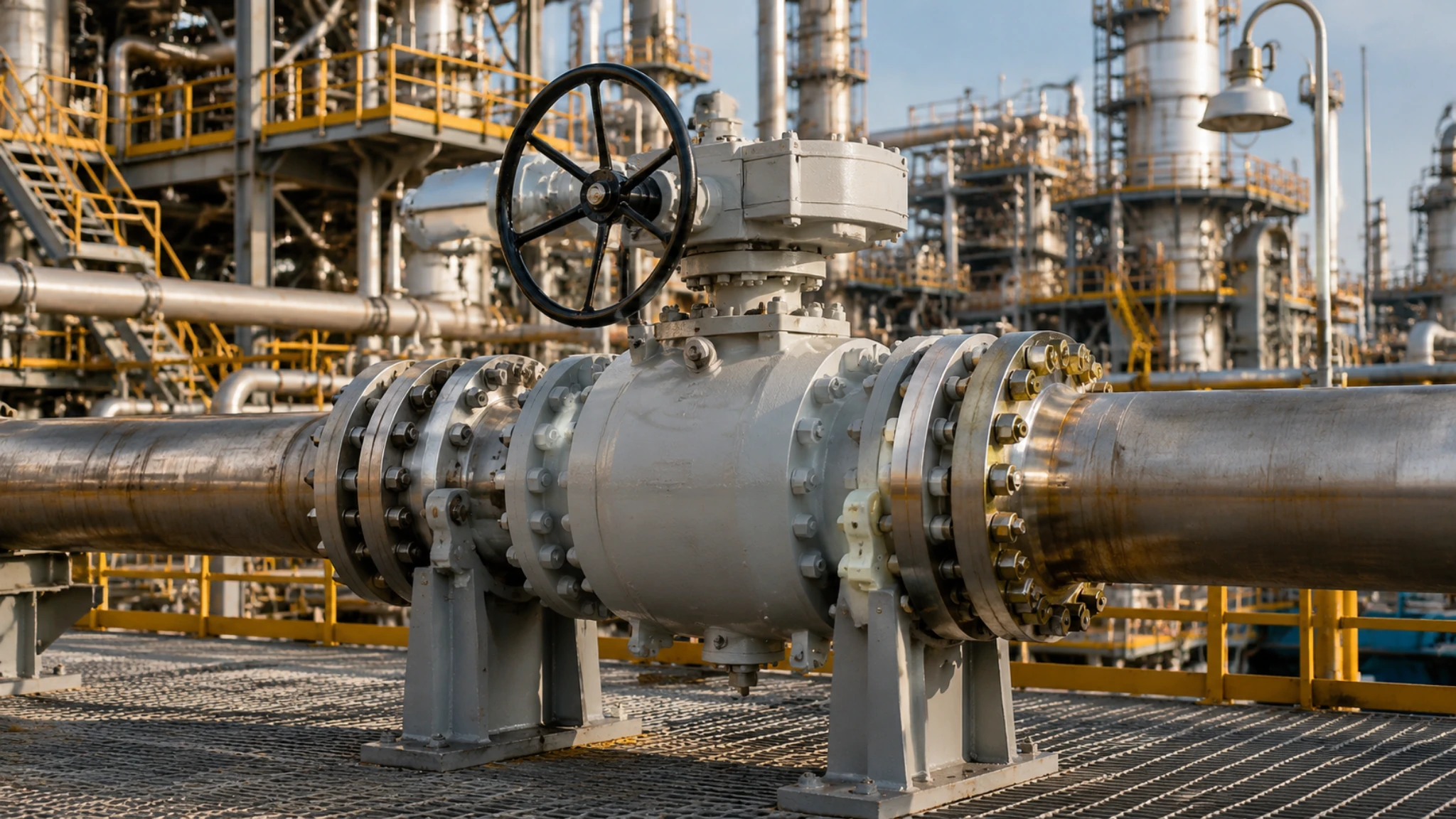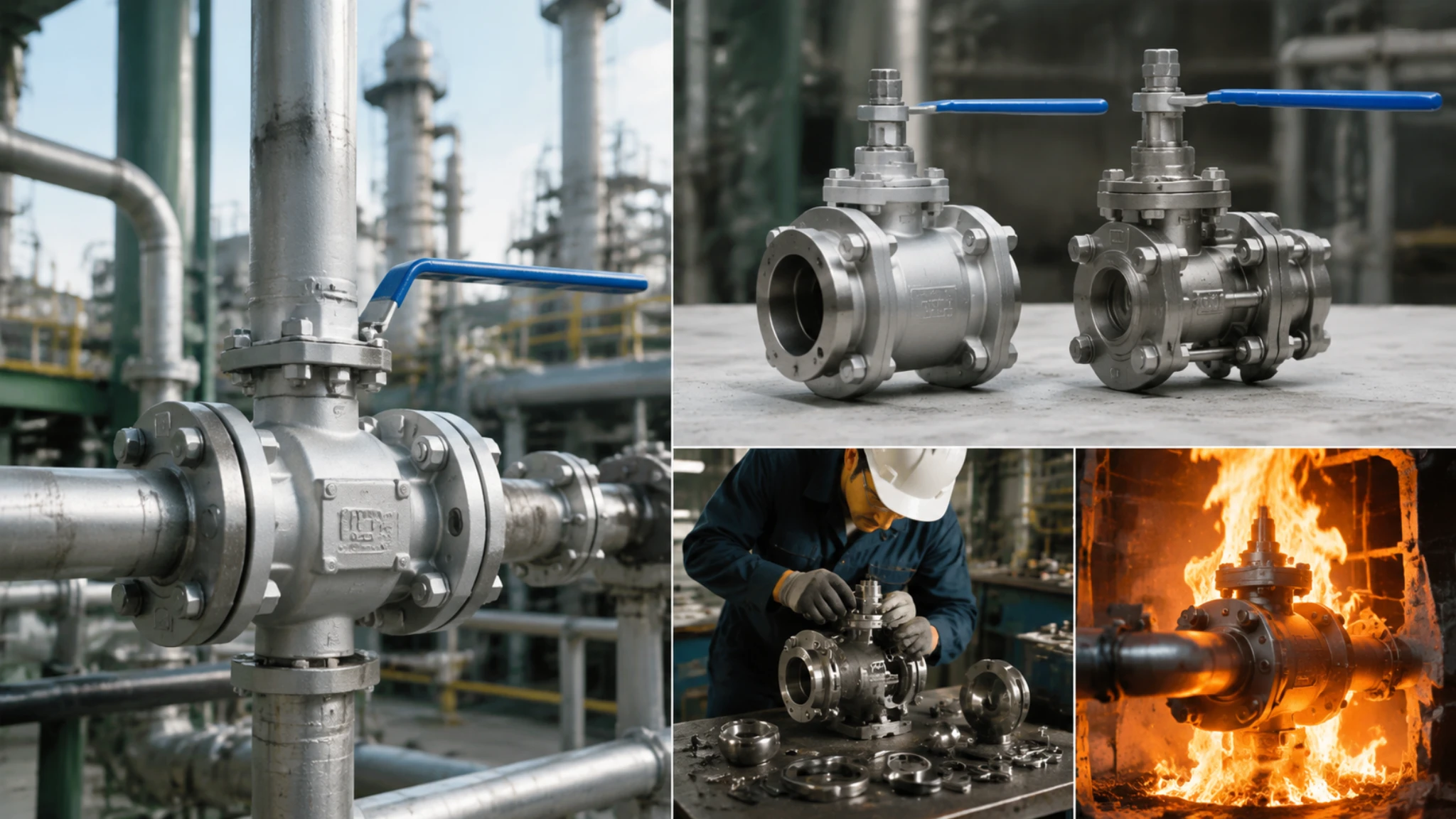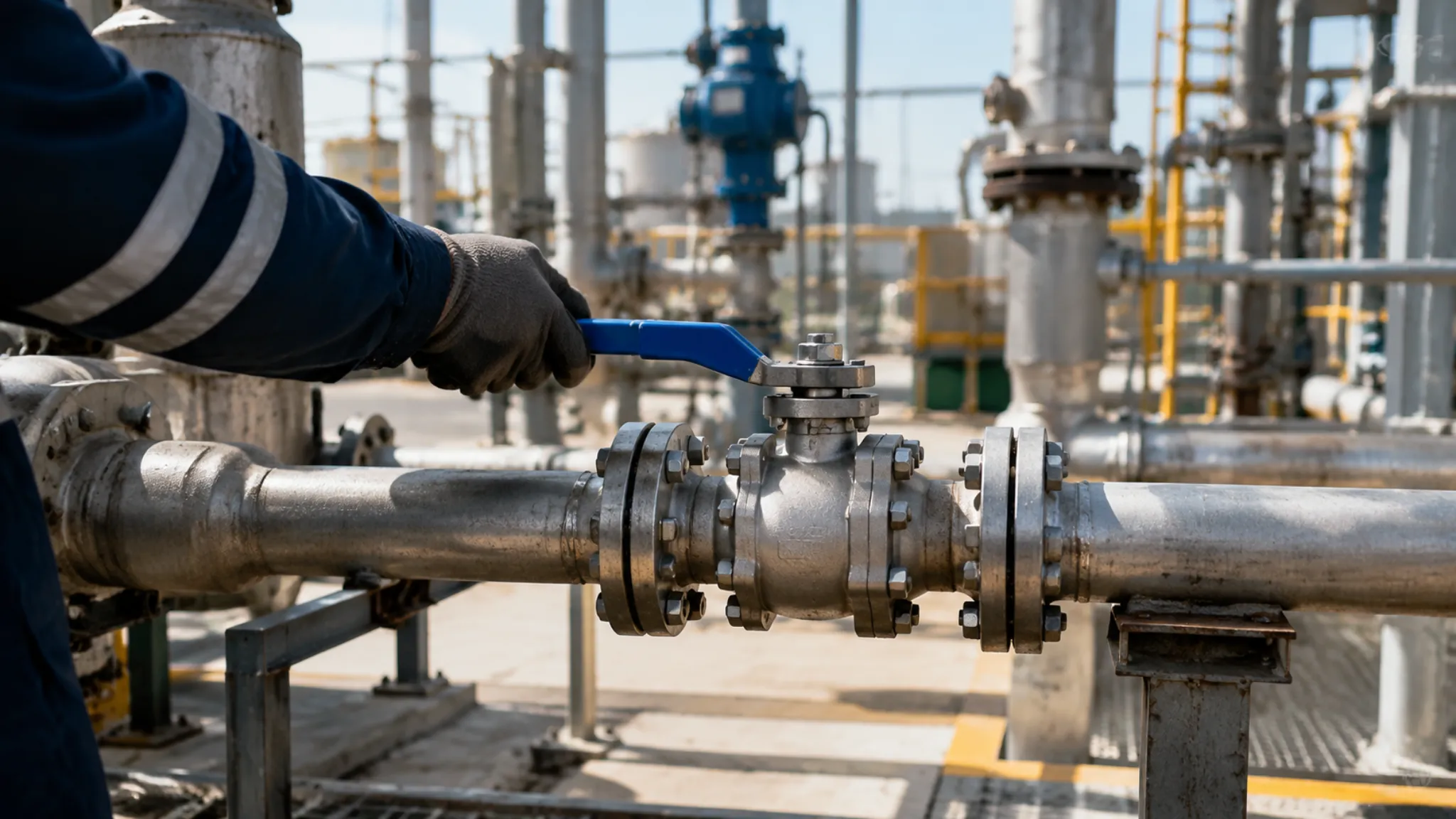
Selecting ball valve manufacturers needs to audit API 6D certification, ISO 9001 system, focus on checking valve body material (such as ASTM A105), pressure rating (Class 150-2500) and sealing test (100% pneumatic/hydrostatic test).
The factory should possess CNC machining precision ±0.01mm, and provide third-party inspection reports (such as SGS).
Factory Audit
Qualification Verification
Open the API official website Composite List real-time query interface, input the 6D-XXXX number on the supplier’s certificate. Compare whether the factory’s physical address and the business license registered address are completely consistent, to prevent traders from hitching on qualifications. View the authorization categories in the certificate appendix (Appendix), confirm Full Bore and Reduced Bore production permissions.
If the order specification is 10 inch Class 600, while the manufacturer’s certificate authorization upper limit is only 8 inch, this type of product belongs to over-range illegal manufacturing. Suspended or Withdrawn marks in the database can identify those factories using invalid photocopies. API 607 or 6FA fire-safe test reports must contain detailed stem seal cross-section diagrams.
- Retrieve API 607 report to check the carbon content of the sealing surface graphite ring, requiring it to reach over 98%
- Verify the test medium is kerosene or diesel, record the external leakage after continuous burning for 30 minutes
- Compare API 6FA certified flange seals and physical bolt strength grades, must comply with ASTM A193 B7
Flip through the raw material incoming inspection ledger, each batch of castings/forgings needs to be equipped with EN 10204 3.1 material certificate. Aiming at the NACE MR0175 standard for sour service conditions, the measured hardness value of valve internals must be controlled below 22 HRC. Randomly select 3 different heat numbers (Heat Number) in the blank stacking area, require the factory to demonstrate the back-check records within 5 minutes on-site.
Physical experimental data with tensile strength above 485 MPa should correspond to the material certificate. Use a handheld ultrasonic thickness gauge to take 4-point values for the pressure weak points of the valve body. The wall thickness of a Class 300 8-inch ball valve should be maintained above 17.5 mm. If the measured data is lower than the ASME B16.34 standard lower limit, it is usually the manufacturer saving material costs by thinning the wall thickness.
- Measure ASTM A105 forging carbon equivalent (CE), the value needs to be lower than 0.45% to ensure welding performance
- Stainless steel valve body nickel (Ni) content measured should be between 8.0% and 11.0%, preventing intergranular corrosion
- Radiographic Testing (RT) film blackness (H&D Density) needs to be stable in the 2.0 to 4.0 range
- Magnetic Particle Testing (MT) fluorescent liquid concentration needs daily calibration, operators need to hold ASNT Level II certificates
Ball roundness (Roundness) tolerance should be reflected in the Computer Numerical Control (CNC) compensation records, the value needs to be better than 0.02 mm. If the opening torque exceeds the calculated value by 20%, it usually indicates that the matching clearance between the ball and seat has machining deviations. The pressure gauge range of the pressure test bench needs to cover the interval of 1.5 times to 4 times of the test pressure, the sticker date should be within the 6-month validity period.
The chloride ion (Cl-) content for the hydrostatic test of stainless steel valves needs to be tested every 7 days, the concentration needs to be lower than 30ppm. Water quality exceeding standards will trigger pitting corrosion damage at the root of the stainless steel valve seat within 48 hours. Orders sold to Europe must check the Notified Body code on the PED 2014/68/EU certificate. Actuators in explosion-proof areas must provide ATEX certification or IECEx test reports.
- Measure the resistance of the anti-static device (Anti-static) between the ball and valve body, the value should be less than 10 ohms
- Drain valve (Drain Valve) thread depth needs to comply with ASME B1.20.1 standard NPT specifications
- Actuator connection disc (ISO 5211) coaxiality tolerance needs to be controlled within 0.1 mm
- Coordinate Measuring Machine (CMM) depth detection for valve seat grooves, precision needs to reach 0.005 mm
Low-temperature conditions need to check BS 6364 test records, confirm the cooling rate under the liquid nitrogen immersion environment is maintained at 40 degrees Celsius per hour. The valve should achieve zero leakage sealing at -196 degrees Celsius. View internal audit records in quality management procedures, verify the rectification closing date of the last non-conforming item. The thickness of Tungsten Carbide (WC) overlay on the sealing surface should be evenly distributed at 0.2 mm.
The 12-digit traceability code on the qualification certificate should be able to find all station IDs from melting, casting, machining to assembly in the factory ERP software. Check warehouse temperature and humidity gauge records, ensure the rubber seal ring (O-ring) storage environment is away from light and the temperature is below 25 degrees Celsius, to prevent early aging of the rubber.
- Retrieve Charpy V-notch impact test data of ASTM A350 LF2 forgings at -46 degrees Celsius
- Check the surface potential of stainless steel valve bodies after pickling and passivation, confirm the passivation film thickness complies with specifications
- Record the SIL 2 or SIL 3 certificate number of the Emergency Shutdown Valve (ESD), check the Safety Integrity Level
- On-site spot check calibration certificates of vernier calipers and micrometers, ensure certificate numbers are consistent with the physical steel stamps
Every 100 ball valves should have 1 piece sampled for high-pressure pneumatic sealing test, the test pressure reaching 1.1 times the rated pressure. Observe the bubble generation frequency, the leakage rate specified by API 6D is zero bubbles. Check the shipping mark identification on the side of the packing box, content should include contract number, tag number (Tag Number) and total weight data. Observe the use of torque wrenches during the workers’ assembly process, ensure the bolt pre-tightening force error is lower than 5%.
Raw Material Control
Entering the raw material warehouse of the ball valve manufacturer, the primary task is to check the heat treatment furnace number (Heat Number) on the surface of steel ingots or castings. Each casting or forging must possess a unique permanent steel stamp identification, strictly prohibit using temporary numbers painted with paint pens. Require the warehouse keeper to provide the corresponding EN 10204 3.1 material certificate, compare the measured chemical composition values on the certificate with the ASTM standard limits.
Aiming at ASTM A216 WCB carbon steel valve bodies, need to focus on checking whether the carbon (C) content is controlled below 0.30%, and whether the manganese (Mn) content is around 1.00%. If used for welding conditions, must calculate the carbon equivalent (CE) according to the formula, the value must not exceed 0.43% to prevent welding cracks. Randomly retrieve Positive Material Identification (PMI) to conduct on-site spot tests on stainless steel valve bodies.
- ASTM A351 CF8M: Chromium (Cr) content should be 18.0%-21.0%, Nickel (Ni) 9.0%-12.0%, Molybdenum (Mo) 2.0%-3.0%.
- ASTM A105: Manganese content requirements are 0.60%-1.05%, Silicon (Si) content 0.10%-0.35%.
- ASTM A350 LF2: Sulfur (S) and Phosphorus (P) contents must be lower than 0.035%, ensuring low-temperature toughness.
- F51 Duplex Steel: Ferrite content needs to be measured via a ferrite meter, usually requiring between 35%-55%.
Raw material hardness testing is a mandatory indicator for judging whether it complies with the NACE MR0175 standard. Randomly select 3 points on the valve body flange side to conduct Brinell hardness (HB) or Rockwell hardness (HRC) tests. For sour service conditions (Sour Service), the hardness of carbon steel and stainless steel internals is strictly prohibited to exceed 22 HRC, otherwise stress cracking will occur in hydrogen sulfide environments.
Low-temperature ball valve raw materials need to consult Charpy V-notch impact test records. Standard sample size is 10mm x 10mm x 55mm, tested at -46 degrees Celsius (for LF2 material) or -196 degrees Celsius (for 316 stainless steel). Record the absorbed energy values of 3 samples, the average value should reach over 27 Joules, and a single minimum value not lower than 21 Joules.
| Material Grade | Main Application Condition | Tensile Strength (min) | Yield Strength (min) | Elongation (min) |
|---|---|---|---|---|
| ASTM A216 WCB | Normal temp high pressure water/oil | 485 MPa | 250 MPa | 22% |
| ASTM A351 CF8M | Corrosive media | 485 MPa | 205 MPa | 30% |
| ASTM A350 LF2 | Low temp (-46°C) | 485 MPa | 250 MPa | 22% |
| ASTM A182 F316 | Extremely low temp/strong corrosion | 515 MPa | 205 MPa | 30% |
Casting surface quality should refer to the MSS SP-55 standard for visual evaluation. Check whether obvious sand holes, shrinkage cavities or slag inclusions exist within the valve body flow passage. For Class 600 and above high-pressure valves, valve body end flanges and socket weld parts must undergo 100% Ultrasonic Testing (UT), ensuring no linear defects such as blowholes or cracks exceeding 3mm inside.
According to ASME B16.34 Table 3 data, the minimum wall thickness of an 8-inch Class 150 ball valve should be 12.7 mm. If the measured wall thickness shows a negative tolerance and exceeds 0.25 mm, then the batch of blanks is determined to be unqualified, with a risk of bursting.
- Measure ball (Ball) roundness: for balls with diameter over 300mm, roundness error should be less than 0.03mm.
- Check stem (Stem) material: must be a forging, strictly prohibit using bar stock for direct machining, check heat treatment state.
- Seal ring (O-ring) check: verify AED (Anti-Explosive Decompression) test report, especially for high-pressure valves over 1500LB.
- Packing (Packing) quality: verify flexible graphite purity, requiring carbon content to reach over 99%.
PTFE density should be between 2.14-2.19 g/cm³ between, tensile strength not lower than 25 MPa. PEEK material needs to check its Shore hardness (Shore D), usually around 85. Aiming at conditions above 200 degrees Celsius, need to confirm whether PEEK has undergone sufficient secondary tempering treatment.
For metal hard-seated ball valves, the spray-welding layer material of the ball and seat is the top priority of raw material control. Verify the procurement sources of Tungsten Carbide or Nickel-Chromium (NiCr) powder. Require the manufacturer to provide spray coating procedure qualification records, bonding strength must exceed 70 MPa. Use a portable hardness tester to detect the spray-welding layer, hardness should reach 58-62 HRC range.
Machining Precision
For ball specifications of 10 inch and above, once the roundness error exceeds 0.05 mm, the valve opening torque will increase by more than 30%. High-precision factories will use specialized ball grinding machines to compress the tolerance zone to between 0.01 mm and 0.02 mm.
Use a handheld roughness tester flush against the processed ball surface to read the Ra value. Soft-seated ball valves usually require Ra 0.2 to 0.4 microns, while metal hard-seated ball valves need to reach “mirror” level, with Ra value controlled below 0.1 microns.
- Measure ball diameter tolerance, ensure it is within +/- 0.05mm range
- Observe the ball flow passage hole edges, the R-angle rounding radius needs to be maintained at 1.5mm to 3mm
- Check the processing of the flat position of the ball stem, symmetry deviation must not exceed 0.05mm
- Verify ball pressure relief hole (Vent Hole) drilling position, error controlled within 0.5 mm
The seat groove (Seat Pocket) depth determines the compression amount of the pre-tightening spring. If the groove bottom flatness exceeds 0.02 mm, the seal ring will be unevenly compressed, and the ball valve will show micro-bubbles difficult to see by the naked eye during 1.1 times high-pressure air test, leading to internal leakage test failure.
Move to the Coordinate Measuring Machine (CMM) room, spot check the coaxiality measurement data of the valve body seal cavity. The centerline deviation of the seat grooves at the left and right ends of the ball valve must be controlled within 0.03 mm.
Observe the micrometer readings in the stem (Stem) processing area. The tolerance for the matching part of the stem and packing adopts h7 or h8 fit, and the surface roughness Ra value should reach 0.8 microns. Rough processing in this area will accelerate graphite packing wear, potentially triggering external leakage after 500 cycles of opening and closing.
- The perpendicularity deviation of the stem stepped shaft needs to be less than 0.02mm
- Check the flatness of the actuator connection disc, error should be controlled around 0.1mm
- Depth consistency of seat spring holes, tolerance for multiple hole positions controlled within 0.1mm range
- Relative position of pin holes and threaded holes, tolerance zone set to 0.15mm
The ball-seat grinding of metal hard-seated ball valves is the endpoint of precision control. Manufacturers should conduct a “dye check” after grinding, requiring the contact line width between the ball and seat to be uniform, with coverage reaching over 90% of the circumference area, ensuring not a drop of water leaks.
For hard-seated balls involving High Velocity Oxygen Fuel (HVOF) spraying, need to verify the sandblasting roughness before spraying, usually requiring over Ra 6.3 microns. Measure the Tungsten Carbide coating thickness, the reading should be stable at 0.15 mm to 0.25 mm. Use a portable Vickers hardness tester to test the coating, the hardness value needs to fall near 1000 HV or 60 HRC.
According to ASME B16.5 requirements, the sealing surface roughness Ra value should be between 3.2 and 6.3 microns. Tool marks being too deep or too shallow will both lead to flange surface gasket sealing failure after on-site installation.
- Check the distribution tolerance of flange bolt holes, hole diameter positive deviation should be controlled around 0.5mm
- Check the processing depth of the anti-static ball hole, spring pre-tightening force needs to ensure 12V test pen passage
- Observe the chamfer processing inside the stuffing box, a 20-degree guiding angle can prevent scratching the seal ring during assembly
- Verify fire-safe structure (Fire-safe lip) processing dimensions, clearance controlled at 0.1mm to 0.2mm
Self-inspection records after every machining process are the foundation of trust. Excellent factories will mark the measured readings of every important dimension on the part flow card. By spot-checking processing daily reports within 24 hours, the quality stability of the factory during the night shift can be judged.
Measure the positioning diameter tolerance of the drive device connection platform step, ensure its matching tolerance with the actuator is at F8 level. A fit too tight will lead to installation difficulties; a fit too loose will cause the actuator operation to produce an empty stroke of over 0.5 degrees, affecting adjustment precision.
API 6D Standards
DBB & DIB
The DBB ball valve defined by API 6D specification consists of two independent seats, which at the closed position can both block pressure from each end of the pipeline. This structure forms an isolation area in the ball cavity, and through the drain valve installed at the bottom or the vent valve at the top, the medium in the cavity can be manually discharged. In actual operation, for a ball valve with diameter DN400 and pressure rating Class 600, its cavity volume can reach over 20 liters.
After opening the discharge valve, if the discharged fluid does not stop within 5 minutes, it proves that there are scratches on the upstream or downstream seat contact surfaces. This physical detection method is more reliable than observing pressure gauge fluctuations, directly reflecting seepage caused by micro-deformations at the 0.02 mm level of the sealing surface. In natural gas long-distance pipelines, this function allows technicians to verify whether the valve closure state has reached 100% dead-shut without cutting off the fluid of the entire pipeline.
The seats of the DBB structure usually adopt a Single Piston Effect design, that is, the medium pressure only unidirectionally pushes the seat to compress the ball from the pipeline side. If the cavity pressure abnormally rises due to temperature increase, exceeding the pipeline pressure by about 1.33 times, the seat will be forced to leave the ball surface, automatically discharging excess pressure into the pipeline. This design can prevent the cavity from generating destructive pressures up to over 70 MPa due to liquid thermal expansion, protecting the valve body from deformation or bursting.
- Initial pre-tightening force of seat springs: 15 to 25 kg per square centimeter
- Discharge hole specifications: 1/2 inch NPT or 1 inch flange interface
- Sealing surface grinding precision: roughness lower than Ra 0.4 microns
- Pressure maintenance test: continuous 15 minutes under 1.1 times rated pressure
- Automatic pressure relief opening pressure: 1.1 to 1.33 times of pipeline pressure
Relative to the unidirectional protection of DBB, DIB valves provide a higher level of blocking logic, which is very common in crude oil tank farms or chemical pipelines requiring strict isolation. Both seats of the DIB-1 type ball valve possess a Double Piston Effect, regardless of whether pressure comes from the pipeline or from the valve cavity, the seats will tightly press against the ball under the action of pressure.
To prevent crude oil volume expansion in the cavity caused by summer sunlight exposure, a safety relief valve must be installed on the outside of the valve body, setting the pressure at 1.1 times the rated value. On a Class 900 DIB valve, if this relief system is omitted, the cavity pressure may instantly soar by 5 MPa when the temperature rises by 10 degrees Celsius, enough to break the limit of the actuator.
DIB-2 is then a compromise solution, it contains one Single Piston Effect seat and one Double Piston Effect seat. Usually, the Single Piston side is oriented towards the high-pressure upstream, so that both absolute isolation of the downstream can be guaranteed, and pressure can be automatically relieved towards the upstream side when cavity pressure is abnormal. This asymmetric design requires a flow direction arrow to be clearly marked on the valve body; once installed backwards, the safety logic of the entire system will fail, even triggering pipeline overpressure accidents.
- DIB-1 sealing test: inject 1.1 times rated pressure from the cavity
- Safety valve pop-up pressure: set at 110% of rated pressure
- Seat seal ring material: reinforced PTFE or PEEK
- Hardness gradient: ball surface spray-coating hardness HRC 60 and above
- Detection frequency: conduct on-site sealing verification every 6 months
For frequently operated API 6D ball valves, 12 to 24 sets of stainless steel helical springs will be embedded inside the seats. These springs ensure that under low-pressure conditions where pipeline pressure is lower than 0.1 MPa, the seat can still provide sufficient initial sealing specific pressure to the ball. If the springs undergo stress corrosion fracture in acidic environments, the valve will show stable bubble leakage of more than 50 ml per minute during low-pressure tests.
During the manufacturing process, the ball roundness deviation must be limited within 0.01 mm. If the roundness exceeds the standard, the ball will produce uneven torque fluctuations when rotating to the $45^\circ$ position, leading to accelerated local wear of the seal ring. On a Class 1500 high-pressure valve, this unevenness will cause the opening and closing torque to suddenly jump from the rated 4000 Nm to over 6000 Nm, directly leading to the pneumatic head being unable to close completely.
The configuration of the grease injection system is also an extension of sealing reliability in the API 6D standard. When the seat is damaged while transporting media containing silt, high-viscosity sealing grease can be pressed in through the grease injection nozzle on the outside of the valve body. The compressive strength of this sealing grease can reach over 100 MPa, temporarily acting as an artificial seat in emergencies.
- Grease injection pressure: 15% to 20% higher than pipeline pressure
- Spring material: Inconel X-750 anti-corrosion alloy
- Ball coating thickness: Tungsten Carbide spraying 0.15 to 0.3 mm
- Low-pressure sealing bubble count: 0 for continuous 2 minutes
- Stem anti-blowout structure: withstands 2 times rated pressure without falling off
When accepting API 6D valves, real-time sampling data in the pressure test curve diagram must be checked. If it is found that the pressure dropped by 0.05 MPa within 30 minutes, and the ambient temperature has not changed, this is evidence of internal leakage invisible to the naked eye. For large-diameter high-pressure ball valves, even a 0.5 mm sand hole inside the valve body forging will be eroded into a penetrating channel with a diameter of 2 mm under 20 MPa pressure flushing within 3 months.
Pressure Test
In the shell test, API 6D requires the pressure steady state to be maintained at 1.5 times the rated value. If the valve body uses A105 forged steel, the yield strength will undergo micro-shifts at 50 degrees Celsius, and the test equipment must be equipped with high-precision pressure transmitters to control the error within the range of plus or minus 0.01 MPa. Under pressure, the gasket compressed area at the flange connection reaches several hundred square centimeters, and the tensile load of bolts needs to be precisely set above 450 Nm through a torque wrench.
Water source chloride ion content exceeding 30 mg/L will induce stress corrosion cracking of stainless steel seats. Manufacturers usually add hydrazine to the circulating water tank as an oxygen scavenger to prevent rust spots from being generated in the valve cavity during the testing process. For DN600 diameter valves, filling with water requires consuming several tons of fresh water, and the vent valve must be kept wide open until the discharged water flow no longer contains bubbles with diameters over 0.5 mm.
- Test medium temperature: 5 to 50 degrees Celsius
- Pressure transmitter range: 1.5 times to 4 times of the test pressure
- Sealing gasket compression rate: 25% to 30%
- Bolt tensile load deviation: less than 5%
- Valve body surface dryness: 100% no water stains
High-pressure pneumatic test uses helium or nitrogen, with the pressure set at 1.1 times the working pressure. The helium atom radius is only 0.26 nanometers, capable of penetrating micro-pores between molecules. If a Class 2500 ultra-high pressure ball valve shows a leakage of 1 bubble per second under 42 MPa pressure, it indicates that the Ra 0.2 roughness of the seat sealing surface failed to reach mirror-level matching and must be put back on the grinding machine for 4 hours of fine grinding process.
The test standard for soft-seated ball valves is ISO 5208 Rate A grade. Within the 15-minute observation period, whether hydrostatic or pneumatic, the downstream outlet must have not a drop of water enter. For valves using Nylon 12 or modified PTFE seats, the hard chrome plating thickness on the ball surface needs to reach 0.03 mm to resist shearing forces generated by high pressure differences during testing, preventing the seal ring from being squeezed out of the groove.
- Metal seat hardness: HRC 45 to 52
- Ball roundness tolerance: 0.01 mm
- Abrasive grain size: W5 to W1.5 fine grains
- Sealing surface contact width: 3 mm to 8 mm
- Pneumatic test pressure maintenance: not less than 300 seconds
The QC inspector measures the opening torque under 1.1 times pressure difference, and the data needs to be entered into the DDC automation system. For a DN300 Class 900 ball valve, its opening torque may fluctuate between 1800 Nm to 2200 Nm. If the range of three tests for torque exceeds 10%, it indicates the friction coefficient of the packing gland is uneven, and the pre-tightening stroke of the packing bolts needs to be readjusted.
The anti-static test measures the resistance value from the ball to the stem through an ohmmeter. API 6D stipulates the resistance value is less than 10 ohms, which is to cope with natural gas in pipelines with flow rates exceeding 5 meters/second. If charges accumulated by high-speed friction cannot be exported, electric sparks will be generated at the moment of ball rotation. The stem anti-blowout structure is strictly prohibited from showing any axial displacement under test pressure, and its step load-bearing capacity needs to be verified by 2 times pressure static load.
- Anti-static contact spring material: 316 stainless steel
- Number of stem seal rings: no less than 3 sets
- Charpy V-notch impact energy: single time not lower than 27 Joules
- H2S environment material hardness: lower than HRC 22
- Fire test site temperature: 760 to 980 degrees Celsius
In the low-temperature impact test at minus 46 degrees Celsius, the test block sampled from the valve body needs to withstand impact energy of over 40 Joules. API 6D standard strictly controls the carbon equivalent to be less than 0.43, ensuring that the steel will not undergo brittle fracture in extremely cold environments. If the test data does not reach the standard, this batch of forgings will all be scrapped. In actual test sites, the liquid nitrogen cooling system will precisely lock the ambient temperature within plus or minus 2 degrees Celsius.
For DIB-1 bidirectional sealing valves, the thermal expansion effect of the cavity pressure is the test focus. Fill the cavity with 1.1 times pressure, observe the locking situation of the seats at both ends. If the opening pressure of the safety relief valve is set at 1.2 times the rated value, it must respond within 0.1 seconds. This verified the Double Piston Effect logic of the seats, and also ensured the valve body will not be burst by the fluid accumulated inside when the ambient temperature rises from 20 degrees to 45 degrees in summer.
Every qualified ball valve will generate an MTR report as thick as 20 pages. The report records every value from the raw material incoming heat number to the final hydrostatic test. On the pressure test curve diagram, the sampling points sampled every second connect into a smooth straight line. If the curve shows a sawtooth fluctuation of 0.02 MPa, it is usually a pressure drift caused by environment temperature differences, or a signal of internal leakage of the high-pressure pump check valve, which must be noted in the report and re-tested.
Fire-safe & Materials
At the API 607 experiment site, the ball valve needs to withstand continuous flame envelopment of 760 to 980 degrees Celsius. The experimenter records leakage values at the seat, stem and middle flange in real-time during the 30-minute incineration process.
After soft-sealing failure, API 6D ball valves rely on the rigid contact formed between the metal auxiliary seal seat and the ball to prevent large-area medium gushing. Fire-safe design requires that within the cooling period after extinguishing the fire, the residual leakage at the seat must not exceed 1 ml / (in·min). For a 10-inch valve, the liquid volume flowing out per minute under pressure must be controlled within 10 milliliters.
- API 607 burning duration: 30 minutes
- Fire site temperature monitoring points: no less than 2
- Cooling time requirement: drop to below 100 degrees Celsius within 10 minutes
- Test pressure: low pressure level not lower than 0.2 MPa
- Maximum allowable leakage of seat: 1 ml / (in·min)
- Maximum allowable leakage of stem and gaskets: 100 ml / (in·min)
Real fire-safe ball valves will reserve a tiny metal lip in design. Under normal conditions, the lip does not contact the ball; only when the soft seal ring completely melts around 180 degrees Celsius, and the ball undergoes a displacement of 0.5 mm to 1.5 mm under medium pressure push, will it precisely press against the metal lip to complete the blockage.
The sulfur (S) and phosphorus (P) single item content in A105 or F316 forgings selected by API 6D certified manufacturers is usually suppressed below 0.025%. Low degree of sulfurization can significantly reduce sulfide inclusions inside the material, avoiding micro-tearing under 25 MPa high pressure impact.
Aiming at low-temperature conditions of minus 46 degrees Celsius, ASTM A350 LF2 material needs to undergo Charpy V-notch impact testing. In the liquid nitrogen cooled experimental tank, the sampled test block needs to withstand impact energy of over 27 Joules without fracture. If the manganese-carbon ratio (Mn/C) in the material is lower than 3.0, the toughness at low temperatures will decline significantly, leading to the valve body operating in cold regions collapsing instantly like ceramic.
- Carbon Equivalent (CE) limit: below 0.43
- Tensile strength: higher than 485 MPa
- Yield strength: higher than 250 MPa
- Impact test specimen size: 10 by 10 by 55 mm
- Manganese (Mn) content requirement: 0.60% to 1.35%
- Silicon (Si) content requirement: 0.15% to 0.30%
In acidic oil and gas wells containing hydrogen sulfide (H2S), metal materials must satisfy the hardness limits of NACE MR0175. The hardness of the valve body and internals is strictly prohibited to exceed HRC 22, the purpose being to prevent hydrogen induced cracking (HIC) caused by hydrogen atoms infiltrating the metal lattice. If the manufacturer deviates the quenching temperature by 10 degrees Celsius during the heat treatment stage, resulting in local hardness reaching HRC 25, the valve may crack from the inside in less than half a year of online operation.
The Electroless Nickel Plating (ENP) thickness on the ball surface is usually set at 75 microns. This plating provides hardness above HV 500, protecting the ball from being scratched by welding slag or sand particles in the pipeline. For high-wear slurry or crude oil conditions, manufacturers will adopt High Velocity Oxygen Fuel (HVOF) Tungsten Carbide Coating (TCC) process, increasing the sealing surface hardness to HRC 68 to 72, with the hardness value close to diamond.
- ENP plating phosphorus content: 10% to 13%
- Tungsten Carbide spray thickness: 0.15 mm to 0.3 mm
- Sealing surface roughness: lower than 0.2 microns
- Spray bonding strength: higher than 70 MPa
- Plating adhesion test: no peeling after 180 degree bending
- Salt spray test time: no less than 96 hours
In actual audits, senior procurement will view the manufacturer’s spectrometer records. If the chromium (Cr) content on the material composition detection table is lower than 11.5%, even if the nameplate is engraved with stainless steel, its Pitting Resistance Equivalent Number (PREN) in coastal high salt spray environments will not reach the standard, leading to red rust seizing at the stem within one year.
The failure of elastic sealing elements often begins with Anti-Explosive Decompression (AED). In high-pressure gas wells above Class 1500, high-pressure gas molecules will permeate into the molecular gaps of Fluororubber or Hydrogenated Nitrile Rubber. If the pipeline pressure drops from 25 MPa to atmospheric pressure within a few seconds, the volume of gas remaining inside the rubber will instantly expand 200 times, directly blowing the seal ring into pieces.
Usually, explosion-proof materials with Shore A hardness above 90 need to be selected. The molecular chains of rubber with this hardness are densely arranged, able to resist the expansion force of internal bubbles. The matching back-up rings are usually made of PEEK material, its flexural modulus reaching up to 4000 MPa, ensuring the seal ring will not be squeezed into the 0.1 mm mechanical clearance like dough under extremely high pressure differences.
- O-ring explosion-proof standard: NORSOK M710
- Seat pre-tightening spring material: Inconel X-750
- PEEK continuous working temperature: minus 50 to 250 degrees Celsius
- Number of stem packing layers: no less than 5 layers of V-rings
- Rubber material compression set: lower than 20%
- Spring load deviation: within plus or minus 10%
Through the traceability system, the oxygen blowing duration during melting of this heat of steel and the pouring temperature into the mold can be found. API 6D requires records to be kept for at least 10 years, and the service life of petroleum pipelines is usually more than 25 years; any material defect may evolve into serious pipeline leakage in the 8th or 12th year of service.
316 stainless steel bolts need to undergo solution treatment to prevent intergranular corrosion under long-term alternating stress. If bolt hardness is found to exceed HB 300 during field inspection, there is a risk of hydrogen embrittlement fracture, and this material deviation will directly lead to spray-type leakage at the middle flange when the valve is operated under pressure.
- Bolt material standard: ASTM A193 B7 or B8M
- Nut material standard: ASTM A194 2H or 8M
- Heat treatment hardness detection ratio: 10% to 100% per batch
- Ultrasonic Testing (UT) coverage: 100% for important forgings
- Magnetic Particle Testing (MT) sensitivity: detect cracks over 0.5 mm
- Radiographic Testing (RT) film grade: Grade 2 or above
The selection logic of API 6D ball valves is established upon the simulation of extreme working conditions. Whether in a 1000 degree Celsius fire site, or in a minus 46 degree Celsius polar region, the physical and chemical characteristics of the materials determine the safety upper limit of the pipeline project. Behind every item of data is the goal of ensuring the valve still executes that one life-and-death emergency shutdown action during decades of operation in no-man’s land.
Quality Control
NDT
Radiographic Testing (RT) utilizes Iridium-192 or Cobalt-60 radioactive sources to penetrate the valve body wall thickness, leaving projections on photosensitive film. The film blackness value is stable between 2.0 to 4.0; if dark stripes or dot-like shadows appear, the grade is determined by comparing with the ASTM E446 standard atlas. API 6D specification requires castings with pressure ratings of Class 900 and above to execute 100% radiographic testing, to prevent high-pressure fluid from seeping out of tiny loose pores.
Film sensitivity is verified by placing metal wire Image Quality Indicators (IQI), usually requiring the thinnest steel wire with a diameter of 2% of the wall thickness to be clearly seen on the film. For ultra-thick valve bodies with thickness exceeding 50mm, RT testing will extend the exposure time to capture tiny slag inclusions as small as 0.8mm inside.
Ultrasonic Testing (UT) targets forged valve bodies or plates with thickness exceeding 50mm. Probe frequency is selected between 2MHz to 5MHz, with sound waves conducted through glycerol or couplant.
- Vertical probes detect lamellar tearing parallel to the surface.
- Angle probes detect defects at the groove root and weld fusion lines.
- DAC distance-amplitude curve serves as the quantitative evaluation benchmark.
- Defect reflection amplitude reaching 20% of the benchmark line triggers recording.
- A-scan display screen pulse signals quantify defect depth and position.
ASME A388 standard stipulates that any defect area resulting in a background wave reduction of more than 50% needs to be re-evaluated. When handling duplex steel 2205, since coarse grains cause severe sound wave attenuation, gain compensation needs to be adjusted to prevent false signals from interfering with normal defect determination.
Surface cracks even only 0.1mm deep will expand rapidly under fatigue loads triggered by frequent switching. Magnetic Particle Testing (MT) applies an AC electromagnetic yoke on the surface of ferromagnetic metals such as 4130 or LF2, with lifting force needing to be greater than 4.5kg. Coupled with using fluorescent magnetic powder with particle size 5 microns to 10 microns, under an ultraviolet lamp with wavelength 365nm in a darkroom environment, any fine leakage magnetic fields will gather magnetic powder into bright lines.
Magnetic suspension concentration is controlled between 1.2ml/100ml to 2.4ml/100ml, with spray pressure kept gentle to prevent washing away the formed magnetic marks. After detection is finished, de-magnetization treatment is conducted to drop residual magnetic induction intensity below 0.3mT, preventing the valve from adsorbing iron scrap fragments in the pipeline during operation.
For non-magnetic materials such as 316L, Monel 400 or Inconel 625, Liquid Penetrant Testing (PT) is the practical choice.
- Use solvent cleaning to remove surface oil stains, rust and moisture.
- Red penetrant remains still for 5 to 30 minutes waiting for penetration.
- Specialized cleaning agent wipes off excess liquid; direct water rinsing is prohibited.
- Spray white developer, maintaining a thin and even coating.
- Observation time controlled within 10 to 60 minutes, record red spot diffusion.
- Linear indications with length exceeding 1.5mm are determined as unqualified.
PT testing environment temperature needs to be maintained between 10 degrees Celsius to 52 degrees Celsius. In low-temperature environments, penetrant viscosity increases and molecular motion slows down, and penetration time needs to be extended by double to ensure detection rate. After the developer dries, technicians use a 10x magnifying glass to observe the root of the seat sealing surface, ensuring no capillary cracks exist. These tiny injuries will become the starting point of metal erosion when the valve withstands high pressures above 15MPa.
Handheld spectrometer (PMI) based on X-ray fluorescence principle identifies 16%-18% chromium content in CF8M castings within 10 seconds. For duplex steel F53, manufacturers need to verify its Pitting Resistance Equivalent Number PREN value, calculated through formula PREN = Cr + 3.3 * (Mo + 0.5 * W) + 16 * N, ensuring the value is greater than 40.
Hardness testers take 4 to 6 measurement points on the valve flange surface and sealing surface. Leeb hardness HLD stipulated by ASTM A370 standard needs to be converted to Rockwell hardness HRC; for example, the sealing surface hardness after spray-welding needs to reach HRC 50-62. This hardness supports the valve ball in resisting fine sand erosion during tens of thousands of cycles of opening and closing, preventing the sealing surface from being scratched leading to internal leakage.
For buried valves or marine engineering valves, anti-corrosion coating quality relates to service life. The holiday detector moves along the coating surface via a high-voltage probe. If pinholes or insufficient thickness exist in the coating, the probe will breakdown air generating blue electric arcs and issue alarms. For 300 micron thick epoxy resin coating, the test voltage is set at 2kV to 3kV.
Dimensions & Tolerances
Ball roundness tolerance is controlled within 0.005mm to 0.015mm range. Use Hexagon Coordinate Measuring Machine (CMM) to perform 360° sampling on the ball, with no less than 24 measurement points. At ball valve closed state, the coaxiality error between the ball centerline and seat sealing surface must be lower than 0.02mm, to prevent single-sided wear leading to internal leakage.
The grinding matching clearance between ball and seat is maintained at 0.002mm to 0.005mm. Adopt optical flats to detect the flatness of the ground plane, with the number of interference fringes controlled within 2. For high-pressure ball valves above Class 900 grade, the ball surface roughness Ra reaches 0.05μm.
| Measurement Item | Technical Parameter/Tolerance Range | Detection Tool/Standard |
|---|---|---|
| Ball Roundness (Roundness) | 0.008mm – 0.015mm | Coordinate Measuring Machine (CMM) |
| Stem Diameter Tolerance (Stem OD) | f7 grade (ISO 286-2) | Digital micrometer (precision 0.001mm) |
| Seat Seal Width (Seat Width) | 3.5mm ± 0.1mm | Image measuring instrument |
| Coating Bonding Force (Bonding) | > 75 MPa | ASTM C633 test |
| Stuffing Box Roughness (Stuffing Box Ra) | Ra 0.4μm – 0.8μm | Surface roughness comparator |
Stem diameter tolerance is executed according to ISO 286 standard f7 or g6 grade fit. The radial runout of the matching part between stem and packing must not exceed 0.03mm. If stuffing box inner wall smoothness is higher than Ra 1.6μm, it will lead to too fast wear of PTFE packing; actual processing needs to be compressed to below Ra 0.6μm.
Valve body middle flange connection surface parallelism error is limited to no greater than 0.05mm per 100mm length. Bolt load calculation is based on ASME VIII-1 Appendix 2, with tightening torque deviation controlled within ±5% range. Use hydraulic torque wrenches to perform constant torque pre-tightening on 24 B7 bolts, ensuring uniform gasket compression.
Porosity of Tungsten Carbide spray coating must be lower than 1%; this is the bottom line for preventing medium penetration and corrosion of the substrate. Oxygen flow rate during HVOF spraying process is controlled at 850-950 lpm (liters/minute), and kerosene flow rate is 22-25 lph (liters/hour). After spraying, the ball must not observe visible pinholes under a 40x microscope.
Sealing specific pressure calculation needs to match the minimum sealing load required by API 6D. For Class 300 valves at 5.1 MPa test pressure, seat spring pre-tightening force needs to provide over 1.2 times the initial sealing specific pressure. Shrinkage allowance calculation precision for PTFE or PEEK inserts in soft-seated seats needs to reach 0.01mm.
Valve body wall thickness is determined by ASME B16.34 minimum values; for example, 2 inch Class 150 valve minimum wall thickness is 8.5mm. Actual casting allowance is usually set as 1.5mm to 2.0mm. Processed socket weld holes or flange waterline groove depth deviation is controlled at +0.2mm / -0mm.
Perform full-stroke torque testing on the valve before leaving the factory. Record torque values at 0% (open), 50% (mid-point), and 100% (closed) positions. Operating torque for a Class 150 8-inch ball valve is usually maintained between 450Nm to 600Nm; if exceeding the rated value by 20%, it is determined as geometric tolerance interference or assembly being too tight.