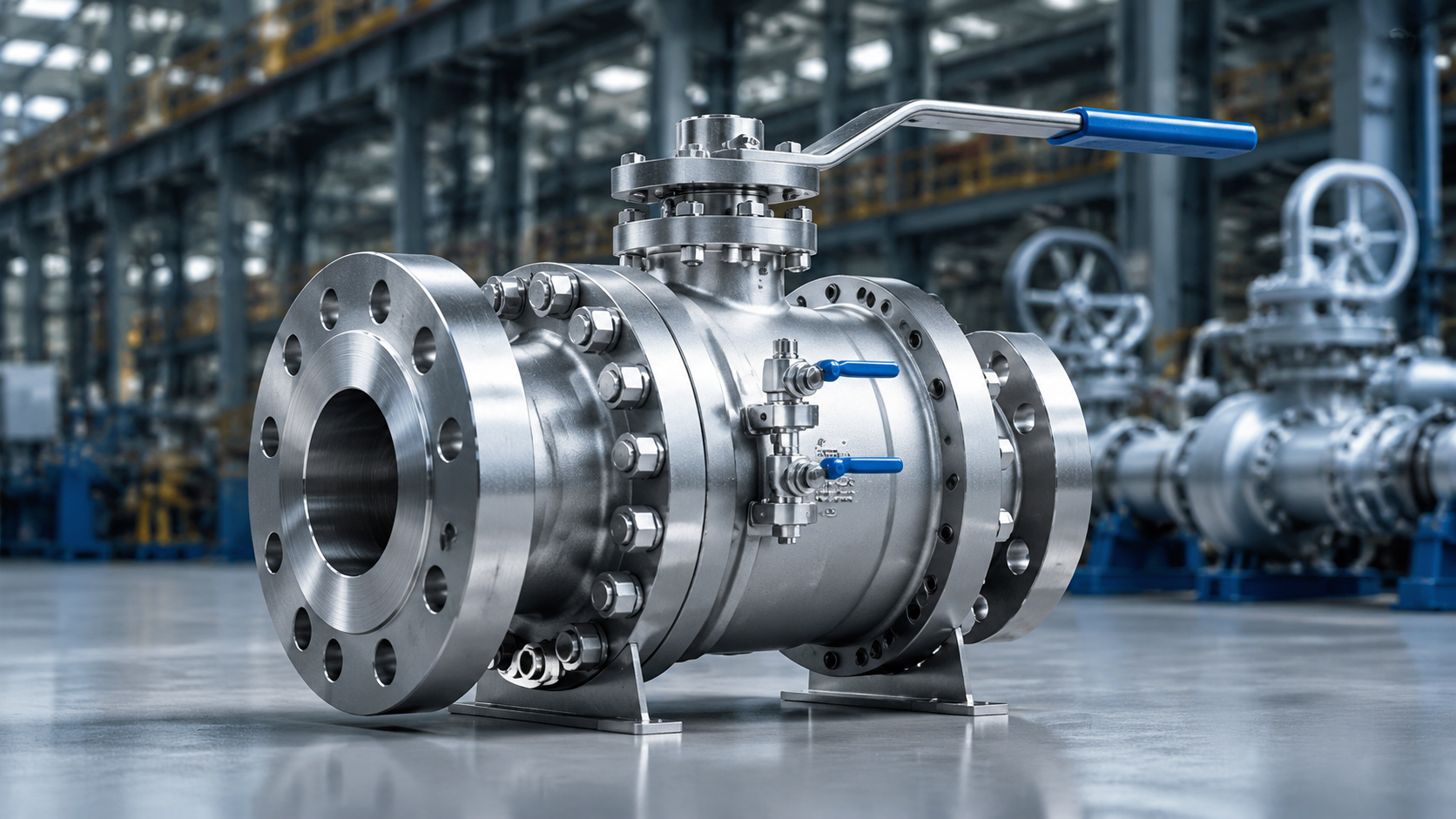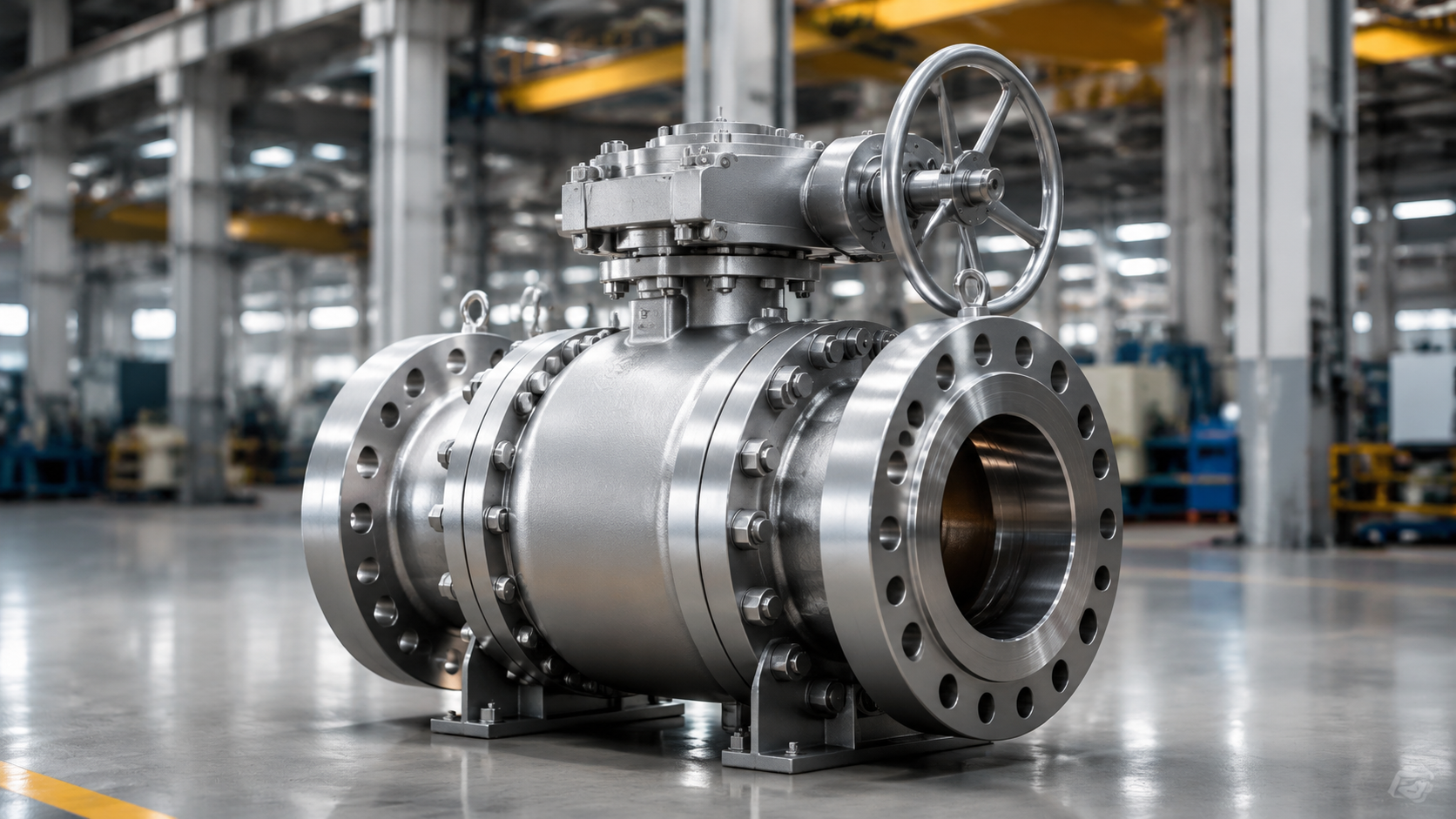
Brass is suitable for civil water systems, bearing pressures of 1.6 MPa and temperatures of 120°C;
316 stainless steel specializes in corrosive chemical environments, with pressure resistance up to 6.4 MPa;
Plastics (such as PVC) are ideal choices for electroplating tanks, provided temperature and pressure are strictly limited to within 60°C and 1.0 MPa, respectively.
Brass
Industrial standard brass consists of approximately 60% copper and 39% zinc.
Its tensile strength reaches 330-450 MPa. In neutral water media with a pH value of 6.5-8.5, it can withstand working pressures of 1.0 to 1.6 MPa and continuously tolerate temperatures up to 90°C.
In conventional HVAC (Heating, Ventilation, and Air Conditioning) cooling towers or agricultural water storage tanks, the physical lifespan of such valves typically exceeds 5 years.
When the chloride ion concentration in the water exceeds 200 mg/L, standard brass undergoes a dezincification reaction, and the annual material corrosion rate exceeds 0.1 mm.
Grades & Scenarios
Brass matrices under North American standards generally maintain a ratio of 60% copper to 40% zinc, with tensile strengths broadly reaching 310 to 450 MPa.
Adding 2.5% to 3.7% lead can provide excellent physical self-lubrication during CNC machining. The machinability rating of C36000 free-cutting brass is set as the industry benchmark score of 100, and the chips produced by lathes break very quickly.
- A constant yield strength of 310 MPa allows the valve body to easily withstand a static water pressure of 1.5 MPa in the pipe network.
- A thermal conductivity of 115 W/(m·K) ensures minimal component expansion during alternating hot and cold cycles.
- It continuously withstands water temperature conditions up to 93°C, provided the fluid’s pH is maintained between 6.5 and 8.0.
When placed in car wash reclamation systems or closed-loop cooling towers, the water flow typically only carries trace impurities with Total Dissolved Solids (TDS) below 500 ppm. The physical wear rate of C36000 material in corresponding non-acidic water qualities is less than 0.05 mm per year.
Once the chloride ion concentration in the water body rises above 300 ppm, standard formulation brass matrices undergo an irreversible electrochemical reaction. In marine environments or desalination Reverse Osmosis (RO) concentrate pipelines, salt content often exceeds 30,000 ppm.
At this point, adding 0.75% to 1.0% tin can form a dense physical barrier of tin oxide on the material’s surface. The American Society for Testing and Materials (ASTM) designates this as C46400 Naval Brass, and its tensile strength correspondingly increases to 380 MPa.
| Environmental Chloride Concentration | Standard C36000 Corrosion Rate | C46400 Naval Brass Corrosion Rate | Recommended Application Components |
|---|---|---|---|
| < 50 ppm | 0.01 mm/year | < 0.005 mm/year | Indoor freshwater storage tank float balls |
| 50 – 500 ppm | 0.15 mm/year | 0.01 mm/year | Coastal agricultural irrigation troughs |
| > 10,000 ppm | > 0.50 mm/year | 0.08 mm/year | Ship ballast water tank level valves |
For exposed water tanks installed in coastal climates, high concentrations of salt spray in the air adhere to metal surfaces year-round. The yield strength of Naval Brass stabilizes at 170 MPa, normalizing its resistance to mechanical vibration and surface pitting brought by sea breezes.
U.S. drinking water systems are strictly governed by the Safe Drinking Water Act (SDWA) and the NSF/ANSI 372 standard. The weighted average lead content of the water-contacting surfaces of all plumbing components is strictly required to be below the 0.25% baseline.
To meet this standard, manufacturers blend in 1.5% to 2.0% bismuth or silicon to replace the cutting lubrication effect of lead materials. C89833 bismuth brass completely cuts off the pathway for heavy metals to leach into the water supply network while maintaining good machining characteristics.
- Ultimate tensile strength remains at 260 MPa, slightly lower numerically than standard leaded alloys.
- In 82°C hot direct drinking water pipelines, the material’s physical and chemical properties remain absolutely stable.
- Tested via the EPA Method 200.8, the lead concentration in the leachate of the soaked material is consistently below 1.0 ppb.
Commercial water boilers in hotels or pure water make-up tanks in food processing plants handle massive volumes of high-temperature fluids daily. When the water temperature rises above 60°C and the calcium carbonate hardness exceeds 180 mg/L, the zinc element in standard alloys accelerates its dissolution into the water.
After dezincification occurs, a porous, sponge-like pure copper skeleton is left inside the valve body, which is prone to physical fracture when subjected to 4.0 bar internal static pressure. Adding 0.02% to 0.15% arsenic in the smelting furnace effectively blocks the ion migration channels within the matrix.
The European standard CW602N Dezincification Resistant Brass (DZR) requires validation through ISO 6509 laboratory accelerated corrosion testing. After soaking in a 1% copper(II) chloride solution at 75°C for 24 hours, the dezincification depth of the material is limited to within 200 microns.
| Water Hardness (CaCO3) | Operating Temperature | Applicable Alloy Grade | Expected Trouble-Free Operation Cycle |
|---|---|---|---|
| < 60 mg/L (Soft Water) | 20°C – 50°C | C36000 | 100,000 open/close cycles |
| 60 – 180 mg/L | 50°C – 75°C | C89833 | 80,000 open/close cycles |
| > 180 mg/L (Hard Water) | 75°C – 95°C | CW602N (DZR) | 120,000 open/close cycles |
Level control valves in underground reservoirs of high-rise buildings or municipal main water supply networks face normalized hydrostatic pressures of 80 psi to 120 psi daily. The moment a water pump house starts or a valve slams shut, a physical shockwave of water hammer up to 250 psi erupts within the pipeline.
The CW617N alloy, pressed using a hot forging process, has a far denser internal metallic grain structure than standard sand-cast parts, completely free of pores. During destructive water pressure testing, forged valve bodies can withstand an ultimate burst pressure of 25 bar (approx. 362 psi) without deformation.
Sand-cast C84400 valve bodies are mostly used in gravity-fed agricultural troughs, with an upper safe pressure limit generally capping at 15 bar (217 psi). Even under -10°C freezing conditions, hot-forged brass still retains 90% of its room-temperature Charpy impact toughness.
If encountering mine groundwater or highly acidic tailings pond recovery water environments with hydrogen sulfide (H2S) concentrations exceeding 10 ppm, the sulfidation reaction on the metal surface immediately generates a layer of black, flaky copper sulfide, increasing the valve body wall thinning rate to 0.3 mm per year.
If excessive sodium hypochlorite biocide is poured into a chemical plant’s cooling circulating water in a single dose, driving the free chlorine value above 5 ppm, the extreme oxidizing nature will destroy the cuprous oxide protective film on the material surface, causing the valve’s threaded connections to begin weeping slightly within half a year.
Whether machining NPT (National Pipe Taper) or BSPP (British Standard Pipe Parallel), mechanical cutting precision is limited by the alloy’s yield point parameters. Take the C35330 alloy, for example: at a standard lathe speed of 400 RPM, the thread profile tolerance can be precisely controlled within 0.02 mm.
Tolerance Limits
The theoretical melting point of industrial-grade C36000 brass alloy is as high as 900°C, but in real fluid pipe network systems, the material’s physical tolerance boundary is far below smelting metrics. Hydrostatic pressure, transient water hammer, extreme temperature differentials, and flow velocity shear forces within the pipe diameter collectively compress the valve body’s absolute operating range into an extremely narrow engineering envelope.
Valve bodies formed using the traditional Sand Casting process contain microscopic pores with an average cross-sectional area of 0.05 mm². When the pipe network continuously applies 125 psi (approx. 0.86 MPa) of hydrostatic pressure, water molecules permeate along the pores, triggering a microscopic seepage difficult to detect with the naked eye.
To push the upper pressure limit higher, North American manufacturers have universally switched to a Hot Forging production process, heating the material to 700°C. Under the instantaneous extrusion of a 250-ton mechanical punch press, the brass grain size is forcibly compressed to below 15 microns, increasing the density to 8.4 g/cm³.
- Continuous working static pressure: Load upper limit reaches 200 psi (1.38 MPa).
- Transient water hammer impact: Can withstand wave peaks soaring to 400 psi (2.75 MPa) within 0.1 seconds.
- Ultimate burst threshold: Valve body undergoes plastic deformation above 600 psi (4.13 MPa).
- Fatigue testing cycle: Completes 200,000 open/close cycles at 150 psi without physical rupture.
System pressure parameters fluctuate drastically in different application environments, especially in commercial HVAC cooling towers with multi-stage booster pumps. When a 60 GPM (gallons per minute) water flow passes through a 1-inch valve port at a velocity exceeding 3 m/s, a strong negative pressure zone is generated at the edge of the valve seat.
The localized low pressure brought by the Bernoulli effect causes the water to vaporize instantly; subsequently, the bubbles collapse within microseconds, generating micro-jets of up to 10,000 psi impacting the material surface. The Brinell Hardness of brass lingers between HB 90 and 110. Faced with continuous Cavitation erosion, the valve seat baffle is typically scoured into pits 0.2 mm deep within 8 months.
Controlling flow velocity and pressure differential is the only engineering pathway to extend physical lifespan; meanwhile, the fluid’s thermodynamic changes also drastically alter the metallic matrix’s mechanical performance. Standard water systems set the maximum operating temperature at 85°C, not only to protect the metal but more importantly to maintain the elastic modulus of the internal mechanical sealing components.
When the circulating hot water temperature climbs and is maintained long-term at 95°C, the tensile yield strength of C36000 brass experiences a cliff-like drop from 310 MPa at room temperature to 240 MPa. The NPT pipe threads at the valve body connections, when bearing the shear stress generated by pipeline thermal expansion, will develop microscopic distortions at a rate of 0.01 degrees per year.
As metal strength decays, the accompanying Elastomer Seals also approach the edge of chemical structural disintegration under thermal loads. NBR (Nitrile Rubber) gaskets accelerate vulcanization cross-linking reactions above 80°C, losing their original compression resilience.
- NBR (Nitrile Rubber): -20°C to 82°C, suitable for room temperature tap water.
- EPDM (Ethylene Propylene Diene Monomer): -40°C to 120°C, withstands high-temperature hot water and low-pressure steam.
- FKM (Fluoroelastomer): Withstands up to 200°C, handles industrial hot water containing trace lubricating oil.
- PTFE (Polytetrafluoroethylene): -200°C to 260°C, purely physical rigid sealing material.
Brass float valves equipped with EPDM seals can precisely control leakage to within 0.5 milliliters per minute after enduring a 24-hour continuous spray test with 110°C pressurized hot water. Extreme polar cold climates pose an equally severe physical test to the valves, as the volumetric expansion force caused by water freezing exceeds 2,000 psi.
For livestock drinking troughs exposed outdoors at -15°C, if Heat Trace Cable is not installed, the residual water freezing in the valve cavity will instantly burst the brass side walls, which are only 2.5 mm thick. The Charpy impact absorption energy of C46400 Naval Brass decreases by 15% at sub-zero temperatures, making it more prone to brittle fracture when squeezed by ice.
To prevent pipe network paralysis caused by freeze-bursting, engineers install mechanical pressure relief safety valves at the water inlet end, forcibly locking the internal static water pressure within a safe line of 50 psi (0.34 MPa). Beyond extreme temperatures and pressures, the mechanical torque applied during installation also has an insurmountable red line.
When a 24-inch pipe wrench is used on-site to screw the valve body into a 3/4-inch galvanized steel pipe, once the applied torque exceeds 65 N·m (Newton meters), stress concentration occurs at the root of the brass internal threads. An ultimate torque exceeding 80 N·m rapidly causes the first three threads to cross-thread or the metal to fracture.
- 1/2″ NPT interface: Maximum safe installation torque 35 N·m.
- 3/4″ NPT interface: Maximum safe installation torque 50 N·m.
- 1″ NPT interface: Maximum safe installation torque 70 N·m.
- 1-1/2″ NPT interface: Maximum safe installation torque 100 N·m.
Adhering to strict torque parameters, combined with wrapping 3 to 4 turns of 0.1 mm thick high-density PTFE thread seal tape, ensures absolute sealing of the interface under 150 psi conditions. The stability of mechanical connections and the physical impact of fluids form a dynamic equilibrium, collectively defining the survival boundaries of brass float valves in industrial pipe networks.
When the free carbon dioxide (CO2) concentration in the application environment rises to 50 mg/L, the water exhibits weak carbonic acidity, pulling the pH down to around 6.0. Acidic fluids will erode the internal brass flow channels of the valve body at a rate of 0.005 mm per month, gradually altering the valve’s preset hydraulic Kv coefficient (flow coefficient).
With the expansion of the internal flow channels, the actual volume of water passing through the valve port per hour at the same inlet pressure will deviate from the factory-calibrated value by more than 5%. System designers must collectively factor in physical wear, chemical erosion, and temperature decay of the water quality into the 20,000-hour theoretical lifecycle during the initial selection phase.
Water Quality Chemical Composition
North American municipal tap water is commonly injected with chloramine at a concentration of 0.5 to 2.0 ppm for pipe network system sterilization.
When the free residual chlorine concentration crosses the 2.0 ppm red line, the cuprous oxide protective film on the C36000 brass surface is stripped away within 48 hours. Chloride ions penetrate the 0.01 mm thick passivation layer and undergo a displacement reaction with the zinc element, which makes up 39% of the metal’s interior.
The solubility of zinc compounds is thousands of times that of copper; chlorine-containing fluids precisely leach out the zinc atoms within the metal, leaving behind a fragile, purplish-red, sponge-like pure copper skeleton.
After losing the support of zinc atoms, the mechanical tensile strength at the valve seat plummets from 310 MPa to below 120 MPa. Under a standard static water pressure of 1.0 MPa, the sponge-like brass components will develop macroscopically visible cracks within 6 to 8 months.
To withstand high-chlorine environments, U.S. water engineering frequently employs C46400 Naval Brass, which contains trace amounts of tin. When the valve body is immersed in a pressurized test tank with free chlorine as high as 5.0 ppm and run continuously for 10,000 hours, the dezincification depth is successfully suppressed to within 0.05 mm.
Beyond chloride ion concentration, the liquid’s acidity/alkalinity (pH value) strictly frames the physical lifecycle of brass materials. The EPA (U.S. Environmental Protection Agency) sets the recommended pH range for municipal drinking water between 6.5 and 8.5, which precisely falls within the chemical inertness zone of brass.
- pH < 6.0: Acidic condensate triggers comprehensive physical corrosion, with an even surface thinning rate exceeding 0.15 mm annually.
- pH 6.5 – 8.5: Dense oxides form at the water flow interface, stabilizing the annual corrosion rate below 0.01 mm.
- pH > 9.0: High alkalinity accompanied by carbonate deposition; free ammonia groups trigger severe intergranular stress corrosion cracking.
In some agricultural irrigation facilities in Michigan that use groundwater as a makeup source, the water’s pH hovers around 5.8 year-round. The slightly acidic fluid continuously disrupts the electronic balance on the metal surface, causing copper ions to dissociate into the fluid at a rate of 0.5 mg/L per month.
The destruction mechanism brought by alkaline water quality is entirely different. When the pH soars above 9.5, it is usually accompanied by a calcium carbonate hardness as high as 250 mg/L. White carbonate scale adhering to the edge of the valve port continuously grows upward at a thickness of 0.2 mm per month.
The accumulation of scale forcibly alters the 0.5 mm physical motion clearance preset for the valve core components. Once the precipitate jams the mechanically leveraged floats driven by buoyancy, the water tank will be unable to block the 50 GPM (gallons per minute) inflow after reaching the predetermined liquid level.
The ASTM G31 laboratory standard indicates that oxygen concentration cells form beneath the calcified scale attached to the brass surface, triggering localized pitting cavities as deep as 0.8 mm.
Dissolved Oxygen (DO) acts as a catalyst in electrochemical corrosion models. Freshwater exposed to the air at room temperature contains approximately 8 to 10 mg/L of dissolved oxygen. Oxygen molecules continuously participate in the cathodic reduction reaction, maintaining a weak corrosion current of 0.02 microamps per square centimeter on the metal surface.
Industrial boiler feedwater systems forcibly drive the dissolved oxygen concentration down to below 0.005 mg/L using thermal deaerators. In an oxygen-depleted pure water medium, the natural corrosion reaction of brass almost completely halts, with physical wall thickness loss over 20 years measuring less than 0.1 mm.
High concentrations of ammonia nitrogen compounds in livestock wastewater pose a highly destructive chemical threat to brass. When free ammonia (NH3) is present in the ambient air or fluid at concentrations exceeding 10 ppm, combined with residual mechanical stress from internal machining, it triggers intergranular fracture.
- Stress relief: Holding in an annealing furnace at 260°C for 2 hours to eliminate residual physical internal stress from cold working.
- Ammonia exposure: Unannealed brass exhibits microscopic metal cracks within 24 hours in a 50 ppm ammonia gas environment.
- Alloy replacement: In fertilizer treatment tanks involving ammonia gas, C36000 must be replaced with 316 stainless steel material.
Liquids inside farm fertilizer tanks often contain ammonium nitrate components, and the exuding ammonia molecules penetrate along the grain boundary network to a depth of 0.5 mm inside the brass. Macroscopically, an initially intact valve body will instantly shatter upon receiving a 60 psi water hammer impact generated when a water pump starts.
Galvanic Corrosion is highly prone to occur in complex pipe connection networks. Threading the external thread of a standard C36000 brass float valve into the internal thread of a carbon steel or galvanized iron pipe creates a potential difference of up to 0.3 volts.
Tap water with conductivity exceeding 500 µS/cm acts as a natural electrolyte, connecting the two metals into a miniature galvanic cell. The galvanized steel pipe acting as the anode accelerates dissolution at the junction, generating large amounts of red rust iron compounds that clog the 15 mm diameter brass water inlet hole within 3 months.
The International Plumbing Code (IPC) requires the installation of a Dielectric Union at least 2.5 inches long at the connection between copper alloys and carbon steel to cut off the electron flow circuit.
Wrapping 5 layers of PTFE tape around the NPT threads establishes a 0.15 mm thick insulating barrier between the metal surfaces. This physical isolation drastically cuts the original electrochemical corrosion rate of 0.4 mm per year down to 0.002 mm, maintaining the physical integrity of the pipe network.
In high TDS (Total Dissolved Solids) well water in California, the sulfate ion concentration sometimes surpasses 400 mg/L. High concentrations of anions multiply the liquid’s electrical conductivity, pushing the rate of galvanic corrosion between dissimilar metals up by 3.5 times.
Controlling water chemistry parameters can indefinitely extend the theoretical lifespan of valve components from 1 year to 15 years. By adding mixed-bed ion exchange resin upstream of the water tank to reduce inlet water conductivity below 10 µS/cm, the brass surface no longer possesses the basic physical conditions required for microscopic electrochemical reactions to occur.
Stainless Steel
Taking ASTM standard 316L as an example, its molybdenum content (2%-3%) allows it to resist media with chloride ion concentrations up to 1000 ppm.
This material supports an operating temperature range of -196°C to 250°C and can withstand maximum system pressures of PN40 (approx. 40 bar).
Surface roughness can be polished to below Ra 0.4µm, complying with U.S. FDA sanitary standards.
In lifespan testing, the annual corrosion rate of 316L in weak acid environments with a pH of 3-4 is less than 0.02 mm.
Specifications & Operating Conditions
Based on the American standard ASME B16.34, the metal valve body’s wall thickness allowance must be calculated accumulatively according to the average annual corrosion rate over the pipeline’s expected service life.
Excluding wall thickness calculations, port connection specifications are strictly graded by nominal diameter. Threaded connections are commonly used for small-diameter piping from DN15 to DN50 (1/2 inch to 2 inches). The NPT (National Pipe Taper) standard requires the external thread taper to be maintained at 1:16, guaranteeing a dry seal effect in 6.9 bar (100 psi) municipal pipe networks.
Once the pipe diameter exceeds DN50, flanged connections become the industrial standard. For Class 150 flanges compliant with the ANSI B16.5 specification, the Pitch Circle Diameter (PCD) of the four bolt holes is fixed at 152.4 mm for a DN80 (3-inch) diameter.
After connection and fixation, the machining precision of the flange sealing surface impacts the leak-proof standard under high-pressure media. The surface waterline roughness of RF (Raised Face) flanges is controlled within the range of Ra 3.2µm to 6.3µm, tightening with a 3 mm thick PTFE spiral wound gasket.
Besides sealing performance, flow capacity is another hard metric. The flow coefficient measures the volume of liquid passing through a valve under a specific pressure drop. Below is a comparison of typical flow parameters for stainless steel float valves in a fully open state:
| Nominal Pipe Size (DN) | Imperial Size | Kv Value (m³/h, 1 bar pressure drop) | Cv Value (US gpm, 1 psi pressure drop) | Float Ball Diameter Requirement (mm) |
|---|---|---|---|---|
| DN20 | 3/4″ | 7.5 | 8.7 | 120 |
| DN32 | 1 1/4″ | 18.0 | 20.9 | 150 |
| DN50 | 2″ | 45.0 | 52.2 | 200 |
| DN80 | 3″ | 110.0 | 127.6 | 300 |
To achieve the opening and closing of different pipe diameters in the table above, the displacement volume of the float must generate sufficient net buoyancy to overcome the hydrostatic pressure of the inlet pipeline. In a PN16 (16 bar) operating system, a 200 mm diameter hollow float matched with a DN50 port generates an upward lifting force of approximately 41 Newtons (4.18 kg) by displacing water.
Besides providing buoyancy, high-pressure fluids equally pose a crushing risk to the outer wall of the sphere, making material thickness a strict requirement. For a 316L float assembled using Tungsten Inert Gas (TIG) welding, the single-side wall thickness is required to be no less than 1.5 mm when withstanding external fluid compression at PN25 (25 bar).
The transmission of buoyancy and pressure relies on the central structure; the linkage rod connecting the valve core to the float bears reciprocating alternating loads from water surface fluctuations long-term. Solid 304 stainless steel rods manufactured using a cold-drawing process are set with cross-sectional diameters of 8 mm to 12 mm, and their actual tensile strength reaches 515 MPa.
The tensile performance of the linkage rod, combined with the lever mechanism, utilizes the principle of torque amplification to increase the rubber compression force at the bottom. A lever arm 400 mm in length, by calculating the lever ratio at the fulcrum, can amplify a 40-Newton thrust generated at the float end to the piston end, creating a physical closing force exceeding 200 Newtons.
The compression sealing effect relies on more than just mechanical force; the working environment’s temperature range restricts the available materials for internal flexible seals. In conventional industrial water storage tanks operating between -20°C and 120°C, EPDM O-rings are universally installed in the middle section of the sliding valve core.
Once surpassing the conventional 120°C range, when industrial pipelines transmit 150°C to 200°C saturated steam, elastomeric seals must be replaced with purely metallic structures. Engineers apply plasma nitriding treatment to the stainless steel valve seat surface, elevating the hardness to HV 800 to achieve metal-to-metal mechanical seating.
Compared to high-temperature expansion, Liquefied Natural Gas (LNG) storage facilities located in the far north of North America face shrinkage challenges, with operating temperatures as low as -162°C. PCTFE (Polychlorotrifluoroethylene) polymer sealing rings are embedded inside the valve body; this polymer maintains a 2.5% elongation at break under cryogenic conditions, preventing low-temperature embrittlement.
In addition to extreme temperatures, changes in fluid flow velocity equally test the pressure limits of components; the water hammer effect caused by liquid flowing rapidly through pipes can inflict instantaneous impacts on mechanical parts. When liquid with a flow velocity exceeding 3 m/s is suddenly cut off, a shockwave destructive force of 4 to 5 times the normal working pressure (approx. 60 to 80 bar) instantly generates within the pipe wall.
To mitigate such high-pressure shockwaves, weakening the impact wave peak usually employs fluid dynamic designs that delay closing time. Certain custom products install a hydraulic damping cylinder filled with silicone oil at the tail end of the linkage rod, extending the final physical closing time of the valve by 1.5 to 2.5 seconds, which cuts the pressure wave peak by 70%.
Damping designs are based on standard water density, whereas changes in media specific gravity (relative density) require recalibration of the lever torque counterweight parameters. The specific gravity of pure water is 1.0, but in various other chemical and fossil media, different engineering adjustment principles must be followed:
- Light Hydrocarbons: The room temperature test specific gravity of aviation kerosene (Jet-A) is approximately 0.8. To obtain an equivalent buoyancy thrust value, the float’s volume must be increased by 25%, or the single-layer wall thickness reduced from 1.5 mm to 1.2 mm to lower material self-weight.
- High-Concentration Salt Solutions: The liquid specific gravity of sodium chloride in a saturated state reaches 1.2. According to Archimedes’ principle, the float will rise 30 mm earlier in this medium; the threaded adjusting nut on the linkage rod must be unscrewed outward by a physical stroke of 15 mm to 20 mm to maintain the original liquid level height.
- High-Viscosity Crude Oil Fluids: In oil storage tanks where kinematic viscosity exceeds 500 cSt, a residual oil film roughly 2 mm to 5 mm thick will adhere to the float’s outer surface. This increases the actual operational weight by about 150 grams, requiring corresponding mechanical preload to be added to the counterweight spring.
Strength & Temperature-Pressure
According to the ASME B16.34 standard for valve flanged and threaded ends, the nominal tensile strength of austenitic stainless steel (304/316) at room temperature (20°C) reaches 515 MPa, with a yield strength of 205 MPa. A tensile strength of up to 515 MPa allows float valves to withstand high hydrostatic pressure in industrial fluid systems without the addition of extra structural supports.
Elevated temperatures cause the allowable stress of metallic materials to decrease proportionally. In a 250°C saturated steam pipeline, the yield point of 316 stainless steel drops to around 145 MPa, and the maximum allowable working pressure of an ASME Class 300 valve body decays from 49.6 bar at room temperature to 28.8 bar.
Pressure derating under high-temperature conditions requires manufacturers to add wall thickness compensation when designing hollow floats. For a standard 150 mm diameter 316L sphere to resist crushing and deformation in an environment with a working temperature of 200°C and external pressure of 25 bar, the stainless steel sheet wall thickness must be increased from the conventional 1.0 mm to 2.5 mm.
- 1.0 mm wall thickness: Maximum withstandable external pressure at room temp 12 bar
- 1.5 mm wall thickness: Maximum withstandable external pressure at room temp 22 bar
- 2.0 mm wall thickness: Maximum withstandable external pressure at room temp 35 bar
- 2.5 mm wall thickness: Maximum withstandable external pressure at room temp 50 bar
Pump start/stops or rapid shutoffs in pipe networks generate the water hammer effect. The water hammer moment can produce shockwaves up to three to five times the normal operating pressure; a nominal PN16 water supply pipeline might experience transient peak pressures soaring to 60 bar within 0.1 seconds.
Intense fluid impact acts not only on the sphere but also transmits immense mechanical torque down the linkage rod to the valve core components. Solid stainless steel linkage rods made via the cold-drawing process, boasting an elastic modulus of 210 GPa, can recover their original shape after enduring instant high bending moments.
- DN15-DN25 ports: Linkage rod diameter recommended 6 mm-8 mm
- DN32-DN50 ports: Linkage rod diameter recommended 10 mm-12 mm
- DN65 and above ports: Linkage rod diameter recommended 14 mm-16 mm
In cryogenic fluid control, the face-centered cubic lattice structure of austenitic stainless steel demonstrates excellent physical stability. When applied to level control in -196°C liquid nitrogen storage tanks, 304/316 materials do not experience the low-temperature brittle fracture common in carbon steel.
According to the ASTM E23 Charpy V-notch impact test standard, the impact absorption energy of 316 stainless steel at -196°C remains between 100 and 120 Joules. The material not only retains its toughness at extremely low temperatures, but its tensile strength also increases with dropping temperatures to over 1000 MPa.
Frequent temperature fluctuations cause thermal expansion and contraction in stainless steel components, testing the thread engagement strength at the valve’s connection points. Using NPT tapered pipe threads compliant with the U.S. ASME B1.20.1 standard paired with PTFE thread seal tape ensures zero leakage during alternating cycles from -50°C to 150°C.
In high-temperature, high-pressure systems, the seal materials of float valves must match the temperature-pressure performance of the stainless steel. While the stainless steel valve body can withstand temperatures of 300°C, the internal soft sealing gaskets usually represent the temperature limit of the entire assembly.
- EPDM (Ethylene Propylene Diene Monomer): Applicable -40°C to 120°C, bears 16 bar
- FKM (Fluoroelastomer): Applicable -20°C to 200°C, bears 25 bar
- PTFE (Polytetrafluoroethylene): Applicable -50°C to 200°C, bears 40 bar
When European chemical companies procure stainless steel float valves for high-temperature reactors, they often require pressure holding tests compliant with API 598 or EN 12266-1 standards. The specification demands a hydrostatic shell test at 1.5 times the design nominal pressure, held for at least 60 seconds without weeping or dripping.
High-drop zoned water supply systems or deep well drainage systems have pressure differentials as high as 20 bar; high-pressure water flow through the valve seat throttling orifice produces intense cavitation phenomena. When water flow velocity exceeds 15 m/s, localized pressure drops below the vaporization point, and the micro-jet impact force from collapsing bubbles can reach thousands of atmospheres.
The dense chromium oxide passivation film on the 316 stainless steel surface and the material’s inherent high hardness significantly mitigate metal spalling losses caused by cavitation. Under the same 20 bar high-differential cavitation conditions, brass valve seats have an annual volume loss rate of over 0.5 mm, whereas the annual wear on stainless steel valve seats is kept under 0.05 mm.
Liquid level fluctuations in industrial water tanks cause float valve linkage rods to undergo hundreds of vertical reciprocating movements daily. Under a 15 bar pressure differential load, after 100,000 full-open/full-close mechanical fatigue lifespan tests, the deformation bending degree of a solid stainless steel linkage rod is less than 2 degrees.
Surface Roughness
When standard industrial-grade 316L stainless steel float valves are untreated, their initial roughness Ra value range typically sits between 3.2µm and 6.3µm.
Microscopic peak-to-valley depths as high as 6.3µm significantly increase the fluid friction coefficient. In low-pressure storage tanks with flow velocities below 1.5 m/s, the particulate adhesion rate on rough surfaces is more than four times that of smooth surfaces.
The rough microscopic metallic geometry increases the liquid contact angle hysteresis, making it easier for water droplets to remain on the valve body surface when draining containers.
To meet U.S. 3-A SSI dairy sanitary standards, the float and valve body must undergo mechanical polishing. Processing plants use 150 to 320 Grit silicon carbide abrasive belts for progressive grinding, driving the Ra value down below 0.8µm.
- 150 Grit polishing: Ra reaches approx. 1.2µm – 1.6µm, suitable for cooling water systems
- 240 Grit polishing: Ra drops to approx. 0.6µm – 0.8µm, meets general food grade
- 320 Grit polishing: Ra goes as low as 0.4µm – 0.5µm, satisfies high-purity fluid requirements
While mechanical polishing levels the macroscopic contour of the metal surface, it still leaves directional cutting scratches at the microscopic level. Microscopic grooves up to 0.2µm deep can easily trap free iron powder particles, triggering localized pitting.
To eliminate the stress layer left by physical grinding, Electropolishing (EP) processes are widely applied to high-end component customization. Operators immerse the 316 stainless steel in a 60°C electrolyte composed of a proportional mix of phosphoric and sulfuric acids.
Upon applying 15 to 25 Amps/dm² of direct current, the microscopic protuberances on the metal surface preferentially undergo anodic dissolution. After 10 to 15 minutes of electrochemical reaction, surface roughness is reduced by 50%, reaching Ra 0.2µm.
The electrolytic process simultaneously elevates the chromium-to-iron ratio on the stainless steel surface from the original 1.2:1 to nearly 2.5:1, forming a dense chromium-rich oxide film approximately 20 to 30 Angstroms (Å) thick.
Ultra-low surface roughness greatly weakens the adhesion force of biofilms. In CIP (Clean-in-Place) automated cleaning cycles set at 85°C, the cleaning time for an Ra 0.2µm surface is only one-third of that for an Ra 0.8µm surface.
- Ra 3.2µm: CIP cleaning requires flushing for 45 minutes, residue clearance rate 92%
- Ra 0.8µm: CIP cleaning requires flushing for 25 minutes, residue clearance rate 99.1%
- Ra 0.2µm: CIP cleaning requires flushing for 12 minutes, residue clearance rate 99.99%
When the float valve operates under 6 bar of water pressure, the dynamic friction coefficient of an Ra 0.2µm spherical surface against a PTFE gasket is a mere 0.04.
The sharp decline in the friction coefficient extends the mechanical service life of sealing gaskets from 50,000 cycles to over 150,000 cycles. The maintenance cycle doubles correspondingly, drastically compressing the spare parts procurement frequency for large water treatment facilities.
The non-stick characteristics post-high-level polishing make it extremely difficult for sewage sludge with suspended solids concentrations up to 500 mg/L to cake on the lower half of the float.
Ultrapure Water (UPW) systems used in semiconductor fabs have strict limits at the 10 ppt level for metal ion leaching. Standard acid-pickled and passivated 304 components will release over 50 ppt of iron ions per hour during early operational stages.
The surface passivation film of 316L stainless steel that has undergone advanced electropolishing exhibits extreme chemical inertness. Even after continuous flushing with 18.2 Megohm-centimeter (MΩ·cm) ultrapure water for 72 hours, the ion leaching amount remains stable at the 2 ppt detection limit.
For fluid conditions containing solid-phase particles, extremely low roughness mitigates the cutting action of tiny hard grit on the metal. When the fluid contains quartz sand with a Mohs hardness of 7 and the flow velocity reaches 3 m/s, the annual wear rate of an Ra 0.4µm surface is 40% lower than that of an Ra 3.2µm surface.
Thread machining at the junction of the sphere and linkage rod likewise requires precise control of surface finish. Using precision CNC machine tools to turn out American NPT threads, the thread flank roughness is strictly limited to Ra 1.6µm.
A thread profile meeting the Ra 1.6µm standard can generate the optimal physical bite force with thread seal tape. When applying a locking torque of 35 N·m during installation, the assembly can withstand a system static pressure of 25 bar without leaking for a continuous 48 hours.
The enhancement of surface finish corresponds to an exponential growth in machining costs. Polishing a single 100 mm diameter 316 stainless steel hollow float from Ra 3.2µm down to Ra 0.4µm adds 45 minutes of purely manual polishing time per piece.
The consumption of polishing consumables also doubles subsequently. Taking a European production line producing 5,000 highly clean Ra 0.4µm floats per month as an example, the procurement cost for 320 Grit silicon carbide abrasive belts alone reaches 8,500 Euros monthly.
Plastic
Plastic float valves are subdivided by polymer type into PVC (maximum working temperature 60°C, pressure limit 1.0 MPa), PP (temperature resistance 80°C, strong acid and alkali resistance), POM (high mechanical strength, water absorption less than 0.2%), and PTFE (withstands full pH 0-14 range, temperature limit up to 260°C).
The density of engineering plastic materials is roughly 1/4 that of brass; regarding physical characteristics, they completely block electrochemical corrosion and heavy metal ion leaching.
These materials broadly match reverse osmosis water systems compliant with the NSF 61 standard, high-concentration chloride storage tanks, and commercial desalination facilities, with overall single-piece manufacturing costs approximately 45% to 75% lower than 316L stainless steel.
Common Engineering Plastics
Compared to brass, which has a density of around 8.4 g/cm³, polymer materials generally have specific gravities in the 0.9 to 2.2 g/cm³ range. This massive reduction in mass decreases mechanical stress within the fluid system. At a baseline water pressure of 0.5 MPa, the buoyancy required for the float to rise and trigger valve closure is correspondingly reduced by about 60%.
The tensile strength of pure PVC material at 23°C is 52 MPa, with a Young’s modulus reaching 3000 MPa. Under engineering ratings, Schedule 80 thick-walled PVC float valves can withstand a rated working pressure of 1.0 MPa at 20°C. Rising temperatures alter polymer chain fluidity; when media temperatures hit 50°C, the pressure-bearing capacity of pipe fittings plummets sharply to 0.22 MPa.
Polypropylene (PP) is polymerized from propylene monomers and belongs to semi-crystalline materials, with a melting point in the 160°C to 166°C range. Industrial-grade PP valve bodies possess a density of merely 0.90 g/cm³, making it the lightest material among conventional pipe fitting polymers. Soaking a PP valve body in 30% hydrochloric acid or 50% sulfuric acid solution continuously at 80°C for 1000 hours results in a surface volumetric expansion rate of less than 0.5%.
Polyoxymethylene (POM) boasts extremely high mechanical fatigue resistance due to its high crystallinity, achieving a notched impact strength of 6.0 kJ/m². In mechanical wear tests simulating high-frequency switching of water tank float valves, surface wear on POM valve cores was less than 0.02 mm after enduring 200,000 physical open/close cycles. With a water absorption rate of just 0.2%, POM materials do not swell or jam when immersed in fluids long-term, and are frequently specified for manufacturing high-stress components like valve stems and threaded interfaces.
Specialty fluoropolymers (PTFE) have a molecular structure composed of strong carbon-fluorine covalent bonds, possessing extreme chemical inertness and maintaining physical stability across a wide temperature range of -200°C to 260°C. According to ASTM D543 chemical compatibility testing specifications, PTFE material demonstrates a 0% mass loss rate when in contact with the following polar media:
- 98% concentrated sulfuric acid (continuous 72-hour boiling test environment)
- 50% sodium hydroxide strong alkali solution (room temperature soak for 30 days environment)
- Strong polar industrial solvents like Methyl Ethyl Ketone (MEK) and Toluene
Below is a comparison of specific test data for four types of polymers under ASTM standards:
| Polymer Category | Density (g/cm³) | Heat Deflection Temperature (0.45 MPa) | Elongation at Break (%) | Water Absorption (24h, 23°C) |
|---|---|---|---|---|
| Polyvinyl Chloride (PVC) | 1.38 | 70°C | 50-100 | 0.04% |
| Polypropylene (PP) | 0.90 | 95°C | 200-500 | 0.01% |
| Polyoxymethylene (POM) | 1.42 | 158°C | 40-75 | 0.20% |
| Polytetrafluoroethylene (PTFE) | 2.16 | 120°C | 200-400 | <0.01% |
Acrylonitrile Butadiene Styrene (ABS) copolymer is commonly used to manufacture the main body of suspension floats, with an Izod notched impact strength reaching 20 to 60 J/m. When subjected to violent water hammer physical impacts inside water tanks, an ABS hollow float with a 3 mm wall thickness can absorb 40 Joules of kinetic energy without rupturing. The operating temperature upper limit for ABS is set at 70°C, offering extremely long service cycles in water troughs of low-pressure agricultural irrigation systems.
Polyvinylidene Fluoride (PVDF) is widely applied in ultrapure water treatment and semiconductor industry cleaning tanks, boasting a tensile strength up to 50 MPa. In disinfection water systems containing high concentrations of ozone (greater than 2 ppm), where conventional plastics experience oxidative degradation, PVDF fittings and valves maintain structural integrity. Under the dual conditions of 150°C high temperatures and 1.0 MPa pressure, the creep rate of PVDF material is far lower than that of comparable thermoplastic polymers.
Ultraviolet (UV) environments inflict photo-oxidative damage on polymer materials; breaking polymer chains leads to material embrittlement. In outdoor water tower installations, natural-colored PP valves without added carbon black experience a 50% drop in impact strength after receiving continuous sunlight for 6 months. Industrial specifications blend 2% to 3% industrial-grade carbon black into PP or PVC resin formulations, or add Hindered Amine Light Stabilizers (HALS), extending anti-UV working life to over 10 years.
Thread connection tolerances for thermoplastics differ from metallic cut threads; NPT plastic pipe threads compliant with ASME B1.20.1 must be paired with Teflon thread seal tape to fill microscopic gaps. When installing the inlet of a 1/2-inch PVC float valve, the recommended torque value is limited to 10 to 15 N·m. Installers should use a purely manual method followed by micro-adjustments with a strap wrench, avoiding metal pipe wrenches that inflict localized compressive stress exceeding 40 MPa onto the plastic pipe walls, which triggers microcracking.
Fluid system engineering involves calculating polymer material derating factors; different polymer materials exhibit significant variance in pressure derating curves as temperatures rise:
| Ambient/Fluid Temperature | PVC Pressure Derating Factor | PP Pressure Derating Factor | PVDF Pressure Derating Factor |
|---|---|---|---|
| 23°C (73°F) | 1.00 | 1.00 | 1.00 |
| 40°C (104°F) | 0.62 | 0.70 | 0.85 |
| 50°C (122°F) | 0.22 | 0.50 | 0.75 |
| 60°C (140°F) | 0.00 (Prohibited) | 0.35 | 0.65 |
The American Society for Testing and Materials (ASTM) D1784 standard strictly delineates the physical specifications for rigid PVC compounds. Commercially available industrial-grade PVC float valves are frequently marked with Cell Classification 12454; these digits correspond to specific values for resin type, impact strength, and tensile properties. For valve batches complying with the NSF/ANSI 14 Plastics Piping System Components standard, 30 samples are randomly selected every six months to undergo 6.9 MPa hydrostatic burst testing.
Cross-linked Polyethylene (PEX) usually serves as the base material for water supply networks, and there are access solutions at the makeup end of small water tanks as well. PEX polymers achieve three-dimensional network cross-linking of molecular chains via electron beam or peroxide, capable of maintaining a 0.4 MPa long-term working pressure at 90°C. Paired with Push-to-Connect O-ring sealing structures, the system leakage rate is kept below 0.1%, and installation time is reduced by over 70% compared to traditional solvent welding methods.
Fluoroelastomers (FKM/Viton) and Ethylene Propylene Diene Monomer (EPDM), serving as essential seal gasket materials inside plastic valve bodies, complete the leak-proof performance of polymer control systems. For a 1-inch PVC float valve under a 0.6 MPa hydrostatic closed state, an EPDM gasket must provide 25 Shore A compression resilience to block water flow. If the fluid is changed to bleach containing 5% sodium hypochlorite, the system must switch to FKM gaskets that can withstand strong oxidants.
Chemical Corrosion Operating Conditions
In industrial fluids across a pH span of 0 to 14, standard metallic valve bodies will suffer from pitting or massive spalling due to electron displacement. Engineering plastics rely on covalent bond stability to block electrochemical reaction pathways. The molecular chains of Polytetrafluoroethylene (PTFE) and Polyvinylidene Fluoride (PVDF) are tightly wrapped by fluorine atoms. Upon contact with 98% concentrated sulfuric acid or 50% sodium hydroxide, the bond dissociation energy of carbon-fluorine bonds reaches up to 485 kJ/mol.
When the temperature of 37% industrial hydrochloric acid rises to 45°C, plasticizers on the surface of standard PVC begin to leach slightly. After upgrading the material to Chlorinated Polyvinyl Chloride (CPVC), as the chlorine content increases from 56.7% to around 67%, its temperature upper limit for tolerating the same concentration of hydrochloric acid extends to 82°C.
- At room temperature, the mass change rate of Polypropylene (PP) against 30% concentration phosphoric acid is below 0.1%.
- Polyoxymethylene (POM) undergoes surface degradation upon contact with nitric acid concentrations exceeding 5%.
- After immersing PVDF in 65% nitric acid for 120 days, its tensile strength retention rate remains as high as 98%.
- PTFE is completely unaffected by the oxidative impact of aqua regia (a 1:3 mix of nitric acid and hydrochloric acid).
In electroplating tank makeup systems where sodium hydroxide (caustic soda) mass fraction reaches 50%, 304 stainless steel will experience intergranular corrosion once fluid temperatures hit 60°C. Float valves employing PP materials exhibit extreme physical inertness under such conditions, with a physical dimensional expansion rate kept within 0.2% after 10,000 hours of soaking.
Water treatment facilities widely use sodium hypochlorite for sterilization, and its strong oxidizing nature accelerates polymer aging. Industrial-grade sodium hypochlorite at a concentration of 12.5% in pipelines with a 1.5 m/s flow velocity will turn normal polyethylene (PE) surfaces yellow and brittle within six months. Valve components manufactured using CPVC or fluoropolymers can resist the penetration of free chlorine atoms, boasting an anticipated service life of over 8 years at 20°C under normal atmospheric pressure.
When PVC floats contact ketones or aromatic solvents like acetone and toluene, solvent molecules rapidly enter the interstitial spaces between polymer chains. Test data shows that after soaking PVC in acetone for 48 hours, its weight increases by about 15%, undergoing significant volumetric swelling accompanied by a massive drop in mechanical strength, which easily leads to linkage rod jamming.
- The swelling rate of Nitrile Rubber (NBR) seals in benzene solvents exceeds 30%.
- The yield strength of PP material drops approximately 25% after contact with carbon tetrachloride.
- Perfluoroelastomer (FFKM) O-rings exhibit zero volume change after a 72-hour soak in methyl ethyl ketone.
- High-Density Polyethylene (HDPE) demonstrates total compatibility with ethylene glycol at room temperature.
Every 10°C rise in fluid temperature exponentially multiplies chemical reaction rates; therefore, engineering designs must introduce temperature derating factors. Taking a PP float valve rated at 1.0 MPa at an ambient temperature of 23°C as an example: when processing 40°C 20% sulfuric acid, its safe working pressure must be downgraded to 0.55 MPa according to the ASTM D2837 standard.
Polymer crystallinity affects the ability to block chemical gas permeation. In sealed tanks storing liquid chlorine or high-concentration ammonia water, gas molecules are as small as 0.3 nanometers in diameter, easily penetrating low-density plastics. Highly crystalline PVDF material, possessing over 50% crystalline phase, can drop the ammonia gas permeation rate below 1.0 × 10^-9 cm³/cm·s·Pa when the wall thickness is increased to over 4 millimeters.
The superimposition of dynamic mechanical stress and chemical corrosion drastically shortens the fatigue life of plastic components. Amidst frequent opening and closing caused by liquid level fluctuations, the linkage rod’s stress points exist in an alternating stress state. When contacting industrial cleaning fluids containing 10% surfactants, PC (Polycarbonate) materials will develop microscopic web-like cracks on the surface after bearing a 15 MPa stress continuously for 100 hours.
- PTFE linkage rods exhibit zero deformation after cyclically bearing a 20 N force for 100,000 times.
- The torsional resistance of PVC threads decreases by 15% upon contact with surfactants.
- The stress cracking resistance time of PVDF under a 50 MPa static tension exceeds 1000 hours.
- The crush critical value for PP floats bearing 0.5 bar external water pressure is 60°C.
In acidic wastewater containing 5% quartz sand particles, the fluid exerts severe scouring action on the internal throttling orifices of the valve. Compared to PTFE, which has lower hardness, Fiberglass Reinforced Polypropylene (FRPP) elevates surface hardness by about 30%; in wear testing at a flow velocity of 2.0 m/s, volumetric loss is reduced by 40%.
When controlling the liquid level of 15% hydrogen peroxide (H2O2), if conventional EPDM gaskets are used, the rubber will lose elasticity due to over-oxidation within 30 days, leading to internal leakage. Swapping the seals for FKM ensures its compression set rate stays within a normal engineering range of 15% under the same conditions.
Limitations & Installation
Taking Schedule 80 standard PVC pipe fittings and float valves as an example, at a baseline testing temperature of 23°C, the hydrostatic burst rating is 2.75 MPa. As fluid temperatures climb to 43°C, the material’s tensile strength sharply drops by roughly 50%; at this point, the system’s maximum safe working pressure must be forcibly derated to 1.37 MPa.
In 54°C industrial hot water tank makeup systems, the derating factor for standard PVC is only 0.22. If the pipe network’s initial input water pressure reaches 0.8 MPa, even valves nominally rated for 1.0 MPa pressure will undergo microscopic valve body expansion after 48 hours of continuous pressurization.
- The yield stress of PP material at 60°C drops to 40% of room temperature levels.
- The pressure-bearing capacity of CPVC at an extreme 82°C temperature is merely 20% of its capacity at 23°C.
- PTFE can still maintain roughly 15 MPa of tensile strength at 150°C high temperatures.
- The creep rate of POM valve bodies is less than 1.5% after 1000 hours of continuous operation at 90°C.
Long-Term Hydrostatic Strength (LHTS) tests on thermoplastics indicate that polymer rupture times under continuous stress share an inverse exponential relationship with temperature.
When large-diameter pump valves shut down abruptly, transient pressure waves up to 2.5 MPa can manifest within the pipe network. Standard ABS plastics possess a notched impact strength of around 150 J/m; when facing water hammer impacts exceeding 3 times their rated pressure, the connecting neck between the valve seat and inlet pipe is highly prone to brittle fracture.
To mitigate the mechanical fatigue inflicted on polymers by fluid kinetic energy, pneumatic water hammer arresters or proportional pressure reducing valves are typically installed in series along the pipeline. In rainwater harvesting systems of high-rise buildings, if the elevation difference between the top-floor storage tank and the bottom-floor pump station reaches 30 meters, the static head pressure borne by the bottom float valve hits 0.3 MPa, making it mandatory to restrict upstream flow velocity to under 1.5 m/s.
- Water hammer pressure generated in PVC pipelines at a 2.0 m/s flow velocity is roughly 0.6 MPa.
- Installing fast-closing check valves can reduce peak transient system pressure by 40%.
- Polypropylene linkage rods undergo permanent plastic deformation when subjected to instantaneous reverse thrusts exceeding 50 N.
According to AWWA standards, the maximum flow velocity in thermoplastic piping networks is typically restricted between 1.5 and 2.4 m/s to guard against water hammer overpressure.
Polypropylene (PP) without added UV stabilizers, when exposed outdoors for 6 months, will develop a micro-crack network up to 0.1 mm deep on its surface, resulting in an overall tensile strength loss of up to 35%. Plastic components exposed long-term to the UV-A spectrum (315-400 nm) lose their original toughness, shattering upon receiving minor external forces.
Outdoor, unshaded water storage trough level controls typically employ specialty engineering plastics containing 2% to 3% highly dispersed carbon black. Carbon black particles can absorb ultraviolet light and convert it into trace thermal energy to dissipate. For standard-material float valves installed outdoors, adding aluminum alloy or anti-UV fiberglass protective covers is mandated to block the physical pathway of sunlight hitting the valve body.
The shear resistance of plastic NPT or BSP threads is vastly inferior to brass or stainless steel components; precise control of assembly torque is a prerequisite for leak prevention. When assembling 1-inch PVC internal threads, the applied torque must absolutely not exceed 20 N·m. Applying excessive pressure using heavy-duty pipe wrenches introduces micro-cracks at the root of the threads; once the system is pressurized, leakage rates can hit over 5 drops per minute.
Assembly operational norms require using high-density Polytetrafluoroethylene (Teflon) thread seal tape for thread gap filling. The standard practice involves wrapping the tape clockwise around external threads 3 to 5 times, fully covering the thread root. Using liquid thread sealants or anaerobic adhesives containing petroleum-based solvents on engineering plastic threads is strictly prohibited; solvent components dissolve the polymer surface within 24 hours, causing disastrous pipe fitting cracking.
- It is recommended to hand-tighten 1/2-inch plastic threads, followed by 1 to 1.5 turns of tool micro-adjustment.
- Thread seal tape density should be an industrial-grade product of 0.4 g/cm³ or higher.
- When joining metal external threads to plastic internal threads, the difference in thermal expansion rates can reach 4 times.
- Over-wrapping with thread seal tape (more than 8 turns) generates lateral expansion stress that can split the valve body.
The ASME B1.20.1 specification requires plastic tapered pipe thread sealing to rely primarily on thread flank interference fit combined with thread seal tape filling, avoiding the rigid crushing characteristic of metal-to-metal assembly.
The linear expansion coefficient of polymers is typically 5 to 10 times that of metals. Installing a valve at the end of a 10-meter straight PVC pipeline means that for every 20°C shift in ambient temperature, the total pipe length will experience roughly 14 mm of physical expansion or contraction. Rigid pipe networks without expansion joints or U-bends accumulate extreme axial tensile stress right at the valve thread interface.
Construction guide manuals mandate inserting flexible expansion joints in straight pipe runs exceeding 6 meters. The thermal expansion coefficient of Chlorinated Polyvinyl Chloride (CPVC) pipelines is roughly 0.06 mm/m per degree Celsius; during assembly, pipe materials must be guided to displace along a set axis through an alternating arrangement of fixed anchors and guide supports. Guide clamps are internally lined with PTFE slip pads, lowering the frictional resistance coefficient below 0.1.
The mechanical angle adjustment of the float linkage rod dictates the valve’s closing water level and sealing specific pressure. A 200 mm long brass linkage rod paired with a 100 mm diameter HDPE float generates about 5 N of upward buoyancy when fully submerged. Loosening the butterfly wing nut midway down the linkage rod and adjusting the angle downward by 15 degrees will correspondingly drop the tank’s highest control liquid level by roughly 35 mm.