
Why Forged Ball Valves Outperform Cast 丨 Applications, Standards, and How to Verify a Forging
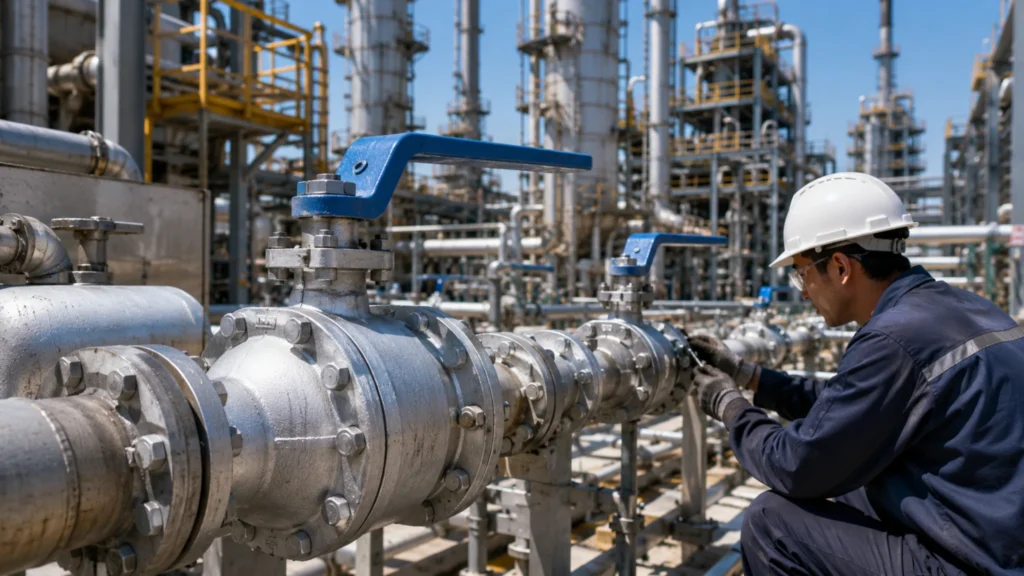
A procurement manager at an EPC firm once told me he’d been buying forged ball valves for fifteen years and had never seen a forging fail in service. Castings, yes. Weld-end valves, occasionally. But a properly forged body? Never. He wasn’t saying forgings are indestructible. He was saying that when the forging process is done […]
What Is an Industrial Ball Valve 丨 Types, Applications, and How to Choose the Right One
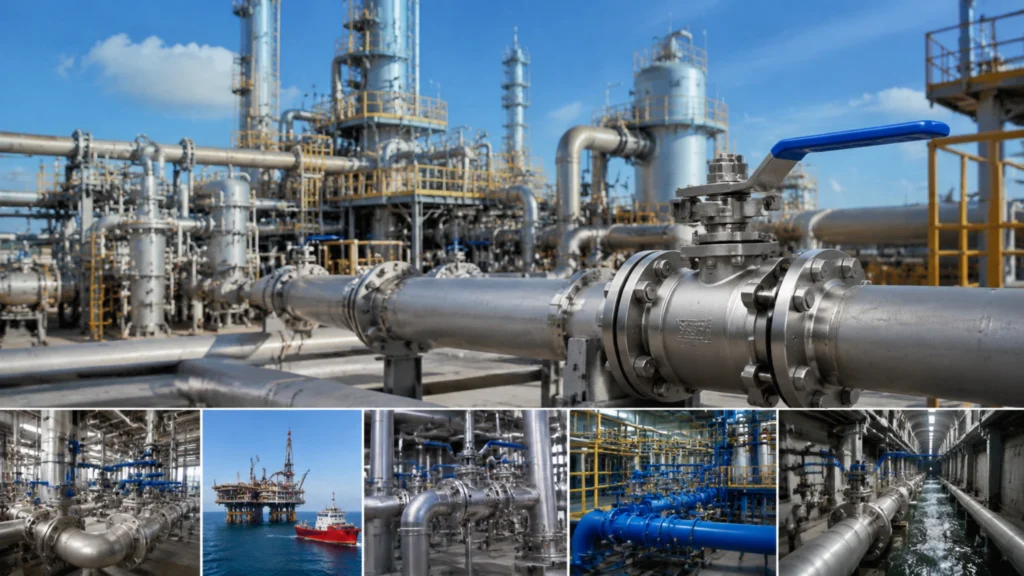
Walk into any refinery, chemical plant, or power station and count the valves. A medium-sized refinery has about 30,000 valves. Roughly 40% of them are ball valves. They are on cooling water lines, steam headers, product transfer lines, instrument air headers, and emergency shutdown systems. They range in size from half-inch instrument isolation valves to […]
What Is an API 6D Ball Valve 丨 A Complete Guide for Engineers and Buyers
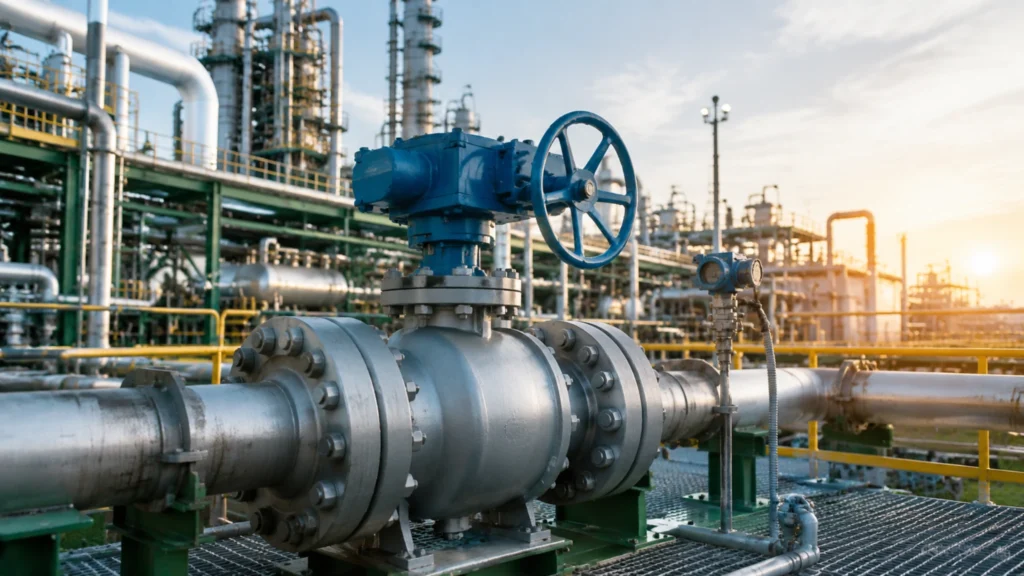
A few years ago, a project engineer at a gas pipeline company in Texas called me about a batch of 16-inch Class 600 ball valves that had just failed their site acceptance test. The valves were supposed to be API 6D compliant. They had the documentation. The nameplate said “API 6D.” But when the site […]
What Is a Trunnion Mounted Ball Valve 丨 How It Works, When You Need One, and What to Look For
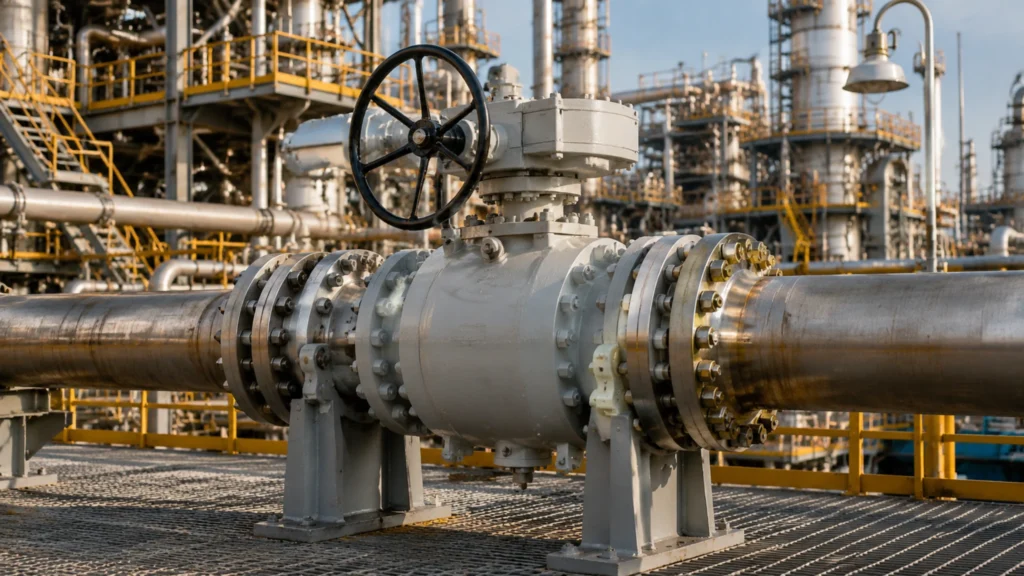
About ten years ago, I watched a crew try to close a 16-inch floating ball valve on a crude oil transfer line at 900 psi. The operator was a big guy, maybe 250 pounds, and he was hanging off the end of a four-foot cheater bar that was never supposed to be on that valve. […]
What Is a Side Entry Ball Valve 丨 Two-Piece vs Three-Piece, Maintenance, and Fire-Safe Design
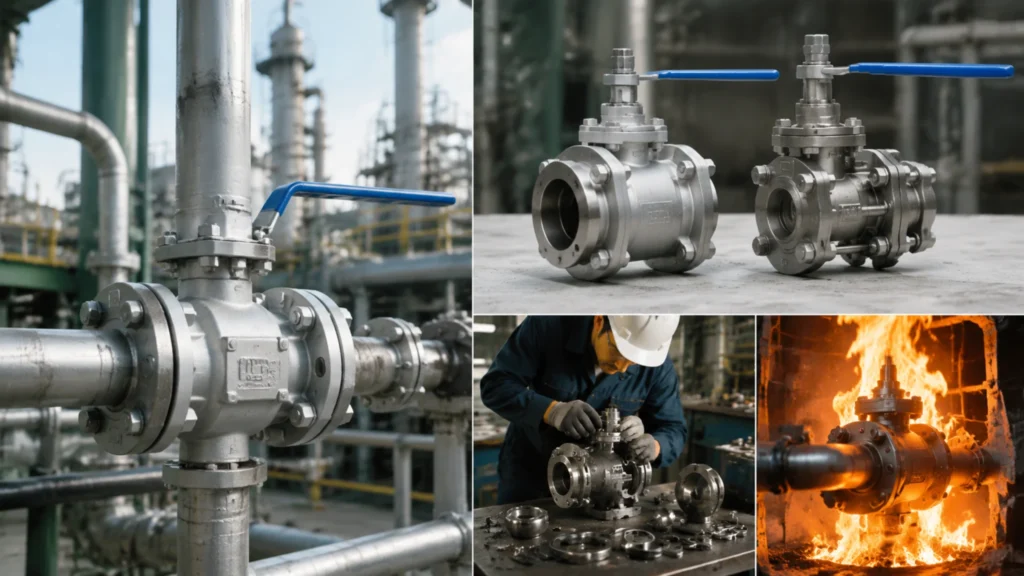
A few years ago, I was on a platform in the North Sea where a 16-inch Class 900 trunnion ball valve had developed a seat leak. The valve was a side entry design with a bolted two-piece body. The leak had been caught during a routine quarterly cavity vent check – pressure was building in […]
What Is a Reduced Port Ball Valve 丨 When It Is the Smart Choice and When It Will Cost You More Than You Saved
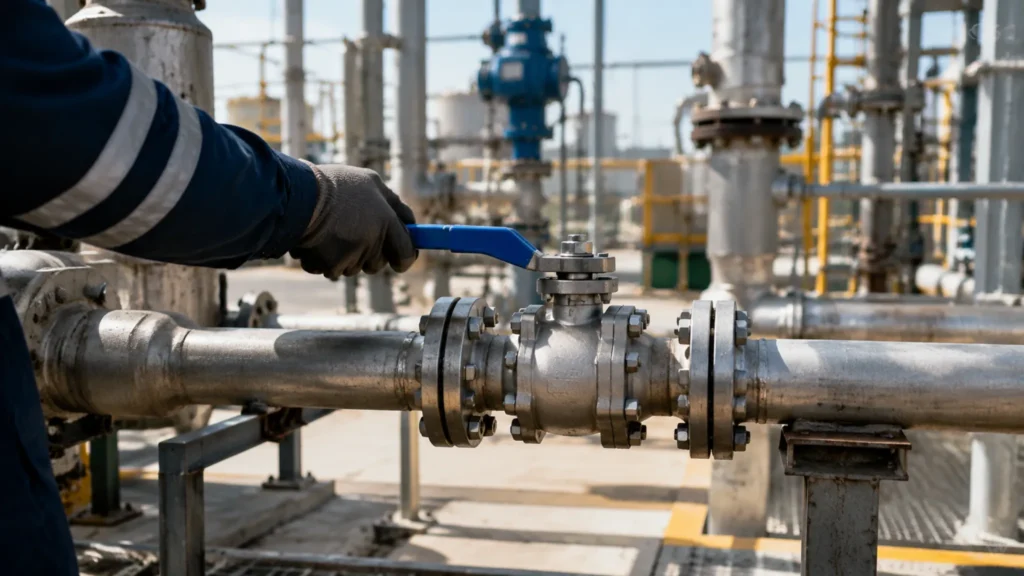
A project engineer at a chemical plant once showed me two quotes for 200 4-inch Class 300 ball valves. The full bore quote was 112,000 dollars. The reduced port quote was 87,000 dollars. A 25,000-dollar difference on one valve type alone. The plant had about 800 ball valves total across all sizes and classes. The […]
What Is a High Pressure Ball Valve 丨 Design Limits, Material Requirements, and Testing Beyond the Minimum
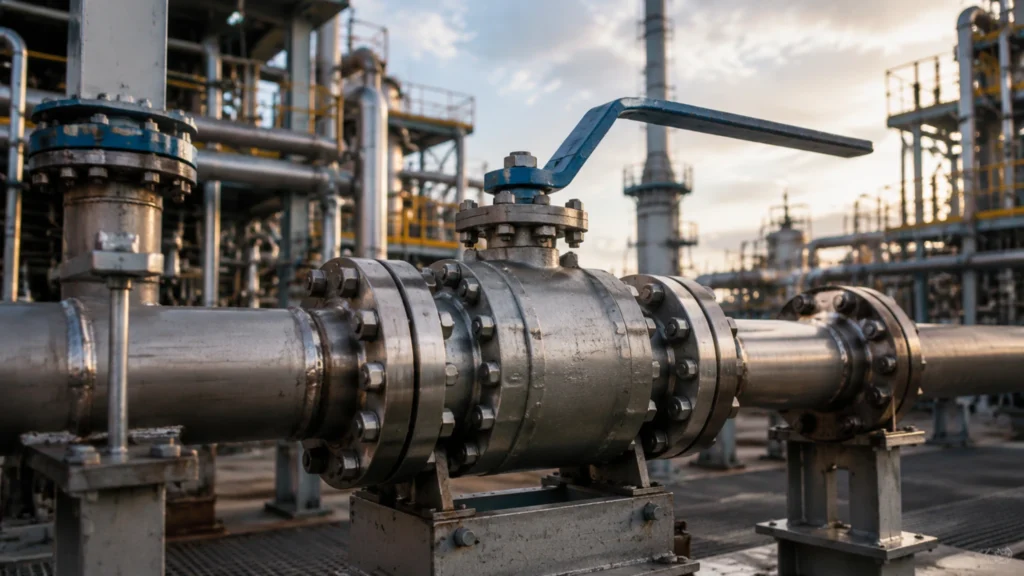
A pipeline operator in West Texas called me a few years ago about a smart pig that had gotten stuck. The pipeline was a 12‑inch crude oil line, Class 600, running about 40 miles between a gathering station and a central processing facility. The pigging operation was routine – they ran pigs every three months […]
What Is a Full Bore Ball Valve 丨 When You Need It, When You Do not, and the Pigging Requirement Most People Learn the Hard Way
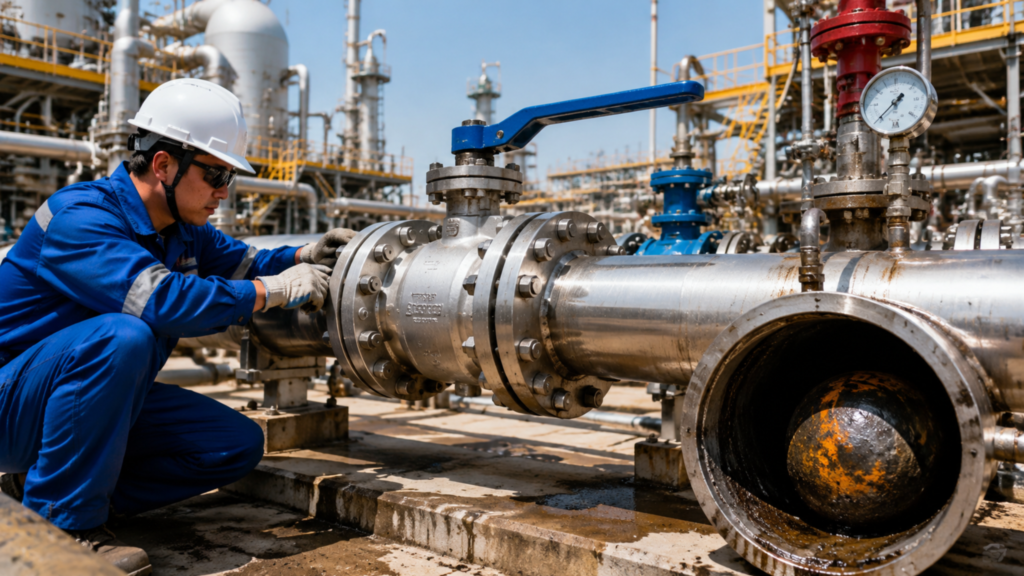
A pipeline operator in West Texas called me a few years ago about a smart pig that had gotten stuck. The pipeline was a 12‑inch crude oil line, Class 600, running about 40 miles between a gathering station and a central processing facility. The pigging operation was routine – they ran pigs every three months […]
What Is a Forged Ball Valve 丨 Why Grain Structure Matters, When to Choose Forged Over Cast, and How to Verify You Got One
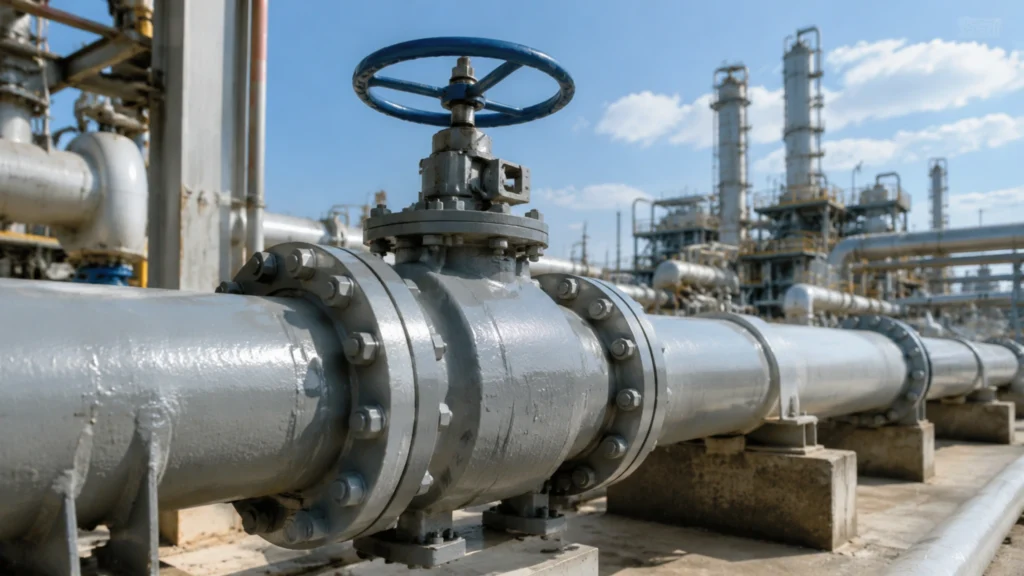
A few years ago I was called in to investigate a Class 900 10-inch ball valve that had cracked at the body during a hydro test. The valve was supposed to be forged A105 steel. The test pressure was 3,330 psi – standard 1.5 times the Class 900 rated pressure of 2,220 psi. The crack […]
What Is a Floating Ball Valve 丨 How It Works, Where It Excels, and When to Upgrade to Trunnion
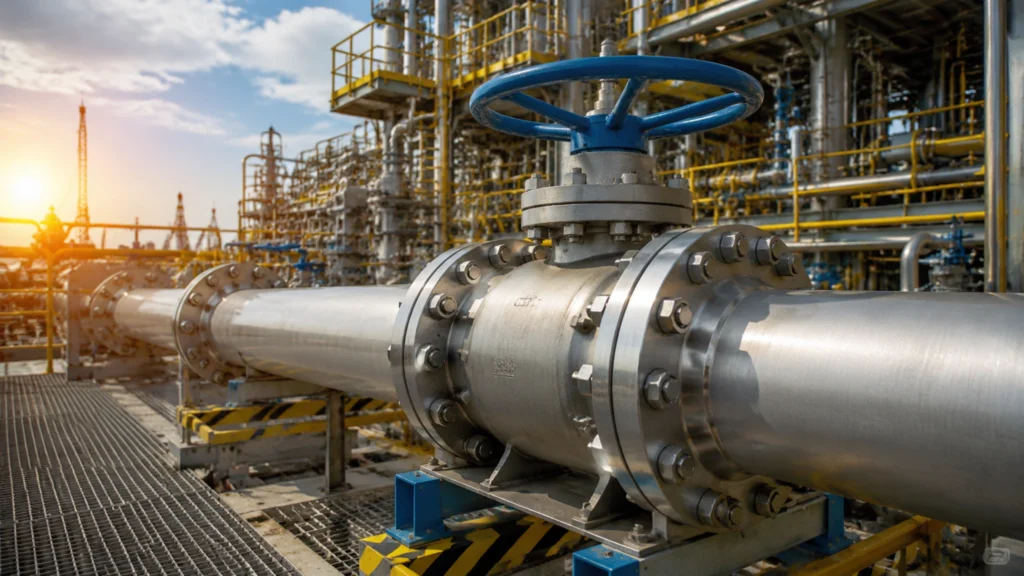
I once had a plant manager call me about a 3-inch floating ball valve on a steam condensate return line. The valve was PTFE-seated, Class 300, had been in service for about four years, and was leaking steam from the stem at maybe 20 drips per minute. He wanted to know if he should replace […]