
Stellite vs Tungsten Carbide for Valve Seats | Which One Lasts Longer in Severe Service
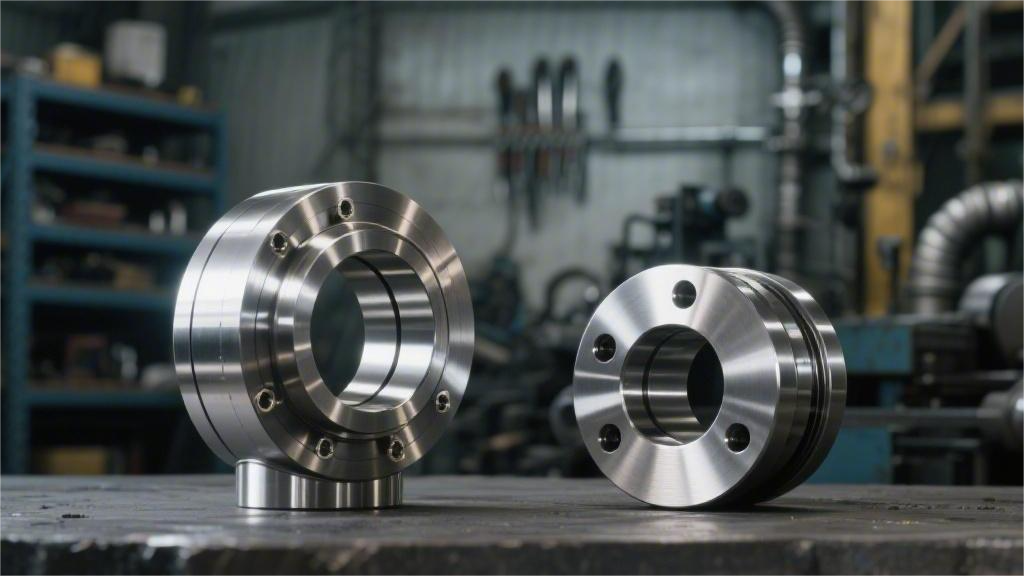
Under harsh working conditions, tungsten carbide valve seat usually more wear-resistant, hardness can reach HRA 88~92, lifespan often compared to Stellite increased by 2~5 times; But meeting thermal shock, erosion and slight impact load, Stellite more stable. When selecting type first look at medium particle amount, temperature fluctuation, then do wear and seal cycle test. […]
Forged vs Cast Valve Body for Industrial Buyers | Which one performs better under strict inspection requirements
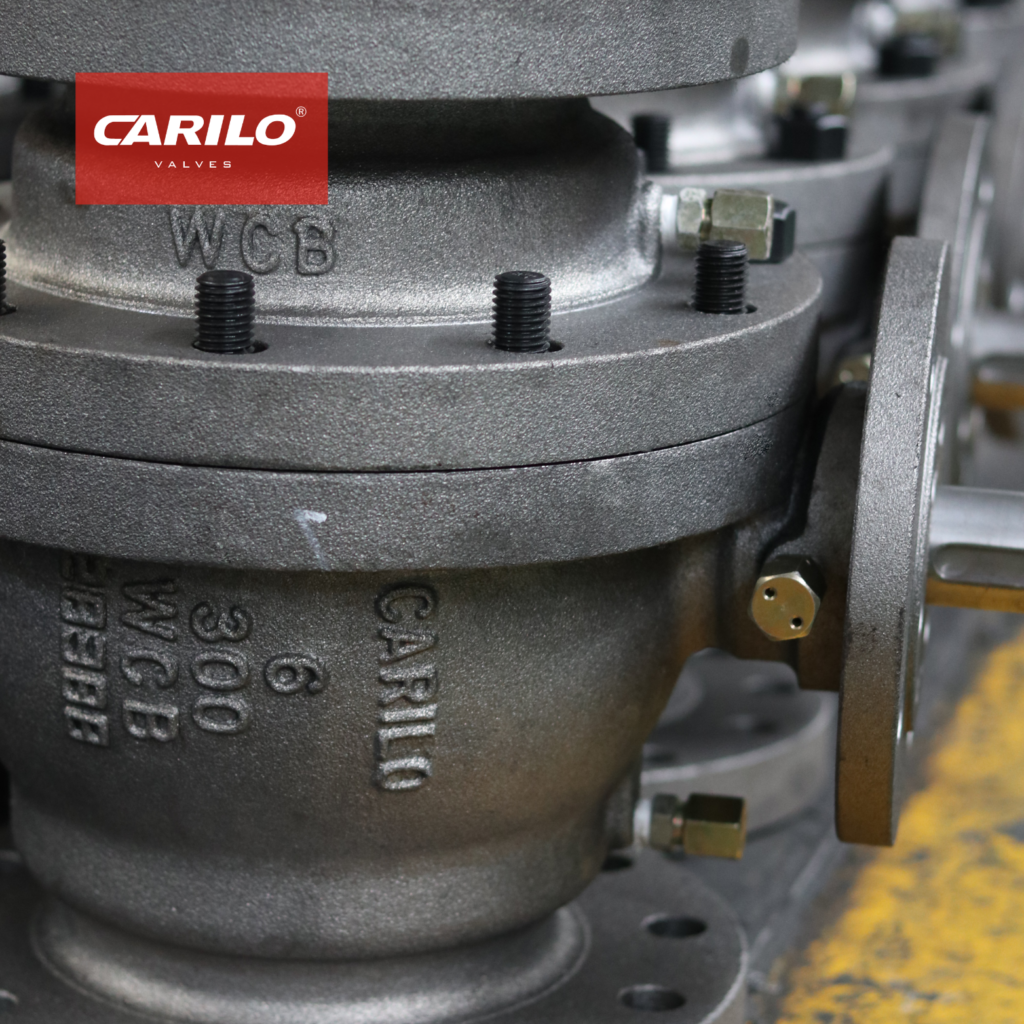
Under strict inspection requirements, forged valve body is better: density ≥ 98%, tensile strength increased by 20%~30%, airtight leakage rate ≤ 1×10⁻⁶. Cast parts easily have porosity and shrinkage, need 100% radiographic inspection and pressure test. Suggest key working conditions choose forging, ordinary working conditions use high-quality casting and strengthen flaw detection. inspection compliance Flaw […]
Should You Switch to a Forged Valve Body When Body and Bonnet Need RT? | A cost-based supplier recommendation
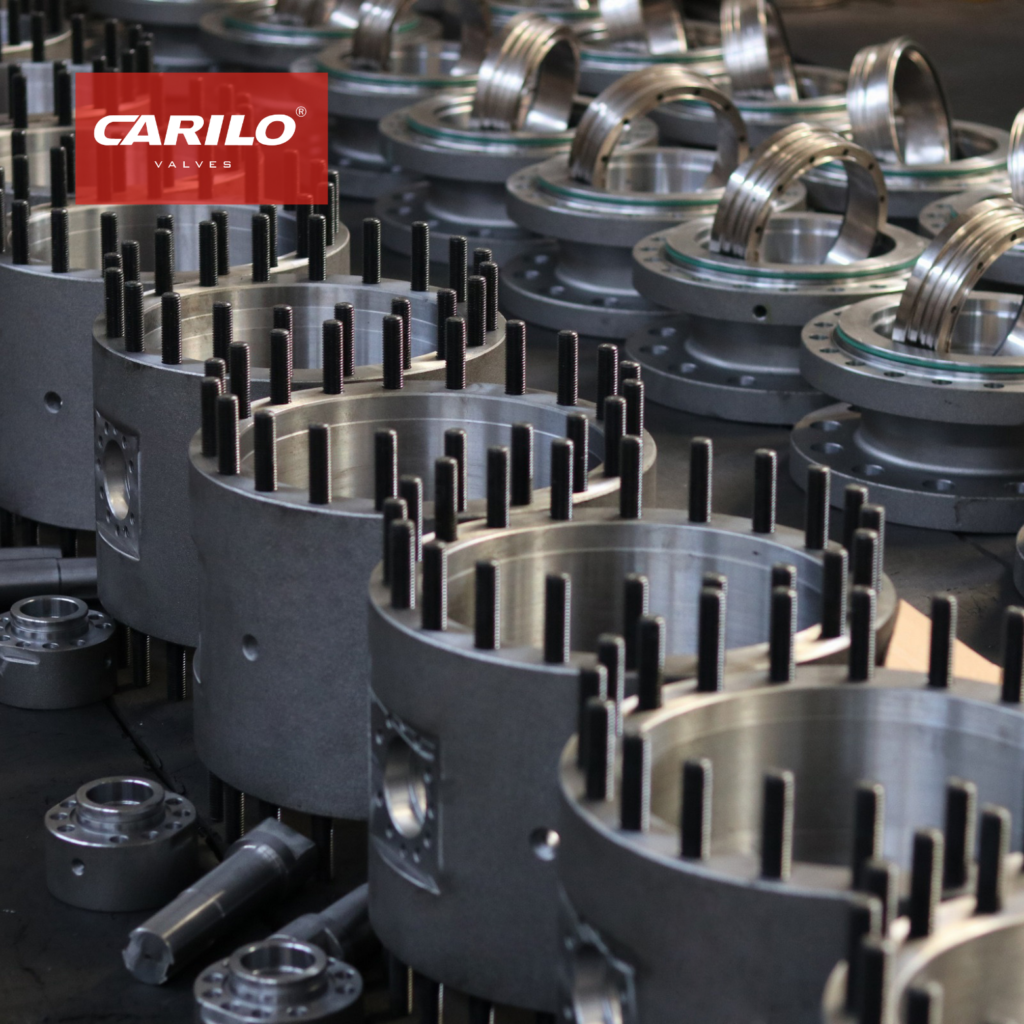
When valve body and valve cover need 100% RT inspection, casting pass rate is about 85%-90%, rework cost is high; Forging internal is dense, RT pass rate ≥ 98%. If single valve price > 500 US dollars or pressure ≥ PN100, suggest changing to forging, can lower comprehensive cost about 10%-15%. rt inspection expense Ray […]
What RT Inspection Really Means for Cast Steel Valves | Buyers Really Need to Know About
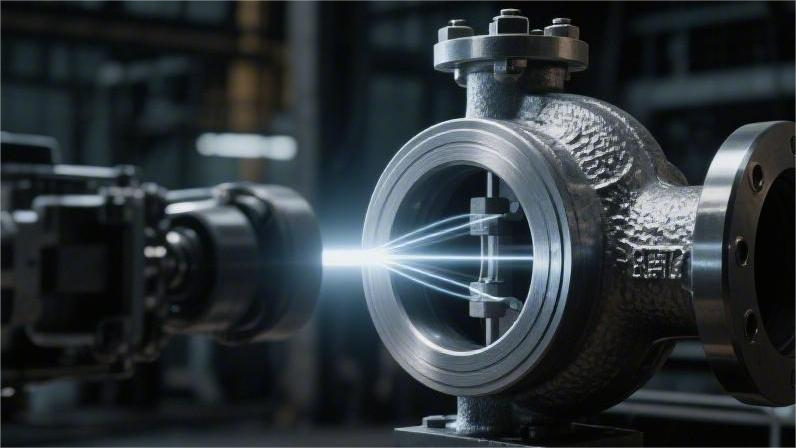
RT inspection is radiographic flaw detection, used to discover cast steel valve internal porosity, shrinkage and other defects. According to standard (such as ASTM E446), defect grades are divided into 1-5 grades, normally requiring ≤ 2 grade; inspection ratio generally is 10%-100%. Need to control exposure time, film density (2.0-4.0) and retain reports. internal defect […]
Cast vs Forged Valve Body for Export Projects | How different markets make the choice
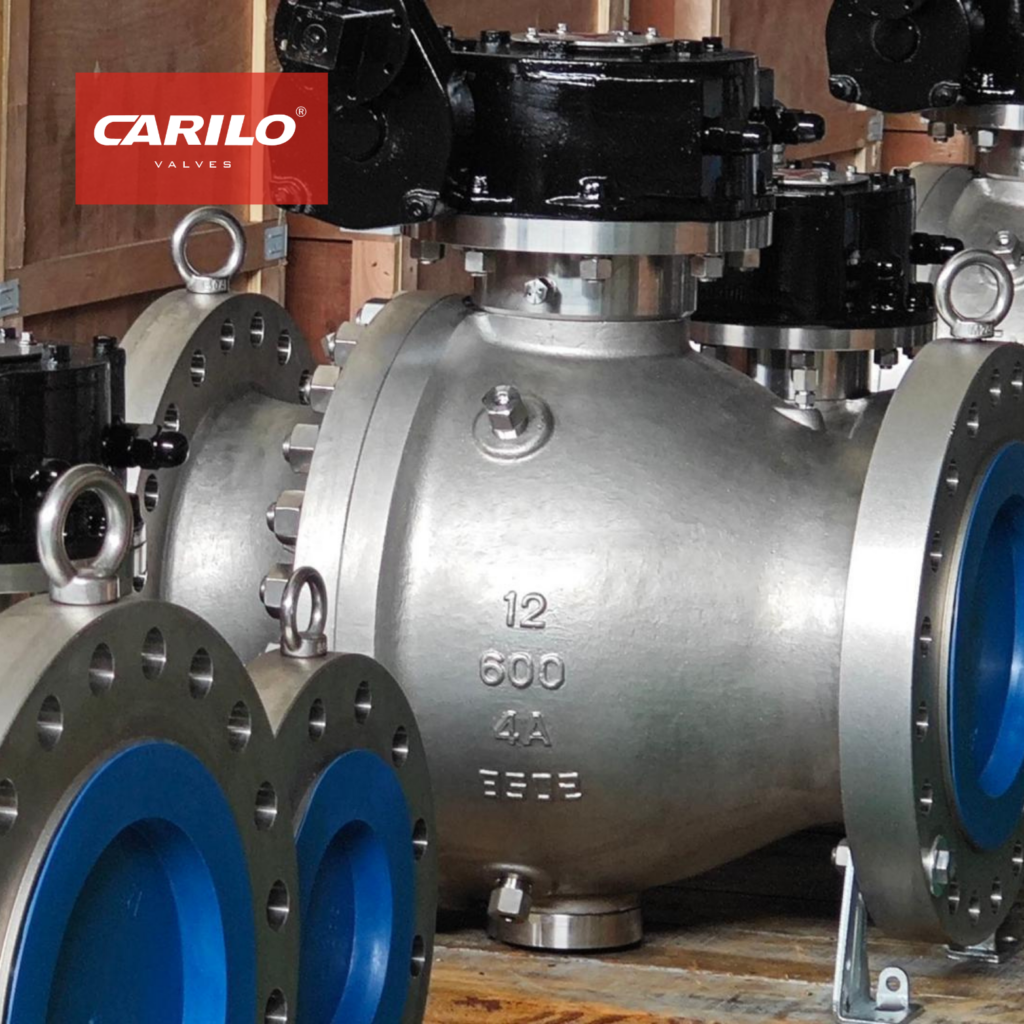
In export projects, forged valve body strength is high (tensile strength ≥450MPa), suitable for high pressure (>PN100) European and American markets; Cast valve body cost is lower by about 20%-30%, mostly used for medium and low pressure (PN16-40) Southeast Asia. When selecting models, match according to working condition pressure, temperature, and certification (API/CE). market preference […]
Advantages and Disadvantages of Cast and Forged Valve Bodies | What buyers usually care about
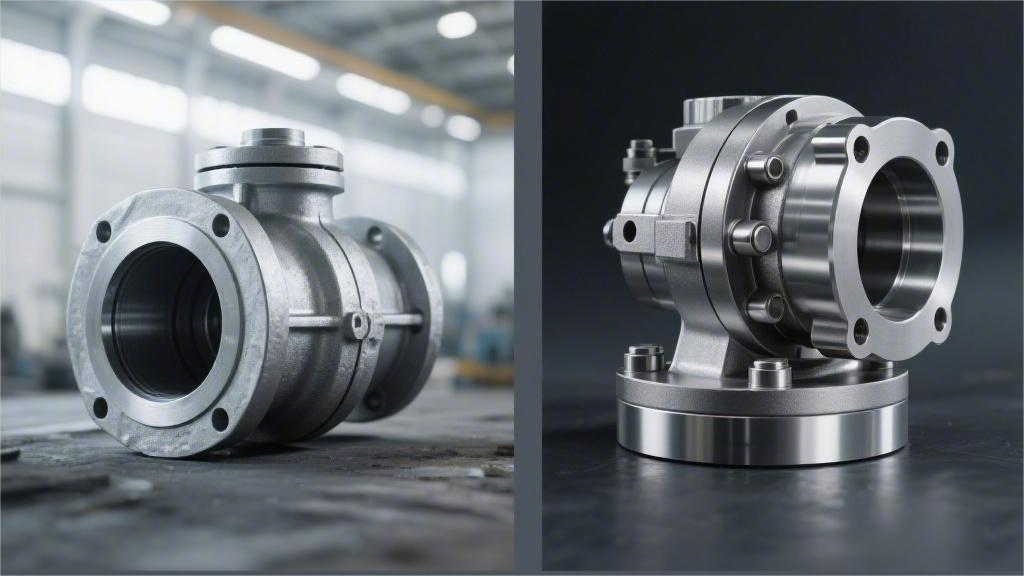
Cast valve body cost is lower by about 20%-30%, suitable for complex structures, but easy to have blowholes, strength slightly lower; Forged valve body density is high, compressive strength increases by about 15%-25%, life is longer, but cost is high. When purchasing should check flaw detection report, pressure test records, and verify material certificate. manufacturing […]
Why Engineers Use Two Single Ball Valves for Isolation Instead of a Double Ball Valve | practical reasons in plant maintenance and replacement
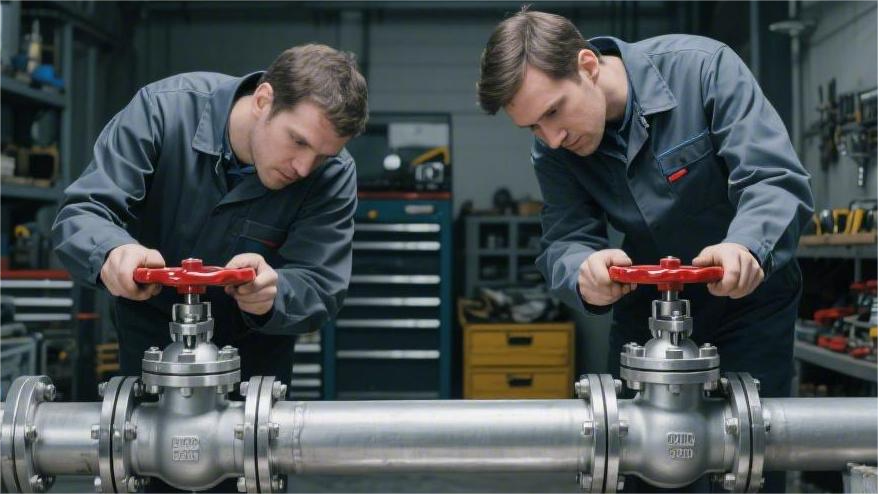
Engineering inside often uses two single ball valves replace double ball valve is because maintenance more flexible, single valve failure can alone replace, stopping machine time can reduce about 30%, and standard valve inventory common use rate ≥80%, installation time two valves spacing suggests ≥1 times pipe diameter and add blind plate position, ensure isolation […]
When Should You Use a Double Ball Valve in a Pipeline System | Common applications in oil, gas, and chemical lines
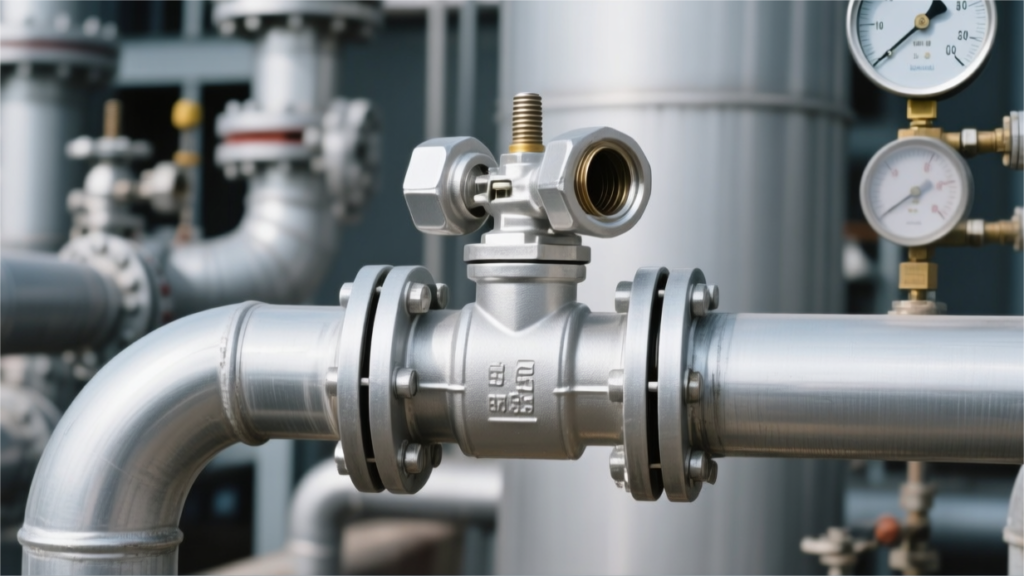
Double ball valve suitable for needs double isolation’s working conditions, like oil gas conveying pressure ≥4MPa or toxic medium pipeline, often used for maintenance venting and anti-leakage scenes, suggest middle cavity sets discharge port and regularly detects leakage rate ≤0.01%, installation time ensures two valves spacing ≥1.5 times pipe diameter in order to maintenance. oil […]
From Factory Test Passed to On-Site Leakage | Why Ball Valves Can Fail After Actuator Assembly
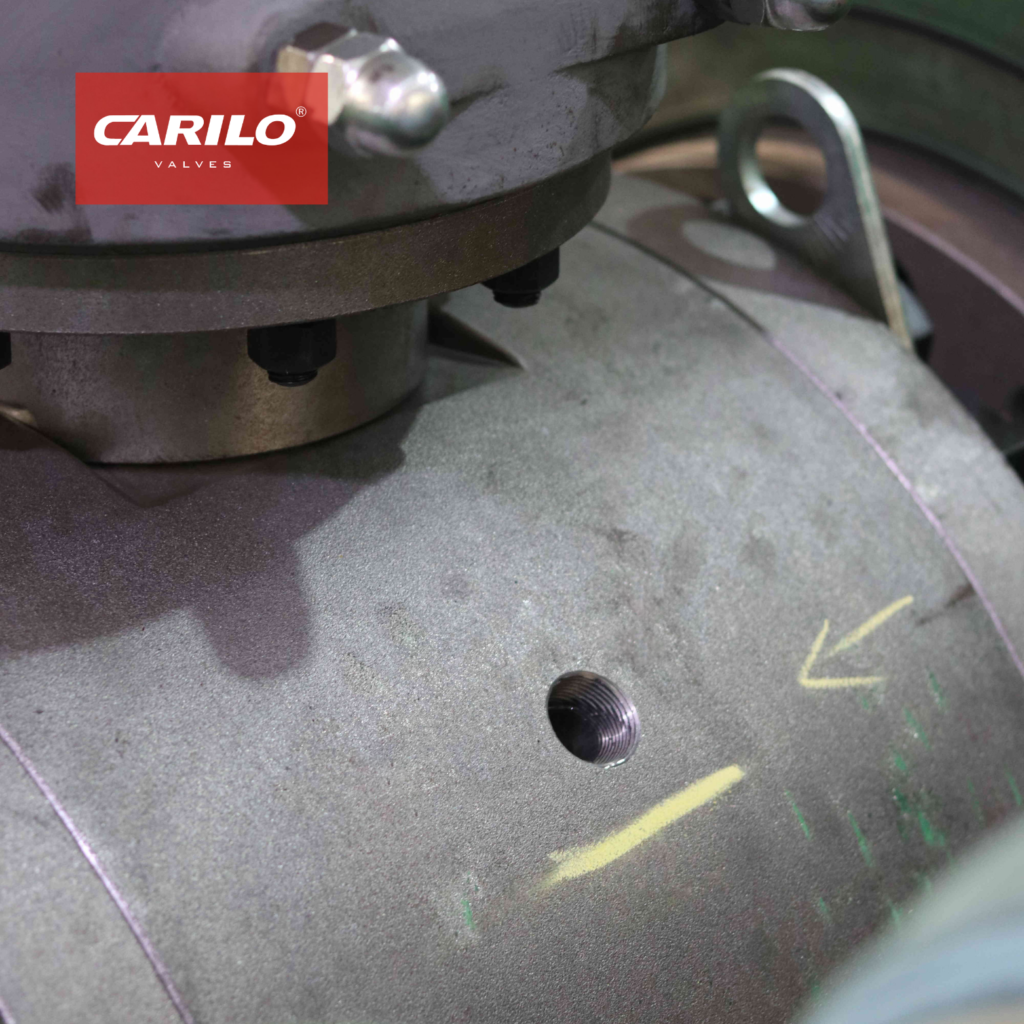
Ball valve leaving factory qualified but on-site leakage often due to installation stress leads to valve body deformation >0.3mm, actuator torque amplified 20% damages seal or medium contains particles >50μm scratches sealing face, suggest re-check coaxiality ≤0.5mm, re-set torque and flush pipeline after then put into use. misalignment Geometric deviation A unit DN100’s carbon steel […]
Installed the Actuator, Then the Ball Valve Started Leaking | 3 Mistakes Customers Often Don’t Notice
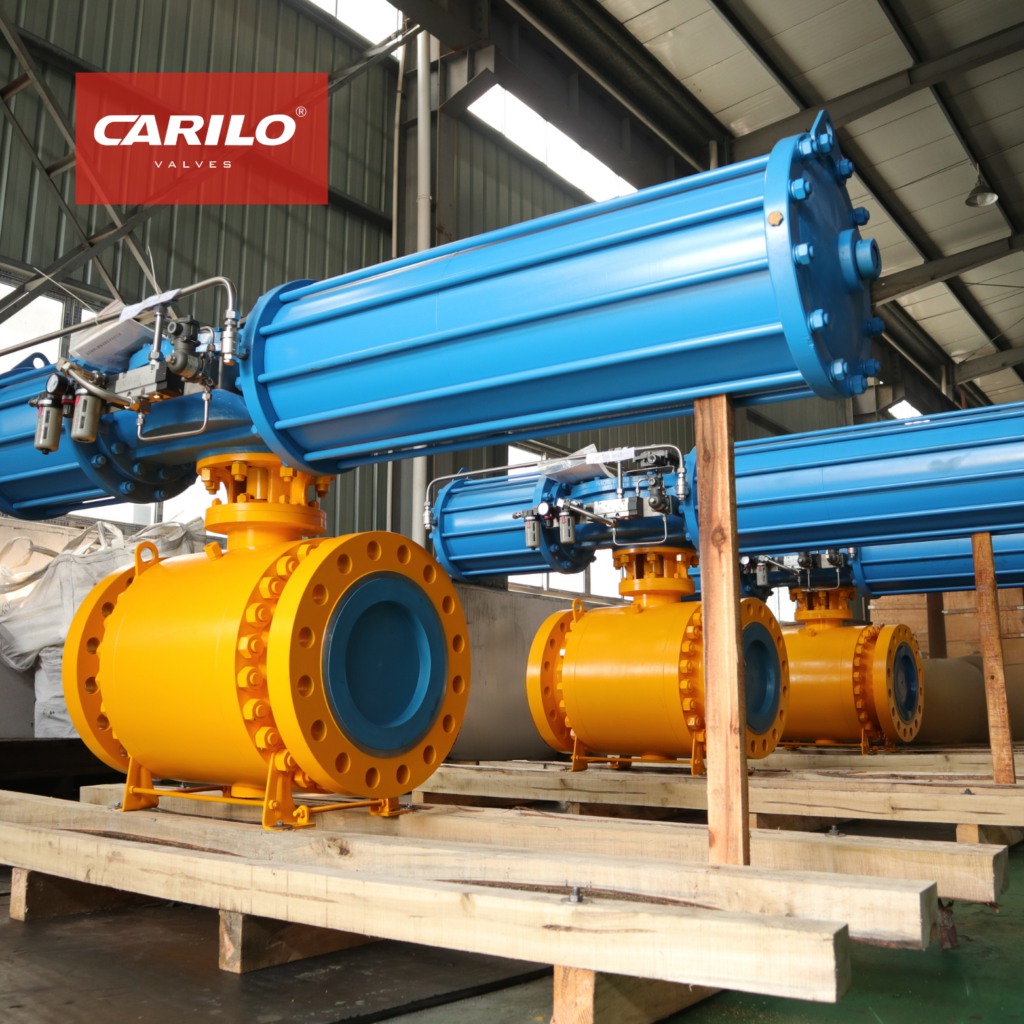
Installation actuator after valve leakage mostly due to torque setting error (deviation >10%), valve stem coaxiality offset >0.5mm or not reset stroke limit, suggest re-calibrate actuator switch position, detect connection bracket parallelism ≤0.2mm, and at 0.6MPa under do sealing test confirm leakage point. mounting errors Valve stem packing leakage Workshop’s tap water pipe pressure stops […]