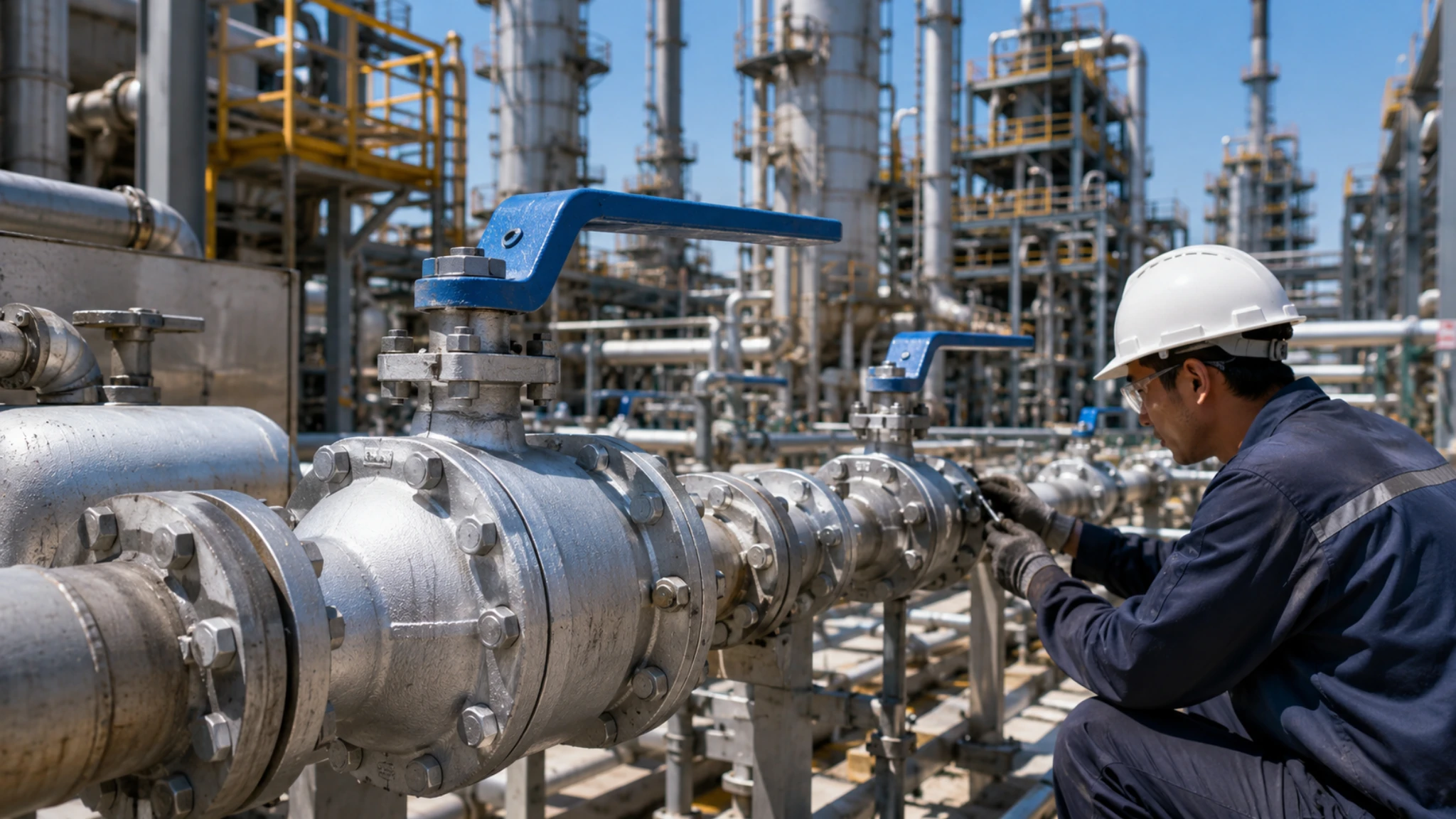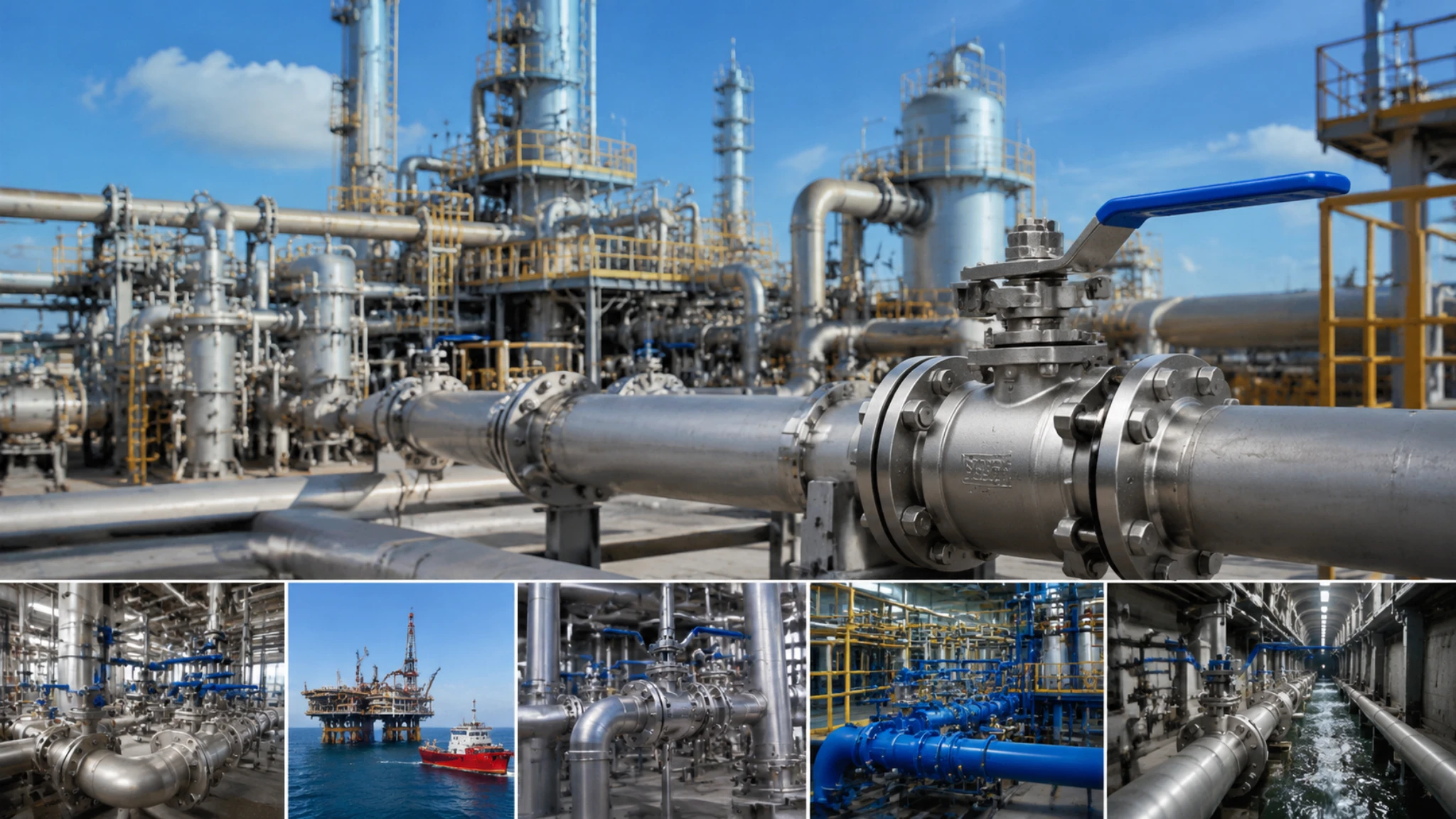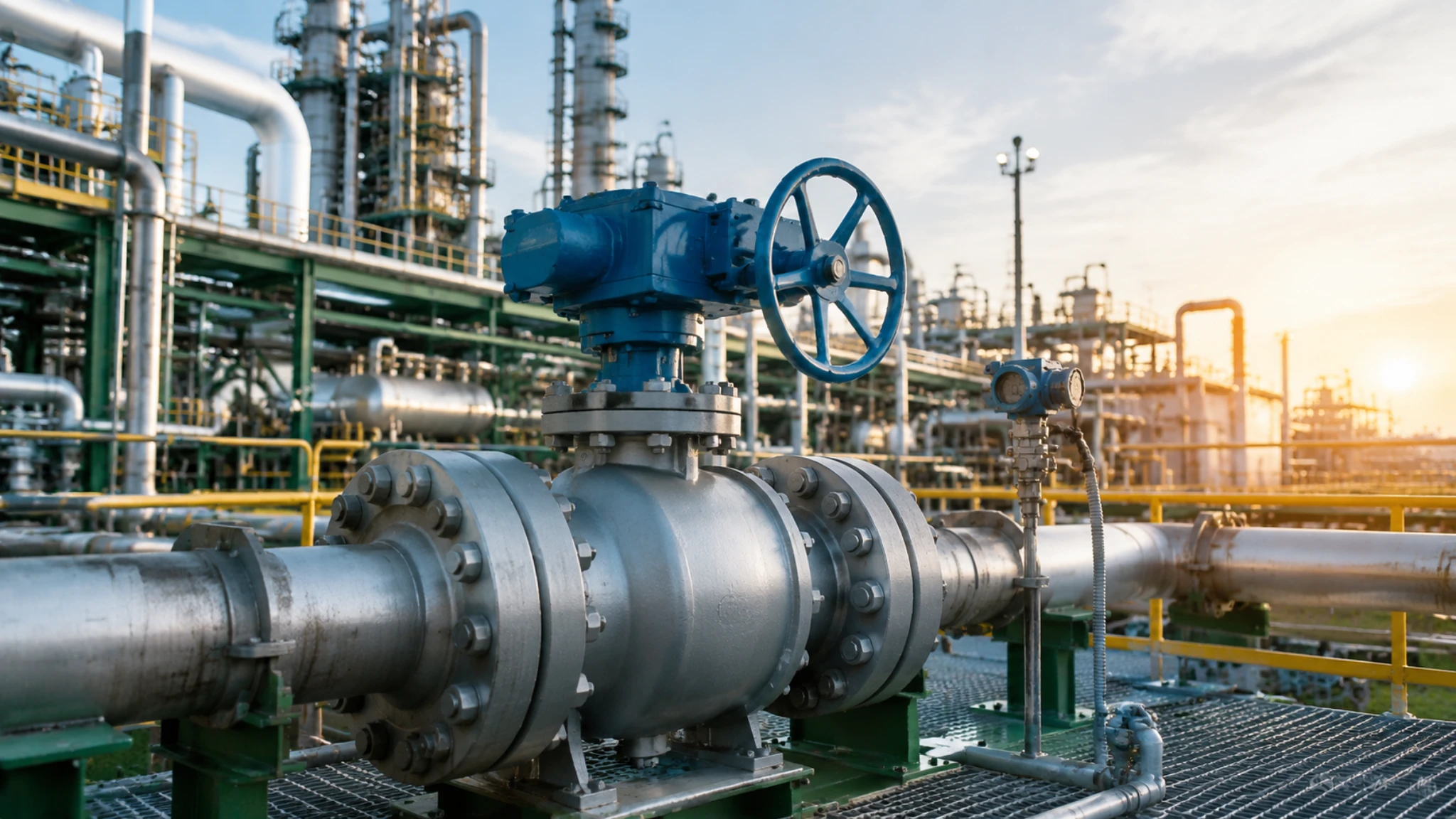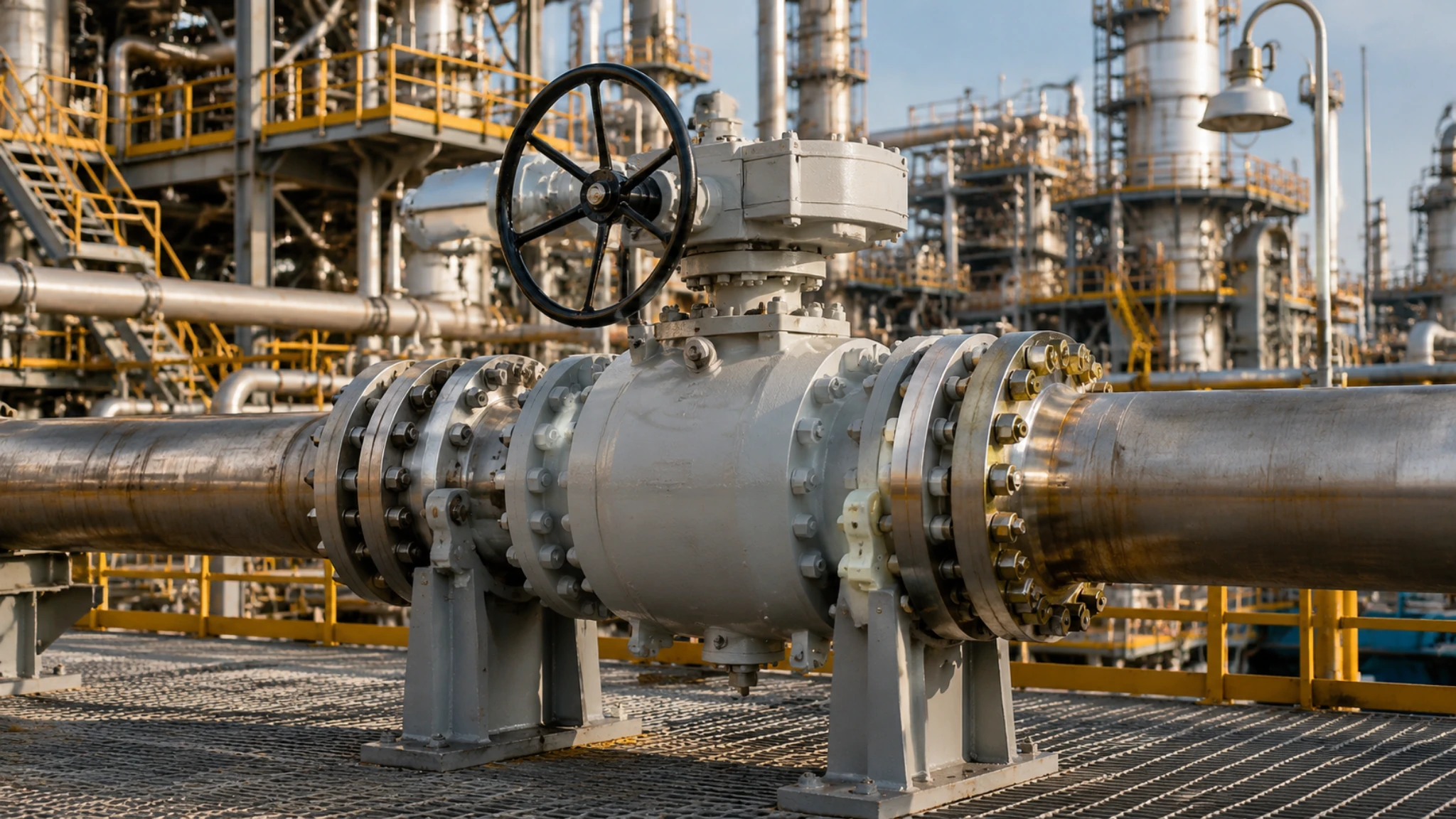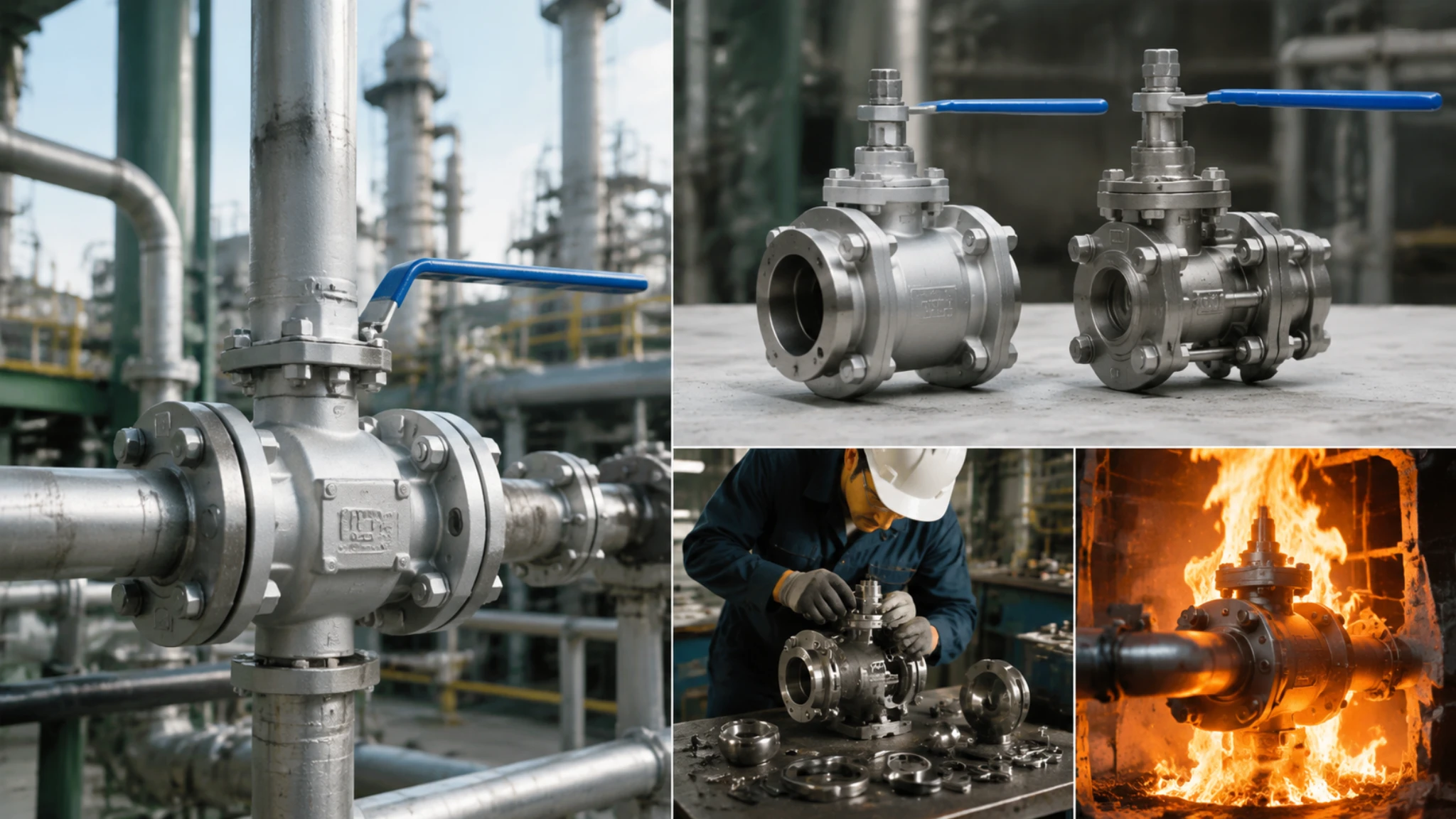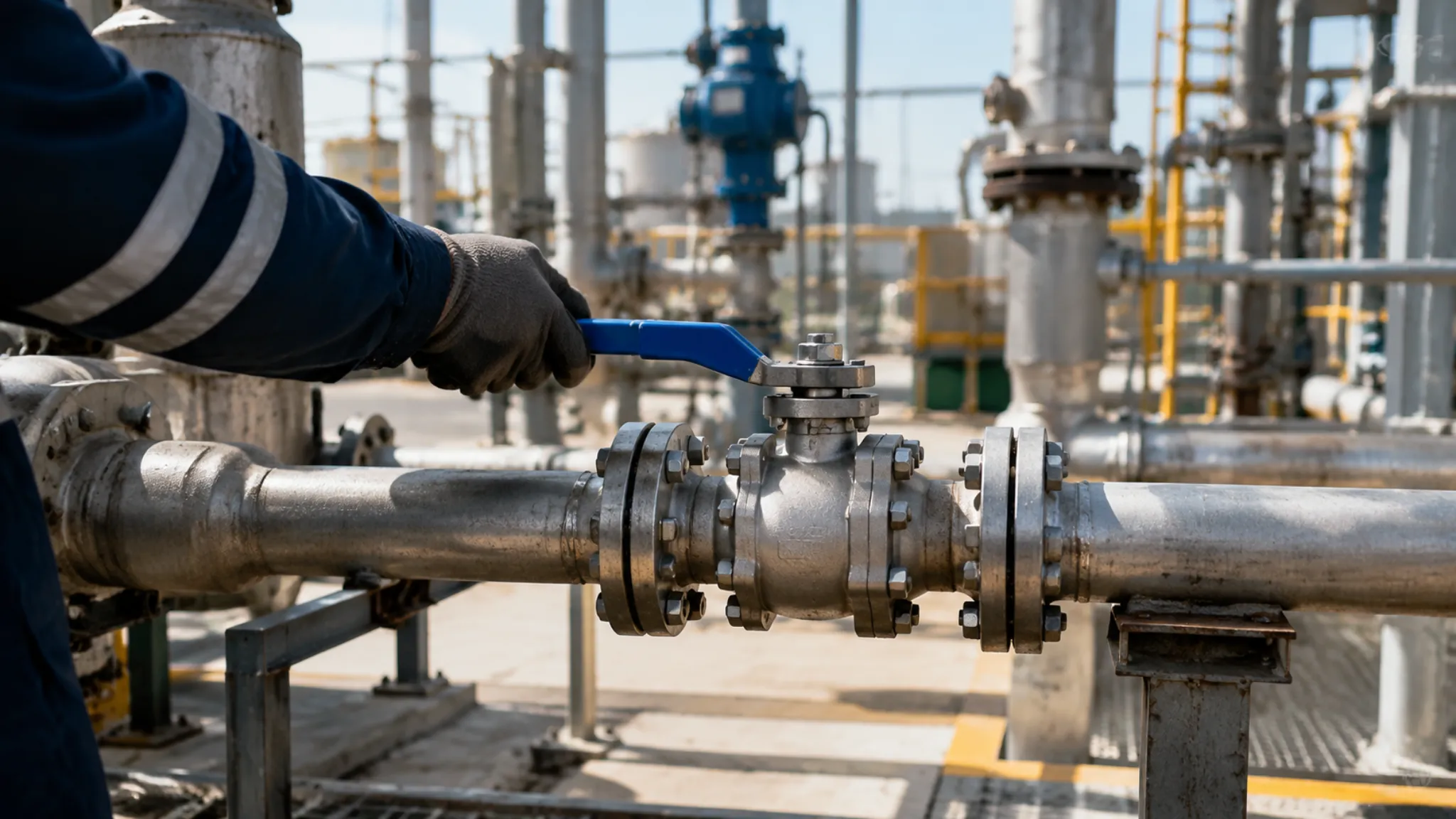
In export projects, forged valve body strength is high (tensile strength ≥450MPa), suitable for high pressure (>PN100) European and American markets;
Cast valve body cost is lower by about 20%-30%, mostly used for medium and low pressure (PN16-40) Southeast Asia.
When selecting models, match according to working condition pressure, temperature, and certification (API/CE).
market preference
Middle East & North Africa
Saudi Aramco in the 02-SAMSS-005 specification clearly stipulates that all small-diameter valves with a caliber of 2 inches (DN50) and below must compulsorily use forged valve bodies. Behind this requirement is the Persian Gulf’s high-pressure oil and gas wells’ extreme vigilance toward material density, because under the pressure of Class 800 or Class 1500, common 0.5mm tiny sand holes in castings may evolve into uncontrollable leak points.
Procurement engineers, when handling refinery orders for Dammam or Jubail, usually specify the use of ASTM A105N material and require the provision of normalization treatment proof. The 4:1 compression ratio during the forging process can eliminate looseness inside the steel ingot through mechanical pressure, making the valve body’s tensile strength about 22% higher than WCB cast steel parts. In the wellhead Christmas tree support of Rumaila or Marjan oil fields, this material strength is the physical basis for dealing with 2500psi extreme wellhead pressure.
UAE ADNOC’s bidding documents often feature strict re-checks of NACE MR0175/ISO 15156 standards, especially hardness indicators. For sour conditions containing hydrogen sulfide (H2S), valve body hardness is limited to below HRC 22 to prevent stress corrosion cracking. Forging plants can control temperature deviation within ±5°C during the heat treatment stage; this temperature control capability makes the hardness distribution of forged valves more balanced than that of large sand castings.
From the perspective of microstructure, Middle Eastern buyers’ preference for forged F316L material exceeds that of cast CF3M. The ferrite content inside forgings is generally stable between 3% and 8%, which can significantly enhance the valve’s pitting corrosion resistance in Abu Dhabi’s high salt spray and high humidity environment. Due to uneven wall thickness during the cooling process, castings are prone to chemical composition segregation, thus failing prematurely under salt corrosion.
Forged valves (API 602/ASME B16.34 standards):
- Pressure performance: A105 material at 38°C can reach a Class 800 rated pressure of 19.7 MPa.
- Wall thickness precision: Measured wall thickness deviation after CNC machine processing is usually less than 0.1mm.
- Detection methods: Supports 100% Liquid Penetrant Inspection (LPI) and 100% internal Ultrasonic Testing (UT).
- Supply speed: Relying on round steel stock, the output speed of batch orders is more than 20 days faster than casting mold opening.
In Kuwait (KOC) pipeline projects, ball valves of Class 600 and above mostly tend toward a three-piece forged structure. The design flexibility of this structure allows engineers to perform independent Magnetic Particle Inspection (MPI) on each forged module of the valve body to ensure there are no cracks inside. Under large-caliber conditions, when castings with wall thickness exceeding 50mm undergo Radiographic Testing (RT), the film clarity is difficult to meet the Grade 1 requirement of ASME standards, which easily leads to disputes.
Qatar (QatarEnergy) LNG liquefied natural gas projects involve low-temperature environments of -46°C, which poses rigid indicators for material low-temperature toughness. ASTM A350 LF2 forgings have impact energy values constantly stable above 27J in low-temperature impact tests. Data records show that the toughness performance of LF2 material is more stable than the same level LCC cast steel, effectively avoiding metal brittle fracture caused by sudden temperature changes the moment liquefied gas passes through.
Cost accounting in these export orders reflects long-term thinking. In Oman (PDO) oil and gas transmission projects, the average selling price of a 2-inch forged steel gate valve is about 95 USD, which is about 30 USD more expensive than cast steel parts. But according to field feedback, the average failure rate of castings in the first year of operation is 2.3%, while forgings are below 0.5%. For a terminal that loses tens of thousands of dollars per hour of downtime, this 1.8% reliability difference is enough to offset the procurement cost.
Cast valve bodies (API 600/API 6D standards):
- Weight advantage: For calibers above 12 inches, WCB castings reduce weight by about 15% compared to forgings of the same specification.
- Fluid characteristics: Sand casting flow channel curvature is smoother, which can reduce Cv value loss when the medium passes through.
- Procurement cost: Using casting solutions for large-caliber valves can save about 40% of raw material expenditure.
- Compensation allowance: Casting wall thickness is usually 2-3mm more than the design standard to offset potential manufacturing defects.
In MRO repair orders for North African countries like Algeria (Sonatrach), the delivery advantage of forged parts is even more obvious. Because there is no need to wait for the casting plant’s production schedule and mold preparation time, it takes only 25 days from material cutting to finished product leaving the factory. In emergency repairs, buyers are willing to pay a 20% to 25% emergency premium for shortening the lead time by 30 days.
In Egypt and Libya’s municipal water supply and drainage and seawater desalination projects, ASTM A216 WCB cast steel valves account for more than 85% of the share. The pipeline pressure in these scenarios is generally not higher than PN25, and the temperature is lower than 80°C, so the requirement for material density is far lower than that of high-pressure oil and gas pipelines. The casting process can complete the complex internal rib design of large valves at one time, reducing a large amount of subsequent welding workload and potential weld seam risks.
Saudi SWCC desalination water long-distance transmission pipeline diameters usually reach DN1000 or larger. If valves of this volume adopt a full forging process, the unit weight will exceed the transportation limit, and the cost will soar to more than 3.5 times that of castings. High-quality cast steel valve bodies that pass 100% Radiographic Testing (RT) are the best choice to balance performance and budget in these low-pressure high-flow projects.
In the export audit stage, Middle Eastern buyers will check the Forging Ratio of the forgings. If the compression ratio from steel ingot to finished product is lower than 3:1, the batch of products may be rejected as having quality equivalent to castings. Professional exporters will provide the full-process temperature monitoring curve from raw material warehousing to CNC machine processing to prove that the metal grains were fully refined during the forging process.
Valve export packaging in the MENA region also follows two sets of logic. High-value forged small-diameter valves usually use VCI volatile corrosion inhibitor film combined with fumigation-free wooden cases. Large cast valves pay more attention to the reinforcement of the transport base to prevent uneven force on the bonnet flange and resulting deformation caused by ship rocking and casting self-weight during the long sea voyage in the Red Sea or Persian Gulf.
Europe & North America
Purchasers in Houston or Rotterdam, when flipping through project specification manuals, always have their eyes fixed on the pressure-temperature rating tables in ASME B16.34. In these mature industrial areas, 2 inches (DN50) is an insurmountable material watershed. For small-diameter conditions below 2 inches, API 602 forged steel valves occupy more than 98% of the installed volume. Small castings are extremely prone to shrinkage holes during cooling, and the scrap rate under 100% radiographic testing is usually as high as 12% to 15%, while forged parts can provide zero-porosity physical purity.
Standardized wellhead skid-mounted equipment in North American shale gas fields has a huge demand for ASTM A105 forgings. These projects require valves to withstand instantaneous temperature changes above 400°C. According to ASME codes, the allowable stress of A105 forgings at high temperatures is about 10% higher than that of WCB castings of the same grade. At extraction sites in the Permian Basin, this tiny strength redundancy is the physical defense line to prevent the valve body from cold brittle fracture during extreme cold seasons.
The European market’s preference for valves is deeply constrained by the PED 2014/68/EU directive. In German or French chemical plants, valve body materials must be traceable to specific heat numbers. While casting valves have a 25% cost advantage when producing products above 12 inches, European engineers will conduct harsh audits of the casting plant’s process. If casting wall thickness deviation exceeds 5% of the ASME B16.34 specified value, the entire batch of valves will be returned to the dock.
| Evaluation Dimension | Euro-American Mainstream Preference | Typical Data/Detail Standards |
|---|---|---|
| Caliber below 2″ | Full Forged | Complies with API 602, weld repair strictly prohibited |
| Caliber above 10″ | High Quality Casting | 100% RT testing, reaching ASTM E446 Level 2 |
| Material Certificate | EN 10204 3.1/3.2 | Must include chemical composition analysis and impact test data |
| Processing Precision | Full CNC Machining | Sealing surface roughness Ra must be within 0.8 microns |
When handling stainless steel valve orders, North American buyers favor ASTM A351 CF8M castings, provided they must undergo solution treatment. For pharmaceutical or food processing pipelines, they have a pathological requirement for the smoothness of internal flow channels. The casting process can achieve an original surface of Ra 3.2 microns through precision investment casting. Using forgings for processing, complex internal flow channels will increase CNC tool wear by 40%, and unit cost will soar 1.5 times.
- Technical guidelines for the European market:
- CE Certification: Mandatory threshold for entering the EU market.
- Fugitive Emissions: Complies with ISO 15848-1 standard.
- Low-temperature conditions: Charpy impact test must be performed below -29°C, impact energy must be greater than 27J.
- Interchangeability: Valve face-to-face length strictly follows EN 558 standard, deviation must not exceed 1mm.
US petrochemical giants like ExxonMobil manage casting plant admission lists very strictly. Even for cast valve bodies, it is often required to add a 2 to 3mm corrosion allowance in pressure load zones. This is to deal with long-term scouring by sulfur-containing media in refineries. Data shows that adding this 3mm wall thickness can extend the design life of the valve from 15 years to more than 22 years without major overhaul.
In extreme corrosive environments such as North Sea oil and gas fields, Duplex Steel selection has become a wrestling ground for forging and casting. Although forged F51 material is dense, for super large calibers above 20 inches, the lead time for die forgings is often as long as 18 weeks. To meet the deadline, buyers will turn to ASTM A890 4A castings witnessed on-site by third-party inspection agencies, thereby compressing the supply chain cycle to within 10 weeks.
- Decision considerations for North American procurement:
- Supply chain distance: Preference for brands with inventory centers or quick repair stations in Houston.
- Standard consistency: Valve connection flanges comply with ASME B16.5, thread hole depth tolerance ±0.5mm.
- Nondestructive testing: High-pressure condition valves submit four inspection reports: RT, UT, MT, PT.
- Coating standard: Requires SSPC-SP10 sandblasting grade, dry film thickness not less than 250 microns.
The difference between European and American buyers choosing forging or casting lies in the assessment of defect tolerance. Forgings are macroscopically homogeneous, allowing engineers to obtain very stable simulation data during Finite Element Analysis (FEA). Castings are more like a black box; even if they pass radiographic testing, the coarseness of internal grains may lead to fatigue cracking under high-frequency vibration conditions.
In energy transition projects in California or the Scandinavian Peninsula, hydrogen valve selection is leaning toward full forged structures. The extremely small physical diameter of hydrogen molecules makes them very easy to penetrate from tiny intergranular gaps in castings. Current experimental data shows that under hydrogen storage pressure of 70MPa, the hydrogen embrittlement risk of full forged valve bodies is a whole order of magnitude lower than that of castings.
Valves exported to Europe and America require a Third Party Inspection (TPI) final inspection before shipment. Inspectors will randomly select 5% of valves for bonnet opening inspection. If weld repair marks after grinding sand holes are found on the inner wall of the casting and were not in the report list, the entire batch order will be judged as unqualified. This zero tolerance for invisible defects forces manufacturing plants to prioritize forged parts in small calibers and pressure parts.
- Detail requirements for quality verification:
- Pressure test: Shell test pressure is 1.5 times the rated pressure, pressure holding for not less than 10 minutes.
- Torque test: Provide maximum start-up torque data during the opening and closing process, tolerance ±10%.
- Material traceability: Heat Number steel stamps permanently stamped on the outside of the valve body.
- Packaging specifications: Wooden boxes undergo ISPM 15 fumigation and contain humidity indicator cards.
In the North American MRO maintenance market, the circulation speed of forged valves is more than 30% faster than cast valves. Warehouse managers prefer to stock A105 or F316 forged gate valves because after long-term inventory, their flange sealing surface flatness performance is superior, and they will not produce slight warpage due to internal stress release like inferior castings.
Southeast Asia & Africa
In municipal water supply and drainage tenders in Bangkok or Jakarta, ASTM A216 WCB cast steel and GGG50 ductile iron valve bodies occupy about 85% of the market share. The pressure ratings of these project pipelines are usually maintained at PN10 or PN16, and the medium temperature rarely exceeds 80°C. For a DN300 gate valve, the unit price of a cast valve body is about 40% cheaper than a forged valve body of the same specification. In infrastructure loan projects worth tens of millions of dollars, this cost advantage is enough to sway the profit and loss line of contractors.
In the Phase II expansion of the Vinh Tan coal-fired power plant in Vietnam, the low-pressure cooling water system extensively adopted cast iron butterfly valves complying with JIS 10K standards. Local engineers value the large-caliber molding capability brought by the casting process more, because if valves above DN600 adopt a forged structure, the unit weight will increase by more than 200kg, which not only significantly pushes up the load cost of the support but also makes later manual maintenance extremely difficult.
“In Southeast Asian second-tier power or paper plants, owners pursue a 5 to 8-year maintenance-free cycle, rather than the 20-year extreme life in Europe and America. Casting wall thickness is usually 2-3mm more than the 12mm minimum required by ASME, and the extra allowance becomes a natural anti-corrosion layer.”
In West African Lagos water treatment plant projects, the common items in the procurement list are cast iron flange ball valves under the BS EN 1092-1 standard. The procurement logic of the African market is constrained by the capital turnover rate, and spot supply capability is the primary condition for a deal. Casting plants can shorten the delivery period to 20 days by producing more than 500 standardized mold parts at one time, while forged valves often require a production schedule of more than 45 days from round steel cutting to multi-process processing.
In the downstream petrochemical tank areas of Nigeria, WCB cast steel gate valves are seen everywhere on Class 150 low-pressure pipelines. Although forged parts are superior to castings in tensile strength, in a low-pressure environment of about 20 kilograms per square centimeter, the 485 MPa tensile strength provided by castings has far exceeded the actual demand. Project managers are more willing to invest the saved 30% procurement funds into material upgrades for the sealing pair, such as upgrading the sealing surface from 13Cr to Stellite hard alloy.
- Material characteristics of the Southeast Asian market:
- Common standards: JIS B2002, DIN 3202, BS 5150.
- Material distribution: Ductile iron (60%), cast steel WCB (30%), stainless steel CF8 (10%).
- Pressure range: Mainly PN10 to PN25, castings are rarely used above Class 300.
- Quality red line: Sealing surfaces must not have weld repair marks, and the valve body must undergo an airtightness test at 1.1 times the nominal pressure.
In copper smelters in the Democratic Republic of Congo or Zambia, slurry pipelines wear valves very quickly, and valves are regarded as consumables. For a DN200 wear-resistant slurry valve, the unit price using a cast valve body is about 450 USD, while forged part quotes year-round stay above 800 USD. Data records from the mine procurement department show that the anti-corrosion performance of castings in acidic slag is not significantly different from that of forgings, so replacing a batch of cheap castings every 18 months has become the most economical maintenance plan.
“Logistics costs for projects in inland Africa are extremely high; sea plus land transport may account for 15% of the goods value. Since cast valve bodies can undergo structural optimization to reduce the weight of non-pressure-bearing parts, they can load 10% more quantity than forgings of the same specification during container loading, which directly thins the landed cost of a single valve.”
In the construction of industrial parks in Ethiopia, the recognition of GGG40 material for water supply and drainage systems is extremely high. By adding magnesium, ductile iron makes graphite distribute in a spherical shape, and its mechanical properties are close to carbon steel. Under PN16 conditions, the burst pressure test of ductile iron valve bodies can usually reach about 64bar. This 4-fold safety factor gives non-professional operators enough space for misoperation; even if slight water hammer impact occurs, the toughness of the casting can prevent the valve body from bursting.
In palm oil processing plants on Sumatra Island, Indonesia, the scouring of valve internal cavities by acidic media is very serious. Engineers tend to choose investment casting stainless steel CF8 or CF8M. The investment casting process can achieve an internal cavity finish of Ra 3.2 microns, effectively reducing the hanging scale of acidic grease inside the valve body. If switched to forged processing, complex internal flow channel dead corners require expensive 5-axis linkage CNC machine tools to clean, which would lead to a 120-minute increase in manufacturing man-hours for a single valve.
- Procurement details in the African market:
- Acceptance preference: Physical appearance must be flat, and paint spray thickness is usually required to be above 120 microns.
- Packaging standard: For humid port environments, wooden boxes must have a plastic film full-wrap seal of more than 6 silk.
- Certification demand: Besides manufacturer test reports, it is often required to provide SABS (South African Bureau of Standards) or similar local certifications.
- Parts matching: It is often required to match 10% of wearing parts with the goods, such as packing and gaskets.
Southeast Asian distributors will prioritize hoarding cast valve bodies when stocking up, because castings have stronger versatility. A single DN100 WCB valve body, by changing different trim materials, can simultaneously meet various working conditions such as water, oil, and gas. Because forged valves are mostly used in high-pressure specific scenarios, specifications are too subdivided, which easily causes inventory backlog. Data shows that for a valve agent located in Jakarta, the inventory turnover days for castings are 42 days, while for forgings it is as long as 115 days.
In textile printing and dyeing pipelines in Bangladesh, steam pressure is mostly around 1.0 MPa. Factory owners repeatedly compare the price difference between WCB cast steel and A105 forged steel when selecting models. When the price difference exceeds 25 USD, they will choose cast steel parts without hesitation. This sensitivity to initial investment (CAPEX) forces exporters to continuously optimize casting processes, such as using coated sand casting to enhance appearance texture, making castings look close to the precision of forgings.
“In the secondary distribution market in some parts of Africa, customers do not even look at material sheets but directly weigh them. If a DN150 cast steel gate valve weighs less than the industry average of 48kg, it will be suspected of cutting corners. The casting process has more operational space in increasing wall thickness and sense of weight than the forging process, which is limited by raw material size.”
At palm oil export terminals in Malaysia, some key parts of the delivery pump station exit will select forged parts due to vibration. But on delivery branch lines several kilometers long, it is still the world of castings. This “forged for core parts + cast for branch pipelines” combined solution reduced the total valve budget of the entire terminal project by 22%. In international engineering contracting, this mixed cargo mode is the axis for balancing technical and commercial bids.
For cast valves exported to this region, the quality of anti-rust paint is often of more concern than material strength. Ports in Africa and Southeast Asia are mostly high-temperature and high-salt spray environments, and the surface of untreated castings will show flash rust within 72 hours after unloading. Professional export factories will use epoxy resin electrostatic spraying processes to melt and cover the paint powder on the valve body surface at 200°C, ensuring that valves do not fade or peel after 6 months of open-air storage.
certification requirements
PED & EN
When valves are exported to Europe, if the PS (maximum allowable pressure) exceeds 0.5 bar, the PED 2014/68/EU directive must be unconditionally executed. The directive classifies valves into four risk levels: I, II, III, and IV according to fluid hazard (Group 1 or Group 2) and the product of pressure and nominal diameter.
High-risk level projects mandatorily require factories to pass Module H total quality management system certification. Pressure-bearing casting suppliers must hold a PED Annex I, Paragraph 4.3 certificate. If the casting plant lacks this certificate, the finished valve cannot legally be marked with the CE mark.
The admission ratio of forging plants in the European market is about 35% higher than that of casting plants. This is because temperature control and deformation rate of the forging process are easier to standardize. When handling Group 1 hazardous media, European buyers’ inspection of the material “birth certificate” will be accurate to every heat number.
- The Heat Number on the valve body surface must correspond one-to-one with the paper certificate items, with a zero error rate.
- Sulfur content of carbon steel 1.0619 must be controlled below 0.025%, and phosphorus content must not exceed 0.030%.
- Chromium content of stainless steel 1.4408 is usually required to be stable between 18% and 20%.
- Elongation after fracture in mechanical performance tests is usually set at a floor of 14% to 22% under EN standards.
- EN 10204 3.1 certificates must be issued and stamped by a quality person in charge independent of the production department.
- 3.2 certificates involving third-party inspection require TUV or DNV inspectors to confirm material mechanical test specimens on-site.
- Visual inspection of castings should target the EN 1370 standard, with surface roughness usually between Ra 12.5 and 25 microns.
- The finish of forged machined surfaces is required to be higher, with sealing positions often reaching below Ra 3.2.
When executing EN 12516 strength calculations, the strength coefficient of conventional castings can only be taken as 0.8. If 100% Radiographic Testing (RT) is performed on the casting, or if it is directly switched to a forging, this coefficient can be increased to 1.0.
This coefficient difference leads to forged valve bodies being able to reduce wall thickness by about 15% compared to castings under the same pressure. The weight reduction not only lowers material costs but also reduces cross-border sea freight. For small-diameter high-pressure valves below DN50, this weight reduction effect is particularly obvious under Class 1500 rating.
Low-temperature toughness is another rigid indicator in PED certification. For working conditions at -46 degrees Celsius, the impact energy of ASTM A350 LF2 forgings is usually required to reach 27 Joules. In measured data, because forgings have undergone a forging ratio of more than 3 times, impact energy can often stabilize above 50 Joules.
Due to the phenomenon of coarse grains during the cooling process, the qualification rate of castings in -46 degrees Celsius impact tests fluctuates greatly. Once the impact energy of a certain heat is lower than 27 Joules, the entire batch of castings faces the risk of scrapping. This is also why energy projects in high-latitude regions prefer to specify the use of forgings.
- Radiographic Testing (RT) mainly captures sand holes and shrinkage inside castings, with exposure sensitivity requiring better than 2%.
- Ultrasonic Testing (UT) is used to detect folding cracks inside forgings, with probe frequencies mostly from 2MHz to 5MHz.
- Liquid Penetrant Testing (PT) requires sensitivity levels to reach Level 2 when inspecting opening defects in stainless steel valve bodies.
- Water pressure test pressure must reach 1.5 times the PN nominal pressure, and the pressure holding time is set between 60 to 300 seconds according to DN size.
- Airtightness test pressure is usually around 6 bar, requiring no bubbles observed for 2 minutes in a water tank.
- Low leakage certification (ISO 15848-1) requires the helium leakage rate of the valve body to be lower than 10 to the minus 6th power at 200 degrees Celsius.
In high-pressure conditions above PN250, EN standards will review the material carbon equivalent (CE). In the calculation formula, the value of C+Mn/6+(Cr+Mo+V)/5+(Ni+Cu)/15 must be lower than 0.45. The precision of forgings in composition matching makes their crack tendency during field welding much lower than that of castings.
Chemical analyzers for chemical composition must be calibrated twice a year to ensure that reading deviations of elements like silicon and manganese are within 0.01%. Castings must undergo pre-furnace analysis before pouring, recording the original temperature of molten iron, usually controlled at around 1550 degrees Celsius.
Heat treatment curve recording charts are mandatory items for PED audit. Charts must clearly show the heating speed, holding time at 580 to 620 degrees Celsius, and cooling rate. The heat treatment uniformity of forgings makes their hardness gradient deviation usually controlled within 20 HBW, ensuring the consistency of performance for the whole batch of products.
For large-diameter valves above DN300, the casting process is still the main manufacturing method. At this time, compliance is built on a detailed QCP (Quality Control Plan). Every valve must undergo full-process recording from pattern inspection and molding sand performance testing to the final water pressure test.
European supervisors will focus on checking the qualification certificates of NDT personnel during Factory Acceptance Testing (FAT). According to the EN ISO 9712 standard, testing personnel must hold Level II or above certificates. If certificates are expired or do not comply with EU standards, all testing reports will be judged invalid.
Conversion of material grades is also a detail in certification. For carbon steel WCB habitually used domestically, it must correspond to the 1.0619 grade when exported to Europe. This conversion is not a simple name change but requires re-examining whether its tensile strength and yield strength intervals fall within the range specified by the EN 10213 standard.
In projects with extremely permeable media like hydrogen, the density of material determines the success or failure of certification. Measured data shows that the performance of 50mm wall thickness forgings in helium back-pressure leak detection is more than 40% superior to castings of the same thickness. This difference in physical properties gives forgings a higher safety margin in the face of rigorous certification.
ASME & API
The threshold for valves in the North American market mainly looks at the ASME B16.34 standard. This standard fixes the correspondence between pressure and temperature. For example, for the commonly used A216 WCB cast steel part, it can withstand 102.1 bar of pressure at 38 degrees Celsius, but at a high temperature of 400 degrees Celsius, the pressure it can withstand drops to 46.6 bar.
Whether for A105 forgings or WCB castings, although the rated pressure given by the standard is the same, there is a difference in the actual thickness produced. ASME requires the wall thickness of a 4-inch valve to reach at least 6.4 mm. To avoid uneven shrinkage of metal liquid during pouring, casting plants usually leave an extra 10% allowance, making it often exceed 7.5 mm.
Because the forging process uses molds for direct pressing, dimensions are very accurate, and tolerances can be controlled within 0.5 mm. Forged valves are lighter than cast valves, and material utilization can be about 20% higher. During sea export, this weight advantage can save a lot of freight.
The API 6D standard for the oil and gas industry is very strict about carbon content in materials. If the carbon equivalent exceeds 0.43, it is prone to cracking during welding. During casting cooling, manganese elements inside easily accumulate locally, leading to the carbon equivalent exceeding the standard.
- API 602 stipulates: Small-diameter high-pressure valves below 4 inches are basically forced to use forging, as they must handle high pressures above Class 1500.
- Low leakage data: In API 624 testing, switching 310 times at 260 degrees Celsius is required. The methane leakage of forgings is usually lower than 10 ppm.
- Casting risk: Because castings have invisible micro-pores inside, after thermal expansion and contraction, the leakage rate is often around 80 ppm, approaching the red line of 100 ppm.
- Hardness standard: Projects handling sour media require compliance with NACE certification, with hardness not exceeding 22 HRC. The hardness difference of forgings can be controlled within 5 units.
| Key Parameter Comparison | ASTM A216 WCB (Casting) | ASTM A105 (Forging) |
|---|---|---|
| Tensile Strength | 485 to 655 MPa | Starts from 485 MPa |
| Reduction of Area | Around 22%, performance fluctuates greatly | Above 35%, excellent toughness |
| Manufacturing Tolerance | Plus or minus 1.5 mm to 3 mm | Within plus or minus 0.5 mm |
| Testing Qualification Rate | Radiographic testing easily finds sand holes | Ultrasonic testing basically has no defects |
If it is a high-pressure valve above Class 1500, ASME requires 100% Radiographic Testing (RT). If choosing castings, every valve will cost 150 to 400 USD more in testing fees alone. Forgings are dense inside, and ultrasonic testing has almost no background noise interference, with the misjudgment rate being 90% lower than that of castings.
In API 598 pressure testing, large-diameter valves must hold pressure for 300 seconds. If the casting structure is loose, high-pressure water might leak out like sweat after 200 seconds. Forgings can steadily withstand 5 minutes of testing without any signs of leakage.
For stainless steel valves, API requires the molybdenum content of F316 forgings to be between 2.0% and 3.0%. Because elements are distributed uniformly in forgings, the corrosion resistance value PREN can stabilize above 24. Castings are prone to chromium-poor zones at the riser position, and the PREN value sometimes drops below 20, failing to meet the warehousing requirements of oil and gas giants.
In ultra-low temperature environments at minus 196 degrees Celsius, ASME requires liquid nitrogen impact testing. The impact energy of F316L forgings can exceed 100 Joules. Because the ferrite content inside castings is hard to control, the impact energy is often only around 40 Joules, which is barely passing in rigorous cold environment certification.
project budget
Unit Price & Utilization
In export valve trade, the raw material procurement price for carbon steel casting WCB fluctuates between 9500 to 11500 yuan per ton, while the procurement price for A105 forged round steel of the same level usually starts above 13500 yuan. This base price difference of several thousand yuan locks in a budget baseline of about 20% right from the raw material warehousing stage.
This cost gap is widened again in the processing stage. The casting process utilizes mold cavities; the shape after the metal liquid fills the mold is extremely close to the finished product, with material utilization maintained at 92% to 95%. To squeeze out a dense structure through high-pressure extrusion, forged parts must retain a large amount of process allowance and flash, with material utilization only at 60% to 75%.
Taking a standard 4-inch Class 300 gate valve as an example, the cast valve body blank weight is about 58kg. For a forged valve body of the same specification, because it needs to be cut from a square billet or round steel with a large amount of metal removed, the starting blank weight often reaches above 80kg.
- Casting blank consumption ratio: 1.05:1 (input weight vs finished weight)
- Forging blank consumption ratio: 1.45:1 to 1.6:1
- Metal scrap recovery price: About 3200 yuan/ton (about 30% of the raw material purchase price)
- Net loss in material waste for a single 4-inch valve body: Over 200 yuan
Although these cut-off steels can be recycled as scrap, in a project budget, they belong to the typical expenditure of “buying high and selling low.” Cutting man-hours generated during the forging process are also a major part of budget expenditure. Processing a 2-inch forged ball valve body on a Computer Numerical Control (CNC) machine takes about 50 minutes, including multiple clamping as well as rough and finish machining.
For a precision cast valve body of the same specification, the geometric shape of non-connection surfaces has been formed by the mold, and CNC processing time is shortened to within 22 minutes. Based on a machine hour rate of 120 yuan per hour, for processing cost alone, forged valves have an extra expenditure of more than 50 yuan.
- Wooden mold fee: 4000 to 7000 yuan
- Aluminum alloy precision mold: 18000 to 25000 yuan
- Forging steel mold: Starts from 35000 yuan
- Economic batch break-point: When the order quantity is less than 30 pieces, the apportioned mold fee often makes casting solutions lose their unit price advantage
For small-batch, multi-specification special export projects, project parties often tend to choose open-die forgings. Open-die forging does not require specialized molds and can be processed through universal flat anvils, which can save tens of thousands of yuan in expenses. Although the processing volume for a single valve body is large, the expensive mold apportionment fee is avoided.
Nondestructive Testing (NDT) required in foreign trade contracts is a highly deceptive item in budget allocation. The cost of one 14×17 inch industrial X-ray film is 90 to 130 yuan, and completing 100% RT testing for a 10-inch valve body requires taking 15 to 25 films.
- Casting testing fee expenditure: Usually accounts for more than 15% of the finished unit price
- Forging testing fee expenditure: Usually lower than 3% of the finished unit price
- Primary qualification rate of Radiographic Testing (RT) for castings: About 85% (the rest needs secondary testing after weld repair)
- Qualification rate of Magnetic Particle/Liquid Penetrant Testing (MT/PT) for forgings: Close to 99.8%
Air holes or sand inclusions easily generated inside castings result in the testing budget having to include weld repair labor fees and secondary inspection fees. Forgings are dense in structure and usually only require surface penetrant testing, and the testing process for a single valve can save more than 1500 yuan in film and labor expenditures.
Logistics freight in long-distance export trade is also subject to material choice. Since forged valves need thicker wall thickness to ensure safety redundancy under high pressure, their overall machine weight is usually 15% to 18% heavier than cast valves.
- Less than Container Load (LCL) export sea freight: 60 to 120 USD per cubic meter or per ton
- Batch export of 4-inch valves: Forging solutions will increase logistics surcharges by about 12%
- International Air Freight: The price difference will jump geometrically as weight increases
High-end oil and gas markets like the Middle East often stipulate “Forged Body Only” in budget books; this mandatory requirement stems from extreme sensitivity to single-day downtime losses. For an oil production platform producing 100,000 barrels per day, if a shutdown is caused by a leakage due to casting defects, the single-day financial loss is as high as 60,000 to 100,000 USD.
In such an environment, spending 40% more of the initial budget to purchase forged valves is regarded as an insurance behavior. In their view, the one-in-ten-thousand crack probability existing in castings carries a potential risk cost far exceeding the few thousand dollar price difference on the procurement list.
- Third-party inspection agency (SGS/BV) factory residency fee: 2800 to 3500 yuan/day
- Casting production cycle (including mold opening and annealing): 65 to 85 days
- Forging production cycle (mainly machining): 35 to 50 days
- Difference in production cycle: About 30 days
Calculated at a single contract amount of 1.5 million USD and an annualized interest rate of 5.5%, delivering 30 days in advance can save about 6800 USD in interest expenses, which is enough to offset part of the unit price premium of forgings.
When involving stainless steel materials (such as F316L and CF8M), fluctuations in nickel and molybdenum content directly sway the budget cost. If the nickel price on the London Metal Exchange (LME) is at a high of 20,000 USD per ton, the purchase cost of forged materials will be more than 50% higher than casting solutions.
The casting process allows a certain proportion of qualified recycled material to be added during melting; this flexibility makes stainless steel cast valves 45% cheaper than forged parts in water treatment or light industrial projects in Southeast Asia.
- Frequency of non-planned maintenance within five years for valve bodies: Forgings 0.2%, castings 1.1%
- On-site repair labor fee (North America/Europe): 150 to 250 USD/hour
- Long-term operation budget (OPEX): Forging solutions begin to show economic advantages after the 3rd year of operation
Non-destructive Testing
One piece of 14×17 inch industrial X-ray film has a market price of about 115 yuan; this is the starting line for the export valve testing budget. For a 10-inch Class 600 cast valve body, in order to align all turn areas of pressure-bearing wall thickness, at least 18 to 24 shooting points must be arranged.
Casting wall thickness has no fixed number, so Radiographic Testing (RT) exposure time must follow the thickest part, and each point moving plus focusing takes 10 to 15 minutes. After this set is finished, the film fee and radiation source rental fee alone exceed 2500 yuan, without counting night overtime fees.
Cast valves in RT testing can always catch sand holes or shrinkage, and high-standard export projects look at the Level II qualification line. In statistical data, the initial inspection failure rate for medium and large castings fluctuates between 12% to 15%; once black spots are seen on the film, digging out and re-welding plus secondary re-inspection will directly push expenditures to 1.5 times the original budget.
Forged valve bodies are repeatedly hammered above 1200 degrees Celsius, and the internal metal is squeezed air-tight, so air bubbles have nowhere to stay. With the same budget allocated, forgings usually only need Magnetic Particle Testing (MT) or Liquid Penetrant Testing (PT), and the process is as fast as an assembly line.
- Magnetic Particle Testing (MT) man-hours per unit: About 25 to 40 minutes
- Penetrant Testing (PT) consumable fee: About 45 yuan per can of developer and penetrant, enough for 5-8 small-diameter valves
- Casting testing budget proportion: Accounts for 14% to 20% of the valve’s ex-factory price
- Forging testing budget proportion: Pressed down to 3% to 5% of the ex-factory price
- Waste film reshoot rate: Casting RT is about 5%, forging surface testing almost never encounters it
| Testing Item | Casting (Cast) Unit Expenditure | Forging (Forged) Unit Expenditure | Remarks/Indicators |
|---|---|---|---|
| RT Radiographic Testing | 1800-4500 yuan | 0 yuan (normally not shot) | Casting rigid budget |
| UT Ultrasonic Testing | 500-800 yuan | 300-500 yuan | Used when wall thickness exceeds 50mm |
| MT/PT Surface Testing | 120-200 yuan | 100-150 yuan | Forging quality control expenditure |
| Third-party Supervision Fee | By day (approx. 3000 yuan) | By time | Casting takes 2 times more time |
If the wall thickness crosses the 50mm threshold, radiation cannot penetrate, and Ultrasonic Testing (UT) must take over. Casting internal grains are as coarse as granulated sugar, so ultrasonic waves going in result in noise jumping everywhere, and technicians must repeatedly adjust the gain factor to distinguish whether it is a defect or background noise.
Forging grain flow lines follow the shape, so acoustic impedance is small enough to be ignored, and the signal feedback when the probe goes down is clean and clear. This efficiency difference translates into labor fees; the single-unit testing fee for castings is 40% more expensive than for forgings, not counting the man-hours wasted by technicians repeatedly confirming.
Buyers like Saudi Aramco or Shell also deduct daily supervision travel expenses of 500 to 800 USD from the project funds. Cast valves must undergo repair welding, and Third-party Inspection (TPI) must make several trips to the factory to check progress; the total supervision time is 4 to 6 working days longer than for forging projects.
- Supervision expenditure increase: Extra 2000 to 5000 USD per order
- Procedure Qualification Record (PQR) for weld repair: About 6000 to 10000 yuan one-time expenditure
- Laboratory outsourcing fee: About 800 yuan per time (including tensile and hardness tests)
- 8-inch valve testing total: Casting about 3800 yuan, forging about 650 yuan
Even if the order quantity builds up to more than 200 pieces, casting mold fees can be thinned out, but testing fees are solid and calculated by the piece. For every extra cast valve, several thousand yuan of film and radiation source fees must be paid out; there is simply no such thing as scale-based saving.
When dealing with high-pressure oxygen or liquefied natural gas projects, the forged valve body safety budget converts more efficiently. The material itself is dense; even without shooting full-volume RT, the probability of it failing is 3 to 5 times lower than those castings that barely pass after shooting films.
If an export contract signs liquidated damages clauses, a testing deadlock is a financial minefield. If a casting RT finds a problem, 7 to 10 days are instantly gone from cleaning to welding and then waiting in line for secondary testing; forging MT testing results can be finalized on the spot without delaying the shipping schedule.
European project parties calculate total inspection costs; they have done the math: although the procurement price of forged valves is 35% more expensive, when testing fees, supervision fees, and delayed interest are counted, the final total budget gap actually narrows to within 10%.
Production Cycle
In export valve projects, the length of the production cycle is often converted into liquidated damages (LD) of 0.5% to 1% of the total contract amount per day. A105 or F316L round steel used for forged valve bodies belongs to bulk spot materials; at material turnover centers in Tianjin or Shanghai, they can be warehoused 3 to 5 days after ordering. WCB casting plant scheduling is a variable, usually requiring a waiting period of 15 to 20 days for modeling and melting, without counting the extra 25 days required for opening new specification molds.
“For an emergency repair order sent to Dubai last year, 20 forged ball valves were in the container on the 22nd day after ordering. If switched to castings, for just letting the molds air dry and cleaning the gates and risers, the fastest deadline given by the factory would be over 50 days, and liquidated damages alone would penalize 15 percentage points of profit.”
This time cost continues to pull apart the gap in the heat treatment stage; to eliminate casting stress, castings must undergo a full annealing or normalizing process at 850 to 900 degrees Celsius, with a whole furnace heating and cooling cycle of no less than 24 hours. After forging is completed, the structure is already preliminarily dense, and the subsequent tempering treatment is usually handled within 12 hours. For foreign trade companies eager to settle exchanges with Letters of Credit (LC), these 12 hours often matter for whether they can catch the last shipping cutoff of the week.
- Raw material arrival time: Forgings 3-5 days VS Castings 15-25 days
- Modeling and mold opening cycle: Forgings (open-die) 0 days VS Castings 20-30 days
- Blank cleaning man-hours: Forging shot blasting 2 hours VS Casting sand removal and grinding 12-18 hours
- Machining cutting acceleration: Forging hardness is uniform, tool rotation speed can be increased by 15%, saving 30 minutes per unit
Since casting blank surfaces often have residual molding sand, the wear rate of these hard impurities on Computer Numerical Control (CNC) tool inserts is 3 times higher than for processing forgings. Every time a tool insert is changed, the machine must stop for 5 to 8 minutes for tool setting and commissioning. In an order for 500 valves, such fragmented downtime accumulates to over 40 hours. The pure metal surface of forgings extends tool life by 45%; the auxiliary material and electricity costs saved here are also subtractions from the budget expenditure.
In high-standard nuclear power or deep-sea projects, NDT of castings is a huge time black hole. Developing and reviewing one RT film usually takes 24 to 48 hours. Once over-standard defects are found, the cycle of cleaning, weld repair, re-heat treatment, and re-shooting will delay the delivery time like a rolling snowball for 10 to 15 days.
For projects paid with Letters of Credit (LC), financing cost calculations must be accurate to the day. If a 2 million USD order is delayed by one month due to casting repair, based on an annualized financing cost of 6%, just the interest expenditure alone means paying an extra 10,000 USD.
- Testing feedback duration: Forgings (PT/MT) 1 hour VS Castings (RT) 48-72 hours
- Weld repair probability: Forgings <0.5% VS Castings 10%-15%
- Single repair time: Including re-inspection, usually 7-10 days
- Third-party (BV/SGS) supervision wait: Each appointment requires 3 working days in advance
For cast valves exported to Southeast Asian water treatment projects, although the nominal delivery time is 60 days, in actual operation, since casting plants often pile up a large amount of non-standard individual orders, small batches of WCB blanks are often delayed for melting. Forging plant operation logic is different; they rely on high-tonnage presses (such as 2500 tons or 4000 tons) for batch operations, and daily output can reach 500 to 800 pieces.
Budgeting for logistics should also not be ignored; although forged valve body wall thickness design makes them 10% heavier, their shapes are regular, so the space utilization when packing for export on wooden pallets is 15% higher than the oddly shaped cast valve bodies. For a container of the same size, loading forged valves can squeeze in 5% to 8% more goods value. Apportioned to a single valve’s sea freight, the forging solution actually has more advantage, especially in the volatile freight rate market environment of 2026.
- Container loading rate: Forging pallet utilization 92% VS Castings 80%
- Packaging damage rate: Forgings extremely low VS Casting protruding parts easy to crack
- Sea freight apportionment: Forging solution single-unit freight cost is about 4 USD lower (based on US West Coast route)
- Port customs clearance risk: Forging markings are clear (die forged stamp), and inspection speed is faster than cast letters that are blurry
If it is an MRO (Maintenance, Repair, Operations) replacement part order for the US market, customers usually require arrival within 4 weeks. At this speed, casting solutions are completely excluded from the budget, even if their unit price is 20% cheaper than forgings. Customers would rather pay a premium of 300 USD more per valve to buy forgings than bear a daily production line idling loss of 20,000 USD caused by maintenance shutdown.