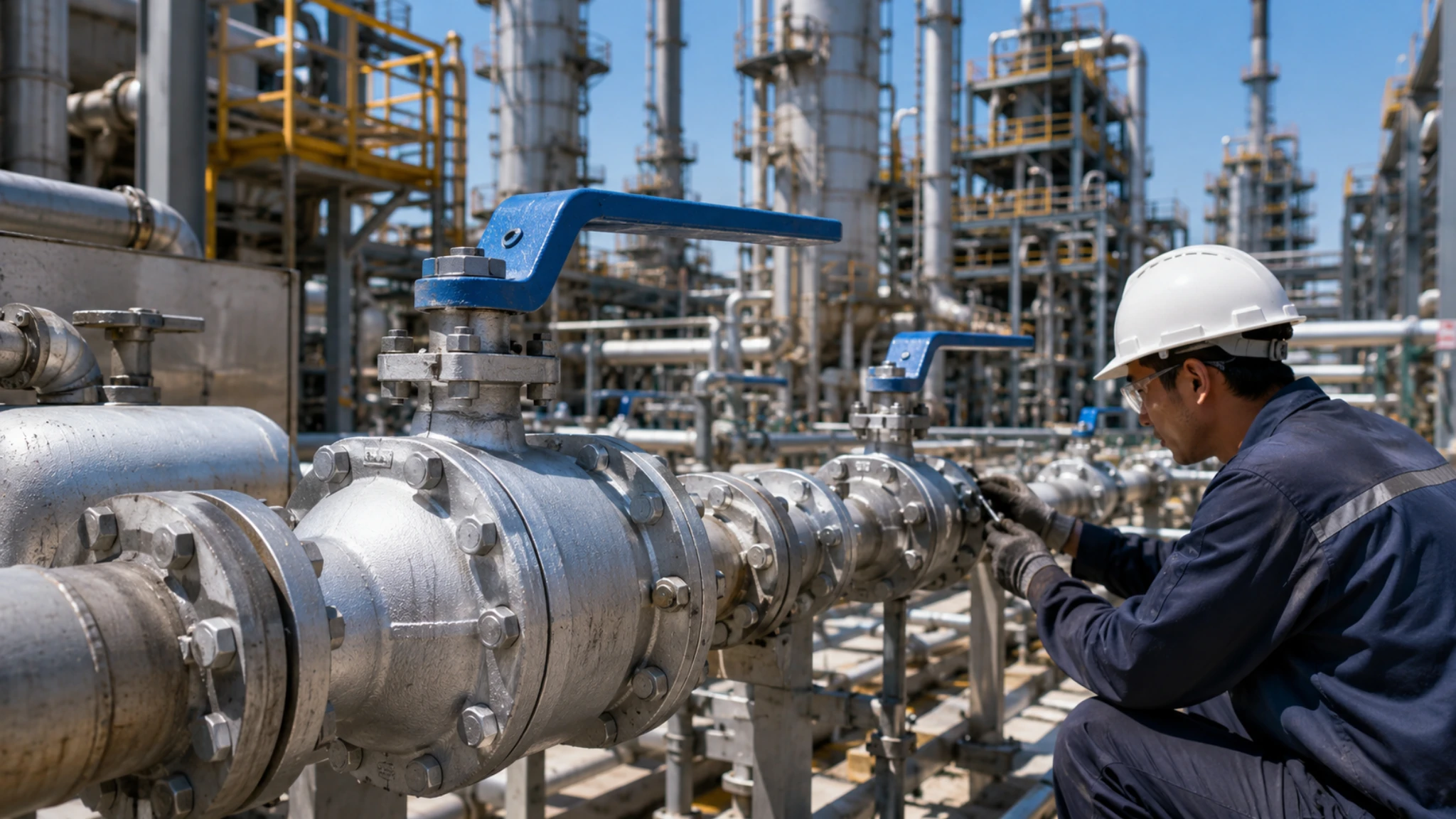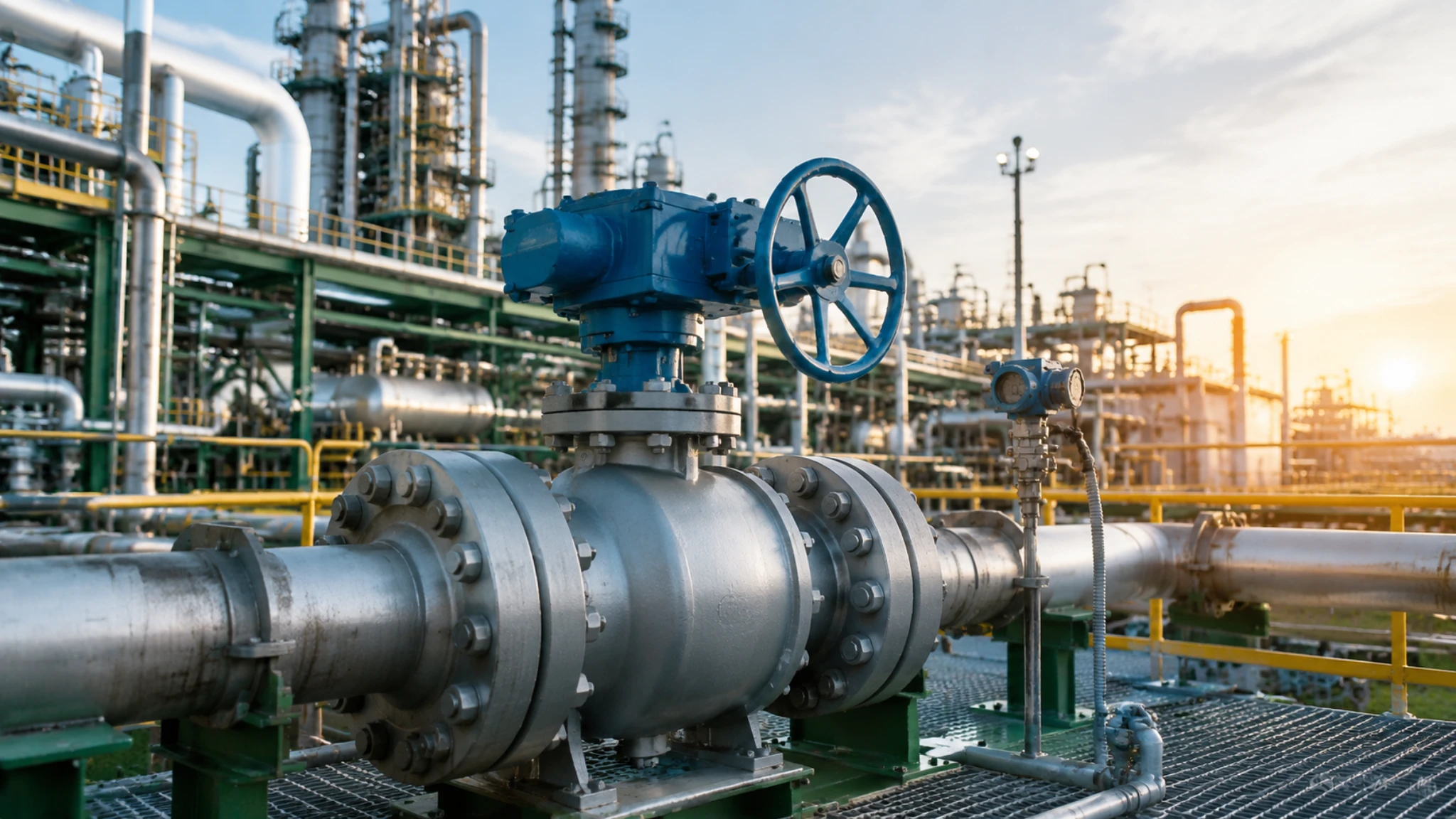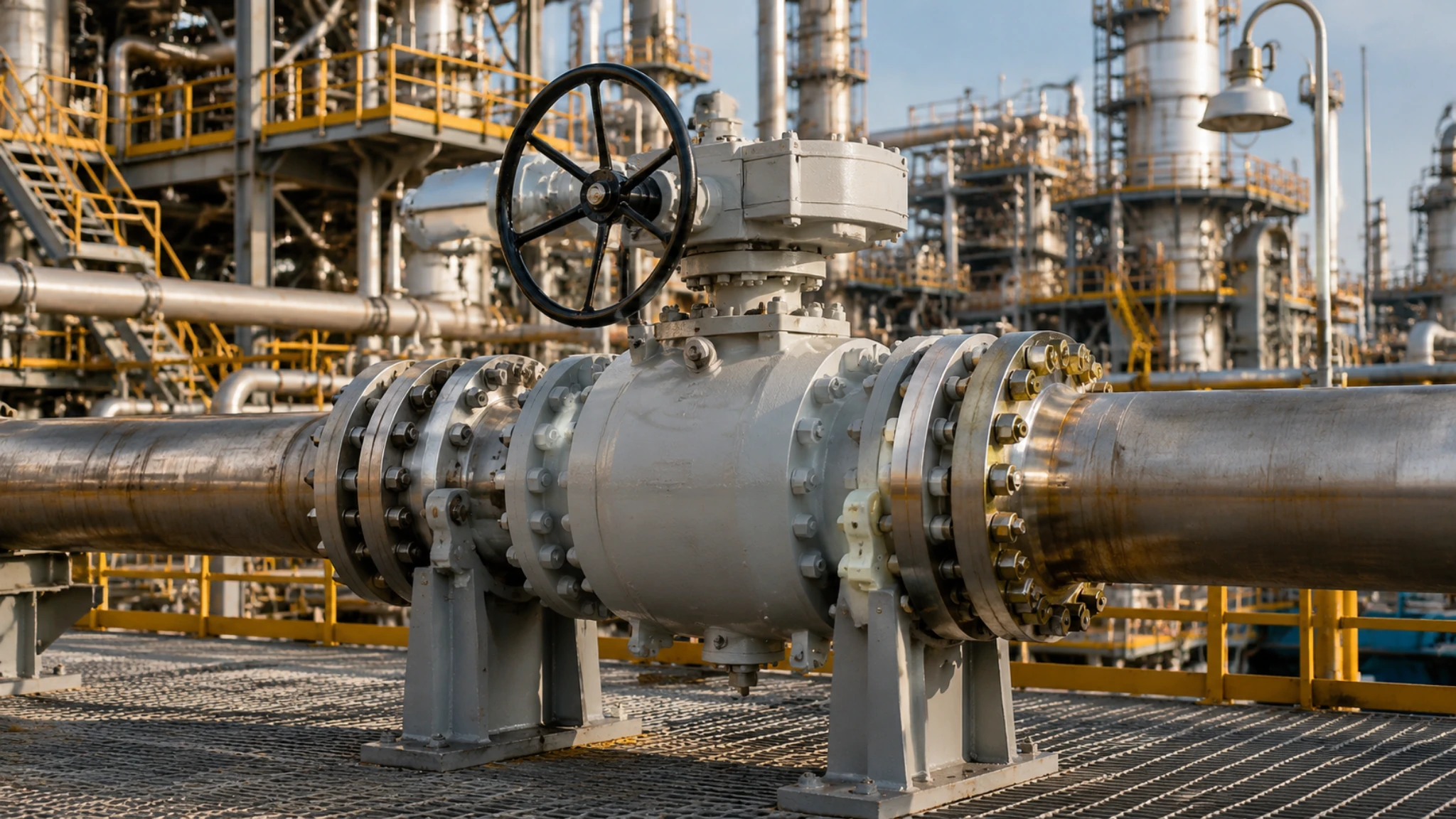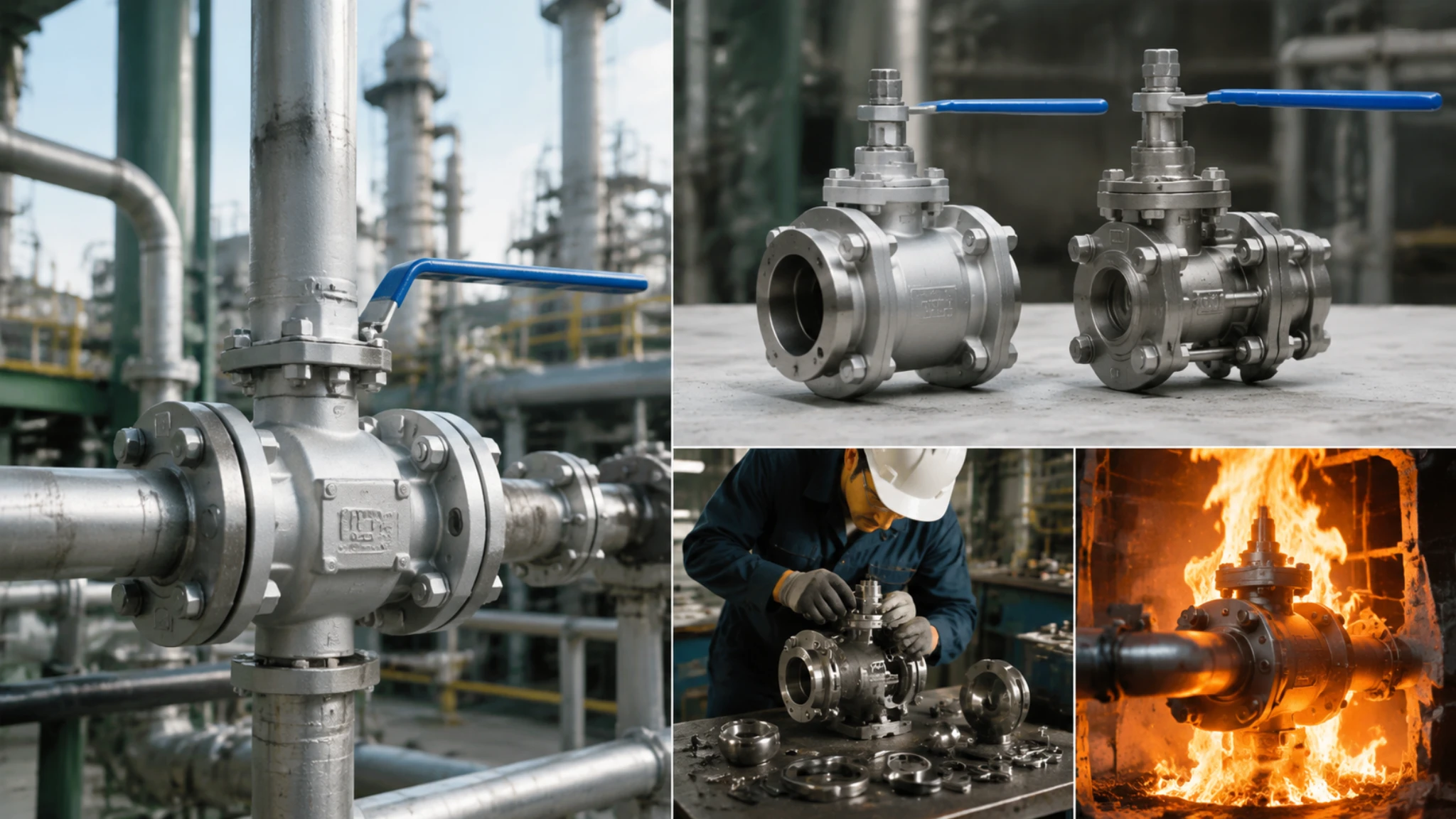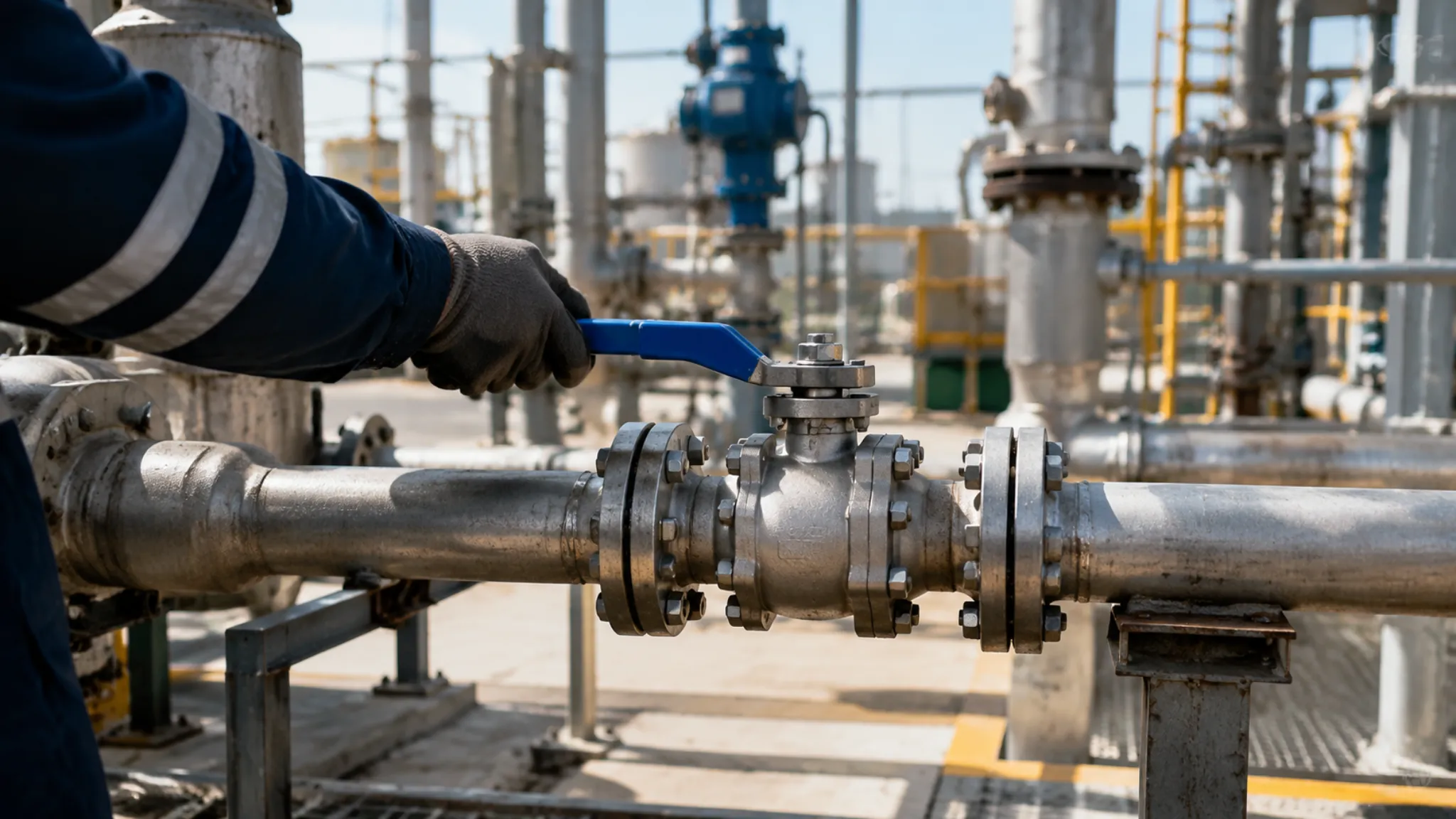
Under harsh working conditions, tungsten carbide valve seat usually more wear-resistant, hardness can reach HRA 88~92, lifespan often compared to Stellite increased by 2~5 times;
But meeting thermal shock, erosion and slight impact load, Stellite more stable.
When selecting type first look at medium particle amount, temperature fluctuation, then do wear and seal cycle test.
wear resistance
Evaluate wear resistance
Laboratory personnel open an ASTM G65 rubber wheel tester, pour full specified thickness 50 to 70 mesh dry quartz sand into top funnel. A rubber wheel in machine center rapidly rotates at speed 200 revolutions per minute, dead-pressing fallen sand on metal test block surface crazily scraping.
Machine continuously runs 10 minutes then stops, technician takes white light interferometer to scan surface wear scratches. A piece ordinary 316L stainless steel was abruptly gnawed off 45 cubic millimeters flesh. Changed to tungsten carbide test block, surface only appears extremely shallow marks, total volume only lost extremely small 0.8 cubic millimeters.
This anti-scraping ability in shale gas fracturing site extremely useful. Inside pipeline flowing every day are extremely sharp fracturing sand. These stone blocks diameter between 0.2 to 1.2 millimeters, run amok inside pipeline at speed 25 meters per second.
- Fluid speed exceeds 25 meters/second
- Sand-containing volume reaches three thousandths
- Quartz particle Mohs hardness is 7
- Pipeline running pressure reaches 60 megapascals
Tungsten carbide abruptly relying on internal 1 to 5 micrometers size extremely hard particles, forcibly blocked this microscopic level physical cutting. Change a working condition, equipment enters above 500 degrees supercritical water steam environment, material facing physical destruction way all changed.
Boiling hot fluid forcibly squeezes past from only 0.5 millimeters wide gap, local flow speed instantly breaks through speed of sound. Huge pressure difference lets water vapor occur bursting, thousands and tens of thousands tiny bubbles continuously explode open on metal surface. This phenomenon called cavitation generates micro water gun impact force up to 1000 megapascals.
Cobalt metal binder originally occupying 6% to 12% proportion inside tungsten carbide, in acidic high-temperature water will be slowly soaked soft dissolved. Those extremely hard particles lost metal matrix firm wrapping, start to drop down piece by piece. High-speed fluid inside pipe takes advantage of trend just washes these debris thoroughly clean.
Throw material head surfacing-welded with Stellite No. 6 into water-filled ASTM G32 ultrasonic cavitation tank. Probe inside water continuously vibrates 4 hours at 20 kilohertz frequency, excites out violent shock wave 50 micrometers amplitude. Alloy surface only appears one layer extremely shallow tiny pits, overall loss amount still not reaching one tenth of ordinary carbon steel.
- Working temperature soars to 540 degrees
- Contact surface pressure exceeds 80 megapascals
- Monthly high-pressure opening closing reaches 1000 times
- Continuous service requirement 30,000 hours
Giant steam isolation valve inside power plant downward pressing strength exceeded 15000 Newtons. Two pieces precise metal components paste together dry rubbing under such big force, extremely easily occur seizing. Stellite alloy internal unique hexagonal close-packed crystals when bearing extremely high pressure, will occur microscopic interlayer sliding.
Arrived high temperature state, its surface friction coefficient straightly slid down from room temperature 0.4 to 0.25 around. Metal friction surface rubs more gets brighter, completely no appearing that kind metal pits violently torn. Operator runs finishing process in ASTM G98 anti-galling test machine bearing exceeding 200 megapascals pressure, this block material still intact.
Crude oil perennially clamping bringing 0.05% extremely fine mud sand particles. Worker opens supersonic flame spraying equipment, heavily smashes tungsten carbide powder at 600 meters per second speed on valve seat surface forming dense coating.
Quality inspector takes thickness gauge dead-clamping coating thickness between 0.2 to 0.3 millimeters, porosity strictly controlled below 1%. Full load continuously ran full 3 years time, pipeline did not appear any internal leaking phenomenon. Maintenance team moved this batch intact-surface coating-bearing pipe fittings to synthetic ammonia workshop liquid ammonia pump outlet use.
Inlet outlet liquid pressure difference all at once pulled high to 40 kilograms, pipeline every second still will occur 50 times high-frequency mechanical shock. Only passed 6 months, coating edge then chipped off a big circle very ugly sawtooth shape gap. Scanning electron microscope inside laboratory took high-definition photos magnified thousands times at fracture place.
Factory directly changed internal parts all into precision cast Stellite No. 21 alloy blocks. Newly changed on fittings lightly easily survived passed 18 months high-intensity running cycle.
Experimenter continues to test material red hardness data under 650 degrees extreme heating environment. Conventional martensitic stainless steel hardness early dropped below Rockwell hardness HRC 20, soft like mud. Cobalt-containing alloy block burns red hot in fire, yield point still can steadily bite HRC 30 not letting go.
Tungsten carbide
Get a piece just out of furnace solid hard alloy block put in palm weigh, its density reached 14.5 grams per cubic centimeter. Same volume its weight is more than two times of conventional austenitic stainless steel. Hopper inside factory metallurgical workshop piled full silver-gray pure tungsten powder and black high-purity carbon powder.
Workers push mixed powder into carbonization furnace up to 1500 degrees temperature continuously bake dozens hours. Powder after coming out of furnace still needs mixing in extremely fine metal cobalt powder as bonding glue according to 6% to 12% strict proportion. Hundreds tons pressure hydraulic press dead-presses powder into a circular ring blank material outer diameter 150 millimeters, inner diameter 100 millimeters.
Pressed gray-black brittle blank material is sent into vacuum-pumped sintering furnace, internal temperature all the way slowly climbs to 1400 degrees Celsius. Inside metal cobalt starts to melt, dead-hugs surrounding extremely hard tiny particles tightly together.
Workshop master must change on expensive special cutting tools bearing polycrystalline diamond coating to bit by bit gnaw down. Machine tool cutting speed is forcibly limited running inside 12 to 15 meters per minute extremely slow interval. Slow processing speed lets a 4 inch size solid finished ring procurement cost lightly easily break through 8000 RMB major mark.
To press down manufacturing expenses, many valve factories choose supersonic flame spraying process hitting a layer thin armor on metal surface. Giant roaring sound inside equipment gun muzzle sprays out ultra-high-speed dazzling flame stream Mach number up to 2.0. Semi-melted state high-hardness powder particles like bullets heavily smash into stainless steel base material microscopic pores inside.
- Flame stream center heating temperature exceeds 3000℃
- Powder impact flight speed reaches 600 meters/second
- Coating tensile bonding strength exceeds 70 megapascals
- Finished product surface polishing roughness extremely low, reaches Ra 0.2
| Manufacturing process | Vickers hardness (HV) | Material single piece procurement cost | Applicable highest running temperature | Anti mechanical impact ability |
|---|---|---|---|---|
| Integral high-temperature sintering molding | 1300 – 1500 | Extremely high (single piece over ten thousand) | 500℃ around upper limit | Extremely poor (force-bearing easily broken cracked) |
| HVOF supersonic spraying | 1000 – 1200 | Medium (several thousand yuan level) | 400℃ around upper limit | Relatively good (bottom has base material propping) |
Once medium flowing inside pipeline became pH value lower than 4 high concentration acidic waste liquid, internal metal binder will rapidly occur electrochemical corrosion reaction. Cobalt metal wrapping particles every year at speed 0.1 to 0.15 millimeters is quietly hollowed out dissolved away by acid liquid.
Laboratory throws test block into 20% concentration boiling hot hydrochloric acid solution soaking full 30 days. Originally smooth clean surface becomes bumpy like hornet’s nest, whole block material placed on electronic scale weighing actually out of nowhere lost nearly 2.5 grams. High-hardness crystals losing bottom layer glue physical gripping force after, along high-speed water flow 15 meters per second inside pipeline large area peeling shelling.
Material engineers urgently adjusted original powder formula proportion, using metal nickel fully replacing traditional cobalt powder. Nickel-based tungsten carbide block made out by new formula newly thrown back same concentration hydrochloric acid pool inside soak for a month. Scooped out washed clean again on scale a weigh, total lost weight is dead-suppressed below 0.05 grams, surface fundamentally cannot touch out any rough corrosion peeling marks.
Throw material block into 350 degrees oven continuously heating two hours. Technician wearing thick heat-insulating gloves clips it out, immediately throws into iron bucket filled with 20 degrees cold water quenching. Violent thermal expansion cold contraction within 0.5 seconds thoroughly pulls bursting material internal stress, surface instantly explodes out over ten strips naked eye clearly visible penetrating big cracks.
A solid steel ball heavy up to 2 kilograms is hoisted to 2 meters high mid-air, then push button let it free fall heavily smash down. Bottom ordinary alloy steel plate is smashed out a pit deep up to 3 millimeters, while beside hard alloy block on spot shattered into four five pieces irregular debris.
Stellite alloy
Welder inside workshop holding TIG manual argon arc welding gun repairing valve body sealing zone. Operation requires melting flat-spreading cobalt-based welding wire on metal base material. Arc temperature released by tungsten pole tip high up to 3000 degrees, instantly burns 3.2 millimeters thick Stellite No. 6 welding wire into a puddle liquid melt pool.
Base material preheating temperature not controlled well, lower than 400 degrees forcibly strikes arc starts welding. Melted high-temperature metal on ice-cold steel plate extremely rapidly cools, every second cooling speed exceeds 50 degrees. Huge shrinkage pulling force instantly tears open just-formed weld seam a naked eye visible millimeter level long crack.
Take metallurgical microscope magnifying 500 times to observe no cracked qualified surfacing layer cross section. Inside picture occupying total weight 50% to 60% cobalt element and 20% to 30% chromium element mixed into large piece dark gray dendrite shape matrix structure.
Carbon, tungsten and chromium hugging group forming composite carbide under high temperature, is just truly hard bone carrying resisting friction.
Boiler factory engineer holding a copy 600 megawatts supercritical unit running log. Main steam isolation valve internal temperature perennially maintains at 620 degrees around. Valve disc every time closing turning off, driving motor outputs up to 2500 N·m torque, dead-pressing two metal surfaces together.
Under high-temperature high-pressure repeated kneading rubbing, alloy surface thin cobalt matrix occurs plastic tiny deformation. Internal hard carbide hard points like being squeezed toothpaste slightly bulge out, forming a pure metal contact surface filled full microscopic supporting columns.
Microscopic supporting columns bore above 90% squeezing force, contact surface actual friction coefficient from 0.4 cliff style slides down to 0.15.
- Contact surface pressure exceeds 120 megapascals
- Valve seat surface finish reaches Ra 0.2
- Single action consuming time only needs 15 seconds
- Continuous high-pressure opening closing 5000 times no metal tearing
Quality inspector holding spectrometer analyzer to hit just now that piece TIG manual welding test block. Instrument screen displays surface layer iron element content wildly soaring to above 15%.
Running inside 500 degrees steam pipeline, iron atoms free destroying original crystal array, material hardness from HRC 42 all the way crazily drops to HRC 25 around. Not exceeding three months, sealing surface is washed out line by line deep grooves by high-pressure fluid.
Large machining factories successively purchase hundreds thousands one machine PTA plasma powder surfacing machine. Machine tool mechanical arm grabbing plasma cutting torch drawing circles at uniform speed on large gate valve base. Material tank filled full Stellite alloy powder accurately downward blowing sending powder at 15 grams per minute speed.
Powder passing through plasma arc instantly becomes a ball high-energy metal mud, lightly covering on base material surface. Machine dead-controls bottom layer base material melting depth inside 0.1 to 0.2 millimeters extremely tiny range. Processing finished taking to hit spectrum, surface layer iron content perfectly suppressed below 5% qualified standard line.
Warehouse shelf places several alloy materials different formula proportion. Just now used No. 6 grade carbon content at 1.2% around, maintaining good toughness under room temperature. Worker occasionally goes to take Stellite No. 1 welding rod piled on beside shelf.
No. 1 formula carbon content pulled high to 2.5%, tungsten element proportion wildly soars to 13%. Room temperature hardness lightly easily breaks top HRC 55 data boundary, anti abrasive grain scraping ability significantly climbs.
Carbon content every going up 0.1 percentage point, material breaking elongation rate follows significantly shrinking.
High-hardness No. 1 grade extremely picky about site processing process and equipment service environment. A chemical factory catalyst slurry pump outlet fluid inside mixed full hard aluminum oxide powder. Factory purchaser coveting cheap finding small workshop on ordinary carbon steel valve forcibly surfaced 3 millimeters thickness No. 1 alloy layer.
- Plasma arc temperature high up to 10000 degrees
- Powder granularity concentrated in 60 to 150 micrometers
- Sending powder gas flow rate 2 liters per minute
- Material effective adhesion rate exceeds 95%
Winter outdoor air temperature drops to minus 20 degrees, slurry pump starting instant pipeline occurs violent water hammer shock. High-pressure fluid like big iron hammer heavily smashes on valve sealing seat. Few seconds time, that circle brittle like glass high-hardness alloy layer occurs whole circle crumbling dropping off.
Outside high-temperature friction environment, cobalt base material possesses extremely strong anti chemical corrosion ability. Refinery hydrocracking device pipeline inside running full strong corrosive gas rich in high-temperature hydrogen sulfide. Ordinary 304 stainless steel put into this set system not arriving half month corroded into riddled with gaping wounds hornet’s nest state.
impact resistance
Rigid hard easily broken
Take a steel knife cutting ribs at home to forcefully scratch tungsten carbide surface, steel knife blade mouth will immediately curl up scrapped, while tungsten carbide not even a trace white mark will have. Machine measuring hardness inside factory hits out value high up to 1500. Carbon atoms and tungsten atoms inside it dead-bite together, extremely wear-resistant.
Try pushing a 500 grams heavy tungsten carbide part down from two meters high table. Instant falling on hard cement floor, it will emit sound like glass smashing broken, directly breaking into three four pieces debris bearing sharp corners. Inside laboratory using big iron hammer smashing it, machine displays it only can absorb 2 to 5 joules energy.
Northwest gas transmission station pipeline inside perennially maintains 15 megapascals pressure. Natural gas pumped up from underground clamping mixing sand fine like hair strand, crazily polishing pipe wall at 80 meters per second speed. Tungsten carbide not afraid of this ten millions times friction.
Meeting this fierce impact, parts inside pipeline will become like this:
- Edge drops down a sesame size broken corner
- Smooth bare surface cracks open spider web like lines
- Whole circular ring breaks into seven eight irregular hard blocks
- Force-bearing biggest place directly shatters into a small pinch powder
Broken debris rushes forward along high-pressure water 3000 cubic meters flow rate per hour. It compared to ordinary steel pipe hard too much, like a trumpet armor-piercing bullet, will scratch deep grooves inside downstream precision instruments costing over hundred thousand.
Before sending gas in minus 196 degrees Celsius liquefied gas pipeline, temperature will fiercely drop. Tungsten carbide expansion coefficient only has 4.5 micrometers per meter Kelvin. Facing over two hundred degrees cold hot alternation, it itself one bit all cannot stretch shrink. Huge force held inside nowhere to vent, only can abruptly prop cracking material.
Put it into testing machine hard dragging, you cannot see it being pulled long like rubber band or ordinary iron wire. When machine pulling force exceeds 2000 megapascals limit, it does not have any deformation room, accompanying a loud bang directly crumbles breaks.
Real numbers recorded down when maintenance workers repairing equipment at high-pressure pipe network site:
- Surface one crack finer than hair leaks away 300 milliliters liquid per minute
- Pipe vibrating severely every 45 days just needs to stop work change part once
- Small broken blocks jamming into gap let motor use out 1500 N·m dead strength
- Worker screwing screws using strength exceeding 60 N·m just pressed crushing the ring
Factory in order to let it not that easily shatter, when making will mix in 6% to 10% cobalt powder. Cobalt just like glue wants to stick hard particles firmer a bit. In chemical factory meeting acidic water bearing large amount hydrogen sulfide, acidic water will secretly corrode melt completely away this bit cobalt powder.
Inside tungsten carbide small particles once without glue dragging, just became a plate loose sand. Pipeline inside even if only has 0.5 megapascals pressure low-pressure water flow washing, its surface also will be like old wall skin receiving damp, piece by piece drop down, all dropping into water.
Scrap parts warehouse table places dozens broken parts. Take below microscope able to magnify 400 times look, cracked open places all rough bearing angular corners stone shape cross section.
Excellent toughness
Steel ball measuring hardness in factory smashes on Stellite No. 6 alloy, Rockwell hardness gauge pointer stops between HRC 42 to 45. Take that steel knife cutting ribs at home to chop it, knife blade and metal block surface all will leave white scratches.
Take a piece blank material heavy 500 grams, forcefully throw on hard cement floor from two meters high place. Only hear clanging one muffled sound, metal block will bounce jump two three times on floor. Pick up get closer look, impacted place only concaved down less than 0.1 millimeters tiny pit mark, whole part intact.
Charpy impact testing machine inside laboratory changes on dozens kilograms heavy big iron hammer, heavily smashes towards test block. Absorbed energy displayed by instrument panel stable at 12 to 15 joules around. Huge impact force is resolved away by metal internal microscopic crystal lattice deformation. It acts like a solid hard rubber block, eating stiff destructive force into belly.
Inside chemical factory minus 196 degrees liquid nitrogen pipeline suddenly inputs over 200 degrees hot gas conducting blowing sweeping. Stellite alloy thermal expansion coefficient reached 14.5 micrometers per meter Kelvin. Meeting cold meeting hot time, it can along with beside 304 stainless steel pipe together stretch shrink at almost same amplitude, will not hold out hidden injuries internally.
Put into testing machine hundreds tons pulling force desperately dragging. Reaching 650 megapascals pulling force time, sample middle will slowly become thin, pulled long about 1.5% length just will crumble break. Take a solid round stick 10 centimeters long place between two iron bricks downward pressing, it can bend into a slight arc shape, absolutely will not click one sound break into two sections.
Inside power plant 600 degrees high-pressure steam pipe network, valve every day suffers beating of high-temperature high-pressure water hammer:
- Water flow instant fierce bumping can carry 2000 pounds pressure not shattering
- Extreme force-bearing edge occurs 0.05 millimeters slight deformation
- Sealing ring being smashed tens thousands times fitting place still not leaking gas
- Bolt screwed biased uneven force bearing absolutely not press gasket crumbling corner
Refinery catalytic device cutoff valve push rod carrying 150 kilograms heavy iron lump, smashes down at 0.5 seconds speed. Bottom Stellite gasket abruptly catches heavy strike. Surface being smashed out an extremely tiny depression, surrounding metal texture outwards slightly bulged up a little bit.
Small iron scraps and stone dregs rushing over inside pipeline wrapped by fluid bump on sealing surface. Stellite alloy did not hard knock crushing dregs, is letting dregs press out a shallow pit on surface. Water flow washing away dregs after, pit bottom metal receiving strong squeezing, surface hardness instead compared to original elevated HRC 5 around.
Welder master takes plasma welding machine to surface weld 3 millimeters thick protection layer on ordinary carbon steel base. Welding gun sprays out thousands degrees high-temperature arc, alloy melted into liquid slowly spreading full surface. Base does not need taking big fire gun desperately preheating baking to 500 degrees, natural cooling after weld seam clean completely, not even one fine gap.
Old parts changed down on workshop shelf covered full fine flowing water washing traces. Take micrometer measure a bit, overall thickness worn 0.3 millimeters. From head to tail cannot find one broken opening like glass slag. Worker taking lathe cutting tool newly lathes surface flat, cutting off 0.5 millimeters, installed back can continue use two years.
Material coping impact pulling test numbers comparison:
| Common metal material | Rockwell hardness | Impact absorbed energy | Proportion being pulled long before breaking |
|---|---|---|---|
| Stellite No. 6 alloy | HRC 45 | 12 to 15 joules | 1.5% |
| Tungsten carbide | HRC 70+ | 2 to 5 joules | 0% (no deformation breaking) |
| 316 stainless steel | Above 100 joules | Above 40% | |
| Ordinary cast iron | HRC 40 | 6 to 9 joules | 0.5% |
Mechanic installs Stellite valve seat at pipeline fiercely vibrating water pump outlet. Motor once starts, whole 12 inches thick iron pipe all shaking. Flange plate at joint place followed vibrating together half year, inside alloy ring not even a trace naked eye visible tiny crack vibrated out.
Oil gas separator inside offshore oil platform perennially surging pressure extremely unstable mixed fluid. Pipe inside a while bubbling a while spraying water column, part every minute needs bearing over hundred times fluid pulling.
service media compatibility
Corrosion & high temperature
Pipeline transporting pH value 2.5 concentrated sulfuric acid or high concentration acetic acid solution, internal metal wall constantly experiences chemical erosion. 316 stainless steel valve seat exposed in 5% concentration hydrochloric acid medium, only 72 hours, surface appears pitting corrosion depth exceeding 0.4 millimeters.
Stellite alloy containing 28% chromium element placed in same acidic liquid, will generate a layer thickness 3 nanometers chromium oxide film within seconds. This layer thin film suppresses annual average corrosion rate inside 0.05 millimeters.
Tungsten carbide part containing 10% cobalt binder facing acidic liquid presents another kind state. Hydrogen ions inside fluid dissolve cobalt network between tungsten carbide particles, naked eye visible discoloration occurs.
Bright gray tungsten carbide surface soaked in pH value 4 acid liquid 150 hours after, becomes dim gray-black. Tungsten carbide layer shedding cobalt thickness reaches 50 micrometers. Hard powder losing support washed under flow speed 15 meters per second medium, within three days stripped exhausted.
- 5% concentration sulfuric acid environment under tungsten carbide volume loss rate reaches 12%
- pH value smaller than 3 solution inside cobalt binder dissolving speed surges 40 times
- Stellite No. 6 in 10% boiling acetic acid inside annual corrosion rate insufficient 0.02 millimeters
- Special nickel chromium bonding tungsten carbide standing acidity alkalinity lower limit elevated to pH value 5
- 300 hours salt spray test inside Stellite weight loss meter reading approaches zero
Gauge pressure inside steam generator climbs to 25 megapascals, fluid temperature breaks through 650℃. Metal internal crystal lattice structure heated expanding, atomic spacing pulled large, material appears softening phenomenon. Room temperature under hardness reaching HRC 42 ordinary alloy steel, at 600℃ time hardness drops to HRC 20 around.
Stellite alloy contains 4.5% tungsten element and carbon combining generated carbide, forming extremely hard to melt strengthening phase at crystal boundary place. It in 750℃ supercritical steam inside, maintains HRC 32 hardness. Bearing 10 megapascals pressure difference impact, sealing surface will not generate exceeding 0.01 millimeters plastic depression.
Working environment temperature climbs above 500℃, tungsten carbide material internal occurs chemical reaction. Tungsten carbide meeting free oxygen dissolved in air or fluid, carbon element stripped and oxidized into carbon dioxide gas escaping.
Left over pure tungsten oxidized into tungsten trioxide. Pure yellow powdery substance volume compared to original tungsten carbide expanded nearly 3 times. Surface layer violent expansion causes internal unoxidized matrix generating 400 megapascals pulling stress. Valve seat surface covered full dense mesh micro cracks.
- Ordinary tungsten carbide at 450℃ appears preliminary oxidation signs
- 700℃ under tungsten carbide completely oxidizing into powder not reaching 8 hours
- Stellite 12 at 800℃ high temperature under hardness dropping amplitude is 18%
- Stellite alloy anti oxidation limit temperature high up to 980℃
- Tungsten carbide linear expansion coefficient is one third of stainless steel
Refinery hydrocracking device transporting high-temperature crude oil, mixing clamping concentration high up to 3000 ppm hydrogen sulfide. Pipeline inside temperature approaches 420℃. Hydrogen sulfide at high temperature extremely easily decomposes out extremely strong active free sulfur atoms.
Free sulfur atoms wandering on tungsten carbide cobalt bonding phase surface, generating texture extremely soft loose cobalt sulfide. 50 grams per cubic meter tiny coke particles clamped in crude oil high-speed rubbing on sealing surface. Cobalt sulfide layer erased away, exposing bottom layer alloy crystals.
85℃ nitric acid pipeline inside, fluid speed reaches 8 meters per second, 304 stainless steel every year loses 1.2 millimeters wall thickness. Carbon content 2.4% Stellite 3 utilizes internal hard carbide blocks resisting acid liquid impact. Surface passing through 12 months washing still maintains Ra 0.4 roughness.
Mineral smelting process acid leaching ore pulp pH value low to 1.5. Adopting 6% nickel as binder tungsten carbide surface every square meter every hour loses 2.5 grams metal nickel. Residual tungsten carbide skeleton bearing 600 kilopascals fluid lateral shearing force, occurs millimeter level blocky crumbling dropping.
Natural gas wellhead produced liquid containing 20% carbon dioxide gas phase, local throttling temperature dropping to minus 40℃, at compressor outlet sharply heating up to 150℃. Periodic 190℃ temperature difference lets cobalt-based tungsten carbide surface metal phase and carbide particles generate microscopic level displacement.
- 420℃ sulfur-containing crude oil free sulfur generating rate compared to room temperature elevated 150 times
- 85℃ nitric acid pipeline inside 304 stainless steel every year loses 1.2 millimeters wall thickness
- Carbon content 2.4% Stellite 3 acid liquid inside maintains Ra 0.4 roughness
- pH value 1.5 ore pulp inside 6% nickel-based tungsten carbide loses 2.5 grams per square meter per hour
- Periodic 190℃ temperature difference triggers tungsten carbide microscopic displacement
Trace chloride ion concentration carried inside fluid reaches 500 ppm, pitting current density will instantly soar. Stellite alloy internal chromium combining with hydroxide ions inside fluid, repairing broken oxide film. Repairing speed reaches 0.1 nanometers per second.
Metal gap between tungsten carbide particles only 1 to 2 micrometers. Tiny chloride ions drill into gap, triggering local electrochemical galvanic cell reaction. Hard particles losing cobalt binder under 0.5 megapascals water pressure thoroughly washed scattered.
Anti wear
Iron ore mud containing 70% solid particles inside pipeline washing at speed 18 meters per second. Sand grains Mohs hardness reaches 7, impacting on metal surface generating tiny cutting grooves. 316 stainless steel under extreme working conditions surviving less than 48 hours.
Stellite alloy Rockwell hardness at HRC 45 around, converted into Vickers hardness approximately is HV 450. Quartz sand particles 0.2 millimeters diameter inside fluid, hardness generally exceeding HV 1000. Sand grains scratching across Stellite surface, cutting out plow grooves deep up to 5 micrometers.
Tungsten carbide powder passing 1400℃ high temperature sintering, Vickers hardness approaching HV 1800. 50 micrometers diameter cinder particles impact tungsten carbide surface at 25 meters per second speed, leaving 0.1 micrometers depth slight scratch marks. Anti micro cutting ability displaying absolute advantage.
- 15 meters per second sand-containing fluid inside Stellite wear rate is 0.12 millimeters every year
- Same flow speed under tungsten carbide annual wear amount controlled inside 0.01 millimeters
- Diameter 80 micrometers catalyst particles cutting rate to HRC 40 metal doubled
- Tungsten carbide sealing surface bearing 30 megapascals pressure difference time mechanical wear amount approaches zero
- Mud pipeline containing 20% solid phase inside tungsten carbide valve seat lifespan exceeding 14 months
Stellite No. 6 relying on chromium carbide scattered inside cobalt matrix to resist friction. Fluid carrying solid particle size smaller than 5 micrometers time, micro particles avoiding hard carbide, hollow out surrounding relatively soft cobalt matrix.
Soft matrix lost after, hard carbide originally embedded inside isolated without help. Fluid applying 3 megapascals shearing force, carbide particles size in 10 to 20 micrometers occur overall peeling dropping. Sealing surface becomes rough like sandpaper.
Different wear environments material volume loss test data (continuous running 2000 hours):
| Material | Medium flow speed | Solid content | Particle hardness | Volume loss amount |
|---|---|---|---|---|
| Stellite No. 6 | 10 meters/second | 5% | HV 800 | 145 cubic millimeters |
| Tungsten carbide (10% cobalt) | 10 meters/second | 5% | HV 800 | 12 cubic millimeters |
| Stellite No. 12 | 20 meters/second | 15% | HV 1200 | 890 cubic millimeters |
| Tungsten carbide (6% nickel) | 20 meters/second | 15% | HV 1200 | 45 cubic millimeters |
Aluminum oxide powder bearing angular corners impacting valve seat at 45 degrees angle, causing extremely high impact stripping erosion. Tungsten carbide internal particle spacing only is 0.5 micrometers.
Shale gas fracturing operation pumping high-pressure liquid mixed with 20 to 40 mesh ceramsite sand into underground. Wellhead pressure reaching 105 megapascals. Fracturing liquid containing 35% ceramsite sand instantly rushing past valve seat gap, local friction heat making surface temperature rise to 300℃.
Facing mixed fluid carrying high hardness large particles, Stellite alloy surface occurring severe plastic smearing. Metal being squeezed pushed shifting, sealing surface within two weeks appearing width 2 millimeters washing grooves.
Tungsten carbide relying on compressive strength high up to 6000 megapascals, hard carrying resisting fracturing sand crazy impact. Fine grain tungsten carbide crystal grain size controlled in 1.2 micrometers, bearing 100 megapascals high-pressure mud washing half year, sealing surface flatness maintained inside two light bands.
- Sliding friction environment under coarse grain tungsten carbide friction coefficient low to 0.2
- 90 degrees vertical impact under Stellite alloy surface hardened layer thickness reaching 0.3 millimeters
- 30 degrees low angle washing time tungsten carbide volume loss is one fiftieth of alloy steel
- Particle size 100 micrometers slag impacting valve seat surface every minute reaching 400 thousands times
- Water flow containing 50 grams per liter quartz sand under 12 megapascals pressure difference triggering severe cavitation
Dry friction environment without lubricant inside, two pieces metal sliding at relative speed 2 meters per second. Contact surface local contact points bearing exceeding 500 megapascals compressive stress. Stellite alloy containing trace molybdenum element, possessing good self-lubricating anti-seizing characteristic.
Sealing surface applying 150 megapascals closing specific pressure, ordinary stainless steel occurring cold welding tearing. Tungsten carbide valve seat pairing running time, extremely high hardness preventing metal atoms mutual diffusion and bonding, completely eliminated sealing surface galling.
Material matching parameters
Fluid pH value perennially wandering in 2.0 to 4.0 strong acid interval, conventional metal surface protection film every minute losing 0.05 micrometers. Technical specifications will rigidly require selecting Stellite alloy containing 28% cobalt.
Common 10% cobalt-based tungsten carbide exposed in acidic liquid pH value lower than 5 inside, internal metal bonding phase will occur irreversible chemical dissolving. Fluid silently without sound taking away cobalt element, left over hard tungsten carbide skeleton porosity soaring to above 15%.
Inside pH 4.5 solution containing 200 ppm free chloride ions, ordinary cobalt-based tungsten carbide sealing surface inside 400 hours occurs 0.2 millimeters structural collapsing.
Pipeline fluid mixing large amount high hardness ore sand, acidity alkalinity swinging between pH 4 to 6. Special tungsten carbide (WC-NiCr) adding 12% nickel and chromium element replacing conventional material. Nickel chromium network resisting acidic hydrogen ions swallowing, prolonging sealing surface anti micro cutting service lifespan three times.
Boiler feed water system calibrating running parameters is temperature 560℃ and pressure 32 megapascals. High-pressure steam molecules under extreme environment expressing extremely strong penetrating and destructive force. Tungsten carbide surface layer cobalt binder starting to occur thermal fatigue microscopic cracking at 500℃ critical point.
Stellite alloy relying on carbide hard phase precipitated inside matrix acting as support, thermal expansion coefficient stable at 13.8 micrometers per meter per degree Celsius. Facing 650℃ supercritical high-temperature steam, valve seat sealing surface flatness changing data from beginning to end lower than 0.005 millimeters.
- Running temperature exceeding 450℃ high-pressure steam pipeline forcibly prohibiting ordinary cobalt-based tungsten carbide
- Stellite No. 12 under 850℃ working condition maintaining surface physical hardness above HRC 30
- Flashing fluid 15 megapascals pressure difference causing 300℃ tungsten carbide surface occurring thermal shock peeling dropping
- Stellite parts containing 8% molybdenum bearing high up to 900℃ industrial intermittent thermal cycling test
- Minus 196℃ liquid nitrogen environment under tungsten carbide anti microscopic impact toughness data plummeting 40%
Coal chemical device black water pipeline perennially clamping mixing 15% to 20% fine cinder. Fluid speed from 5 meters per second before throttling instantly surging to 25 meters per second. Huge fluid kinetic energy wrapping carrying 50 micrometers diameter hard particles crazily impacting metal inner wall.
Equivalent flow speed under, Stellite alloy surface within a few weeks will be plowed out dense grooves deep up to 8 micrometers. Working condition flow speed exceeding 15 meters per second and solid content larger than 5%, tungsten carbide becoming standard-meeting option. Dense tungsten carbide crystal grains suppressing single particle impact volume loss inside 0.001 cubic micrometers.
When quartz sand hardness carried by fluid reaches Mohs level 7, 316 stainless steel mechanical wear rate reached above 150 times of tungsten carbide.
Fluid pressure back of throttling orifice plate within 0.1 seconds dropping from 10 megapascals to 1 megapascal. Fluid internal instantly erupting out tens of thousands tiny bubbles. Bubbles close to metal surface breaking time, generating micro jet flow speed approaching 400 meters per second.
Impact force generated by extremely tiny fluid micro jet flow high up to 1000 megapascals. Stellite No. 6 alloy surface encountering impact after expressing physical strain hardening characteristic. Area receiving impact surface hardness from HRC 42 elevated to HRC 50, forcibly propping resisting cavitation peeling dropping.
Catalyst powder inside catalytic cracking device extremely dry, particle size distributing between 20 to 80 micrometers. Airflow carrying huge amount powder at 35 meters per second extremely high speed washing metal inner cavity.
- Dry powder gas solid two phase flow working condition forcibly selecting ultra fine grain tungsten carbide crystal grain size smaller than 1 micrometer
- Stellite coating thickness needing to reach above 2 millimeters bearing 8 meters per second slight mud washing
- Medium containing 1000 ppm hydrogen sulfide preferentially matching extremely low carbon level Stellite material
- Fracturing liquid inside sand containing amount reaching 30% time tungsten carbide needing to experience hot isostatic pressing densification treatment
- Fluid inside free state hydrofluoric acid concentration exceeding standard absolutely prohibiting using hardened layer bearing silicon element
Discharging valve seat at bottom of high-temperature reactor daily bearing 250 megapascals mechanical closing specific pressure. Two pieces metal under environment without any lubricating liquid occurring strong dry friction. Stellite alloy extremely easily occurring atomic level adhesive wear, surface being torn out 0.5 millimeters opening.
Two pairing running tungsten carbide parts surface finish processing to Ra 0.1. Extremely high surface hardness dead-suppressing parts friction coefficient at 0.15 around. Experiencing 10000 times high-pressure dry friction cracking test, contact surface mechanical scratch depth not exceeding 2 micrometers.
Valve moving parts fitting gap only being 0.05 millimeters, tungsten carbide extremely high elastic modulus parameter preventing deformation jamming caused by high pressure.
Pressurized water reactor nuclear power plant safety injection system pipeline inside flowing high concentration boron-containing water. Medium inside containing about 2000 ppm slightly acidic boric acid, running temperature stable at 290℃. Water body bearing weak radioactivity not allowing occurring even one milliliter leakage.
Thickness reaching 3.2 millimeters Stellite No. 6 surfacing layer covering on 304L stainless steel surface. Cobalt-based alloy facing high-temperature boron-containing water expressing extremely low precipitation rate. Continuous servicing 18 months, free cobalt ion concentration detected in water far lower than 0.001 ppm limited safety threshold.
Purified terephthalic acid device oxidation reactor inside filled with strong corrosive bromide and acetic acid mixed liquid. Reactor internal temperature maintaining at 210℃, pressure gauge displaying as 1.5 megapascals. High-speed rotating machine pump continuously sending materials bearing sharp crystals into narrow pipeline.
Removed metal binder easily eroded by bromide ions, binderless phase tungsten carbide piece purity reaching 99.9% being installed at throttling dead corner. Hard material bearing holding 12 meters per second solid-bearing acid liquid washing. Surface roughness after long up to one year running maintaining at Ra 0.2.
Offshore drilling platform Christmas tree day and night controlling crude oil coming from underground deep place. Pipe inside fluid mixing 20% high salinity seawater, 5% fine sand, pressure gauge value high up to 70 megapascals, temperature instrument perennially pointing to 120℃.
Special nickel-based tungsten carbide coating attaching on base parts through supersonic flame spraying equipment. Bonding strength between coating and base material measured reaching 80 megapascals, overall porosity lower than 0.5%.