Blog
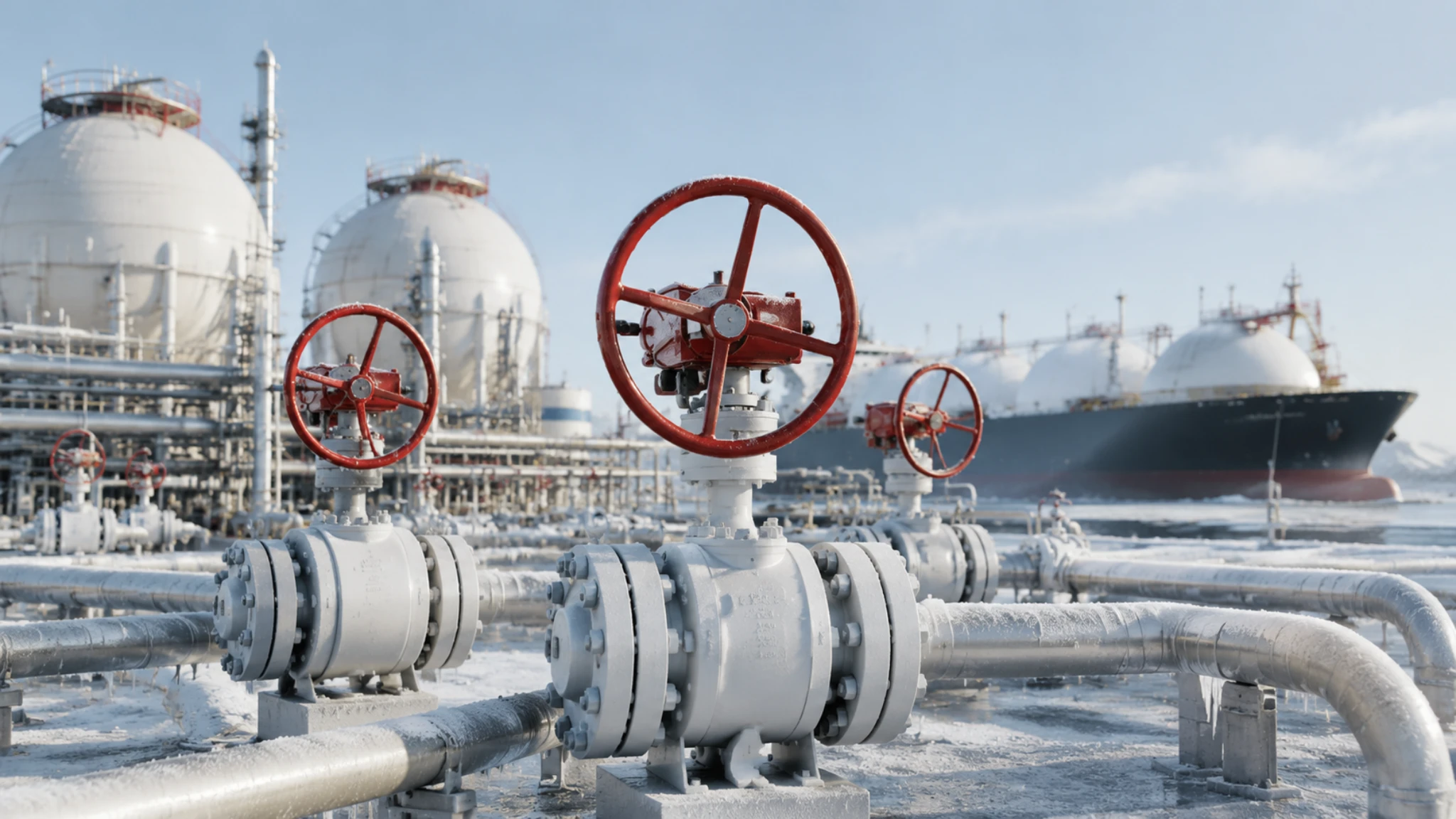
11 years in cryogenic valves, from -46°C carbon steel to -196°C LNG stainless steel. 90% of the selection pitfalls I see come from undersized bonnets

11 years in cryogenic valves, from -46°C carbon steel to -196°C LNG stainless steel. 90% of the selection pitfalls I see come from undersized bonnets

DBB compact manifolds cut weight 40-60% vs traditional three-valve sets. Class 600 1/2″-4″ units drop 95 kg to 38 kg. This article breaks the weight
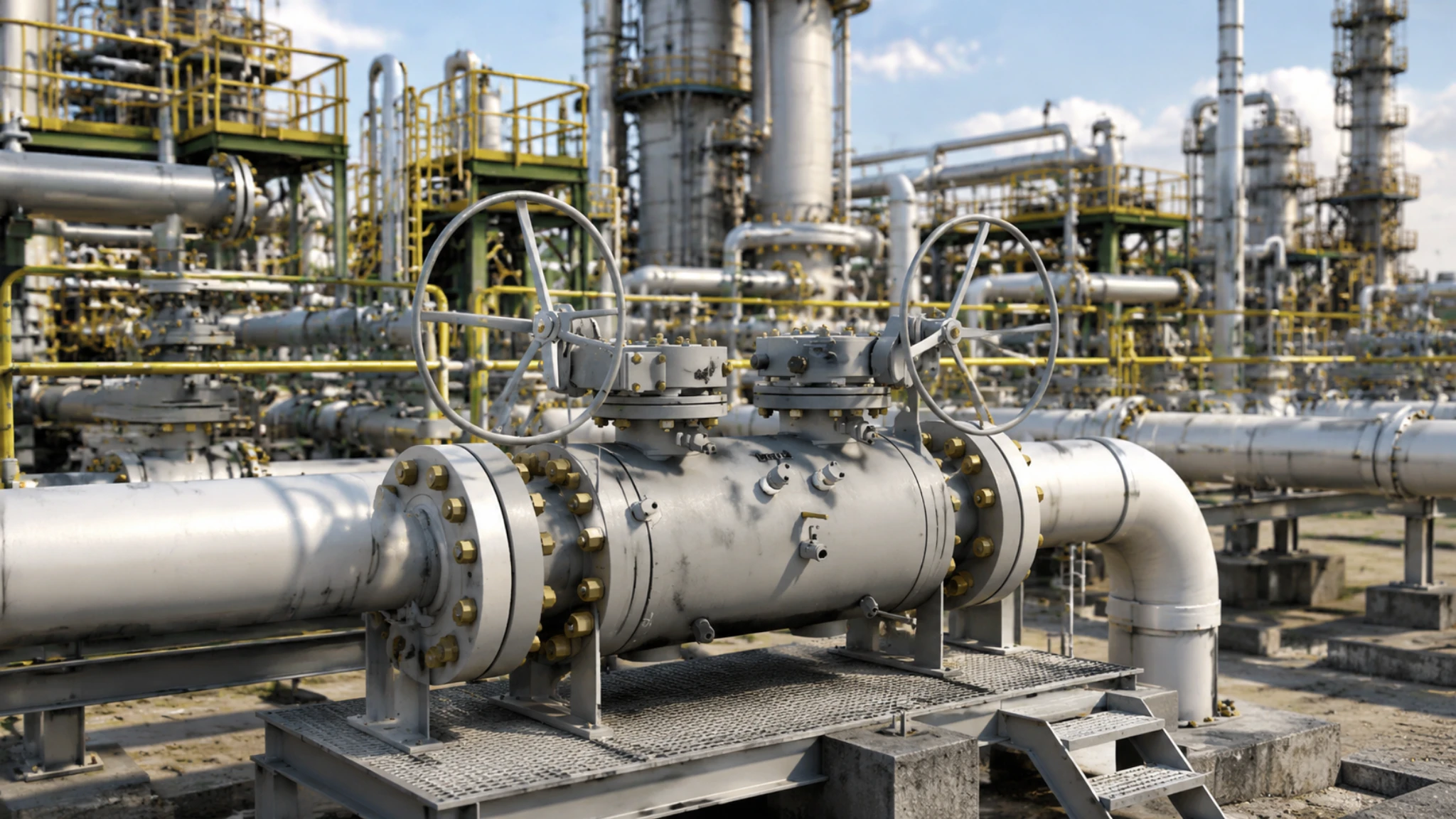
DBB compact manifolds save 30% to 50% length, 30% to 40% weight, and 20% to 30% total cost versus standard three-valve trains. This guide covers

DBB manifolds cover 3 oil and gas sites (wellhead, offshore, FPSO), 3 refinery applications (high-temp, dosing, sampling), and 3 pipeline safety scenarios (isolation, pigging, instrument).
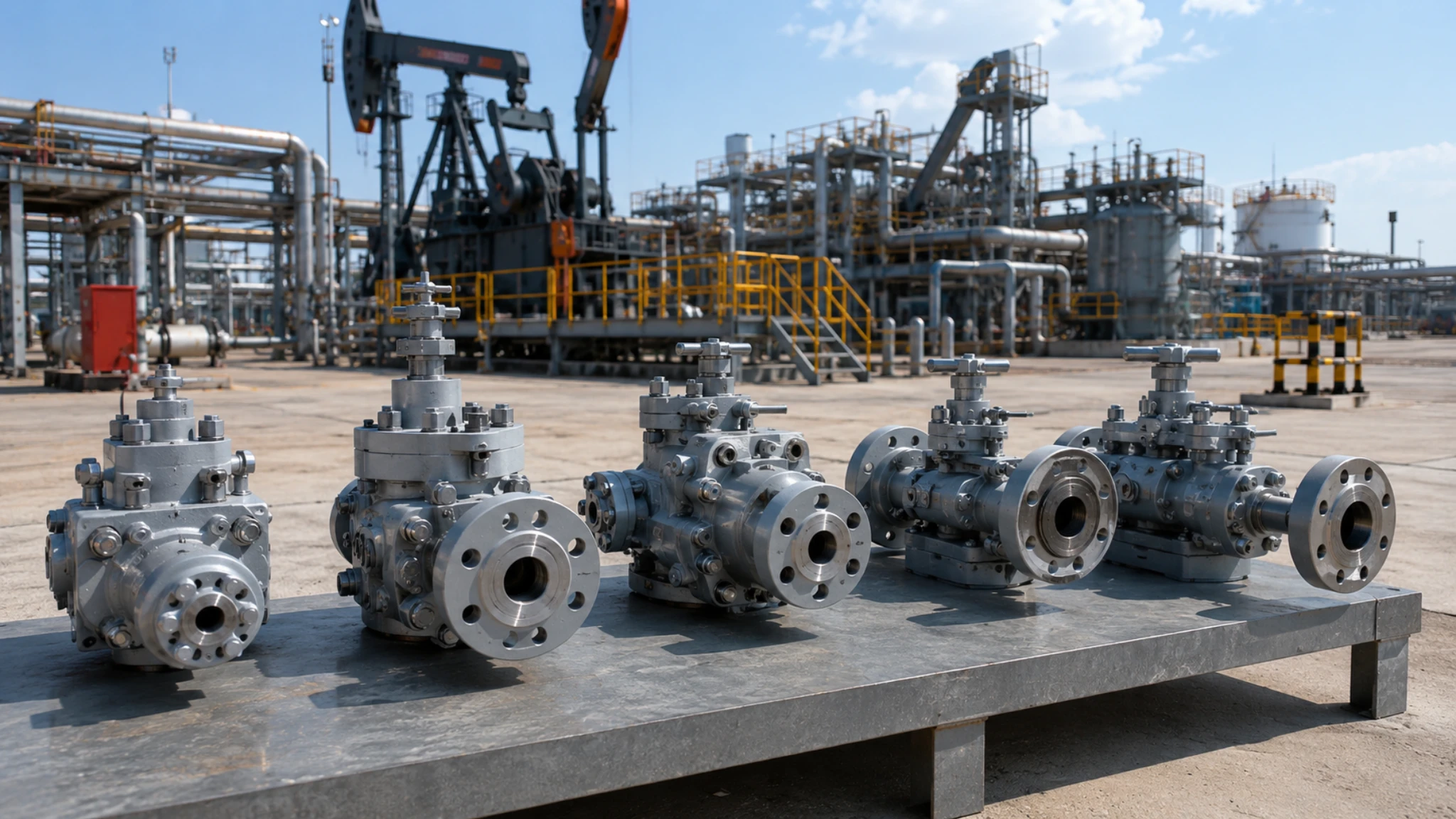
DBB compact manifolds integrate two isolation valves plus one bleed valve in one body, cutting face-to-face length by 60%. API 6D 25th ed. defines DBB-1
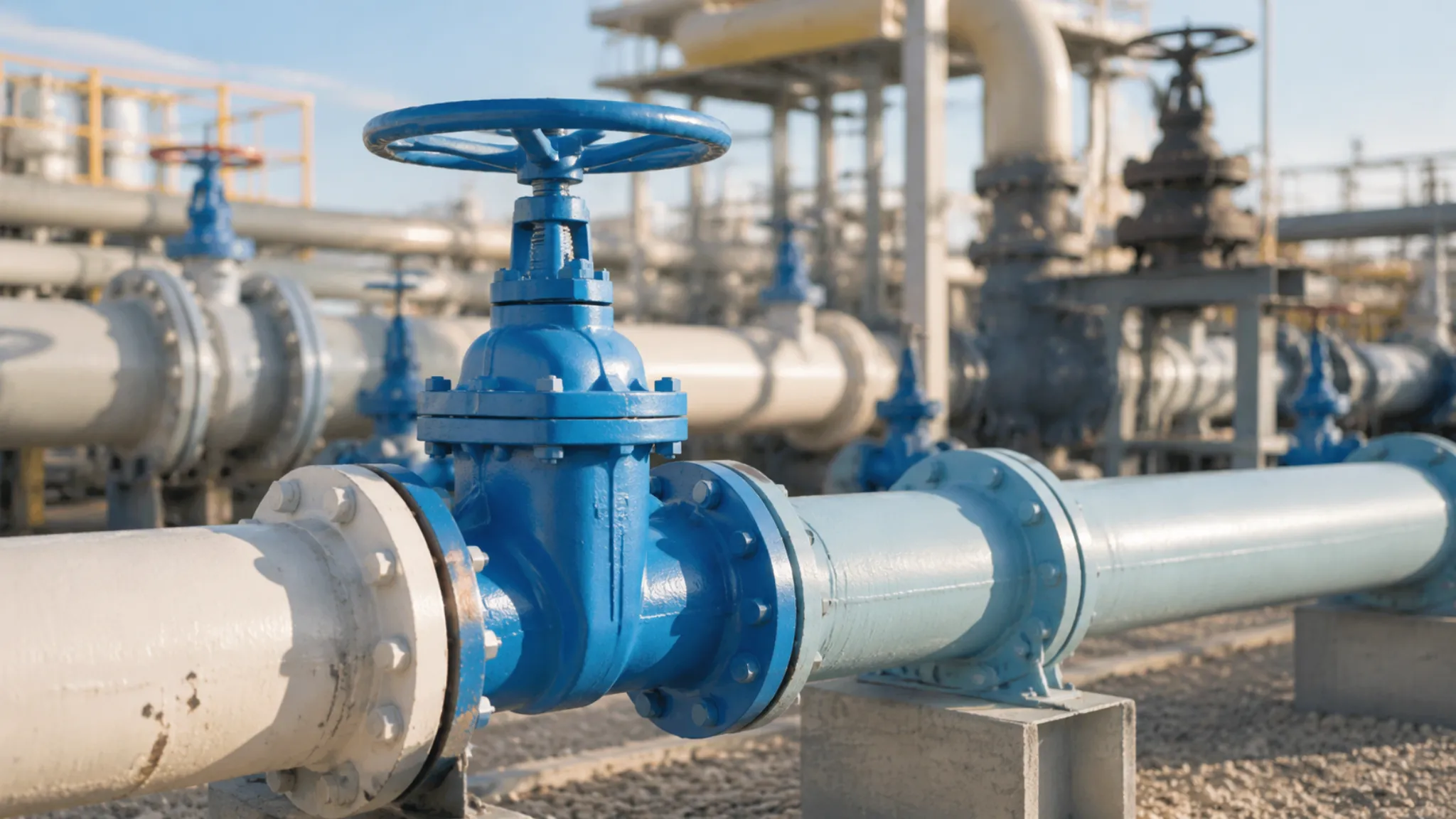
Soft seat valve selection errors account for 60% of early failures. During my research at a water utility group, I documented that correctly selected valves
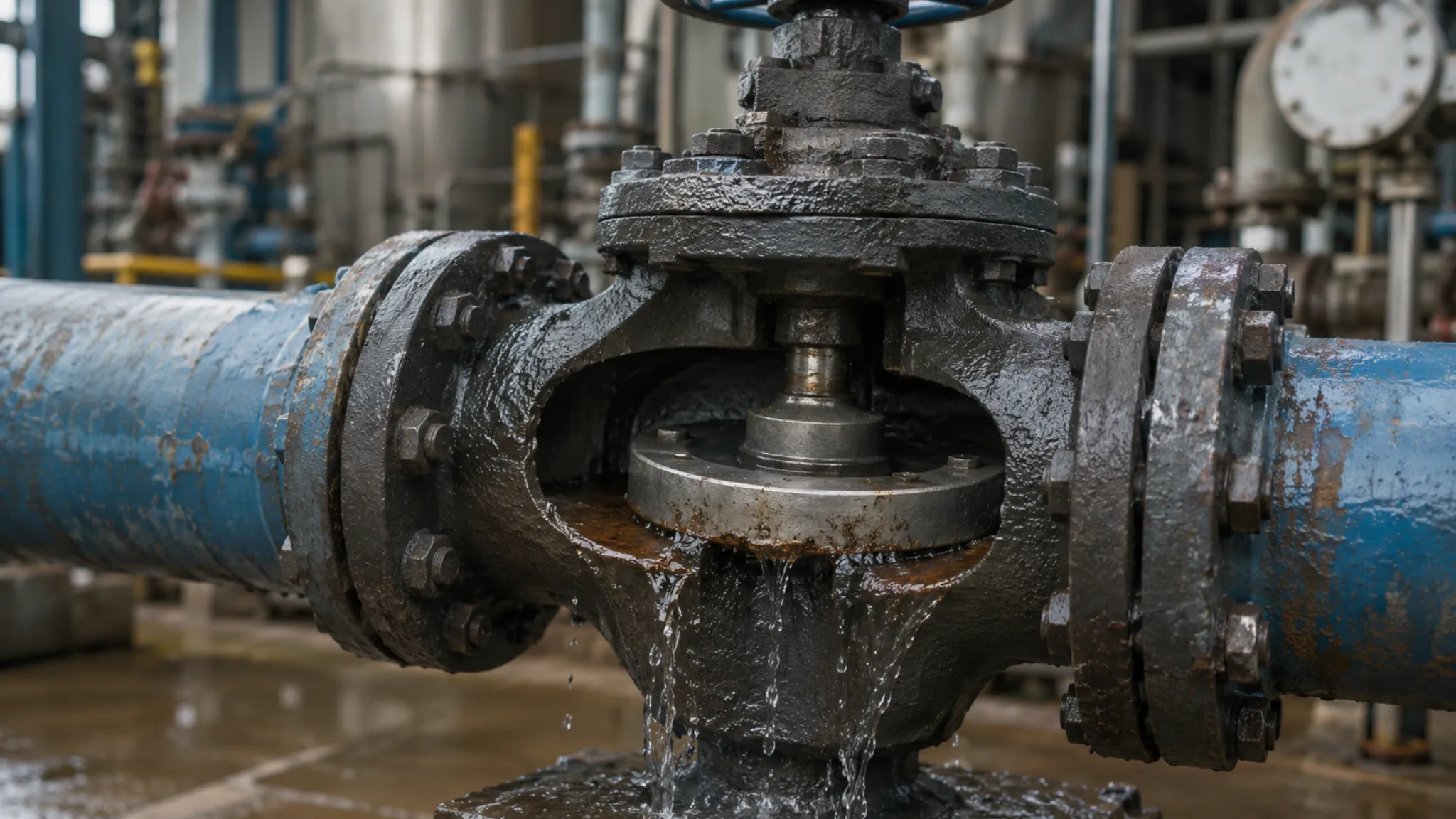
Soft seated floating ball valve sealing reliability directly determines process safety. My records from a petrochemical project show: rated seal life of 50,000 cycles, reduced
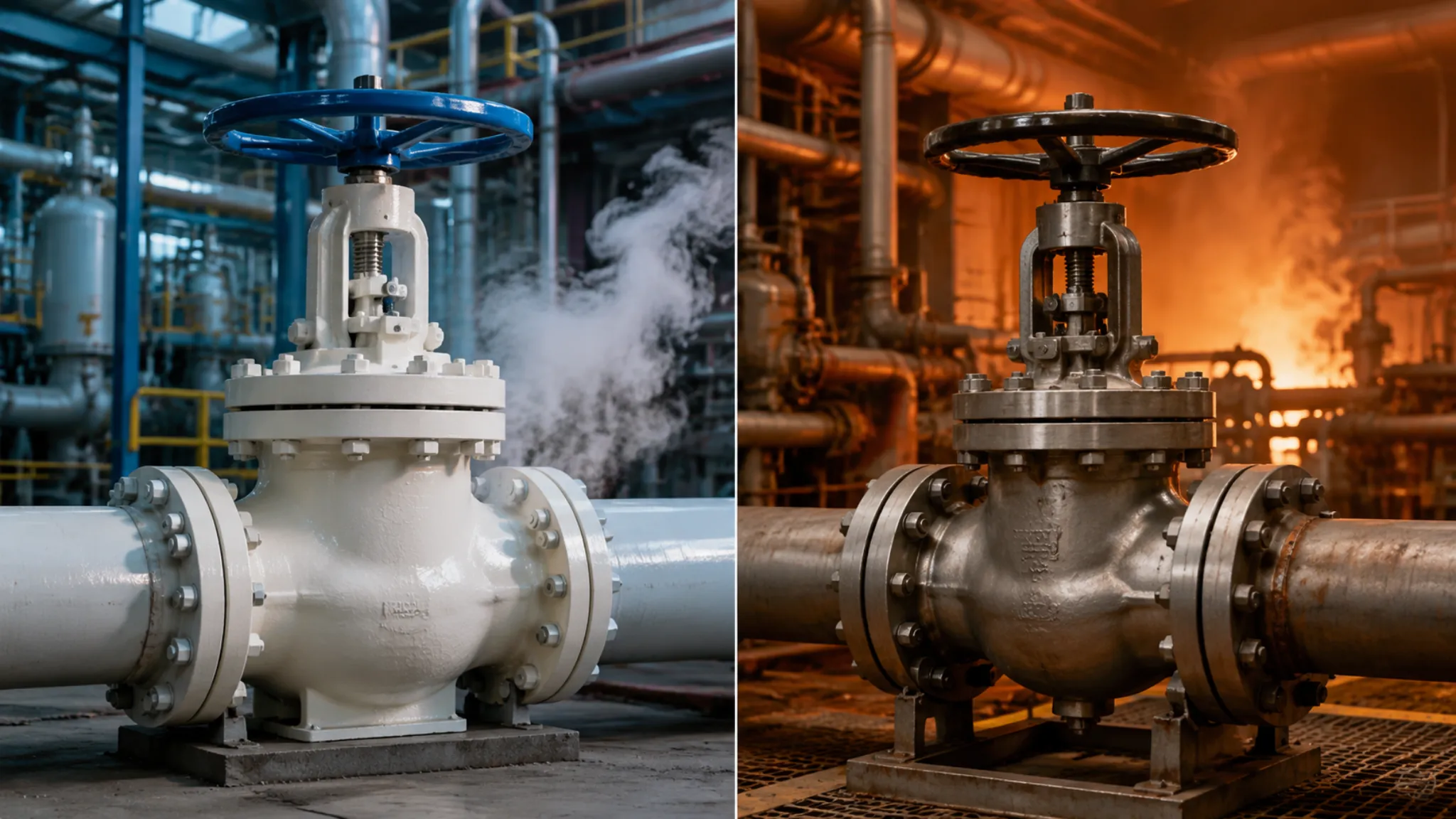
Soft seated (PTFE/RPTFE) and metal seated ball valves dominate process plant shut-off valve procurement. How do you pick the right one for your application? Comparing
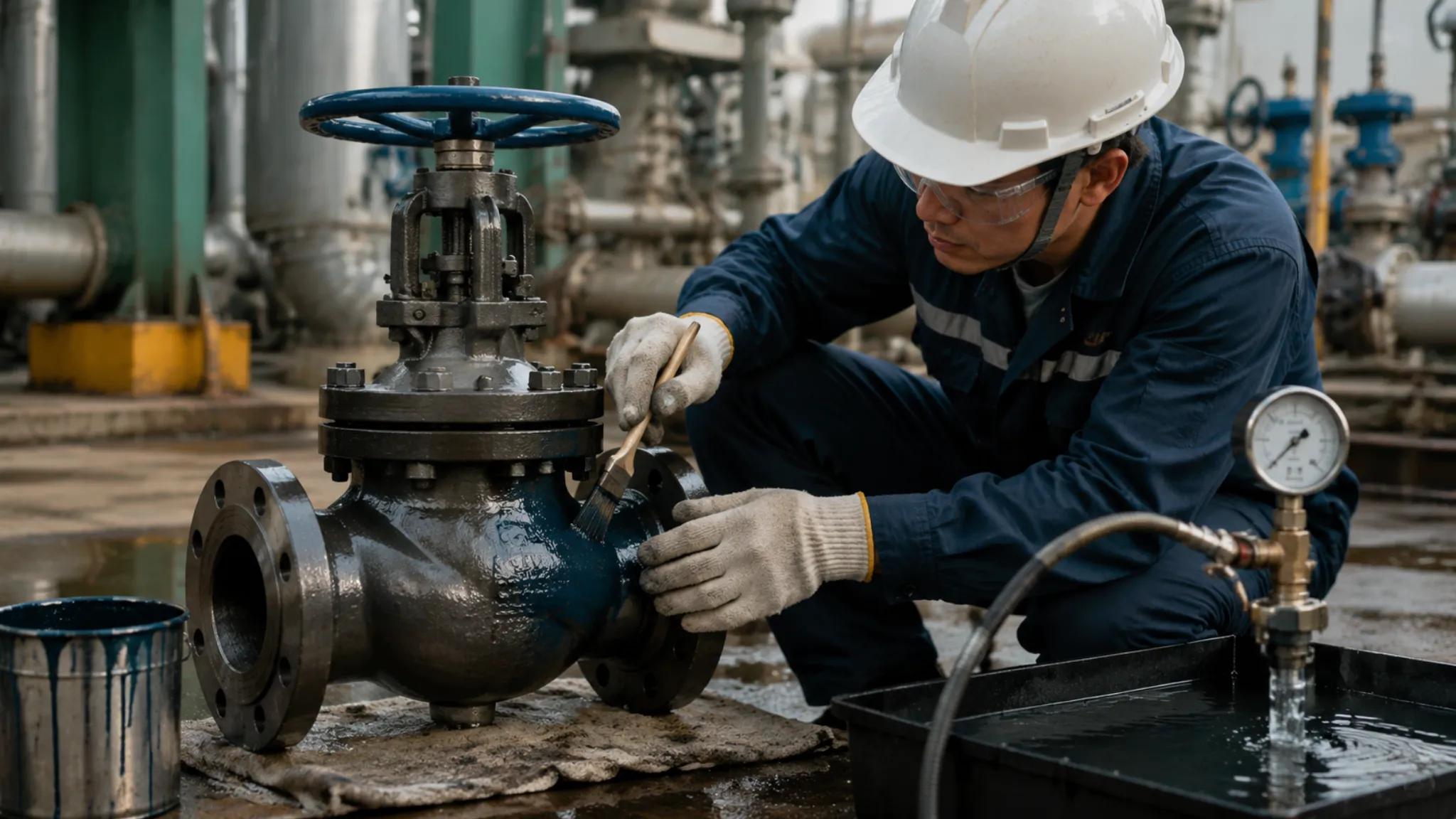
Three maintenance actions for forged metal seated valves: visual inspection every 6 months, pneumatic seat seal test annually, stem packing replacement every 3 years—doing these
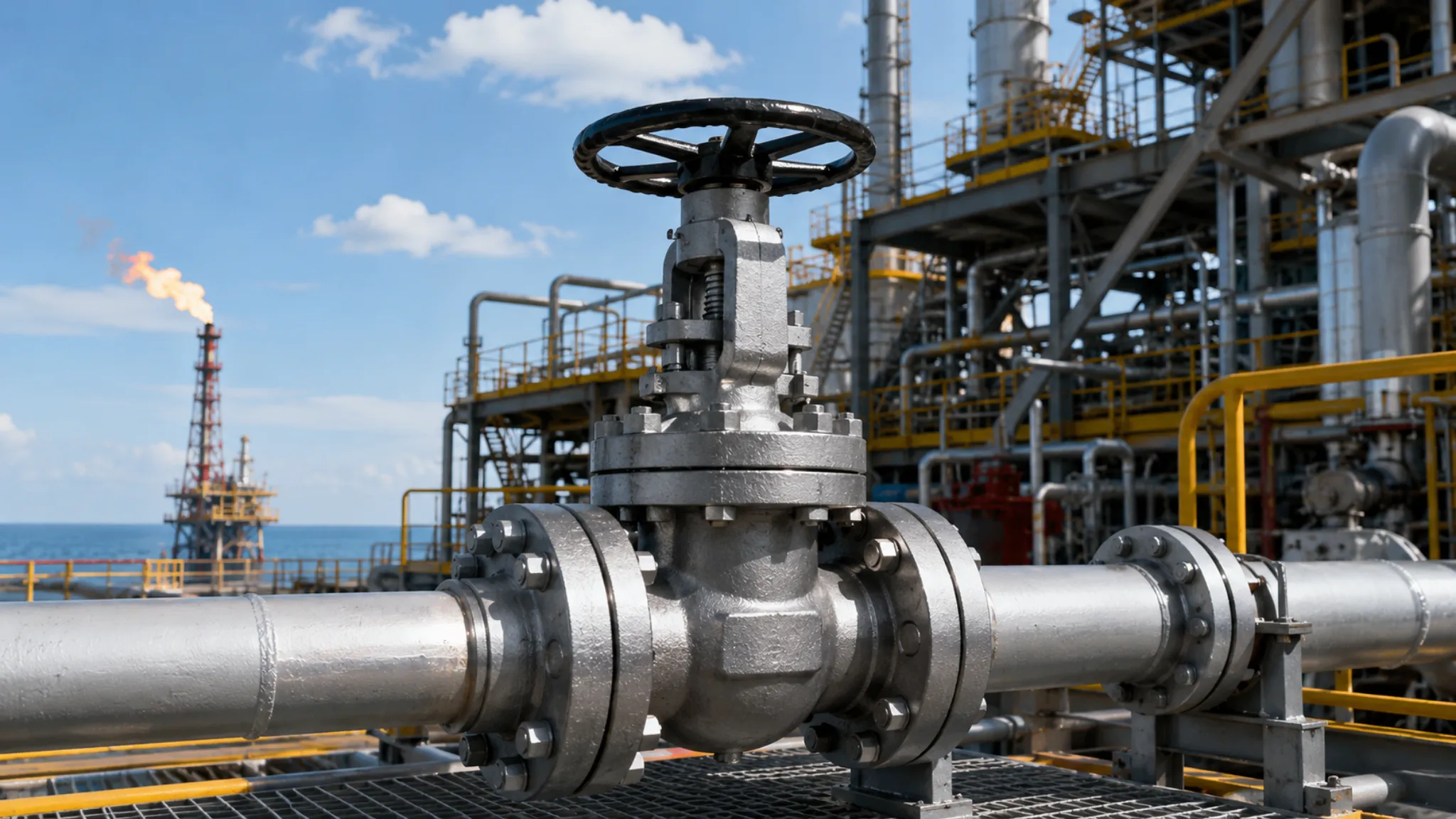
Three criteria for severe service: −196°C to 850°C, blow-off risk zero at Class 1500, 3-5× longer service life under abrasion/heat—forged metal seated ball valves are