
Tungsten Carbide vs Stellite vs Ni-Based Alloy for Metal Seated Ball Valves | Which One Cuts Cost Without Losing Performance
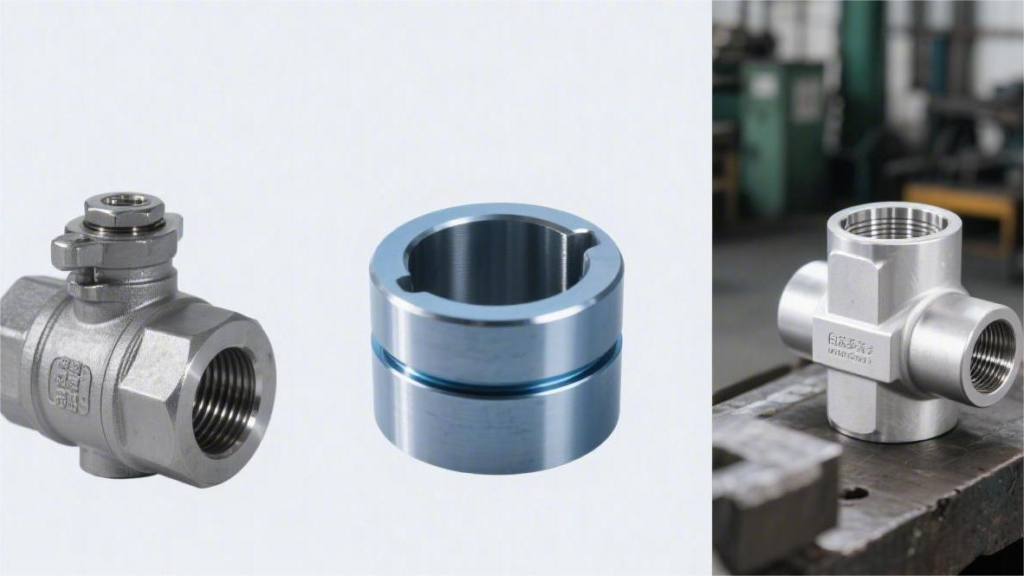
WC hardness HRC65–75, wear resistance best, suitable for containing >25% particle medium, lifespan improves 3 times but cost high about 20%; Stellite hardness HRC40–50, temperature resistance 800℃, anti-cavitation, cost-performance ratio medium; Ni-based alloy hardness HRC30–40, corrosion resistance excellent, cost low about 15%. Strong abrasion choose WC, comprehensive working condition choose Stellite, corrosion priority choose Ni-based. […]
Tungsten Carbide Coating or Stellite Overlay for API 6D Ball Valves | Selection by Temperature and Media
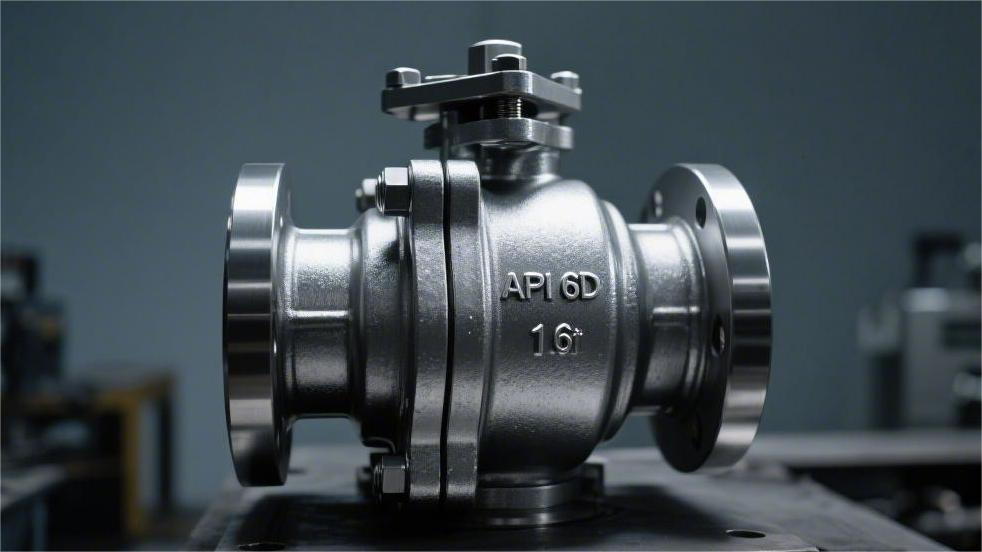
In API 6D ball valves: WC coating hardness reaches HRC65–75, suitable for containing 30–40% solid particles medium, wear resistance lifespan improves 3–5 times; but temperature resistance ≤500–600°C. Stellite surfacing welding hardness about HRC38–48, temperature resistance can reach 800°C, anti-erosion and cavitation better. High temperature/cavitation choose Stellite, strong abrasive medium choose WC. operating temperature -46°C – […]
Stellite vs Tungsten Carbide for Valve Seats | Which One Lasts Longer in Severe Service
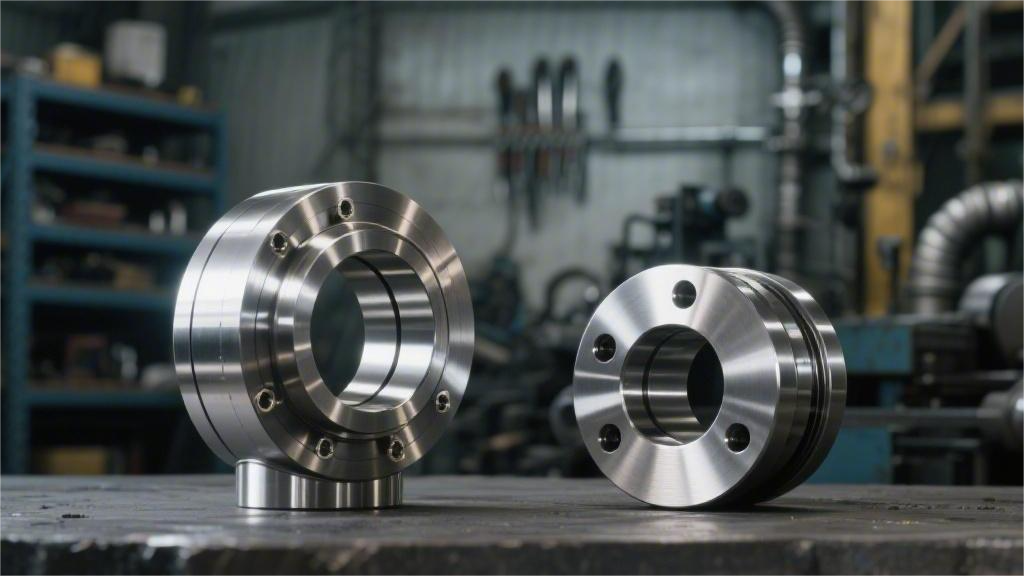
Under harsh working conditions, tungsten carbide valve seat usually more wear-resistant, hardness can reach HRA 88~92, lifespan often compared to Stellite increased by 2~5 times; But meeting thermal shock, erosion and slight impact load, Stellite more stable. When selecting type first look at medium particle amount, temperature fluctuation, then do wear and seal cycle test. […]
Forged vs Cast Valve Body for Industrial Buyers | Which one performs better under strict inspection requirements
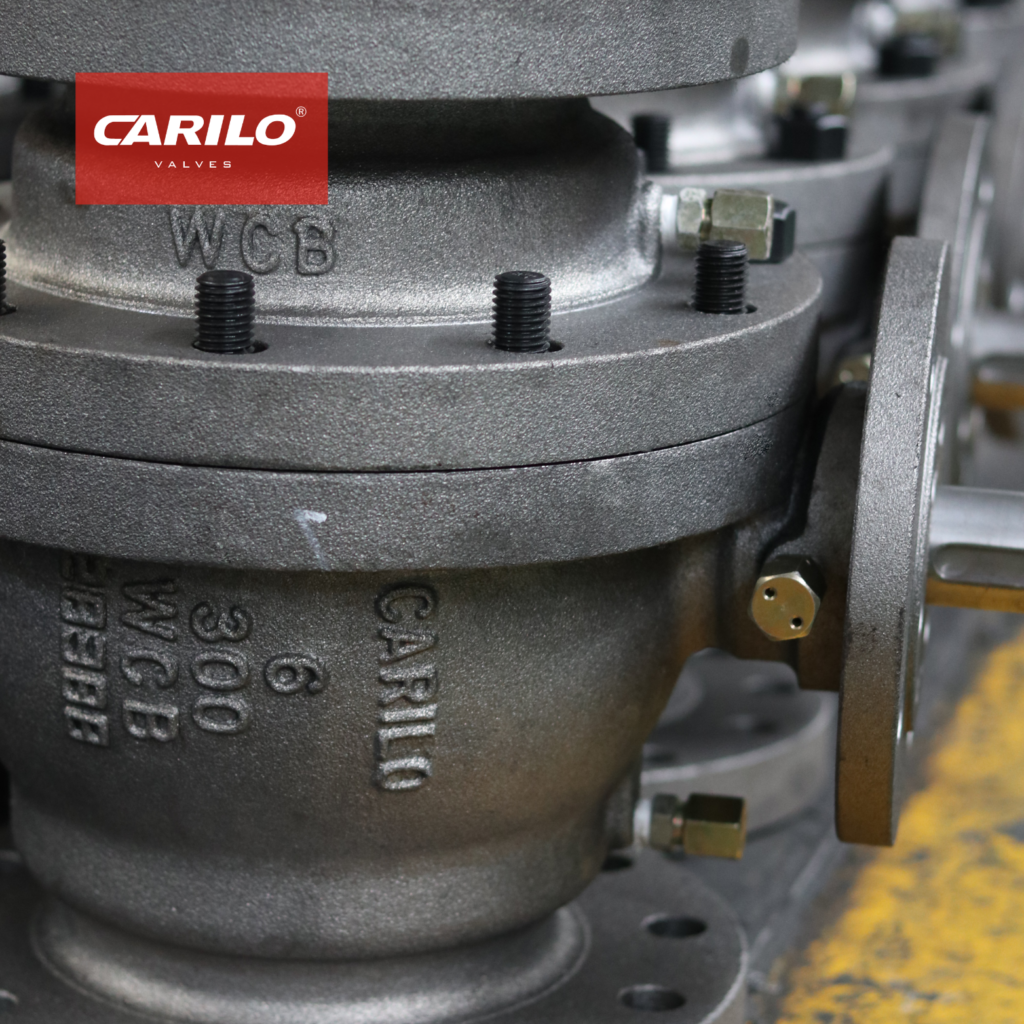
Under strict inspection requirements, forged valve body is better: density ≥ 98%, tensile strength increased by 20%~30%, airtight leakage rate ≤ 1×10⁻⁶. Cast parts easily have porosity and shrinkage, need 100% radiographic inspection and pressure test. Suggest key working conditions choose forging, ordinary working conditions use high-quality casting and strengthen flaw detection. inspection compliance Flaw […]
Should You Switch to a Forged Valve Body When Body and Bonnet Need RT? | A cost-based supplier recommendation
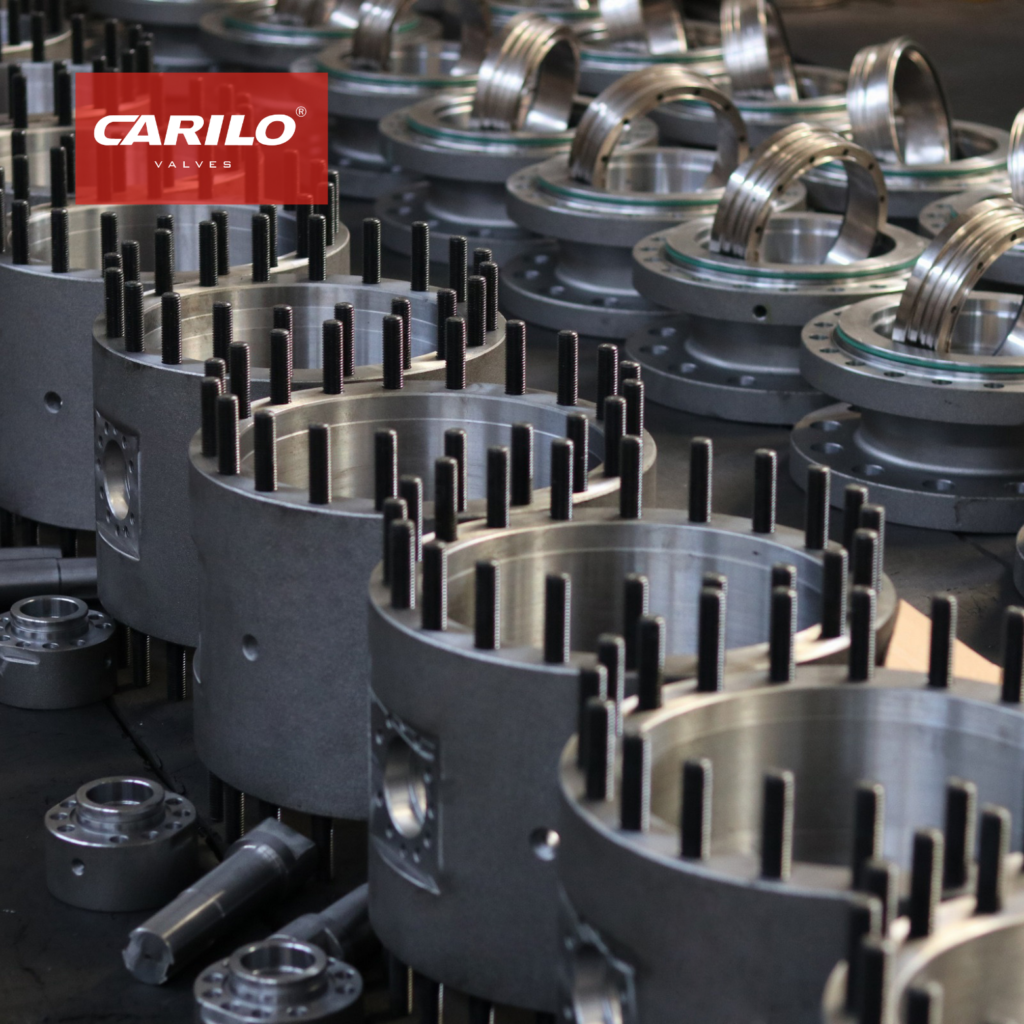
When valve body and valve cover need 100% RT inspection, casting pass rate is about 85%-90%, rework cost is high; Forging internal is dense, RT pass rate ≥ 98%. If single valve price > 500 US dollars or pressure ≥ PN100, suggest changing to forging, can lower comprehensive cost about 10%-15%. rt inspection expense Ray […]
What RT Inspection Really Means for Cast Steel Valves | Buyers Really Need to Know About
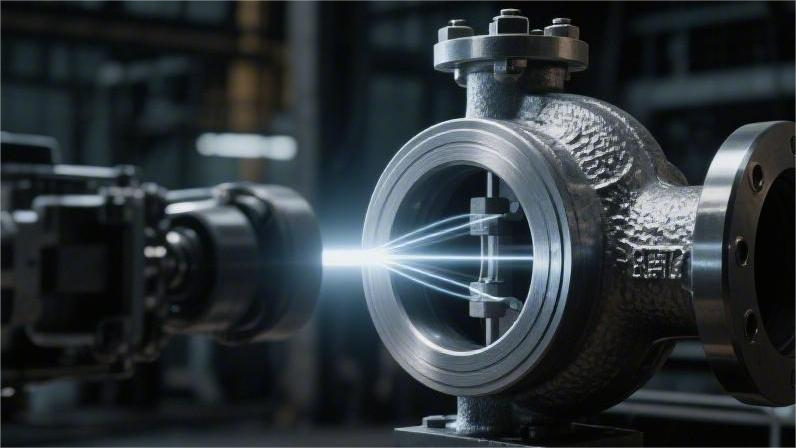
RT inspection is radiographic flaw detection, used to discover cast steel valve internal porosity, shrinkage and other defects. According to standard (such as ASTM E446), defect grades are divided into 1-5 grades, normally requiring ≤ 2 grade; inspection ratio generally is 10%-100%. Need to control exposure time, film density (2.0-4.0) and retain reports. internal defect […]
Cast vs Forged Valve Body for Export Projects | How different markets make the choice
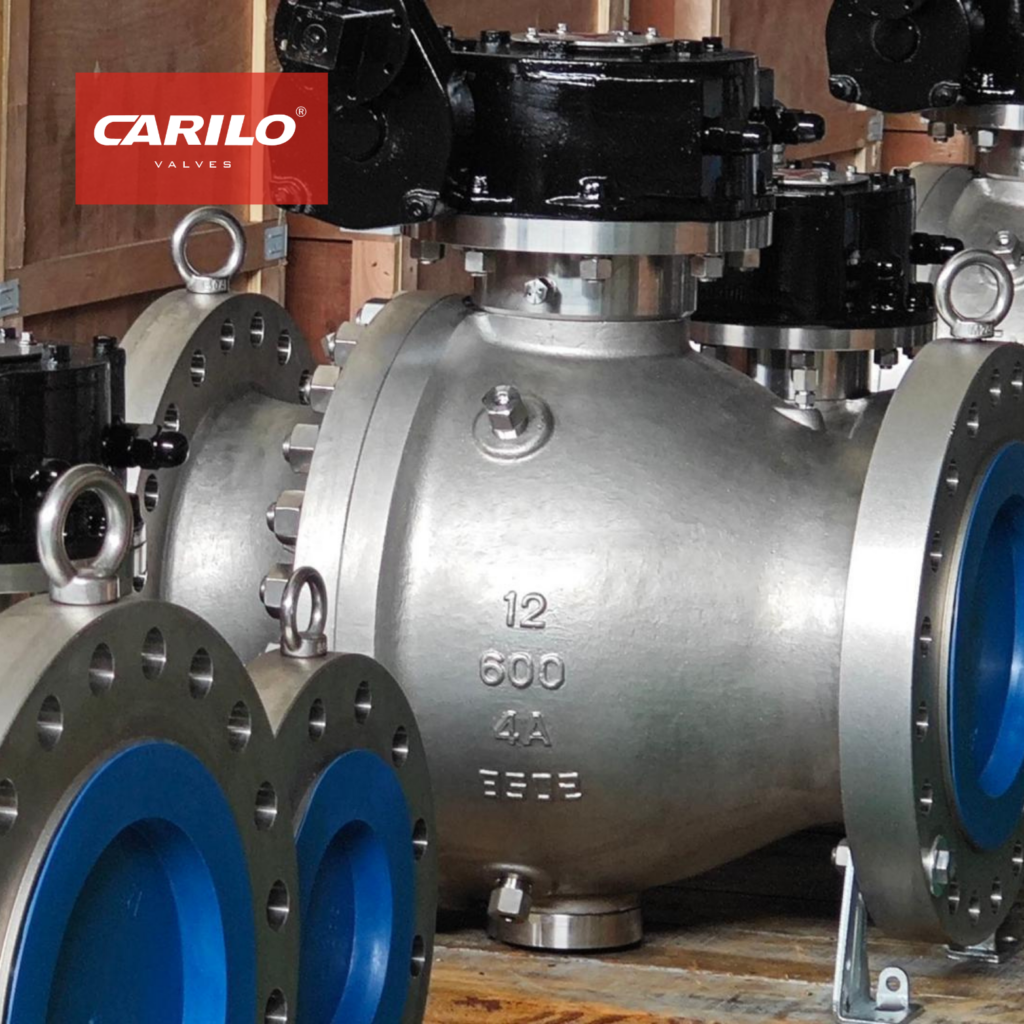
In export projects, forged valve body strength is high (tensile strength ≥450MPa), suitable for high pressure (>PN100) European and American markets; Cast valve body cost is lower by about 20%-30%, mostly used for medium and low pressure (PN16-40) Southeast Asia. When selecting models, match according to working condition pressure, temperature, and certification (API/CE). market preference […]
Advantages and Disadvantages of Cast and Forged Valve Bodies | What buyers usually care about
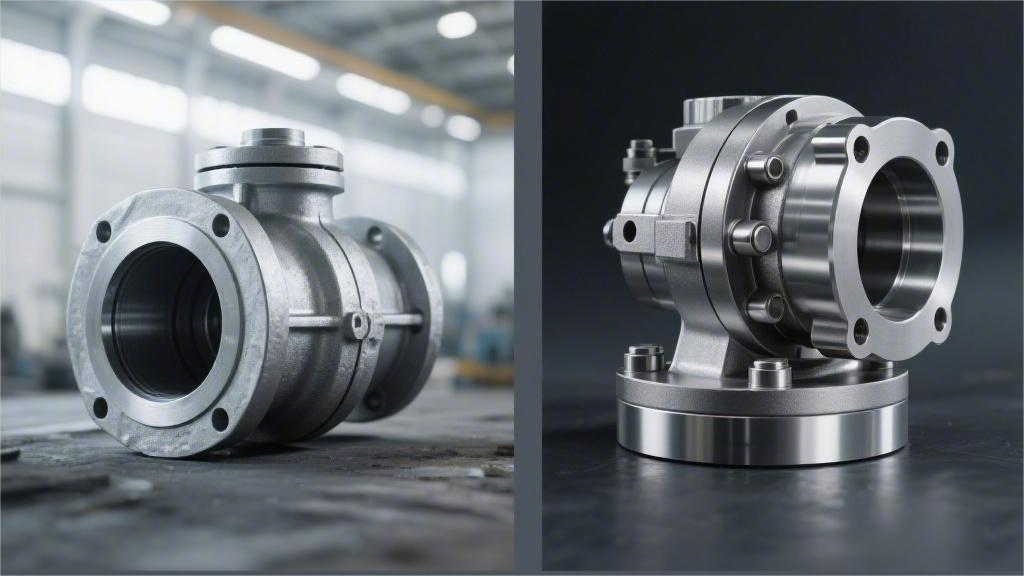
Cast valve body cost is lower by about 20%-30%, suitable for complex structures, but easy to have blowholes, strength slightly lower; Forged valve body density is high, compressive strength increases by about 15%-25%, life is longer, but cost is high. When purchasing should check flaw detection report, pressure test records, and verify material certificate. manufacturing […]