
Cryogenic Valve Selection Guide | LNG Application, Leakage Standards, Material Match
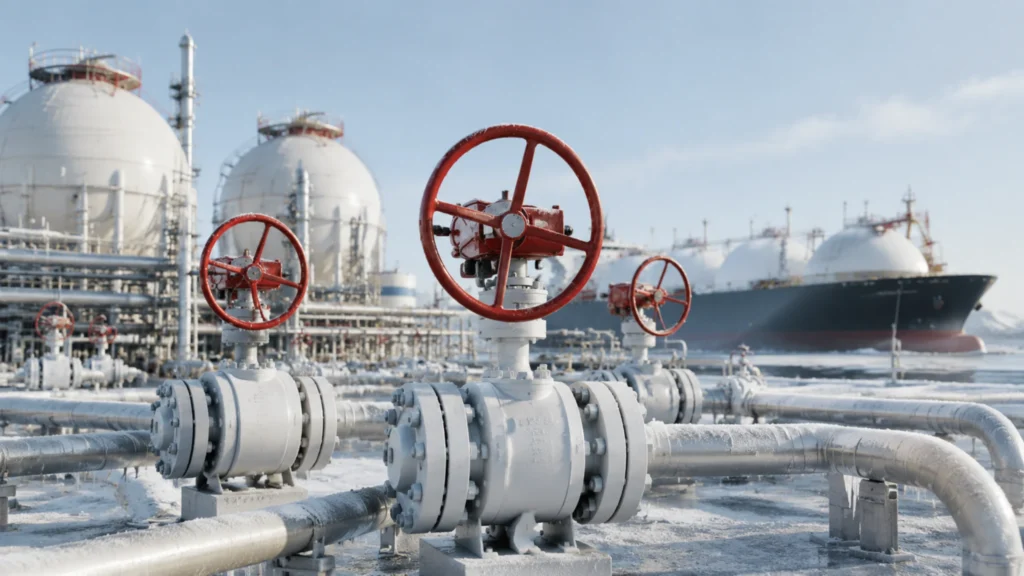
11 years in cryogenic valves, from -46°C carbon steel to -196°C LNG stainless steel. 90% of the selection pitfalls I see come from undersized bonnets or mismatched material grades. These 9 sections are my go-to client notes: 3 LNG scenarios, 3 standards, 3 material families. LNG Site Needs Storage Tank Lines “Valves in the storage […]
DBB Compact Manifold Weight Advantage | Skid Design, Space Efficiency, Transport Cost
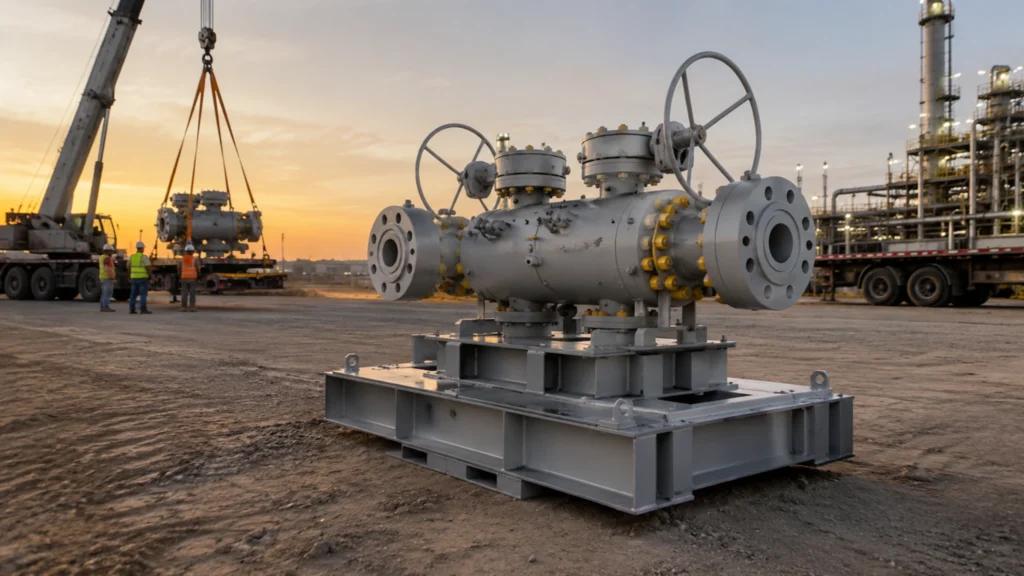
DBB compact manifolds cut weight 40-60% vs traditional three-valve sets. Class 600 1/2″-4″ units drop 95 kg to 38 kg. This article breaks the weight advantage into 3 dimensions and 9 angles, showing on-site benefits. Skid Design Benefits Lighter Steel Frames The “lightweight” benefit of DBB compact manifolds hits the skid frame steel consumption first. […]
DBB Compact Manifold vs Standard Valves | Space Saving, Weight Reduction, Cost
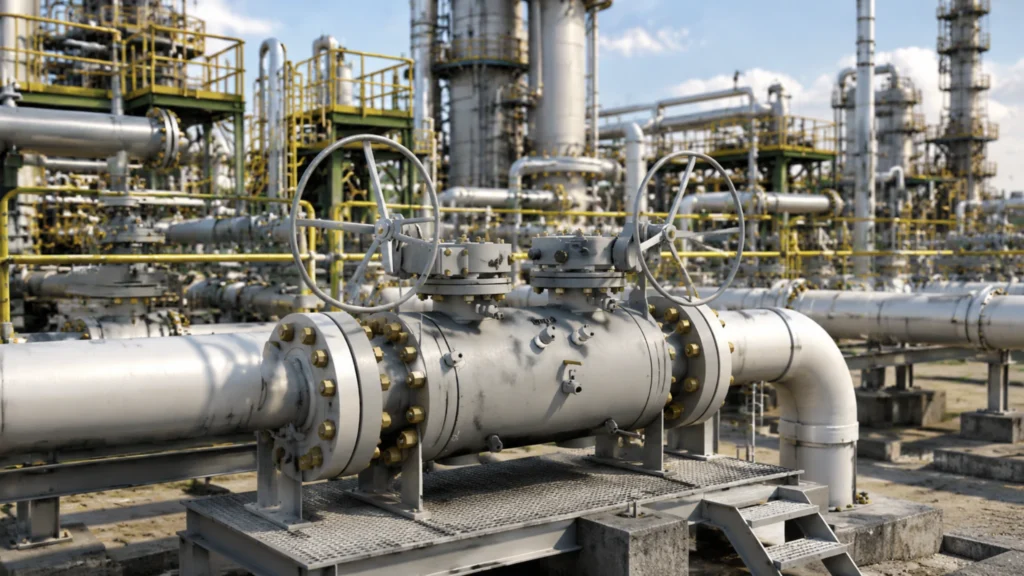
DBB compact manifolds save 30% to 50% length, 30% to 40% weight, and 20% to 30% total cost versus standard three-valve trains. This guide covers 9 sections across 3 dimensions (size, cost, safety) to quantify the practical gains. Size and Weight Smaller Footprint DBB compact manifolds save 30% to 50% footprint versus traditional three-valve trains. […]
DBB Compact Manifold Applications | Oil&Gas, Petrochemical, Pipeline Safety
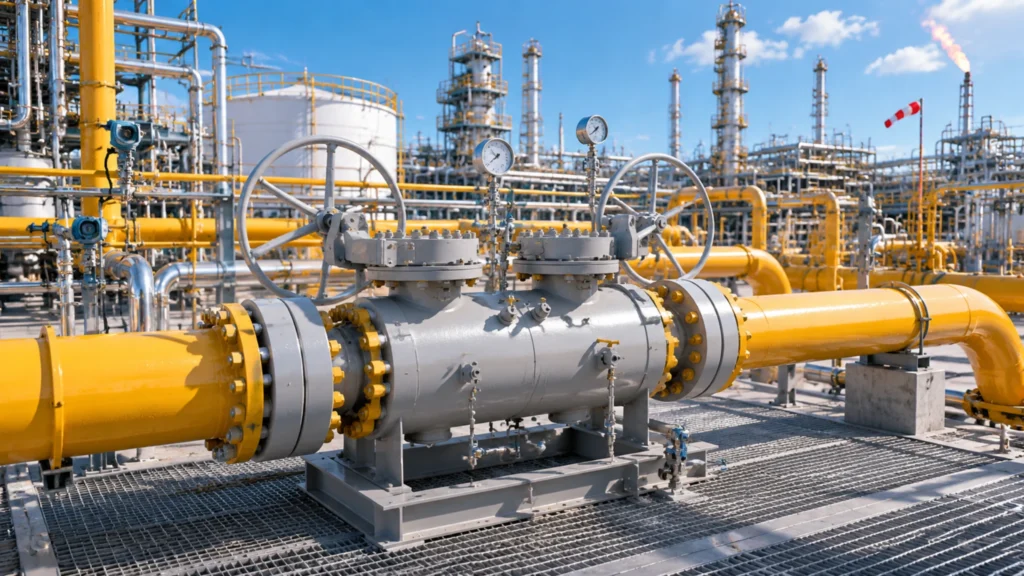
DBB manifolds cover 3 oil and gas sites (wellhead, offshore, FPSO), 3 refinery applications (high-temp, dosing, sampling), and 3 pipeline safety scenarios (isolation, pigging, instrument). This guide reviews 9 field-tested deployments. Oil & Gas Sites Wellhead Control DBB compact manifolds deploy between the wing valve and master valve on the Christmas Tree at the wellhead, […]
DBB Compact Manifold Selection Guide | Flange Types, API 6D, NACE MR0175
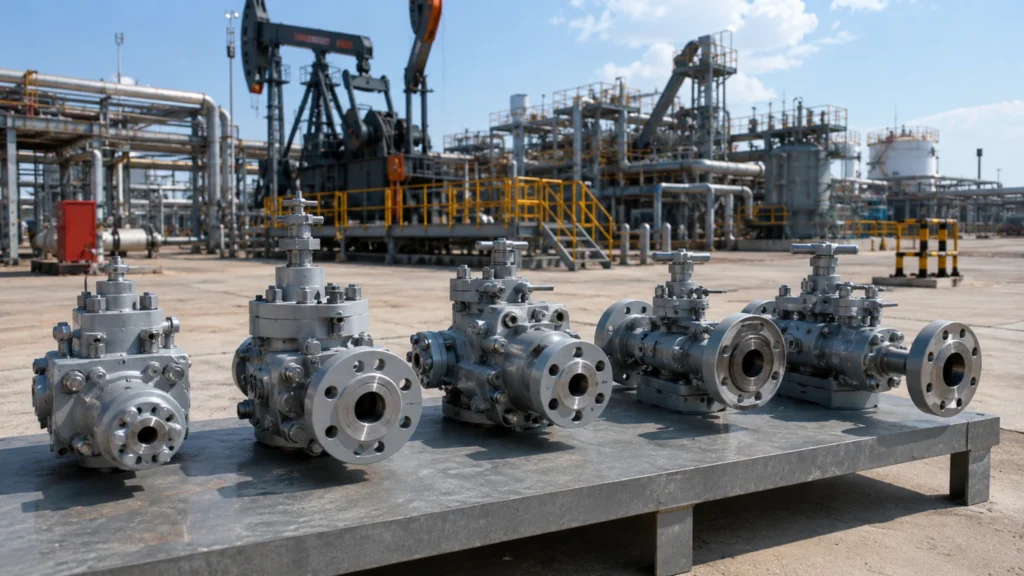
DBB compact manifolds integrate two isolation valves plus one bleed valve in one body, cutting face-to-face length by 60%. API 6D 25th ed. defines DBB-1 and DBB-2 classes. Guide covers three areas: flanges, standards, design checklist. Choosing Flanges RF vs RTJ Faces RF (Raised Face) and RTJ (Ring Type Joint) flanges are the two most […]
How to Choose Cast Soft Seated Valves? | Water Works, Gas, Pressure Ratings
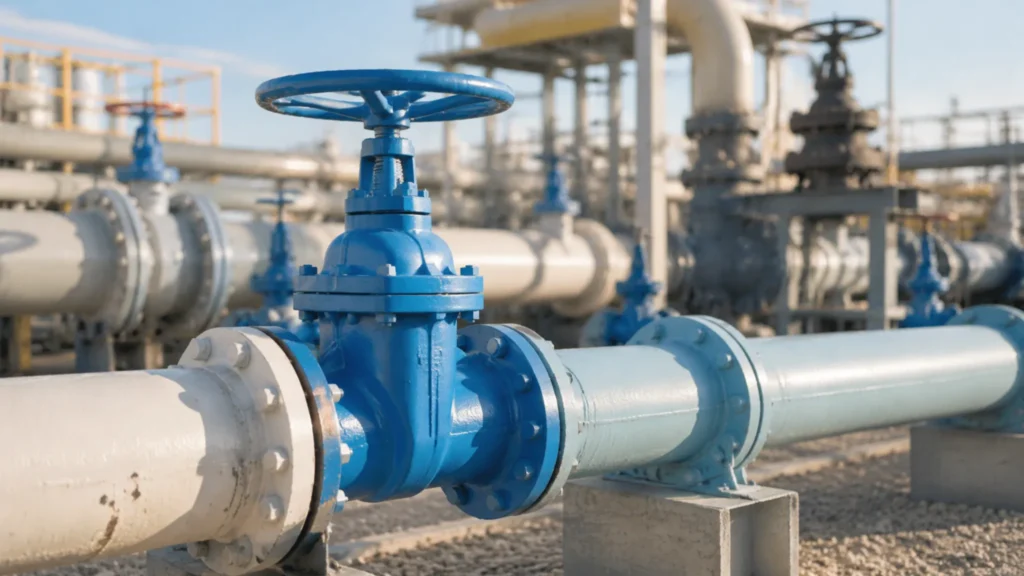
Soft seat valve selection errors account for 60% of early failures. During my research at a water utility group, I documented that correctly selected valves last 12 years on average, while mis-selected ones last only 2.5 years. Three dimensions cover the core decision logic for valve selection. Water and Gas Uses Clean Water Systems Soft […]
What Causes Cast Soft Seated Valve Leaks? | Seat Wear, Debris, Fixes
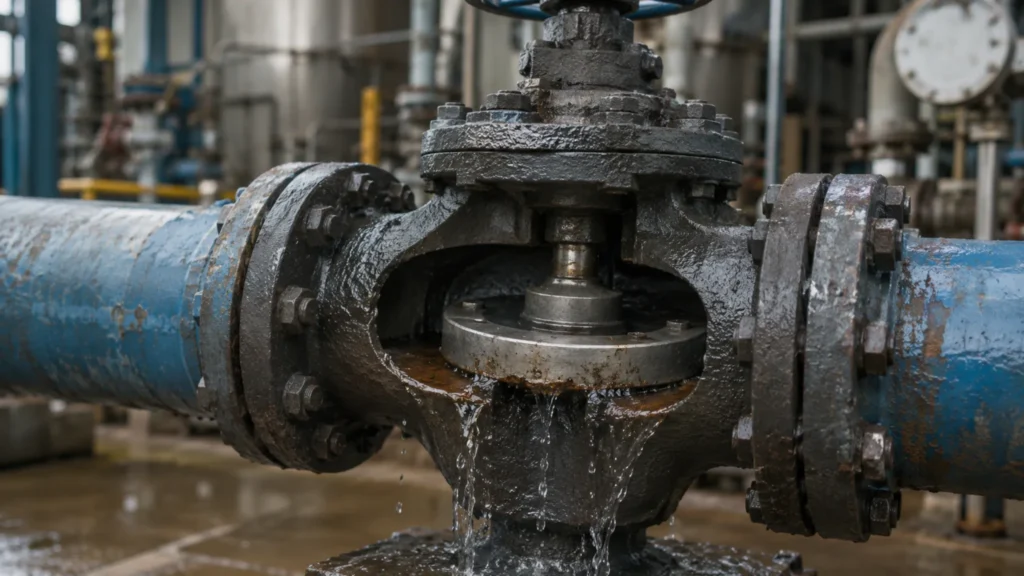
Soft seated floating ball valve sealing reliability directly determines process safety. My records from a petrochemical project show: rated seal life of 50,000 cycles, reduced to 8,000 cycles with contamination, with leaks occurring on average 18 months after startup. Soft Seat Wear High Pressure Damage When soft seat sealing faces endure stress far exceeding design […]
Cast Soft Seated vs Metal Seated | Sealing, Temp Limits, Selection
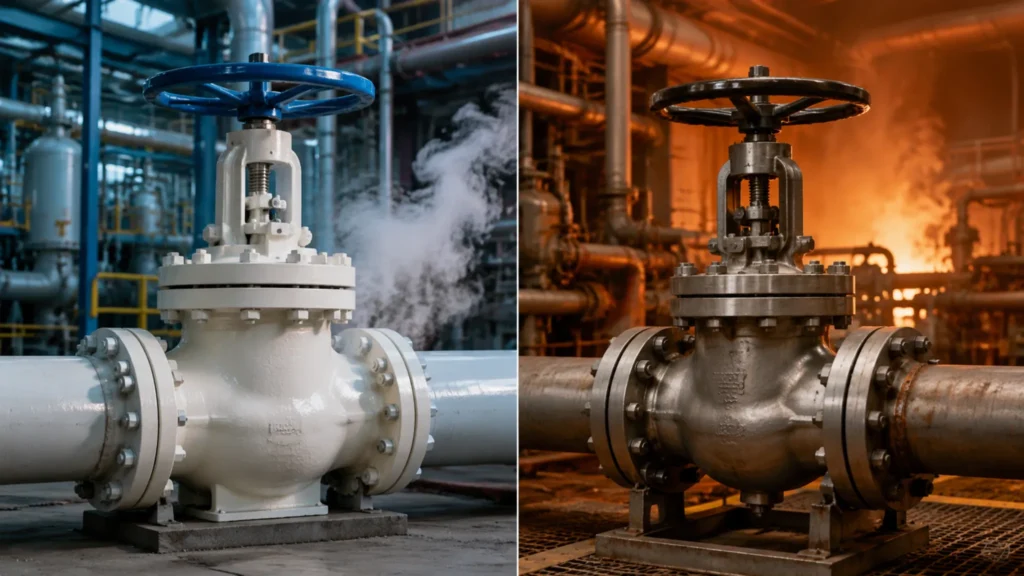
Soft seated (PTFE/RPTFE) and metal seated ball valves dominate process plant shut-off valve procurement. How do you pick the right one for your application? Comparing Sealing Performance Soft Seat Sealing Soft seated valves rely on elastic seat materials (PTFE, RPTFE, PPL) to elastically deform under preload, filling microscopic valleys on the ball surface to achieve […]
Forged Metal Seated Valve Maintenance | Coating Tips, Leak Testing, Repair
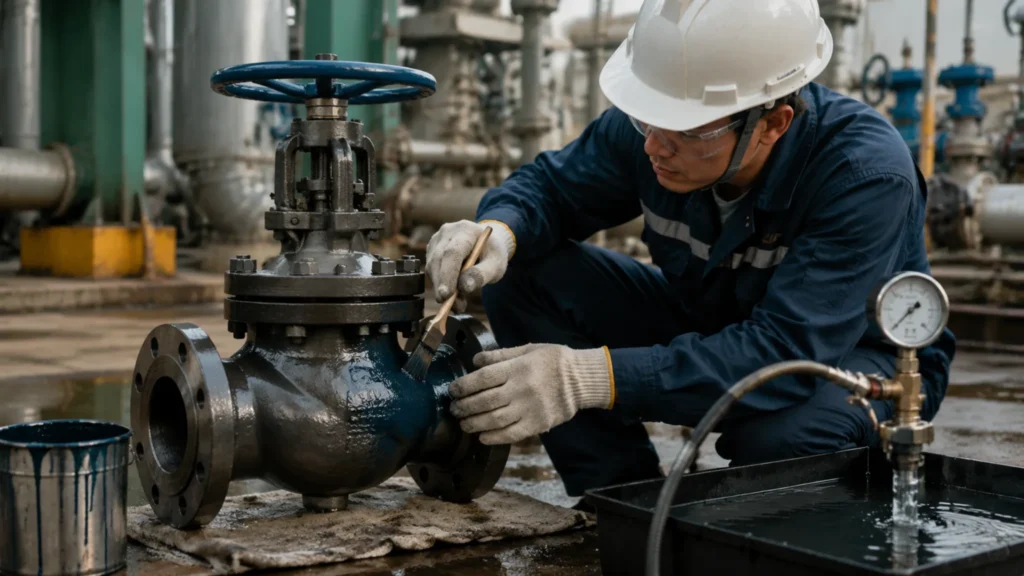
Three maintenance actions for forged metal seated valves: visual inspection every 6 months, pneumatic seat seal test annually, stem packing replacement every 3 years—doing these three extends valve service life by 3–5. Valve Coating Tips Checking For Wear The first step in metal seated valve wear inspection is establishing baseline data—measure the seat sealing […]
What is a Forged Metal Seated Valve? | Applications, Pros, Oil & Gas
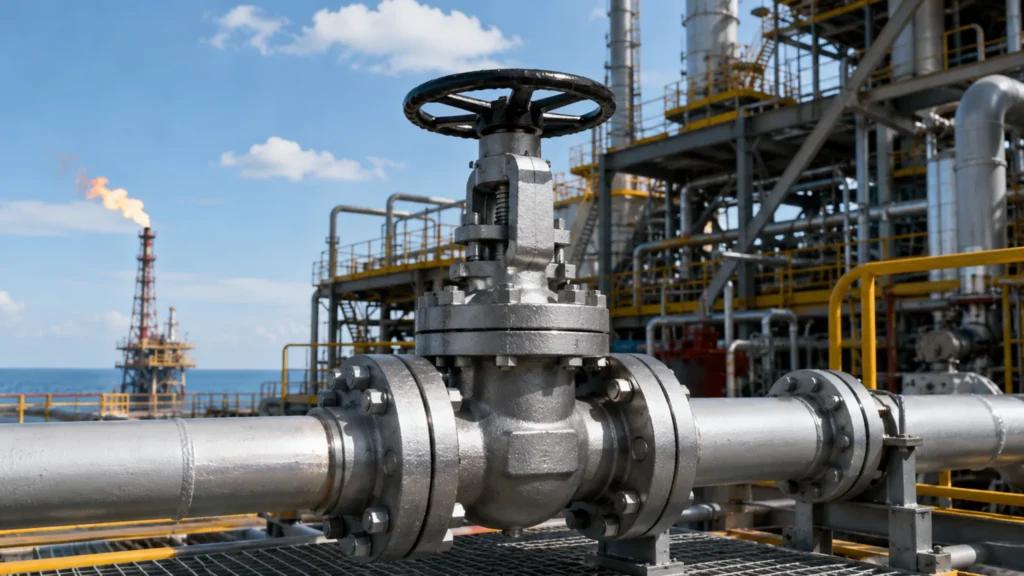
Three criteria for severe service: −196°C to 850°C, blow-off risk zero at Class 1500, 3-5× longer service life under abrasion/heat—forged metal seated ball valves are the only choice for refining, petrochemical, power generation extremes. Main Valve Benefits Withstanding High Heat The elevated-temperature capability of metal seated valves stems from hardfaced seat materials—Stellite 6 (cobalt-chromium-tungsten […]