
Soft Seated or Metal Seated Forged Ball Valve: Which Option Fits Your Application | sealing method, media condition, temperature range
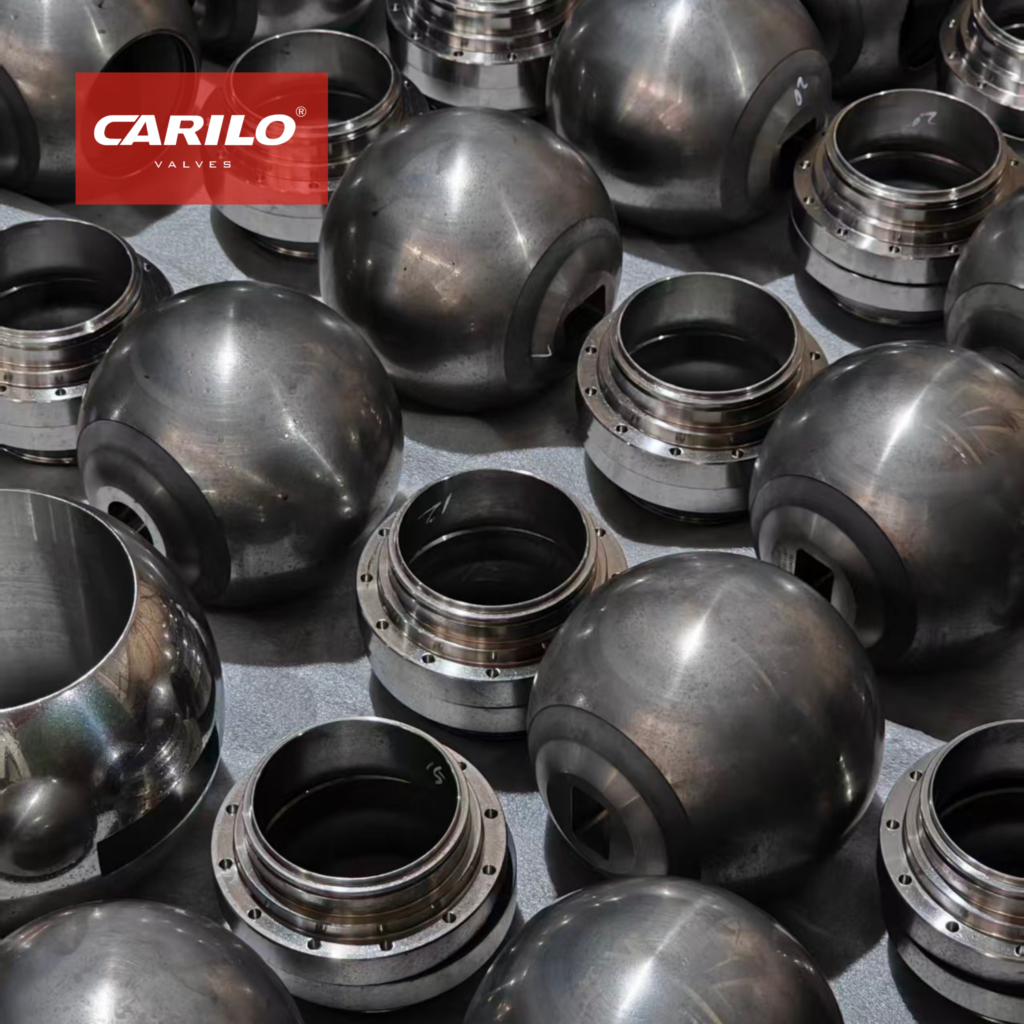
Soft seated ball valves are suitable for clean media, temperature ≤200°C, leakage class can reach ANSI Class VI; metal seated are suitable for particle-containing or high-temperature conditions (≤550°C), erosion resistant but leakage class is generally Class IV. Selection should be based on media particle content, temperature range, and opening/closing frequency, and combined with sealing surface […]
API Forged Ball Valve Buying Guide for Distributors and EPC Contractors | API compliance, project demand, supply stability
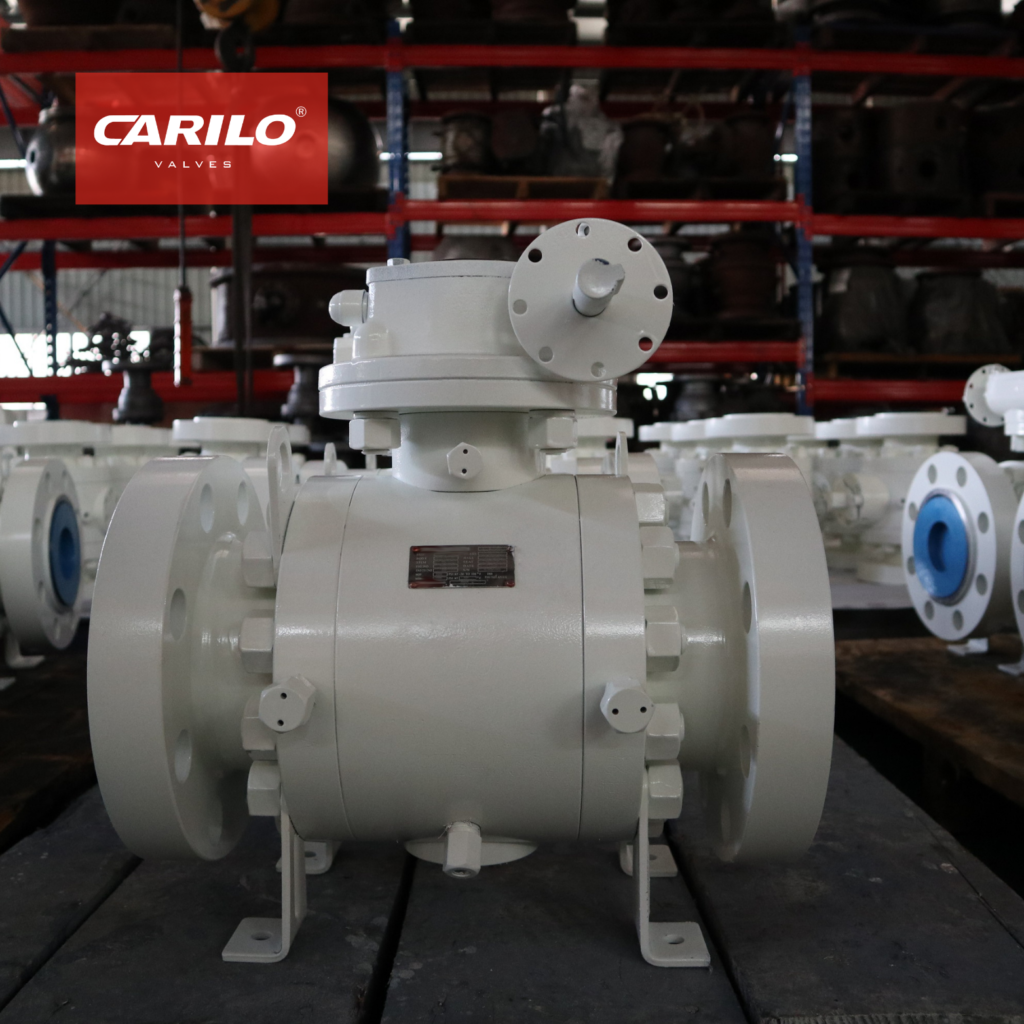
API forged ball valve selection needs to satisfy API 6D standard (covering 150–2500 pressure levels), and provide MTC, pressure test reports and other complete documents; Preferably select manufacturers with API licenses (such as 6D certification number), ensuring 100% hydrostatic and air-tightness testing. EPC projects suggest locking delivery time ≤8 weeks, stock rate ≥30%, and adopting […]
What Makes a Reliable Forged Ball Valve Manufacturer for Export Business | export experience, quality control, international approval
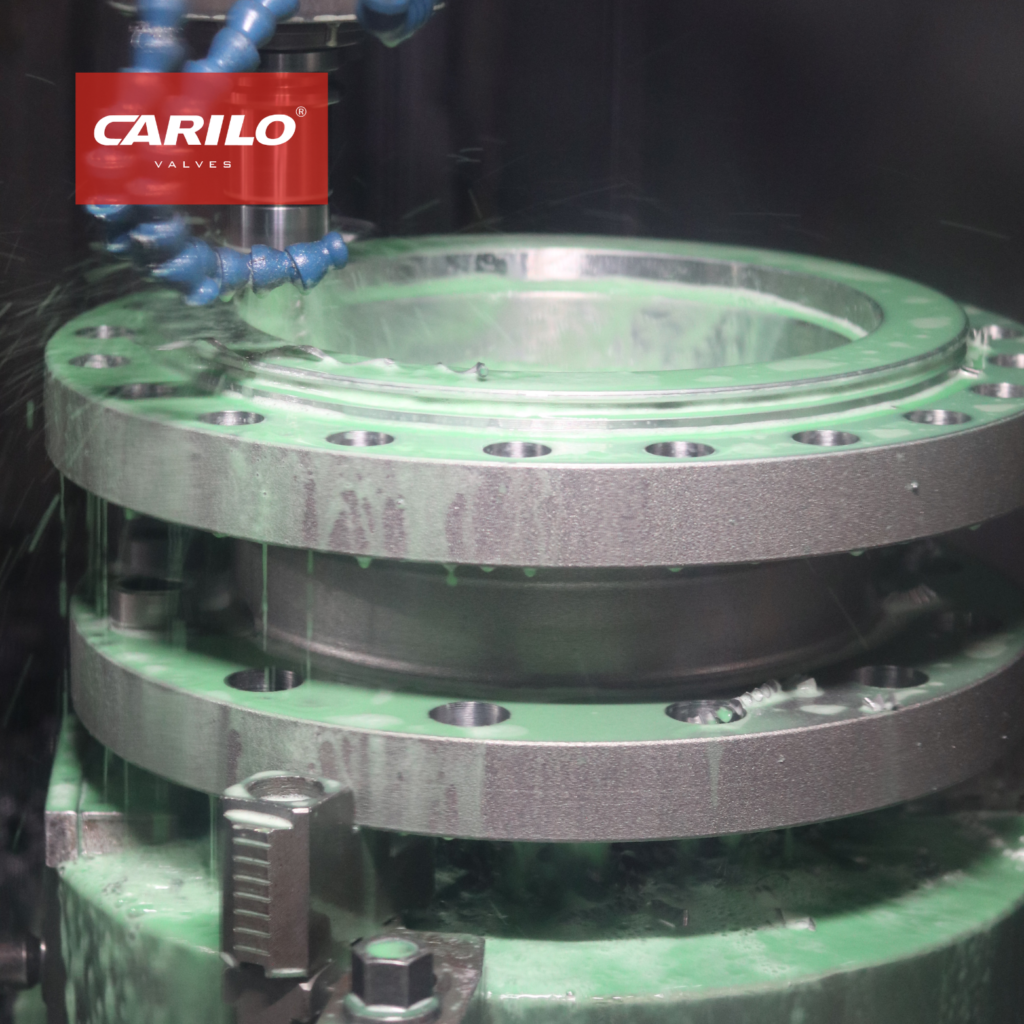
Reliable forged steel ball valve export factory look at three points: ① export experience ≥ 5 years, annual shipment ≥ 5000 units; ② Quality control: need API6D/ISO9001, 100% shell pressure test + sampling inspection 10%; ③ Certification: CE, ATEX complete. Suggest on-site inspecting factory and sampling re-inspecting. export experience Technology & Specification Taking two inches […]
Forged Ball Valve Price Guide: What Affects Cost in Bulk Orders | material cost, order quantity, valve specification
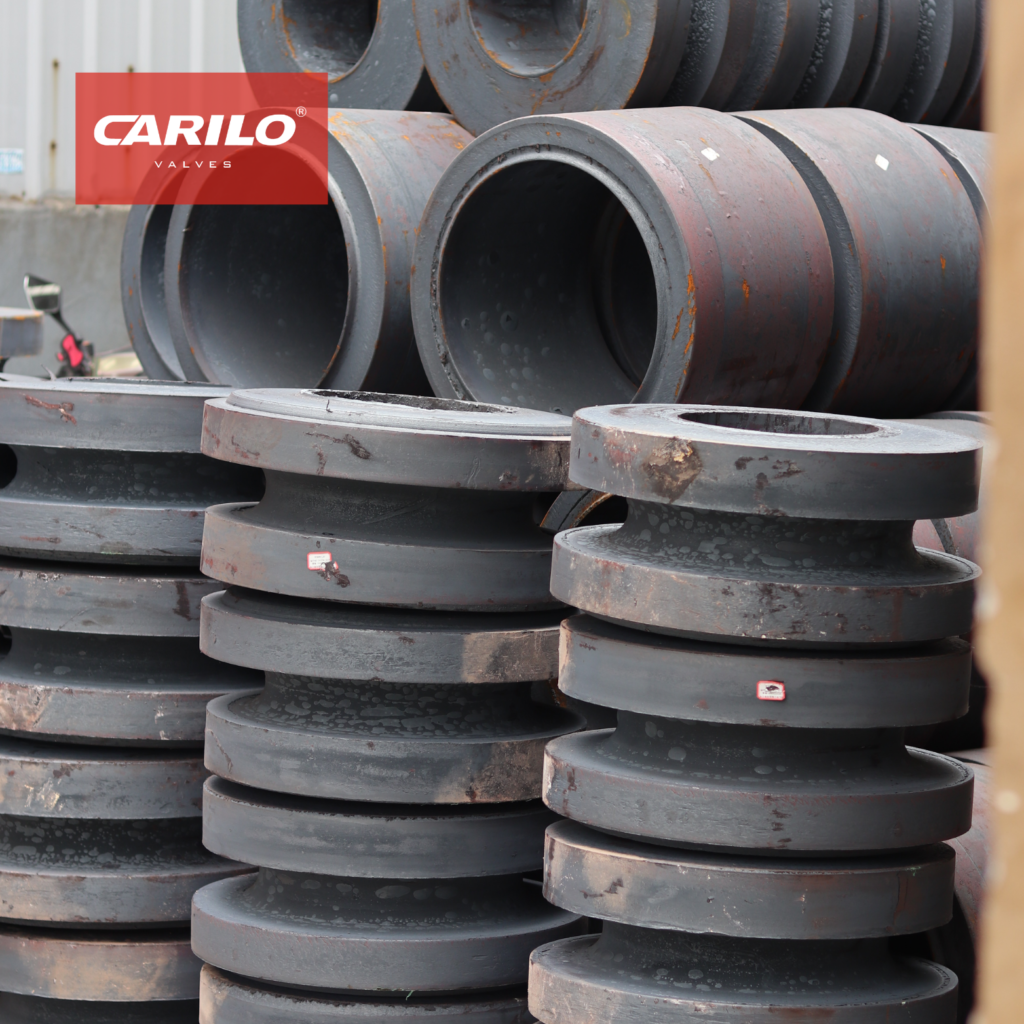
Materials: A105 stainless steel approximately ¥120-200 per unit, 316 stainless steel ¥300-600; Quantity: Price decreases by 5%-10% for 100 units, and by 15%-25% for 1000 units; Specifications: DN50 is approximately 30% more expensive than DN25. It is recommended to compare prices from 3 suppliers and secure material certificates. material cost Composition & Grade Purchasing order […]
Why Forged Ball Valves Are Preferred for Oil and Gas Pipeline Systems | leak prevention, pressure resistance, safety compliance
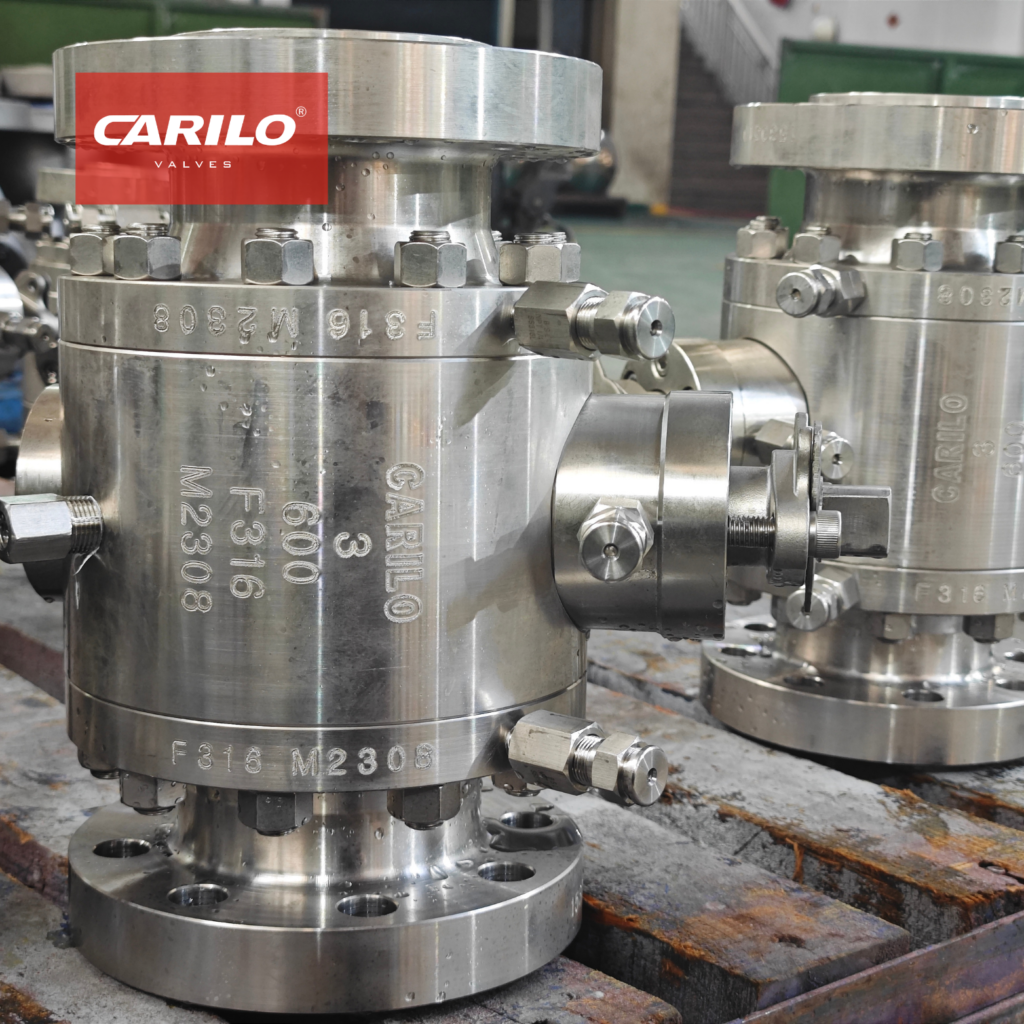
Forged ball valve because of overall forging structure dense, strength increases about 20%-30%, pressure resistance can reach Class 1500 above, leakage rate is lower than API 598 standard (≤0.01%). Adopting double seal + anti-blowout valve stem design, cooperating with regular torque detection and sealing grease injection operation, can effectively improve oil and gas pipeline safety […]
How to Choose the Right Forged Ball Valve for High-Pressure Industrial Applications | pressure rating, material grade, end connection
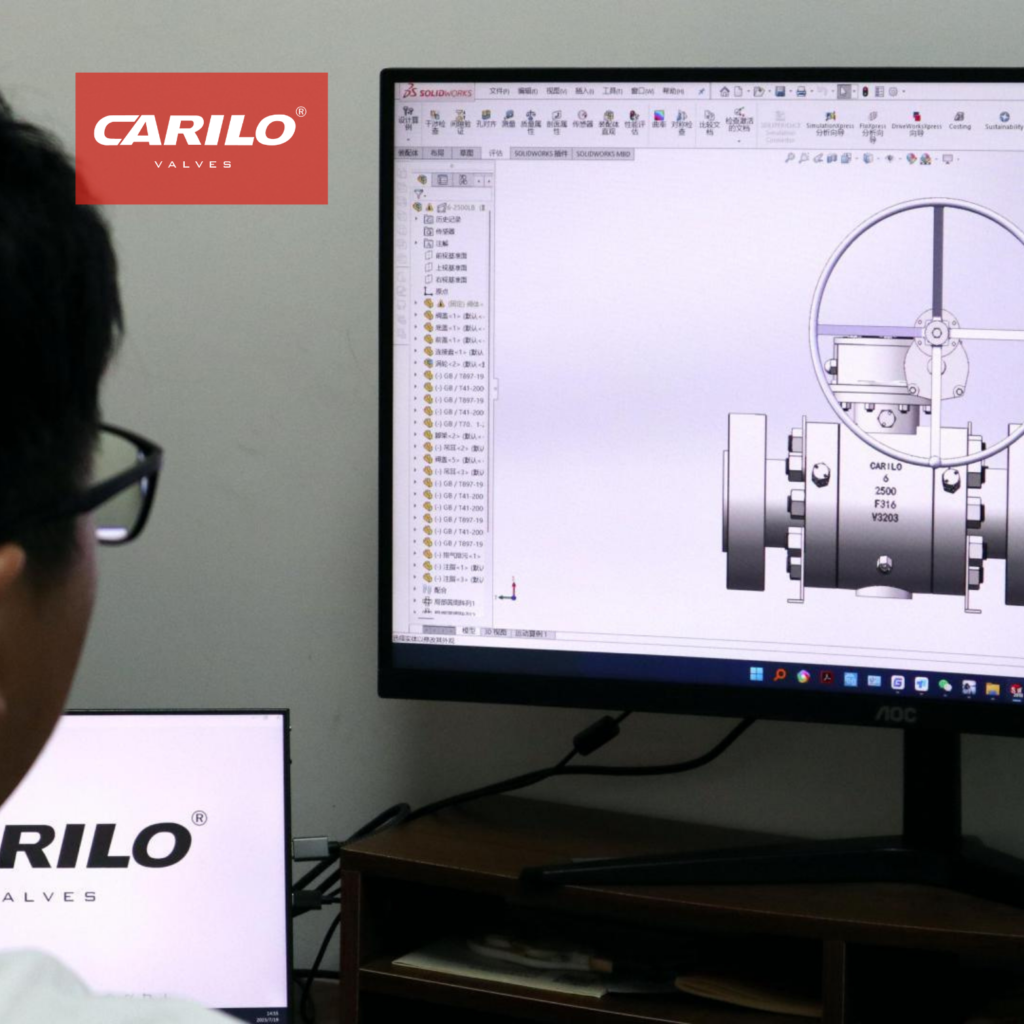
①Pressure rating, such as Class 1500/2500 (corresponding to about 25–42MPa); ②Material, such as A105 applicable to ≤425℃ carbon steel working conditions, F316 corrosion-resistant; ③Connection method, such as welded end (BW) pressure resistance is better than threaded. Need to check medium, temperature, sealing level (API 598 leakage ≤0.01%), and do pressure resistance test (1.5 times design […]
When Should You Use Ni60 on the Ball and Ni55 on the Seat | A Practical Guide for Metal Seated Ball Valves
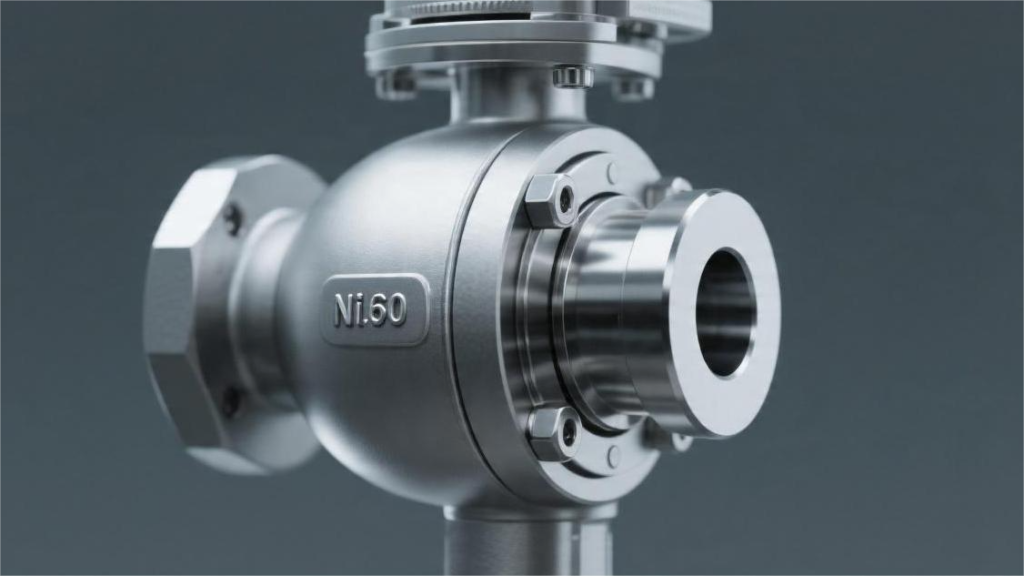
Under high temperature (≥450℃) or strong wash working conditions, sphere choose Ni60 (hardness about HRC58-62), valve seat choose Ni55 (HRC52-56) can form hard-tough pair. Suggest spray coating thickness 0.3-0.5mm, grind to Ra≤0.4μm, guarantee sealing wear-resistant and anti-biting performance. hardness matching Prevent bite dead phenomenon In 10 inch Class 600 metal ball valve inside, pipeline pressure […]
Is Stellite Better Than Tungsten Carbide for High-Temperature Ball Valves | Material Selection for Severe Service
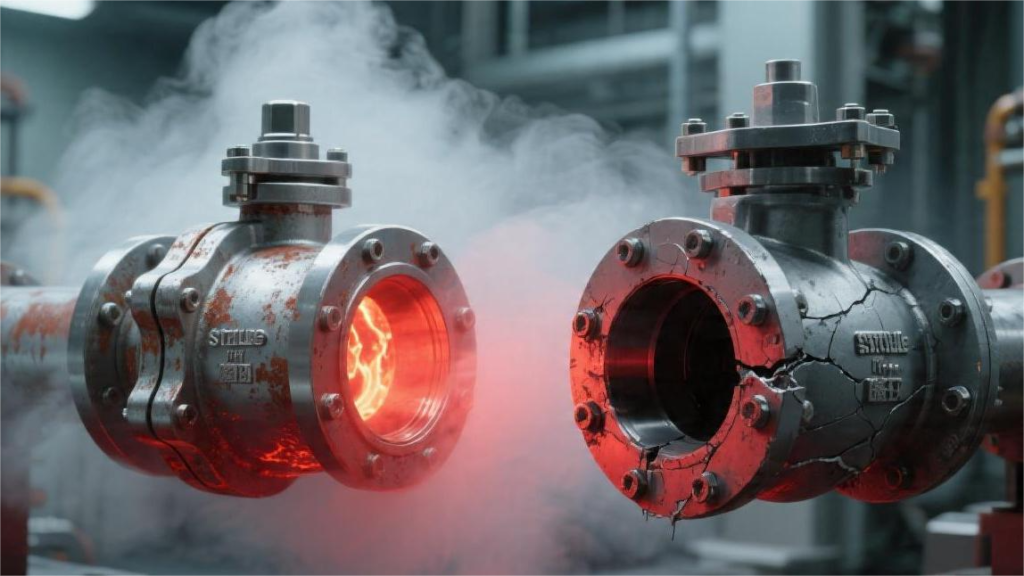
Stellite in high-temperature ball valves usually is better: its melting point is about 1285–1410°C, corrosion resistance is close to stainless steel, and impact resistance and cavitation resistance ability are strong; While tungsten carbide hardness is higher (about 1400HV, Mohs 8.5–9), wear resistance is excellent but easy to brittle crack, under high temperature may decompose. Engineering […]
Tungsten Carbide vs Stellite vs Ni-Based Alloy for Metal Seated Ball Valves | Which One Cuts Cost Without Losing Performance
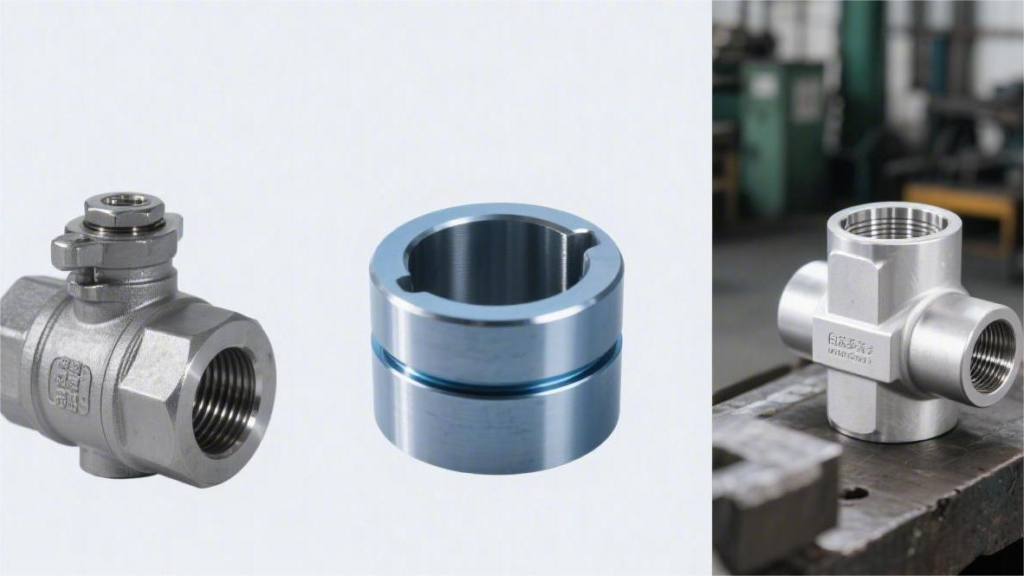
WC hardness HRC65–75, wear resistance best, suitable for containing >25% particle medium, lifespan improves 3 times but cost high about 20%; Stellite hardness HRC40–50, temperature resistance 800℃, anti-cavitation, cost-performance ratio medium; Ni-based alloy hardness HRC30–40, corrosion resistance excellent, cost low about 15%. Strong abrasion choose WC, comprehensive working condition choose Stellite, corrosion priority choose Ni-based. […]
Tungsten Carbide Coating or Stellite Overlay for API 6D Ball Valves | Selection by Temperature and Media
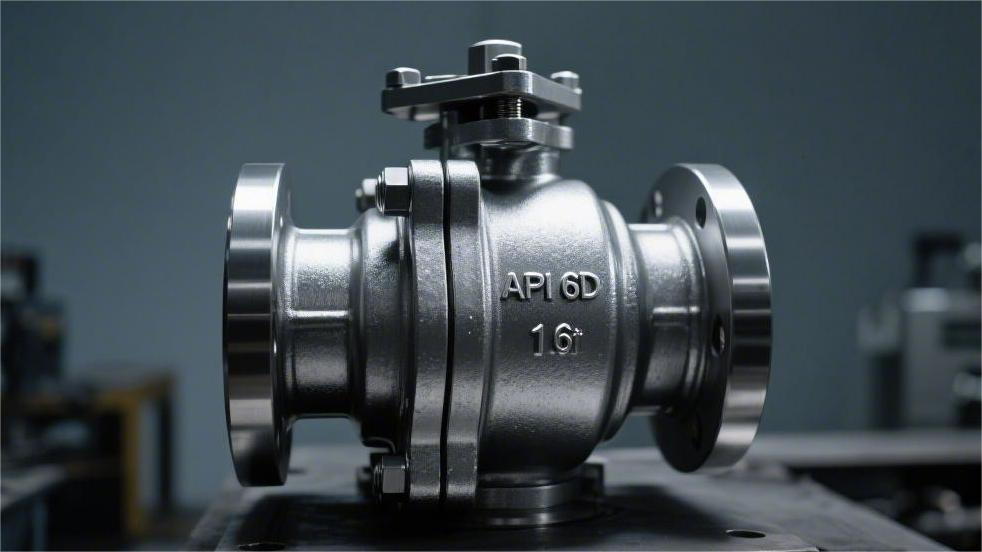
In API 6D ball valves: WC coating hardness reaches HRC65–75, suitable for containing 30–40% solid particles medium, wear resistance lifespan improves 3–5 times; but temperature resistance ≤500–600°C. Stellite surfacing welding hardness about HRC38–48, temperature resistance can reach 800°C, anti-erosion and cavitation better. High temperature/cavitation choose Stellite, strong abrasive medium choose WC. operating temperature -46°C – […]