Industrial Ball Valve Standards and Testing 丨 API 6D, API 598, Fire-Safe, and Material Certification Explained
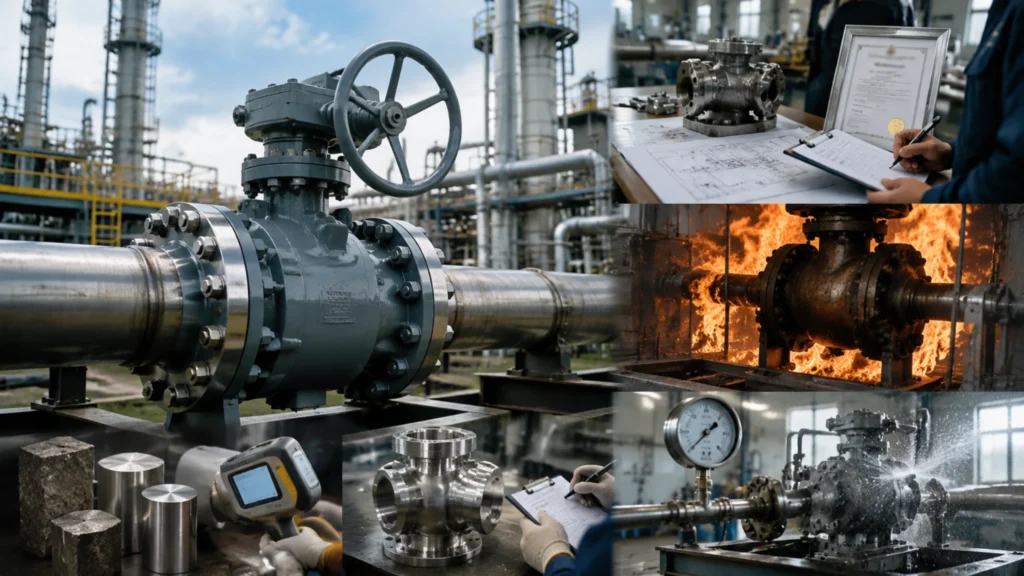
A quality manager at a valve distribution company once told me something that stuck: “We don’t sell valves. We sell the confidence that when you close the valve, the flow stops.” An industrial ball valve that doesn’t seal is not a valve. It’s a very expensive pipe fitting. The confidence that a ball valve will […]
How to Choose an Industrial Valve Manufacturer 丨 What Separates a Supplier From a Partner
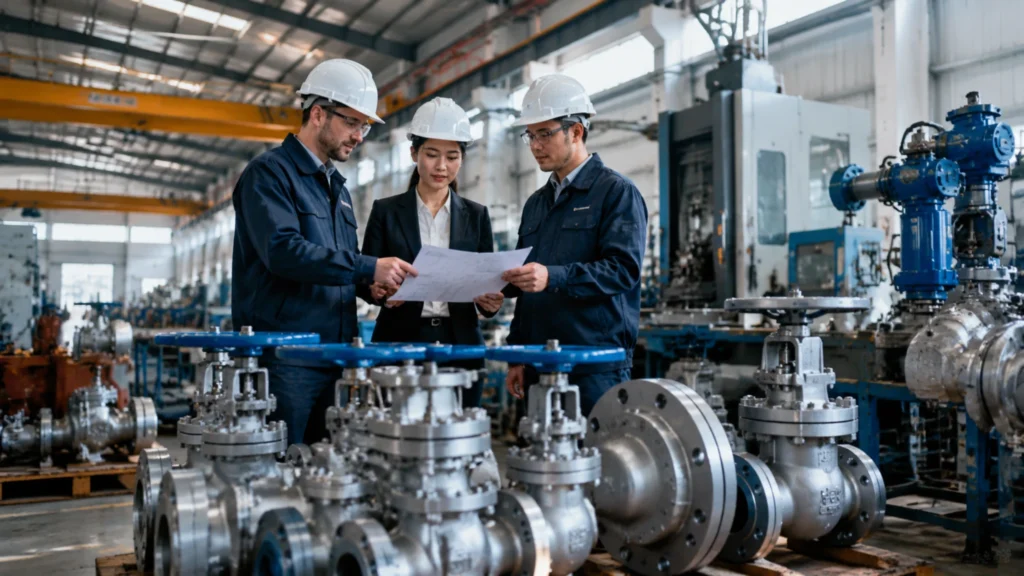
In 2017, a petrochemical plant in the Middle East ordered 300 valves for a new process unit. Gate, globe, check, and ball valves. Classes 150 through 900. Carbon steel and stainless. The procurement team sent the same RFQ to seven manufacturers, evaluated the quotes on price and lead time, and awarded to the lowest bidder. […]
How to Choose an Industrial Ball Valve 丨 What Actually Matters and What Nobody Tells You
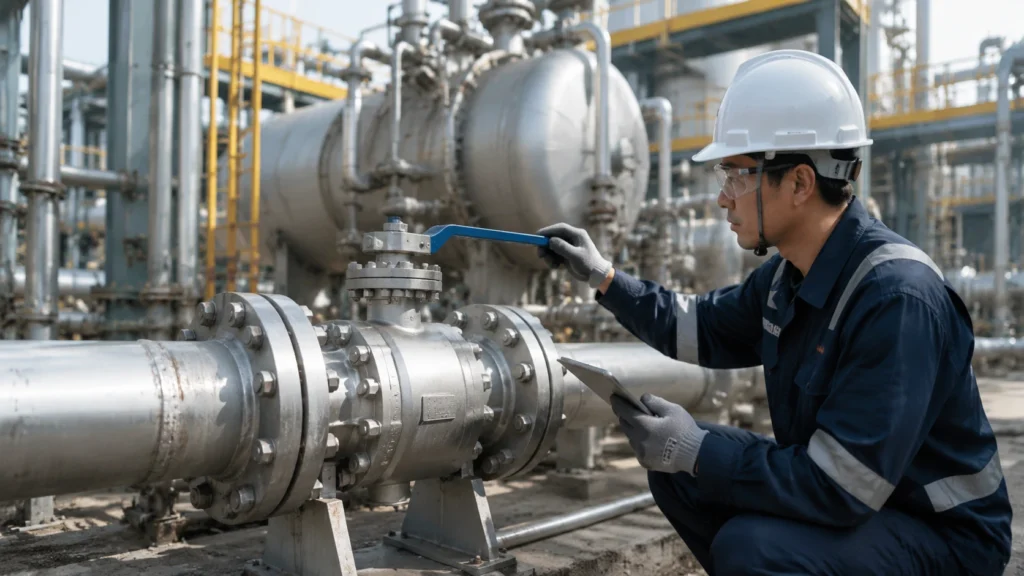
About eight years ago, a procurement manager at a refinery in Southeast Asia called me in a panic. They’d ordered twenty-four 8-inch Class 300 ball valves for a crude oil transfer line. The valves arrived on site, passed visual inspection, got bolted in, and the system was pressurized to 600 psi. Within 48 hours, three […]
How to Choose a Ball Valve Manufacturer 丨 What Separates the Good Ones From the Ones That Cost You Six Figures

About six years ago, a procurement director at an EPC firm in Dubai showed me two ball valve quotes for a gas processing project. Both valves were API 6D certified, Class 600, 12‑inch, A105 forged body, PEEK seats. One manufacturer quoted $4,200 per valve. The other quoted $2,850. The procurement guy was leaning toward the […]
How Forged Ball Valves Are Made 丨 The Forging Process, Material Grades, and Inspection That Guarantee Quality
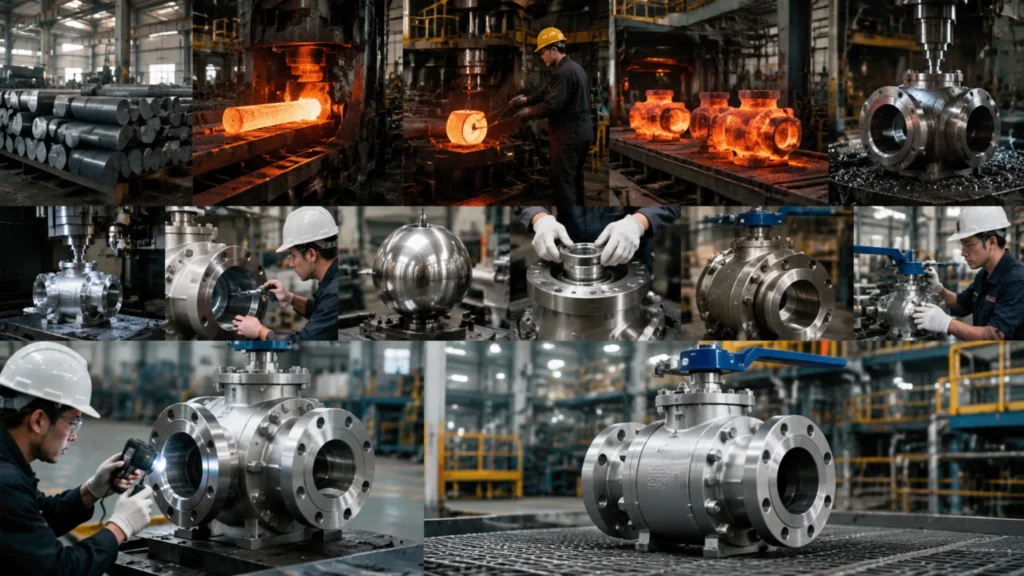
An engineer at a gas processing facility in Qatar once showed me the mill certificate for a batch of A105 forged valve bodies. The certificate listed the correct chemistry, the correct tensile strength, the correct heat number. Everything matched the purchase order. But when I picked up one of the valve bodies and looked at […]
How to Design a Valve Specification Sheet for Oil Refinery EPC Projects | Data Sheet Fields Explained
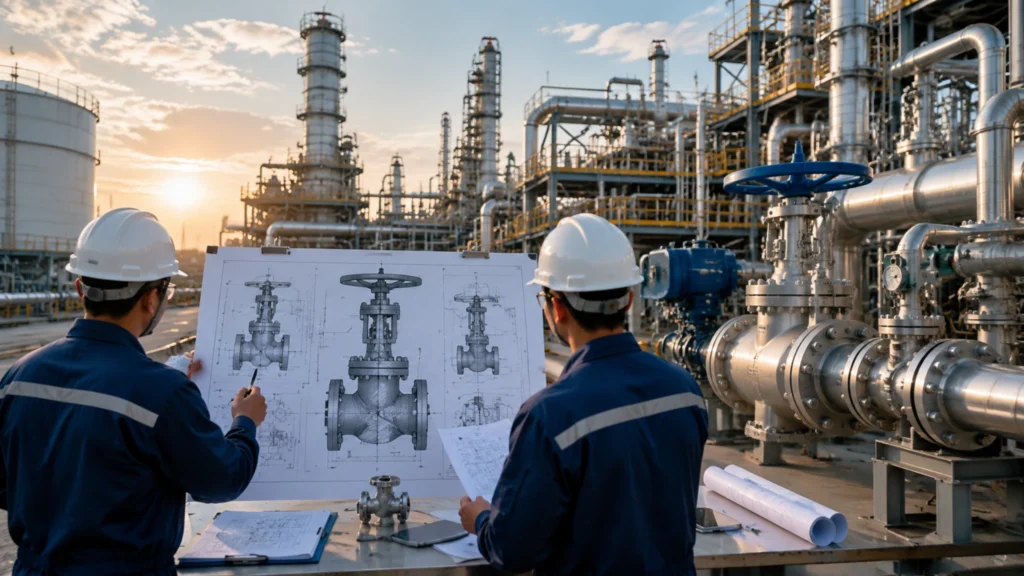
In petrochemical EPC projects, the valve data sheet serves as the critical technical bridge linking design, procurement, and construction. A complete data sheet must cover four major sections: project information, process parameters, valve body parameters, and special requirements. Any omission or error in these fields will propagate into procurement documents, leading to irreparable rework losses […]
How to Select Valve Materials for Chemical Plant Pipelines | Corrosion Resistance Guide for Acids and Alkalis
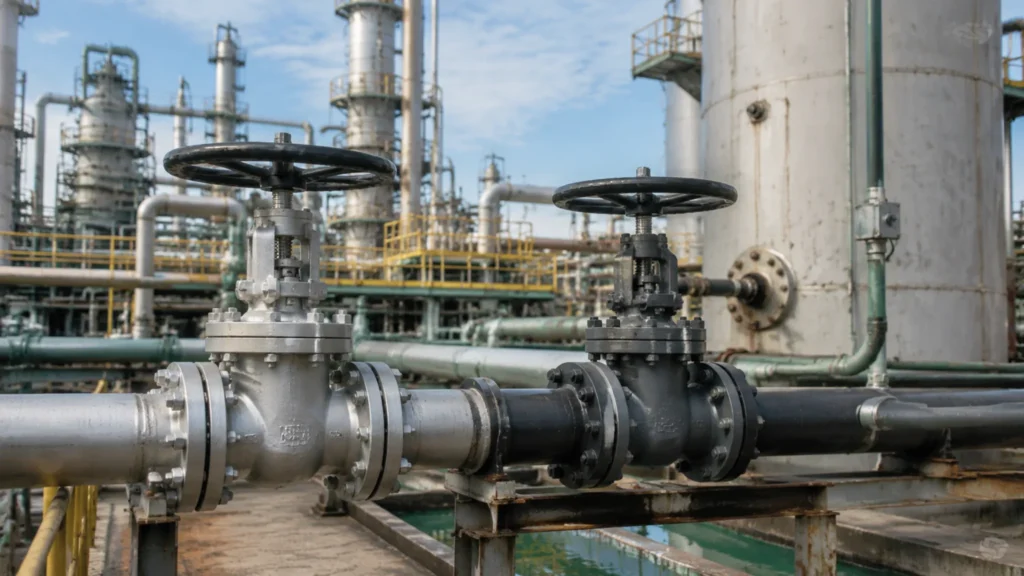
Valve material selection for chemical plant pipelines requires matching corrosion mechanisms with appropriate alloys. The survival of a material depends on acid type, concentration, temperature, and chloride content. Common Corrosive Media What Materials Handle Sulfuric Acid Corrosion engineers frequently encounter the ‘concentration reversal’ phenomenon in sulfuric acid service. What works at low concentration can fail […]
How to Choose a Cryogenic Ball Valve for LNG Applications | Extended Bonnet Design and Material Selection
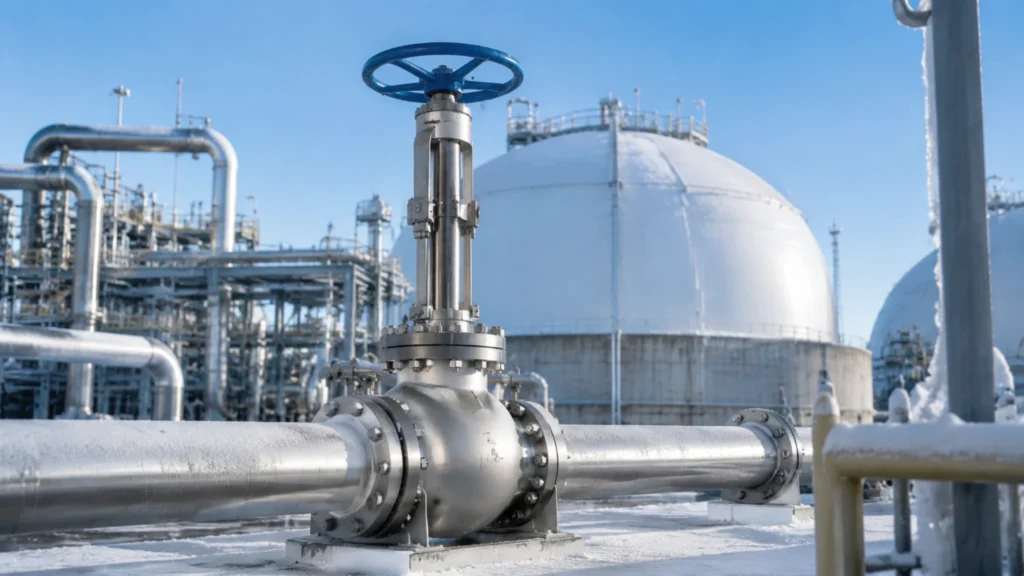
LNG (Liquefied Natural Gas) service imposes stringent low‑temperature requirements on valves: a storage temperature of −162 °C, with instantaneous minimums as low as −196 °C (cargo tank cooling process temperature). The core selection criteria are threefold: The valve body material must maintain sufficient toughness at cryogenic temperatures. An extended bonnet design must ensure the stuffing box remains […]
How to Perform a Factory Acceptance Test for API 6D Ball Valves | Full Witness Test Checklist
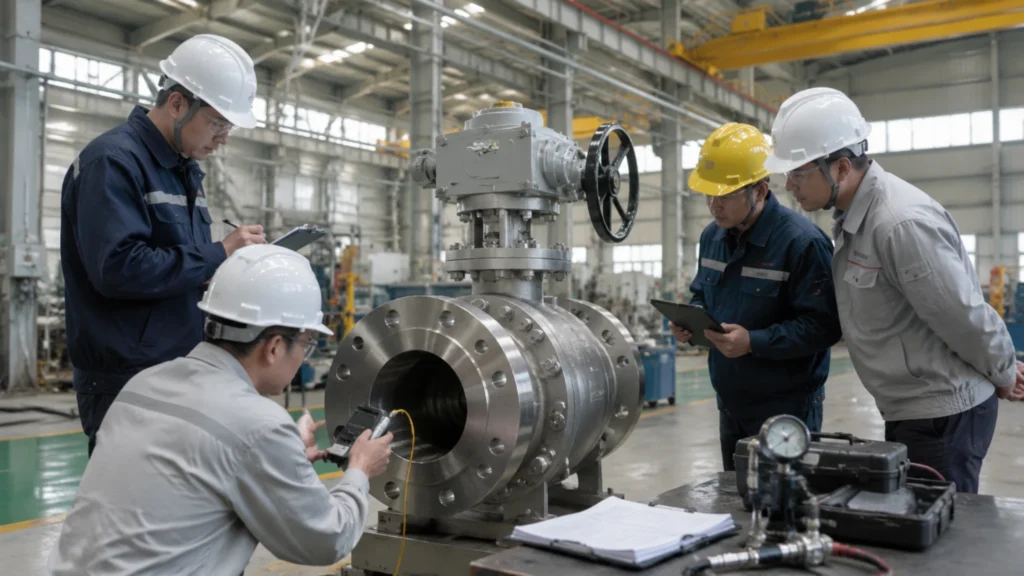
Factory Acceptance Test (FAT) is the final checkpoint for API 6D[1] ball valves from manufacturing to delivery, typically lasting 2–3 days. The purchaser witnesses a series of standardized tests (shell hydrostatic, seat seal, and operating torque – 3 major items) to confirm that the valve materials, performance, and dimensions fully comply with the order technical […]
How to Specify a Trunnion Mounted Ball Valve for Sour Gas Service | NACE MR0175 Material Requirements
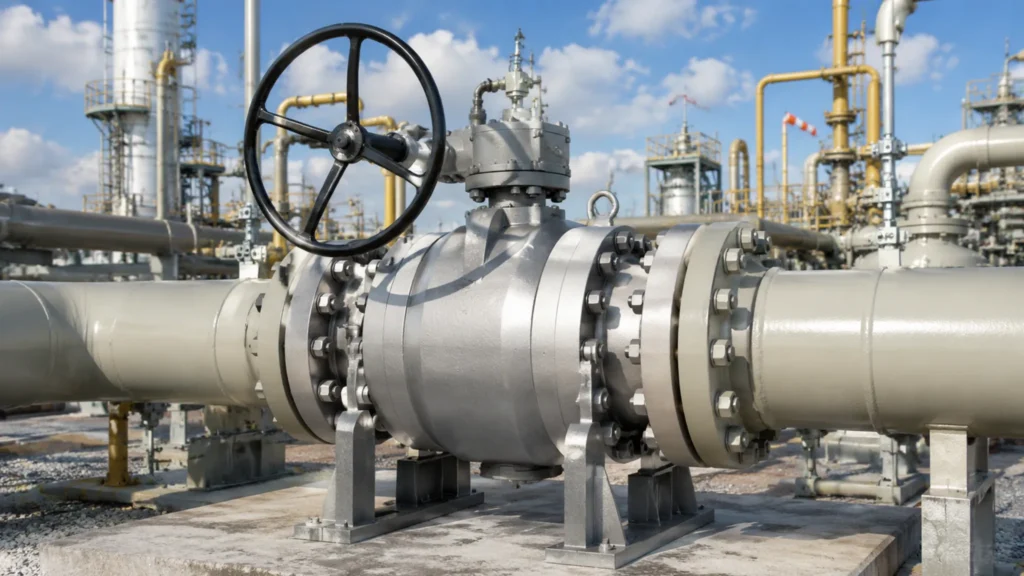
In sour service valve material selection, the standard divides materials into three groups: Group Scope of application Typical materials Group 1 Covers about 80% of normal service conditions Carbon steel, low‑alloy steel Group 2 For non‑welded castings Martensitic stainless steel, etc. Group 3 For nickel‑base alloys Inconel series, etc. The standard strictly prohibits the use […]