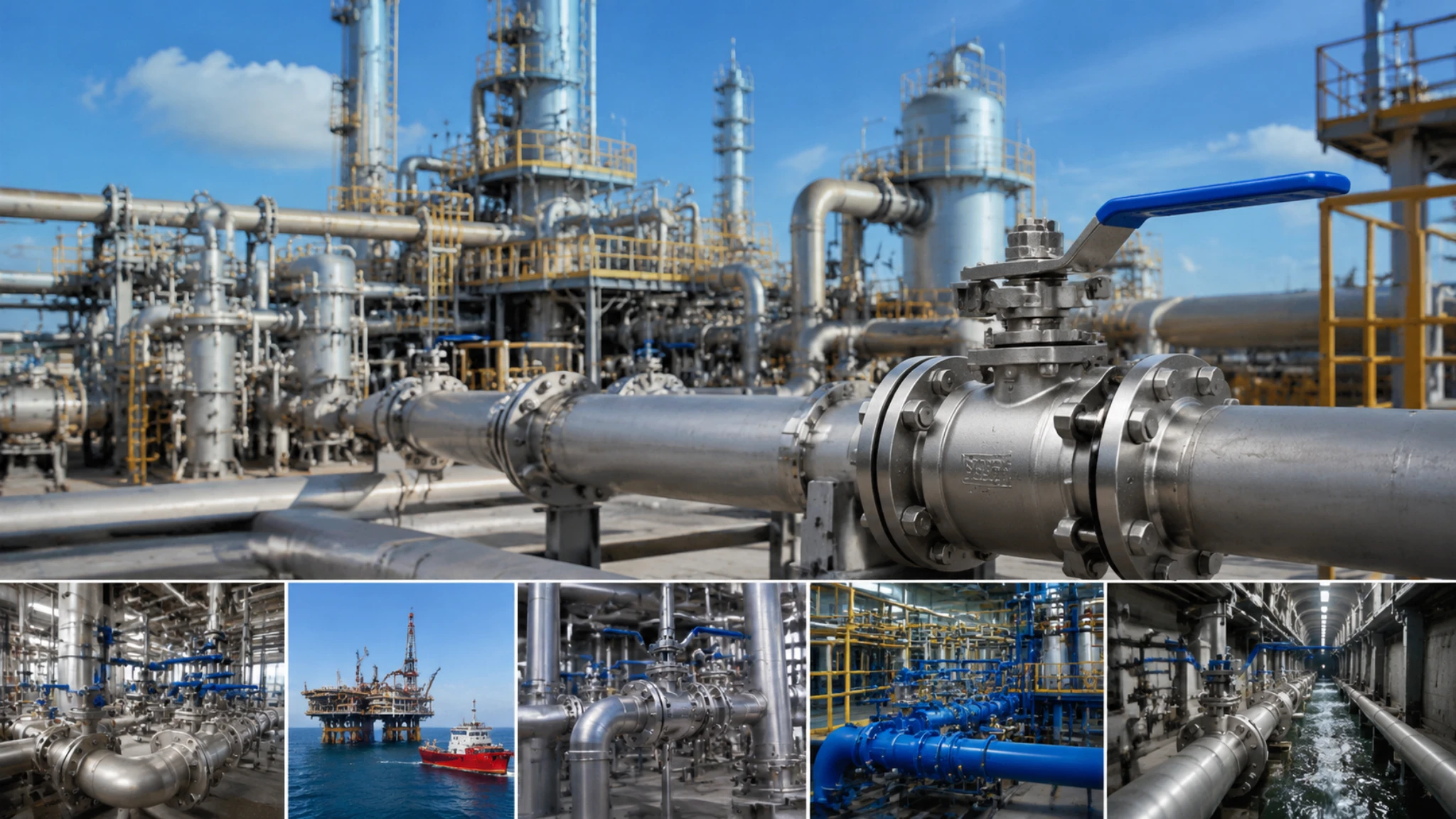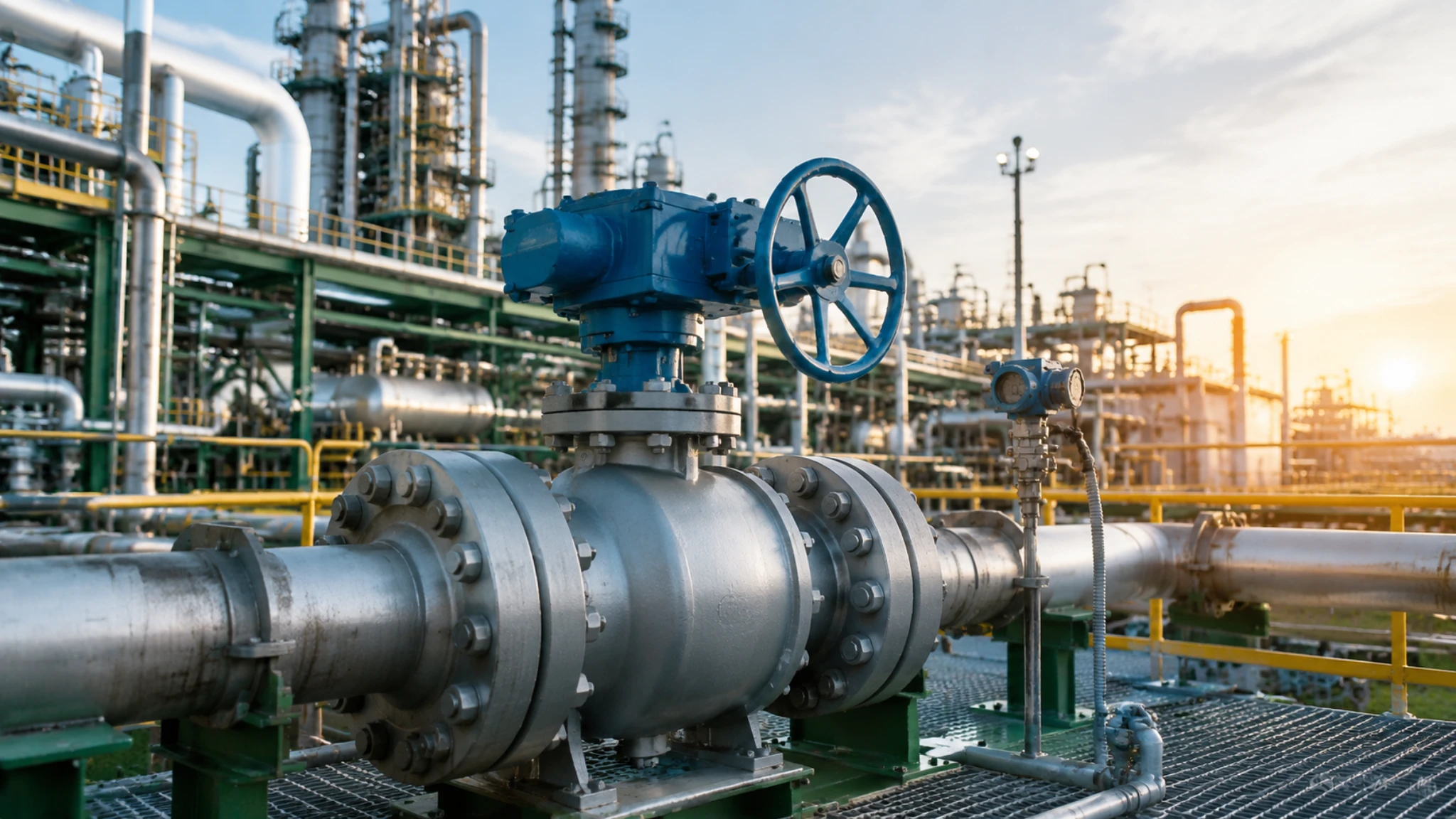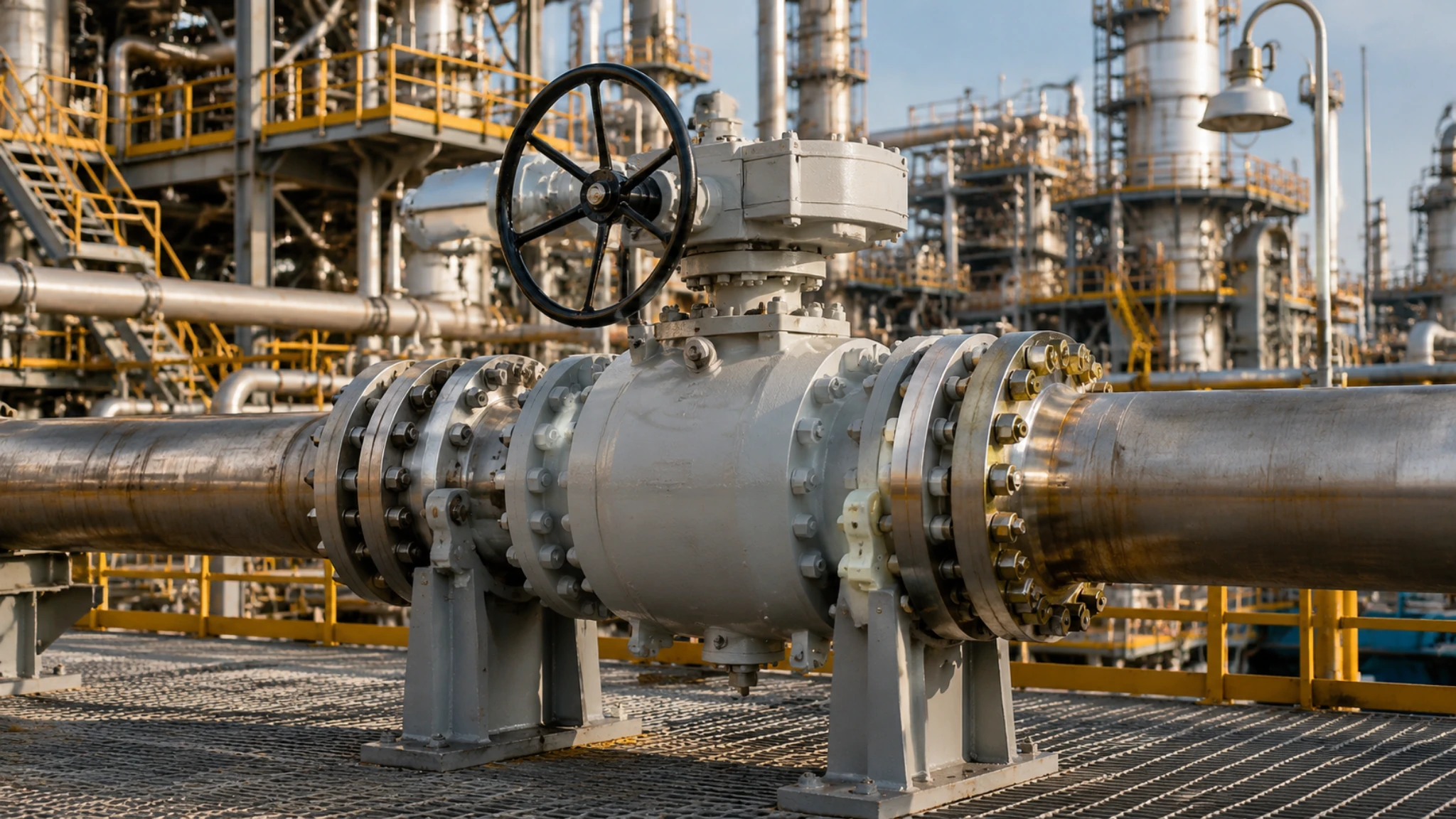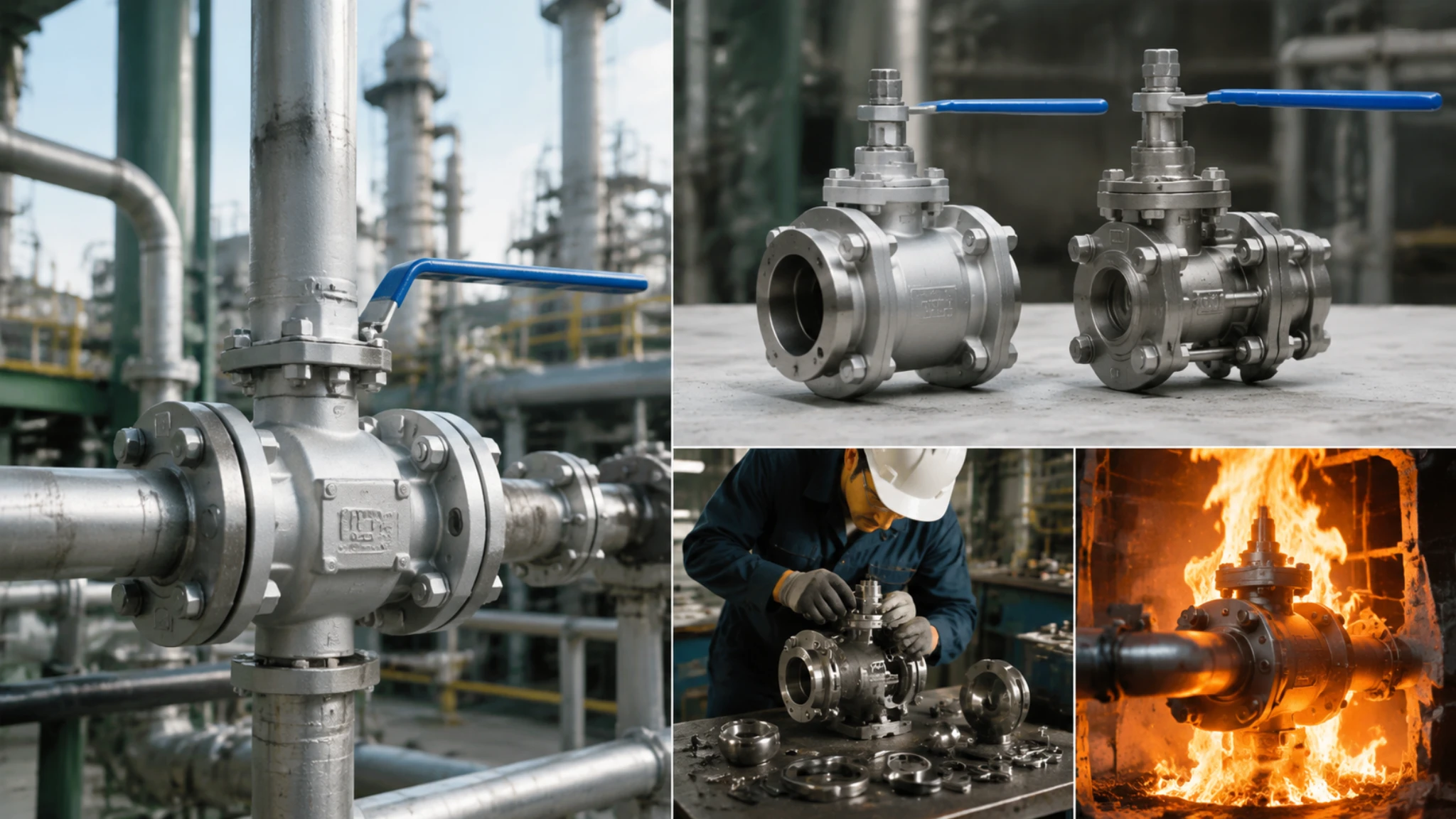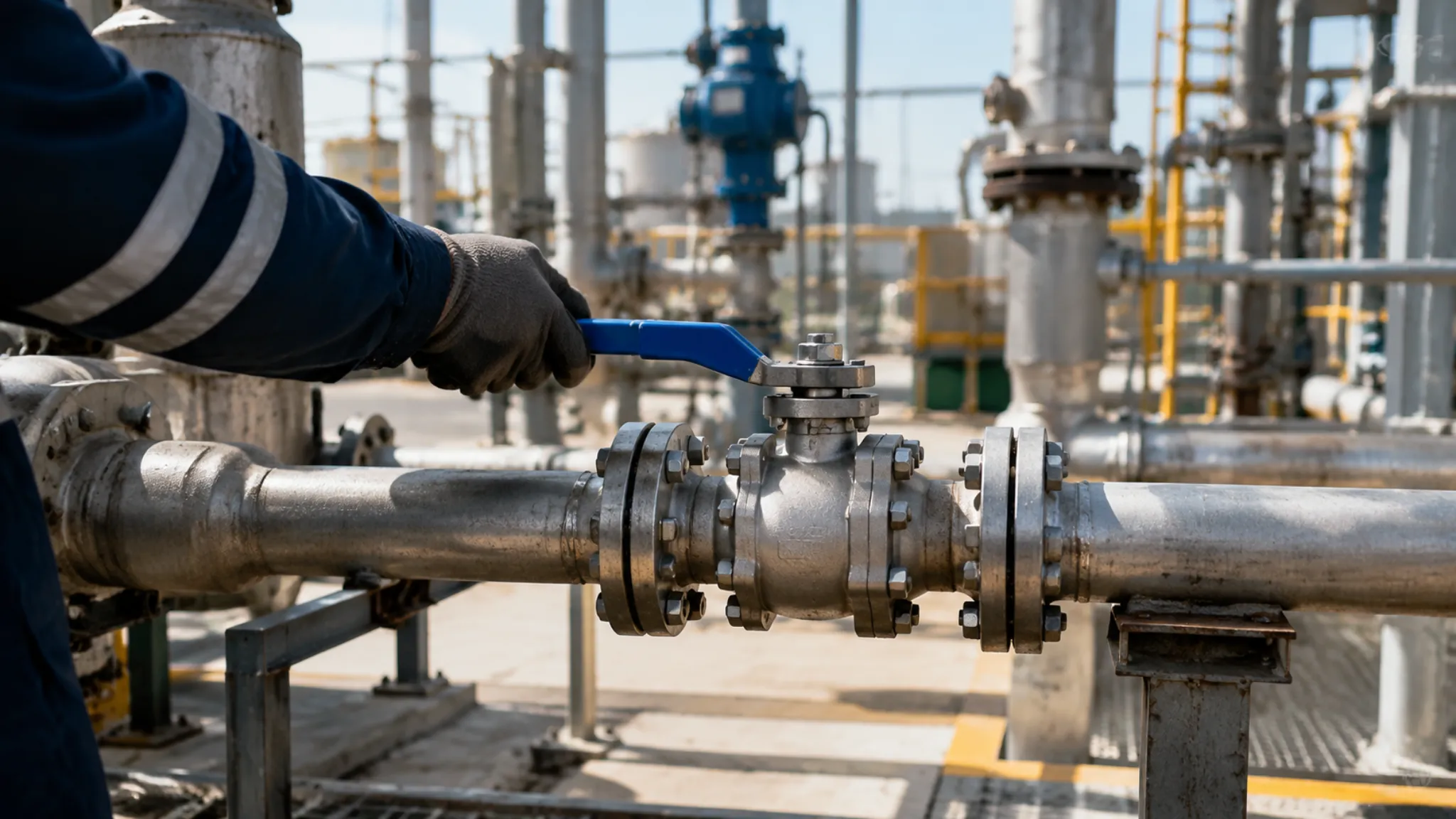
A pipeline operator in West Texas called me a few years ago about a smart pig that had gotten stuck. The pipeline was a 12‑inch crude oil line, Class 600, running about 40 miles between a gathering station and a central processing facility. The pigging operation was routine – they ran pigs every three months to clear paraffin buildup from the pipe wall.
This particular pig had made it about 22 miles and then stopped. The pressure upstream of the pig was climbing, and the pressure downstream was dropping, which meant the pig was stuck, not just slow. They spent two days trying to free it with pressure pulsing before they had to shut down the line and dig.
When they cut out the section of pipe where the pig had stopped, they found the problem: a reduced bore ball valve. The valve was 12‑inch flanged, Class 600, same as the pipe. But the ball opening was 10 inches instead of 12. The pig had entered the reduced opening, wedged itself into the 2‑inch diameter reduction, and locked solid.
The valve had been in the line for years and nobody knew it was reduced bore because the external dimensions and flange size were identical to the rest of the valves on the line. It had been installed before the pigging program started, when someone saved about 800 dollars per valve by specifying reduced bore instead of full bore. The cost of the shutdown, excavation, pipe cutting, valve replacement, and two days of lost production: about 340,000 dollars.
Full bore ball valves exist for one reason: to eliminate the diameter change inside the valve that creates a restriction, a pressure drop, and an obstacle to anything that needs to pass through the pipeline. The full bore design makes the ball opening match the pipe’s internal diameter exactly, so there’s no step change in cross‑section at the valve. For some applications, this is a convenience. For others, it’s a hard operational requirement that determines whether the pipeline can function as designed. Here’s when you need it, when you don’t, and what you’re paying for either way.
What full bore actually means
A full bore ball valve has a ball port diameter that matches the internal diameter of the connecting pipe. For a 12‑inch Schedule 80 pipe with an ID of 11.75 inches, a full bore valve has a ball opening of 11.75 inches, give or take a small tolerance. The API 6D tolerance for full bore valves is that the ball port diameter shall be not less than the specified minimum bore, which for most pipeline valves is the pipe ID minus a small manufacturing allowance.
A reduced bore ball valve has a ball port one or two pipe sizes smaller than the connection size. A 12‑inch reduced bore valve typically has a 10‑inch ball opening. The external dimensions and flange size are the same as the full bore version. From the outside, the valves look identical. The only way to tell the difference without disassembling the valve is to measure the bore with a caliper through the end connection, or to check the manufacturer’s datasheet. Full bore forged ball valves are specified by the bore diameter as well as the connection size precisely because reduced bore valves can hide in plain sight.
The full bore design adds cost, weight, and in some cases stem torque. The ball is physically larger because the bore is larger. A 12‑inch full bore ball is about 30% heavier than a 12‑inch reduced bore ball of the same material. The larger ball requires a larger body cavity, which means more metal in the body. The larger ball also has a higher moment of inertia, which increases the stem torque slightly.
| Property | Full bore vs. reduced bore (12‑inch) |
|---|---|
| Cost | 15–25% more |
| Weight | 15–20% more |
| Ball weight increase | ~30% heavier |
But the full bore eliminates two problems that the cost saving of reduced bore creates: the permanent pressure drop across the valve, and the inability to pass pipeline inspection tools through the line. The value of those two things depends entirely on the application.
Pigging: the application that makes full bore non‑negotiable
Pipeline pigging is the single biggest driver of full bore ball valve specification. A pig – a Pipeline Inspection Gauge – is a device that travels through the pipeline to clean the pipe wall, remove accumulated deposits, separate different products in a multi‑product pipeline, or inspect the pipe condition with sensors. Pigs are sized to fit the pipe ID with a slight interference fit so they scrape the wall effectively. When a pig encounters a reduced bore valve, the diameter reduction wedges the pig in the valve, and the line stops.
There are three types of pigging operations that require full bore valves:
- Cleaning pigs – remove wax, scale, and debris from the pipe wall. They have wire brushes or scraper blades that engage the pipe ID with significant force. A cleaning pig that hits a 2‑inch diameter reduction at 10 ft/s is going to stop hard, and it’s not going to free itself with pressure pulsing.
- Batching pigs – separate different products in a multi‑product pipeline (crude oil followed by diesel, for example). These pigs are typically foam or cup‑type designs that form a tight seal against the pipe wall. A batching pig that loses its seal at a reduced bore valve allows product mixing, which can ruin an entire batch.
- Intelligent pigs – carry inspection sensors (magnetic flux leakage, ultrasonic, or caliper tools) that measure the pipe wall thickness and detect corrosion and cracks. An intelligent pig that encounters a reduced bore valve can damage its sensor array on the abrupt diameter change, destroying an inspection tool that costs 50,000 to 200,000 dollars. API 6D full bore ball valves for pipeline service are mandatory on any line that operates a pigging program.
The rule for pigging is simple: every valve on a piggable pipeline must be full bore, and the transition from the pipe ID to the valve bore must be smooth with no abrupt steps or projections that could damage the pig. This means the bore alignment between the valve and the pipe is as important as the bore diameter. A full bore valve that’s misaligned with the pipe by 3 mm can catch a pig just as effectively as a reduced bore valve.
Pressure drop: when it matters and when it doesn’t
Every valve creates a pressure drop. A fully open full bore ball valve creates essentially no pressure drop because the flow path is a straight cylinder with the same diameter as the pipe. A reduced bore valve creates a pressure drop because the flow accelerates through the smaller opening and then decelerates as it expands back into the pipe, and the expansion loses energy to turbulence.
The pressure drop across a reduced bore valve depends on the flow rate, the fluid properties, and the bore reduction ratio. For a 12‑inch reduced bore valve with a 10‑inch ball opening carrying crude oil at 10 ft/s, the pressure drop is roughly 0.5 to 1.0 psi. For gas at 30 ft/s, the pressure drop can be 2 to 5 psi. These numbers sound small. Over the course of a 40‑mile pipeline with a dozen valves, the cumulative pressure drop from reduced bore valves can be 10 to 30 psi. That’s 10 to 30 psi of additional pumping power required at the upstream station, 24 hours a day, 365 days a year.
At an electricity cost of 8 cents per kilowatt‑hour, each additional psi of pressure drop on a large pipeline translates to roughly 5,000 to 15,000 dollars per year in additional pumping costs, depending on the flow rate. Over a 30‑year pipeline life, the energy cost of reduced bore valves can exceed the valve cost savings by an order of magnitude.
For short piping runs in process plants, the pressure drop from reduced bore valves is negligible. A 50‑foot pipe run with one reduced bore valve might lose 1 psi total, and nobody cares. In a process plant, the maintainability and cost advantages of reduced bore valves in utility and secondary process lines usually outweigh the minor pressure drop. Full bore vs reduced bore pressure drop calculations should be evaluated on long pipelines and high‑velocity gas lines, not on short process piping where the valve is a small fraction of the total system pressure loss.
When full bore doesn’t matter
For the majority of industrial process valves, full bore is an unnecessary cost. These services don’t need full bore because there’s no pig to pass through and the pressure drop across a single reduced bore valve in a short pipe run is too small to matter. Examples include:
- Utility water lines
- Instrument air
- Nitrogen purge
- Lube oil
- Fuel gas to burners
- Steam condensate
The cost saving from reduced bore adds up when you’re buying hundreds of valves for a new plant. A 4‑inch Class 300 reduced bore ball valve costs about 15–20% less than the full bore version. On a project with 200 valves of that size, the saving is 30,000 to 40,000 dollars. That’s real money that can go toward upgrading the critical service valves that actually need full bore. The key is knowing which valves are on piggable lines, which are on high‑velocity gas lines where pressure drop matters, and which are on utility services where reduced bore makes zero difference to the plant’s operation.
The problem I see most often is blanket specifications. An engineering firm writes “all ball valves shall be full bore” into the project specification without analyzing which lines need it and which don’t. The client pays for full bore on 400 valves, maybe 40 of which are on piggable lines or high‑velocity gas service. The other 360 are just expensive utility valves that perform identically to reduced bore. A properly written specification identifies the lines that require full bore and applies the requirement selectively.
Full bore and the stem torque tradeoff
Full bore floating ball valves have higher stem torque than reduced bore valves of the same connection size because the larger ball has more surface area for the line pressure to act on. A 6‑inch Class 300 full bore floating valve at 600 psi has about 17,000 pounds of force on the ball. A 6‑inch Class 300 reduced bore floating valve with a 4‑inch ball opening has about 11,000 pounds of force on the ball under the same conditions. The full bore version needs about 50% more stem torque to operate. This can push a valve that would have been manually operable with a lever handle into gear‑operator territory, adding cost and installation complexity.
| Valve type (6‑inch Class 300 floating) | Force on ball at 600 psi | Stem torque increase |
|---|---|---|
| Full bore | ~17,000 lb | ~50% more |
| Reduced bore (4‑inch ball) | ~11,000 lb | baseline |
For trunnion mounted valves, the torque difference between full bore and reduced bore is smaller because the trunnion bearings take the pressure load off the ball regardless of the ball diameter. The torque increase from a larger ball is primarily from the increased ball inertia and slightly higher seat friction from the larger sealing circumference. A 12‑inch Class 600 trunnion full bore valve might need 10–15% more operating torque than the reduced bore version, which is easily absorbed by the gear operator’s design margin.
This is another reason why trunnion designs dominate above 6 inches. A full bore floating valve above 6 inches requires so much stem torque that it’s impractical to operate manually, while a full bore trunnion valve of the same size operates comfortably with a standard gear operator. The trunnion design makes full bore practical at sizes where the floating design would need a custom‑built gearbox that costs more than the valve. Trunnion mounted full bore ball valves are the mechanism that makes large‑diameter piggable pipelines possible.
Full bore and the venturi effect in gas service
Full bore valves in gas transmission pipelines have a particular advantage that doesn’t show up on the datasheet: they eliminate the venturi effect that reduced bore valves create in high‑velocity gas flow.
When gas flows through a reduced bore valve, it accelerates through the smaller opening and its pressure drops. If the gas contains water vapor or hydrocarbons that can condense, the pressure drop at the reduced bore can drop the gas temperature below its dew point, causing liquid dropout. The liquid collects in the valve cavity and can cause hydrate formation in cold ambient conditions or corrosion over time. A full bore valve eliminates the pressure drop and the associated temperature drop, preventing the condensation that causes these problems.
For natural gas pipelines operating near the hydrocarbon dew point, full bore valves are often specified specifically to prevent liquid dropout at valves. The cost of a full bore valve is negligible compared to the cost of hydrate remediation or internal corrosion repair on a large‑diameter gas transmission line. Pipeline operators who’ve experienced hydrate plugs at reduced bore valves don’t need to be convinced of the value of full bore. They’ve already paid for the lesson.
Measuring to be sure
The pipeline operator in West Texas who had the stuck pig now has a simple procedure: every valve on a piggable line gets its bore measured with a caliper during installation, and the measurement is recorded in the valve asset register. The measurement takes about 30 seconds. It’s caught two more reduced bore valves that were supposed to be full bore in the years since. One was a supplier error. One was a warehouse picking error where a reduced bore valve was pulled from stock instead of the full bore valve that was ordered. Both would have caused pigging failures if they’d been installed without the bore check.
The 30‑second bore measurement during installation is the cheapest insurance against the 340,000‑dollar pigging failure. The measurement doesn’t require any special equipment or training. A caliper, a flashlight, and a valve asset register with a column for “bore measured: full/reduced.” That’s it.
The 800 dollars saved by specifying reduced bore on a piggable line disappears into the noise compared to the cost of the shutdown when the pig gets stuck. Measure the bore. It’s too cheap not to.