
API 6D Ball Valve Maintenance Guide | Common Issues, Spare Parts, Troubleshooting
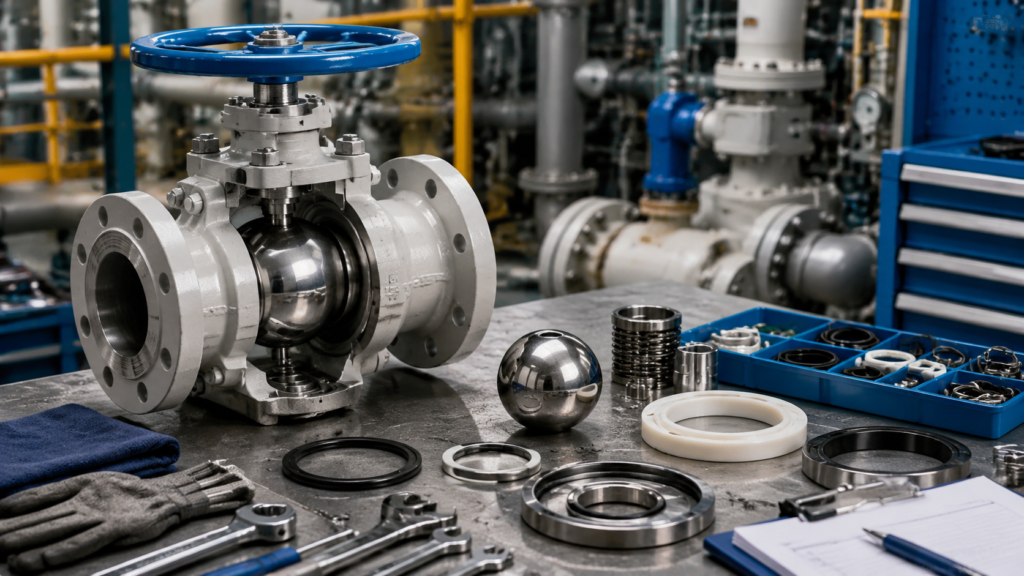
According to FCI (Fluids Control Institute), 34% of ball valve failures stem from improper installation or maintenance rather than manufacturing defects. I once saw a NPS 12 ball valve at a natural gas processing plant develop body flange leakage due to uneven bolt preload — we replaced the gasket and restored operation within 2 hours. […]
API 6D Ball Valve for Oil & Gas | Pipeline, Refinery, High-Pressure Service
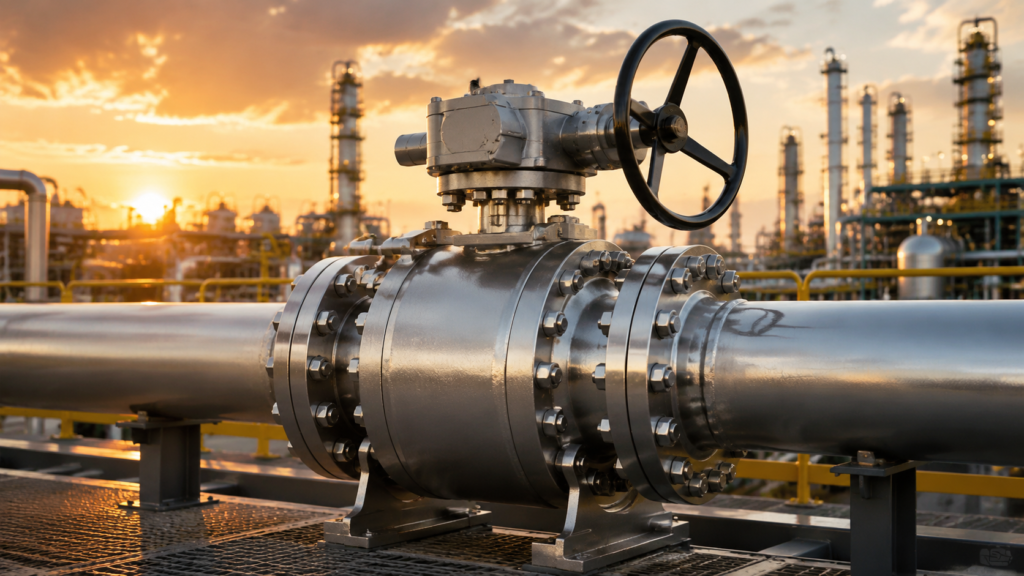
Global oil and gas long-distance pipelines exceed 1.3 million kilometers, refinery daily throughput exceeds 100,000 barrels, and API 6D ball valves serve as the “pipeline heart” in these systems—fully open when needed, completely shut when required. Per TransCanada’s 2018 Pipeline Safety Report, API 6D ball valves average 8 years of failure-free operation, far exceeding the […]
API 6D Ball Valve Specifications | Pressure Rating, End Connection, Material
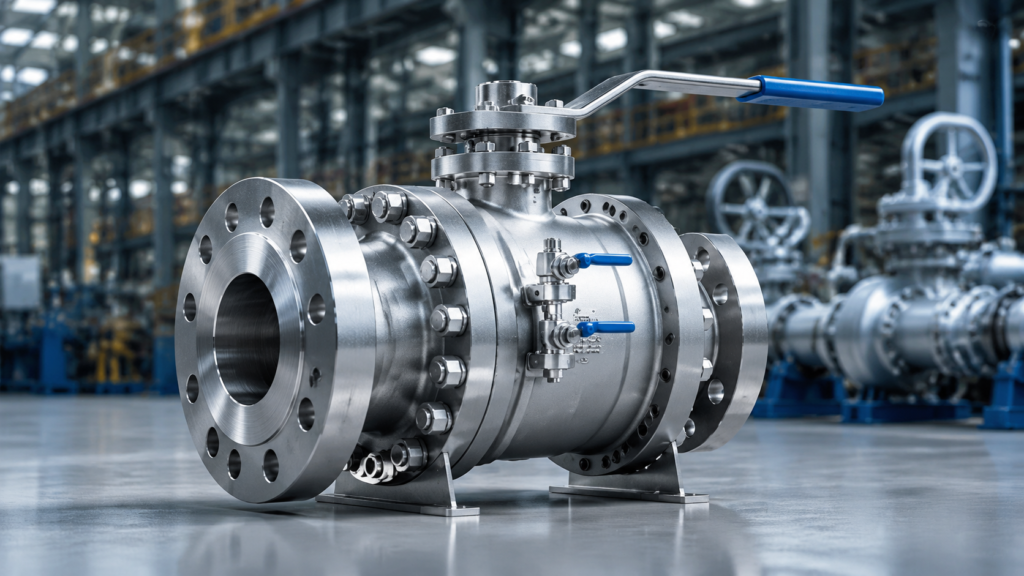
API 6D, published by the American Petroleum Institute, covers the full range of ball valves from NPS 2 to NPS 48 in design, manufacture, and testing. The 2015 revision (also adopted as ISO 14313:2015) introduced mandatory Dual Block and Bleed (DBB) and Dual Isolation and Bleed (DIB) requirements, and comprehensively revised P-T ratings for Class […]
API 6D Ball Valve Manufacturer | Class 150-1500, DBB/DIB, Export Quality
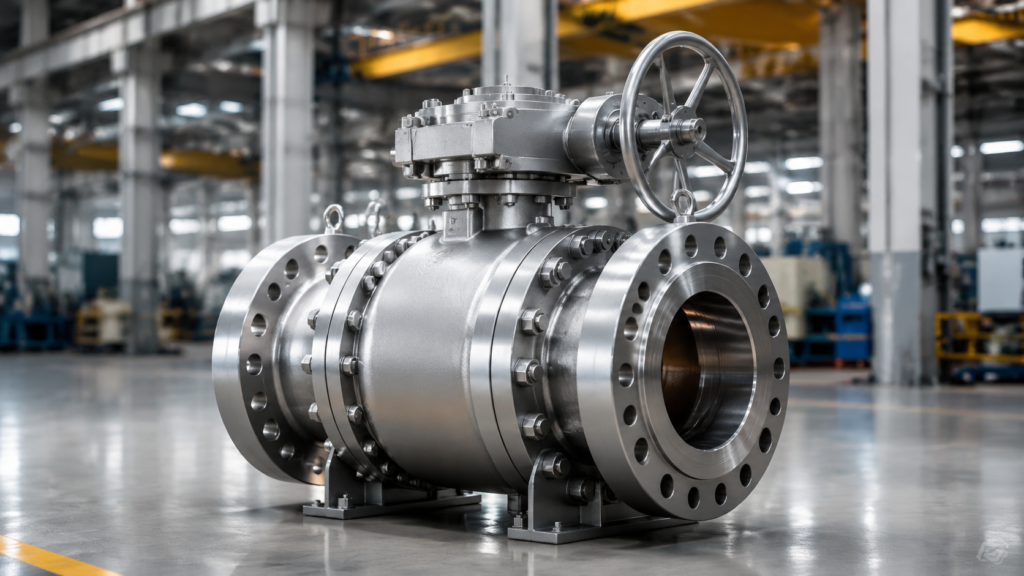
China’s valve exports reached USD 4.7 billion in 2025, with API 6D ball valves accounting for 38% of oil and gas valve export value. In 2024 I helped a Zhejiang valve manufacturer obtain API 6D certification and enter the Middle East market; the first order of 240 units of 16″ Class 600 ball valves cleared […]
What is an API 6D Ball Valve? | Trunnion Mounted, Full Port Design, Applications
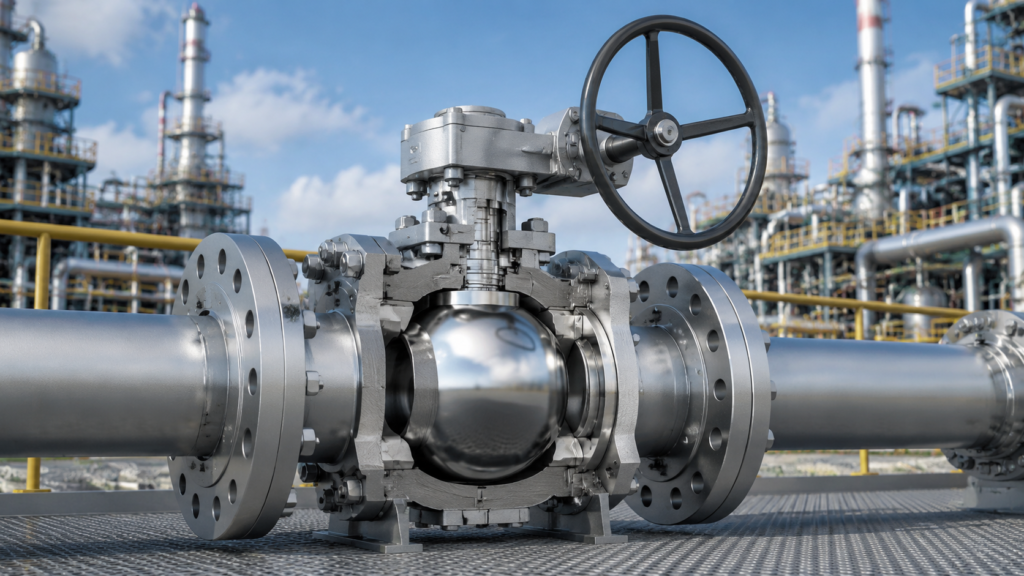
In 2024 I worked on a Southeast Asian gas pipeline project where the client required all valves to be API 6D certified. The original plan was to use floating ball valves, but the end client rejected them — the compressor station 2 km away maintains a working pressure above 40 bar year-round, and under these […]
Industrial API 6D Ball Valves | Oil & Gas, Fire-Safe, Full Bore Specs
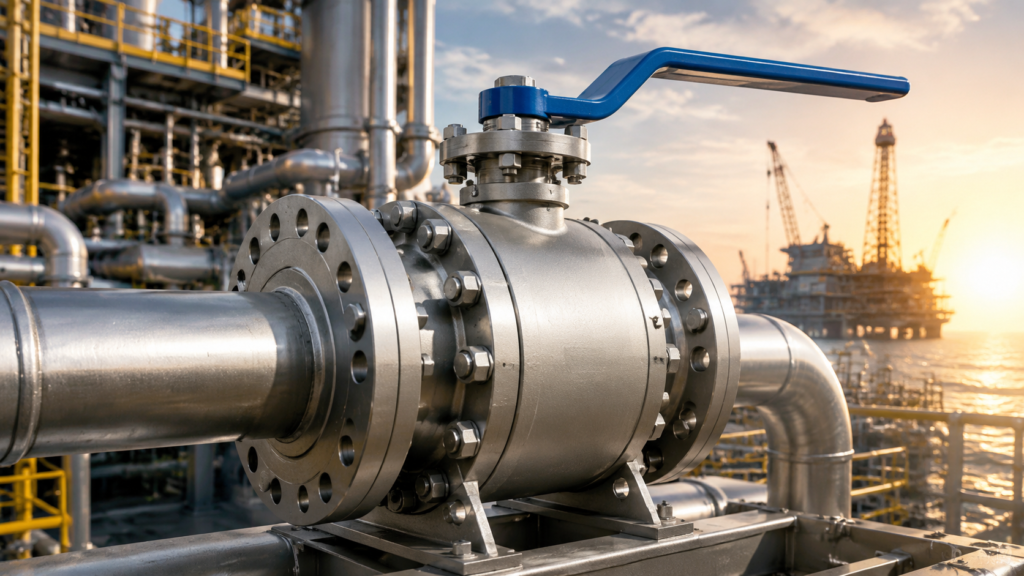
In 2019, a pipeline fire caused by ball valve seal failure at Enterprise Products resulted in approximately $2.3 million in losses. API 6D ball valves are safety-critical components in petroleum refining, long-distance natural gas transmission, and large-scale chemical plants—correct selection directly determines facility safety and economic performance. Key Safety Standards API 6D Compliance API […]
What is an API 6D Ball Valve | Pipeline Applications, Full Bore, Pigging Operations
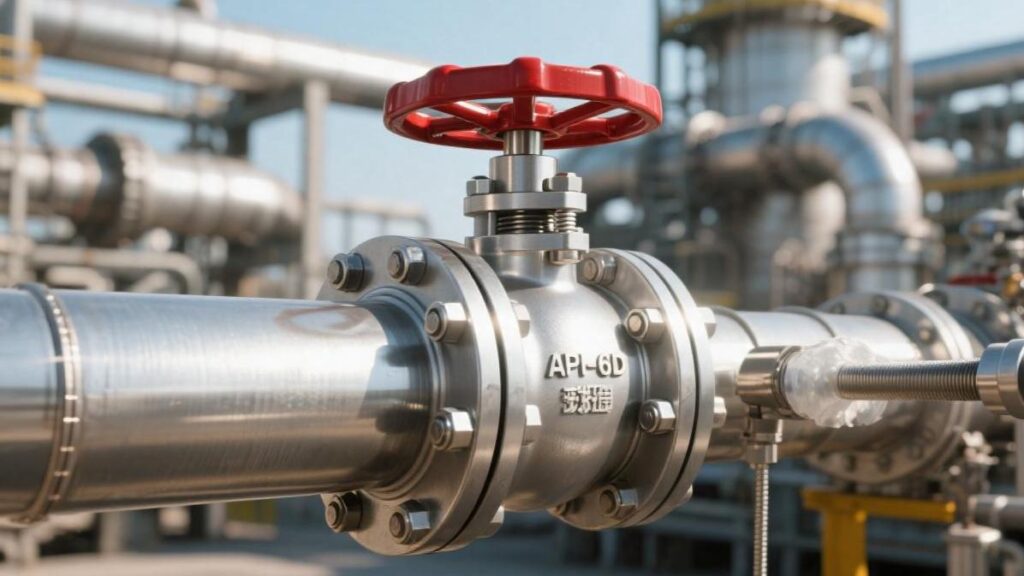
API 6D ball valves are pipeline valves designed according to the API 6D standard, mostly featuring a full-bore structure (bore diameter ≥ 95% of the pipe’s internal diameter), and are suitable for long-distance oil and gas pipelines. Their sealing grade can reach ANSI Class 600 or above, supporting bidirectional sealing and emergency sealant injection. Commonly […]
API Certified Ball Valve Manufacturers | ISO 9001, CE Marking, Testing Reports
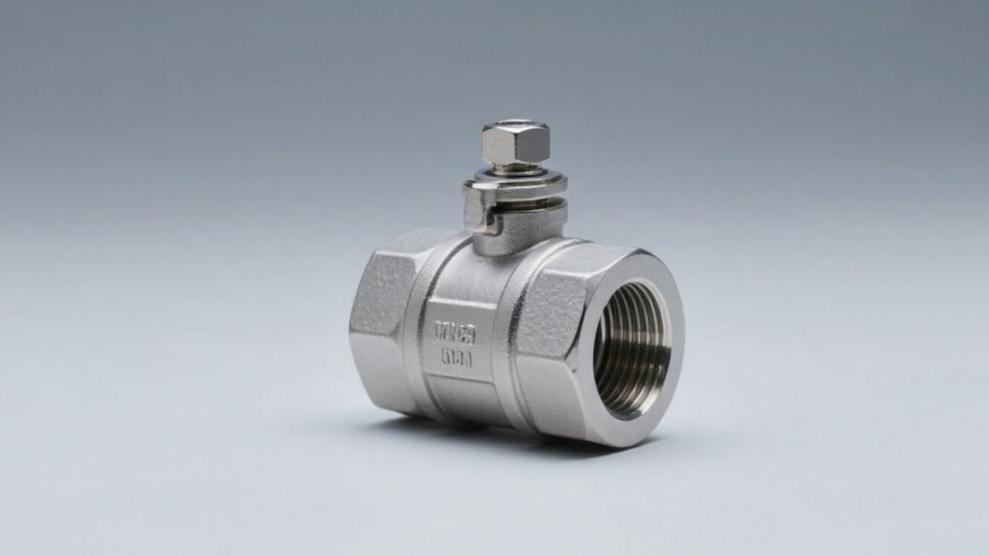
Choosing API certified ball valve manufacturers should verify their ISO 9001 certificate number, CE declaration of conformity and third-party testing reports (such as API 6D testing). Focus on confirming pressure rating (such as Class 150-2500), leakage rate ≤ 0.01%, opening and closing life ≥ 10,000 times, and require provision of material reports and factory pressure […]
Top Ball Valve Manufacturers Guide | Factory Audit, API 6D Standards, Quality Control
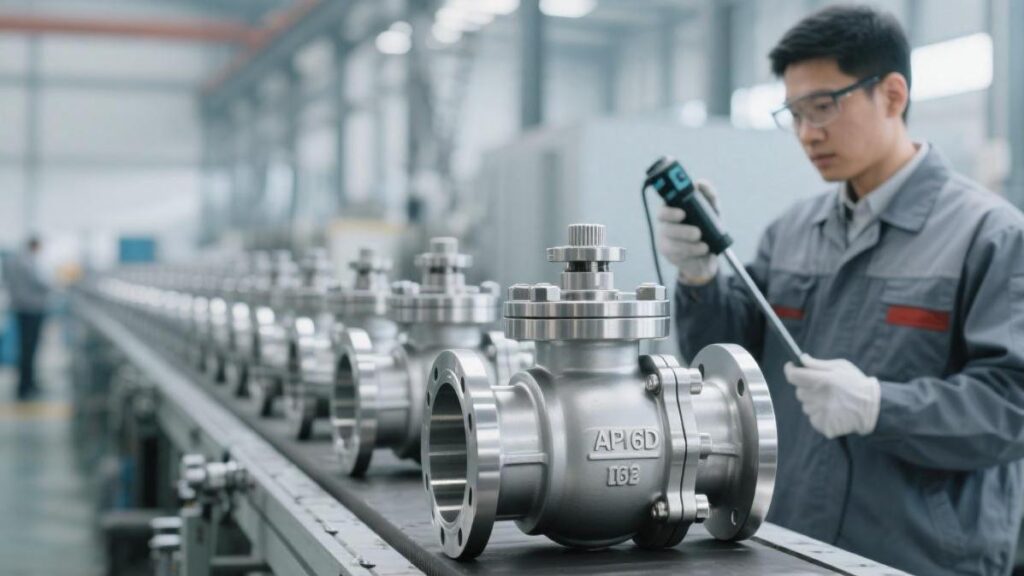
Selecting ball valve manufacturers needs to audit API 6D certification, ISO 9001 system, focus on checking valve body material (such as ASTM A105), pressure rating (Class 150-2500) and sealing test (100% pneumatic/hydrostatic test). The factory should possess CNC machining precision ±0.01mm, and provide third-party inspection reports (such as SGS). Factory Audit Qualification Verification Open the […]
China Floating Ball Valve Manufacturer | ISO 9001 Factory, Audit Welcome, Strict QC
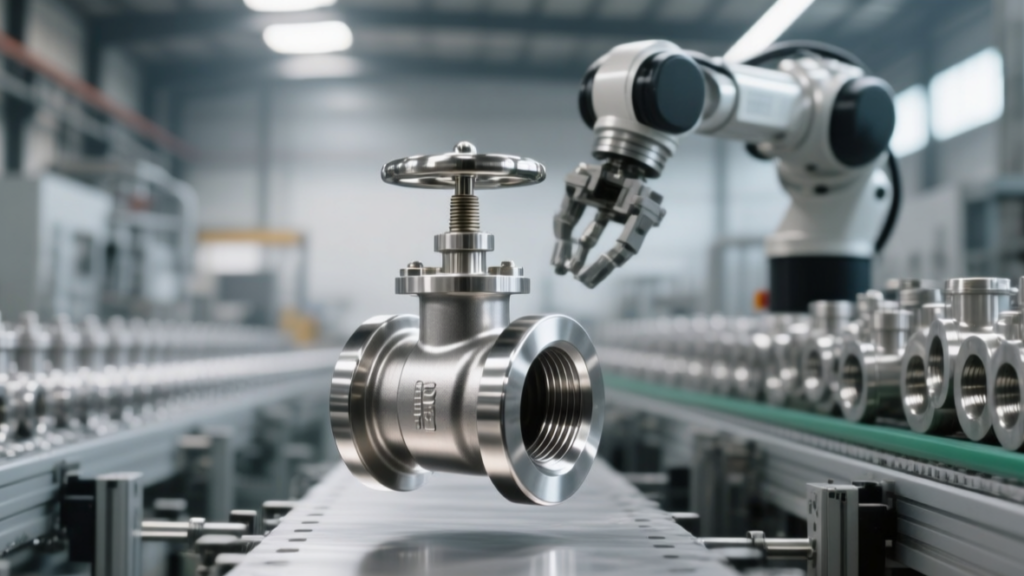
As ISO 9001 certified factory, we focus manufacturing floating ball valves. Specifications DN15-DN300, pressure 150-600LB. Every unit through “2 times strength + 3 times sealing” strict QC, ensure 100% zero leakage. Adopting anti-static structure, operating torque compared to peers reduced 15%, support on-site factory inspection, is your high-end choice. ISO 9001 Factory Raw Material Entry […]