
How to Choose a Floating Ball Valve | Flow Coefficient (Cv), Media Compatibility, Seat Materials
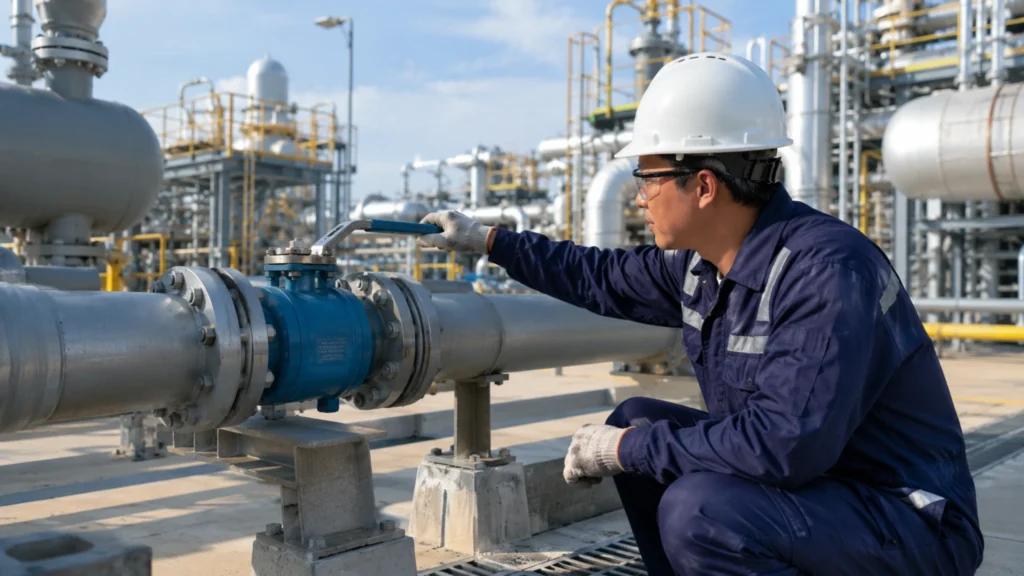
Floating ball valves are among the most widely used valve types in industrial fluid control systems, serving applications across oil and gas, power generation, chemical processing, and pulp and paper industries. Unlike trunnion-mounted ball valves where the ball is mechanically fixed in position, a floating ball valve’s ball sits freely and is pressed against the […]
Floating Ball Valve Selection Guide | Working Principle, Pressure Rating, API 6D Standard
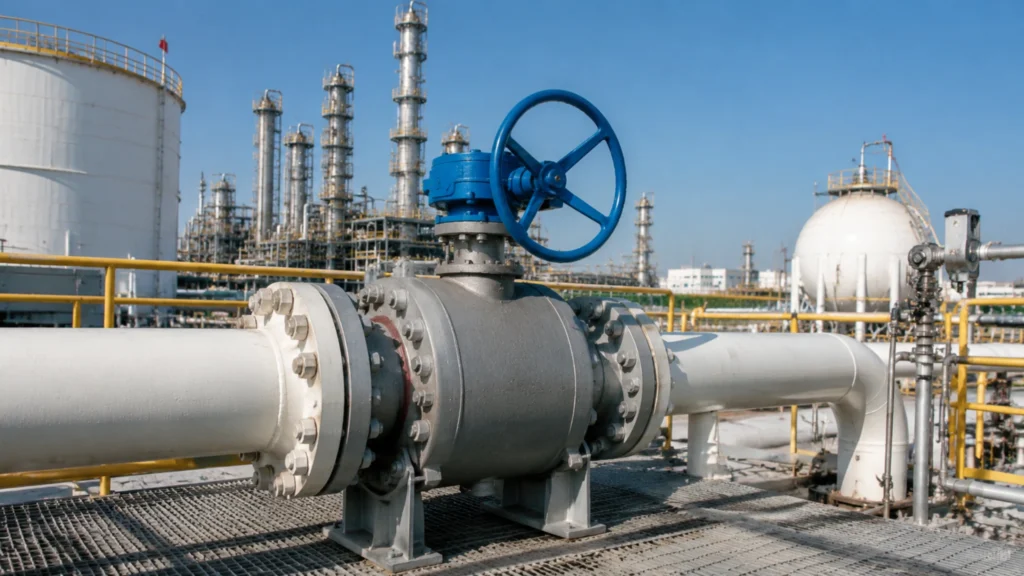
Floating ball valves are among the most widely used isolation valves in oil and gas, chemical, and pipeline systems. Compared to trunnion ball valves, floating ball valves feature a simpler structure and lower cost, with reliable sealing performance in low-to-medium pressure ranges. This guide covers three core dimensions—**working principle**, **pressure rating**, and **API 6D standard**—to […]
Heavy Duty Small Port Connectors Guide | SS304/316, Load Capacity, Specs
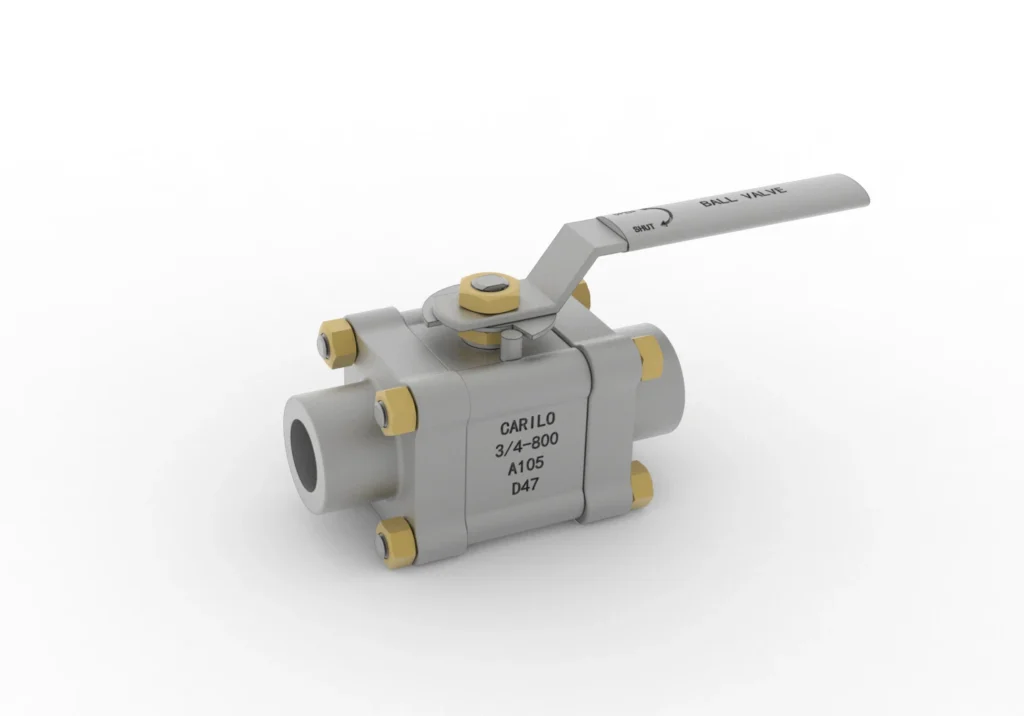
Choosing Your Steel SS304 for General Use ASTM A276 / ASTM A479 Grade 304 (UNS S30400) is the baseline austenitic stainless steel for small port connectors (≤ NPS 2) operating in non-corrosive, controlled environments. Chemically structured with approximately 18% Chromium and 8% Nickel, it relies on a chromium oxide (Cr2O3) passive layer for environmental […]
Heavy Duty Small Port vs Standard Valves | Wall Thickness, Lifespan, Applications
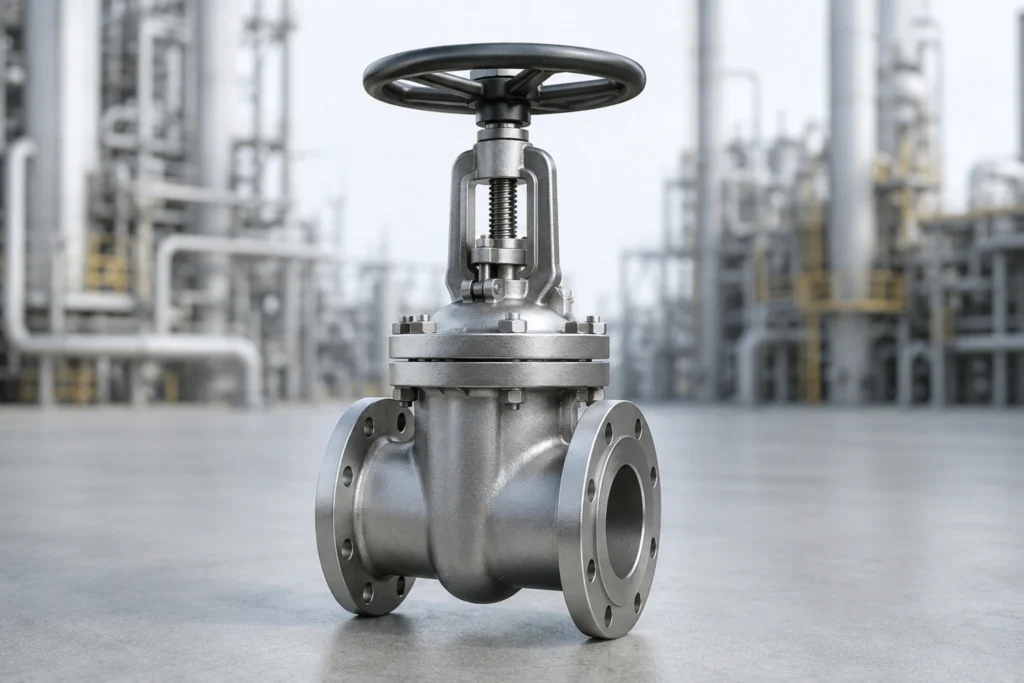
As a Chief Technical Compliance Officer with over two decades of field experience in severe service flow control and pressure vessel integrity, I have reviewed thousands of premature valve failures. More than 40% of these failures stem from a fundamental specification error: misjudging the trade-off between standard port geometries and heavy-duty small port designs. This […]
How to Choose Heavy Duty Small Port Connectors | Vibration Resistance, PSI, Hydraulic Use
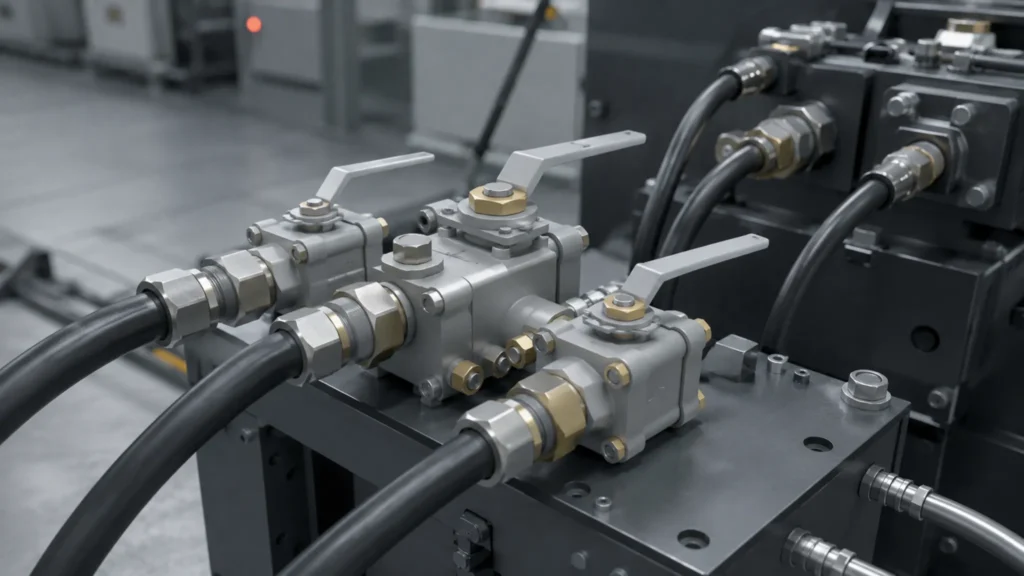
In construction machinery, agricultural equipment, and hydraulic power systems, heavy duty small port quick couplers are critical fluid connection components. Heavy duty designs emphasize vibration resistance and high-pressure capability, while small port designs prioritize installation flexibility in compact spaces. How to find the optimal selection between these two requirements is the central question this article […]
Trunnion Mounted Ball Valve Manufacturer | API 6D, Forged Steel, OEM Support
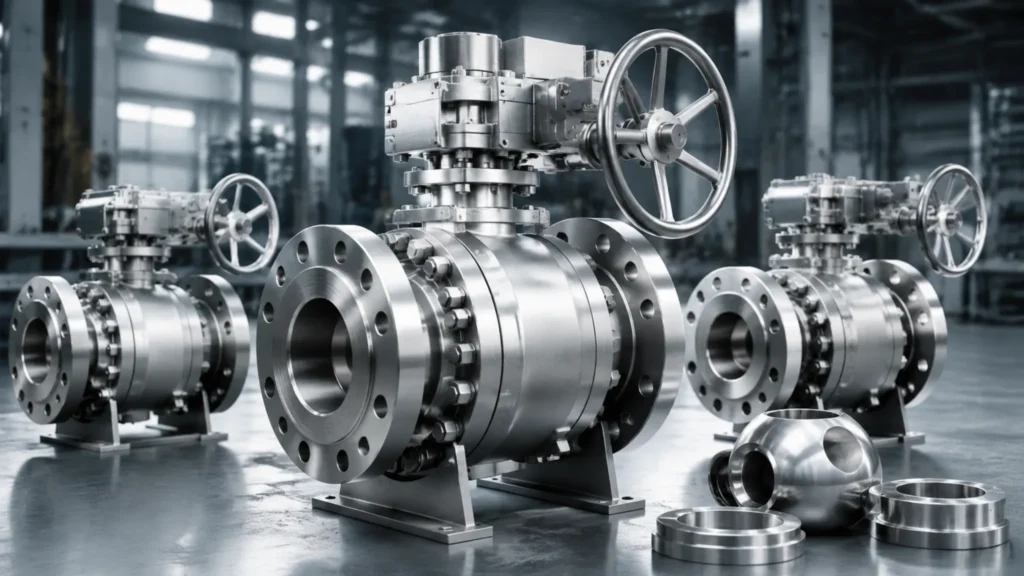
When evaluating ball valve factories for procurement, I typically look at three core dimensions: whether API 6D certification is complete, whether material test reports for forgings are verifiable, and whether OEM customization supports non-standard sizes—factories meeting all three criteria represent approximately 12% of Chinese manufacturers, and I once helped a gas utility identify three qualifying […]
Stainless Steel Trunnion Mounted Ball Valve | 316SS, Corrosive Media, Cryogenic Temp
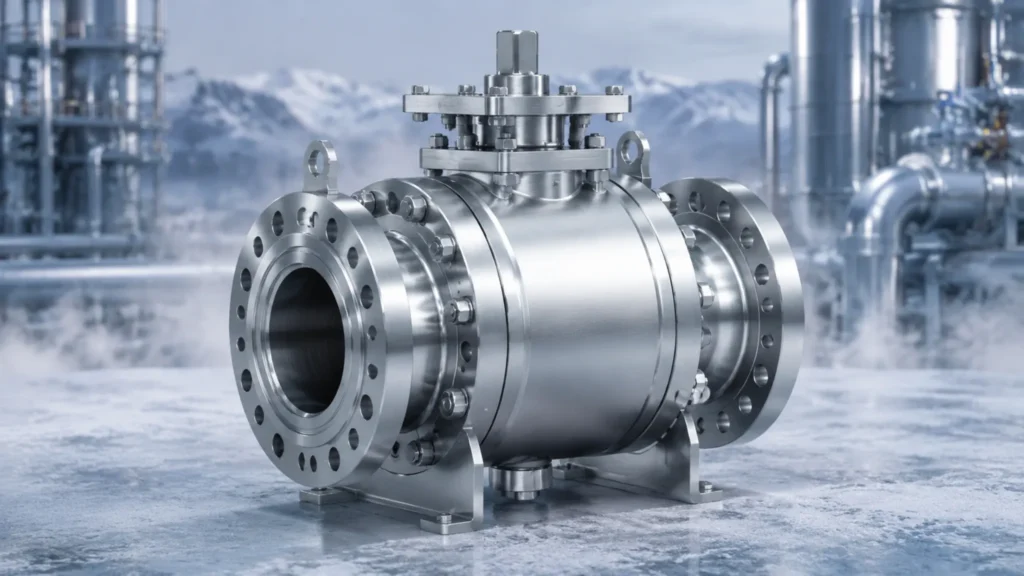
316SS (A182 F316 / A351 CF8M) holds more than 78% of the chemical, desalination, and LNG plant valve market—a dominance rooted in its 2%-3% molybdenum content for chloride pitting resistance and cryogenic toughness down to -196°C; I once compared corrosion rates between 316SS and carbon steel valves at a seawater desalination plant and found the […]
Soft vs Metal Seat Trunnion Ball Valve | Leakage Rates, Temp Limits, Best Uses
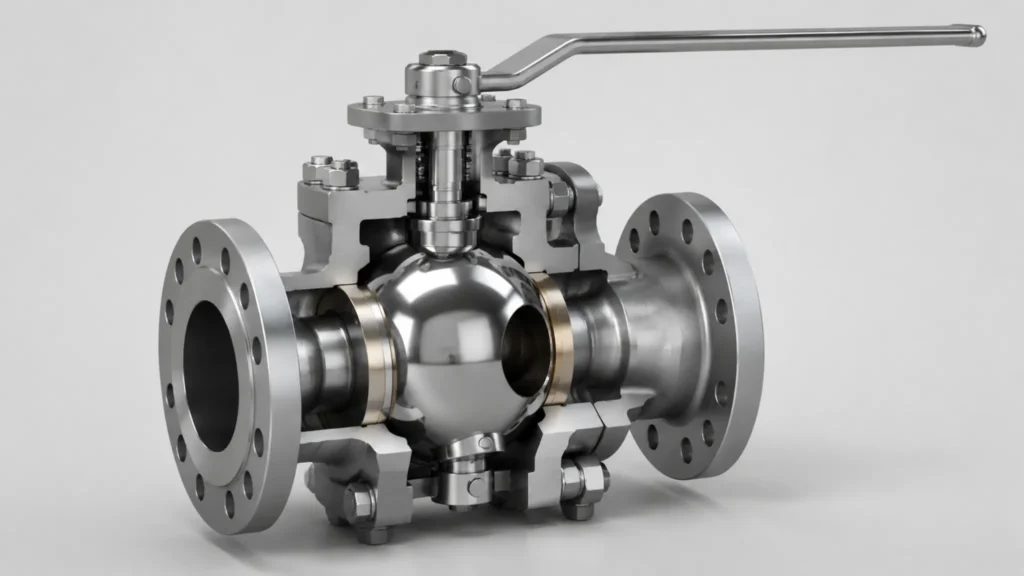
API 6D 33rd Edition data shows that of more than 8 million industrial ball valves in global annual use, 62% use soft seats and 38% use metal seats — the consequence of choosing the wrong seat material runs from costly to catastrophic, with a single unplanned shutdown caused by seat failure averaging $180,000 in lost […]
China Trunnion Ball Valve Supplier | Quality Control, Forged & Cast Options, Global Export
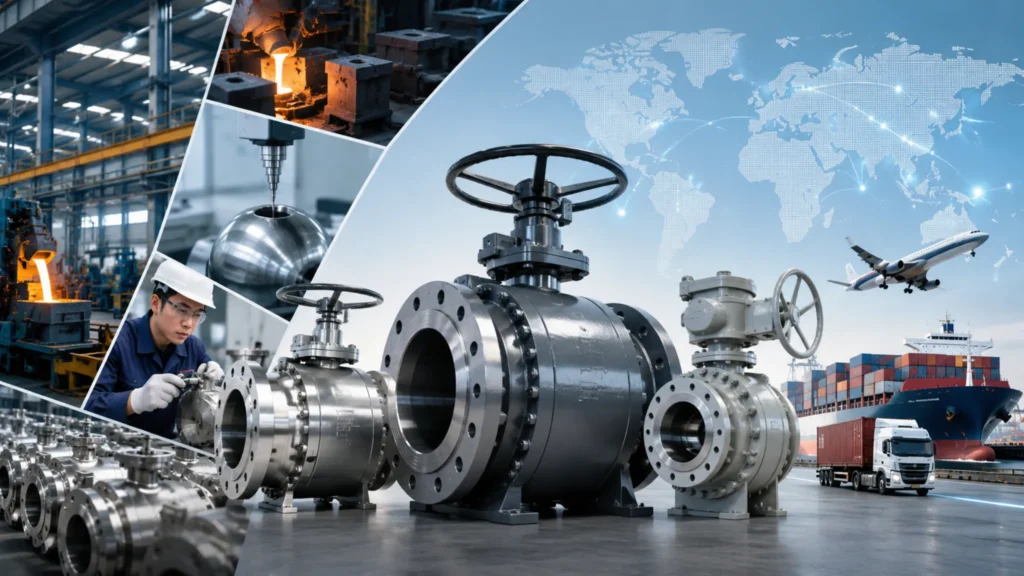
In 2023 the global industrial valve market reached approximately $85 billion, with ball valves accounting for over 30% of that figure — China is the largest export source, with annual exports exceeding $12 billion, and orders for Class 2500+ high-pressure large-diameter valves continue shifting toward Asian suppliers. Forged and Cast Options Cast vs Forged In […]
Duplex Stainless Steel Trunnion Ball Valve | NACE MR0175, Corrosive Service, High Pressure
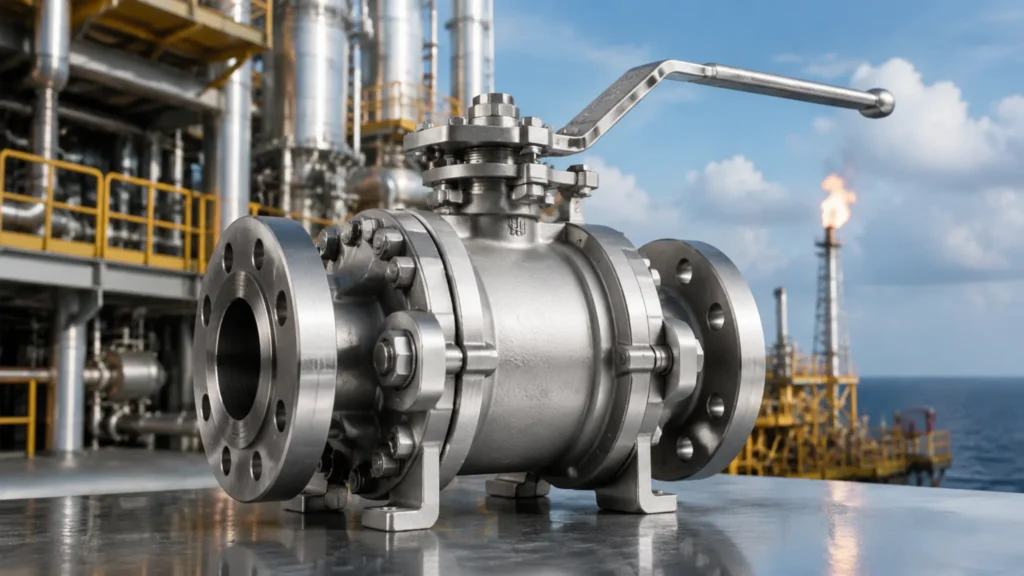
Duplex stainless steel, with PREN ≥ 35 and yield strength approximately 450 MPa, is the preferred valve body material for high-chloride and high-H₂S service conditions; I have been working as a technical support engineer at a sour gas field since 2016 and witnessed duplex steel ball valves operating for 6 years with zero internal leakage […]