
Forged Soft Seated Valve for Gas Pipeline | High Pressure, Bubble-Tight, Safety Certificates
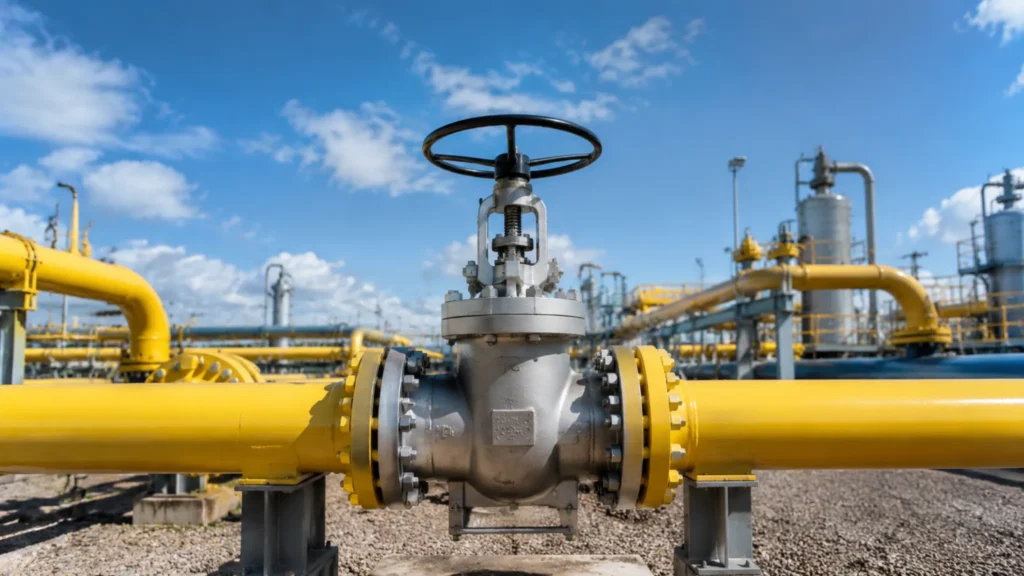
Three things matter when selecting isolation valves for gas pipelines: withstanding Class 1500 high pressure, achieving bubble-tight sealing (API 598 Class VI), and passing API 607 certification. The forged soft-seated floating ball valve covers all three, making it the most common valve configuration for gas pipelines. Managing High Pressure Bubble Tight Sealing The core advantage […]
Forged Soft Seated vs Metal Seated | Valve Comparison, Sealing Performance, Application Fit
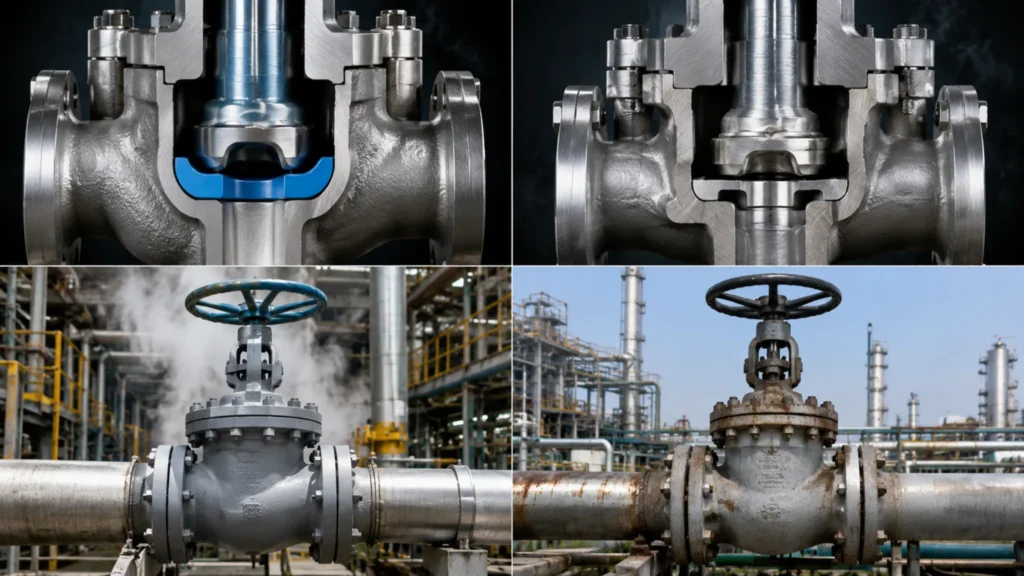
In over 10 years and 500 valve selection projects, I have seen failures caused by confusing soft and metal seats—these two designs use fundamentally different sealing mechanisms and cannot substitute for each other in either direction. How They Seal Soft Seat Basics The sealing core of a soft seated valve relies on the compressible resilience […]
Forged Floating Ball Valve Applications | Oil & Gas, Water Treatment, Chemical Processing
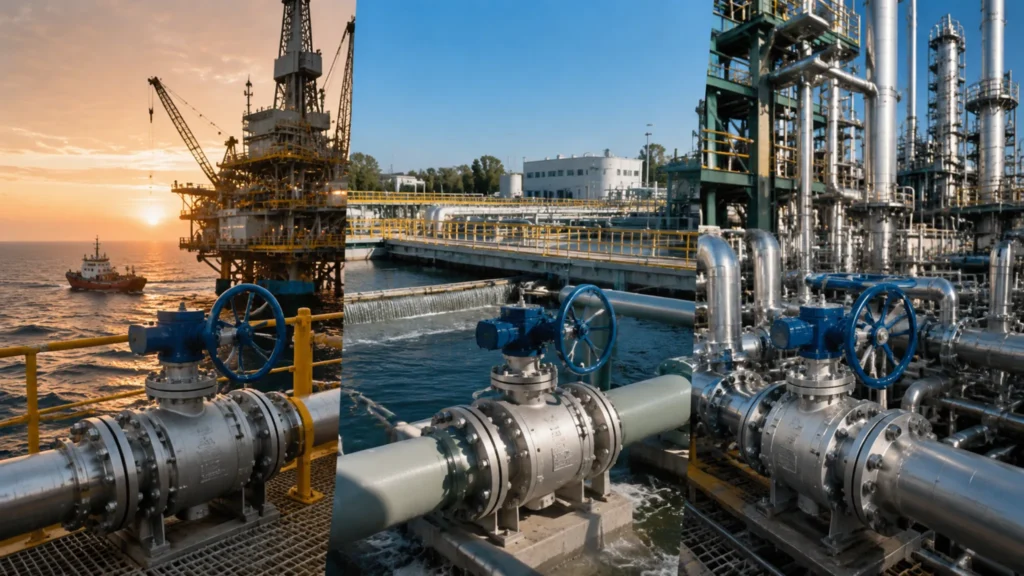
Forged floating ball valves cover -196°C to 680°C, DN15 to DN300, up to Class 1500. After 200+ valve selections, I know: seat material, sealing structure, and fugitive emission design must align — any gap causes shutdowns or safety risks. Oil and Gas Uses Upstream Pipeline Flow Upstream pipelines are the first step in moving crude […]
China Forged Floating Ball Valve Supplier | Soft Seat, A105/F316, CE Certified
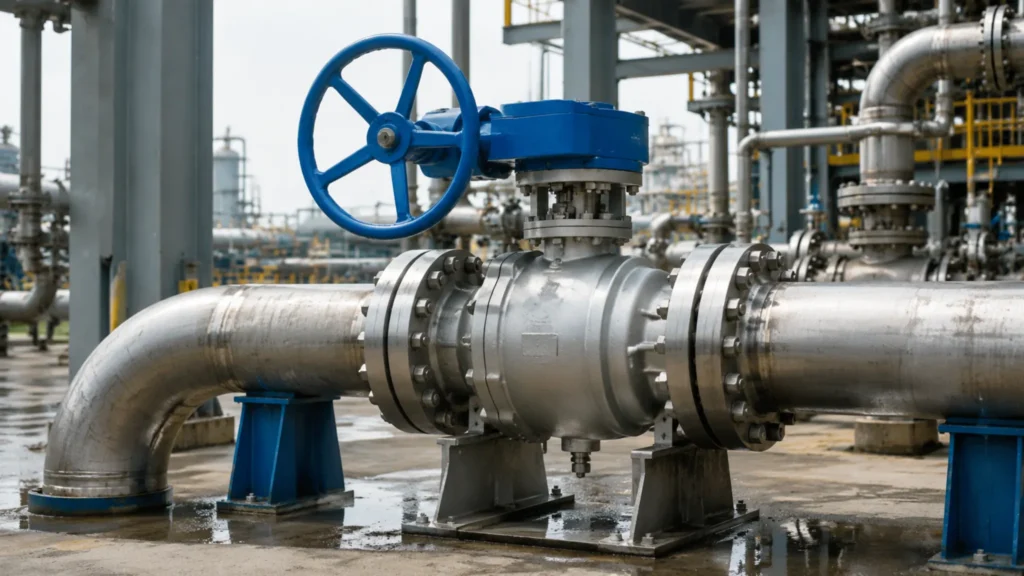
Forged floating ball valves are the mainstream choice for high-pressure operating conditions, available in Class 150 to 1500, NPS 1/2 to 12. They feature soft seats made of PTFE/RTFE, support a temperature range of -196°C to 260°C, and are highly suitable for oil & gas, chemical, and water treatment systems. Valve Material Selection Forged Valve […]
Forged Soft Seated Floating Ball Valve Manufacturer | API 6D, OEM, Global Shipping
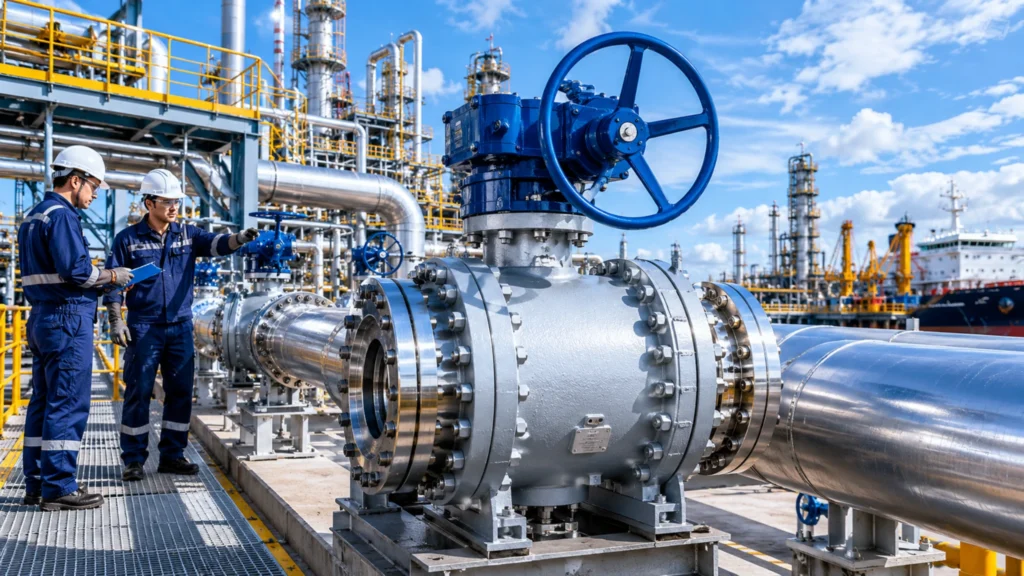
Forged soft-sealed floating ball valves, API 6D certified, available in WCB/LCC/CF8M materials with multi-material options, OEM private labeling supported, suitable for high-pressure applications in oil & gas, petrochemical, and seawater desalination industries. Quality Build Basics Forged Body Strength I have personally disassembled over two hundred floating ball valves during petrochemical plant maintenance overhauls, and the […]
Heavy Duty Small Port Hydraulic Fittings | Carbon Steel, High Pressure, Zinc Plated
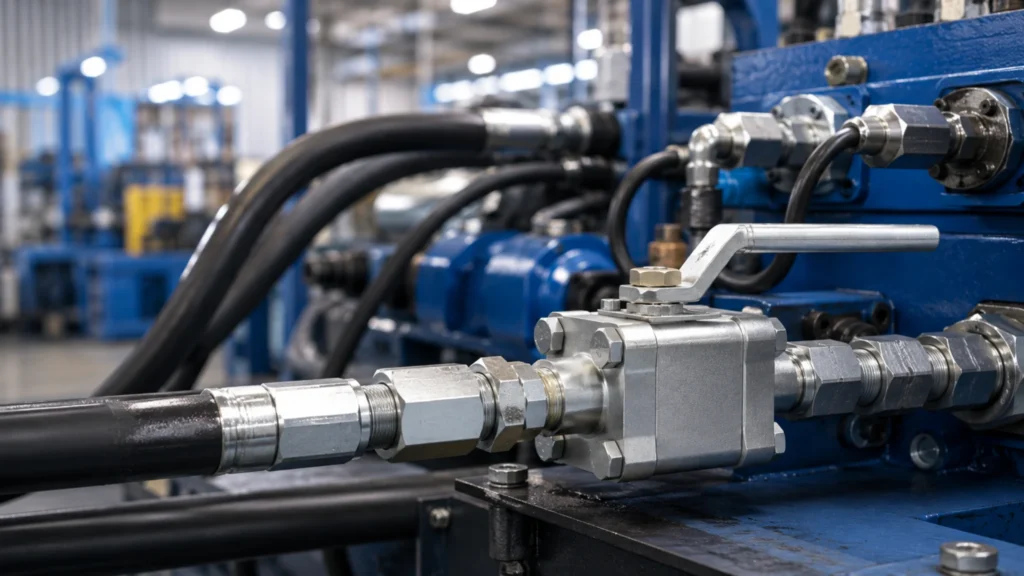
Carbon Steel Small-Bore Hydraulic Fittings, rated up to 6000 PSI, with zinc-nickel plating that resists salt spray corrosion and a three-year zero-rust record in our Jiangsu workshop. Suitable for high-pressure heavy-duty applications including construction machinery, mining equipment, and port cranes. Steel and Coating Carbon Steel Perks Over more than a decade of hydraulic equipment maintenance, […]
Heavy Duty Small Port Fittings | Threaded & Socket Weld, Forged Carbon Steel, Bulk Supply
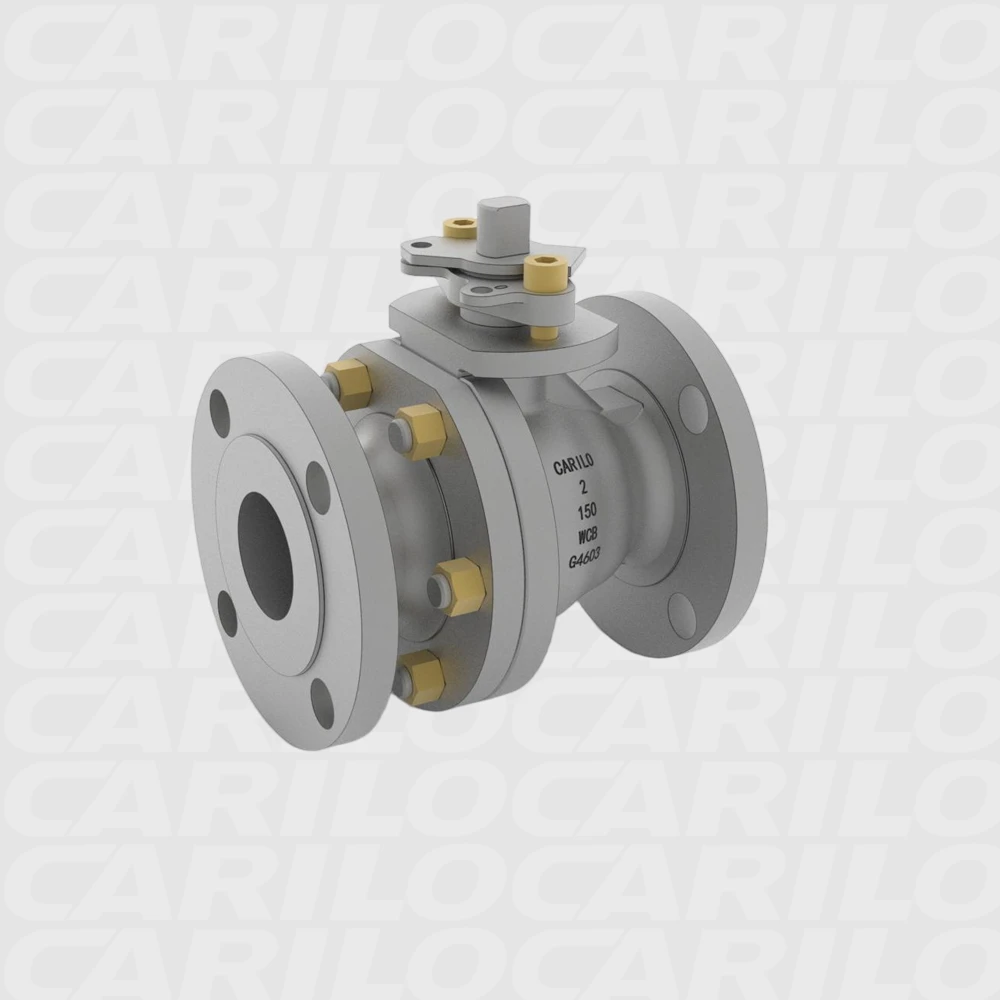
Heavy‑duty small valves and pipe fittings are core connection components in industrial piping systems, designed to transport high‑pressure, high‑temperature and corrosive media. Nominal diameters typically range from DN6 to DN50, with threaded and socket‑weld connections being the most common. The prevailing materials are forged carbon steel (A105) and stainless steel (F304/F316), and they are widely […]
Sourcing Floating Ball Valves | China Manufacturer, Global Shipping, Strict QC Process
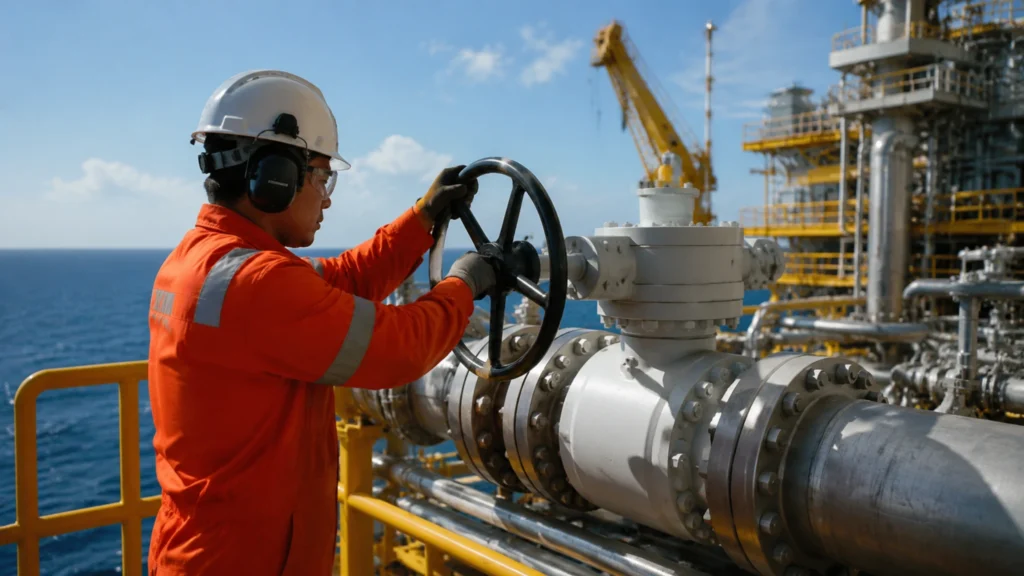
Sourcing floating ball valves from China presents key challenges including identifying genuinely capable manufacturers, maintaining rigorous product quality control, and ensuring safe delivery to global destinations. Finding China Factories Verify Factory Skills When screening Chinese valve factories, the first step is not to review their website or request quotes, but to verify their actual production […]
Industrial Floating Ball Valve Supplier | Stainless Steel, Carbon Steel, 100% Pressure Tested
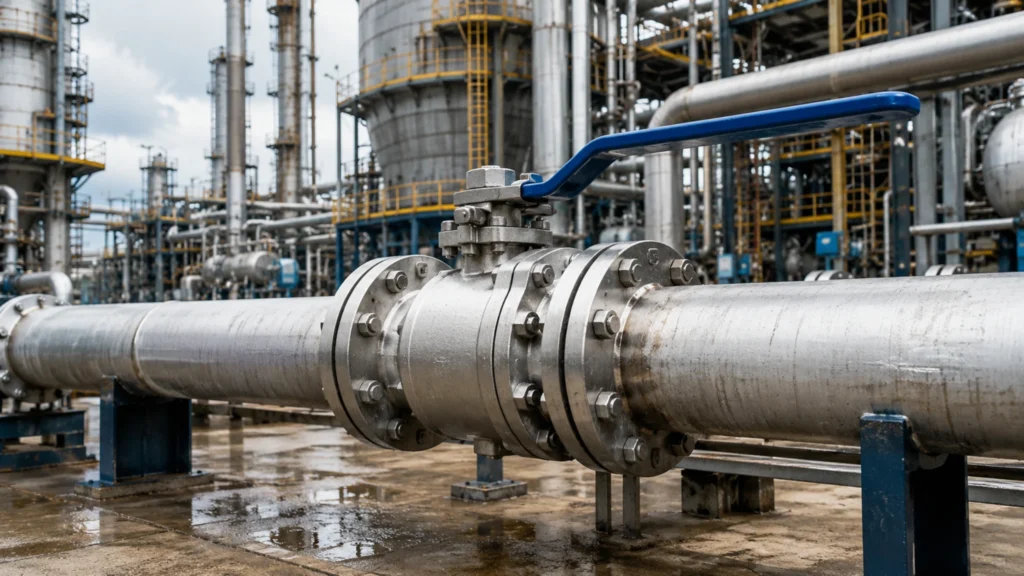
Industrial floating ball valves are essential equipment for pipeline isolation and regulation. Steel material selection and factory pressure testing represent the two critical thresholds that determine valve service life. Choosing the Steel Stainless Steel Uses Stainless steel is one of the most common body materials for industrial ball valves, its core advantage being excellent corrosion […]
Fire Safe Floating Ball Valve | API 607 Certified, Anti-Static, Oil & Gas Pipelines
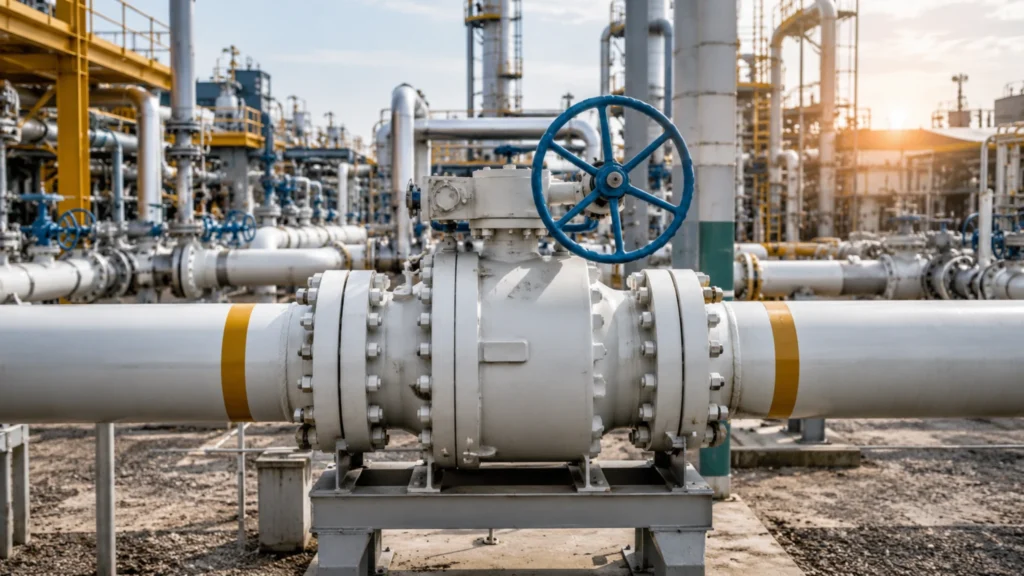
The API 607 certified fire‑safe floating ball valve is specifically designed for fire scenarios, featuring a fire‑resistant construction, anti‑static grounding, and reliable sealing performance, and serves as a key safety barrier for oil and gas pipelines. Fire Safe Design How It Seals Floating ball valves rely on the medium pressure to press the ball against the […]