
What is the difference between trunnion and floating ball valves? | Seal Wear, Maintenance Cost, DBB Feature Explained
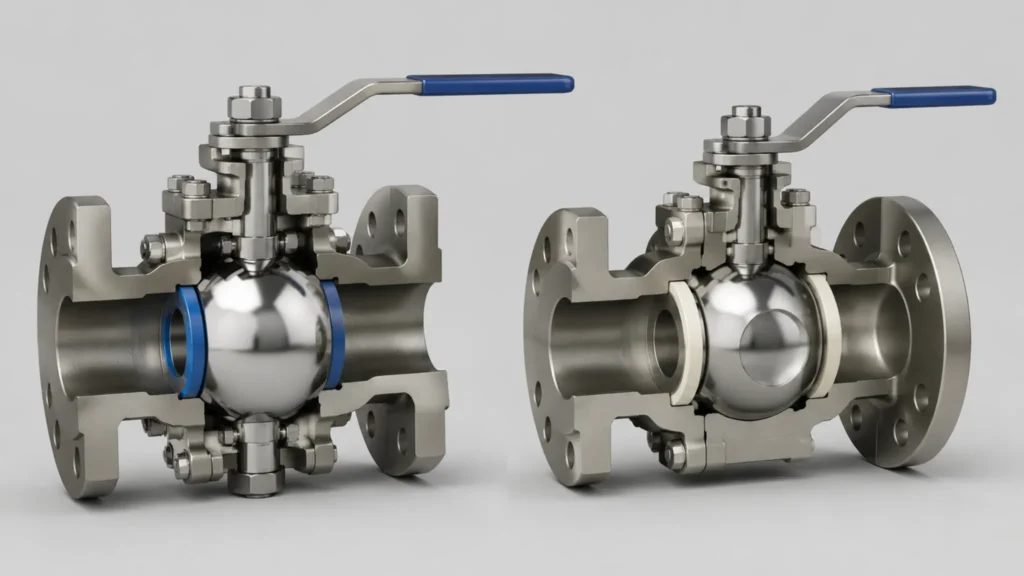
According to ASME B16.34, ball valves account for approximately 38% of the global pipeline isolation valve market — the differences in seat contact stress, bearing wear rates, and maintenance costs between these two designs are substantial, and selecting the wrong type leads either to frequent leakage or to seal failure under high pressure; this article […]
Trunnion Mounted Ball Valve Maintenance | Seal Replacement, Lubrication, Troubleshooting
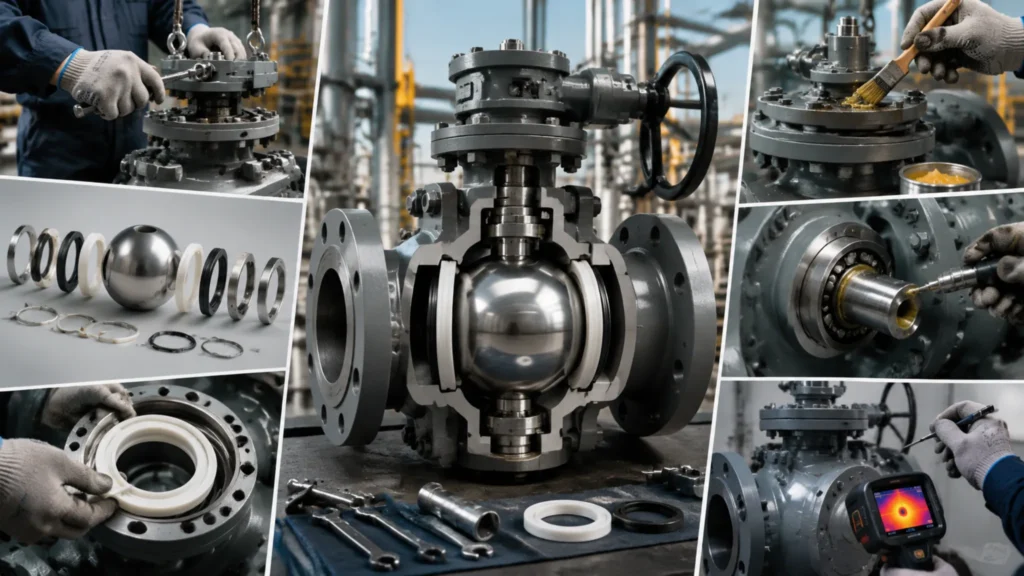
According to the Norwegian Petroleum Safety Authority (PSA) 2022 report, ball valve-related downtime accounts for 17.3% of all pipeline equipment failures, with an average cost of $285,000 per incident — this article covers the full lifecycle of trunnion mounted ball valve lubrication, seal replacement, and troubleshooting, serving as a direct field reference for site engineers […]
How does a trunnion ball valve work | Internal Structure, DBB Feature, Diagram
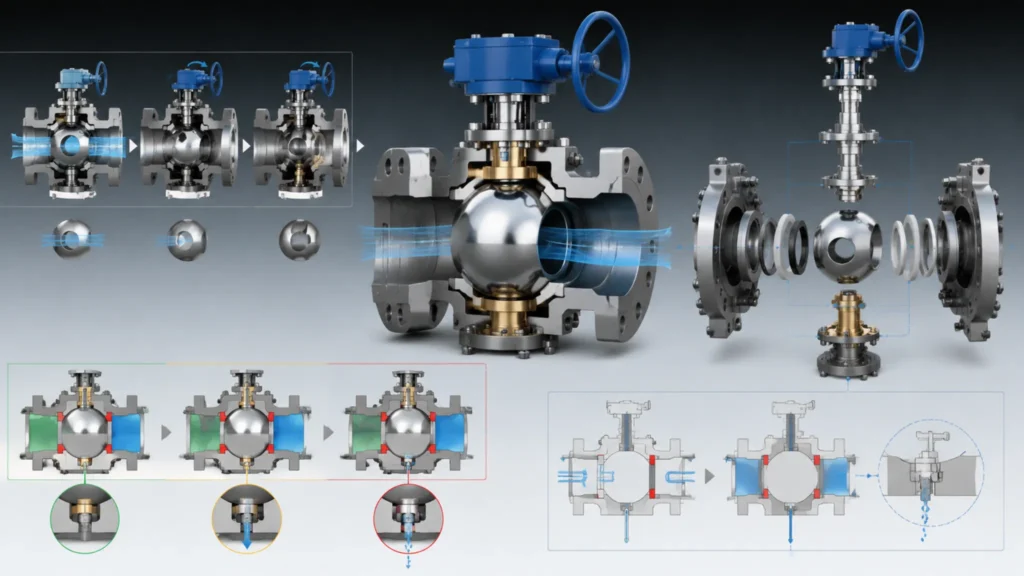
How does a trunnion ball valve work? The internal structure is far more complex than a floating ball valve—I once reviewed a natural gas pipeline station where operators had almost no understanding of the small bearing at the top of the stem or the trunnion locating pin at the bottom of the ball, yet frequently […]
API 6D Trunnion Mounted Ball Valve | Specs, Testing Standards, Oil & Gas Pipeline
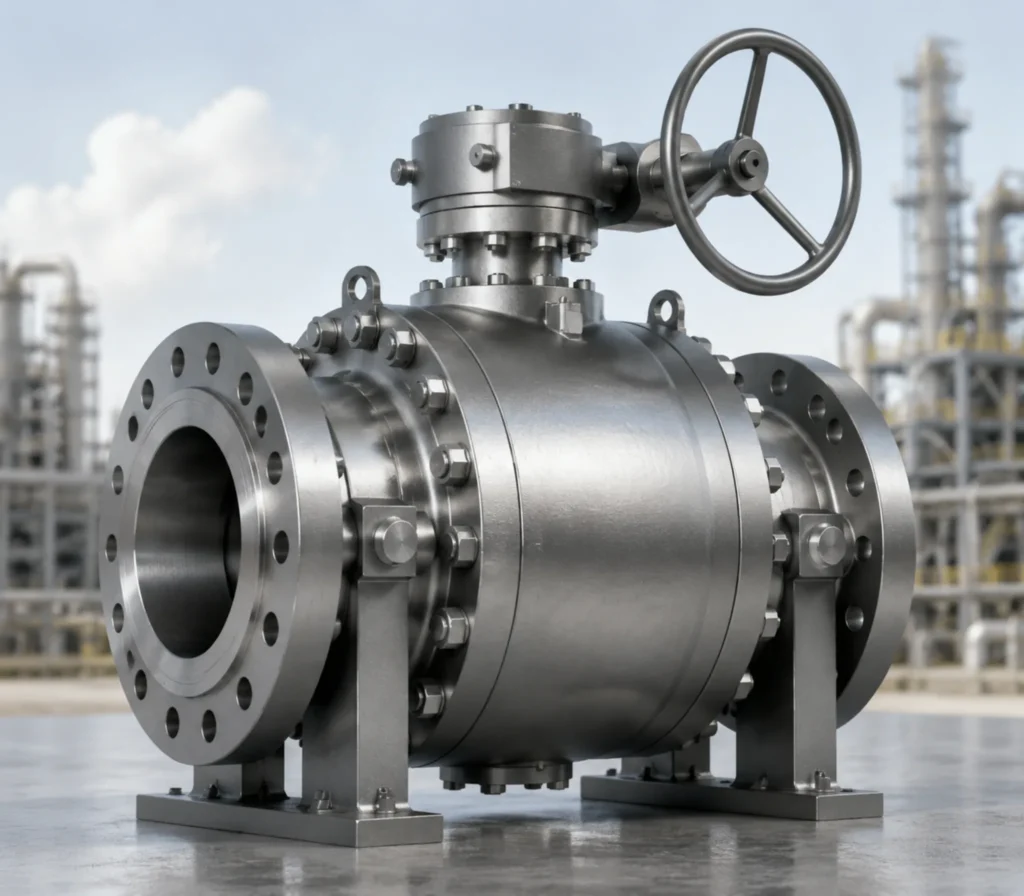
API 6D is the governing standard for pipeline ball valve design. I once reviewed a natural gas city gate station where an engineer cited Class 300 at 2.0 MPa (38°C), overlooking a 260°C design temperature — the resulting 3.8 MPa gap is enough to cause a serious valve selection error. Core Design Specs Pressure Ratings […]
Trunnion Mounted vs Floating Ball Valve | Key Differences, Pressure Limits, Selection Guide
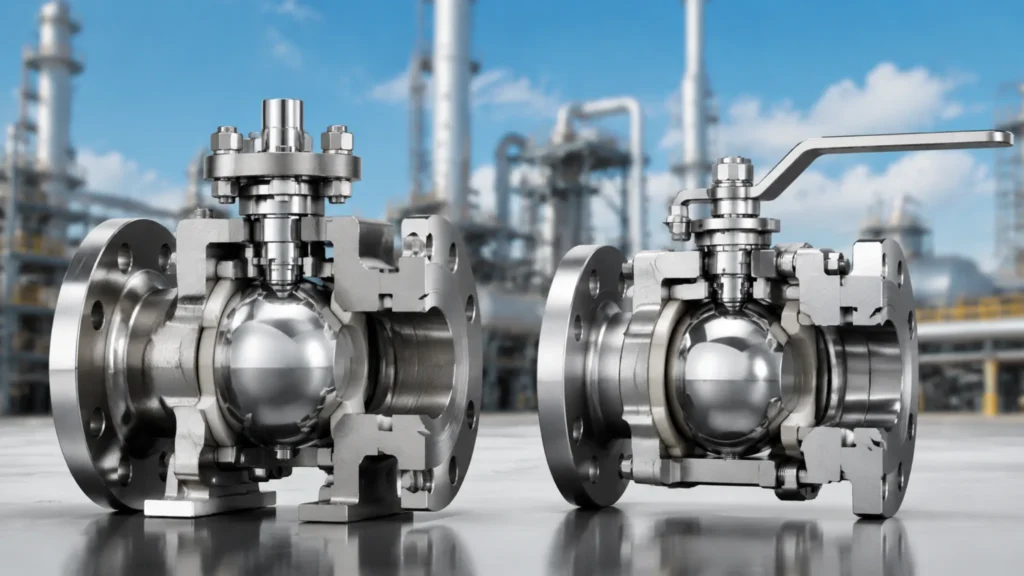
Ball valves rank among the most common isolation devices in piping systems worldwide, and the design differences between floating-ball and trunnion-mounted types directly determine pressure capacity, seal reliability, and life-cycle cost — wrong selection leads either to chronic leakage or, in the worst cases, pipeline overpressure incidents. According to Baker Hughes 2024 field data, 38% […]
What is a Forged Valve? | Common Uses in Oil & Gas, Power, and Chemical Industries
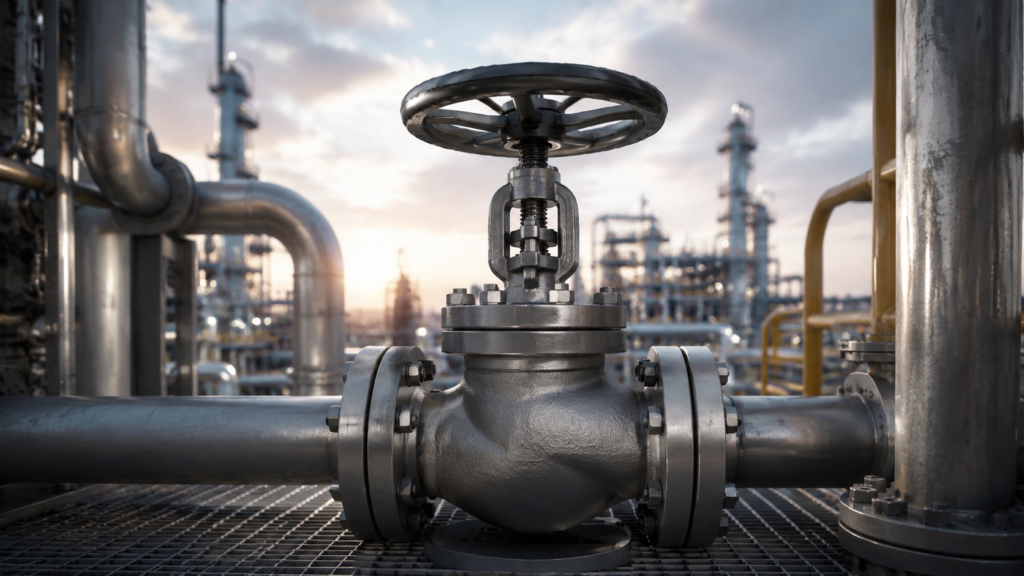
A refinery in the Middle East experienced a high-temperature cracking failure in a cast steel valve — post-incident analysis traced the origin to shrinkage porosity in the as-cast structure; the facility subsequently replaced all Class 600 and above valves with forged equivalents and established an internal policy mandating forged valves as the default choice, marking […]
What is a Forged Ball Valve? | Definition, Structure, and Working Principle
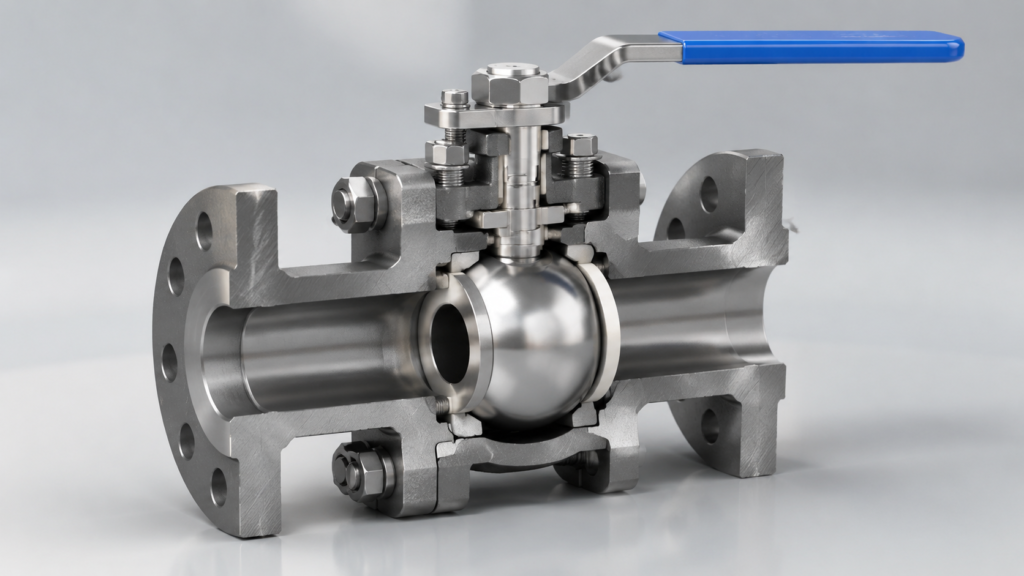
A cast steel ball valve on a North Sea offshore platform fractured brittlely at minus 30 degrees Celsius — post-incident testing revealed that internal micro-porosity clusters had propagated into crack origins under combined high pressure and cryogenic conditions; this event triggered upgrades to API 6D material inspection requirements for forged steel valves and became the […]
API 6D Forged Ball Valve | Full Bore, Reduced Bore, Fire Safe Design
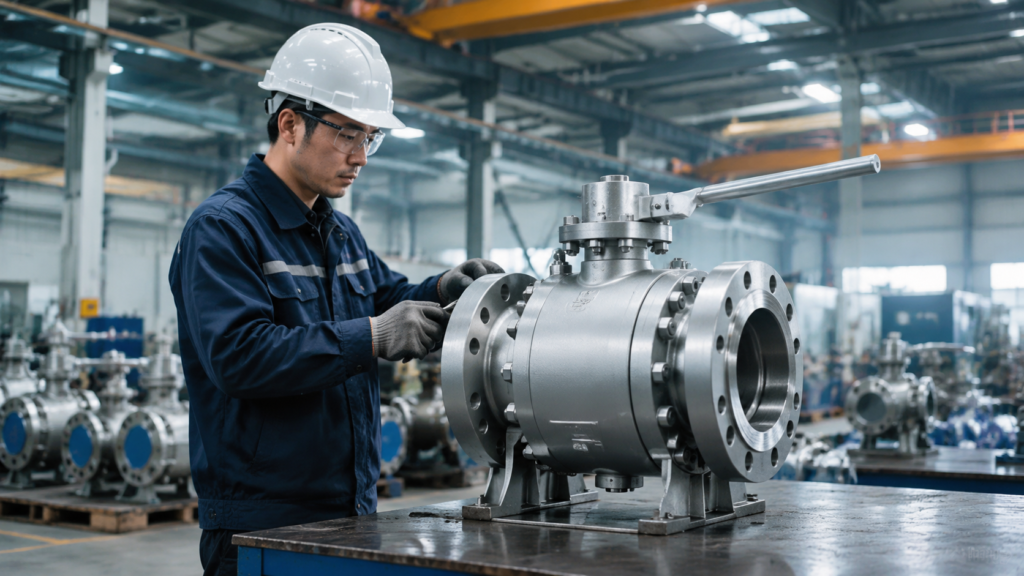
API 6D forged steel ball valves are critical control equipment in oil and gas pipeline systems — the three structural types (full bore, reduced bore, and Fire Safe) differ in flow capacity, pressure rating, and application scenarios, and selecting the correct structural type is the fundamental prerequisite for ensuring pipeline system operational efficiency and safety […]
Industrial Forged Ball Valve | Oil & Gas, Petrochemical, Water Treatment Solutions
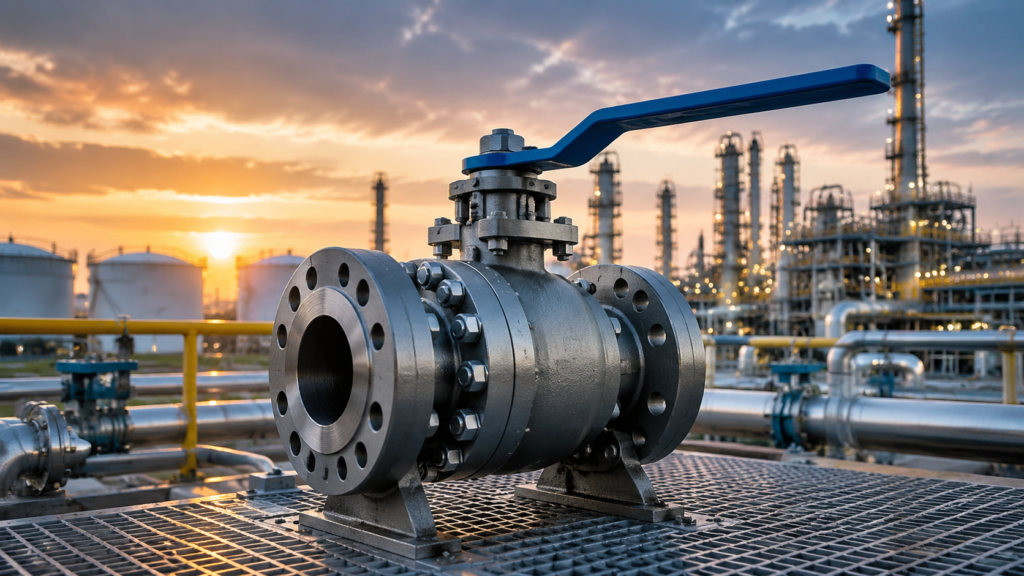
The global industrial valve market is approximately USD 38 billion, with ball valves accounting for 35% to 40% of that total. My first overseas project involved delivering a batch of Class 600 NPS 8 forged ball valves to a refinery in Indonesia — the client’s technical specification ran to 187 pages covering every requirement from […]
Forged Ball Valve Manufacturer | API 6D Certified, Custom OEM, Global Export
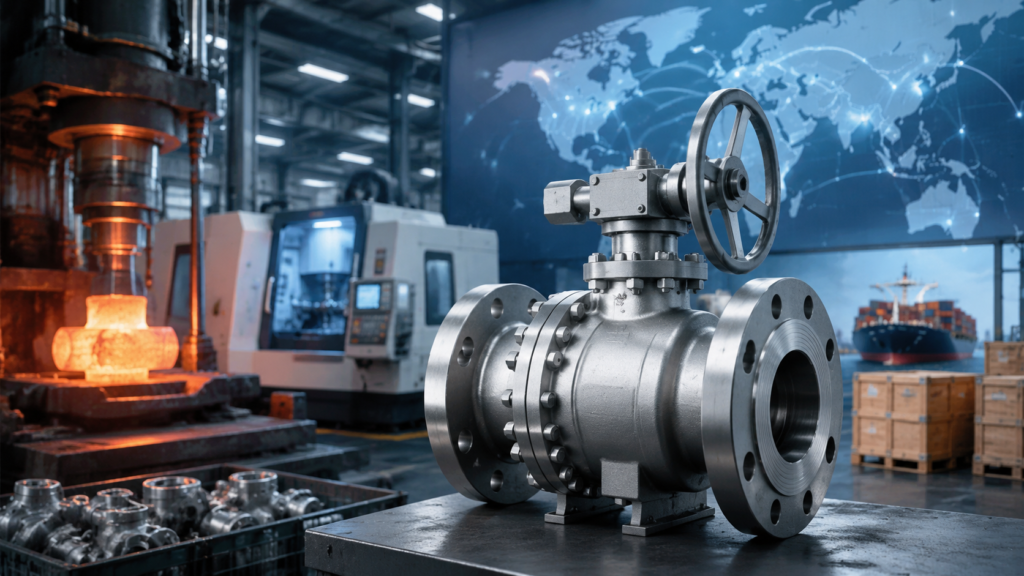
Globally, forged ball valves account for approximately 38% of total industrial ball valve sales, with an annual market value exceeding USD 2.8 billion. I once supplied NPS 24 Class 600 forged ball valves to a North American oil and gas developer — from technical confirmation to first delivery took 11 weeks. When they compared that […]